Raising Kids With Wealth Without Spoiling Them (Trampoline vs. Hammock)
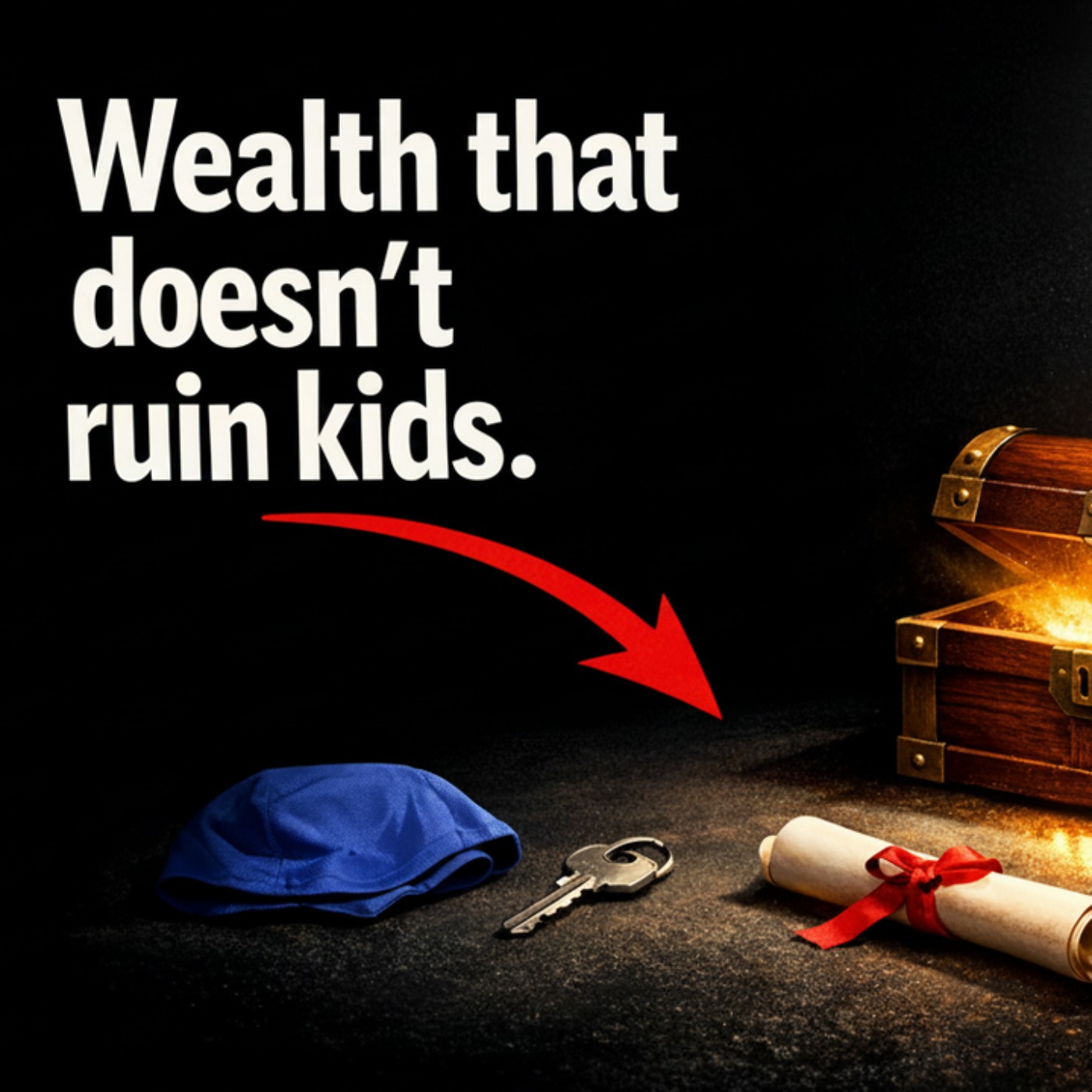
Connect with Us: Join our Investment Community over over 14,000: https://thewealthelevator.com/club For Holistic Wellness and Performance Coaching: connect with Dr. Po at drpowu.com On the Rich Life Podcast, the hosts discuss how to raise kids with wealth without spoiling them, using the idea that money should act like a “trampoline” that amplifies effort rather than a “hammock” that removes friction. They cover how wealth can block normal development, why success shouldn’t be defined as surpassing parents financially, and the importance of defining family culture and values early (including accountability and learning through failure). They emphasize contribution over income, caution against revealing family wealth abruptly, and debate lifestyle signals like first-class travel, bailouts, and trust structures—especially the sibling dynamics and risks of over-engineering inheritance. They conclude with self-determination theory as a framework—autonomy, competence, and relatedness—arguing that wealth should support a life kids are strong enough to build, not replace it. 00:00 Raising Kids With Wealth 00:51 Trampoline Not Hammock 02:38 Wealth And Development 05:36 Coaching Versus Struggle 08:39 Defining Success At 35 12:01 Legacy And Family Culture 17:24 Values Accountability Failure 20:56 Contribution Over Income 24:11 Safety Nets And Real Risk 28:00 Privilege And Self Belief 28:57 Risk Seeking Rich 29:36 Wealth As Trampoline 30:34 Revealing Wealth Slowly 33:22 First Class With Kids 36:30 Trusts And Sibling Dynamics 38:52 Stop Over Engineering 41:13 Self Determination Theory 43:19 Autonomy Competence Relatedness 49:37 Relatedness And Isolation 51:40 Closing Takeaways Hosted on Acast. See acast.com/privacy for more information.