Find partners

Episodes

110

Latest episode

Aug 2026

Language

EN

About the show

Business confidence for designers.

Listen to episodes

60 recent
September 10, 202639 min

Before You Add AI, Ask These 5 Questions

🎟️ WHO GETS TO DECIDE? Brighton, 23 September 2026 Want to experience Melin’s workshop for yourself? Join us at Sea Lanes in Brighton for an evening exploring where designers fit in leadership as AI changes our work. You’ll work through real AI decisions, practise navigating difficult stakeholder conversations, and leave with a practical decision checklist and your own AI manifesto. Tickets are just £30 including food and a drink, £25 each if you bring a friend, and even less if you come as a team. 👉 Get your ticket: https://d.mba/sessions-brighton Before you add AI, ask these 5 questions. Designers are increasingly being asked to put AI into products, processes and workflows. But how do you know when it’s actually the right decision? In this episode of In Practice, I’m joined by Melin Edomwonyi, founder and UX Director at Seedable Studio, to explore five areas we should be questioning before reaching for AI: value, trust, cost, safety and ethics. We talk about starting with the problem rather than the tool, the risks AI can introduce to users and brands, and how designers can bring balance and critical thinking into conversations about AI without getting caught up in either the hype or the backlash. Melin also shares how designers can use the skills we already have to ask better questions, bring evidence into the room and have more influence over the decisions being made around AI. FIND MELIN Seedable Studio: https://seedable.studio LinkedIn: / melinedo 🎓 APPLICATIONS FOR d.MBA ARE OPEN Our next five-month d.MBA cohort starts on 5 October 2026. If you want to build your confidence around business, strategy and having more influence in the decisions that shape your work, applications are open now. Apply: https://d.mba/apply 00:00 The AI mess that took years to clean up 01:30 Conversation starts: meet Melin 02:06 Pressured to use AI in 2023 — and the fallout 04:54 Inside "Leading With Clarity in the AI Era" 07:09 Love and hate: how you really feel about AI 07:51 Personal values vs organisational values 10:27 The five hard questions 11:09 Value: don't start with the tool 14:24 Trust & UX: hallucinations and who's accountable 18:03 Cost: compute, maintenance and the tech giant risk 22:12 Safety & ethics: bias, data leakage, energy 25:03 ChatGPT vs Gemini vs Claude 27:42 Pushing back without being "the AI skeptic" 34:45 Writing your AI leadership manifesto 38:00 Seedable Studio and where to find Melin

September 4, 202642 min

Is Your Product Actually Worth It? (a scorecard)

Would anyone miss your product if it vanished tomorrow? It's one of the best strategic questions you can ask, and it's just one part of the Worth-It Test. Juju (Juliana Muñoz Uribe) is a strategist and writer whose Substack, Unfluence Lab, tracks how behaviour and meaning are shifting in tech. Her argument: as products mature, extraction creeps into the business model, meaning breaks, and users quietly stop caring. Her answer is a scorecard built on four pillars of meaning from social psychology, coherence, connection, contribution, and something bigger, that lets you audit any product, filter ideas, and work out whether what you're building is genuinely worth it. In this episode she opens it up on screen, scores real products with it, and then does something braver: she scores this podcast, live, with me pushing back on the grades. We get into: The four pillars: does it hold together, does it create a space people return to unprompted, is it genuinely useful, does it serve something beyond the transaction The vanish test: would anyone miss it if it disappeared tomorrow Live audits: Too Good To Go (where trust is cracking) and Cosmos (the intention economy done right) The self-audit: Juju scores In Practice, and I argue two of her grades down Using the scorecard to filter ideas now that building is no longer the bottleneck What to do when the scorecard tells you your work isn't worth it, and why frustration is the most useful emotion you have The shift from the attention economy to the intention economy TRY IT YOURSELF The scorecard comes from Juju's essay The Worth-It Test, read it, run it on your own product, and she'd genuinely love to hear how it went https://unfluencelab.substack.com/p/t... JUJU'S LINKS Unfluence Lab, Juju's Substack on psycho-technology shifts: https://unfluencelab.substack.com Juju on LinkedIn: / jujumunoz d.MBA Business education for designers: https://d.mba 00:00 "When extraction breaks meaning" 01:01 The conversation with Juju 01:30 Deleting Facebook: where the question started 02:57 The product playbook that erodes meaning 05:39 A model for "is it worth it?" 06:39 The four pillars of meaning 08:45 Turning the pillars into a scorecard 14:00 How the scoring works (0–3) 16:33 Auditing the DMBA podcast live 24:03 Real-world audits 30:06 The crisis of meaning 34:33 When your product isn't worth it 39:51 Final advice & where to find Juju

August 19, 202651 min

From Idea to Live App — A Designer's Real AI Workflow

The real skill with AI tools isn't prompting. It's knowing when to stop prompting, when to step in, do it by hand, and hand the result back to the machine. Darshan Gajara is a design leader who actually ships. His latest is Beanpresso, a coffee journaling app built in Lovable, launched, and refined in the wild. In this episode he shares his screen and walks through the whole build, the real project, the prompt history, the dead ends, and the moments a designer's eye had to take over, from first idea to live product, plus how he's approaching monetisation and marketing as a solo maker. We get into: Starting in Lovable and only bringing in Figma once the idea took shape, "give it a designer's touch" Why you don't need to design whole flows anymore: get one page right and Lovable infers your design system The handoff problem: screenshots plus precise description, component by component, down to corner radii The SVG trick: when the animation kept breaking, he built the UI by hand, named every layer, exported an SVG and told Lovable to animate exactly that "I'm still a designer": choosing to do the branding by hand, and why some things are better that way Monetising a side project: premium taste insights, and a roaster marketplace his own users suggested Marketing by making: free tools, a Berlin coffee guide the roasters reshared, and an AI writing setup trained on his own style GET THE APP Beanpresso, coffee journaling for people who take their beans seriously: https://beanpresso.com MY REFLECTIONS I share my personal takeaways from each episode in the d.MBA newsletter, what I actually learned and what I'm stealing for my own builds: https://d.mba/newsletter LINKS Darshan on LinkedIn: / darshangajara Product Disrupt, Darshan's design learning resource: https://productdisrupt.com Darshan's site: https://darshan.design d.MBA, business education for designers: https://d.mba 00:00 – "They just keep banging their heads, burning through tokens" 00:36 – Who Darshan is, and what this episode is really about 01:36 – Interview starts: scratching his own itch. 05:51 – App demo: scanning a bag, community feed, taste stats 10:51 – Validating the idea (and why the existing coffee apps weren't good enough) 14:12 – Version one: built straight in Lovable, no design 15:54 – The prompting workflow: voice notes → Notion AI → Claude → Lovable 18:21 – Why he dropped the native app and went web 19:33 – Mood boarding with Variant, and finding the visual language 23:54 – Naming it, and why AI is terrible at logos 27:15 – What AI is good at, and what he had to do by hand 30:45 – Taking the design back into Lovable, component by component 33:27 – Building new flows once Lovable knows your design system 36:36 – The SVG animation trick 38:27 – Don't expect one tool to do everything 42:06 – Monetisation: premium stats and a roaster marketplace 45:45 – Distribution: small free tools, Instagram, and SEO 49:15 – Where to find Beanpresso and Darshan

August 5, 202626 min

How to Work Out What You Actually Want From Your Design Career

Everybody thinks they know what matters to them. Then you ask them, and they can't tell you. Daniel Burka has stood at more career crossroads than most: Digg, Glitch (which became Slack), a company sold to Google, five years at Google Ventures, then eight years in global public health. Every time the stakes got high, he reached for the same thing: Job Rank, a weighted-scoring spreadsheet for choosing your next role. In this episode he opens the real template on screen and walks through exactly how it works, for designers, product people, and anyone in tech staring at a hard career decision. We get into: Why the spreadsheet isn't really the tool: 90% of the value is being forced to write down what you value and rank it If everything's important, nothing's important: how the weighting forces the trade-offs a pros and cons list politely avoids The moment the sheet told Daniel something his ego didn't want to hear about a big role at Google How the tool travels with you: same values, different weights, as your life changes Where AI fits into a decision that should stay human GET THE TEMPLATE Free to copy, in Daniel's full write-up: https://www.hardproblems.com/articles... LINKS Hard Problems, helping designers and people in tech find work that matters: https://www.hardproblems.com d.MBA, business education for designers: https://d.mba 00:15 – What this episode is about 02:10 – Daniel's career crossroads 04:15 – Job Rank: it's just a spreadsheet 04:40 – Writing down what matters to you 06:25 – Weighting each value (and why not everything's a 5) 09:50 – Scoring the jobs you're considering 11:20 – Scoring jobs that don't exist yet 13:10 – How to make your own job 16:50 – The Google role his ego wanted 19:10 – Why 90% of the value is just writing it down 21:10 – Hard Problems: work that actually matters 25:05 – Jobs that matte

July 23, 202641 min

The Framework Deel's Design Director Uses to Decode Any Company

Avi Ashkenazi, Senior Director of Product Design at Deel (Shopify and iwoca before that), walks through the Shredder: the framework he built for reverse-engineering any company's strategy from the outside, using nothing but public information. It's the skill that moves designers from executing the brief to shaping it. We get into: Why studying competitors through their screens is the most superficial read there is The tree metaphor: products are the fruit, strategy is the hidden trunk, and everything around it talks How to read org charts, careers pages, investors and partners as leading indicators of a company's next move Why companies ship their org chart, and how to spot the seams in the product How AI has changed the way Avi runs the framework since he built it at iwoca Using the Shredder on your own company, to find out what your strategy actually is

August 9, 20241 hr 24 min

107- GoPro - Business Design Teardown

Ever thought about the ingenious business and design strategies that turned an everyday gadget into an adventurer's (and content creator's) best friend? Our latest Business Design Teardown dives into the thrilling business and design strategies behind the iconic action camera brand GoPro, revealing the creative and strategic decisions that shaped GoPro's journey to becoming a market leader. Join Alen, Franz, and Tom as they explore the trails and navigate the rapids of GoPro's fascinating journey. They'll zoom in on... How a founder's passion for surfing and desire to capture his adventures identified a gap in the market for him to explore The role of prototyping and rapid iteration that led to GoPro's innovation breakthroughs Why user-generated content was a critical marketing flywheel driving GoPro's early successes How arrogance and a focus on iteration over innovation may have stifled GoPro's journey to the top of the action camera mountain... Whether you're a budding entrepreneur, a design lover, or someone who loves a good adventure tale, this episode has twists and turns that will elevate your perspective on GoPro's fascinating story.

June 4, 20241 hr 33 min

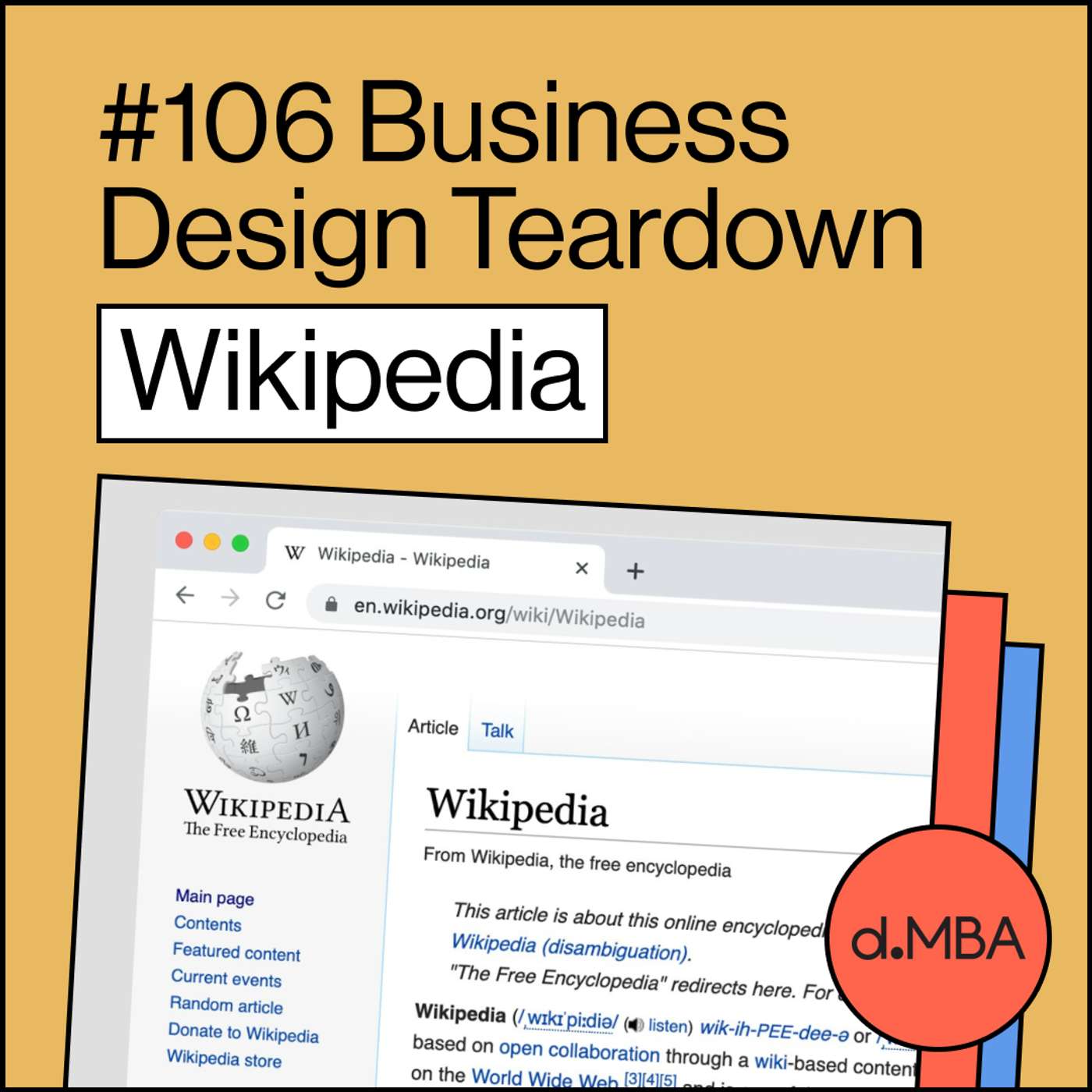
106- Wikipedia - Business Design Teardown

When you want to learn about the intersection of business and design, you can turn to d.MBA Business Design Teardowns. But for everything else? It has to be Wikipedia. In this podcast episode, we're tearing down one of the most significant sources of knowledge on the internet and uncovering how it isn't just a website—it's a worldwide wonder. We'll delve into why Wikipedia is a fascinating case study for designers, discovering the clever design and organizational strategies that make it user-friendly, universally engaging, and completely ubiquitous. Join Alen, Franz, and Tom as they explore… The critical shift from scholar-led to community-led content creation that revolutionized Wikipedia's output and productivity Why a commitment to form over function has led to a design language which prioritises readability, accessibility, and performance The thousands of stakeholders - and novel-length conversations! - that Wikipedia's design team has to manage when shipping updates How Wikipedia manages to stay informative and reliable without resorting to paid advertising So tune in to hear how design and strategy converge to keep this information titan thriving. You'll never look at Wikipedia the same way again…

April 16, 20241 hr 24 min

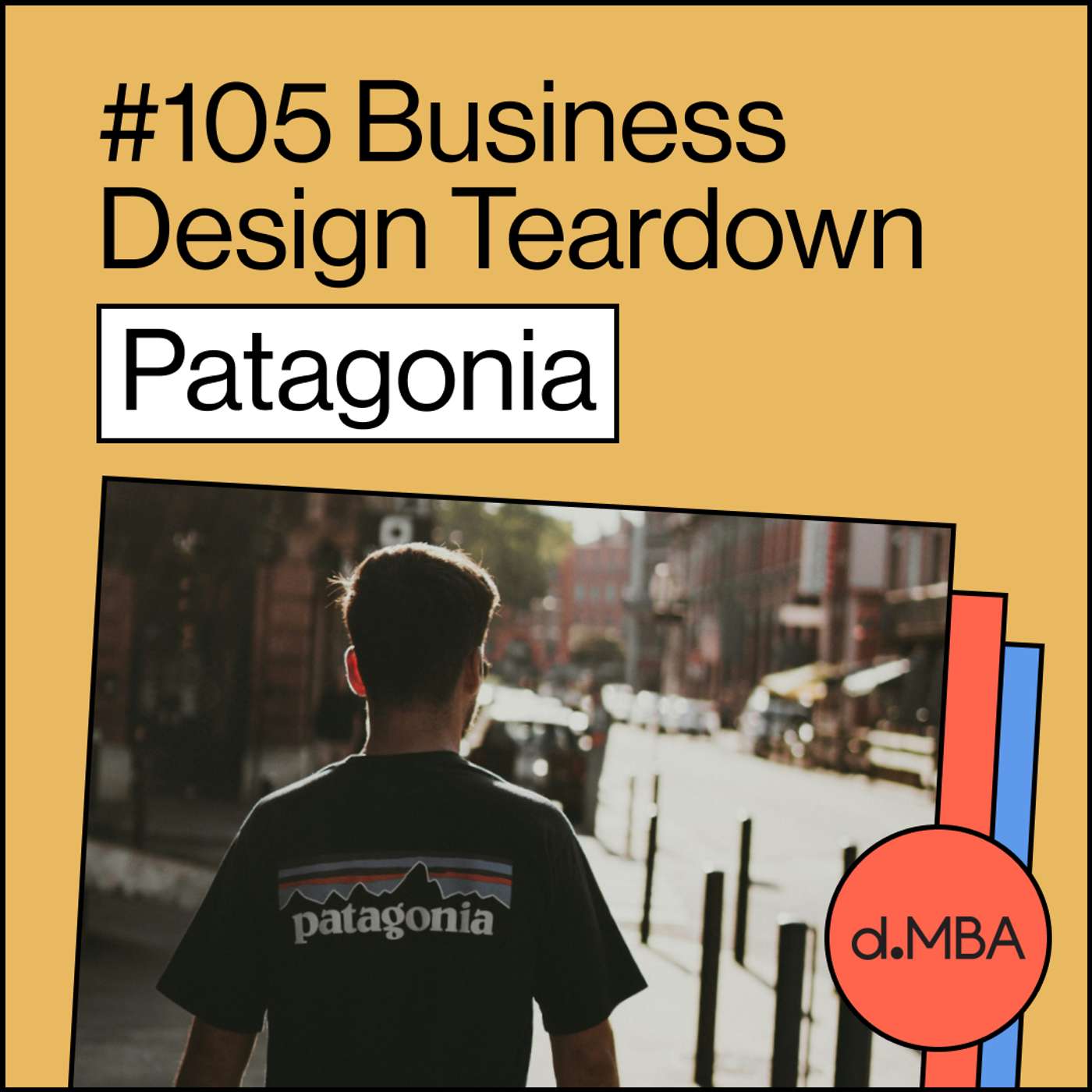
105- Patagonia - Business Design Teardown

Ready for a business adventure? For our latest Teardown, we're exploring the terrain of a brand that has revolutionized business and ethical standards. Yes, we're unearthing the tale of Patagonia, a brand that's more than just outdoor apparel. It's a testament to sustainability, innovation, and an unwavering love for the great outdoors. Patagonia is an icon of ethical business and thoughtful design. It's a brand that has masterfully woven the threads of environmental activism with cutting-edge business strategies. In this episode, Alen, Franz, and Tom will unravel how Patagonia has managed to design not just clothes but also a culture of sustainability and product innovation that other brands are dying to replicate. Join us as we explore... The relatable conflicts of Patagonia's founder, a craftsperson at heart who remains reluctant to call himself a businessman Why Yvon Chouinard committed early business self-sabotage in the interests of the environment he loved… and set the standard for the business's future decision-making. How Patagonia weaves philosophy into its culture, always prioritizing its most important stakeholder: our planet The role of activism in its brand ethos and the marketing side-effects that this fosters So, lace up your hiking boots, and let's hit the trail together in this latest Business Design Teardown. It will be one wild ride through Patagonia's business peaks and design valleys.

March 19, 20241 hr 22 min

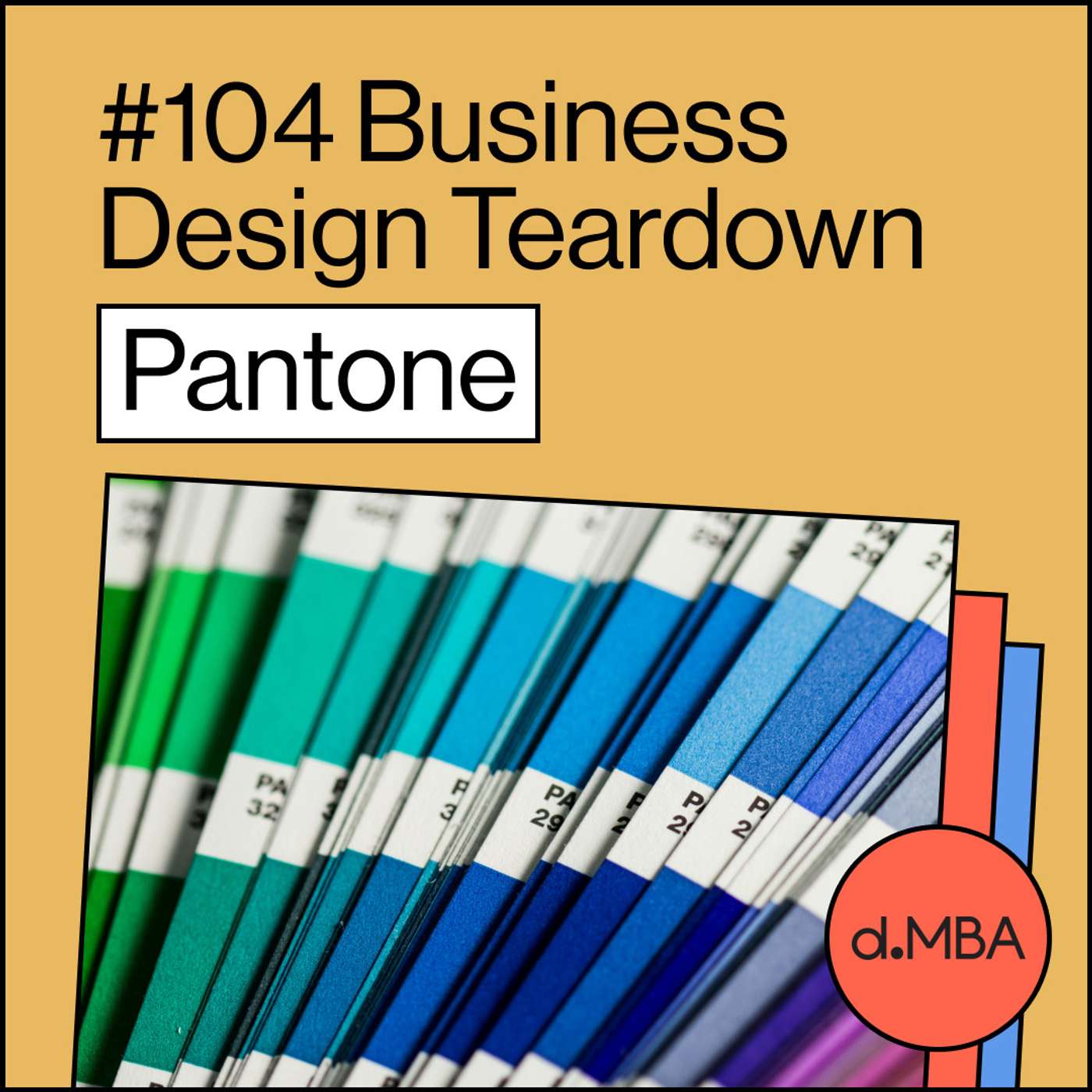
104- Pantone - Business Design Teardown

Prepare to immerse yourself in a tale of innovation and color that revolutionized design and branding. Our latest Business Design Teardown paints the vibrant journey of Pantone, the brand that turned the art of color consistency into a global industry. Join us as we explore the canvas of challenges and innovations Pantone navigated to become the global authority on color. We'll brush up on how Pantone didn't just stop at solving a problem; they became trendsetters, influencing design and fashion and setting tones that reflect cultural moods and movements. It's a story of strategic brilliance as much as it is about the beauty of color. So tune in as Alen, Franz, and Tom uncover... How faded camera film boxes brought to light the critical need for color consistency Why Pantone's strategic decision to sell early in the value chain to ink manufacturers set the stage for a color revolution. Pantone's journey from standardization to 'Colour of The Year' trend-setting The reasons Pantone's Colour Matching System has dominated for decades, and the threats to its future... So, enjoy the spectrum of strategic stories about Pantone, the brand that painted its way into our lives and lexicons. From standardizing hues to dictating trends, this episode promises to add a splash of color to your day!

February 20, 20241 hr 56 min

103- Liquid Death - Business Design Teardown

Get ready to crack open a can of intrigue with our latest Business Design Teardown, where we're diving headfirst into the chilling waters of Liquid Death's business and creativity genius. We're peeling back the heavy-metal label to reveal the secrets behind their killer branding that's taken the beverage industry by storm. From the mountainous origins of their water to the razor-sharp humor of their marketing campaigns, we'll explore how Liquid Death has managed to make hydration feel like an act of defiance. Join Alen, Franz, and Tom as they explore how this brand turned the simple act of drinking water into a rebellious statement as we explore... How sneaky energy drink marketing at festivals first planted the seed of an idea for Liquid Death's founder Why using a fake advert to measure demand was a breakthrough move designers can learn from The playbook that Liquid Death used to shake up a stale product category with edgy branding and marketing Why Liquid Death's 'Murder Your Thirst' tagline means more than hydration; it's an environmental call to action So, if you're thirsting for a business story that's as refreshing as a cold drink on a hot day, tune in. This episode promises to murder your boredom and resurrect your love for innovative branding and design. Stay hydrated. It's going to be a killer episode.

Is this your show?

Claim this listing to keep it up to date, reach guests who want to pitch you, and manage bookings with Guestify.

Claim this listing

More Business podcasts