
Find partners
The Unfamiliar Shift with Ariela

The Unfamiliar Shift with Ariela

Hosted by Ariela Kiradjian

Episodes

26

Latest episode

Oct 2026

Language

EN

About the show

The Unfamiliar Shift with Ariela is a podcast about the boutique hospitality community and how its top industry executives and leaders stay up-to-date on the best innovative trends in boutique hotels all around the world. Episodes feature candid conversations with visionaries discussing new philosophies, ideas and innovations in the hospitality industry, primarily, the Boutique Hotel Community.

Listen to episodes

26 recent
October 7, 202632 min

From Neuroscience to Hospitality: Spenser Apramian's Unconventional Path to Bridgeton

"A hotel is the ultimate manifestation of a sensory experience." That's Spenser Apramian's framework for why he left neurobiology at Stanford for boutique hospitality investment. In this episode, Spenser, VP of Investments at Bridgeton, joins Ariela to trace his unconventional path — from studying how memories form in the brain, to helping build Fenty Beauty and other celebrity brands at LVMH's Kendo Brands, to institutional luxury hospitality investing through the Sundance Resort deal, and now acquiring and scaling boutique hotels at Bridgeton. They dig into what actually makes a hospitality deal pencil, why preserving a property's existing community matters as much as the renovation, and why a failed self-check-in experiment taught Bridgeton more about hospitality than almost any success. Episode Time Stamps: 0:00 – Introduction to Spenser Aprahamian and Bridgeton 1:06 – From neurobiology at Stanford to hospitality: the hotel as the ultimate sensory experience 2:42 – Building Fenty Beauty and other brands at Kendo, LVMH's in-house brand incubator 7:00 – Learning institutional luxury hospitality investment through the Sundance Resort and the Wolf Merritts & Lou Wolf Fund 8:05 – Joining Bridgeton and the case for vertically integrated ownership and operation 9:41 – What's in the pipeline: a major new drive-to destination project 10:30 – Bespoke in-hotel cinemas and other creative amenity ideas 15:10 – Lessons from Broadreach's acquisition of Sundance Resort: preserving identity through new ownership 17:49 – What makes a deal: why location and basis decide every acquisition 20:22 – Scaling with integrity: why culture, not just capital, is the real differentiator 21:16 – Community, sustainability, and wellness: which one investors still underestimate 24:12 – The next five years of boutique hospitality: AI, personalization, and why human check-in isn't going away 27:51 – Why Bridgeton's self-check-in experiment flopped, and what that says about hospitality Episode Highlights: Spenser's path from studying neurobiology and sensory systems at Stanford to seeing hotels as the "ultimate manifestation" of an immersive sensory experience His time at Kendo Brands, LVMH's in-house brand incubator, helping build Fenty, Marc Jacobs, and Kat Von D as celebrity-backed brands Early hospitality development experience with Ventana Inn (now Alila) and the Segerstrom family's South Coast Plaza Learning institutional luxury hospitality investment through the Wolf Merritts & Lou Wolf Fund's acquisition and operation of the Sundance Resort Why he joined Bridgeton specifically for its vertically integrated model — owning and operating rather than outsourcing to third-party management A major new drive-to destination project in the pipeline, in the same mold as Marram and Dawn Ranch Bespoke in-hotel cinemas and other creative amenities, and how Ferndale Group has made them surprisingly profitable What Broadreach's acquisition of Sundance taught him about preserving a property's built-in community and identity through ownership change His two biggest filters for acquisitions: location first, then basis — and why a high per-key purchase price is where hospitality investors get burned Why he believes culture, not just capital, is what actually lets a hospitality portfolio scale with integrity Community as the hardest (and most underestimated) value to build into a property, compared to the now well-understood wellness trend His outlook on the next five years: more personalization and AI-driven back-of-house efficiency, but no replacing human check-in Bridgeton's own failed self-check-in experiment, and what the guest backlash revealed about what people actually want from hospitality Spenser and Ariela close by returning to the idea that's run through the whole conversation: hospitality works because it's fundamentally a people business, and every tool — AI included — only earns its place if it protects that, rather than replacing it. From neuroscience to brand incubation to hotel investment, Spenser's throughline is the same: understand what people actually crave, protect the community and culture already built into a place, and treat efficiency as a means to free up human connection, not a substitute for it. Spenser Apramian invests in and develops luxury destinations with a focus on community, sustainability, and wellness. He holds a B.S. in Neurobiology with Honors from Stanford and an MBA from Stanford Graduate School of Business. Spenser began his career at LVMH, where he helped build Kendo Brands and launch Fenty Beauty by Rihanna, now valued at over $2.8 billion. He later served as Director of the Segerstrom Family Office, owner and developer of South Coast Plaza, the highest-grossing luxury shopping destination in the US, where he drove strategic real estate growth in the portfolio, including its $2 billion mixed-use master plan. He then joined Broadreach Capital as VP of Strategy, focused on the firm's acquisition of Robert Redford's 5,000-acre Sundance Resort. Today, Spenser is VP of Investments at Bridgeton Holdings, a vertically integrated hospitality group with over $2 billion in AUM, where he leads new acquisitions for the hospitality portfolio. During his tenure, Bridgeton has acquired and developed over $200 million in new hospitality assets. https://bridgeton.com/ Stay tuned for the next episode of The Unfamiliar Shift with Ariela for more insightful discussions on the boutique lifestyle lodging industry. Keep connected with BLLA for the latest updates and explore BLLA.org for more resources. Follow us on Instagram and LinkedIn to keep up with the pulse of boutique hospitality.

September 30, 202625 min

Searching for Meaning, Searching for Community: SingleThread's Tony Greenberg on Why Hospitality Is Everywhere

"It's a restaurant with rooms attached." That's how Tony Greenberg describes SingleThread — and Ariela thinks it might be the future of hospitality. In this episode, Tony, co-founder of SingleThread and CEO of Vertice Hospitality, joins Ariela to trace his unlikely path from working under Mayor Bloomberg on the Hudson Yards development to surviving the 2008 financial crisis to co-founding SingleThread with chef Kyle Connaughton. They dig into what makes SingleThread's restaurant-inn-farm model work, how retail and hospitality are converging across every industry, and why Tony insists that integrity — not opportunity — should decide which projects a hospitality brand takes on. Episode Time Stamps: 0:00 – Introduction to Tony Greenberg and SingleThread 0:40 – From NYU finance grad to working on Hudson Yards under Mayor Bloomberg 3:32 – Striking out on his own to found Up Ventures 4:16 – The pivot to food and hospitality, and building Food Union with top chefs 6:22 – Losing it all in the 2008 financial crisis, and meeting future co-founder Kyle Connaughton 7:11 – Building SingleThread as a side project that quickly took off 9:47 – What SingleThread actually is: a restaurant, inn, and farm woven into one experience 11:20 – Hospitality's spread into retail and other industries 14:22 – Opening Selvedge: extending SingleThread into a standalone inn 16:02 – Retail at SingleThread: starting small and staying true to the core business 20:37 – Why integrity, not opportunity, should decide which projects to take on 20:59 – Bringing SingleThread to Kyoto through a partnership with Capella Hotel Group 24:09 – Closing: what's next for SingleThread, including Entremet and future locations Episode Highlights: Tony's origin story: working for Mayor Bloomberg's Economic Development Corp on Hudson Yards in his 20s, negotiating opposite real estate titans like Steve Roth and Douglas Durst Striking out on his own to found Up Ventures after discovering he was barred from working with anyone who'd bid on Hudson Yards Building Food Union with chefs Thomas Keller, David Chang, and Albert Adrià as anchor tenants — and watching it collapse in the 2008 financial crisis Meeting future SingleThread co-founder Kyle Connaughton through that experience, and starting SingleThread as a side project What SingleThread actually is: a restaurant, inn, and farm designed as one continuous guest experience Why hospitality is bleeding into retail and other industries, and his take on which brands are doing it well versus poorly Opening Selvedge, a 10–11 room extension of SingleThread with no restaurant of its own His approach to retail: starting small (farm store, CPG products, artisan collaborations) and never letting it distract from the core business Why he insists on integrity as a filter for every business decision — "if you can't execute at a very high level, just don't do it" Bringing SingleThread to Kyoto through a partnership with Capella Hotel Group, after a pre-COVID Japan project fell through What's next: opening SingleThread Entremet and plans to expand the concept to a few more international locations over time Tony and Ariela close on a theme that's run through the whole conversation: growth, for Tony, only makes sense when it makes everything — the guest experience, the team, and the brand — better, not just bigger. From Hudson Yards to Food Union's collapse to building SingleThread almost by accident, his throughline is patience and integrity over opportunism. As hospitality continues to spill into retail, real estate, and beyond, his approach offers a clear filter: only take on what you can execute at the highest level, and let everything else wait. Stay tuned for the next episode of The Unfamiliar Shift with Ariela for more insightful discussions on the boutique lifestyle lodging industry. Keep connected with BLLA for the latest updates and explore BLLA.org for more resources. Follow us on Instagram and LinkedIn to keep up with the pulse of boutique hospitality.

September 23, 202642 min

Brand Before Tactics: Andreanna Mazereeuw's Rules for Boutique Marketing

Andreanna Mazereeuw doesn't think of a hotel website as a brochure — she thinks of it as a lobby. In this episode, Andreanna, president of Wallop, a Vancouver-based strategy agency working with independent, luxury, and experiential hotels, joins Ariela to unpack why so many boutique properties fail to translate their physical distinction into their digital presence. They dig into the real state of direct booking in 2026, why loyalty points mean almost nothing to boutique guests, and why brand strategy — not the latest marketing tactic — is always where the real work has to start. 0:00 – Introduction to Andreanna Mazereeuw and Wallop 2:35 – Why boutique and experiential hospitality, and the "David and Goliath" appeal of helping independents compete 5:30 – Where digital translation breaks down: treating a website like a brochure instead of an online lobby 9:35 – Understanding guest motivations over demographics 12:38 – What lasting distinction looks like: a client case study on connection over luxury positioning 18:11 – Reframing "digital vs. visceral": continuity, not competition 20:17 – The real state of direct booking: website conversion, AEO, paid media, and loyalty 23:22 – Why loyalty points don't move boutique and luxury guests 25:50 – Rate-matching frustrations and the cost of losing direct bookings and guest data 28:34 – Where to actually spend marketing dollars: brand foundations before tactics 31:35 – The cultural shift toward community and belonging in travel 36:48 – Closing advice: get your data architecture right first Episode Highlights: Wallop's client roster (Brush Creek Ranch, The Drake, Ace Hotel, The Standard, Miraval, and more) and its in-house documentary film arm, Wallop Film The "David and Goliath" appeal of helping independent hotels compete against big flags and OTAs through storytelling Why treating a hotel website like a brochure fails, and her reframe of a good website as an "online lobby" with sensory continuity Why guest motivation (the real reason someone chooses a property) matters more than demographic personas A client case study where a "luxury" positioning turned out to be secondary to the real driver of bookings: feeling known and welcomed Her reframe of the digital-vs-visceral tension in boutique hospitality as continuity between the two, not a competition The current, unglamorous reality of direct booking: converting website traffic, AEO (answer engine optimization), disciplined paid media, and loyalty/email marketing for repeat guests Why loyalty points don't move boutique and luxury guests, and Ariela's take on why the Bonvoy pitch to independents misses the mark The real cost — in dollars, data, and guest experience — of hotels refusing to rate-match direct inquiries against OTA pricing Her advice on where to spend marketing dollars: start with brand and guest understanding before tactics The industry-wide shift toward community and belonging, and why resonance without performance (or vice versa) both fail Her single tactical fix for hoteliers before year-end: get a clean, trustworthy data architecture in place Andreanna and Ariela close by tying the whole conversation back to one idea: distinctiveness only works when it's backed by genuine understanding of the guest, and both brand and business performance have to hold together at once. Whether it's a website, a booking policy, or a marketing budget, the properties winning right now are the ones that know exactly why their guests choose them — and build every decision, digital or physical, around that truth rather than trends, tactics, or hollow authenticity. Stay tuned for the next episode of The Unfamiliar Shift with Ariela for more insightful discussions on the boutique lifestyle lodging industry. Keep connected with BLLA for the latest updates and explore BLLA.org for more resources. Follow us on Instagram and LinkedIn to keep up with the pulse of boutique hospitality.
September 16, 202620 min

The Loyalty Currency: Annabel Schwartz on Emotional Connection in Hospitality

Annabel Schwartz says she doesn't love hotels — she loves what happens inside them. In this episode, Annabel, founder of hospitality consultancy Casa Talana and former head of membership and cultural programming at Soho House and San Vicente Bungalows, joins Ariela to talk about the human moments that make hospitality unforgettable. They dig into why emotional connection, not loyalty points, is the real currency of luxury hospitality, what cultural programming gets right and wrong, and why New York's booming private club scene may be reaching a breaking point. Episode Time Stamps: 0:00 – Introduction to Annabel Schwartz and Casa Talana 1:00 – Her career path: Soho House, San Vicente Bungalows, and founding Casa Talana 2:02 – The childhood memories that shaped her belief in hospitality as human connection 5:54 – Ariela's own story: the "art of listening" learned at Montage Beverly Hills 8:12 – Why emotional connection, not loyalty points, is the real currency in luxury hospitality 9:24 – Soho House vs. San Vicente Bungalows: balancing brand consistency with local specificity 11:19 – Cultural programming: identifying what a community actually wants vs. what's trending 14:11 – Where hotels and membership clubs go wrong: the "what, why, who" test 15:37 – The New York private club boom, market saturation, and the craving for nostalgia Episode Highlights: Annabel's path from running membership programs at Soho House and San Vicente Bungalows to founding her own consultancy, Casa Talana Two childhood memories — a hotel in Greece and a hotel lobby in New York — that shaped her belief that hospitality is about human connection, not transactions Ariela's own story from working at Montage Beverly Hills, where staff were empowered (and given a budget) to create memorable guest moments Why she believes emotional connection, not loyalty programs, is the real driver of guest loyalty in luxury and boutique hospitality Comparing Soho House and San Vicente Bungalows: strong global brand consistency paired with deep local specificity Her "what, why, who" framework for diagnosing where hotels and membership clubs go wrong in their programming Her take on the New York private club boom — a market she believes still has room to grow, but one edging toward oversaturation and "membership fatigue" Episode Conclusion: Annabel and Ariela close by circling back to a theme that runs through the whole conversation: hospitality's real value isn't the physical space, the brand, or the loyalty program — it's the human moments created inside it. From Annabel's childhood memories to her work reshaping cultural programming at some of the industry's most talked-about brands, her throughline is simple: give people a reason and a space to connect, and the rest follows. It's a timely reminder as private clubs and membership concepts multiply that the ones that last will be the ones built on genuine connection, not novelty. Stay tuned for the next episode of The Unfamiliar Shift with Ariela for more insightful discussions on the boutique lifestyle lodging industry. Keep connected with BLLA for the latest updates and explore BLLA.org for more resources. Follow us on Instagram and LinkedIn to keep up with the pulse of boutique hospitality. Connect with Annabel Schwartz - Co-Founder, House of Talana LLC - https://www.houseoftalana.com/
September 9, 202628 min

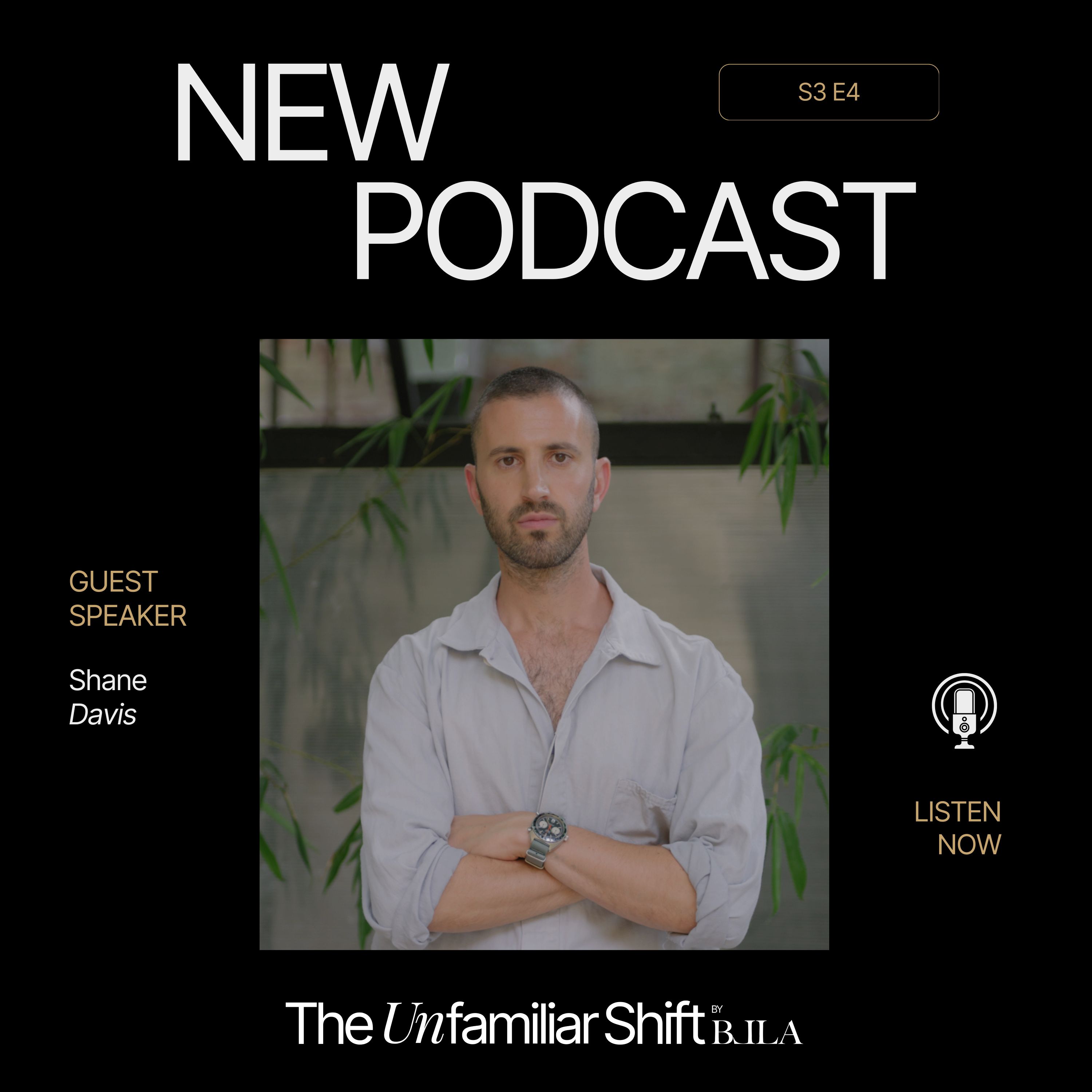
Sound as Architecture: Shane Davis on Designing Hospitality Through Music

Shane Davis didn't set out to build a hotel — he built "a punk rock DIY version of a cultural institution." In this episode, Shane, co-founder of Public Records in Brooklyn, joins Ariela to talk about how a former ASPCA headquarters became one of hospitality's most talked-about cultural spaces. They dig into why sound should be treated as architecture rather than atmosphere, how staying independent and un-overcapitalized shaped Public Records' growth, and what it really takes to build culture — not just design it — inside a hospitality space. Episode Time Stamps: 0:00 – Introduction to Shane Davis and Public Records 0:29 – How the building's history (former ASPCA HQ) shaped the vision for Public Records 3:22 – Growth since 2019: the COVID pivot, "Public Access" channel, and expanding the space 6:56 – Public Records as a platform first, physical space second — how that changed the design process 9:29 – Staying independent: capital, investment, and resisting the "raise now" mindset 10:29 – Sound as architecture, not atmosphere, in hospitality spaces 14:05 – Advice for hoteliers building a music program: find a creative partner and have an opinion 17:53 – Why Europe stays ahead: passion projects vs. institutionalized hospitality in the US 20:34 – Designing multiple spaces within one property and why transitions matter 24:24 – Can culture be designed? Building spaces that let culture evolve through the team Episode Highlights: How the building's dual history (ASPCA headquarters, then a stringed-instrument workshop) inspired the name, brand, and concept of Public Records Growing through COVID by building "Public Access," an indie broadcasting channel, instead of rushing into new locations Staying disciplined on capital: raising money once, early on, and never again Why sound should be treated as architecture, not atmosphere, in hospitality design His advice for hoteliers building a music program: find a genuine creative partner and "have an opinion" Why Europe stays ahead of the US in hospitality creativity — more passion projects, less institutional trend-chasing Designing multiple spaces within one property: why the transitions between rooms matter as much as the rooms themselves Whether culture can be designed — his take: design can shape intention, but it's the team that creates and evolves real culture over time Episode Conclusion: Shane and Ariela close on a theme that keeps surfacing throughout the season: no matter the topic — sound, capital, design, or growth — hospitality always comes back to people. Public Records' evolution from a scrappy passion project into one of Brooklyn's highest-grossing hospitality venues shows that staying independent, staying curious, and trusting a team to shape culture over time can outperform speed and speculative capital. It's a reminder that the most memorable spaces are built less by formula and more by conviction. Stay tuned for the next episode of The Unfamiliar Shift with Ariela for more insightful discussions on the boutique lifestyle lodging industry. Keep connected with BLLA for the latest updates and explore BLLA.org for more resources. Follow us on Instagram and LinkedIn to keep up with the pulse of boutique hospitality.
September 2, 202644 min

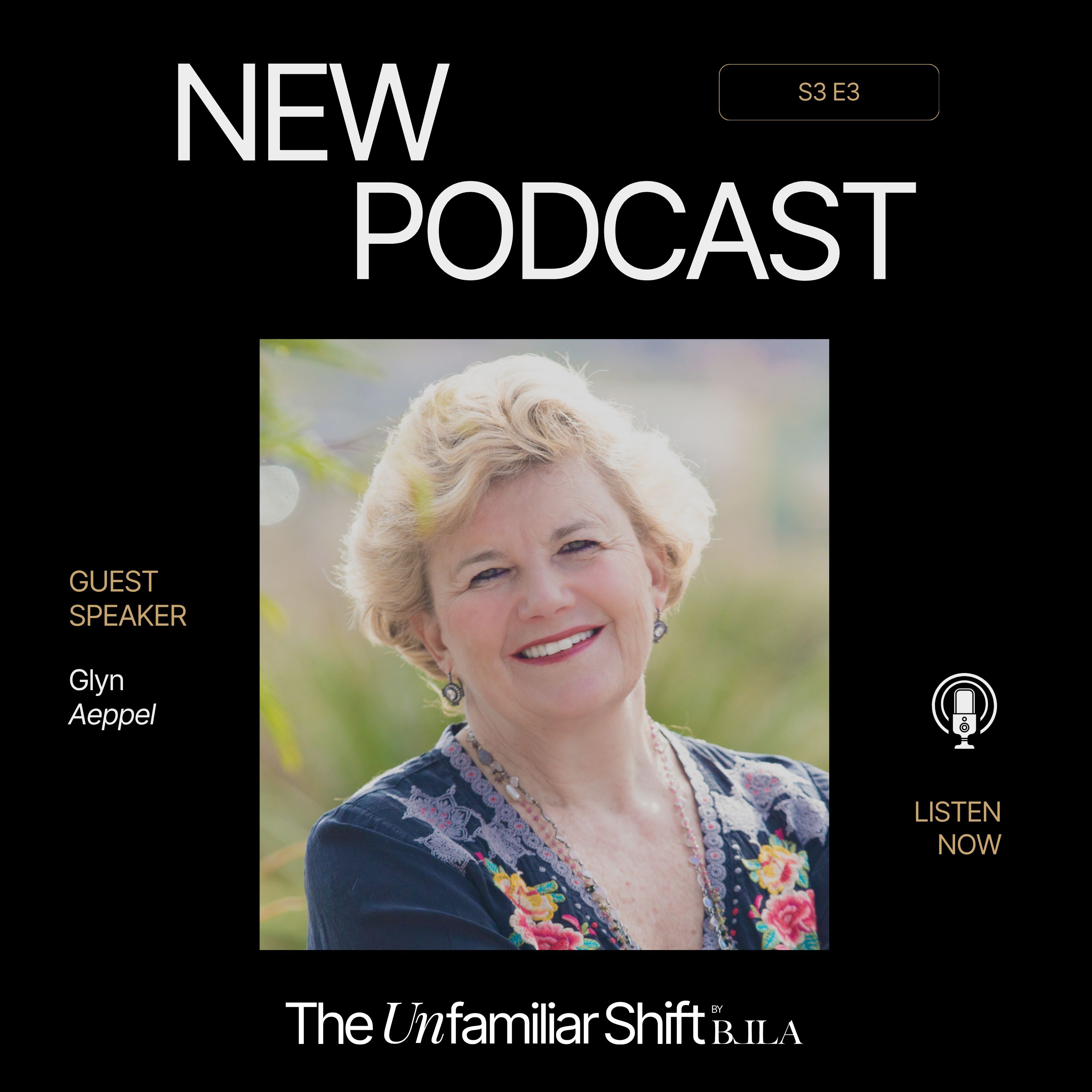
"Know What You Don't Know": Glyn Aeppel on Investing in Founders

Glyn Aeppel has spent decades at the highest levels of hospitality investment, but it's her time working alongside André Balazs that tells you the most about her eye. In this episode, Glyn, founder of Glencove Capital and one of the few women-owned boutique hospitality investment firms in the US, joins Ariela to unpack what she looks for in founders and brands, why "scale" means something completely different in boutique hospitality than in big-box brands, and the biggest misconception she still sees derail beautifully designed hotels. They also dig into her decade-long investment in Mob Hotel, lessons from working alongside hospitality icon André Balazs, and the trends she believes will define the next decade of boutique travel. Episode Time Stamps: 0:00 – Introduction to Glyn Aeppel and Glencove Capital 2:37 – Why she left the corporate world to found Glencove Capital 6:06 – What she looks for in founders and brands before investing 8:55 – Redefining "scale" for boutique hospitality — the choir and symphony analogy 12:17 – Balancing creative vision with financial discipline 17:12 – The biggest misconception in hospitality investment 18:52 – Lessons from working alongside André Balazs (Chiltern Firehouse, The Standard) 23:58 – Inside Mob Hotel: her decade-long investment and its social mission 31:19 – Evaluating international investments and the importance of local partners 34:28 – The two trends defining boutique travel's next decade: wellness and sustainability 42:21 – Closing advice: be authentic and true to yourself Episode Highlights: Leaving a corporate role as "the second-largest shareholder but not the decision-maker" to found Glencove Capital out of frustration, not inspiration Calling herself a "corpreneur" — someone who becomes an entrepreneur later in life after a corporate career What she looks for in founders: passion, deep knowledge, and knowing what they don't know Why cookie-cutter consistency is the enemy of boutique hospitality — and her choir/symphony analogy for how a brand umbrella should work The constant push-and-pull between creative vision and financial discipline in scaling a boutique brand The biggest misconception in hospitality investment: a beautifully designed building doesn't guarantee guests will come Working alongside André Balazs on Chiltern Firehouse and The Standard, and how he built teams around each project's unique vision Inside Mob Hotel — her 10+ year investment in Cyril Azoulay's social-mission-driven European hotel brand, and its US expansion plans Why international investing requires a trusted local partner — including a small but telling example (no TVs in Mob Hotel rooms) of cultural differences in hospitality design Two trends she believes will define the next decade of boutique travel: deep health and wellness programming, and authentic sustainability Glyn and Ariela close by returning to a theme that runs through the whole conversation — that authenticity, not scale or spectacle, is what separates lasting boutique hospitality brands from the rest. From her own leap from corporate life to founding Glencove Capital, to her work with André Balazs and her long-term belief in Mob Hotel, Glyn's throughline is the same: know what you don't know, surround yourself with the right people, and stay true to your vision even when it isn't the easy path. It's a fitting reminder that in an industry chasing wellness and sustainability trends, the most durable investment is still in genuine, well-curated human experience. Stay tuned for the next episode of The Unfamiliar Shift with Ariela for more insightful discussions on the boutique lifestyle lodging industry. Keep connected with BLLA for the latest updates and explore BLLA.org for more resources. Follow us on Instagram and LinkedIn to keep up with the pulse of boutique hospitality.

August 26, 202632 min

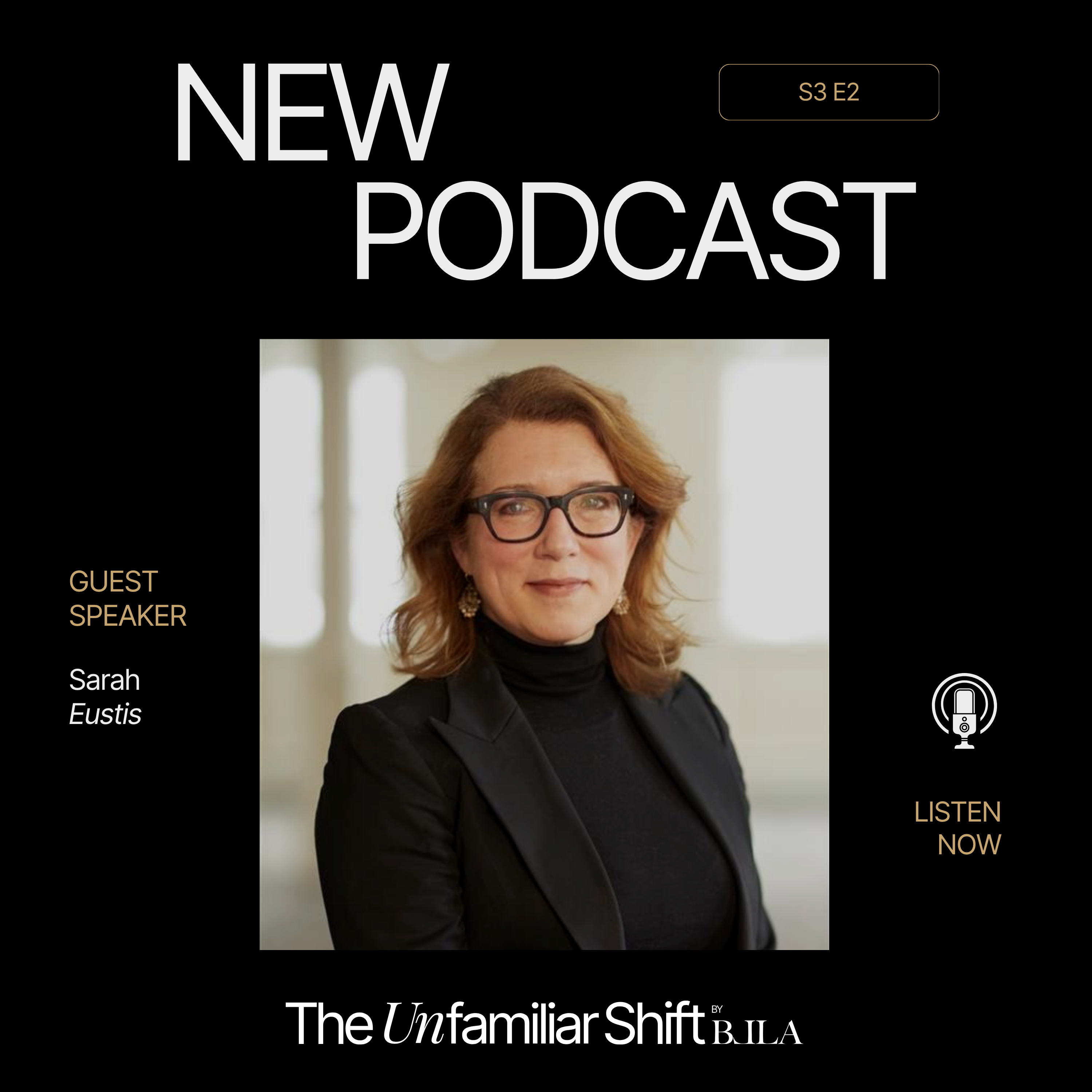
Stewardship Is the Strategy with Sarah Eustis on Transforming Boutique Hotels

Sarah Eustis has hospitality in her blood, literally. In this episode, Sarah, CEO of Main Street Hospitality — a growing collection of independent hotels across the Berkshires and Rhode Island, including her family's iconic Red Lion Inn — joins Ariela to trace her path from fourteen-year-old housekeeper to twenty years in fashion (Ralph Lauren, Gap Inc., Limited Brands, and a stint building a brand in Paris) and back again to lead her family's hospitality legacy. They dig into what it means to be a "steward" rather than just an owner, how emotional connection outperforms transactional service, and the surprising overlap between fashion and hospitality as businesses built on brand, trust, and human connection. Episode Time Stamps: 0:00 – Introduction to Sarah Eustis and Main Street Hospitality 1:09 – Growing up at the Red Lion Inn and how it shaped her leadership philosophy 2:24 – Hospitality as an emotional product, not a transaction, and what it means to be a "steward" 6:11 – Lessons from Danny Meyer: training staff to read the room and make guests feel seen 11:35 – Career journey: from Ralph Lauren and Gap Inc. to Limited Brands and Paris 18:21 – Coming home to build Main Street Hospitality out of the family business 19:59 – Leading through scale: staying grounded in the "why" and codifying company values 22:29 – The case for conversions and "upcycling" over ground-up hotel development 26:25 – Where fashion and hospitality intersect: brand building and shared customer bases Episode Highlights: Growing up inside the Red Lion Inn and learning hospitality as "rhythm," not transaction The concept of being a "steward" of a place rather than just its owner or operator Training lessons from mentor Danny Meyer: reading the invisible "sign" every guest carries and responding to it Her 20-year detour through fashion — Ralph Lauren, Gap Inc. under Mickey Drexler, Limited Brands, and building a brand for a French retailer in Paris Returning home to grow the family's hotels into Main Street Hospitality, now spanning the Berkshires and Rhode Island Why she believes boutique hospitality can scale without losing its soul, as long as leadership keeps showing up for the "why" Her outlook on real estate strategy: prioritizing conversions and "upcycling" historic properties over ground-up development The parallels between fashion and hospitality — brand voice, product quality, environment, and genuine customer engagement Episode Conclusion: Sarah and Ariela close by tying together the throughline of her career: whether in fashion or hospitality, the fundamentals are the same — a well-made product, a resonant brand voice, an inviting environment, and genuine engagement that builds trust. Sarah's journey from the Red Lion Inn to global fashion houses and back reinforces the idea that stewardship, not just ownership, is what keeps a hospitality brand meaningful as it grows. It's a reminder that scaling boutique hospitality doesn't have to mean losing its soul, provided leadership stays close to why the business exists in the first place. Stay tuned for the next episode of The Unfamiliar Shift with Ariela for more insightful discussions on the boutique lifestyle lodging industry. Keep connected with BLLA for the latest updates and explore BLLA.org for more resources. Follow us on Instagram and LinkedIn to keep up with the pulse of boutique hospitality.

August 19, 202630 min

Nomada Hotel Group's Kimberly Walker on Staying Small, Staying Human

Episode Summary: Kimberly Walker didn't build a hotel brand, she built a philosophy. In this episode, Kimberly, founder and creative director of Nomada Hotel Group — a portfolio of boutique hotels revived from historic buildings across California's Central Coast — joins Ariela to trace her path from restaurant-world dabbler to boutique hospitality visionary. They dig into the "lightbulb moment" that launched her career, the roots of boutique hospitality in hostel culture, and why human connection is becoming more essential to travel in an increasingly automated, AI-saturated world. Episode Time Stamps: 0:00 – Introduction to Kimberly Walker and Nomada Hotel Group 2:08 – Growing up in California, the pull of travel, and her hospitality "lightbulb moment" 7:25 – The value of industry community, mentorship, and building connections 11:33 – Hostel culture as the root of the boutique hotel movement 20:43 – Antisocial culture, AI companionship, and why human connection matters more in hospitality 24:00 – Staying boutique: in-house design, leadership, and finding meaning in the work 27:01 – Closing thoughts: what independent hospitality teaches the world about creativity and place Episode Highlights: Kimberly's "lightbulb moment" — the first night Nomada's flagship property opened A Jerusalem cab driver's line that "hospitality" stems from a Hebrew phrase meaning "love of strangers," and how it shapes Nomada's culture The shared hostel-culture origins of Kimberly's and Ariela's love of travel — from a Marrakech hostel to Berlin's Generator Mitte The rise of the micro hotel and the importance of knowing your target guest A tangent on AI companionship (ChatGPT, the movie Her ) and what it means for hospitality to stay human-centered Nomada's decision to keep design fully in-house rather than outsource, and why that keeps them intentionally small Kimberly's take on discomfort and authenticity as more valuable than luxury alone Episode Conclusion: Kimberly and Ariela close by reflecting on what independent hospitality is really teaching the world: that meaningful travel experiences don't require luxury, just a genuine point of view and a willingness to sit with a little discomfort. The conversation threads together community, creativity, and human connection as the real currency of boutique hospitality — and a reminder that convenience and comfort are worth balancing against the richer, sometimes messier moments that travel is actually for. Stay tuned for the next episode of The Unfamiliar Shift with Ariela for more insightful discussions on the boutique lifestyle lodging industry. Contact Kimberly Walker - Founder & Creative Director, Nomada Hotel Group - https://www.nomadahotelgroup.com/ Keep connected with BLLA for the latest updates and explore BLLA.org for more resources. Follow us on Instagram ( https://www.instagram.com/bllaboutiquelodging/ ) and LinkedIn ( https://www.linkedin.com/company/the-boutique-and-lifestyle-leaders-association ) to keep up with the pulse of boutique hospitality.

February 19, 202427 min

Healing Spaces: Creating a Wellness Sanctuary with Diana Stobo

Episode Summary: In this episode, Diana Stobo, a pioneering chef and advocate for wellness and healthy living, shares her transformative journey from a raw food advocate to a wellness real estate pioneer in Costa Rica. Diana discusses the challenges and triumphs of building a wellness hotel focused on healing modalities and the philosophy of "slumming it in luxury" in the hospitality industry. Joined by Ariela, they dive into the importance of staff retention, leadership in hospitality, and the personal journey of self-discovery and overcoming Imposter Syndrome. Episode Time Stamps: 0:00 - Introduction to Diana Stobo and her journey in Costa Rica 2:09 - Building a wellness hotel with a focus on healing modalities 7:13 - Overcoming challenges in Costa Rica: Staffing, regulations, and growth 11:29 - Luxury hotels in Costa Rica and Bali: Personalized service and unique experiences 18:21 - The challenges of building and leading a team in the hospitality industry 22:25 - Self-discovery and leadership: Overcoming Imposter Syndrome and finding self-worth Episode Highlights: Diana's transition from a raw food advocate to a wellness real estate pioneer The concept of building a wellness hotel starting with food and expanding to include various healing modalities The decision to build in Costa Rica over Thailand and the associated challenges "Slumming it in luxury" and the importance of unique experiences in luxury travel The significance of staff retention and creating an authentic, intimate guest experience Ariela's insights on leadership, balancing compassion with effective management Overcoming Imposter Syndrome and the journey of self-discovery and personal growth Episode Conclusion: Diana and Ariela highlight the transformative power of wellness, not just in the context of a hotel or travel experience, but as a personal journey of growth, leadership, and authenticity. They stress the importance of knowing oneself, being direct, and maintaining integrity in both personal and professional life. This episode serves as an inspiration for anyone looking to make a meaningful impact in the hospitality industry or seeking personal transformation through wellness. Stay tuned for the next episode of The Unfamiliar Shift with Ariela for more insightful discussions on the boutique lifestyle lodging industry. Thank you to our sponsor, Solonis ! Keep connected with BLLA for the latest updates and explore BLLA.org for more resources. Follow us on Instagram and LinkedIn to keep up with the pulse of boutique hospitality.

February 5, 202426 min

Behind Boutique: The Story of Mac&Lo's Hospitality Mastery

Episode Summary: In this riveting episode of The Unfamiliar Shift, Ariela engages with Audrey Laurent and Sergio MacLean, the visionary principals of Mac&Lo Hospitality. The duo dives into their unique approach to curating immersive and impactful guest experiences, drawing from their diverse cultural backgrounds and deep artistic roots. From initiating operations from the ground up to spearheading custom hospitality projects, Audrey and Sergio share insights into their exemplary service ethos, molded by industry icons like Ian Schrager and Andre Balaz. Episode Timestamps: 00:00:00 - Introduction to hospitality industry insights with Mac&Lo principals 00:02:46 - Discussion on luxury hotel design and approachability in Detroit through the Shinola and Bedrock partnership 00:11:51 - Insights into the hospitality industry backgrounds, training, and the art of storytelling in service 00:18:25 - Exploration of hotel management and operations with a focus on culture and design Episode Highlights: Hospitality Industry Insights: Audrey and Sergio share their journey in creating bespoke hospitality experiences, highlighting their diverse cultural backgrounds and artistic influences. Luxury Hotel Design in Detroit: The episode sheds light on their partnership with Shinola and Bedrock, revealing their commitment to celebrating Detroit's culture and heritage while providing a luxury experience. Ariela, Audrey, and Sergio discuss the evolving trends in hotel service, emphasizing the importance of approachability and personalized service. Backgrounds and Training: The episode takes a deep dive into the backgrounds of Audrey and Sergio, showcasing how elements from acting, arts, and service industries blend to create a unique approach to hospitality, focusing on storytelling and meticulous service. Hotel Management and Operations: Audrey and Sergio recount their experiences in managing hotels in NYC, their meeting at the Mercer hotel, and their journey in building a company that thrives on a blend of culture, design, and exceptional operational standards. Episode Conclusion: Wrapping up this episode of The Unfamiliar Shift, Ariela highlights the passion and dedication of Audrey and Sergio in redefining hospitality through their unique blend of culture, design, and impeccable service. Their journey from the grassroots in the industry to leading bespoke hospitality projects serves as an inspiration and a testament to the power of innovation, personalized service, and a deep understanding of guests' needs. This episode not only sheds light on the intricate workings of luxury hotel management but also celebrates the diverse backgrounds and creative approaches that drive the industry forward. Stay tuned for the next episode of The Unfamiliar Shift with Ariela for more insightful discussions on the boutique lifestyle lodging industry. Thank you to our sponsor, Solonis ! Keep connected with BLLA for the latest updates and explore BLLA.org for more resources. Follow us on Instagram and LinkedIn to keep up with the pulse of boutique hospitality.

Is this your show?

Claim this listing to keep it up to date, reach guests who want to pitch you, and manage bookings with Guestify.

Claim this listing

More Business podcasts

