From Head of AI to CTO: How AI Is Changing Engineering and Product
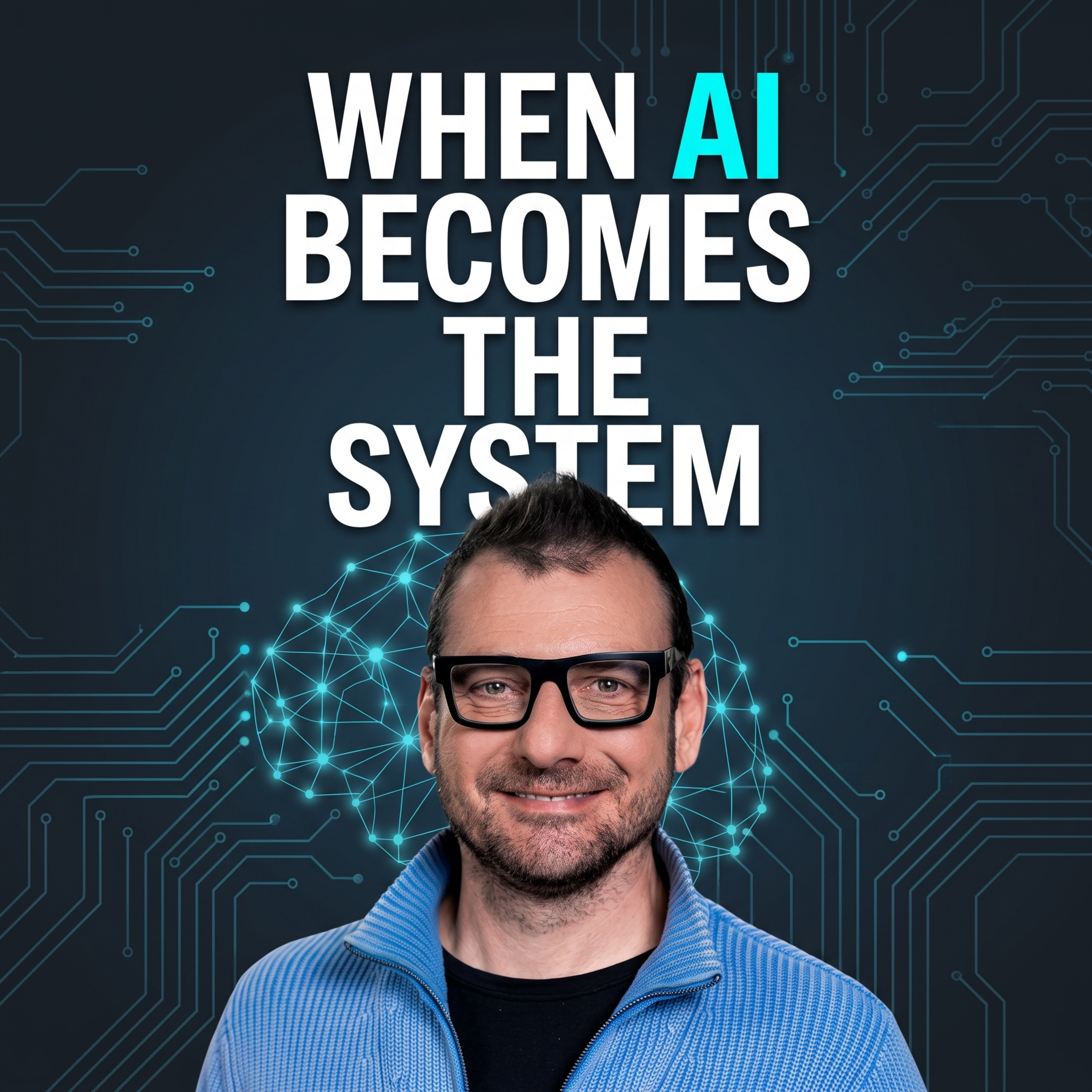
AI changes more than the product roadmap. It changes how engineering teams build, how data flows through the company, and what a CTO needs to own. Andrew Rabinovich, CTO and Head of AI at Upwork, joins The Tech Trek to talk about his move from leading AI into the broader CTO role. His view is simple: AI is no longer just another component inside a software system. Increasingly, AI is the system, and infrastructure, data, engineering, and product need to be designed around that reality. Andrew explains how that shift is changing Upwork's product development, from adding AI to individual features to building systems that learn across the entire user journey. He also discusses faster iteration, the importance of real time data, and how software engineering changes when machines can generate most of the code. What Stood Out • AI first development requires thinking about the entire system, not adding AI capabilities to isolated product features. • Product iteration can move from months between versions to daily updates when systems continuously learn from user interactions. • Engineers are moving from writing every line of code toward reviewing, steering, simplifying, and evaluating machine generated code. • Asking the right question and knowing when a result is good enough may become more valuable than the mechanical work between those two points. Key Moments 03:39 AI moves from being a component of software to becoming the foundation of the system. 07:35 How an AI background changes the role of the CTO and the relationship between technology and product. 10:48 Why Upwork moved from AI inside individual features toward end to end learning across the user journey. 16:04 AI makes feature creation easier, but faster creation does not automatically mean adoption. 20:41 Software engineering shifts toward reviewing and steering code generated by AI agents. 27:01 The skills that become more valuable when AI handles more of the execution. One Line That Stuck “AI is no longer a component of a large software system. AI is the system.” Follow The Tech Trek for more conversations on AI, engineering, product, data, and technical leadership.