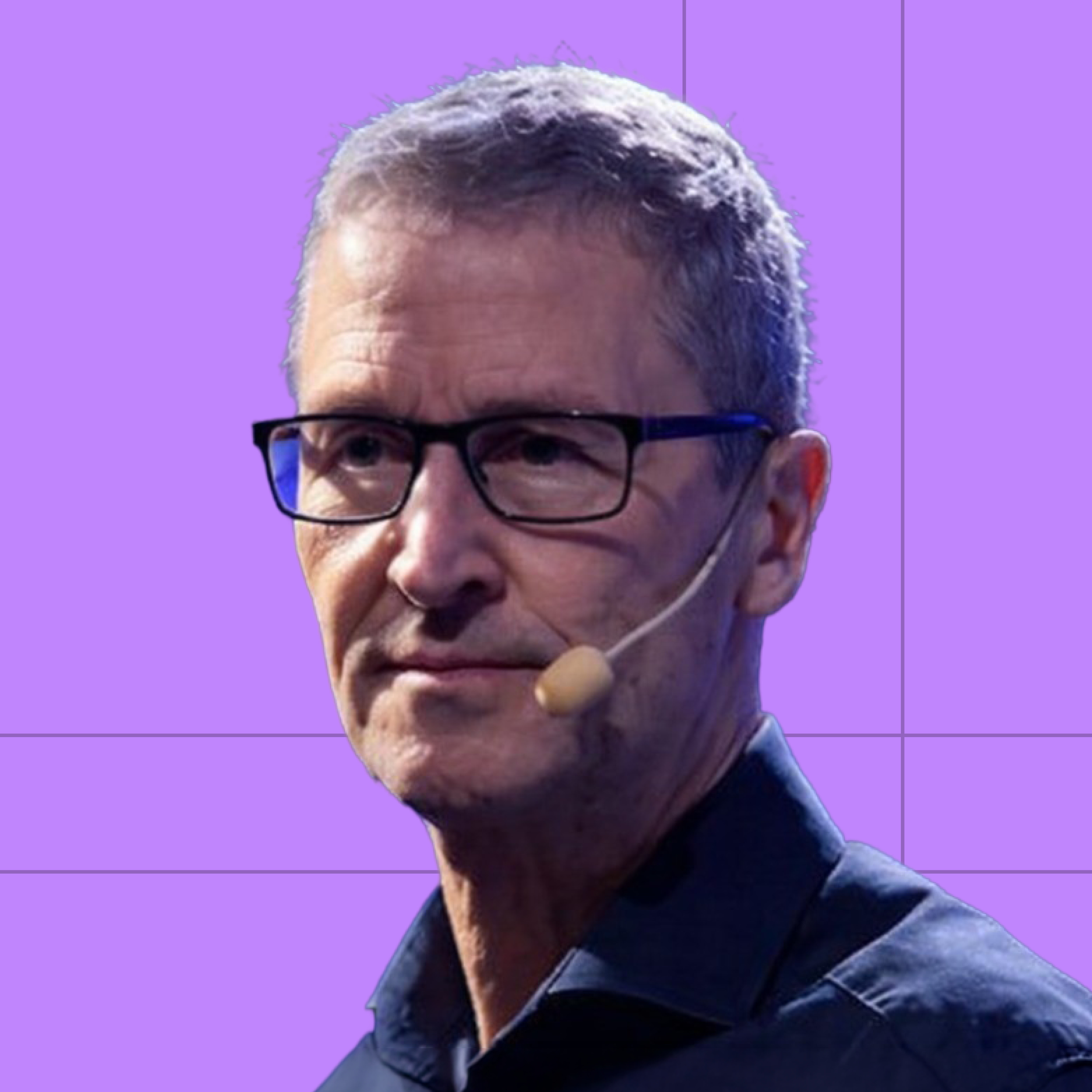
The hidden environmental cost of AI, with Charlotta Brask | Builders
AI promises to help build a more sustainable future. But how sustainable is AI itself?Behind every AI model is a physical infrastructure that consumes energy, water, and natural resources. And as companies race to adopt AI, its environmental footprint is becoming harder to ignore.In this episode of Builders, Lee Haynes sits down with Charlotta Brask, Head of Sustainability at Telia Sweden, to discuss the hidden environmental costs of AI and what companies can do to build more responsibly.With over 20 years of experience in sustainability, Charlotta shares her perspective on why bigger AI models aren’t always better, how companies can measure their AI footprint, and why sustainability needs to become part of everyday engineering decisions.They discuss the environmental impact of data centers, the resources required to manufacture AI hardware, and how Telia is integrating sustainability into its AI governance.In this episode: The difference between AI for sustainability and sustainable AI The hidden environmental and social costs of AI Why smaller AI models can be a smarter choice How to measure energy, water, and resource consumption The role of engineering teams in building sustainable AI How Telia approaches responsible AI development Can AI help solve environmental challenges without creating new ones?Subscribe to Builders for more conversations with the people building the future of technology.