
Find partners
The Flip

The Flip

Hosted by The Flip Media

BusinessTechnologyInterviews guests

Episodes

100

Latest episode

Jun 2026

Language

EN

About the show

The Flip is an editorial-style podcast exploring contextually relevant insights from entrepreneurs and investors changing the status quo in Africa. The name The Flip comes from the opportunity to flip the script – question some of the pervasive narratives on entrepreneurship, challenge the ubiquity of Silicon Valley thought leadership, and champion the entrepreneurs building a future inspired by Africa. Produced and hosted by Johannesburg-based entrepreneur and American expat Justin Norman. Sayo Folawiyo is the executive producer and b-mic.

Listen to episodes

60 recent
June 2, 202612 min

How to Fund a Hospital in a Warzone

In Northwest Syria, a critical network of hospitals faces a unique challenge: how do you pay medical staff and fund healthcare when your country is completely cut off from the global financial system?Due to economic sanctions and a fractured banking infrastructure following over a decade of civil war, humanitarian organizations like the Union of Medical Care and Relief Organizations (UOSSM) have struggled to safely distribute funds.Previously, hospital employees had to embark on grueling, risky journeys to the Turkish border, waiting in long lines for hours just to collect their salaries in physical cash.In this episode, we take a firsthand look at how the evolution of cross-border payments is impacting real lives on the ground.UOSSM is sending bulk payments to its employees on the blockchain, who receive their salaries in their digital wallets, and then use informal Hawala networks to off-ramp the digital dollars into cash. In this episode of Money Trails, presented by‪ Stellar Development Foundation‬ we're joined by Ibrahim Abdulhuseyin, CEO & Co-founder & CEO of DigiBank, Tori Samples, the Director of Product, Stellar, and Younes Al-Haj Saleh, from UOSSM's Financial Operations.Watch the full episode on YouTube.00:00 - Intro01:27 - How employees used to get paid02:38 - Civil war and sanctions03:47 - UOSSM's payment struggles05:58 - Stablecoin payments06:49 - How Digibank built Syria's cash-out network08:38 - Bulk payments with SDP10:30 - Aid orgs are crypto adoptersOur Links -🎥 YouTube - https://youtube.com/@thefliphq🐦 Twitter - https://twitter.com/thefliphq👥 LinkedIn - https://www.linkedin.com/company/thefliphq/📸 Instagram - https://instagram.com/thefliphq💻 Website - https://theflip.africa

April 30, 202614 min

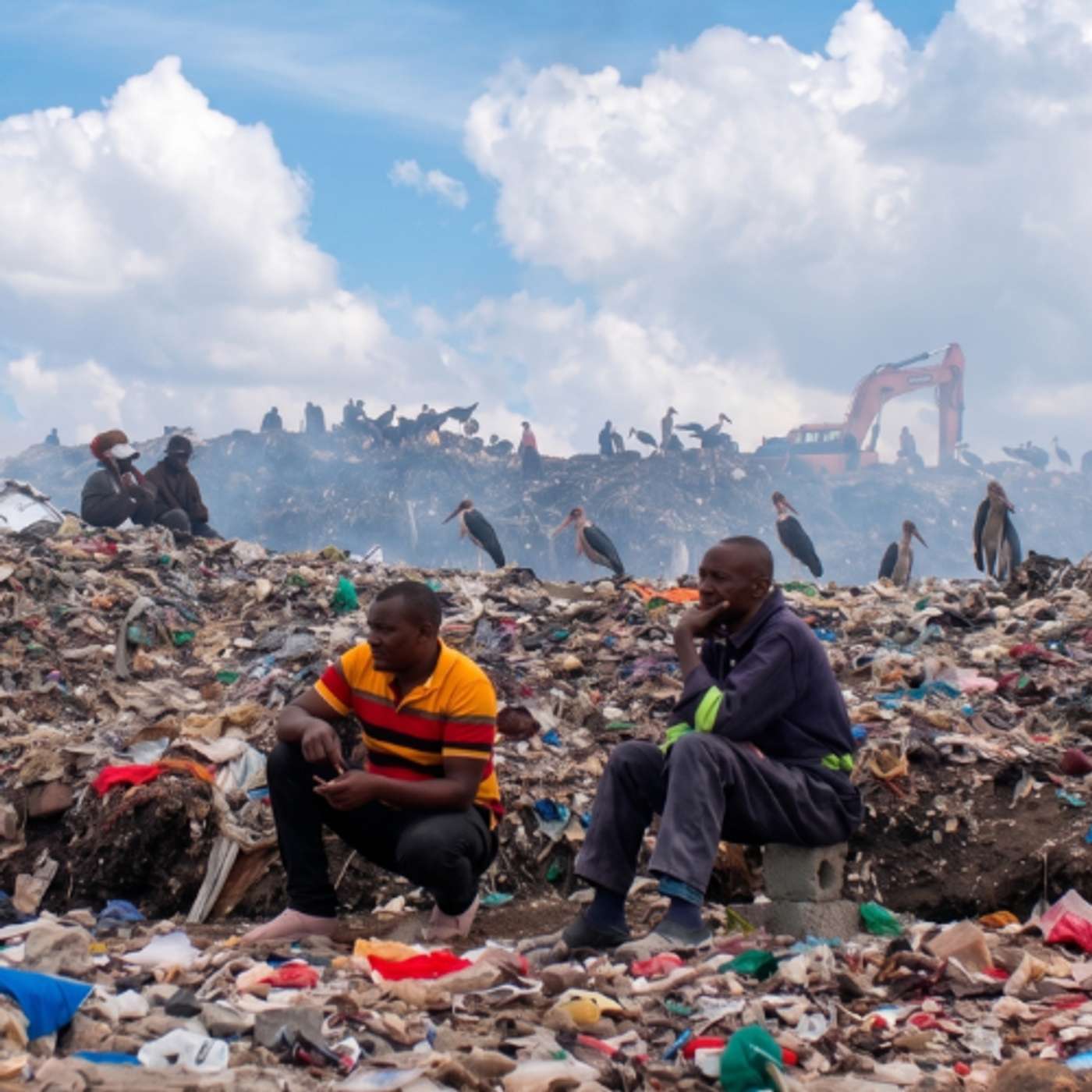
Inside Africa's $16 Billion Waste Economy

Drive through cities in Africa and you’re likely to see a waste problem. In the streets, the sewage, in the waterways…540 million tons of waste goes uncollected every year across sub-Saharan Africa. It's a $16 billion opportunity. But much of the infrastructure is still missing. What would it actually take to build it at scale?In Nigeria, a company called Scrapays is paying people to collect it. In Kenya, Plas-tech is turning the same plastic into cooking gas. 00:00 - Where does your waste go? 01:25 - In Lagos, Scrapay’s Boluwatife Arewa is empowering informal waste pickers05:44 - In Mombosa, Plas-tech’s Robin Kariuki is turning waste into cooking gas09:13 - The multi-billion dollar opportunity in wasteThis episode was produced as part of our series on climate action in Africa, The Greenprint, in partnership with Catalyst Fund and FSD Africa, with the help of UK aid.Watch more episodes of The Greenprint here.Our Links -🎥 YouTube - https://youtube.com/@thefliphq🐦 Twitter - https://twitter.com/thefliphq👥 LinkedIn - https://www.linkedin.com/company/thefliphq/📸 Instagram - https://instagram.com/thefliphq💻 Website - https://theflip.africa

April 1, 202615 min

I Went to Nigeria to Explore How Global Trade Really Works

In Lagos' Computer Village, Nigeria's largest electronics market, everything is imported from China. But how merchants access dollars and pay their suppliers is a challenge.Nigeria imports $20 billion from China every year, yet dollar access problems and legacy banking systems create friction for those doing global trade. So how do countries like Nigeria and China trade with each other?In this episode, we head to Lagos, Nigeria, to see it firsthand - how money moves, and how new technologies like stablecoins are facilitating global trade.In this episode of Money Trails, presented by Stellar Development Foundation.Watch the full episode on YouTube.00:00 - Inside Computer Village01:22 - Everything is imported from China02:32 - The Nigerian Economy03:56 - Importing phones with WeChat and Alipay05:18 - No one uses the banks for FX06:17 - Naira volatility, explained09:10 - Informal and parallel economies09:38 OTC Traders Fill the Gap11:21 - Are stablecoins the future of global trade?14:43 - Next stop: SyriaOur Links -🎥 YouTube - https://youtube.com/@thefliphq🐦 Twitter - https://twitter.com/thefliphq👥 LinkedIn - https://www.linkedin.com/company/thefliphq/📸 Instagram - https://instagram.com/thefliphq💻 Website - https://theflip.africa
January 29, 20269 min

Why Getting Paid Costs More in Emerging Markets

If you're a freelancer or a remote worker from the global south, you likely have a harder time getting paid and participating in the global economy. Maybe a global payments company doesn't operate in your country. Maybe they banned your account or froze your funds. Remote workers and freelancers from emerging markets often have to jump through hoops to get paid, incurring additional costs along the way.Meanwhile, more people than ever are working online, and more of these workers are coming from the developing world. Yet the global payments system is often failing the very people who rely on it the most. Are stablecoins the solution?This episode of Money Trails is presented by Stellar Development Foundation.Watch the full episode on YouTube.00:00 - The global payments system is broken01:34 - Freelancing and remote work payment issues03:38 - Why does this happen? De-risking04:29 - 1.2 billion people are reaching working age in emerging markets05:15 - Stablecoins to the rescue?07:09 - There is a tax on the global south09:03 - Next episode, we head to Lagos, NigeriaOur Links -🎥 YouTube - https://youtube.com/@thefliphq🐦 Twitter - https://twitter.com/thefliphq👥 LinkedIn - https://www.linkedin.com/company/thefliphq/📸 Instagram - https://instagram.com/thefliphq💻 Website - https://theflip.africa

December 2, 202511 min

I Went to Bolivia Where Businesses Survive on Stablecoins

Bolivia is facing a severe economic crisis. The country is literally running out of dollars. Their foreign reserves have collapsed from $15 billion a decade ago to just $50 million today. In June 2024, Bolivia legalized cryptocurrencies, and digital asset transaction volume exploded - growing over 500 percent in the past year.To participate in the global economy, businesses are turning to stablecoins for access to dollar assets. From Binance peer-to-peer trading to stablecoin-powered credit cards, we explore how people survive when their country runs out of dollars, and how stablecoins are being used for global spending. Watch the full episode on YouTube.00:00 - Bolivia ran out of dollars02:06 - Stablecoins to the rescue03:25 - How did Bolivia get here?04:11 - Bolivia's parallel economy06:24 - Meru09:55 - What happens when a country runs out of dollarsOur Links -🎥 YouTube - https://youtube.com/@thefliphq🐦 Twitter - https://twitter.com/thefliphq👥 LinkedIn - https://www.linkedin.com/company/thefliphq/📸 Instagram - https://instagram.com/thefliphq💻 Website - https://theflip.africa

November 4, 202516 min

Inside Argentina's $300 Billion Parallel Economy

Argentina's decades-long economic crises and hyperinflation has a major impact on how Argentine's participate in the economy.The recent story that's been told about Argentina is that people are adopting stablecoins to protect against inflation and currency devaluation. But that's only part of the story...The real story involves long-standing distrust of government and the banks, and overbearing taxes that drive Argentinians to the informal economy. While stablecoin volumes in Argentina surpass $90 billion, Argentina still has over $200 billion in cash circulating in the country, and hidden under mattresses. It's the second-largest holder of US Dollar cash, behind the US itself. In this episode of Money Trails, presented by  @StellarDevelopmentFoundation , we explore why Argentines keep their money outside of the formal system, and why they are increasingly adopting stablecoins. In this episode, we’re joined by Manuel Beaudroit, the Co-founder & CEO of Belo.Watch the full episode on YouTube.00:00 - Argentina's economic crisis01:45 - Arbolitos on Calle Florida02:48 - The Blue Dollar04:01 - Distrust and taxes07:20 - Why Argentines keep their money outside the formal economy09:50 - Why Argentina's parallel economy still thrives10:43 - Cuevas, Argentina's informal exchange houses13:21 - Why Argentines are adopting stablecoins15:43 - Subscribe!Our Links -🎥 YouTube - https://youtube.com/@thefliphq🐦 Twitter - https://twitter.com/thefliphq👥 LinkedIn - https://www.linkedin.com/company/thefliphq/📸 Instagram - https://instagram.com/thefliphq💻 Website - https://theflip.africa

September 16, 202511 min

What If You Could Send Money Across Borders as Fast as a Text?

This year, $160 billion in remittance payments will be sent from the US to Latin America. $65 billion will be sent from the US to Mexico, the world's largest remittance corridor. Yet, the majority of payments will be sent via brick-and-mortar stores like Western Union or Moneygram. The future of payments is already here, yet most people are queuing in line, paying in cash, taking a photo of their receipt, and sending it to their families on WhatsApp for collection in their home country. If we can send receipts over WhatsApp, why can’t we send money too?That same question was the motivation for Félix, an AI-powered chatbot that replicates the trusted agent experience om WhatsApp. It’s a user experience made possible by stablecoins.In this episode of Money Trails, presented by Stellar Development Foundation, our user-centric series on global stablecoin adoption, we explore how immigrants send money back home. This episode of Money Trails is sponsored by Rain Cards. In this episode, we’re joined by Manuel Godoy - Co-founder & CEO, FelixFarooq Malik - Co-founder & CEO, Rain00:00 - Intro01:06 - Sending money in Jackson Heights03:22 - Félix CEO Manuel Godoy04:54 - How Félix works06:20 - Stablecoin-powered remittance payments08:49 - Spending money in Mexico11:38 - Subscribe!Our Links -🎥 YouTube - https://youtube.com/@thefliphq🐦 Twitter - https://twitter.com/thefliphq👥 LinkedIn - https://www.linkedin.com/company/thefliphq/📸 Instagram - https://instagram.com/thefliphq💻 Website - https://theflip.africa

June 26, 20253 min

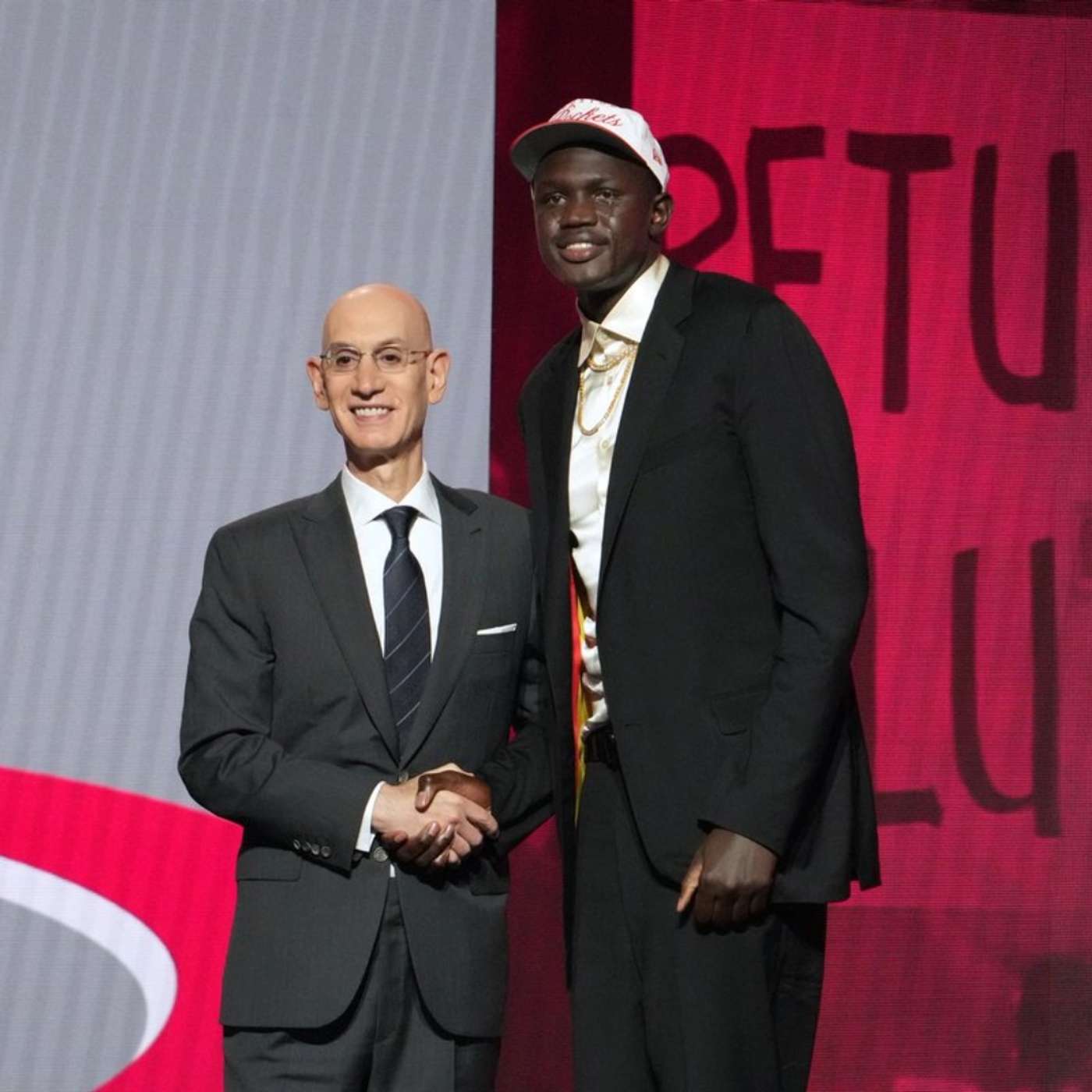
NBA Africa's Biggest Success | The Khaman Maluach Story

Watch this episode on YouTube: https://youtu.be/qoA105xnIpUKhaman Maluach was just drafted 10th overall in the NBA Draft. He’s a South Sudanese refugee who grew up in Uganda and only started playing basketball when he was 13 years old. After first playing the game at Luol Deng’s basketball camp, Maluach played at the NBA Academy in Senegal, and played three seasons in NBA Africa’s Basketball Africa League, before signing with Duke University. He’s the first player from the BAL to be drafted into the NBA. And as we continue to invest in talent on the African continent, there will be more players like Khaman Maluach playing in the league in the future. Our Links - 🎥 YouTube - https://youtube.com/@TheFlipAfrica💻 Website - https://theflip.africa🐦 Twitter - https://twitter.com/theflipafrica👥 LinkedIn - https://www.linkedin.com/company/theflipafrica/📸 Instagram - https://instagram.com/theflipafrica

May 29, 20259 min

The Real Reason People Are Using Stablecoins

Watch this episode on YouTube.2025 is the year of stablecoins. Transaction volumes have grown to over $33 trillion in the past 12 months. The top Dollar-denominated stablecoins are the 17th largest holder of US treasuries globally. Tether, issuer the largest stablecoin by volume, USDT, announced $13 billion in net profit in 2024. Circle, the USDC issuer, is going public.But what got the hype train going was Stripe’s acquisition of the startup Bridge for $1.1 billion.And all of Bridge’s product market fit is coming from emerging markets and outside the US. But why? This is the first episode in The Flip’s new human-first series on stablecoin adoption from the rest of the world. Stablecoins are solving everyday problems for people in markets where there’s import deficits, currency devaluation, insufficient banking infrastructure, and more. This series will bring to life these conditions and humanize the onchain data. 00:00 - Intro01:15 - Zach Abrams - Bridge02:35 - Stablecoin adoption03:27 - All of Bridge’s product market fit comes from outside the US05:19 - Why do people want stablecoins?08:42 - Subscribe!Our Links - 🎥 YouTube - https://youtube.com/@TheFlipAfrica💻 Website - https://theflip.africa🐦 Twitter - https://twitter.com/theflipafrica👥 LinkedIn - https://www.linkedin.com/company/theflipafrica/📸 Instagram - https://instagram.com/theflipafrica

April 23, 20256 min

Why the NFL is Bringing American Football to Africa

There are 1,696 active players in the NFL. Just 138 are African. But if it were up to Osi Umenyiora, 11-year veteran and 2-time Super Bowl Champion, there would be many more. Osi is the Founder of The Uprise, the NFL's lead in Africa, and he's pioneering American football on the African continent. At the NFL's camp in Lagos, Nigeria, young athletes are vying for a shot to join the NFL Academy in London or to go straight to the League through the International Player Pathway Program. But many of them have never played American football before. So why is the NFL hosting camps in Africa? Is there really any shot of these players making it to the NFL?00:00 - The NFL is in Lagos, Nigeria00:30 - Osi Umenyiora is bringing football to Africa02:05 - The NFL wants the best talent in the world03:55 - Creating opportunities for African talentOur Links - 🎥 YouTube - https://youtube.com/@TheFlipAfrica💻 Website - https://theflip.africa🐦 Twitter - https://twitter.com/theflipafrica👥 LinkedIn - https://www.linkedin.com/company/theflipafrica/📸 Instagram - https://instagram.com/theflipafrica

Is this your show?

Claim this listing to keep it up to date, reach guests who want to pitch you, and manage bookings with Guestify.

Claim this listing

More Business podcasts