Human Trafficking 2026: Glori Coronati Exposes the Truth
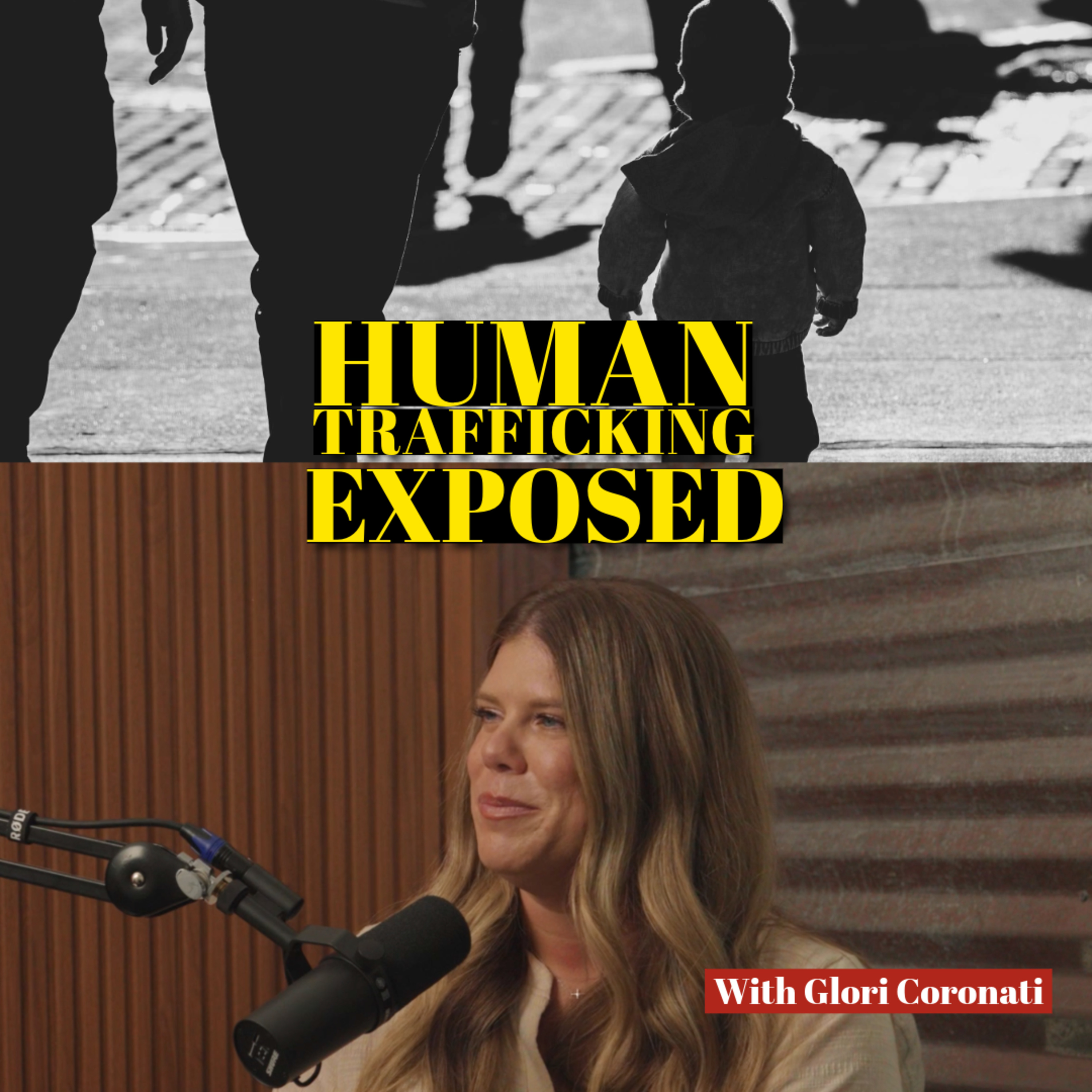
Human trafficking doesn't always look like a kidnapping in a parking lot.Sometimes it looks like a child sitting in the same classroom as yours.Sometimes it begins with addiction, family dysfunction, neglect, an abusive parent, or a stranger who finds a vulnerable child online. And sometimes the victim doesn't even understand that they're being trafficked until years later.In this episode of the 1334 Podcast, Glori Coronati from Free Indeed joins me to expose what human trafficking actually looks like in Albany, Georgia, rural communities, and across America.Glori shares what she's learned from helping trafficking survivors escape dangerous situations, including why victims often can't simply "leave," why getting someone physically away from their trafficker can be critical to long-term recovery, and what happens when someone needs to be rescued immediately.We talk about:• Why Hollywood's version of human trafficking can make victims harder to identify• How trafficking can begin through family members or romantic relationships• How traffickers exploit vulnerable children online• Why victims don't simply "leave"• What an emergency rescue actually looks like• Why survivors sometimes need to be transported far away from where they were trafficked• The importance of safe-home programs• Justice, forgiveness, and the people who commit these crimes• What recovery looks like after someone escapes• Survivors graduating safe-home programs and building new lives• How ordinary people can actually helpOne of the most powerful stories Glori shares is about a survivor who had been praying for God to send her a "basket" to rescue her from her situation.When Glori and several organizations finally got her out using an armored vehicle, the survivor looked around and said, "This is my basket."It's a powerful picture of what rescue can look like.Glori also explains how Free Indeed had helped its 15th girl reach a safe home since January at the time of this recording, and why something as simple as a brand-new pair of black athletic pants can become part of a survivor's first step toward healing.If you've ever thought human trafficking was something that happened somewhere else, this conversation is for you.The problem may be bigger than any one person can solve.But every survivor is one person.And every person matters.**00:00 — The reality of human trafficking****01:00 — Why misconceptions about trafficking are dangerous****02:00 — Justice, forgiveness, and traffickers****04:00 — When family members become traffickers****07:00 — How close is the average American to trafficking?****10:00 — What ordinary people can actually do to help****11:25 — What an emergency rescue looks like****14:00 — The cost of getting survivors to safety****18:00 — Building a nationwide network of resources****20:00 — What makes the work worth doing****20:30 — Survivors graduating and rebuilding their lives****23:00 — Seeing survivors experience the happy moments of life****25:00 — Finding joy while doing difficult work****27:20 — The survivor who prayed for a "basket"****30:30 — A woman trafficked from childhood****35:00 — Addiction and human trafficking****37:50 — How traffickers are using the internet****39:00 — How predators identify vulnerable people****40:00 — How you can help****40:20 — Why brand-new clothing matters****44:30 — 15 survivors helped since January****45:00 — Why victims don't simply leave****47:00 — When someone was never given a first chance****51:30 — Why rescue requires more than a quick fix****52:25 — Why distance can make a difference****53:10 — How few trafficking survivors are actually identified****54:00 — Why every individual life matters**