🚨 The Trump Tariff Tsunami, Tesla's Turbulence Trade, and the Dollar Reset of 2025
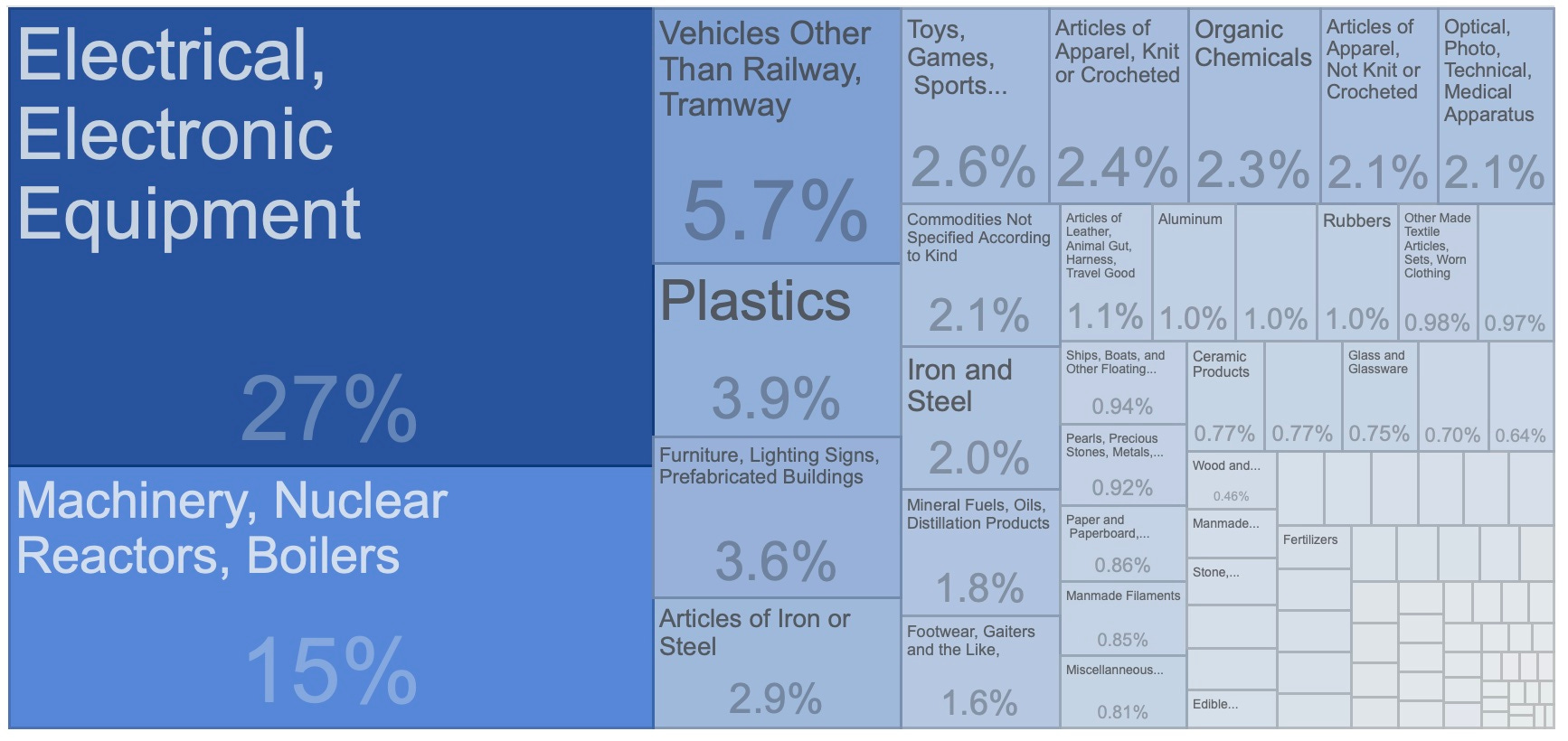
In today’s unpredictable economic climate, smart investors know the biggest opportunities often emerge from the biggest disruptions—and that’s exactly what we’re breaking down in this edition of The Market Pulse Podcast. From massive tariff shifts and geopolitical power plays to AI breakthroughs and energy revolutions, we’re not just watching the news—we’re dissecting how to profit from it. Here’s a quick breakdown of what we’ll cover: 📦 Tariff Turmoil & Trade Tactics – Trump’s 90-day tariff pause (for some) and the pressure it’s putting on China, Mexico, and Canada. 💰 The Great Debt Reset – How U.S. debt refinancing and bond market manipulation may set the stage for historic gains. 📉 Tesla’s Political Freefall – Why Tesla’s stock has dropped—and why it could be the best buy in the EV market right now. 🤖 AI Repricing: DeepSeek’s Disruption – China’s low-cost AI breakthrough could flip tech valuations upside down. 🐎 Hydrogen Horsepower – Kawasaki’s robot horse isn’t just cool—it signals the next wave in green mobility. 📦 Tariff Turmoil & Trade Tactics President Trump recently issued a 90-day tariff pause for over 75 countries. Notably excluded from this pause? China, Mexico, and Canada. This calculated move, announced via Truth Social, was explained as a reward to nations who haven't retaliated and have approached the U.S. for negotiations around trade, tariffs, and currency manipulation. “More than 75 countries have called Representatives of the United States … to negotiate... and have not... retaliated..” —Donald J. Trump - Video of Trump talking tariffs and white house Source: - CNBC Television Alongside Trumps open door police to negotiate Tariffs, China missed the tariff deadline, leading to the implementation of a 145% reciprocal tariff. This directly impacts companies like BABA, China's equivalent to Amazon. Along with all other companies dependent of Chinese imports to the US. To give you the full breath of companies impacted by industry I have included data from these exports below for further review as you look for opportunities. - Image of Chinese Exports by percentage - Image of Chinese Exports by year and dollar amount As you can see, China exports billions of dollars' worth of goods globally, with the United States being its largest trade partner—accounting for nearly 20% of all exports. The key question I'm focused on is: which stocks have experienced the steepest declines and are most likely to rebound once a favorable trade deal is struck? Trump is pushing for a better trade agreement, and it's likely that at some point, the U.S. will secure improved terms. When that happens, where will stock prices return to? This is why companies like Alibaba (BABA), which are heavily tied to the Chinese economy, have seen some of the sharpest declines—and are also among the most likely to bounce back strongly if a positive deal is reached. While many critics claim that Trump’s tariff strategy is harmful to the U.S. economy and accuse him of lacking direction, the emerging facts suggest otherwise. Here’s some evidence that much of the mainstream media isn’t highlighting: The European Union is already showing signs of concession. European Commission President Ursula von der Leyen recently proposed a "zero-for-zero" tariff agreement in an effort to prevent further escalation—a move that reflects a broader willingness among our trade partners to negotiate. - Video of European Commission President Ursula von der Leyen proposed a "zero-for-zero" Source: Hindustan Times China, on the other hand, has been slower to respond. This may be a calculated move to project strength, as Chinese leadership seeks to avoid appearing pressured or bullied into a deal. Still, signs indicate they will eventually come to the table, but likely on their own terms and timeline, to preserve national pride and political stability. 💰 The Great Debt Reset What many critics overlook is Trump’s strategic long game to address the U.S. debt crisis. Here are a few critical factors you need to understand: * The U.S. is set to refinance nearly $9 trillion in debt in 2025 . * Tariffs pressure the stock market , leading investors to seek safer assets like U.S. bonds . This increased demand helps drive bond yields lower . * Bond yields have already dropped to around 4% , and every 0.1% drop equates to roughly $9 billion in interest savings. * At the same time, Trump is leveraging this economic pressure to negotiate stronger trade deals . His background in dealmaking—captured in his book The Art of the Deal —is playing out on the global stage. His message to other nations is clear: “The deal on the table today won’t be there tomorrow.” Delaying negotiations will cost them. He’s making it known— postponement has a price. If Trump succeeds in securing more favorable trade agreements, stocks connected to Chinese exports could recover to pre-tariff valuations—or even exceed them . This move might be part of a broader strategy to trigger the most significant dollar realignment since the Bretton Woods system collapsed in 1971 . But let’s not forget—Dalio misread 1971 too. He bet against the dollar when Nixon ended the gold standard and lost everything. He recounts this in his book Principles for Dealing with the Changing World Order . At the time, logic suggested the dollar would collapse without gold backing. But the opposite happened—the dollar became backed by the strength of U.S. productivity and GDP. The result? History speaks for itself. As shown in the chart below, the S&P 500 has climbed from around $105 then to roughly $5,400 today. So I take Dalio’s position with a grain of salt—he’s been wrong before, particularly during a similar turning point in 1971. Additionally, in this interview, there are signs of cognitive decline. Having watched my own father battle Parkinson’s, I noticed strikingly similar physical symptoms in this short clip. That said, I’m not dismissing Dalio’s broader concerns. His perspective is worth considering—but we’re entering uncharted territory. Tariffs have never been used quite like this—to strategically reposition the strength of the U.S. dollar on the global stage. 📉 Tesla’s Political Freefall Let me be clear—I trade without political bias. I say that because Tesla is undeniably caught in the political crossfire right now, as reflected in its recent price action. While part of the move down may be due to demand concerns and broader economic factors, there's a strong case to be made that politics are playing a major role. And that’s exactly what catches my attention. Historically, politically driven sell-offs often overcorrect, only to rebound as the noise fades and fundamentals reassert themselves. So, what’s behind Tesla’s recent drop? * Elon Musk has aligned himself with initiatives like DOGE, a federal task force targeting government waste, which the media has spun as oligarchic and deceptive. * Radical protests have escalated to acts of vandalism targeting Tesla vehicles to heighten this topic and trend on social media. * Once a long-time Democrat, Elon’s political shift has sparked backlash from the party he left—turning him into a target for criticism and retaliation. Despite all this, I believe we’re looking at one of the most attractive discounted buying opportunities for TSLA in recent history—both in terms of the stock and the cars. In fact, I’m seriously considering buying one myself. Remember Elon's words: "Once Tesla fully solves autonomy and has Optimus in volume, anyone shorting us will be obliterated." There’s growing evidence that this movement is nearing its end, as innocent bystanders are now being affected—and the vandalism is starting to backfire politically, proving to be more harmful than helpful to the cause. Below is a clip of exactly what I am talking about where a Democrat gets his car keyed by a “Resistance Fighter” from a fellow liberal. In addition, the Attorney General is cracking down on these acts of domestic terrorism which should put an end to this insanity. And here’s the iro… Get full access to Market Pulse with Matt at marketpulsewithmatt.substack.com/subscribe