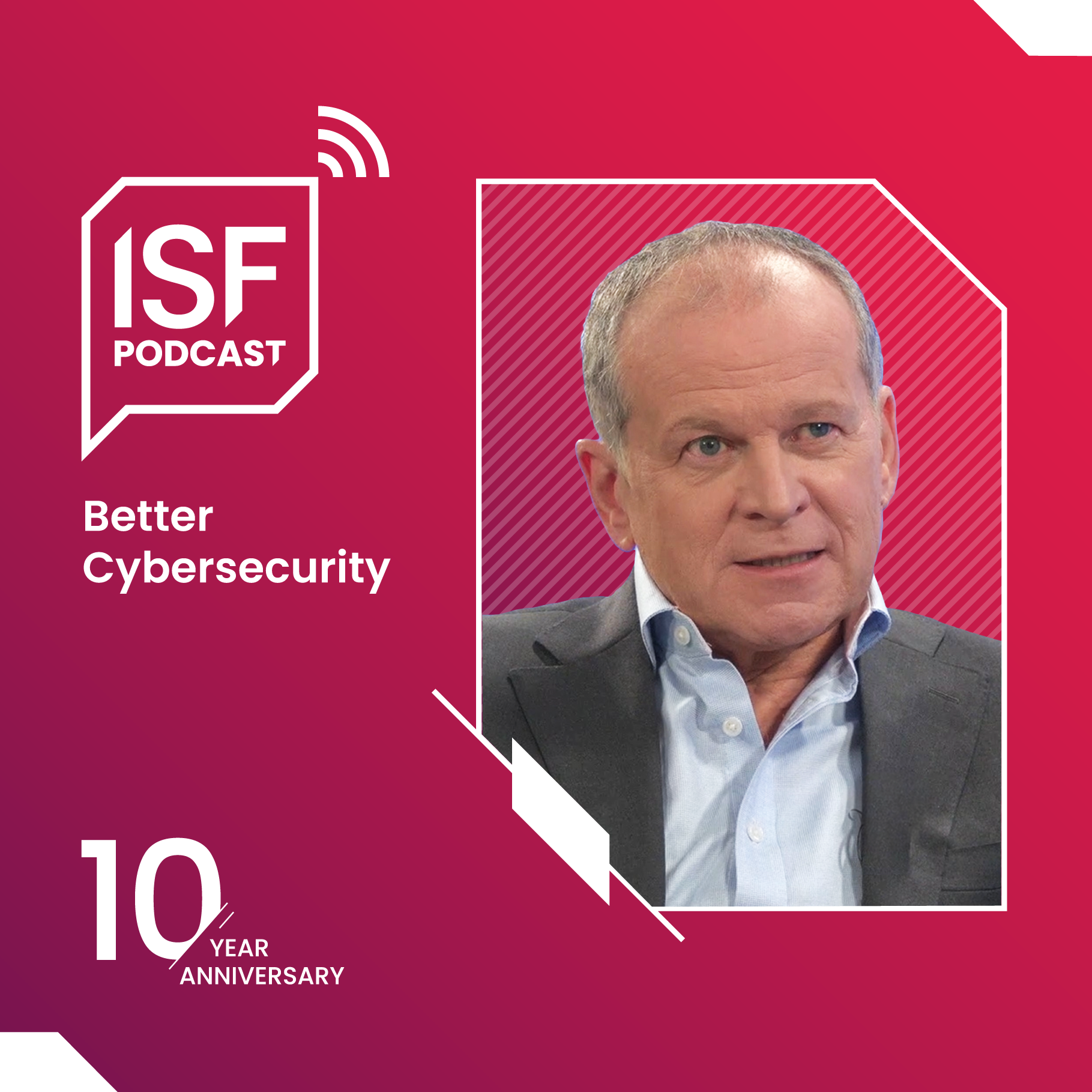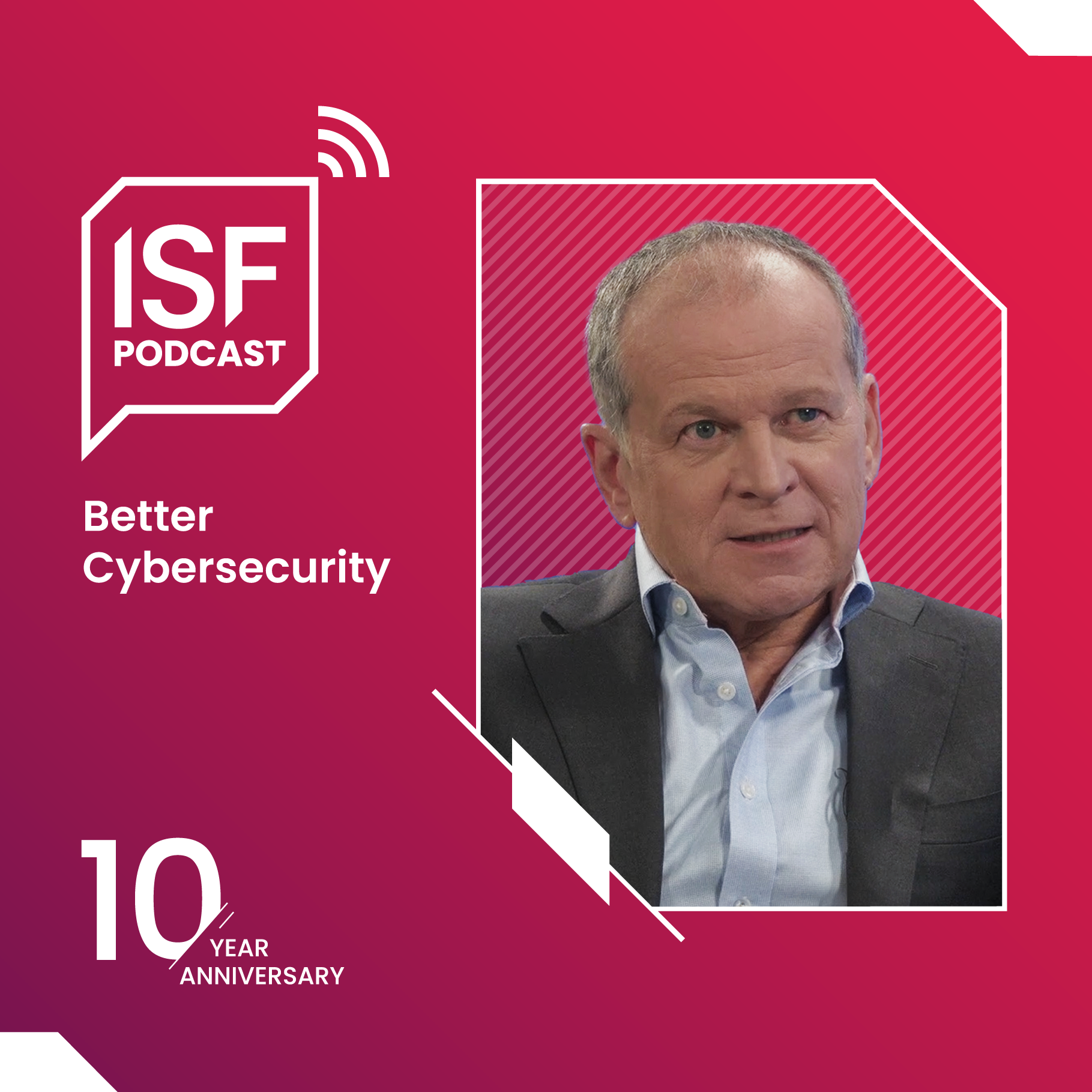
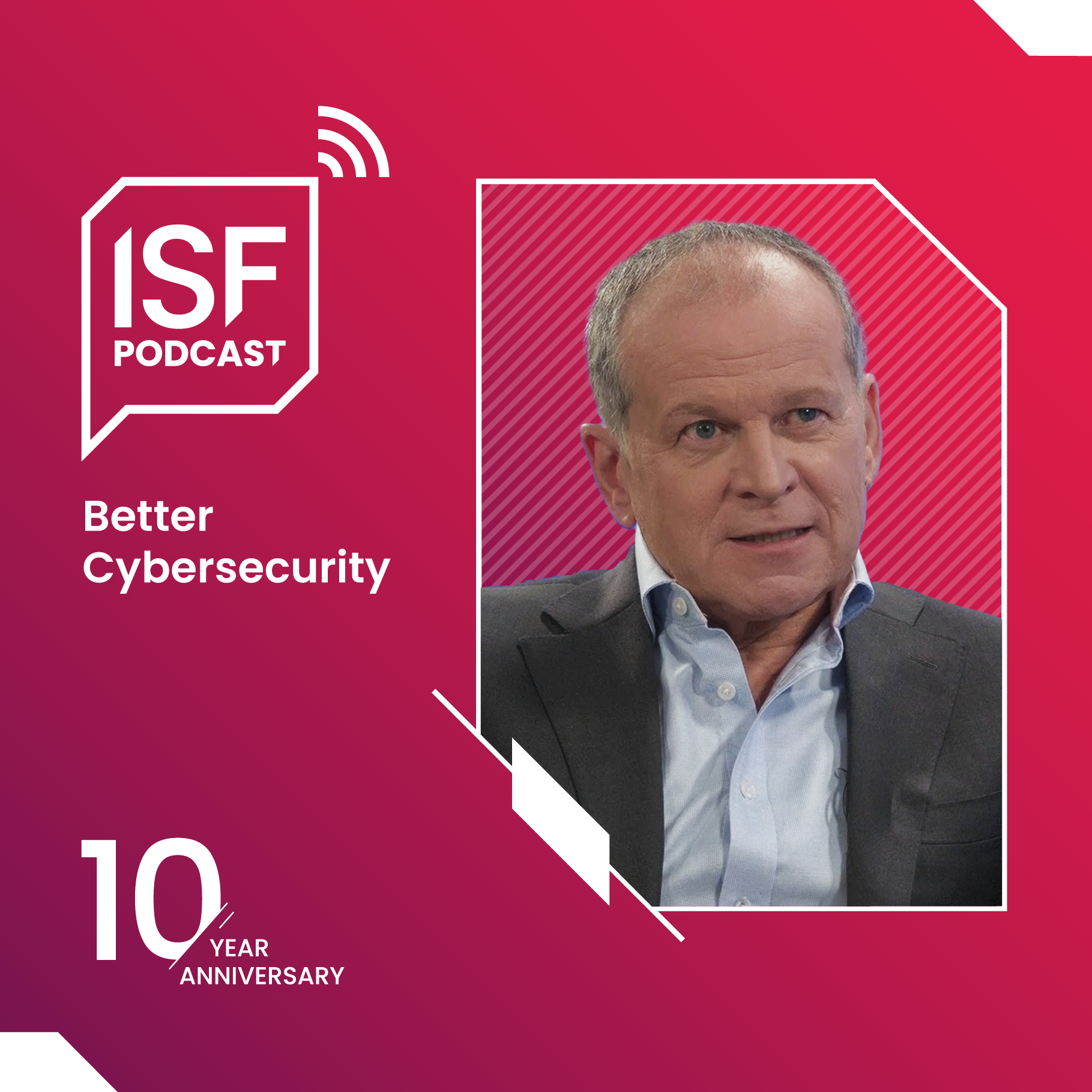
358: Steve Durbin - No Symptoms, No Family History: Why Every Man Should Get Tested
This week’s episode is unique and personal. Earlier this year, Steve announced that he had been diagnosed with stage 3 prostate cancer. Today, Steve and and Producer Tavia Gilbert sit down to talk about what his life has been like over the past year. He shares how he reacted when he first got his diagnosis and explains why it’s so important to choose the right medical team. We also discuss resilience and mindset, how people in his personal and professional life have responded to his news and his decision to be publicly transparent, and, now that Steve’s nearly done with radiotherapy, what comes next. Also, let’s cut to the chase. The whole point of today’s episode is this message: men, get your PSA levels checked! Key Takeaways: Get tested! Early detection significantly improves survival rates. Taking control over your treatment is important, and that can include choosing your medical team, being brave and asking all the questions, and doing your research. It’s okay for people around you to be uncomfortable or not know what to say. Tune in to hear more about: How Steve responded to his diagnosis () Adopting an athlete-mindset () Steve’s use of meditation () Standout Quotes: “I think most leaders like to think that they are pretty invincible, and when something like cancer comes along, it doesn't have to be prostate, it could be anything, you suddenly realize that actually you're not. Lo and behold, you are actually human. And you do have to rely on some of your softer side to be able to cope with not just the physical pressures, but much more importantly, I think the emotional and the psychological impact.” - Steve Durbin “From the security standpoint, of course you have the ability to be objective because you're talking about a business, or somebody else's business. When you're talking about yourself and balancing risk at an individual level, at a personal level it takes on a whole new dimension because it is for real. If you probably get one shot at it, maybe two if you're lucky, but you've got to get it right in terms of how you balance that out and how you talk about it.” - Steve Durbin “There was one other decision that I did take, and that decision was that I did not see my cancer as making me a sick person. So in my mind I do not have an illness. I am not sick. I happen to have a cancer. There's a little part of me that has got something that's not working the way that it ought to, and that's fine. I'm fine with that because we can fix that. But I'm not ill. ” - Steve Durbin Read the transcript of this episode Subscribe to the ISF Podcast wherever you listen to podcasts Connect with us on LinkedIn and Twitter From the Information Security Forum , the leading authority on cyber, information security, and risk management.