Find partners
Founder Storiez

Founder Storiez

Hosted by ephraim yarmak

Episodes

130

Latest episode

Oct 2026

Language

EN

About the show

The purpose of "FounderStoriez Channel" is to interview Entrepreneurs from around the world to share their story, experience, and wisdom with you so you can learn from them and be inspired.

Listen to episodes

60 recent
October 20, 20261 hr 6 min

Rotem Lurie (Venice Security) on Intuition, Sacrifice, and Leading as a Woman

Rotem Lurie was an investor at YL Ventures, watching founders fresh out of the army raise money, and going home asking her husband why they thought they could do it and she couldn't. He told her to move to the other side of the table. Seven months later, she co-founded Venice Security, now backed by Index, Vine, and IVP. In this episode: the investor who asked if she was afraid of losing herself; what Merav Bahat told her about competing "as one of the boys"; getting an Index term sheet the week of October 7th while her husband was called to reserve duty; why she brought her husband to her Series A road show; being a "bad negotiator" and why that's fine; and where identity is going once AI agents carry your permissions. Rotem Lurie is co-founder and CEO of Venice Security. Follow Founder StorieZ for more conversations with the founders and investors shaping Israeli cyber. 00:00 Cold open 00:45 "Are you afraid of losing yourself?" 03:20 From people-pleaser to trusting her gut 08:30 The voice that says "push harder" 10:40 Not one of the boys — what Merav told her 12:00 Her mother, Talpiot, and seeing yourself in the room 14:30 The Israeli dream and why competition thins out 16:10 What she's sacrificed (and cornhole) 18:10 Or Yehuda, the mayor's check, and a chase that never ends 21:00 "I'm gonna show them" — who is them? 23:20 The people who believed first: parents, 8200, Assaf Rappaport, Dor Knafo 28:10 Being a woman founder as an unfair advantage 31:20 Her co-founder and her husband 35:00 Seed round: the Index term sheet and October 7th 38:00 Series A with IVP: "Oh my God, Cack, yay" 40:00 The days you want to quit 43:30 Know your strengths: "I'm a bad negotiator" 45:00 Why she left VC: "move to the other side of the table" 48:20 Meeting her co-founder (scouts, Holon, and face blindness) 52:00 How co-founders fight and make up 55:00 What Venice is building: ephemeral access for humans and agents 58:20 Where identity is going — the Taylor Swift example 1:01:20 Fake it till you make it, proudly delusional 1:03:10 Her real dream 1:04:30 Final message: dream big and just believe Founder StorieZ is hosted by Ephraim Yarmak, Founder of TGVG Capital.
August 31, 20261 hr 19 min

Ariel Sterman (Bessemer Venture Partners): The Pass Note That Won the Deal, Making Partner, and Playing VC's Long Game

About the guest. Ariel Sterman is a Partner at Bessemer Venture Partners in Israel, where he invests primarily at the seed stage. He began his career at Stripes Group in New York, made Aliyah in 2018, and rose from associate to partner through Bessemer's apprenticeship model under Adam Fisher. His first investment, Quack, exited within 18 months. Outside the fund, he hosts the podcast 70 Years and has taught a weekly Jewish philosophy class in Tel Aviv for seven years — now a community of 200+. Key takeaways: Anxiety and caring are the same muscle. Ariel's social anxiety comes from caring intensely about every interaction — which he's converted into an edge: honesty, over-communication, and closing loops the same day. The pass note is a product. A thoughtful, honest rejection ("here's exactly why, and here's what would change my mind") kept a founder relationship alive for two years and won Bessemer the round when it mattered. Mensch is a strategy with a threshold. Below a certain check size, kindness alone gets you into rounds. To lead rounds, kindness has to ride on top of speed, conviction, and hard terms — "those things can come together, and I don't think that's a paradox." Diligence didn't shrink, it moved. The 5-week process became 3 days by (a) being willing to cancel everything for a true "wow," (b) raising the bar so you filter faster, and (c) doing the roadmap work before the company ever shows up. Meet founders before they found. Once someone says "I'm starting a company," term sheets fly within a week. The person-diligence has to be done years earlier. "If you're in the room, there's a reason you're in the room." His decade-long journey from silent associate to confident partner — built by watching the smartest people in the room ask his unasked questions. "The past was determined." The lesson from Rabbi Tzadok HaKohen's writings that he applies after hard board meetings: close it, learn, move. Real optimism is the alpha. Anyone can list why a company fails. "The alpha is when you can identify why it will work." Connect with Ariel: LinkedIn Resources & mentions: Bessemer Venture Partners · Adam Fisher · Stripes Group · Quack (first investment) · DriveNets · Wonderful · Michael Eisenberg / Aleph · Rabbi Shais Taub · Rabbi Tzadok HaKohen of Lublin · Ariel's podcast: 70 Years

July 21, 20261 hr 11 min

Israel Duanis (CEO, Linx Security) The Loneliness of Building a Company, Saying No to 7 Figures & the Drive to Prove Yourself

Israel Duanis sold his first company, then started Linx Security, an identity security platform for the AI-agent era. This conversation is the honest version of the founder journey: the loneliness of every decision, why he turned down a seven-figure deal, building with a co-founder he's known for 23 years, the family cost, and the restless drive to "prove something to someone." Plus why identity is the security battleground of the AI era. A raw, personal conversation for anyone building or thinking about it. Chapters: (01:00) Conviction, people & values (06:00) Saying no to a 7-figure deal (11:00) Co-founding with your best friend (18:00) The loneliness of deciding alone (26:00) Why he's really doing this (34:00) Who are you trying to prove yourself to? (38:00) Beating the comparison trap (51:00) AI agents & the identity problem (1:05:00) "Just show up" Guest: Israel Duanis, Co-Founder & CEO, Linx Security (linx.security) Follow & subscribe for a new founder conversation

June 17, 202657 min

Erica Brescia: From Founder to GitHub COO to VC | Grit, Guilt & Trusting Your Gut

Erica Brescia has done it all in tech: she founded and sold Bitnami, served as COO of GitHub during the launch of Copilot, and is now a Managing Director at Redpoint Ventures, where she decides which startup founders get funded. In this episode of Founder Stories, Erica shares how she closed a $2.7M deal with Microsoft just days after giving birth, drove to her Y Combinator interview with a two-week-old, and the "chip on the shoulder" she now looks for in every founder she backs. It's an honest conversation about venture capital, ambition, motherhood, resilience, and learning to trust your gut when every decision is a one-way door. A must-listen for startup founders, aspiring investors, and anyone building something of their own. In this episode: - What VCs really look for in founders - Closing a major deal as a brand-new mom - Why "trust your gut" is the hardest lesson in investing - Balancing startup life and family - Hiring for EQ over IQ Guest: Erica Brescia (Redpoint Ventures, ex-GitHub, Bitnami) Follow the show and subscribe for new episodes every week.

June 4, 20261 hr 33 min

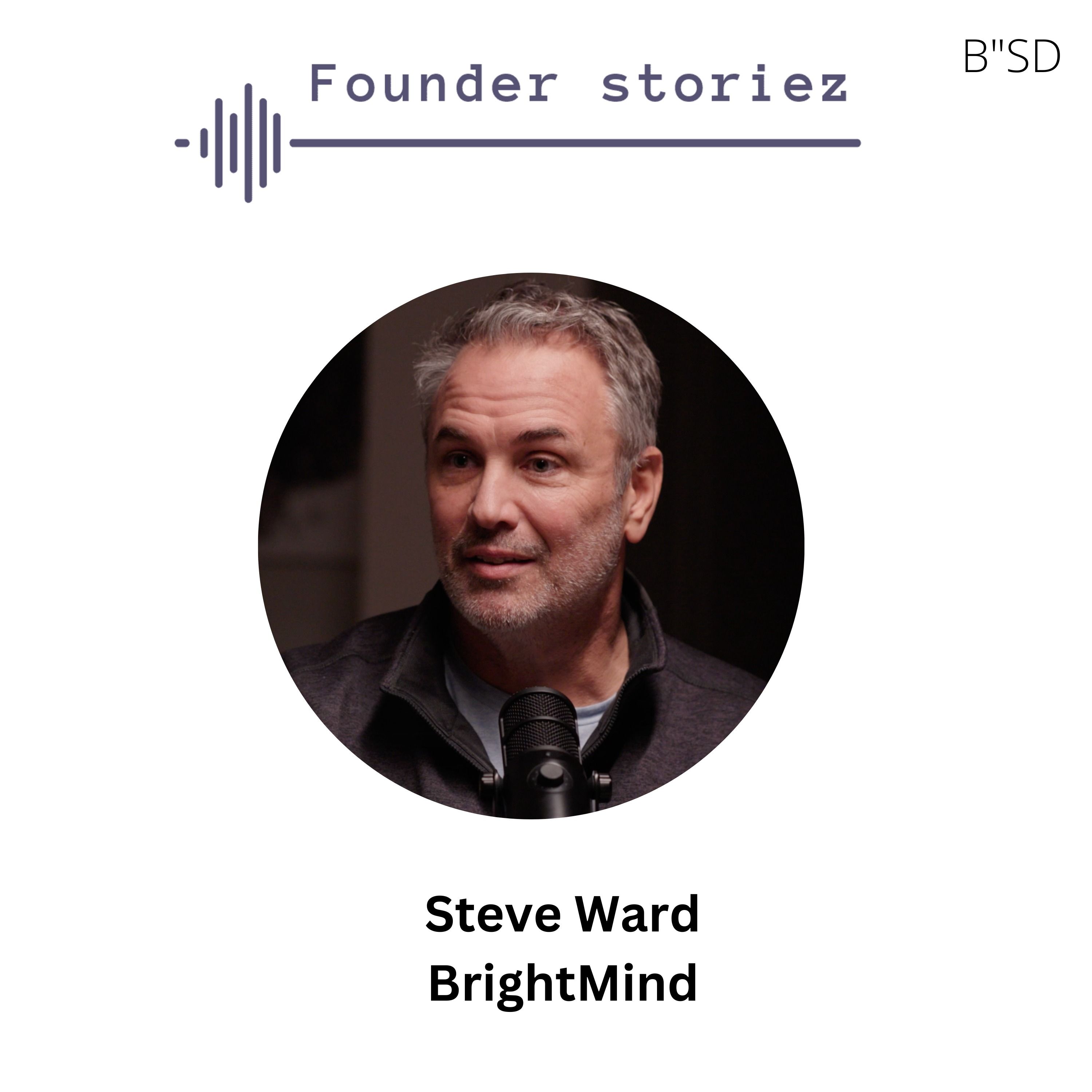
Secret Service, Wiz & The Money That Was For His Son | Steve Ward, BrightMind

Steve Ward has been a Coast Guard rescue swimmer, a Secret Service agent who ran one of the first computer-network wiretaps in U.S. history, the CISO of Home Depot, a partner at Insight Partners, and an early backer of Wiz, Abnormal and a dozen others . Today he runs his own cyber venture fund, Bright Mind — named after his son. But this isn’t a victory lap. Steve talks openly about the engine underneath all of it: a relentless feeling that he doesn’t belong and doesn’t deserve what he’s achieved, and what that’s cost him. He shares why the Wiz money is going into a trust for his son with autism, the ego that pulled him away from his family, the mentor he’s spent two decades trying to find, what he looks for in founders, and how he now defines success — hint: it has nothing to do with the wire transfer. Honest, raw, and unexpectedly moving. As Steve put it: “It was like a free therapy session.” A conversation about cybersecurity, venture capital, and the cost of ambition — hosted by Ephraim. Chapters: 00:00 Intro 01:00 The Wiz acquisition call — and why he posted it 04:00 “The real heroes are the siblings.” 05:30 Naming Bright Mind after his son 10:00 Steve at 17: farms, dirt bikes, and a lost kid 13:00 The Coast Guard and the roommate who taught him to learn 24:00 Home Depot: “I chased my ego.” 29:00 “A magnifying glass over an ant” — the CIO who humbled him 42:00 Secret Service, hackers, and 41 arrests across 11 countries, Steve Ward 43:00 The Wiz job he turned down 47:00 Learning venture from 24-year-olds at Insight 57:00 Why he started Bright Mind 01:03:00 Trust vs. proficiency: building a Navy SEAL team 01:08:00 “I don’t belong and I don’t deserve” 01:14:00 Paying off his brother’s mortgage 01:21:00 What he looks for in founders 01:23:00 What success actually means 01:31:00 Advice to his younger self

May 27, 20261 hr 22 min

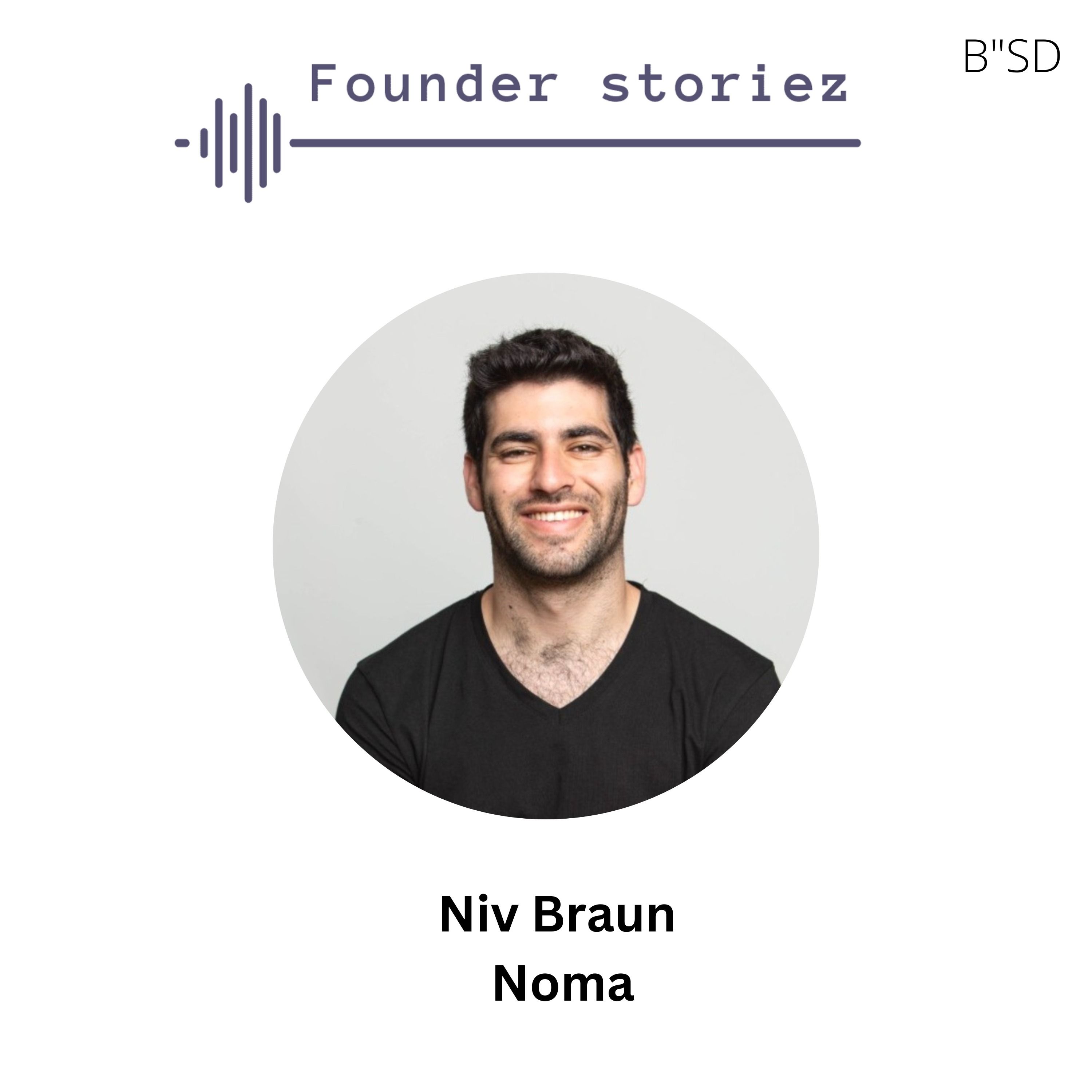
Niv Braun (CEO, Noma Security): Winning Mentality, $100M Series B, and the Hidden Cost of Building Fast

Niv is the co-founder and CEO of Noma Security. He raised a $100M Series B and scaled from 20 to 100 employees in a year, as a first-time founder, in cybersecurity, in the middle of a war that started the day Noma launched. In this conversation, Niv talks about what it actually takes to win: the four-day POC sprint with no product, the candidate they signed three days after he'd already signed with a competitor, the customers he turned away because the feature didn't justify a company, and the toll it takes when you're a founder who's "never full." We also get into the stuff founders don't say on stage — the loneliness, the lost sleep, the stress that physically catches up with you, and the slow realization that the company you're building starts to look uncomfortably like you. ▬▬▬ CHAPTERS ▬▬▬ 00:00 Cold open 01:05 Intro 01:30 What "winning mentality" actually means 03:25 The 4-day POC with no product 06:30 How Noma signed a candidate who'd already signed elsewhere 08:45 How to cultivate culture at scale 14:30 How fast to let someone go when culture doesn't fit 18:30 Niv's childhood and where the competitiveness came from 22:00 "I'm never full" — the founder hunger problem 24:30 The day-to-day suffering of being a CEO 28:20 The 5% empty glass mistake every founder makes 32:30 Has anyone told you you're too transparent? 36:30 Strong opinions, loosely held — the anti-blaming culture 41:00 The hardest part of giving up control as you scale 45:30 Loneliness, sleep, and the hidden cost 46:30 What Niv got right as a first-time founder 48:30 Why he told customers to buy from Palo, not Noma 51:30 Did you have this vision on day one? 53:30 Are you the same person you were 2 years ago? 57:30 The biggest blind spot: social media and branding 1:00:00 When Niv became the bottleneck 1:03:30 The moment he realized Noma was something different 1:07:00 Does he ever take a moment to appreciate it? 1:08:30 The sticky-note values exercise that defined the company 1:10:30 Inside the $100M Series B decision 1:13:30 What success actually means to Niv 1:14:30 Is Noma your full identity? 1:16:30 Legacy 1:18:30 What people misunderstand about him 1:21:00 Closing If you want the producer notes, the clips, or to get in touch with the show: https://www.linkedin.com/in/ephraimyarmak/

May 20, 20261 hr 15 min

Raj (CEO, Jetstream): Two Traffic Lights to $34M — and Why CrowdStrike Funded the Founder Who Left

Raj grew up in a town in India with two traffic lights. He's now the CEO of Jetstream, a cybersecurity startup he founded after leaving CrowdStrike, which then turned around and invested in his company. In this conversation: his mother's anything less than #1 pressure, the failures behind the successes (a WhatsApp competitor he didn't build, Cylance's missteps), the July 19th CrowdStrike outage and what it taught him about leadership, why he believes older founders have the real edge, and the five core values (CRUSH) he built Jetstream around. A masterclass on differentiation, conviction, and starting a company in your late forties.

April 28, 202654 min

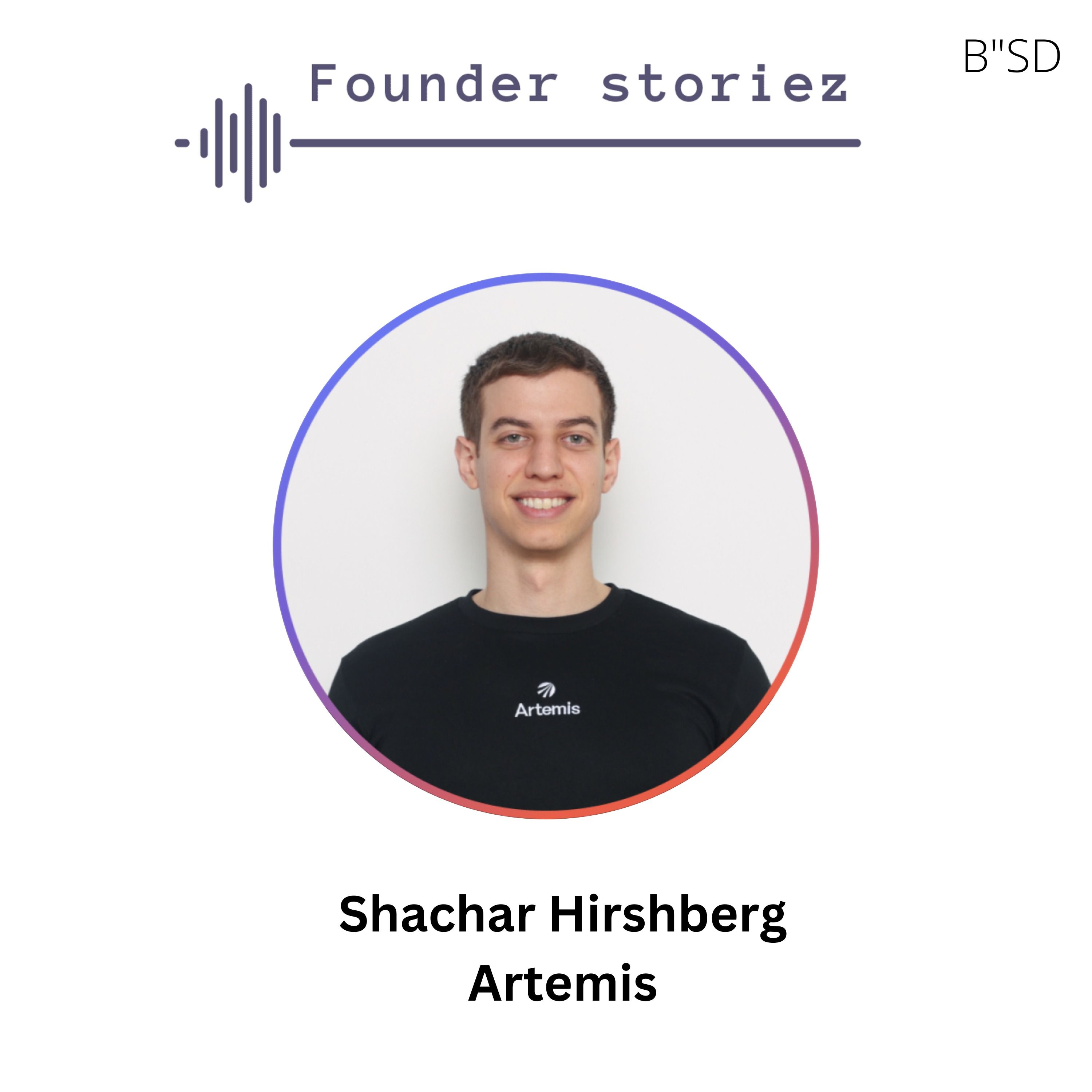
How Elite Founders Think | Shachar Hirschberg, CEO of Artemis

Shachar Hirschberg, Co-founder & CEO of Artemis Security, on building a cybersecurity company with thirty employees, one manager, and no traditional titles, only "Builders." We get into the flat-org experiment, why he thinks AI-era product velocity makes traditional hierarchies obsolete, the hiring process that gets candidates an offer in 24 hours (sometimes 3), the decade-long career plan that led to founding Artemis, and what competitive tennis taught him about surviving the founder rollercoaster. Plus: how they raised a $15M seed and a $70M Series A, the five values set before the first employee joined, and the first customer who asked to pay before being pitched. A useful one for anyone building, hiring, or rethinking how to run a team in 2026.

March 11, 202657 min

Dean Shahar (DTCP) How Venture Capitalists Make Decisions With Incomplete Information

In this episode, I sit down with Dean Shahar to discuss the reality of venture capital decision-making. Investors often have to make high-stakes decisions with incomplete information, especially when startups are reaching critical inflection points. Topics include: • The hardest part of venture capital • When startups transition from early customers to enterprise • How investors evaluate risk • Why hindsight makes investing look easier than it actually is A must-listen for founders, investors, and anyone curious about how venture capital really works.

February 23, 20261 hr 10 min

Lia Cromwell (UpWest): What VCs Really Think After Your Pitch

Lia Cromwell, Partner at UpWest, joins us for a candid conversation about venture capital, founder psychology, and the signals most entrepreneurs misread during fundraising. We discuss: – What VCs really think after your pitch – How to know if a meeting actually went well – Israeli vs American business culture – Why conviction can’t be built in one meeting – Founder red flags investors notice immediately – The importance of equity splits and co-founder chemistry – Gut instinct vs data in venture capital Lia also shares the personal story behind turning down a job, moving to Tel Aviv in 30 days, and building her career in early-stage investing. This episode blends tactical advice with personal conviction for founders who want to build the right way.

Is this your show?

Claim this listing to keep it up to date, reach guests who want to pitch you, and manage bookings with Guestify.

Claim this listing

More Business podcasts