Find partners
Byte Size

Byte Size

Hosted by Compass IOT

TechnologyInterviews guests

Episodes

78

Latest episode

Apr 2026

Language

EN

About the show

Conversations with innovators and business leaders in transport and smart cities.

Listen to episodes

60 recent
April 7, 202631 min

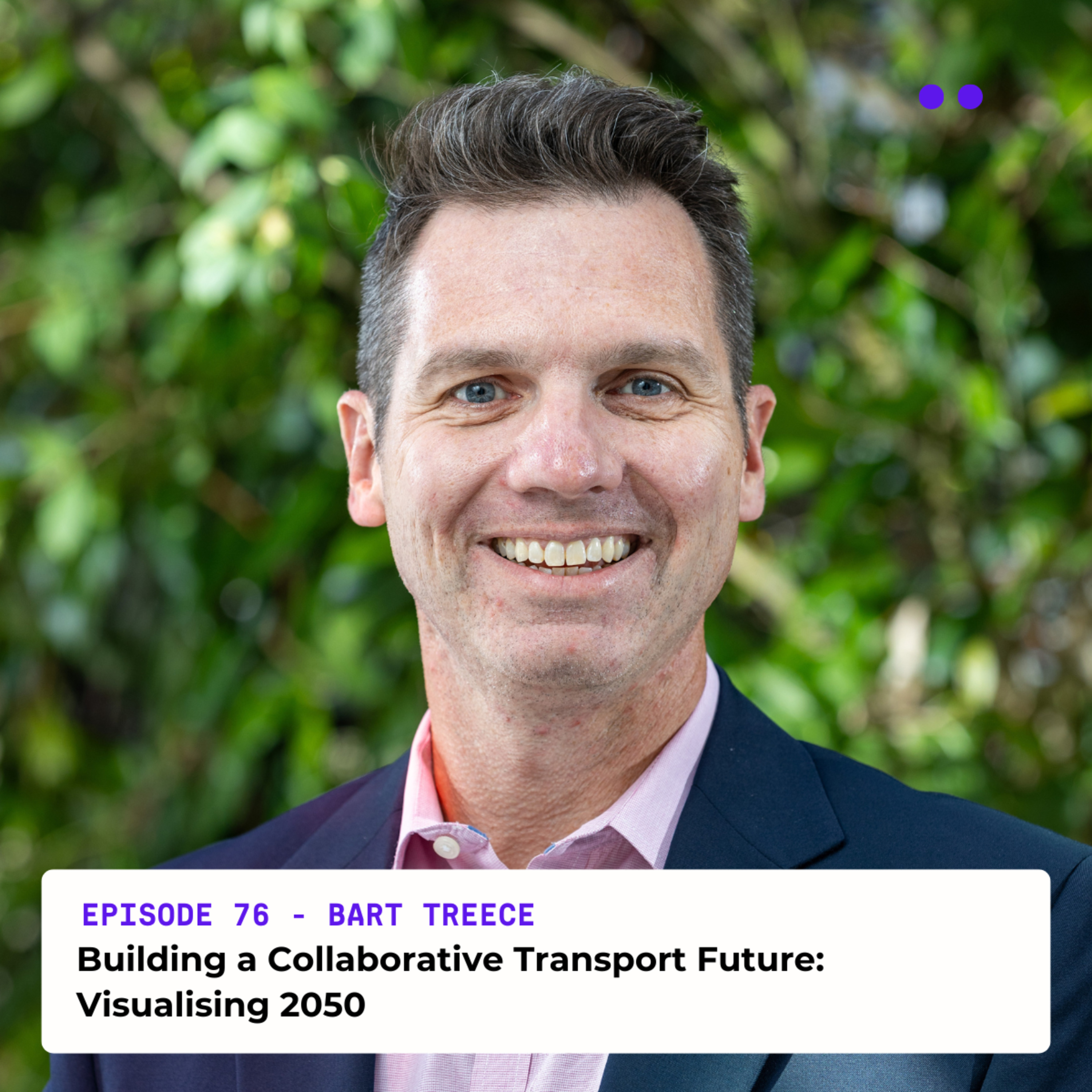
Building a Collaborative Transport Future: Visualising 2050 | Interview with Bart Treece

Bart Treece is the director of the interdisciplinary Mobility Innovation Center at the University of Washington, where he leads applied research projects that tackle near-term and emerging transportation challenges. What you’ll learn:Why data needs to be personal. If you want someone to care about something, we need to explain and visualise the value in a way that is personally meaningful to their life.How Washington State is preparing for nearly two million new residents. Bart explains the pressures this growth brings to housing transport mobility and quality of life and how the 2050 scenarios help guide decision making.What it takes to bring siloed datasets together. Learn why the Transport 2050 project exists, how combining scattered public datasets can reveal a previously hidden bigger picture, and what cross-sector collaboration looks like behind the scenes.How to plan for a future that is uncertain. How agencies can avoid picking a single path and instead prepare for multiple possible futures while protecting quality of life and shared goals.

March 25, 202634 min

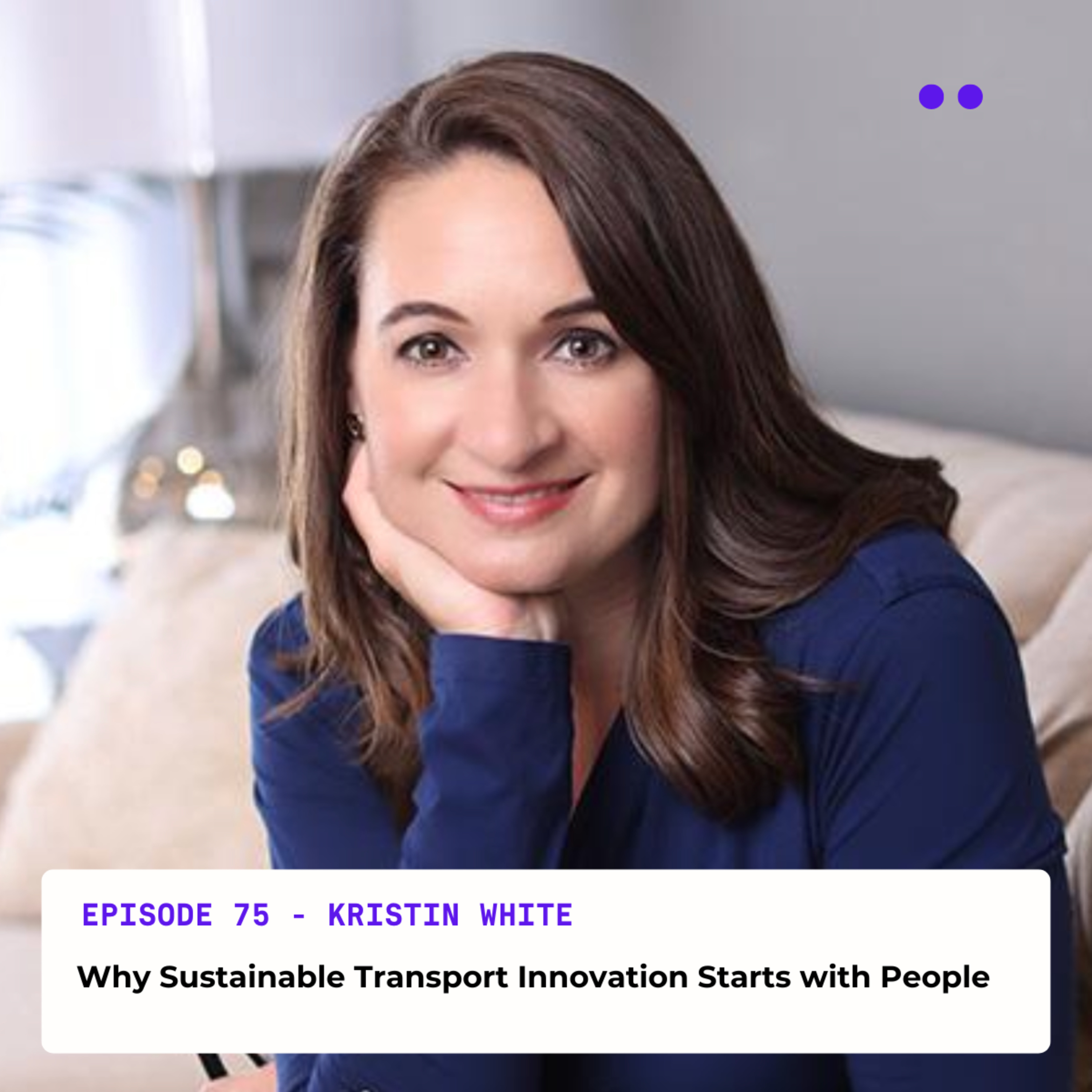
Why Sustainable Transport Innovation Starts with People | Interview with Kristin White

Kristin White is a visionary leader serving as Transportation Industry Executive and Field Strategist for Google Public Sector, where she bridges the gap between Silicon Valley innovation and the public good. With a distinguished career that includes serving as the youngest-ever acting Federal Highway Administrator, COO of nonprofit ITS America, Minnesota DOT Innovation Director, and other roles, she’s managed $300B+ investment portfolios and led major state and nonprofit initiatives.A lawyer and former Fulbright Fellow, Kristin pairs deep policy expertise with a human-centered philosophy to tackle global mobility challenges like road safety and expanding mobility access. Beyond her professional achievements, she’s a dedicated mentor, “human sunshine”, women’s nonprofit founder, and a fierce advocate for advancing women in transportation.What you'll learn:Why transport innovation isn’t always a technology problem. The biggest barriers to progress aren’t always related to tools (like AI or data) but the systems around them: procurement processes, institutional inertia, and misaligned incentives. Learn why solving “people and process” challenges is often the real unlock for innovation.Why outcomes matter more than outputs. The difference between measuring activity (e.g. kilometres of road built, number of signals installed) and measuring impact (e.g. reduced fatalities, improved safety). Why collaboration between public and private sectors is harder, and more important, than it looks. The structural differences in incentives, education, timelines, and risk between government and tech companies, and what it takes to build partnerships that genuinely deliver value. Why human-centred design is critical to innovation. Understand how designing around real needs leads to better outcomes for both private and public entities and the communities they aim to serve.

March 9, 202621 min

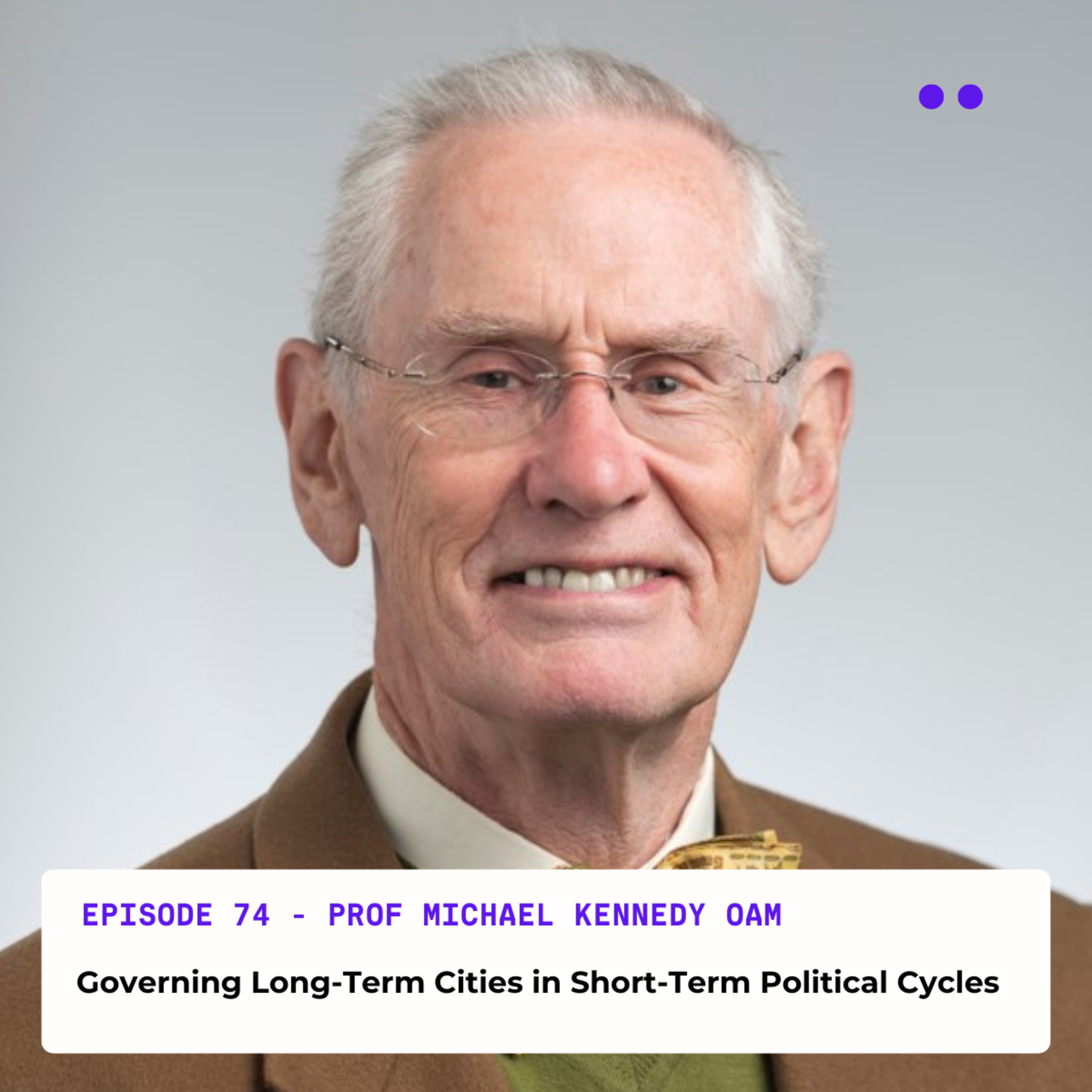
Governing Long-Term Cities in Short-Term Political Cycles | Interview with Prof. Michael Kennedy OAM

This episode is produced in partnership with the University of Sydney Institute of Transport and Logistics Studies (ITLS) Board of Advice.Prof. Michael Kennedy OAM is one of Victoria's most experienced and innovative private and public sector chief executive officers. He’s worked in a wide range of leadership roles in the transport sector for decades before joining Monash University as a Professor of Practice ten years ago. Michael is the Director of the Monash Institute of Transport Studies, who are partners with ITLS at University of Sydney as ARC Centre of Excellence in Transport Management.City planning is an interconnected system, not a single project. Transport, housing, taxation, political cycles, and human behaviour all shape outcomes and simplifying that complexity leads to impaired decisions.Long-term planning collides with short-term politics. Governments plan 30–50 years, but elections happen every 3–4 years, creating structural tension in reform.Does faster CBD access reinforce inequality? How improving connections that perpetuate the primacy of central business districts can undermine ‘multi-city’ infrastructure planning.

February 10, 202630 min

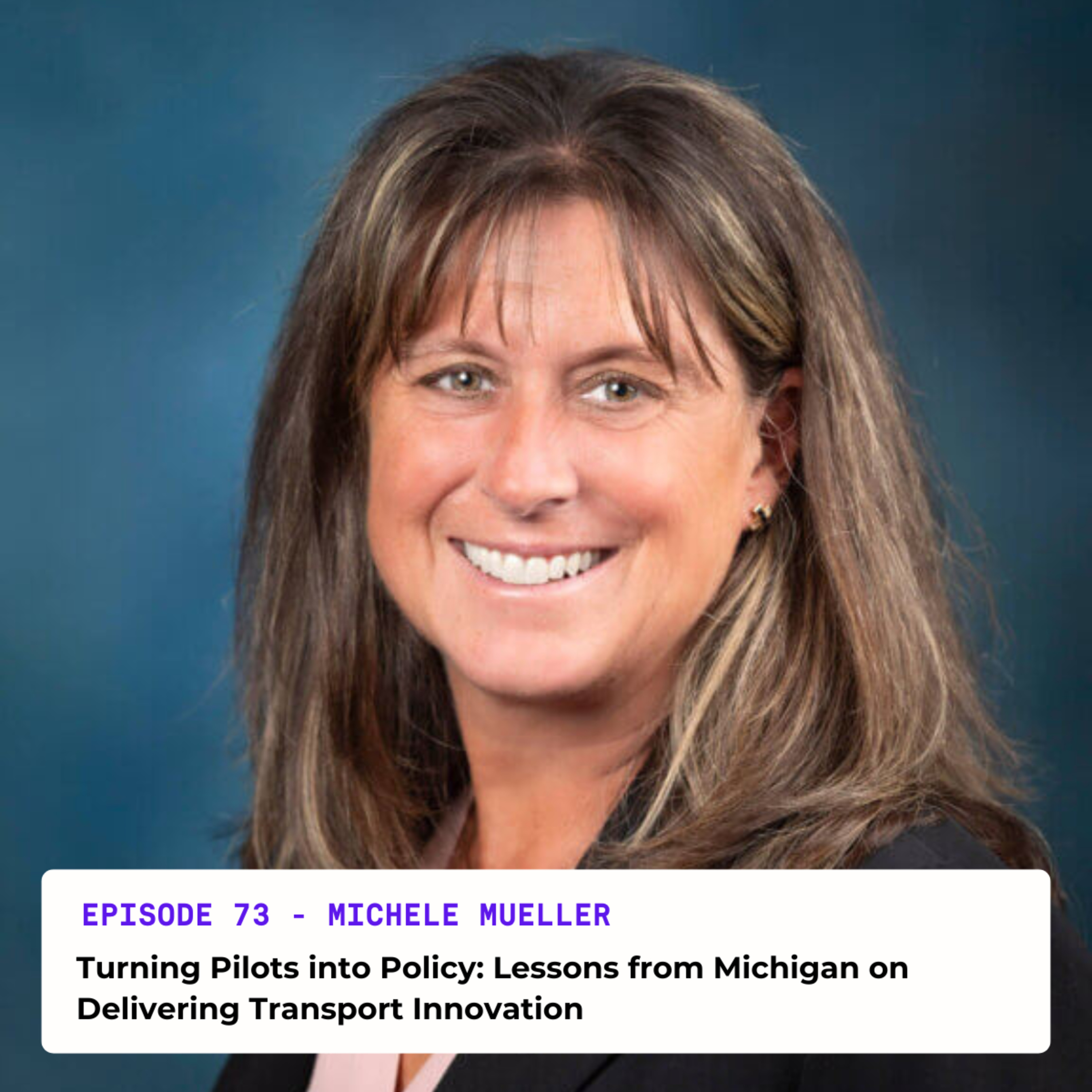
Turning Pilots into Policy: Lessons from Michigan on Delivering Transport Innovation | Interview with Michele Mueller

With over two decades of public service, Michele Mueller has been a pioneering leader in Michigan’s transition toward smarter, safer, and more sustainable transportation. As a manager for the State of Michigan’s Connected, Automated, and Electrification (CAVE) initiatives, she has played a pivotal role in planning, developing, and deploying advanced mobility technologies that position Michigan as a national and global hub for innovation.What you’ll learn:How Michigan decides which transport pilots are worth scalingWhat criteria are used to move a project from testbed to long-term deployment Why real roads expose problems test environments never willThe practical differences between controlled testing and live traffic, and why the “last 10%” of deployment is where most risk sits.How to build public trust Why transparency, relevance, and showing people the tech can be more than technical detail.How government and industry educate each other in a shared ecosystemWhere OEMs, tech providers, and infrastructure agencies routinely misunderstand each other and how Michigan bridges that gap.

August 21, 202516 min

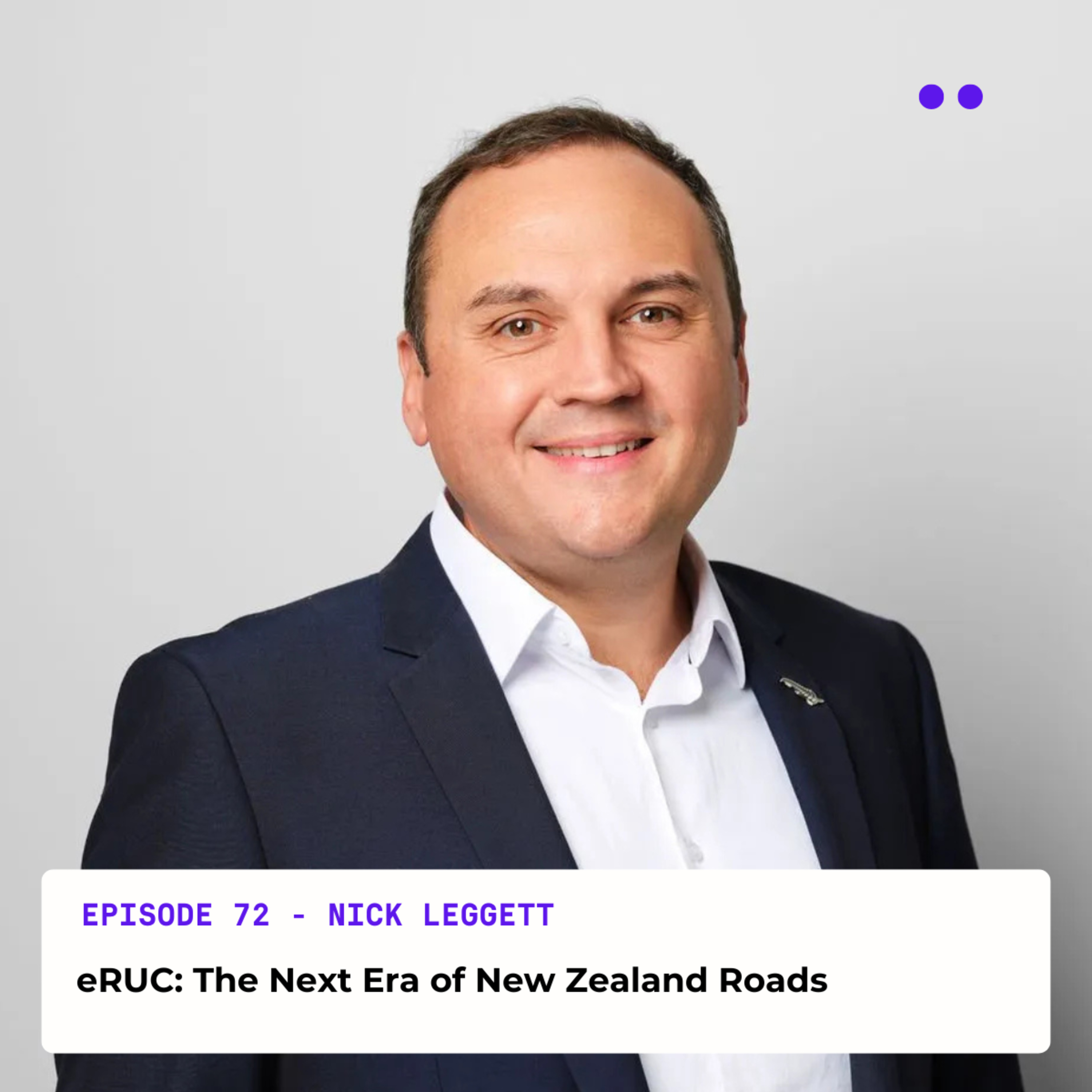
eRUC: The Next Era of New Zealand Roads | Interview with Nick Leggett

Nick Leggett commenced in the role of Chief Executive of Infrastructure New Zealand in April 2023. Previously Chief Executive of the road transport industry peak body, Ia Ara Aotearoa Transporting New Zealand, Nick’s professional career has always centred around the need for quality and sustainable infrastructure. What you’ll learn:Why eRUC matters now: How fuel efficiency, EV adoption, and declining petrol tax revenues have made the old system unsustainable.How eRUC works: The shift from fuel excise to distance-based charging, and the role of GPS/odometer technology.Lessons from heavy vehicles: What New Zealand has already learned from decades of applying road user charges to trucks.The bigger picture: Why this reform isn’t just about roads, but about New Timestamps:01:05 – The Biggest Change in 50 YearsMinister Bishop’s announcement: moving away from fuel excise (petrol tax) to electronic road user charges (eRUC). Why this is a generational shift.02:25 – Why the Current Model is Breaking DownHow fuel efficiency, EVs, and hybrids are eroding petrol tax revenues while still using road assets, and how eRUC aligns with a 30-year infrastructure vision and why bipartisan support is critical for stability.06:12 – What is eRUC and How Does it Differ from Petrol Tax?Explaining distance-based charging, fairness, and the role of GPS/odometer technology.08:20 – Why Now?Trends driving the shift: electrification, efficiency gains, equity issues, and declining revenue.10:06 – Lessons from Heavy VehiclesWhat New Zealand has learned from applying road user charges to trucks and how that informs rollout to light vehicles.12:19 – Building Fairness into the SystemHow eRUC addresses regressiveness in petrol tax, with options for rebates, concessions, and dynamic pricing.14:19 – Defining SuccessWhat success looks like and how eRUC can build confidence that New Zealand can modernise and deliver infrastructure for the next generation.

August 13, 202520 min

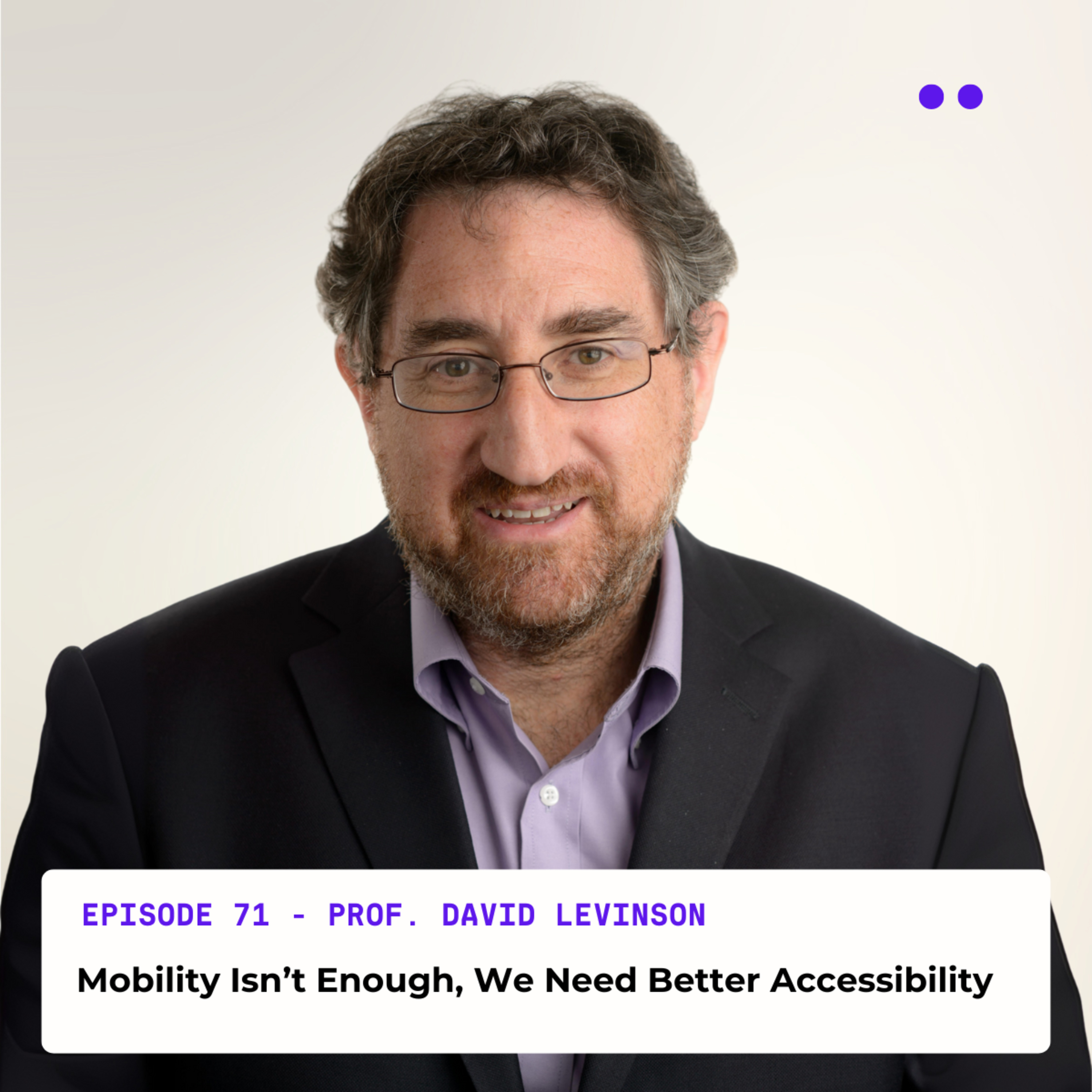
Mobility Isn’t Enough, We Need Better Accessibility | Interview with David Levinson

This episode is produced in partnership with the Institute of Transport and Logistics Studies at the University of SydneyProf. David Levinson joined the University of Sydney from the University of Minnesota in 2017 as Foundation Professor in Transport Engineering. He conducts research on Accessibility, Transport Economics, Transport Network Evolution, and Transport and Land Use Interaction. He is the Founding Editor of the Journal of Transport and Land Use and of Findings.What you’ll learn:The meaning of accessibility. How it differs from mobility, how to measure it, and why it should be the core goal of transport planning.How land use and transport are inseparable. And why treating them as separate problems leads to inefficiencies and missed opportunities.The accessibility trade-offs of major projects and policy. How initiatives create winners and losers in access, and what that reveals about policy priorities.Why speed isn’t everything. Reaching more destinations versus moving faster, and how this shapes city design and property values.How small design choices shape behaviour. Traffic signal timings can encourage or discourage walking, cycling, or driving.

July 13, 202523 min

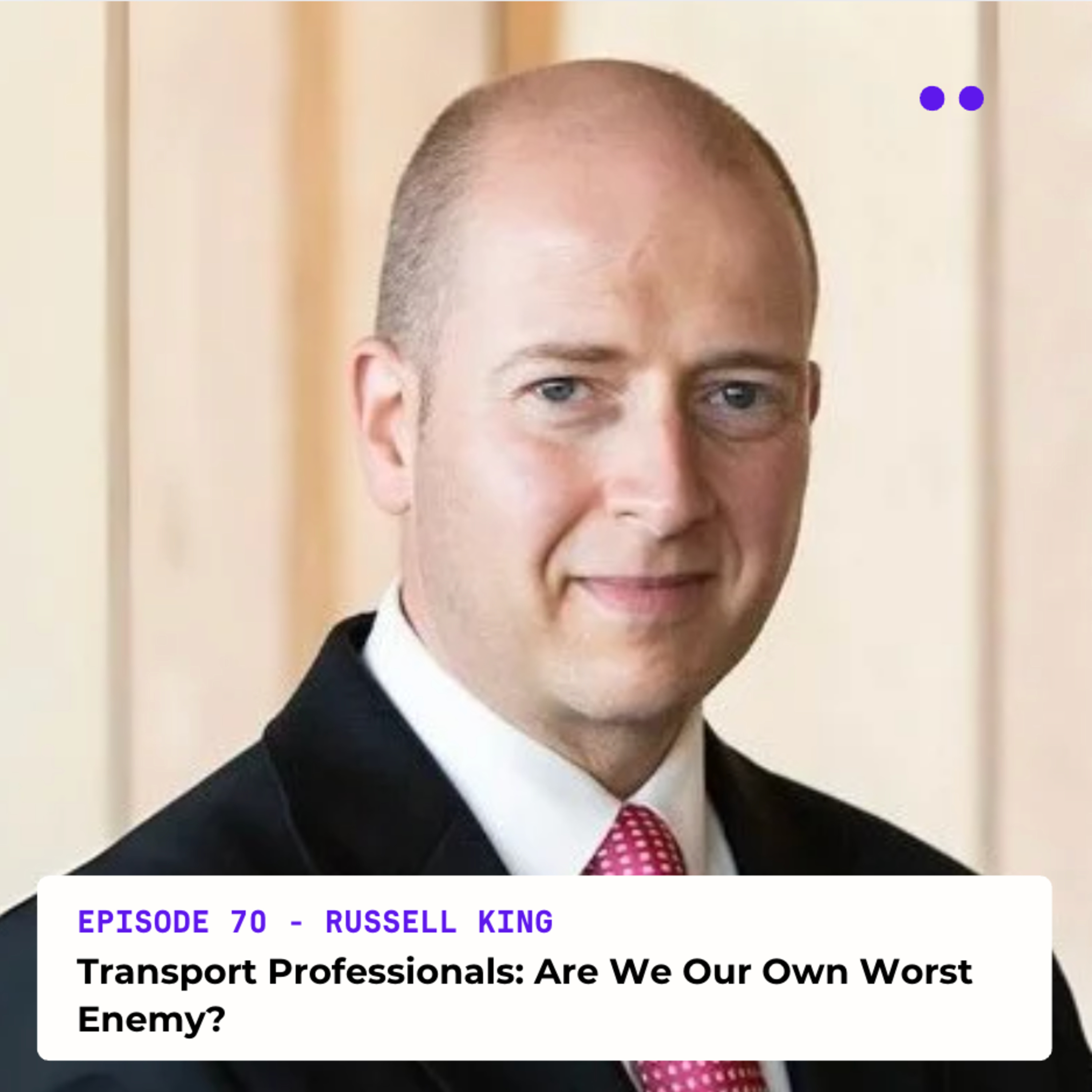
Transport Professionals: Are We Our Own Worst Enemy? | Interview with Russell King

Russell King is a seasoned transport policy strategist with over two decades of experience spanning the UK and Australia. His career offers a rare 360-degree perspective on transport policy, having served as an elected London Councillor, strategic Policy Advisor to both the NSW Minister for Transport and Infrastructure and Premier, senior public servant, and advocate within influential peak bodies. As the editor of the Transport Leader Newsletter and Blog, read by hundreds of transport decision-makers globally, Russell delivers actionable insights for leaders navigating transport's evolving landscape. What you'll learn:Why transport reform struggles to gain tractionThe biggest mistakes transport professionals make when pushing for changeHow to make transport conversations more inclusive and impactfulThe difference between outputs and outcomes—and why it matters

June 24, 202533 min

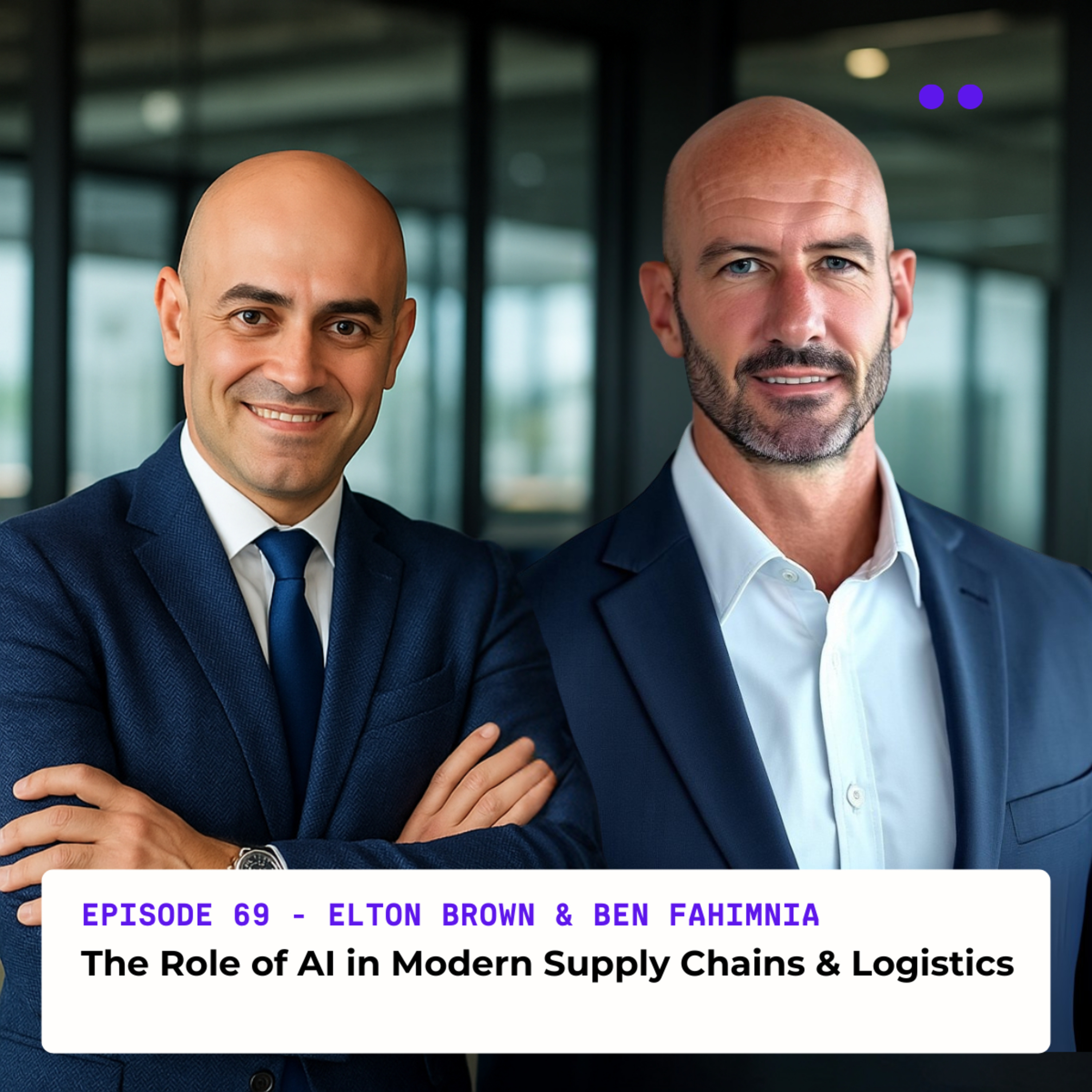
The Role of AI in Modern Supply Chains & Logistics | Interview with Ben Fahimnia & Elton Brown

This episode is produced in partnership with ITLS Board of Advice.Professor Behnam (Ben) Fahimnia is a distinguished expert in supply chain management and decision sciences, currently serving as a Professor and Chair at the University of Sydney. His extensive research encompasses areas such as supply chain transformation, risk management, and the integration of artificial intelligence (AI) in supply chain operations.Elton Brown is a Senior Consultant at Demand Management Systems. He is also an Adjunct Lecturer in Intelligent Supply Chains at the University of Sydney, an active member of SCLAA, an author, presenter and industry advisor.What you’ll learn:What makes AI succeed—or fail—in supply chains? Can AI work with poor data, or is clean data a must? Where does human judgment still matter in automated systems? How should AI be used at different decision levels in supply chains? Is AI helping or hurting sustainability?

June 10, 202527 min

The Complex Psychology Behind Travel Behaviour Analysis | Interview with Chandra Bhat

Dr. Chandra R. Bhat is the Joe J. King Endowed Chair Professor in Engineering at The University of Texas (UT) at Austin, where he teaches courses in transportation systems analysis and transportation planning. He is currently serving as the Director of the US Department of Transportation’s National University Transportation Center on Travel Behavior and Demand. Dr. Bhat is recognized nationally and internationally as a leading expert in the areas of travel behavior analysis and travel demand modeling. What you’ll learn:Is Public Interest Secondary in Transport Innovation? There is a growing concern that corporate interests from technology vendors are overtaking public interest in transportation planning. The Complex Interplay of Psychology and Transportation: Transportation isn’t just about infrastructure – it’s about understanding human behavior and travel choices, which can be incredibly complex Transportation as a Lifeline: Access to transportation directly impacts social inclusion and quality of life, making it a fundamental societal need.Equity and Road Pricing: While pricing mechanisms can help manage travel demand, they must be implemented with careful consideration of equityBehavioral Data and Bias in AI: AI systems trained on human driving behavior may adopt our biases, highlighting the need for human oversight, lest we exaggerate patterns and reinforce them through our own models. This episode was produced in partnership with the ITLS Board of Advice

May 27, 202531 min

Building the Future of Transport and Market Advantage with ESG | Interview with Andrew Petersen

This episode is produced in partnership with the Institute of Transport and Logistics Studies (ITLS)Andrew Petersen is the Chief Executive Officer of Business Council for Sustainable Development Australia (BCSDA). He has an enviable reputation as legal advisor on matters relating to environmental risk, law and policy, including climate change, and as a thought leader and advisor on the business of sustainability. Andrew is a qualified solicitor of the Supreme Court of NSW, solicitor of the High Court of Australia, Affiliated Member of the Institute of Chartered Accountants of Australia and former Director/Company Secretary of Environment Business Australia.What you’ll learn:What’s the difference between ESG and sustainable development? One is about investor metrics and compliance; the other is about shaping society at large. How did sustainability go from a side project to a business imperative?Sustainability is now a marker of market leadership—embedded in strategy, boardrooms, and capital markets.What role will data play in shaping our transport future? From people movement to freight logistics, data will guide decisions on infrastructure, emissions, and economic resilience.Is 2035 the real turning point for sustainable business?With climate targets converging and the SDGs set to wrap, the next decade will be defined by building on momentum—not starting from scratch. With electric vehicles and battery tech on the rise, circular design and recycling are no longer optional.

Is this your show?

Claim this listing to keep it up to date, reach guests who want to pitch you, and manage bookings with Guestify.

Claim this listing

More Technology podcasts