Find partners
Architecture Social

Architecture Social

Hosted by Architecture Social, Stephen Drew

Episodes

259

Latest episode

Aug 2026

Language

EN

About the show

It is hard to get a job in architecture. We exist to help you get there. Hosted by Stephen Drew, Architecture Social is the unfiltered guide to the UK Built Environment. We decode the realities of the industry, provide actionable cheat codes for your career, and bridge the communication gap between the drafting board and the boardroom. Whether you are a Part I assistant trying to survive your first role, a Part III architect managing complex procurement, or a Practice Director fighting tight margins and adapting to the Building Safety Act, this podcast is your central node of intelligence. We strip away the aesthetic gatekeeping and toxic positivity to talk about the actual mechanics of the business. Expect honest conversations about salary realities, portfolio strategies, hiring economics, and the true experiences of the people actively shaping the profession. No fluff, just the reality of practice.

Listen to episodes

60 recent
August 14, 2026Episode 25855 min

He Built an Architecture Studio After 3 Redundancies

After being made redundant three times, Dominic McAndrew went on to co-found Ruumi Studio and build a new architecture practice from scratch. In this episode, we talk about the reality of starting an architecture studio, what redundancy actually teaches you, why running a young practice is not as glamorous as it looks, and what small studios really look for when hiring. Dominic also shares how Ruumi Studio was built with AI in mind, how the team started trading quickly after a chaotic Christmas setup, and why personality, attitude and communication can matter just as much as technical ability when you’re applying to smaller architecture practices. We have partnered with ArchAdemia, an online learning platform built by architects, for architects: https://archademia.com/architecture-s... Use code ARCHSOCIAL10 for a discount on the monthly or annual membership. 00:00 Intro 00:48 Meet Dominic and Ruumi Studio 03:06 Getting Into Architecture by Accident 09:40 Made Redundant Three Times 18:15 Turning Redundancy Into Opportunity 22:27 Leading a Team Through Redundancy 26:08 How Ruumi Studio Began 32:00 The Reality of Starting a Studio 37:01 Building a Team and Hiring Architects 44:03 Lessons From the First Six Months 47:47 Building an Architecture Studio Around AI 53:42 What’s Next for Ruumi Studio _____ Curated content, insights and opportunities to accelerate your career in Architecture, Design, Development and Real Estate to the next level. 💻 Find more content at https://www.architecturesocial.com 📐 #Architecture #ArchitectureStudent #Architect #ArchitecturePodcast
July 2, 2026Episode 2571 hr 23 min

He Started His Own Architecture Practice at 29

What does it actually take to start your own architecture practice in 2026? Alex Sutton founded Studio Sutton in August 2019 at the age of 29, just six months before the world locked down. In this conversation with Stephen Drew, he opens up about building an award winning international practice through a global pandemic, a war, an interest rate spike, an AI shake-up, and the hardest personal moments of his life. No fluff, no romanticising, just the real story of what running a small practice looks like when the cards are stacked against you. If you've ever thought about starting your own studio, or you're already on that path and wondering if it gets easier, this one's for you. Studio Sutton: studiosutton.co.uk Alex Sutton on LinkedIn: linkedin.com/in/alex-sutton ____ ▶️ Watch this episode on YouTube: https://www.youtube.com/watch?v=-Md1Fakkn7Q Architecture Social is where architects and designers find honest career advice, insight from practice, and live roles worth applying for: https://architecturesocial.com/ The fastest way to get hired is to be better at the things practices actually ask for. Revit, Rhino, rendering, BIM, portfolio work. Our learning partner ArchAdemia is built by architects, for architects: https://archademia.com/architecture-social/ Use code ARCHSOCIAL10 for a discount on monthly or annual membership. ____ Chapters 00:00 Intro 05:08 Meet Alex Sutton 06:14 How Alex got into architecture 08:34 Starting out at Sevil Peach 10:07 Setting up Studio Sutton at 29 12:19 Six months before the pandemic 16:33 Losing a year of work overnight 17:44 Pivoting to Oslo and Stockholm 20:09 The reality vs romance of running a studio 23:40 The personal cost of being a founder 26:29 The hidden cost of winning work 30:14 Why better design doesn't always win 34:00 Tick box forms and SME barriers 36:36 £40,000 just to be in the room 38:52 Where does design get lost? 43:34 Where are the Mavericks? 45:08 What actually creates value 51:02 Advice for new founders 57:16 Losing work to AI 58:49 Is starting a practice in 2026 a dead end? 1:03:07 Why architecture still matters 1:08:14 Hiring and building a small team 1:17:05 What architecture school doesn't teach 1:18:30 The Bartlett and the culture of fear 1:26:08 Where to find Studio Sutton

June 18, 2026Episode 25652 min

Why Architects Have Zero Power in the UK Right Now

Why do architects have so little power in the UK built environment, even when their work shapes housing, public space, procurement and the way cities function? Stephen Drew speaks with Jay Morton, Director at Bell Phillips Architects, housing campaigner and RIBA presidential candidate, about what is holding the architecture profession back and what needs to change. The conversation covers: Why architects are often absent from commercial and political decision-making How housing delivery, procurement and public policy affect architectural influence What RIBA needs to do if it wants to be more useful to members and the wider built environment Why architects need a clearer public, commercial and leadership voice This episode was recorded during the 2026 RIBA presidential election period. ____ ▶️ Watch this episode on YouTube: https://www.youtube.com/watch?v=puoOxol-xBc 📝 Read the full write-up, with the key takeaways: https://architecturesocial.com/podcast/why-architects-have-zero-power-uk/ Architecture Social is where architects and designers find honest career advice, insight from practice, and live roles worth applying for: https://architecturesocial.com/ The fastest way to get hired is to be better at the things practices actually ask for. Revit, Rhino, rendering, BIM, portfolio work. Our learning partner ArchAdemia is built by architects, for architects: https://archademia.com/architecture-social/ Use code ARCHSOCIAL10 for a discount on monthly or annual membership. ____ Chapters 00:00 Introduction and RIBA election context 02:53 Why Jay Morton is running for RIBA President 04:34 Jay's background and approach 05:39 Why architects are invisible in government 07:54 Pressure on architecture practices 12:09 Fees and the race to the bottom 15:29 Student debt and the cost of studying architecture 17:39 Are architects just service providers? 18:29 Architects as the doctors of buildings 21:14 Why small practices are the backbone of the profession 28:27 Why tendering is broken 30:08 Public perception versus professional reality 32:11 Architecture education and the bubble problem 34:18 Apprenticeship funding and access 40:37 Where to begin tackling the problem 42:40 Advice for Part 1s and Part 2s 44:14 AI and the future of the profession 46:37 Why Jay does not want fast food buildings 48:25 Why she wants to be RIBA President Links from this episode Jay Morton: https://www.linkedin.com/in/jaymorton/ Jay Morton campaign: https://jaymorton.co.uk/ Bell Phillips Architects: https://www.bellphillips.com/

June 16, 2026Episode 25549 min

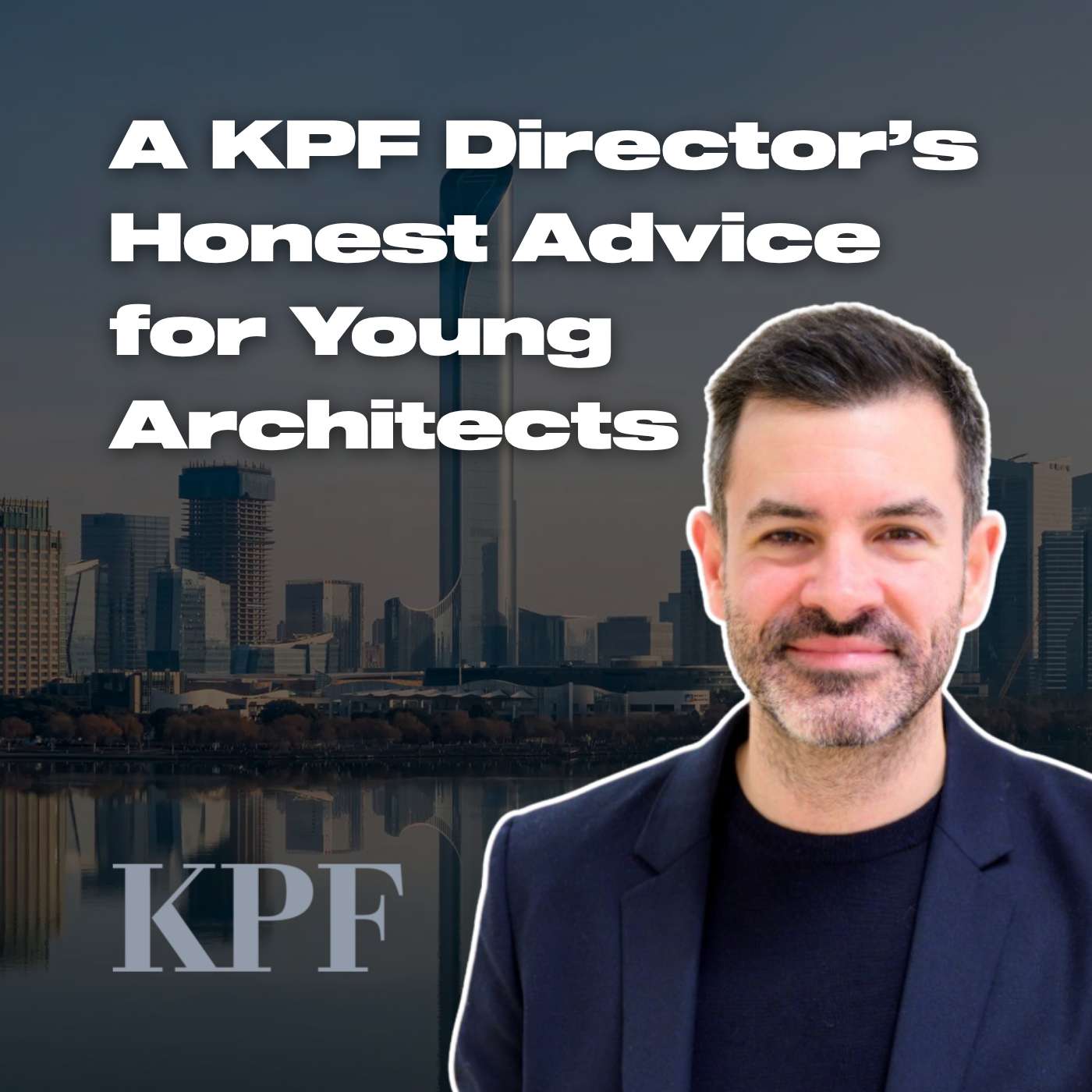
A KPF Director’s Honest Advice for Young Architects

What does it really take to build a long-term architecture career inside a global practice? Stephen Drew speaks with Francesco Casella, Director at KPF, about career growth, working at scale, and what young architecture professionals can learn from staying, developing and leading inside one major studio. The conversation covers: How to get hired by large architecture practices What helps Part 2s, Part 3s and early-career designers stand out The value of staying with one firm and building trust over time CAD, BIM, design judgement and how technology is changing practice AI, global projects and the skills that still matter in architecture Guest: Francesco Casella, Director at KPF KPF: kpf.com ____ ▶️ Watch this episode on YouTube: https://www.youtube.com/watch?v=daFiWGho19c 📝 Read the full write-up, with the key takeaways: https://architecturesocial.com/podcast/kpf-director-advice-young-architects/ Architecture Social is where architects and designers find honest career advice, insight from practice, and live roles worth applying for: https://architecturesocial.com/ The fastest way to get hired is to be better at the things practices actually ask for. Revit, Rhino, rendering, BIM, portfolio work. Our learning partner ArchAdemia is built by architects, for architects: https://archademia.com/architecture-social/ Use code ARCHSOCIAL10 for a discount on monthly or annual membership. ____ Chapters 00:00 Francesco Casella, KPF and the episode context 05:27 Getting a first architecture role in London 10:18 Joining KPF and building a long-term route 15:01 Promotion, progression and changing firms 20:24 Teams, collaboration and leadership 26:50 BIM, technology and AI 30:23 Interviews, hiring and what candidates should show 36:36 Recruitment, judgement and understanding the profession 40:59 The rewards and pressure of architecture 46:21 Why architecture still feels worth it

May 7, 2026Episode 2541 hr 17 min

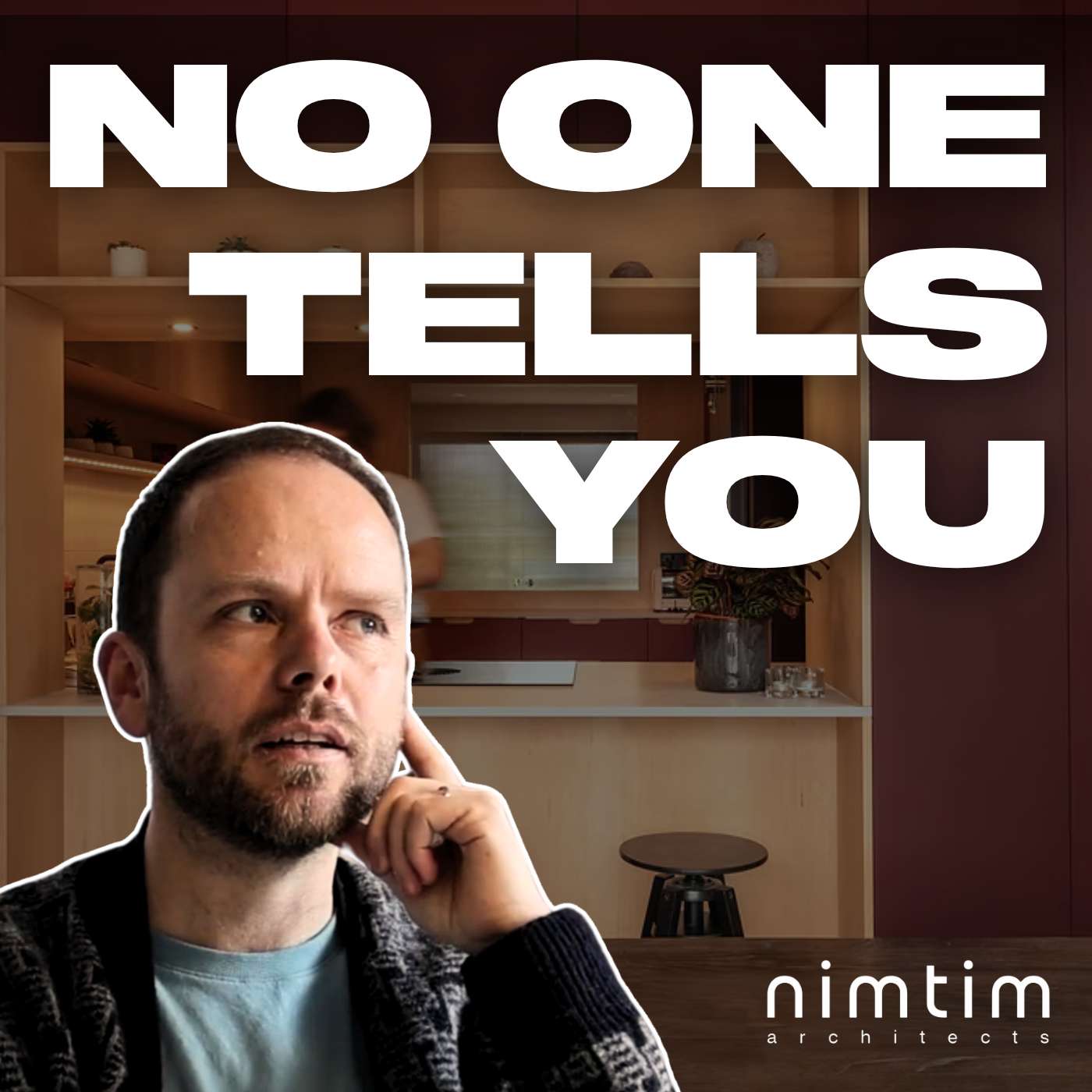
Running an Architecture Practice Isn’t What You Think

Running an architecture practice is not just about design. It is fees, hiring, risk, clients, culture, profit and learning how to keep the studio moving without losing the work you care about. Stephen Drew speaks with Tim, co-founder of nimtim architects, a design-led practice in South London, about starting a studio, building a team and dealing with the commercial reality behind architecture. The conversation covers: What it is really like to start an architecture practice How nimtim grew from the kitchen table into a recognised design studio Fees, profitability and the pressure of running a small practice Hiring, culture and building a team without losing the studio's identity What students and early-career designers should understand about practice life ____ ▶️ Watch this episode on YouTube: https://www.youtube.com/watch?v=3499S-97MB0 📝 Read the full write-up, with the key takeaways: https://architecturesocial.com/podcast/running-an-architecture-practice-isnt-what-you-think/ Architecture Social is where architects and designers find honest career advice, insight from practice, and live roles worth applying for: https://architecturesocial.com/ The fastest way to get hired is to be better at the things practices actually ask for. Revit, Rhino, rendering, BIM, portfolio work. Our learning partner ArchAdemia is built by architects, for architects: https://archademia.com/architecture-social/ Use code ARCHSOCIAL10 for a discount on monthly or annual membership. ____ Chapters 00:00 Arriving at nimtim and setting the scene 05:01 Early practice formation and finding direction 10:21 First projects, public attention and momentum 15:07 Moving from larger practice to running whole projects 20:12 Working with a partner and separating work from life 25:04 Culture, office life and hiring 30:13 Education, students and practice pressures 35:18 Apprenticeships, training and the cost of qualification 40:12 Skills, challenge and what practices need 45:11 Starting a business, risk and reality 50:25 Team routines and running the studio 55:15 Honesty, pressure and the personal realities of practice 1:00:13 AI, industrialisation and the profession's reaction 1:05:17 Changing tools and fear of being left behind 1:10:18 Clients, sales and keeping the practice going Links from this episode nimtim architects: https://www.nimtim.co.uk/ nimtim on Instagram: https://www.instagram.com/nimtimarchitects/

April 14, 2026Episode 2531 hr 12 min

How to Future Proof Your Architecture Career

How do you future proof an architecture career when BIM, computational design and AI are changing what practices value? Stephen Drew speaks with Ami Nigam, Head of Design Technology at Benoy, about design technology, international career moves and how to build skills that still matter as the profession changes. The conversation covers: How Ami moved from architecture into design technology Why BIM, computational design and AI are now career skills, not side interests How large practices think about technology, design quality and delivery What students, Part 1s, Part 2s and early-career designers should focus on How to stay useful without chasing every new tool ____ ▶️ Watch this episode on YouTube: https://www.youtube.com/watch?v=d8WfJBJrz60 📝 Read the full write-up, with the key takeaways: https://architecturesocial.com/podcast/how-to-future-proof-your-architecture-career/ Architecture Social is where architects and designers find honest career advice, insight from practice, and live roles worth applying for: https://architecturesocial.com/ The fastest way to get hired is to be better at the things practices actually ask for. Revit, Rhino, rendering, BIM, portfolio work. Our learning partner ArchAdemia is built by architects, for architects: https://archademia.com/architecture-social/ Use code ARCHSOCIAL10 for a discount on monthly or annual membership. ____ Chapters 00:00 Why design technology matters in practice 05:12 Scripting, process and fabrication 10:11 BIM explained and why it matters 15:15 Infrastructure, standards and solving problems in practice 20:15 Grasshopper, Rhino and design workflows 25:15 AI imagery and sandboxed tools 30:20 Enterprise tools, data and internal knowledge 35:08 Optimism, change and staying adaptable 40:16 Rapid change in visualisation and design tools 45:21 What students should focus on 50:12 Technical work needs people skills 55:08 Benoy, global studio life and audience questions 1:00:03 Enterprise AI and business use cases 1:05:16 Quality, bad outputs and critical judgement 1:10:20 How to connect with Ami and closing thoughts Links from this episode Benoy: https://www.benoy.com/

March 24, 2026Episode 2521 hr 17 min

How to Actually Get Hired in Architecture and Interior Design

If you are trying to get hired in architecture or interior design, sending the same CV and portfolio to every studio is not enough. In this Kingston University session, Stephen Drew shares practical advice for students, graduates and early-career designers trying to land roles in London and the wider UK architecture market. The session covers: How to stop relying only on job boards and reach studios directly What to include in a 10 to 15 page sample portfolio How to write a direct email that busy directors are more likely to read When students and graduates should start applying How international graduates can talk about the graduate visa clearly What to bring to interviews so you stay in control ____ ▶️ Watch this episode on YouTube: https://www.youtube.com/watch?v=HifIh5_4r2g 📝 Read the full write-up, with the key takeaways: https://architecturesocial.com/podcast/how-to-actually-get-hired-in-architecture-and-interior-design/ Architecture Social is where architects and designers find honest career advice, insight from practice, and live roles worth applying for: https://architecturesocial.com/ The fastest way to get hired is to be better at the things practices actually ask for. Revit, Rhino, rendering, BIM, portfolio work. Our learning partner ArchAdemia is built by architects, for architects: https://archademia.com/architecture-social/ Use code ARCHSOCIAL10 for a discount on monthly or annual membership. ____ Chapters 00:00 Stephen's route from architecture into recruitment 05:17 Sample portfolios and grabbing attention 10:16 CV details, grades and contact information 15:09 Software skills and how to present them 20:02 Portfolio images and presentation quality 25:02 ATS myths and making your CV readable 30:10 Showing process in portfolio work 35:08 Applying directly and building enough volume 40:05 Skipping the job board queue with direct outreach 45:01 Market conditions, persistence and application volume 50:17 International graduates and visa conversations 55:08 What employers value in graduates 1:00:19 Start dates, availability and interview questions 1:05:21 Targeting practices without overthinking it 1:10:10 Writing emails that focus on the employer

March 17, 2026Episode 2511 hr 22 min

How to Land Your First Architect Role

Trying to land your first architecture or interiors role is hard enough without guessing what hiring managers, directors and recruiters actually look for. In this practical lecture, Stephen Drew breaks down how students and graduates can approach the job search with a clearer CV, tighter sample portfolio and a direct application process that creates more chances. The conversation covers: How to stop relying only on job boards and reach studios directly What to put in a focused sample portfolio How to write a clear application email that gets opened How international graduates can talk about graduate visas and sponsorship What to prepare for interviews, salary conversations and follow-up ____ ▶️ Watch this episode on YouTube: https://www.youtube.com/watch?v=8Jm-X7yADeU 📝 Read the full write-up, with the key takeaways: https://architecturesocial.com/podcast/how-to-land-your-first-architect-role/ Architecture Social is where architects and designers find honest career advice, insight from practice, and live roles worth applying for: https://architecturesocial.com/ The fastest way to get hired is to be better at the things practices actually ask for. Revit, Rhino, rendering, BIM, portfolio work. Our learning partner ArchAdemia is built by architects, for architects: https://archademia.com/architecture-social/ Use code ARCHSOCIAL10 for a discount on monthly or annual membership. ____ Chapters 00:00 Stephen's route from architecture into recruitment 01:31 What hiring teams notice in CVs and portfolios 04:59 Where students usually look for jobs 08:28 Tailoring applications without overthinking it 11:09 Why the application email matters 15:04 CV basics, location and contact details 20:12 Sample portfolios versus interview portfolios 25:04 Building a spreadsheet and applying directly 30:21 Market conditions and persistence 34:30 Q&A begins 39:29 Graduate visas and sponsorship conversations 45:56 Salary expectations and fair pay 50:15 Skills, value and early-career growth 55:12 What to bring to interviews 60:09 Grades, CV details and honest positioning 70:09 What to leave out and how to stay credible 79:01 LinkedIn, recruiters and direct approaches

February 12, 2026Episode 2501 hr 9 min

Is This the End of Revit? How Architects Must Adapt (2026)

Is Revit still the centre of architecture technology, or are AI, BIM 2.0 and new design tools starting to change what practices really need? Stephen Drew speaks with Allister Lewis about the architecture tech landscape, from BIM and generative design to AI software, digital leadership and career routes for architects who want to move into technology. The conversation covers: How BIM and Revit adoption changed UK architecture practice Why generative design and AI tools are becoming harder to ignore What practices need to fix before new software will actually help The rise of BIM managers, computational designers and digital design leaders How architects can move into software, data and technology-led careers ____ ▶️ Watch this episode on YouTube: https://www.youtube.com/watch?v=6fbQy7kP2Ag 📝 Read the full write-up, with the key takeaways: https://architecturesocial.com/podcast/is-this-the-end-of-revit-how-architects-must-adapt-2026/ Architecture Social is where architects and designers find honest career advice, insight from practice, and live roles worth applying for: https://architecturesocial.com/ The fastest way to get hired is to be better at the things practices actually ask for. Revit, Rhino, rendering, BIM, portfolio work. Our learning partner ArchAdemia is built by architects, for architects: https://archademia.com/architecture-social/ Use code ARCHSOCIAL10 for a discount on monthly or annual membership. ____ Chapters 00:00 Intro: AI, robots and the future of architecture 01:36 Meet Allister Lewis 02:00 Allister's path from architect to BIM and technology leader 05:33 What practices really look like behind the scenes 07:29 BIM adoption in the UK and the rise of Revit specialists 10:21 The emergence of BIM 2.0 10:53 Generative design tools taking over feasibility work 12:45 Why choosing the right software matters 15:03 The wild west of new architecture tech 17:21 AI, BIM, visualisation, compliance and the tech landscape 19:10 Software built on AI and what is coming 21:05 Will AI replace architects? 22:41 Relationships, communication and what architects should focus on 25:10 If design becomes faster, do architects earn less? 27:47 Who is already building in-house software? 29:42 Allister's software database 32:27 Real problems inside architecture practices 38:22 How practices can fix their digital foundations 41:30 New roles in BIM, computation and digital design 49:24 AC Tech Jobs and software-side careers 51:38 How architects can pivot into tech 57:58 What architects must do to stay relevant 01:03:09 Should architects build software too? 01:07:05 Where to find Allister Lewis online

December 18, 2025Episode 2491 hr 38 min

The Future of Housing: A Deep Dive into Modular Innovation with ZedPods

Modular housing is often discussed as a technical solution, but the harder questions are commercial, political and practical: who pays, who builds, and how do you make the model work? Stephen Drew speaks with Lalit Chauhary, Design Director at ZedPods, about modular housing, zero carbon delivery, starting a business, pricing work properly and closing the gap between design ambition and construction reality. The conversation covers: How ZedPods grew from an idea into live modular housing projects What zero carbon delivery means when the building has to perform in use Why pricing, feasibility and client expectations can make or break a practice How air rights and underused sites can create new housing opportunities What architecture professionals can learn from a more integrated delivery model ____ 📝 Read the full write-up, with the key takeaways: https://architecturesocial.com/podcast/the-future-of-housing-a-deep-dive-into-modular-innovation-with-zedpods/ Architecture Social is where architects and designers find honest career advice, insight from practice, and live roles worth applying for: https://architecturesocial.com/ The fastest way to get hired is to be better at the things practices actually ask for. Revit, Rhino, rendering, BIM, portfolio work. Our learning partner ArchAdemia is built by architects, for architects: https://archademia.com/architecture-social/ Use code ARCHSOCIAL10 for a discount on monthly or annual membership. ____ Chapters 00:00 Introduction and setting the scene 00:38 Meet Lalit Chauhary and ZedPods 01:18 Studying architecture and early career routes 06:06 Early lessons from practice 10:36 Starting ZedPods and the first challenges 16:55 Breakthrough projects and growth 25:51 Navigating the pandemic and expansion 46:19 Pricing mistakes and lessons learned 52:34 Growth and success of ZedPods 53:45 Commitment to a zero carbon approach 54:41 Bridging the gap between design and construction 55:16 Performance gap and energy standards 56:31 Business model, air rights and delivery innovation 01:06:08 Hiring and empowering smart people 01:13:58 Challenges and rewards of entrepreneurship 01:22:02 The future of modular construction and technology 01:35:12 Conclusion and contact details (00:00) - and Setting the Scene (00:38) - Introduction and Background (01:18) - Journey in Architecture (03:38) - Career and Internship Experience (06:06) - and Lessons in Architecture (10:36) - Zed Pods and Initial Struggles (16:55) - Projects and Growth (25:51) - the Pandemic and Expansion (46:19) - Mistakes and Lessons Learned (46:38) - Client Expectations and Fees (47:17) - in the Architecture Industry (47:53) - of Timing and Feasibility Studies (48:32) - to Charge Appropriately (49:34) - Client Conversations and Emotions (51:17) - Competitive Fees and Managing Risks (52:34) - and Success of Z Pods (53:45) - to Zero Carbon Approach (54:41) - the Gap Between Design and Construction (55:16) - Gap and Energy Standards (56:31) - Business Model and Air Rights (01:06:08) - and Empowering Smart People (01:13:58) - and Rewards of Entrepreneurship (01:22:02) - of Modular Construction and Technology (01:35:12) - and Contact Information

Is this your show?

Claim this listing to keep it up to date, reach guests who want to pitch you, and manage bookings with Guestify.

Claim this listing

More Business podcasts