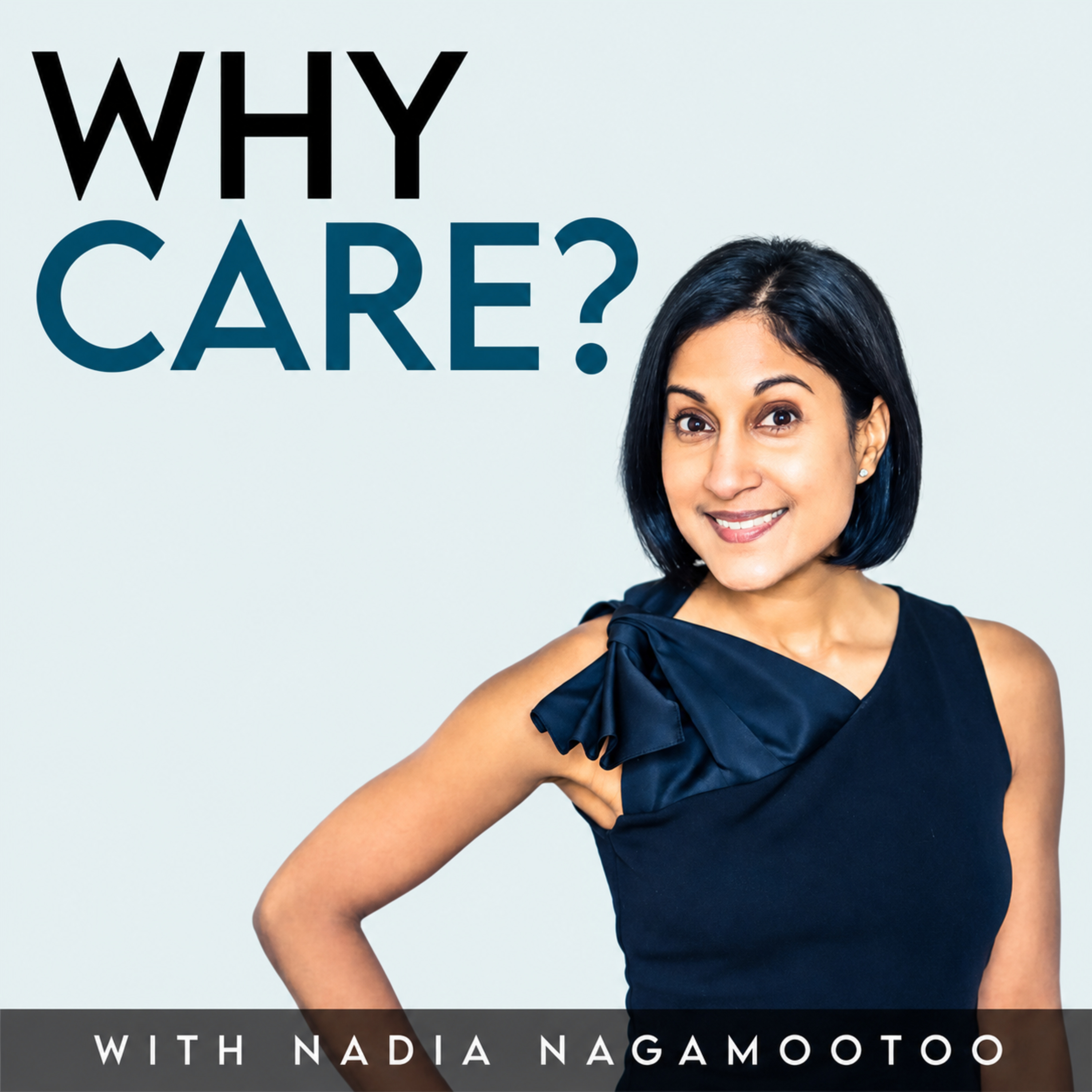

The Hidden Work Of Fitting In: Why Care? Live in partnership with Unite Group
In this special Why Care? Live, recorded at Unite Group in Bristol as part of the launch of its Diversity Declaration campaign, Nadia Nagamootoo is joined by Dan Foster, Head of Talent Acquisition and Social Impact, Michaella Henry, Regional People Advisor, and Carmel McCormick, Learning Manager, for an uniquely open conversation about the experiences people carry into the workplace without others ever seeing them. Through personal stories spanning working-class identity, LGBTQ+ representation, neurodivergence, mental health, masking, family expectations and the pressure to fit in, they explore how identity shapes the way people navigate work and what organisations can do to reduce the burden of constantly having to explain, adapt or prove what they need. The conversation ultimately asks what genuine psychological safety looks like in practice: leaders who notice, colleagues who listen, workplaces that adapt and cultures where support does not depend on somebody articulating their needs perfectly. From candidate experience through to everyday leadership, this episode is a powerful reminder that belonging is built through repeated actions, not a single initiative. Key Takeaways Belonging is built through everyday experiences, not statements of intent. People look for evidence that an organisation genuinely cares throughout recruitment, onboarding, leadership and day-to-day work. The person you see at work may be carrying far more than is visible. Confidence, sociability or high performance can coexist with masking, anxiety, hyper-awareness and substantial cognitive effort. Representation matters long before someone enters the workplace. Growing up without seeing people like yourself reflected around you can create isolation and influence how safe you later feel expressing your identity. Fitting in can come at a significant personal cost. Carmel's experiences show how class, difference and social expectations can lead people to study the environment around them and continually adapt in order to belong. Neurodivergence is not synonymous with capability. Different processing speeds or communication needs can easily be misinterpreted as a lack of intelligence or competence when the environment has not adapted. Small adjustments can make an enormous difference. Taking time to explain something differently, allowing processing space or remembering an individual's stated needs can fundamentally change their experience of work. Self-advocacy itself creates cognitive load. Repeatedly having to understand, explain and justify what support you need can become exhausting, particularly when systems assume a neurotypical experience. Psychological safety depends on what happens when work and wellbeing collide. A culture is tested when somebody cannot perform exactly as expected and needs flexibility, understanding or time. Senior leaders can use their visibility to normalise conversations others may not yet feel safe starting. Dan describes this as part of the responsibility that comes with his position and influence. Allyship does not always require having the answer. Sometimes one of the most meaningful things somebody can ask is simply, “What do you need from me?” Links Unite Group: Website | YouTube | Instagram | TikTok | LinkedIn Nadia Nagamootoo: Website | LinkedIn | Instagram | Buy Beyond Discomfort Avenir Consulting: https://linktr.ee/avenirconsultingservices Produced by Mauro Kenji Serra , Kenji Productions