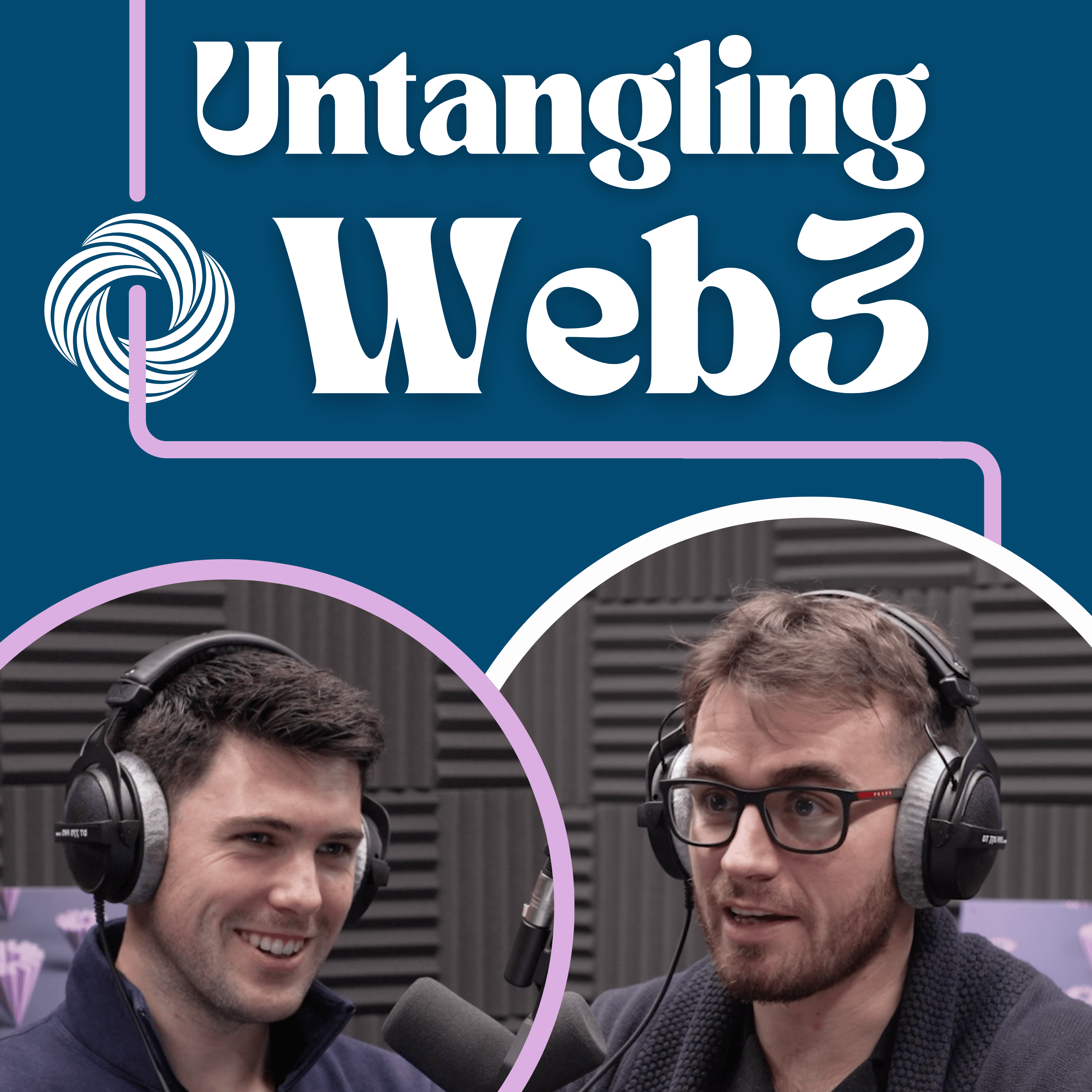
#137 Untangling: Vibe Coding w/ Colin Fitzpatrick
Vibe coding is changing who can build software and how quickly ideas can become real products. With AI, LLMs, and coding agents improving at speed, the barrier between having an idea and launching an app is collapsing. Software that once required developers, budget, and months of work can now be prototyped, tested, and iterated in days. In this episode of Untangling Web3, Colin Fitzpatrick explores how vibe coding is reshaping software creation, entrepreneurship, and the future of work. This conversation covers how tools like Lovable, Claude Code, ChatGPT, Gemini, and other AI coding agents are enabling non-technical builders to create functional products, why distribution is becoming more important than development, and what this shift means for developers, startups, SaaS companies, and solo founders. Key Points Discussed: Vibe Coding Turns Ideas Into Products Fast: AI coding tools now allow non-technical builders to create apps, prototypes, and internal tools without writing traditional code. Colin explains how recent improvements in LLMs and coding agents have turned vibe coding from a novelty into a practical way to build real software. The Bottleneck Moves From Building to Distribution: As AI lowers the cost and complexity of software development, more apps will launch than ever before. The challenge is no longer just building a product; it is getting users, earning trust, standing out from AI-generated noise, and proving that the product solves a real problem. Developers, Startups, and SaaS Are Being Rewritten: Vibe coding will not replace every developer or enterprise platform, but it will change how software is prototyped, tested, and launched. Solo founders can validate ideas faster, developers can become far more productive, and smaller tools or simple SaaS products face pressure from AI-built alternatives. Vibe coding is not just about coding faster. It represents a broader shift in how people use AI to think, build, test, and automate. LLMs and agents are turning software creation into a more conversational process, where builders can describe what they want, iterate with models, and use different AI systems to challenge, refine, and improve the result. As AI coding tools mature, the future of software will depend less on who can afford to build and more on who can identify real problems, design useful products, and reach the right users. Vibe coding gives more people the ability to create, but it also raises the bar for originality, trust, marketing, and execution. -- Learn more about Colin's projects here: -- Learn more about Web3 at: https://untanglingweb3.com/ -- Untangling Web3 is brought to you by hosts Jack Davies and Alec Burns, with music by Daniel Paigge. Got a question or topic suggestion? Send us an email at theuntanglingweb3podcast@gmail.com . Love what you're hearing? Show your support by becoming a subscriber and don't forget to leave us a stellar review. The views we express here are our own, and do not represent the views of our employers. Nothing discussed or stated in the show should be considered advice.