Trust is the invisible force that shapes our world - from the personal to the geopolitical. At TrustTalk, we’re committed to exploring trust in all its complexity. Since 2020, we've been engaging with thought leaders from around the globe to unpack how trust influences relationships, business, technology, society, and global affairs. Every episode offers insightful conversations that reveal why trust matters - and what happens when it breaks down. If you’re curious about the forces that hold people, institutions, and nations together, this is a journey you won’t want to miss.
Listen to episodes
60 recent
October 13, 2026Episode 14624 min
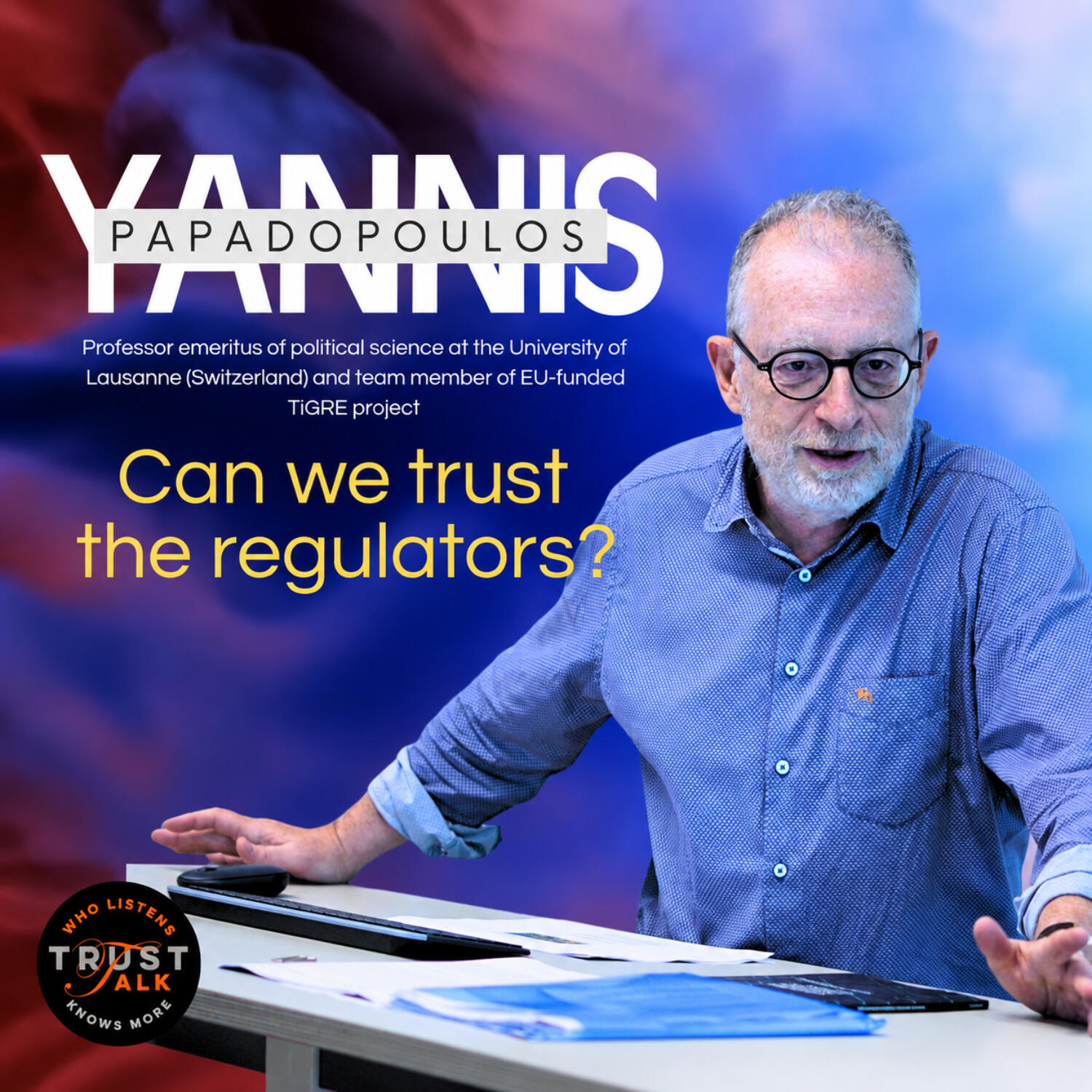
Can we trust the regulators?
We like to think of trust as one thing: you either have it, or you don't. My guest's research says otherwise. People can trust a regulator and distrust it at the same time. Yannis Papadopoulos is a Professor emeritus of political science at the University of Lausanne and a member of the coordination team of the EU-funded TiGRE project, a nine-country study of trust in regulators. He has also written a book on accountability: how we hold power in check, and what happens when all that checking starts working against us. We talk about why trust in regulators is holding up better than trust in politics generally, whether expertise really matters for trust, why silence is the worst thing a regulator can do after a scandal, even though it's the most common response, whether mistrust can be healthy, and whether more accountability really means more trust.
September 24, 2026Episode 14520 min
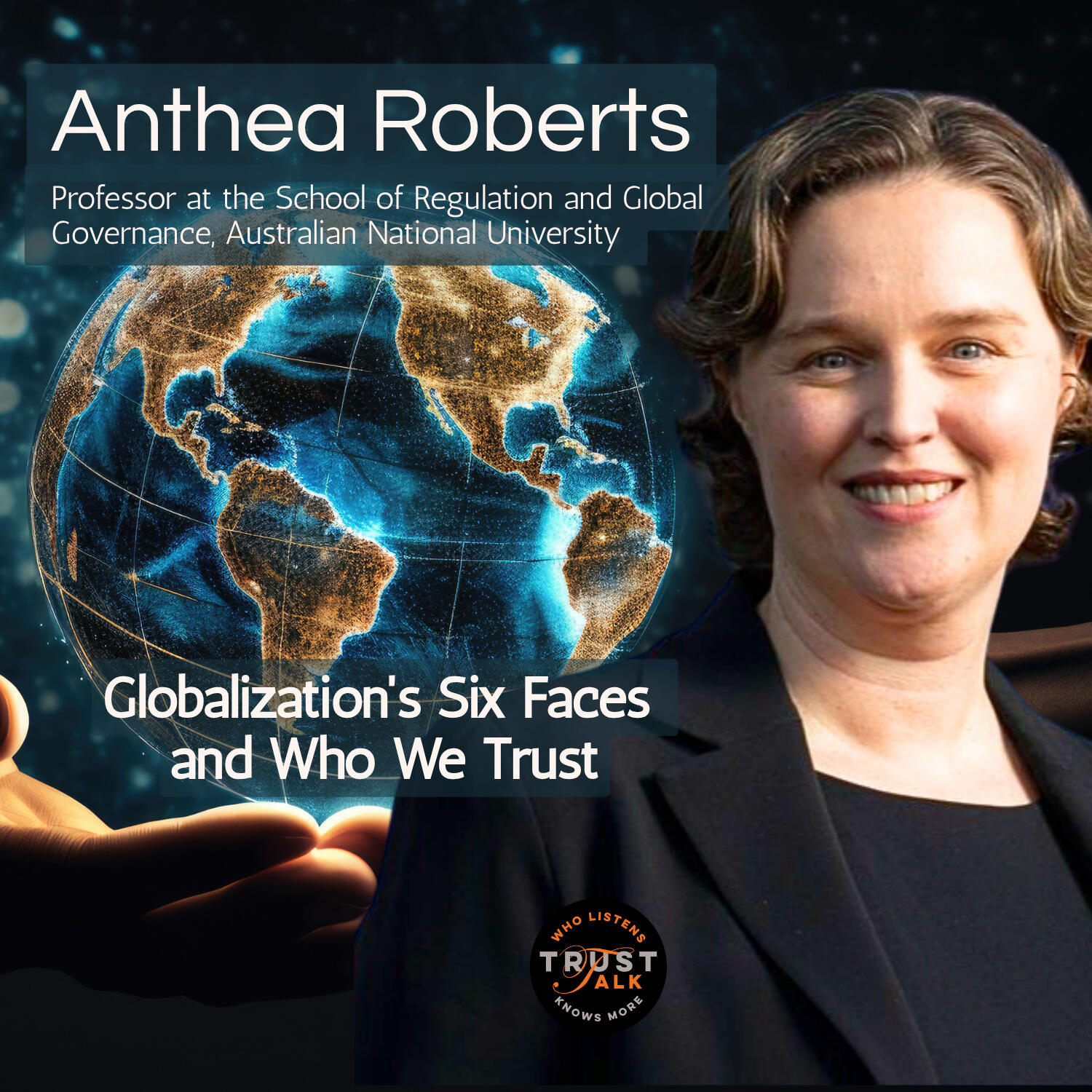
Globalization's Six Faces, and Who We Trust
Two people can look at the very same trade deal, the same tariff, the same wave of globalization, and walk away with opposite conclusions about who's winning and who's losing. Anthea Roberts, professor at the Australian National University and one of the world's leading scholars of global governance, has spent her career studying exactly why: not who's right, but why we're all arguing from such different stories in the first place. Her book, Six Faces of Globalization, argues that most of our fights over trade and technology aren't really about the facts; they're about six competing stories, and most of us are only fluent in one. We go through all six: establishment, left- and right-wing populist, corporate power, geoeconomic, and global threats. We talk about Australia's own trust dilemma, caught between the country that protects it and the country that pays its bills. And we end somewhere unexpected: whether artificial intelligence can actually help us disagree better, or make us more set in our ways.
September 10, 2026Episode 14428 min
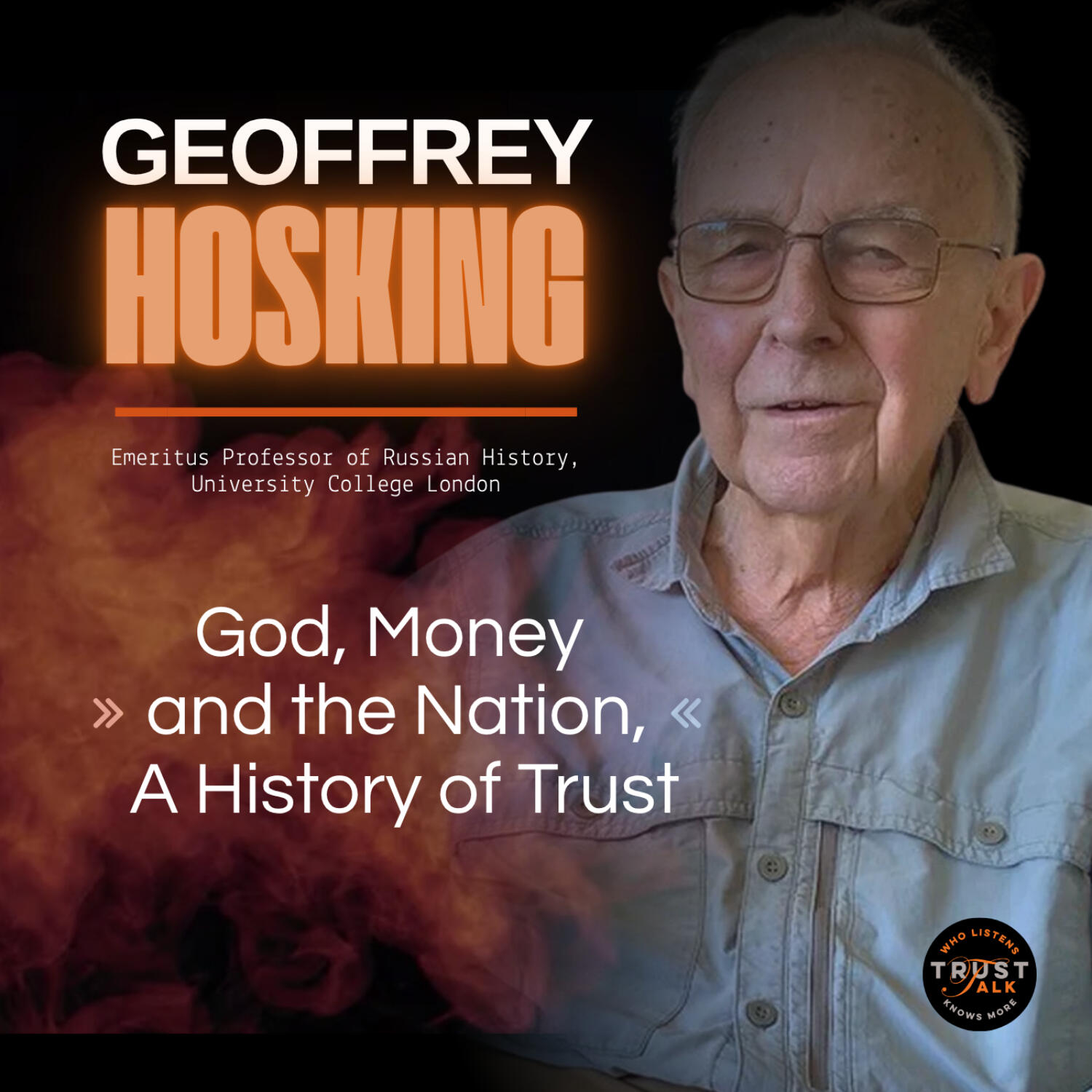
God, Money and the Nation, A History of Trust
It opens in one of Stalin's prisons: a condemned man writing to the very dictator about to have him shot, still pleading to be trusted. From that chilling scene, historian Geoffrey Hosking sets out to explain one of history's strangest achievements: how we ever learned to trust far beyond the people we know. In Trust: A History, he traces that story across the centuries - through religion, money, and the nation - then carries it right up to now: Russia and Ukraine, an America that no longer looks like the anchor it once was, social media, and the risk of an AI bubble. A wide-ranging, quietly urgent conversation about the invisible force that holds a society together, and how easily it can fall apart.
August 26, 2026Episode 14326 min
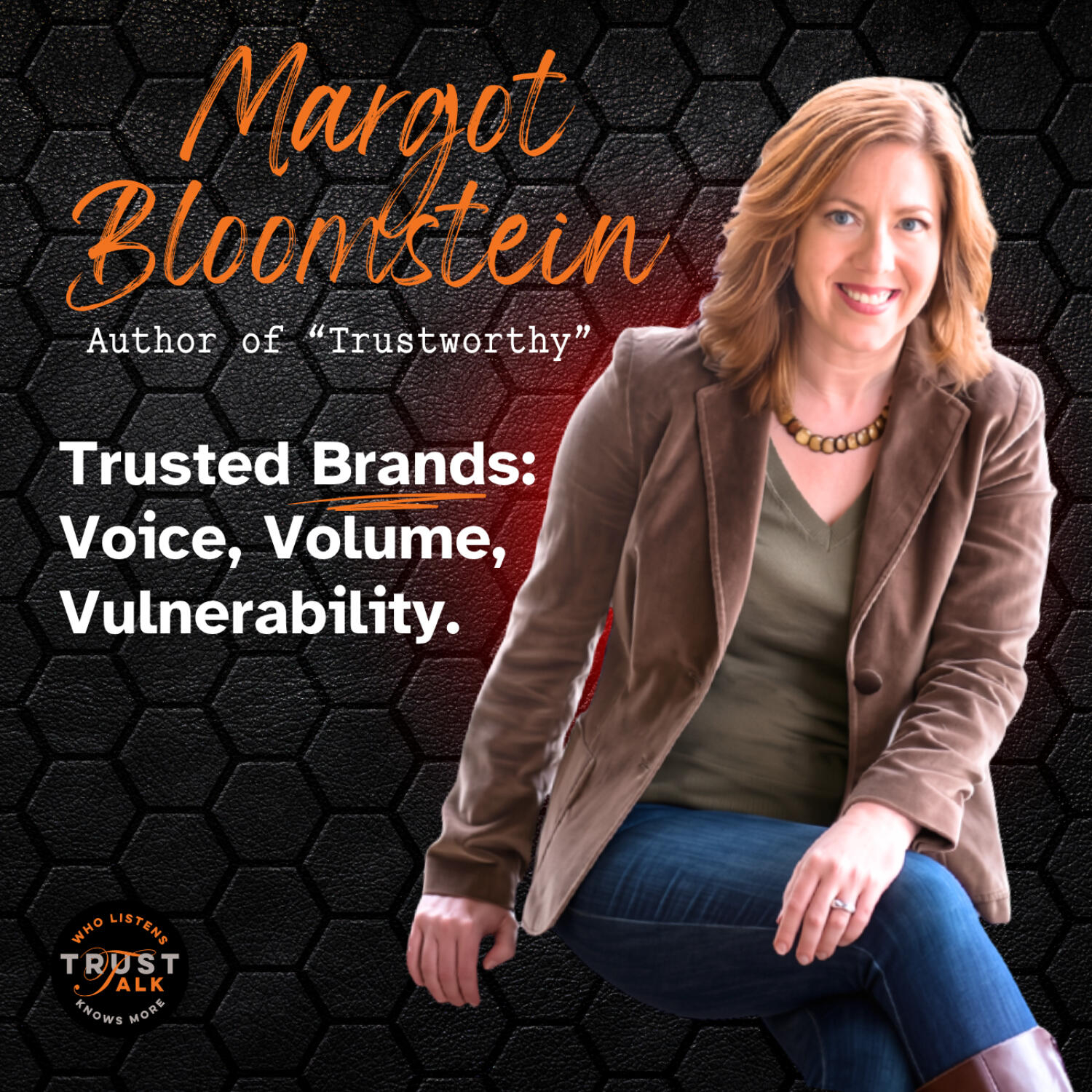
Trusted Brands: Voice, Volume, Vulnerability
You decide whether you trust a brand in about seven seconds — before you've read a word, just from how it looks. So how do the smartest brands earn that trust, and keep it? Margot Bloomstein — brand and content strategist, founder of Appropriate, Inc., and author of Trustworthy - joins us to unpack the three qualities that make a brand credible: voice, volume, and vulnerability. A practical half-hour for anyone who builds, writes for, or looks after a brand.
August 7, 2026Episode 14223 min
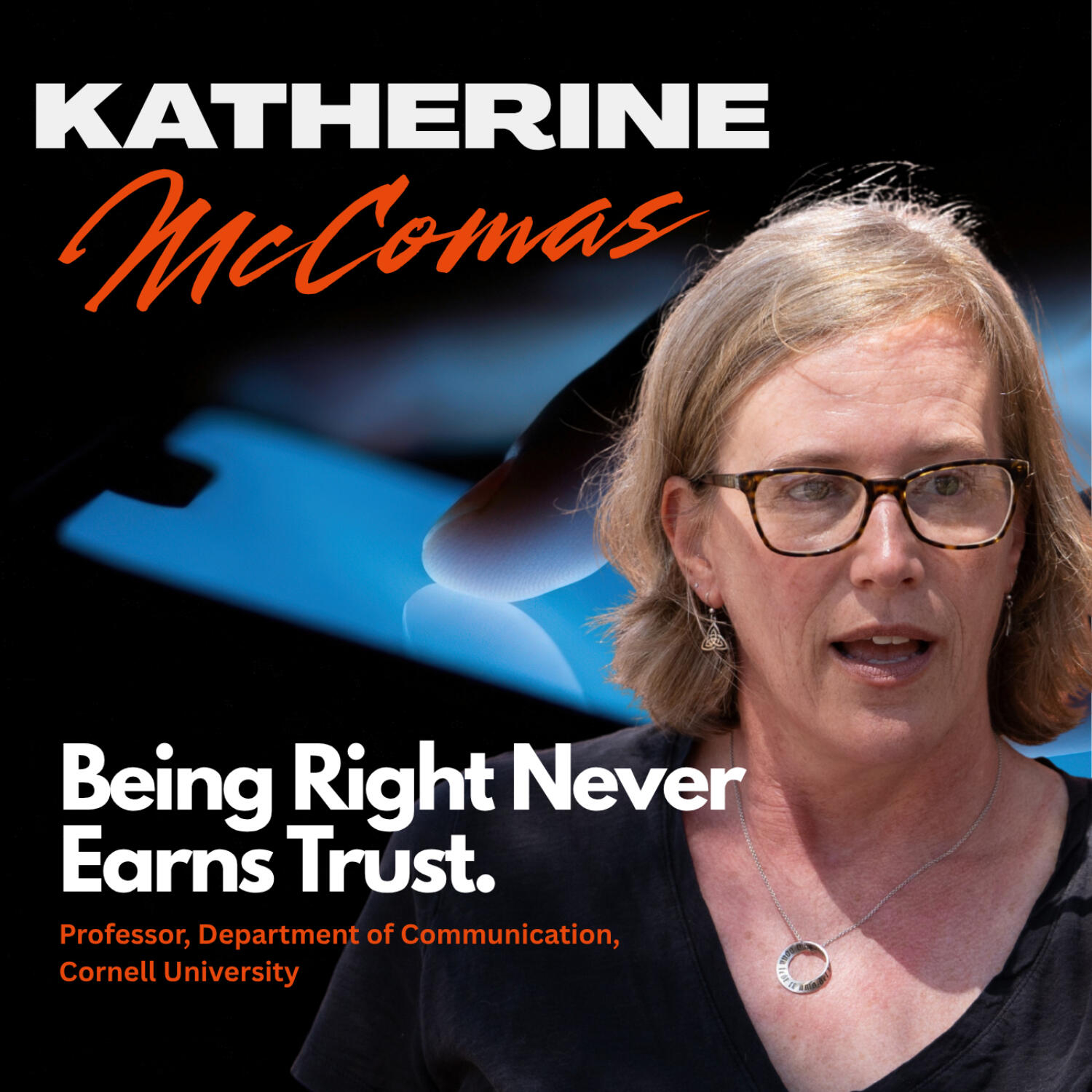
Being Right Never Earns Trust
Most people think an institution earns trust by being right. Katherine McComas thinks it earns trust by asking, and after a career studying what happens when science and power arrive in a community's own backyard, she has the cases to prove it. We talk about Cornell's Lake Source Cooling - a project so clean it cut the university's carbon footprint, yet fractured its relationship with the town next door for more than twenty years. Not because the science was wrong, but because of how the decision was made, and who was never asked. And why the same small earthquake is resented when it profits a private company but accepted when it helps the local school. It was never really about the earthquakes - it's a referendum on whose interests people believe are being served. Katherine's reframe is one most institutions miss: you cannot generate trust through better messaging. Trust is something a community gives you; the real goal is to earn and demonstrate trustworthiness; trust follows. So what does that actually look like in a public meeting, beyond giving people three minutes at the very end? Katherine McComas is a professor in the Department of Communication at Cornell University, where she studies risk, science communication, and how communities react when science arrives close to home.
July 24, 2026Episode 14128 min
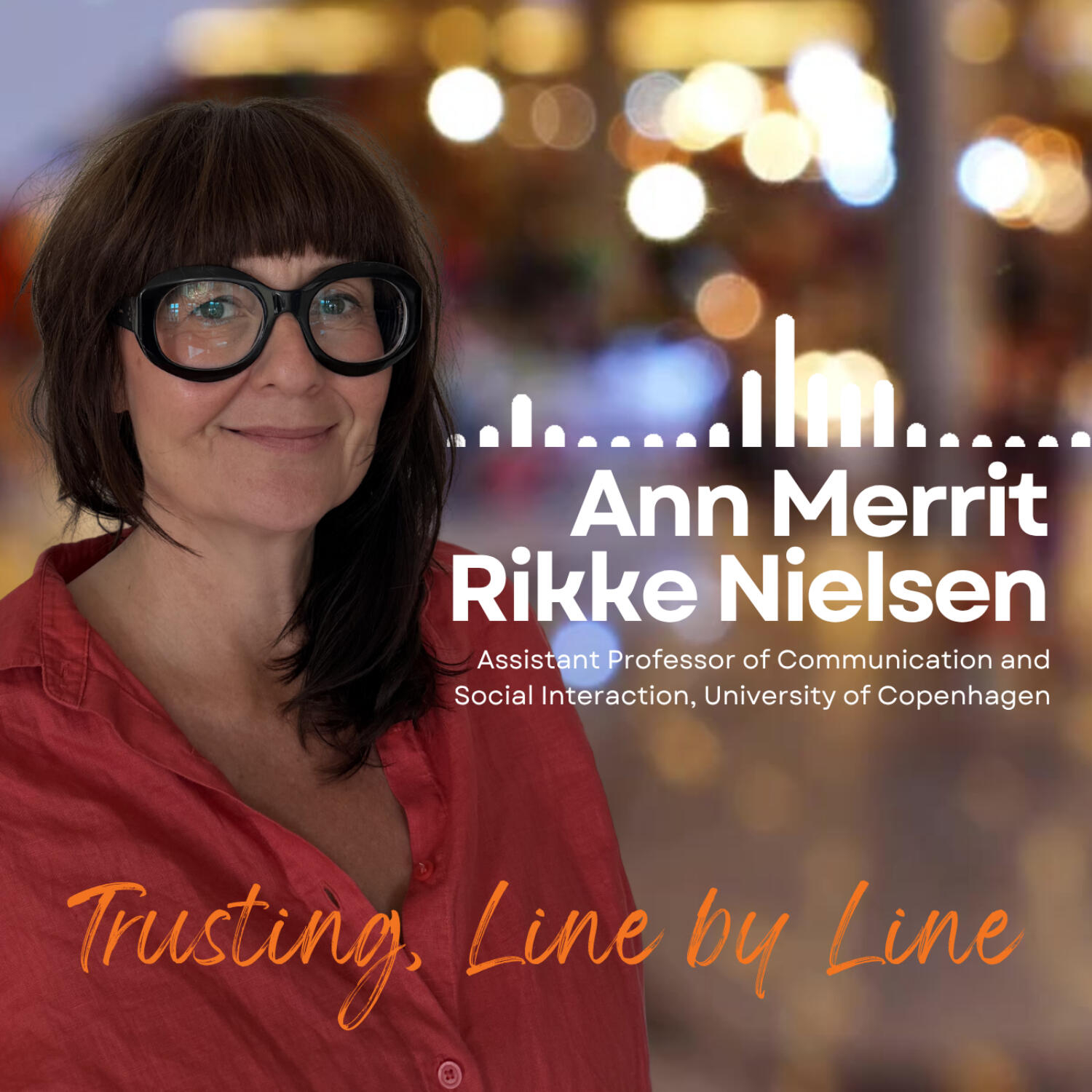
Trusting, Line by Line
Most people think trust is something you either have or you don't. Ann Merrit Rikke Nielsen, assistant professor at the University of Copenhagen and vice director of Centre for Interaction Research and Communication Design (CIRCD,) thinks it is something you build, one turn of conversation at a time. In this episode, we talk about why trust is nearly invisible until the moment it is tested, and why Ann stopped trusting surveys and interviews to study it. Instead, she records real conversations between social workers and the vulnerable citizens they support, and listens back - sometimes pause by pause - for the exact second trust is built or broken. Ann brings a recording to illustrate this: a man recently released from prison, listing the changes he has made, stumbles mid-sentence over a word he doesn't want to say. What his caseworker does in the next eighteen seconds decides whether he will trust this institution more than the last one. In another recording, a client discloses a relapse — and it is the caseworker's silence, not her words, that keeps the trust intact. Ann also introduces a method she calls “the Montessori of trust”: playing practitioners' own recordings back to them, so they discover for themselves what built or broke the trust in the room. Why does trust rarely get spoken out loud, even by the people building it every day? And what does it actually sound like when it works?
July 9, 2026Episode 14022 min
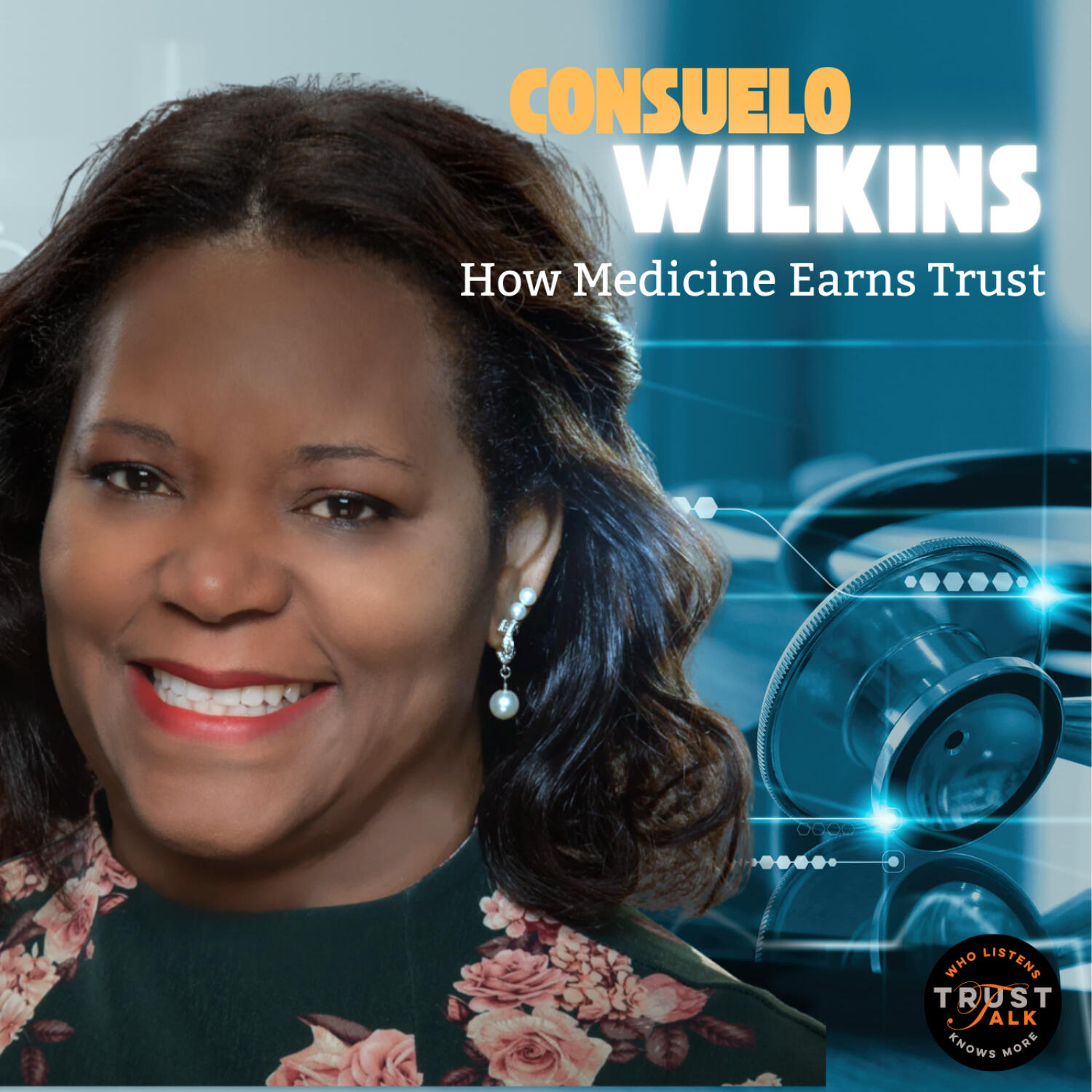
How Medicine Earns Trust
What does it actually take for a hospital, a research institution, or a public health agency to deserve the trust of the communities it serves? Consuelo H. Wilkins has spent her career asking that question — not as a philosopher, but as a physician who sees patients and as a researcher who has built the tools to measure whether trust is really there. Prof. Wilkins is Professor of Medicine and Senior Vice President at Vanderbilt University Medical Center in Nashville, Tennessee, where she also holds the Mildred Thornton Stahlman Chair in Rural Health. She led the development of Vanderbilt's Racial Equity Plan, and her team created one of the first measurement tools designed specifically to capture how historically excluded communities perceive trustworthiness. In this conversation, she argues that institutions get the direction of trust the wrong way round: they ask to be trusted before demonstrating that they are trustworthy. She reflects on what it feels like to sit across from a patient who does not trust the system behind the white coat, why so many institutions respond to broken trust with the wrong remedy — the glamorous ad campaign that avoids the underlying grievance — and what the Covid pandemic revealed about the transparency and humility so often missing from public health. She also explains what the numbers show about the specific fears Black and Latino communities bring into medical research — fears clustered around secrecy, being misled, and loss of control over their own data - and why lumping all marginalized groups together is a mistake that leads to interventions that do not work. Along the way, she offers a hard-earned lesson from leading Vanderbilt's Racial Equity Plan: equity work only endures if it is embedded across every function of an institution. Because when political pressure arrives, isolated initiatives are the first to fall.
June 25, 2026Episode 13929 min
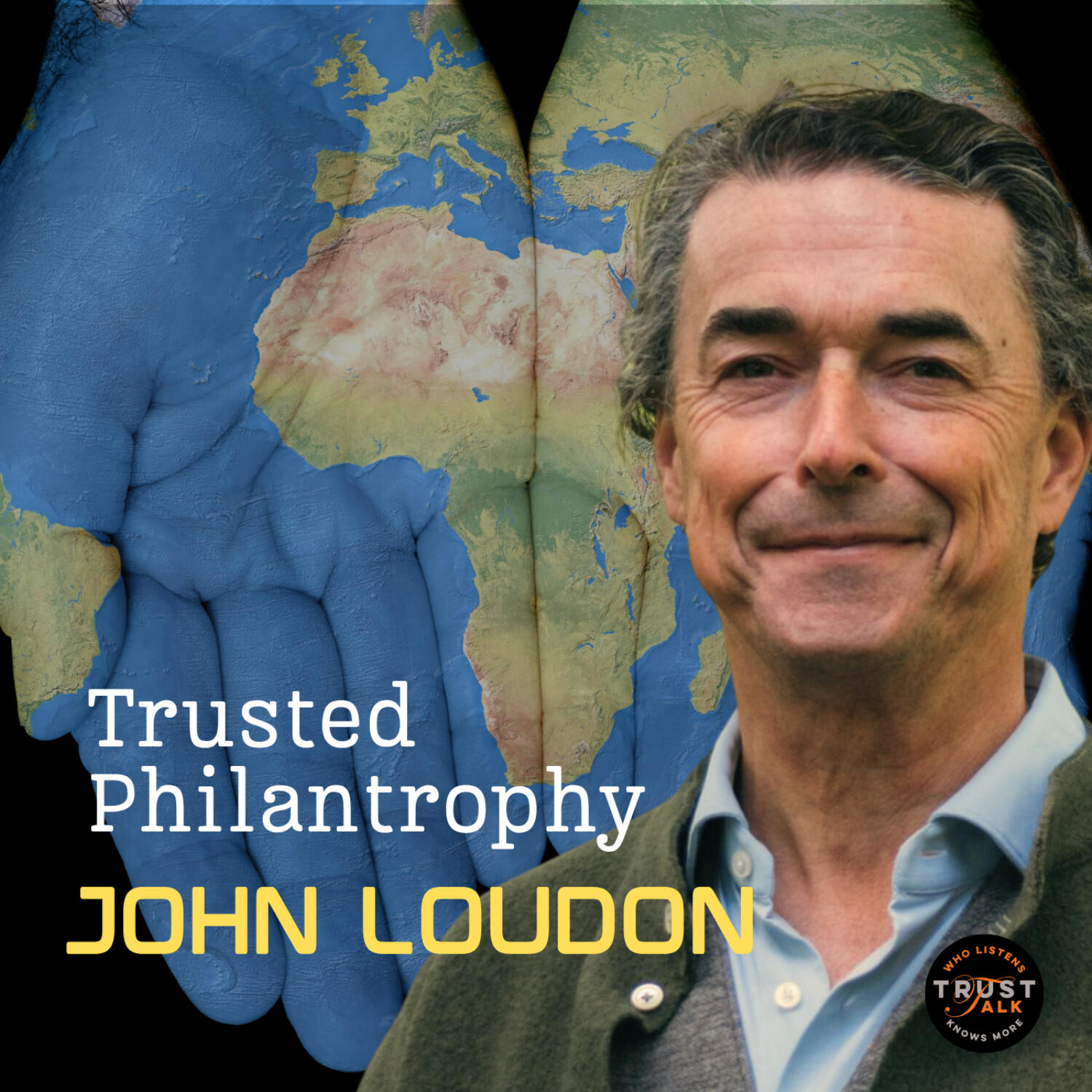
Trusted Philantrophy
Most people think philanthropy is about money. John Loudon, Executive Director of the COmON Foundation and one of the best-known philanthropists in conservation and nature preservation, with a career spanning three decades across Europe and Africa, thinks it is about trust. In this episode, we talk about what happens when trust is missing from giving, how philanthropy becomes distant, data-driven, and ultimately ineffective. And what it looks like when trust is genuinely present. John brings two stories to illustrate this. One from Malawi, where a community that had been depleting a national park for survival became its guardian angels once their real need - water - was met. Trust made that possible. And one from the Baviaanskloof in South Africa, where 125 years of goat farming had turned a valley into a near-desert, and where two years of conversation among farmers, guided by Otto Scharmer's Theory U, brought it back to life. The solutions came from within. Nobody arrived with a plan. Nobody needed to — because trust was already in the room. John also introduces a concept most funders have never heard of — Key Transformative Indicators — and explains why he measures success not in outputs but in signs of change. Why is giving harder than fundraising? And why the most important thing an outside organization can do when it arrives in a struggling community is put away its plan, start listening, and earn the trust that makes everything else possible.
June 17, 2026Episode 13829 min
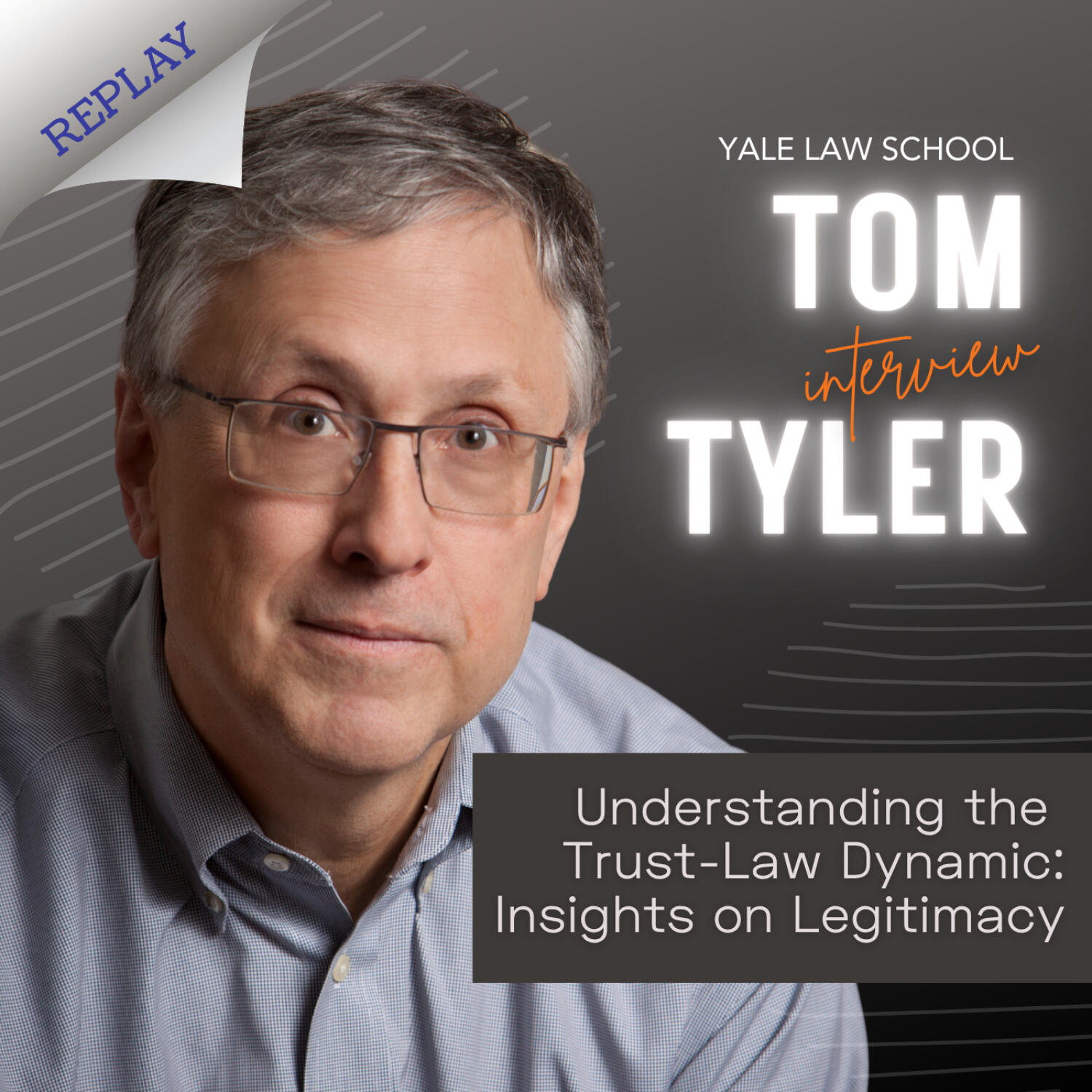
Understanding the Trust-Law Dynamic: Insights on Legitimacy
In this replay of a 2023 interview, Severin de Wit speaks with Tom Tyler, professor of law and psychology at Yale and founding director of the Justice Collaboratory. A psychologist teaching in a law school — a rare combination — Tyler argues that legal systems are built on assumptions about human nature that are seldom tested against what psychologists actually know. His research points to something striking: people comply with the law more because they trust it than because they fear it. And what builds that trust is not whether you win or lose your case, but how you were treated along the way — whether you were heard, treated with respect, and felt the process was fair. This is the idea of procedural justice, and it has both a decision-making side (voice, neutrality, consistency) and a relational side (dignity, sincerity, genuine attention to people's concerns). The conversation ranges across criminal justice, civil and administrative law, prisons, and policing, including how police officers who feel fairly treated by their own superiors go on to treat the public more fairly. Tyler explains why a system built on fear requires policing forever, while one built on trust makes communities stronger: people cooperate, testify, engage with their neighbours, and invest in where they live. He also has warm words for the Netherlands, citing the Ombudsman's adoption of procedural justice principles and the influence of empirical research on Dutch policy — and a challenge for the legal world everywhere: take empiricism seriously as a tool for improvement. A thoughtful, evidence-based case for why trust isn't just a different model of legal authority, but a superior one. [ Due to the holiday season, we are publishing this interview again. It was first published on September 6, 2023, as episode 76]
June 3, 2026Episode 13729 min
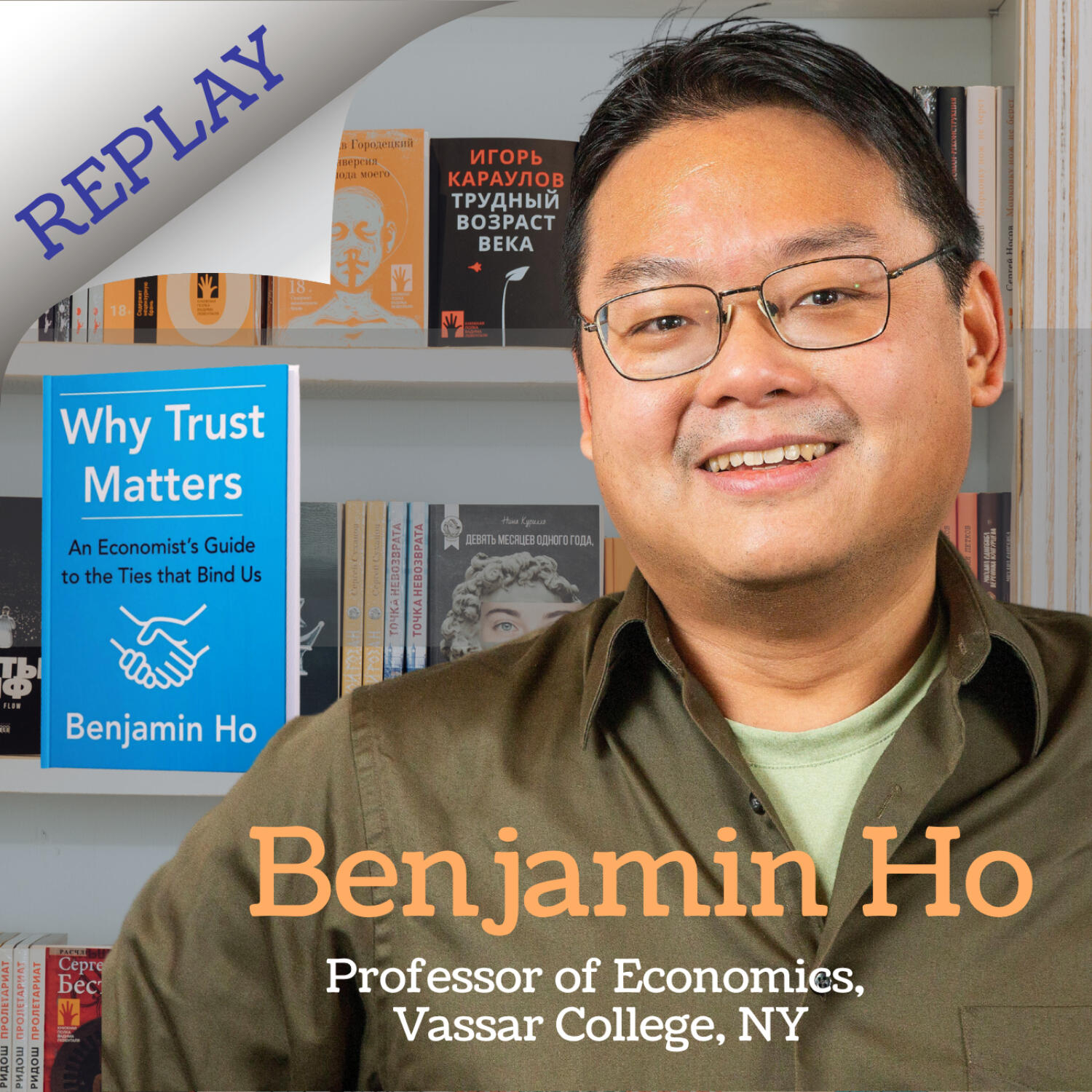
Why Trust Matters
In this replay of a 2023 interview, Severin de Wit speaks with Economist Benjamin Ho - Professor of Economics at Vassar College and author of Why Trust Matters: An Economist's Guide to the Ties That Bind Us. What if trust isn't just a feeling, but something humans have been calculating for thousands of years? Ben Ho uses game theory to explain why we cooperate at all, why we keep promises that cost us, and why the words I am sorry almost never work the way we expect. Ben explains why an apology only repairs trust when it carries a real cost. He shares what an experiment with Uber revealed about late rides and unhappy customers, and why Bill Clinton never apologized over Monica Lewinsky - exposing the hidden trade-off between being liked and being respected. The conversation travels from early hunter-gatherer societies, where the first written records were accounting rather than poetry, to the Paris Climate Agreement - a deal built almost entirely on trust rather than enforcement. Ben makes the case that trust is the quiet infrastructure beneath markets, contracts, and treaties. Take it away, and none of it holds. [ Due to the holiday season, we are publishing this interview again. It was first published in May 2023 as episode 63]
Is this your show?
Claim this listing to keep it up to date, reach guests who want to pitch you, and manage bookings with Guestify.