Find partners
TNW Podcast

TNW Podcast

Hosted by TNW

TechnologyBusinessInterviews guests

Episodes

59

Latest episode

Oct 2026

Language

EN

About the show

A weekly show discussing the latest developments in the technology ecosystem and featuring interviews with some of the most influential people in the industry.

Listen to episodes

59 recent
October 27, 2026Episode 5621 min

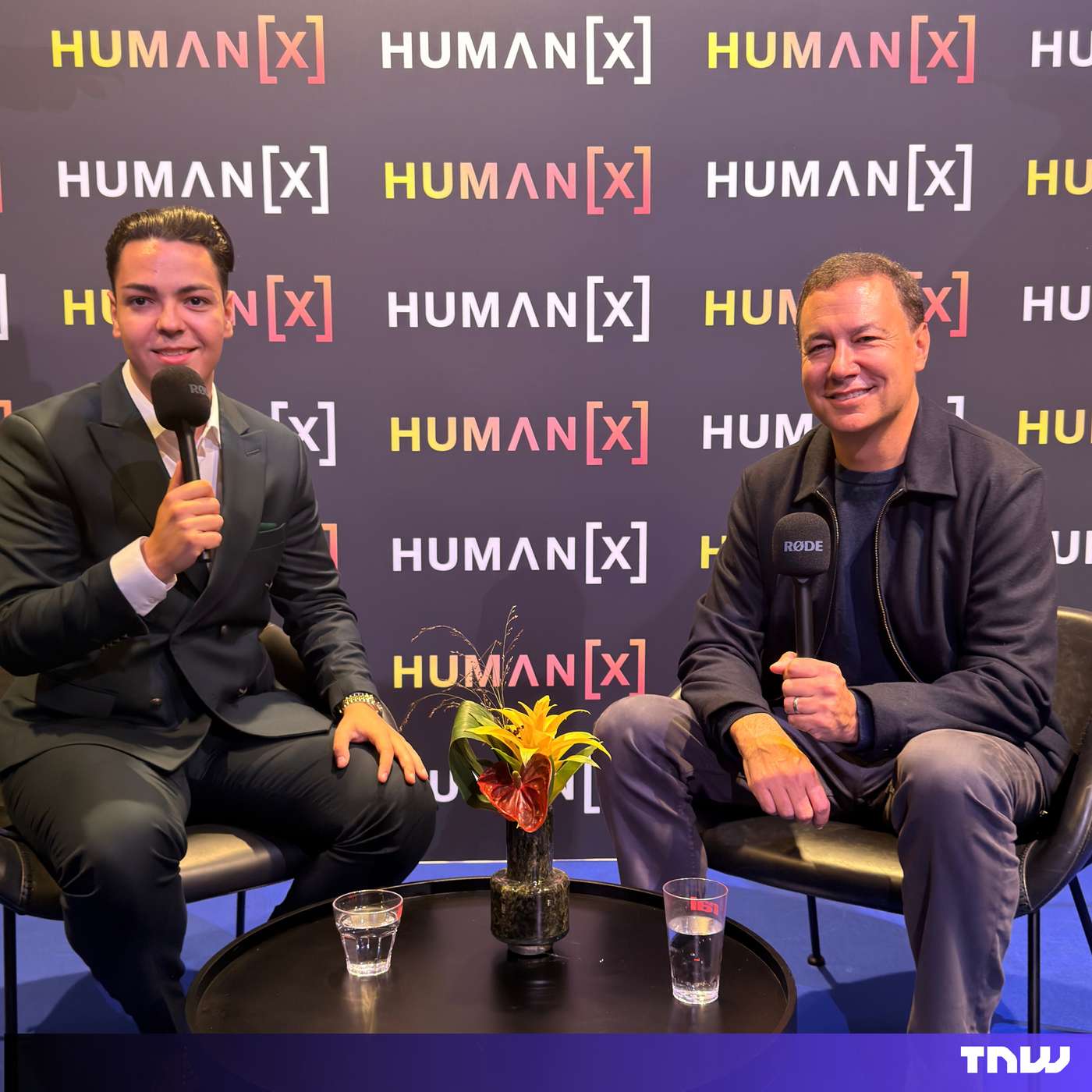
What Remote learned from making AI training mandatory | Job van der Voort, CEO of Remote

Episode Show Notes / Description Welcome to the new episode of the TNW Podcast, the show where we discuss the latest developments in the technology ecosystem and feature interviews with some of the most influential people in the industry. In today’s episode, we’re happy to present an interview with Job van der Voort, founder and CEO of Remote, which makes it easy to hire and pay anybody anywhere. Job explains what Remote learned when it made its own AI course mandatory, including why some teams believed payroll work couldn’t use AI, and why his focus is on helping the people he already has get better. We also get into what Remote sees in the job market, why more PhDs now label data for AI companies, the growing challenge of Europe’s labor rules, and how Remote competes with local payroll providers while staying profitable and private. His advice for anyone starting out: join a startup, fail a lot, and stick around. Feel free to email us with any questions, suggestions, and opinions at contact@thenextweb.com. Chapters 00:00 Intro 00:30 What Remote does for companies 01:07 From neuroscience PhD to Remote 02:24 Getting more from the team Remote has 03:45 Making the AI course mandatory 05:06 Reinventing how the work gets done 06:07 What Remote sees in the job market 07:37 How AI is changing contract work 09:45 Are companies replacing people with AI agents? 10:23 Funding, profits, and IPO plans 10:49 Uncertainty and Europe's labor rules 12:36 Remote's MCP server and AI agents 14:41 Competing with local payroll firms 17:40 Robotics, hardware, and acquisitions 19:06 Advice for 20-year-olds in tech
October 22, 2026Episode 5522 min

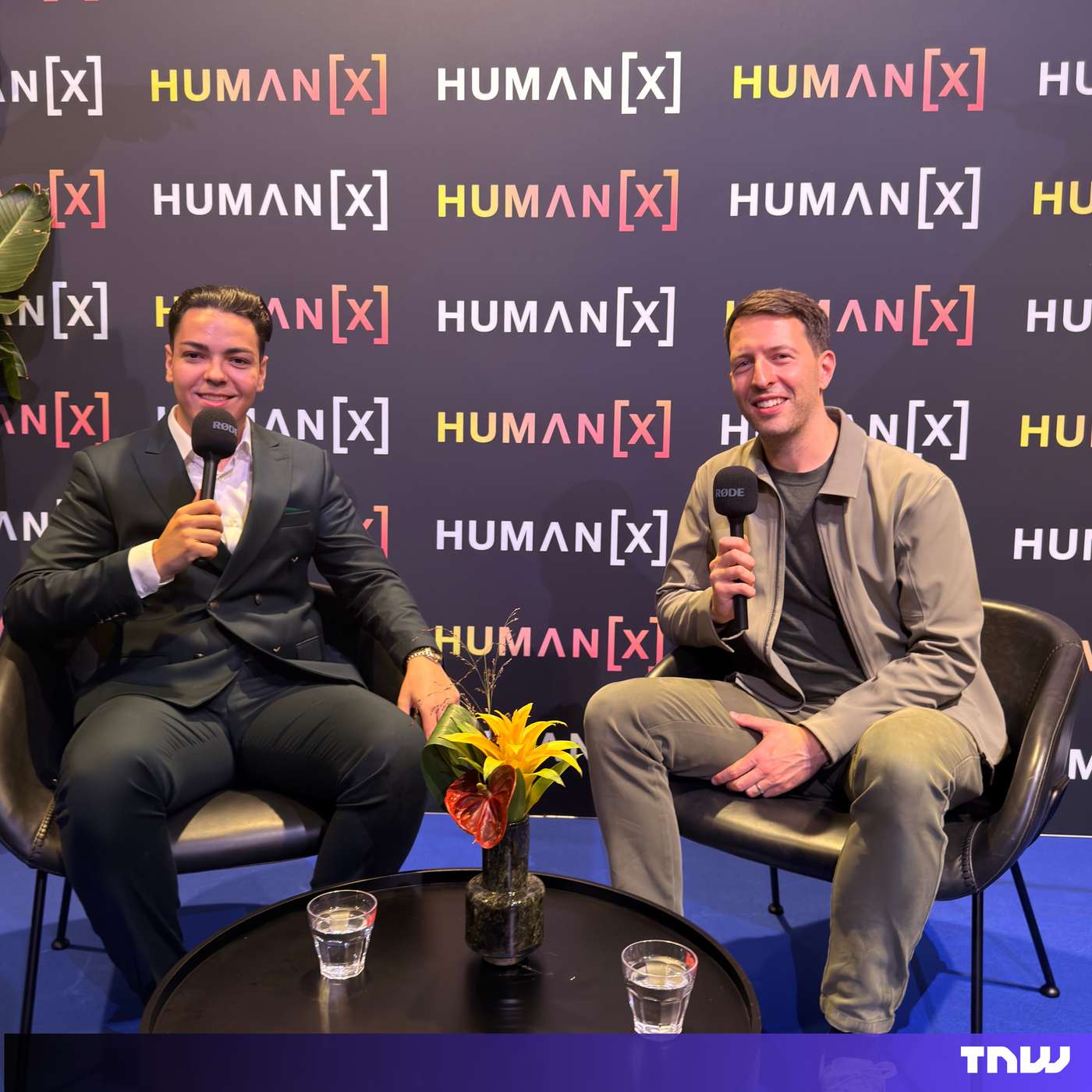
Why AI means 10x more work before 10x less | Steve Lucas, CEO of Boomi

Welcome to the new episode of the TNW Podcast, the show where we discuss the latest developments in the technology ecosystem and feature interviews with some of the most influential people in the industry. In today’s episode, we’re happy to present an interview with Steve Lucas, chairman and CEO of Boomi, a data activation company that delivers integration, automation, and AI capability to over 30,000 companies. Steve explains why he expects AI to bring 10x more work before there’s 10x less, and why he thinks the SaaS apocalypse is overrated. We dig into why telling your team to use AI doesn’t work, how AI handles about half of Boomi’s accounts payable with humans in the loop, and why AI projects get stuck on data. Steve shares how Boomi tripled revenue in 4 years and why his book, Digital Impact, argues AI may give us back our humanity. His advice for anyone starting out: be curious. Feel free to email us with any questions, suggestions, and opinions at contact@thenextweb.com. Chapters 00:00 Intro 00:42 From Microsoft to Marketo 02:22 Why companies need a platform like Boomi 04:01 Where the name Boomi comes from 04:58 How Boomi rolls out AI internally 06:25 10x more work and the SaaS apocalypse 08:41 Where companies get stuck with AI 09:21 Which AI agents drive ROI 10:39 Have we already reached AGI? 11:48 How Steve spends his days 14:12 Digital Impact and 350 productivity apps 16:00 How Boomi tripled revenue 17:40 Why saying no is the hardest part 19:29 What's next: AI governance 20:40 Advice for new grads: be curious

October 20, 2026Episode 5424 min

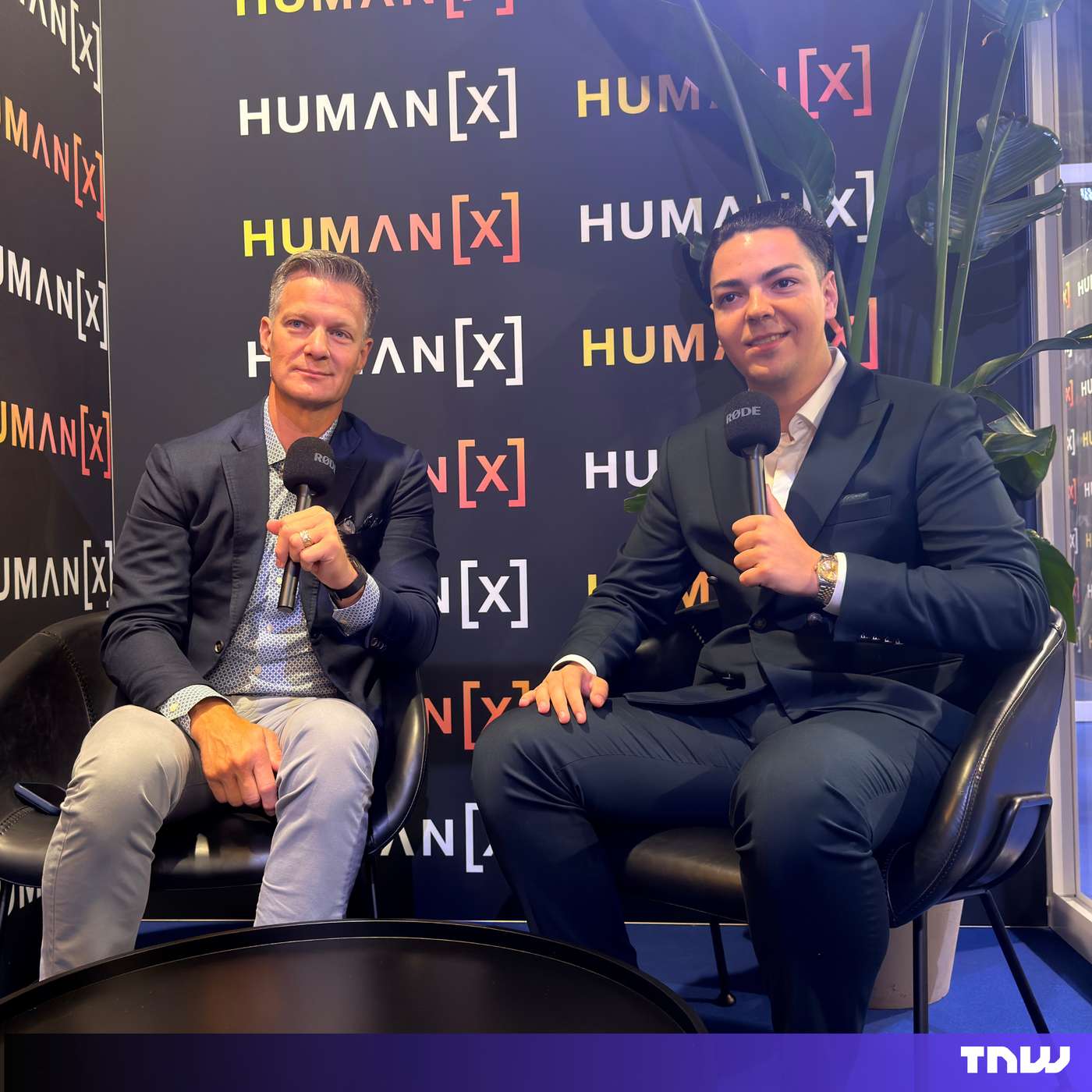
Daytona grew 50% a month for 18 months without any salespeople | Ivan Burazin, CEO of Daytona

Welcome to the new episode of the TNW Podcast, the show where we discuss the latest developments in the technology ecosystem and feature interviews with some of the most influential people in the industry. In today’s episode, we’re happy to present an interview with Ivan Burazin, co-founder and CEO of Daytona, the infrastructure company that gives AI agents their own computers to train and work in. Ivan explains how Daytona grew about 50% a month for 18 months without any salespeople, through in-person events and his Twitter account, which he calls the company’s second growth channel and credits for its Nvidia partnership. We also get into the pivot that took Daytona from Fortune 500 customers back to zero, why agents need Windows and GPU sandboxes, and why Ivan expects a CPU crunch bigger than the GPU crunch. His advice to young founders: learn to handle risk and failure, because everyone plateaus once they stop taking risks. Feel free to email us with any questions, suggestions, and opinions at contact@thenextweb.com. Chapters 00:00 Intro 00:47 Ivan's background and the Daytona name 02:17 Why customers pick Daytona over Kubernetes 03:52 Winning customers in person 05:12 Growing 50% a month without salespeople 06:18 The 3 reasons customers choose you 07:48 How Twitter led to an Nvidia partnership 10:34 Kill it or grind through it 12:57 Post-training and the CPU crunch 13:52 The pivot back to zero 14:47 Why Ivan hires for grit 15:26 Living between Europe and San Francisco 17:51 Why AI agents need Windows and GPUs 20:18 Risk, failure and how Ivan got started 24:12 Where the Daytona team is based

October 15, 2026Episode 5330 min

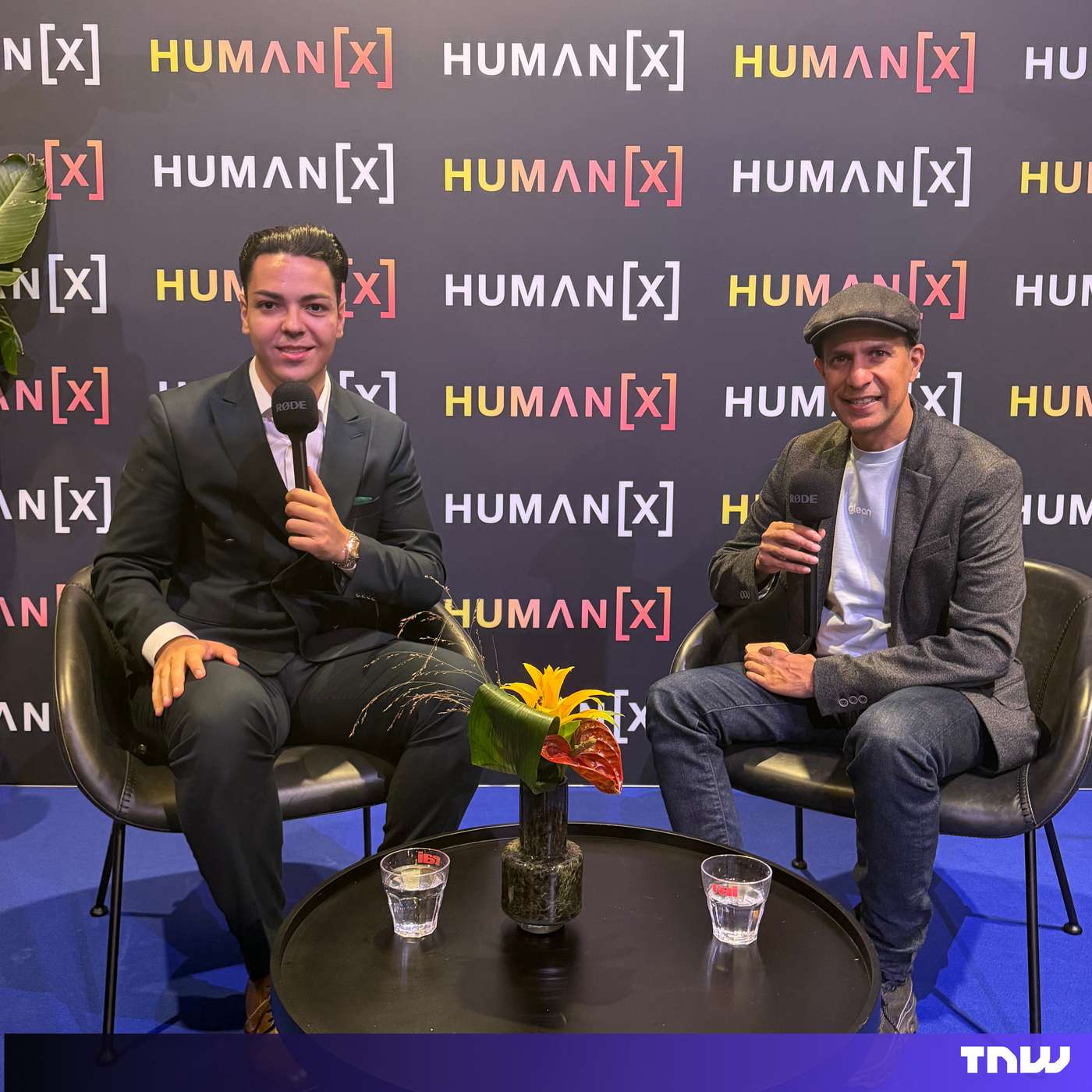
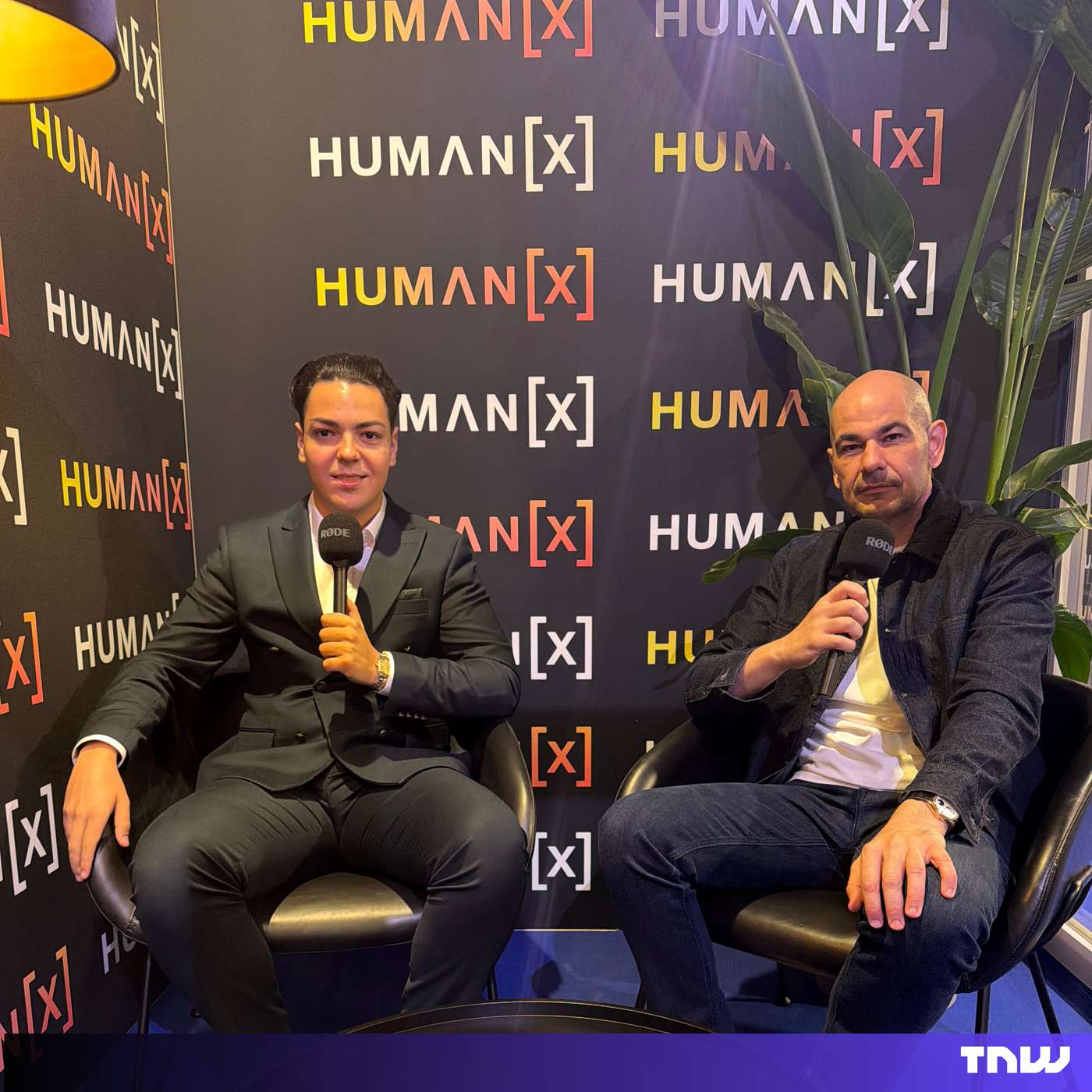
Why AI needs your company’s context | Arvind Jain, CEO of Glean

Welcome to the new episode of the TNW Podcast, the show where we discuss the latest developments in the technology ecosystem and feature interviews with some of the most influential people in the industry. In today’s episode, we’re happy to present an interview with Arvind Jain, founder and CEO of Glean, the enterprise AI company that connects to every system a business runs on and turns its knowledge into context for people and AI agents. Arvind explains why AI needs that context to work well, why 80 to 90% of it lives in people’s heads, and how Glean feeds it to tools like Claude. We also get into how Glean protects employee privacy, why word of mouth is still its biggest growth channel, and Arvind’s advice for graduates worried about AI. His most surprising answer is about lock-in: Glean wants to be easy to replace, because the memory its AI builds should belong to the enterprise. Feel free to email us with any questions, suggestions, and opinions at contact@thenextweb.com. Chapters 00:00 Intro 01:51 How companies use Glean 06:46 Why not just use Claude? 10:27 Why Glean wants to be replaceable 13:13 How Glean protects employee privacy 15:28 How Glean got started 16:56 Word of mouth and rapid growth 18:25 What context really means 21:06 Rapid fire: scaling and fundraising 22:53 How Arvind spends his day as CEO 23:36 Career lessons and advice for graduates 25:34 Where the idea for Glean came from 26:08 Why big companies get slow 27:37 Where Glean saves people time 29:34 Is Glean Asana plus Claude?

October 13, 2026Episode 5227 min

Why AI agents won't replace humans | Michael Atalla, UiPath CMO

Welcome to the new episode of the TNW Podcast, the show where we discuss the latest developments in the technology ecosystem and feature interviews with some of the most influential people in the industry. In today’s episode, we’re happy to present an interview with Michael Atalla, Chief Marketing Officer of UiPath, the Romanian-born business orchestration and automation company. Michael explains why AI agents won’t replace humans: they can’t grasp intent or learn on the job, so the exceptions that need trust and judgment stay with people. He also argues that AI should augment our skills and that cutting junior jobs is a mistake. We also get into the AI agent his marketing team built for ad data, the Process Atlas and Cartographer launches at FUSION, why low-risk AI pilots stall, and why AI slop means marketing still needs humans. His advice for anyone starting a career in tech is simple: move. Feel free to email us with any questions, suggestions, and opinions at contact@thenextweb.com. 00:00 Intro 00:51 Robots, agents, and orchestration explained 01:59 What companies use UiPath for 03:10 Why Michael joined UiPath 04:29 How UiPath automates its own marketing 07:30 Process Atlas and Cartographer at FUSION 11:34 What AI agents still can't do 13:12 How Romania shaped UiPath's culture 15:46 Why AI pilots get stuck 17:06 UiPath's vision beyond the AI hype 18:14 How AI is changing marketing 20:58 Will AI agents replace humans? 22:15 Why cutting junior jobs is a mistake 24:13 From writing code to CMO 24:59 Advice for anyone starting in tech

October 8, 2026Episode 5115 min

Zendesk's path from $0 to $400M in AI revenue with Tom Eggemeier, CEO of Zendesk

Welcome to the new episode of the TNW Podcast, the show where we discuss the latest developments in the technology ecosystem and feature interviews with some of the most influential people in the industry. In today's episode, we're happy to present an interview with Tom Eggemeier, CEO of Zendesk, the customer and employee service company helping businesses automate their interactions with AI. Tom explains how Zendesk's AI revenue grew from about $0 to a projected $400M in 2 years, and why the company is moving from seats to outcome-based pricing. We also get into why companies should always offer a human option, what AI means for jobs, and Tom's own use of AI, including how Meta's Muse agent saved him $3,105 on internet, TV, and mobile bills in 5 days. His prediction: within 2 years, more than 50% of customer interactions will be a personal AI agent talking to a company's AI agent. Feel free to email us with any questions, suggestions, and opinions at contact@thenextweb.com.

October 6, 2026Episode 5029 min

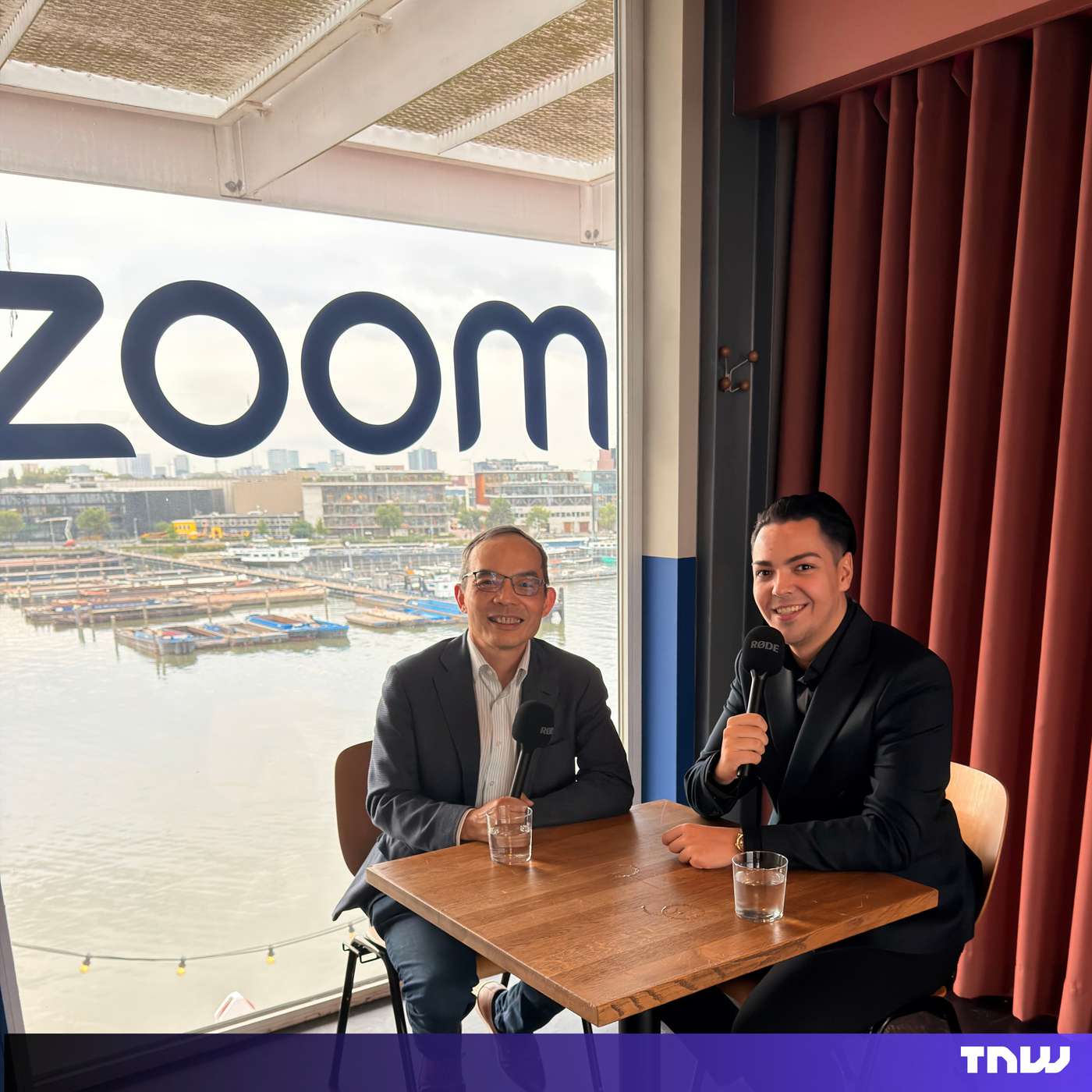
How to bring Steve Jobs to every meeting with Xuedong Huang, CTO of Zoom

Welcome to the new episode of the TNW Podcast, the show where we discuss the latest developments in the technology ecosystem and feature interviews with some of the most influential people in the industry. In today's episode, we're happy to present an interview with Xuedong (XD) Huang, CTO of Zoom, recorded in Amsterdam at a Zoom event ahead of HumanX. XD has worked on AI for more than forty years, over thirty of them at Microsoft, where he founded the Speech Technology Group and became CTO of Azure AI. He explains what he calls C to C, Zoom's shift from conversation to completion, and why he says My Notes and ZoomMate are like bringing Steve Jobs to every meeting you attend. We also get into why Zoom runs models from OpenAI and Anthropic alongside its own small language model, an approach XD compares to a panel of gymnastics judges, and why the speech technology behind My Notes is now open to other companies through the Scribe API. XD shares how he uses AI in his own meetings, why the language barrier is still not solved, and his closing take: the more AI slop people have to deal with, the more valuable a face-to-face conversation becomes. Feel free to email us with any questions, suggestions, and opinions at contact@thenextweb.com.

September 30, 2026Episode 4925 min

Rebuilding Yahoo for the AI era with Jim Lanzone, CEO of Yahoo

Welcome to the new episode of the TNW Podcast, the show where we discuss the latest developments in the technology ecosystem and feature interviews with some of the most influential people in the industry. In today's episode, we're happy to present an interview with Jim Lanzone, CEO of Yahoo, who joined the company in 2021 to lead its turnaround after the Apollo acquisition. Jim, who previously ran Ask Jeeves, CBS Interactive, and Tinder, explains why Yahoo is now past that phase and into its comeback, with 700M users a month and its biggest growth coming from Gen Z and Millennials. We dig into Yahoo Scout, the company's new AI answer engine, and why Jim wants to restore the social contract of search by sending traffic back to the publishers that the first generation of AI answer engines left behind. Jim also shares his playbook for turning around big internet brands, the revenue model Yahoo had to reinvent, and his advice for anyone in their twenties who wants to build in tech. Feel free to email us with any questions, suggestions, and opinions at contact@thenextweb.com.

July 21, 2026Episode 4826 min

How AI is making passwords easier to crack with Chris Skipworth, PassPack

Welcome to the new episode of the TNW Podcast, the show where we discuss the latest developments in the technology ecosystem and feature interviews with some of the most influential people in the industry. In today's episode, we're happy to present an interview with Chris Skipworth, CEO of PassPack, a cybersecurity company that brings credential security and governance to organizations without the complexity. Chris explains why compromised credentials remain one of the leading causes of breaches, and walks through the five stages of password maturity, from spreadsheets and sticky notes to full credential governance with audit trails and password rotation. We also get into why small businesses are such a big target for hackers, how AI is changing the game on both the attack and defense sides, and why offboarding employees is one of the most overlooked security risks. Chris shares his own path from the semiconductor world into SaaS, the story behind acquiring PassPack, and his closing take: passwords open the doors, but credential governance decides who gets the keys and how long they keep them. Feel free to email us with any questions, suggestions, and opinions at contact@thenextweb.com .

July 14, 2026Episode 4744 min

How to build a referral program that actually works with Kirsty Sharman, Referral Factory

Welcome to the new episode of the TNW Podcast, the show where we discuss the latest developments in the technology ecosystem and feature interviews with some of the most influential people in the industry. In today's episode, we're happy to present an interview with Kirsty Sharman, founder and CEO of Referral Factory, one of the leading referral marketing platforms in Europe. Kirsty breaks down how referral programs really work, from the lemonade stand basics to the numbers behind them, and shares why cash is still king when it comes to rewards. We also get into the hard parts: why most referral programs fail (hint: it's marketing, not tracking), how European data privacy rules shaped Referral Factory's product, and why distribution now matters more than the product itself for founders building in 2026. Feel free to email us with any questions, suggestions, and opinions at contact@thenextweb.com.

Is this your show?

Claim this listing to keep it up to date, reach guests who want to pitch you, and manage bookings with Guestify.

Claim this listing

More Technology podcasts