Find partners
The New Generation Leader - Your Tools for Winning in the Digital World

The New Generation Leader - Your Tools for Winning in the Digital World

Hosted by Aaron Lee

BusinessManagementInterviews guests

Episodes

87

Latest episode

Aug 2026

Language

EN

About the show

You are an expert at your business strategy, but now it's time to build your People Strategy. Build your toolkit for high-performing teams, increase profits, and impact communities. Become the leader our world needs! Subscribe today on your favorite platform and tune into our next episode.

Listen to episodes

60 recent
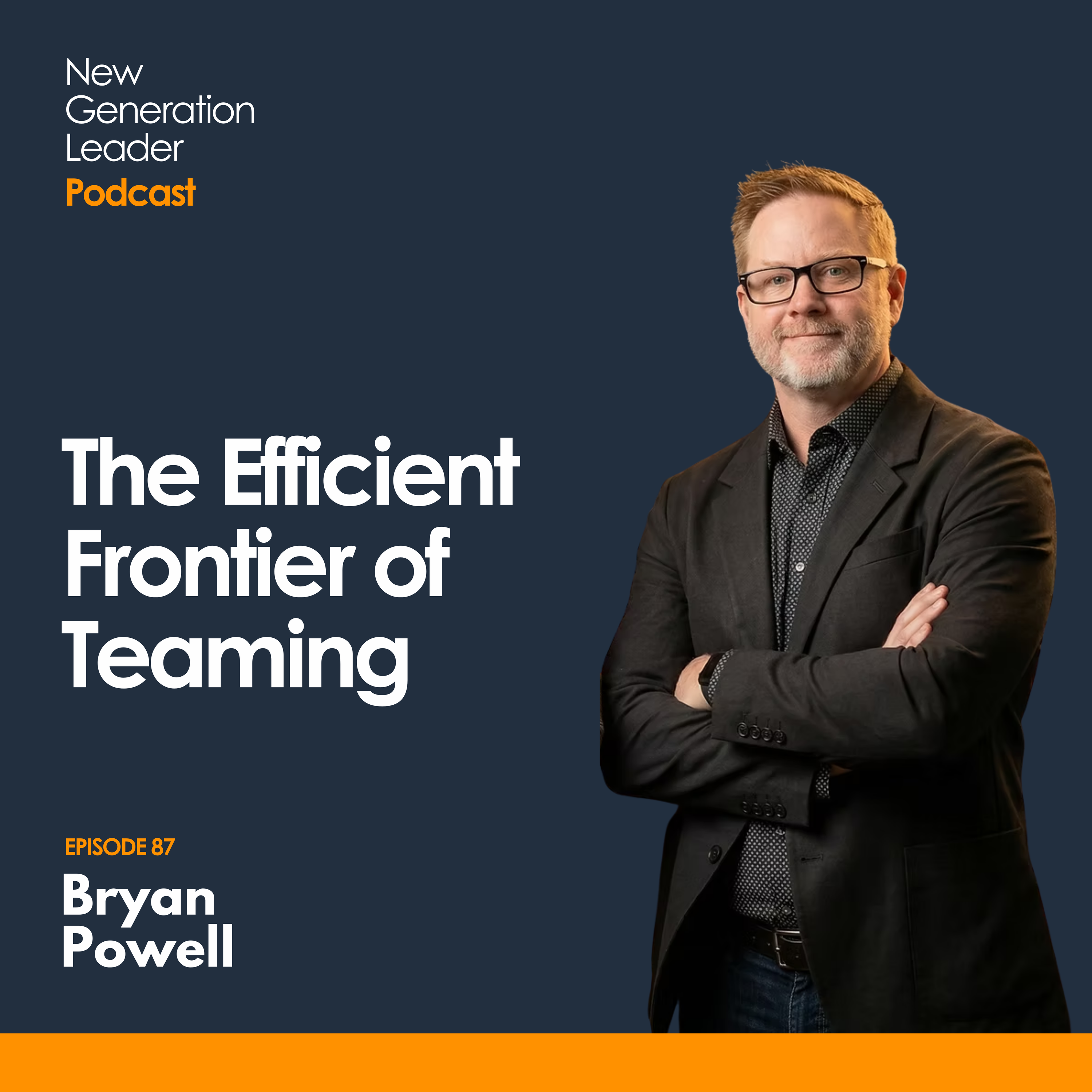
August 18, 2026Episode 8541 min

Excited About Conflict: What an ER Nurse Learned About Hard Conversations with Adrianna Muñoz

Adrianna Muñoz's conflict story starts on the floor of a supply closet, a few shifts off orientation in an inner city Chicago ER. A patient started yelling the moment she walked in. Adrianna ran, hid, and called her mentor in tears. The mentor sent her back in: "You need to go stick up for yourself." Ten years of intentional reps later, Adrianna is an ER nurse, keynote speaker, and founder of Ogden Peak, where she coaches leaders and teams on hard conversations. In this episode she and Aaron trace how a born people pleaser built the conflict muscle: internal debriefs after every tough conversation, three distinct types of failure, and the accumulated proof that uncomfortable does not mean unsafe. She closes with the line that frames her whole journey: perfection does not equal excellence. Show outline 01:09 Why I'm excited about conflict now 03:26 Failure builds the confidence muscle 08:41 Three types of failure and psychological safety 13:25 The weight healthcare leaders carry 21:16 ER shifts, keynotes, and 30% days 33:23 Where hard conversations go wrong 36:13 Perfection does not equal excellence Takeaways Conflict skill is built like strength: reps, safe failure, and a debrief after every hard conversation. Adrianna's confidence came from a decade of deliberately entering uncomfortable conversations and reviewing them afterward, the same way healthcare teams debrief a tough case. Discomfort is not danger. Enough accumulated experience gives you data that says a hard conversation is uncomfortable but safe, which is what lets you walk in anyway. You can build safety fast. A short preface, a stated "judgment free zone," and telling people what you will do with the information opens honest dialogue in seconds, in the ER and in any leadership conversation. The most common failure in hard conversations is never having them. Avoidance starts with the story in your head about how the other person will react. Change the story, calm yourself first, then set the scene. Perfection does not equal excellence. Continuous learning grows you faster than an unrealistic standard ever will. Resources mentioned Storyworthy by Matthew Dicks Amy Edmondson's book Right Kind of Wrong: The Science of Failing Well (Adrianna references 3 types of failure) Connect with Adrianna Muñoz Website: https://ogdenpeak.com LinkedIn: https://www.linkedin.com/in/adriannamunozcoach Instagram: https://www.instagram.com/ogdenpeakcoaching Email: adriana@ogdenpeak.com Connect with the Podcast Aaron Lee on LinkedIn: https://www.linkedin.com/in/aaronleeco All episodes: https://newgeneration.media/episodes?utm_source=show_notes&utm_medium=podcast&utm_campaign=ngl-ep85

August 13, 2026Episode 8410 min

The Line Every Leader Should Never Believe - Lasso Leadership S4E2

Coach Chilton hands Ted a dossier on every player on his first day. She never asked to build one. She did it anyway, because process and detail are how she leads. Ted is the opposite: relational, high energy, always chasing the story behind the stat. In this episode of Lasso Leadership, we walk through what's actually in Chilton's dossier, the line she says about her players that names one of the most common wrong beliefs a leader can carry, the moment on the pitch where Ted's whole approach shows up in a single sentence, and the note Rebecca finally gives Chilton, one that names exactly what was missing on both sides of the coaching staff. The theme underneath all of it: if you want to know how to lead someone, you have to figure out what makes them tick. Take the 5 Voices assessment Find out whether you default to Thinker or Feeler. The 5 Voices illustrates how people communicate and lead in five voices. Coach Chilton and Ted sit on opposite ends of that spectrum, which is most of what this episode is about. Take the free assessment: https://leadersrisingnetwork.com/5-voices/?utm_source=show_notes&utm_medium=podcast&utm_campaign=ngl-ep84 Show outline 00:00 The hire you didn't choose 00:33 Coach Chilton's reputation, and the Thinker/Feeler split 00:58 The pitch-side moment: Chilton walks with an injured player 01:41 The dossier: Chilton's gift, Ted's daily quote 03:19 "Their stories are irrelevant" vs. "What makes folks tick" 05:08 Both/and, either/or, and the 5 Voices underneath it 05:54 Rebecca's monologue: more empathy, less judgment 08:00 Dial it in: applying it to your own team Takeaways You don't choose the people already in the room. You learn how to lead them. An incumbent comes with a track record, a reputation, and a way of working you had no say in. The job is reading it, not replacing it. "Their stories are irrelevant to the work" is one of the most common, most wrong beliefs a leader can hold. It sounds efficient. It costs you the one thing that actually predicts how someone performs. Understanding what makes someone tick is what makes feedback and collaboration actually work The people who see things differently than you are not your obstacle. They're your asset. Rebecca's whole point to Chilton, and the reason Ted keeps quoting a dossier he never asked for. Growth isn't picking a side. It's dialing your own instinct up or back based on what the room actually needs. Some weeks that means more empathy. Some weeks it means more judgment. The skill is knowing which week you're in. Watch Ted Lasso, Season 4 on Apple TV Ted Lasso , Season 4, Episode 2, "Curiouser and Curiouser!," Apple TV, released August 12, 2026: https://tv.apple.com/show/ted-lasso Connect Aaron Lee on LinkedIn: https://www.linkedin.com/in/aaronleeco All episodes: https://newgeneration.media/episodes?utm_source=show_notes&utm_medium=podcast&utm_campaign=ngl-ep84

August 5, 2026Episode 8324 min

You Never See Your Own Impact: Lasso Leadership from Season 4.1

Leadership is built on consistency, presence, and the small actions you do when no one’s watching. Your true impact often lives in the details you repeat every day, not the grand gestures. You never find out what you did for someone else. There's no report, and the moments that end up mattering most to the people you lead are almost never the ones that felt important while you were in them. That gap makes leaders anxious, and anxious leaders add. More meetings, more presence, more being a little bit of everything for everyone, because if you can't tell which part of you is landing, doing all of it feels like the safe bet. Hard conversations, building culture - all this and more in this Lasso Leadership conversation! ------------------------------------------------------------ SPONSOR: NEXT LEVEL TEAMS How big is the gap between what your team could be and how it actually runs? Details and application: https://leadersrisingnetwork.com/next-level-teams-public?utm_source=show_notes&utm_medium=podcast&utm_campaign=ngl-ep83 ------------------------------------------------------------ Show outline 01:49 The idea everything hangs on: you never see your impact 03:26 Status traded for proximity, and who gets your best 05:29 Correcting someone immediately without correcting them loudly 10:50 What years of showing up buys, and the invisible work behind presence 16:32 Refounding a culture, and what that says about what was actually built 18:33 The Guardian on your team, and the line between average and common 22:35 The 70/30 principle: your weakness belongs to somebody else Resources mentioned Ted Lasso , Season 4, Episode 1, "Home," Apple TV+ (released August 5, 2026): https://tv.apple.com/show/ted-lasso Negro Leagues Baseball Museum, 18th and Vine, Kansas City, Missouri: https://nlbm.com Satchel Paige, on average and common: "Ain't no man can avoid being born average, but there ain't no man got to be common." The Guardian, one of the 5 Voices: https://leadersrisingnetwork.com/5-voices?utm_source=show_notes&utm_medium=podcast&utm_campaign=ngl-ep83 . Connect Aaron Lee on LinkedIn: https://www.linkedin.com/in/aaronleeco All episodes: https://newgeneration.media/episodes?utm_source=show_notes&utm_medium=podcast&utm_campaign=ngl-ep83

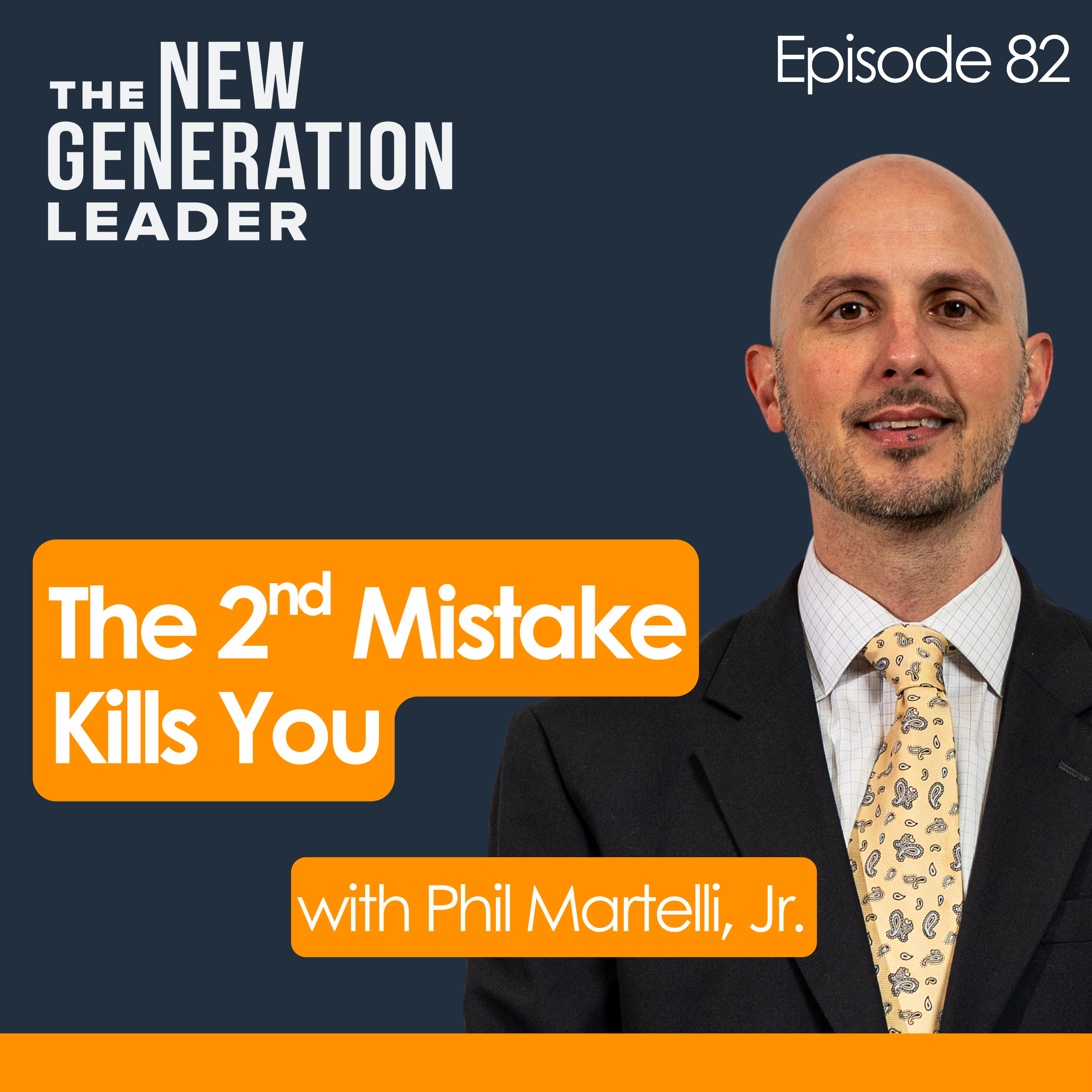
June 4, 2026Episode 8232 min

The 2nd Mistake Kills You: Intentionality, Resilience, and Year 1 at VCU with Phil Martelli, Jr.

Phil Martelli Jr. just finished his first year as head men's basketball coach at VCU. The team won the Atlantic 10, made the NCAA tournament, and beat North Carolina along the way. His kids cut down two championship nets in two seasons, once at Bryant in the America East and once at VCU. He sat down to talk through what it actually takes to build a program at that pace. The conversation runs through the anchors of his coaching philosophy. One mistake can hurt you. The second mistake kills you. He carries that into how he hires staff, recruits players, manages a season, and shows up in his own family. Phil talks about the day at the start of his career when he turned down a grad-assistant job at Clemson to stay at Central Connecticut. Six weeks later, his future wife walked into his camp. He talks about being the best teammate even when he was never the best player. He talks about Lincoln, twenty-nine failed businesses behind one success, and a phone full of notes on people the world calls winners and the wreckage that sits right behind them. This is a conversation about how a coach builds the kind of program that wins early without burning the people inside it. Show Outline 02:30 - Peaks and valleys. Knowing when to ramp up and when to bring it back down. 03:15 - Year one to year two. Building the right team at the staff level first. 04:40 - Talent and character, not either or. 05:40 - Consistency through the rough patches. No magic wand, no secret. 07:10 - Where the values came from. His dad, and being around good people. 08:30 - Always the best teammate, even when he was never the best player. 09:40 - Twenty-four years of fingerprints. Every coach he ever worked for shows up somewhere. 11:00 - Turning down Clemson. The decision that did not look right to anyone else. 17:00 - Blending family and program. Why the kids are in the office and on the road. 21:30 - Setting the example. You cannot ask for consistency you do not give. 24:30 - The first mistake hurts you. The second mistake kills you. 26:00 - Fascinated with failure. Lincoln, twenty-nine failed businesses, and the phone full of notes. 28:30 - Easy to care about number five when he drops twenty and ten. Caring about the person is the work. 30:30 - What he wants his players to remember at thirty-five and forty. About the guest Phil Martelli Jr. is the head men's basketball coach at Virginia Commonwealth University. He played for his father, the longtime Saint Joseph's head coach, and built his coaching career across stops at Central Connecticut, Manhattan, Niagara, Delaware, the Delaware 87ers (NBA G League), Saint Joseph's, and Bryant. He took over at Bryant in 2022, won the America East regular-season title, and was named America East Coach of the Year. He arrived at VCU ahead of the 2024 to 2025 season and led the Rams to the Atlantic 10 championship and an NCAA tournament appearance in his first year on the job. Links VCU Men's Basketball: vcuathletics.com Phil Martelli Jr. @pmjr10 on X (Twitter) Atlantic 10 Conference: atlantic10.com

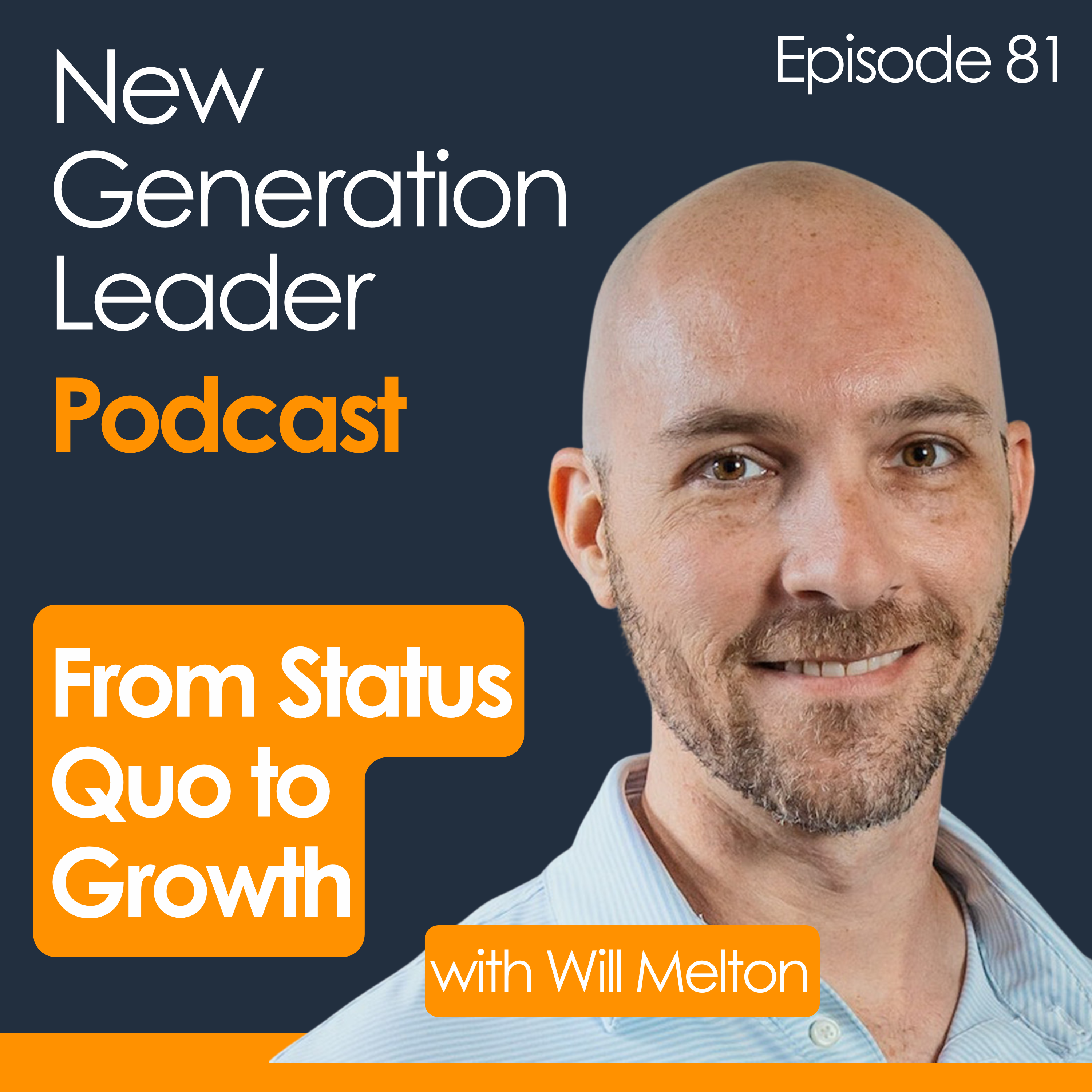
March 5, 2026Episode 8127 min

From Status Quo to Growth: Will Melton on AI, Entrepreneurship, and Building What Richmond Needs

Will didn't set out to become Richmond's leading voice on artificial intelligence. A chance encounter during a Chamber RVA trip to DC, a conversation with Senator Mark Warner fresh off a meeting with Sam Altman, and a community ready for a catalyst moment changed everything. Will shares the origin story of AI Ready RVA and why he believes Richmond is at a turning point. From raking leaves as a kid in a cash-strapped household to buying into a business at age 20, Will has always been wired to build. He opens up about the tension between founding and operating, why great teams matter more than great founders, and what it actually takes to move a status quo business into a growth business. Will's honest take on AI adoption, learning by doing, and finding a buddy to grow alongside makes this a practical, grounding episode for any leader navigating change right now. Resources & Links Exponent 21: exponent21.com AI Ready RVA: [ aireadyrva.com ] Will on LinkedIn: [ linkedin.com/in/willharris ] Leadership Metro Richmond: [ leadershipmetrorichmond.org ] Episode Timestamps 00:21 - How Will became Richmond's AI voice 01:30 - The Chamber RVA DC trip that started it all 02:45 - Why Richmond's poverty rate fueled Will's mission 04:00 - AI Ready RVA: what it is and how it runs 04:41 - How other cities and regions are funding AI hubs 07:35 - Will's entrepreneurial roots and a cash-strapped childhood 09:10 - Why he has always preferred starting over managing 11:20 - Founders who stay too long and the status quo trap 12:21 - Why great teams are the real answer for founders 14:27 - The Tim Ferriss myth and appreciating operational discipline 17:51 - What Will would tell his 20-year-old self 19:54 - Why fear of the unknown only shrinks by doing 21:38 - How the brain shortchanges us from starting 23:34 - Will's one piece of advice for the AI-skeptical: find a buddy 25:36 - On giving yourself permission to quit and try something new

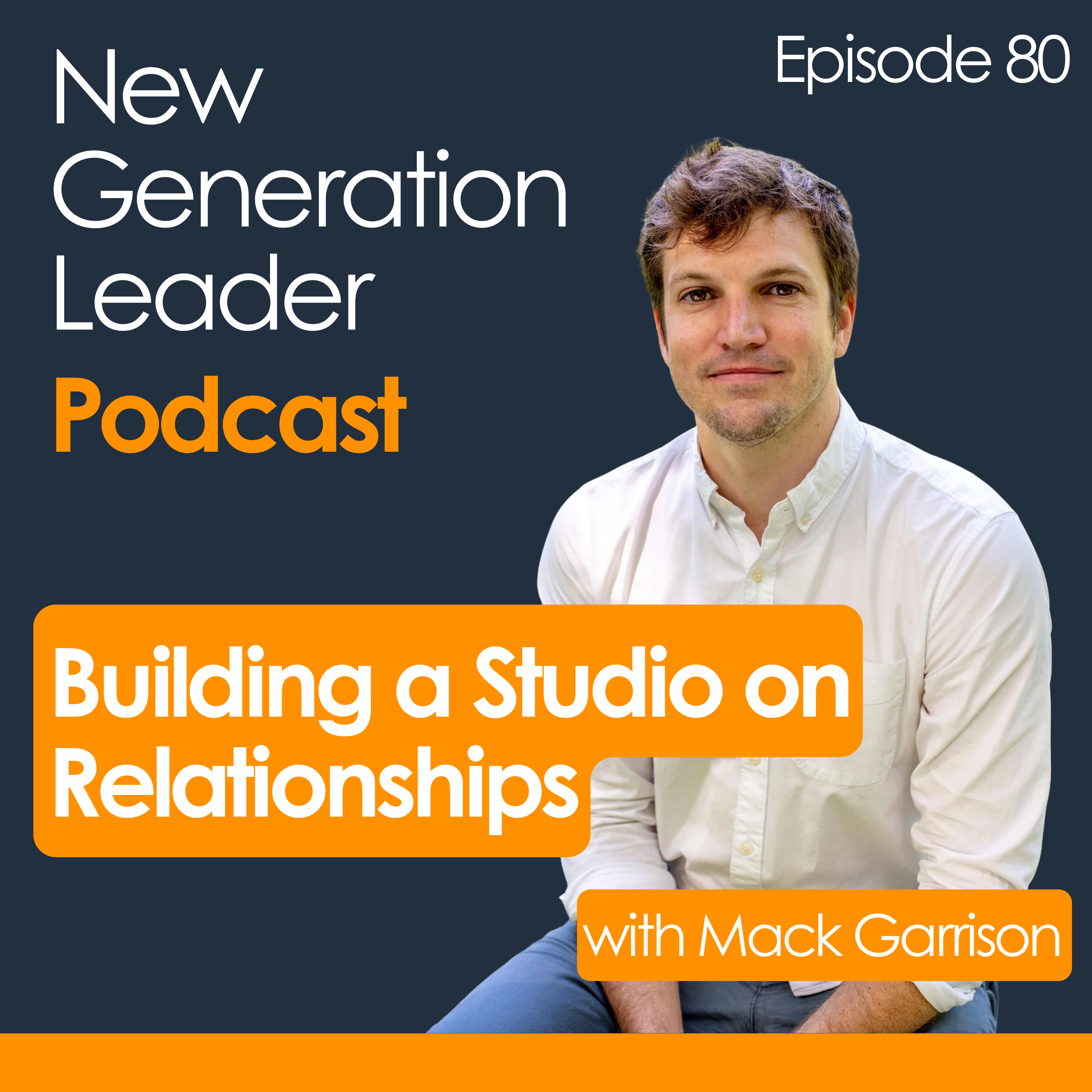
January 21, 2026Episode 8042 min

Building a Studio on Relationships: Mack Garrison on Community, Creativity, and the 84% Rule

Mack Garrison didn't plan to become an entrepreneur. He decided the day before launching Dash Studio. What started as a single CNN project with his co-worker turned into a nearly 10-year journey building one of the leading animation and motion design agencies in the Southeast. Mack shares how Dash Studio has thrived on a foundation of creativity and community. With 84% of their work coming through referrals, he breaks down why relationships matter more than sales tactics. From throwing the annual Dash Bash animation festival in Raleigh to building intentional remote team culture, Mack reveals the systems that keep distributed creative teams connected and productive. The conversation tackles AI's impact on creative work, why supporting your competition pays off, and the research showing givers outperform takers in the long run. Mack offers practical frameworks for leaders navigating change, building networks, and fostering collaboration across departments. Resources Mentioned Dash Studio: https://dashstudio.net Dash Bash Festival (Raleigh, NC): DashBash.net " The Art of Gathering " by Priya Parker Mack on LinkedIn: Mack Garrison Instagram: @dash_nc Key Moments 00:00 - The accidental entrepreneur: deciding to start a business overnight 02:30 - Winning the Riot Games project with impossible deadlines 04:15 - Building on creativity and community as core pillars 08:30 - Remote team rhythms: Monday photos, Tuesday inspiration, monthly recaps 11:20 - Getting the whole team together twice a year 16:00 - How 84% of projects come from referrals and relationships 20:45 - Trial and error in building company culture 24:30 - Where meetings actually begin: the power of intentionality 28:00 - Balancing visionary thinking with operational structure 31:15 - AI won't replace creativity—it will evolve it 35:45 - Leaders should experiment first, then empower teams 40:20 - The future is collaborative: boutique agencies working together 43:30 - Givers vs. takers: the long-term business strategy that wins

January 14, 2026Episode 7949 min

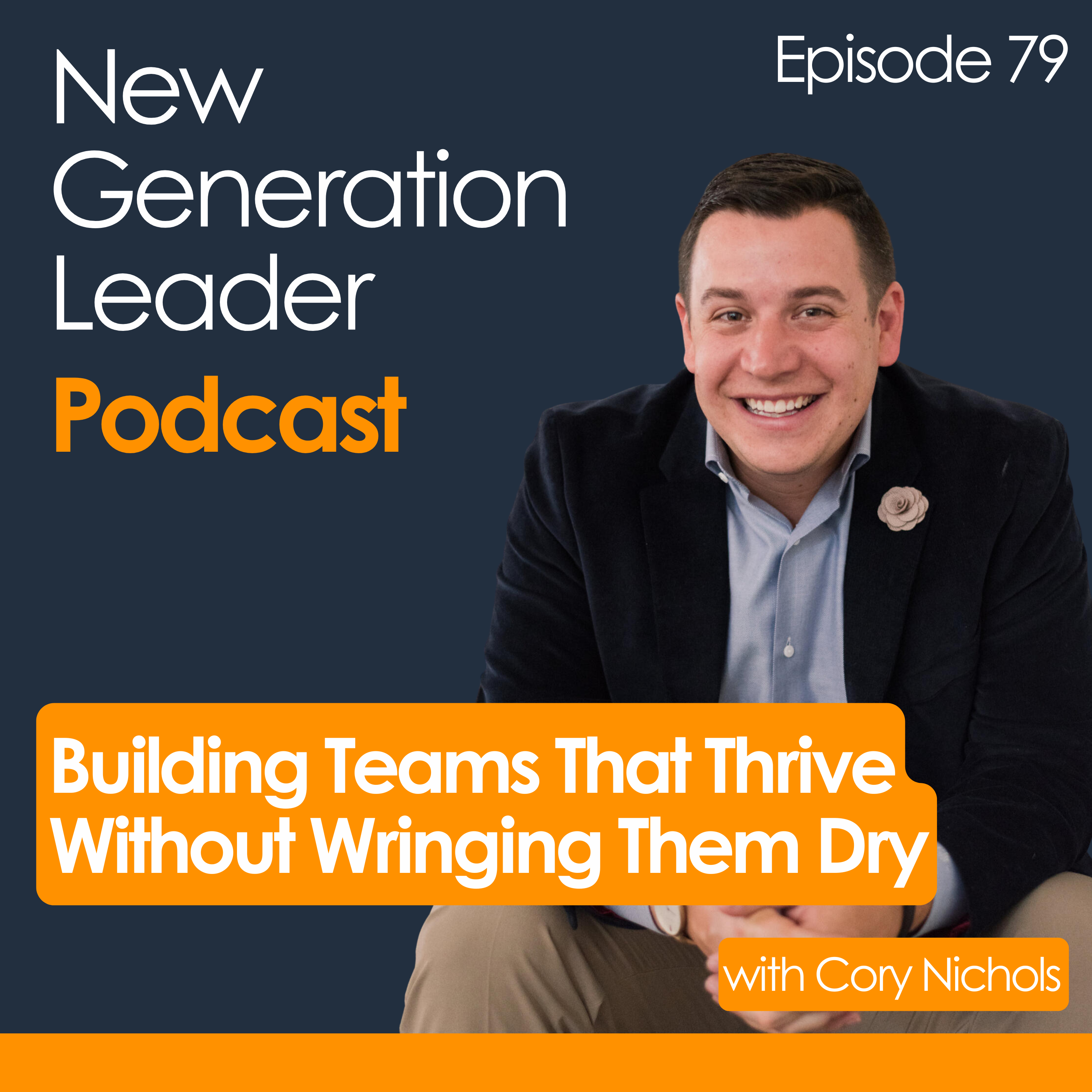
Building Teams That Thrive Without Wringing Them Dry with Cory Nichols

Cory Nichols knows something most leaders miss: the debt stacking up in your organization isn't just financial. As a financial advisor turned entrepreneur, Cory breaks down how avoidance — whether in finances or leadership — creates compounding problems that become harder to solve over time. In this conversation, Cory introduces the concept of "leadership debt" and shares his philosophy on getting people to take action through moments of realization rather than force. He unpacks the critical difference between wringing the sponge (extracting short-term results at the cost of people) versus creating a warm, dry environment where productivity happens naturally. From his firing at a small company to launching his own practice, Cory reveals what he learned about values-driven leadership, the dangers of metrics-only management, and why remembering your team members' kids' names matters more than utilization rates. He also discusses Cash Camp, his financial literacy program teaching kids foundational money skills that most adults still haven't mastered. Resources We Mentioned: Die with Zero (book) Shoe Dog by Phil Knight (book) Cash Camp Financial Literacy Program Connect with Cory Nichols Instagram: @cory__nichols Cash Camp Kids: Available via Cory's Instagram or CashCampKids.com Key Moments: 00:00:22 - Leadership debt vs. financial debt: how avoidance compounds problems 00:03:45 - Creating moments of realization instead of forcing change 00:05:30 - The vital signs approach: tracking income, expenses, and savings rate 00:08:30 - The sponge analogy: wringing profits vs. sustainable growth 00:12:15 - Boeing's "finds a way" value and its unintended consequences 00:15:40 - Human-first leadership: values that prioritize people over metrics 00:18:40 - Taking 60 employees to birthday lunches across Virginia 00:24:50 - Getting fired and the myth of six-figure satisfaction 00:31:20 - Roller coaster investing: managing risk so people don't jump off 00:38:15 - Cash Camp: teaching kids financial skills vs. giving handouts 00:42:30 - Financial anxiety affects everyone, regardless of wealth level 00:46:10 - Vital signs approach: tracking your financial health quarterly 00:48:35 - The 1% annual increase strategy for retirement savings 00:51:20 - Advice to younger self: it's gonna get messy, and that's okay

December 29, 2025Episode 7824 min

What 61 Books Taught Me About Leadership, Sales, and Life

What happens when you stop drifting in your learning—and start paying attention on purpose? In this year-end review episode of The New Generation Leader Podcast , Aaron reflects on one simple but transformative habit: tracking what he read in 2025. What started as a sobering realization — he only read 6 books in all of 2024! — turned into an unexpected journey through 61 books , spanning leadership, sales, culture, memoirs, history, fiction, and everything in between. Read the full list > AaronLee.co/61-books In this episode, Aaron shares: Why he set a bold reading goal (and how it quietly reshaped his mindset) The themes that surprised him most The books that left a lasting imprint How reading outside your comfort zone expands leadership perspective Why slowing down, changing pace, and even reading fiction matters Whether you’re a lifelong reader or someone trying to rediscover the habit, this episode is an invitation to keep learning, stay curious, and enter the new year with a wider lens. Show Outline 00:00 – Year-End Reflection & the Reading Wake-Up Call 03:30 – Setting an Audacious Goal: A Book a Week 08:30 – The System That Made 61 Books Possible 14:30 – Foundational Leadership & Mindset Reads 21:00 – Expanding Perspective Through History & Memoir 28:30 – Brand Stories, Culture & Long-Term Vision 36:30 – The Unexpected Sales Theme of the Year 44:30 – Fiction, Downshifting & Reading for Enjoyment 51:30 – Final Reflections & Looking Ahead Top 5 Books 1. Slow Productivity — Cal Newport 2. Shoe Dog — Phil Knight 3. Love as a Business Strategy — Mohammad Anwar 4. It Takes What It Takes — Trevor Moawad 5. The Barn — Wright Thompson

April 27, 2021Episode 813 min

Why You Need a Coach

What makes a good leader? If it is a person or a goal we are trying to mimic or impersonate, we are not reaching our true potential. 21st century leadership is influence, which is how we coach our people up to unlock their true potential. Consider what it means to have that voice in your life, helping you process how to unlock your own true potential. Because you need your own custom leadership growth journey. Download today's show notes at NewGenerationLeader.com/8

March 8, 2021Episode 12 min

Monday Motivation: Build Your Best Week

It's Monday, ready to crank it out this week? Here's what I'm thinking about today: Tempo, Balance + Focus. Reflect on the three questions, and figure out how to get your week in sync. Time to knock it out of the park this week! Tempo : is my work sustainable, rhythmic, and repeatable? Balance : are my key relationships in sync? Focus : am I keeping the main things the main things?

Is this your show?

Claim this listing to keep it up to date, reach guests who want to pitch you, and manage bookings with Guestify.

Claim this listing

More Business podcasts