Find partners
The Lean Solutions Podcast

The Lean Solutions Podcast

Hosted by Patrick Adams

Episodes

284

Latest episode

Jun 2026

Language

EN

About the show

This podcast offers business solutions to help listeners develop and implement action plans for lean process improvement and implement continuous improvement projects, cost reductions, product quality enhancements, and process effectiveness improvement. Listeners come from many industries in both manufacturing and office applications.

Listen to episodes

60 recent
June 16, 2026Episode 2315 min

The First 90 Days of Lean: What Actually Matters (Part 1)

What You’ll Learn in This Episode:Spotlight Episode!!As we continue revisiting some of the conversations that sparked meaningful discussions, we’re bringing back this episode of the Lean Solutions Podcast with Patrick Adams and Shayne Daughenbaugh.In this conversation, Patrick and Shayne explore what new leaders should focus on when stepping into a Lean journey. Instead of jumping straight into tools and solutions, they discuss the importance of understanding the current state, building relationships, developing people, and creating the right environment for improvement.From creating a model area for experimentation to learning through failure, this episode highlights why successful Lean transformation starts with leadership, trust, and capability building.Key TakeawaysYour Role Determines Your StrategyStart with Listening, Not ImplementingCulture Before ToolsPerspective Changes EverythingLinks:Lean Solutions 2026 SummitLean Solutions Website⁠⁠Click Here For Shayne Daughenbaugh’s LinkedIn⁠⁠⁠⁠Click Here For Patrick Adams’ LinkedIn⁠⁠

June 9, 2026Episode 2230 min

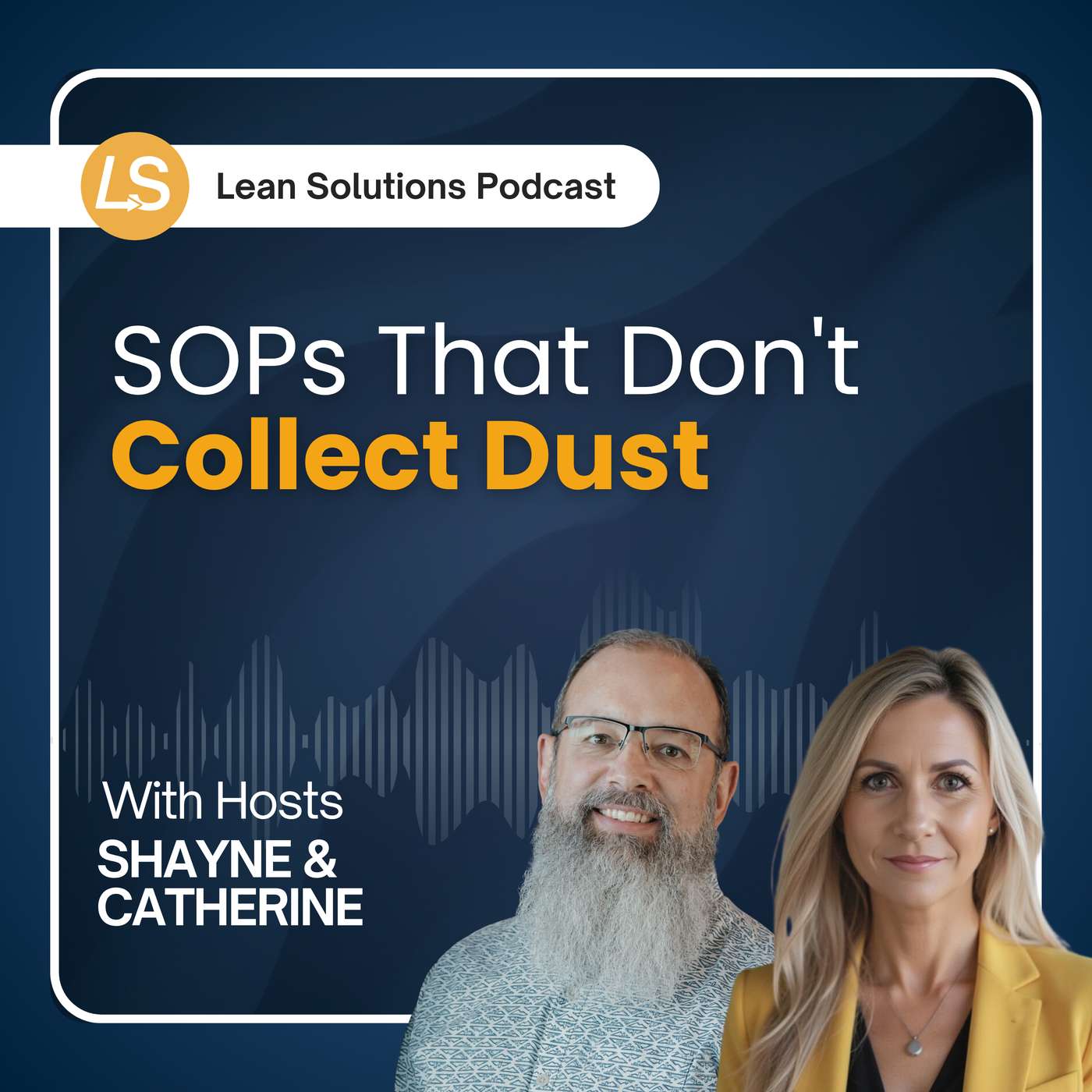
SOPs That Don't Collect Dust

What You'll Learn in This Episode:In this episode, Catherine McDonald and Shayne Daughenbaugh discuss the practical realities of capturing, creating, and deploying Standard Operating Procedures (SOPs) in fast-growing organizations. Drawing from Shayne’s experience leading SOP standardization across multiple locations, they explore how businesses can create consistency while maintaining a human-centered approach.The conversation highlights why SOPs are more than compliance documents. They serve as the foundation for customer experience, employee training, and continuous improvement. Shayne shares a step-by-step framework for identifying priority processes, working with subject matter experts, and leveraging video recordings and AI tools to simplify documentation and accelerate SOP creation.If your organization struggles with inconsistent processes, scattered documentation, or SOPs that nobody uses, this episode offers practical strategies for building documentation that is both useful and sustainable.Key Takeaways:1. SOPs should create consistency across locations to deliver a reliable customer experience.2. Video-based process capture preserves valuable expertise, context, and real-world best practices better than traditional written documentation.3. AI and transcription tools can significantly speed up SOP creation while reducing administrative effort.4. SOPs are most effective when treated as living documents that support continuous improvement, not just compliance or record-keeping.Links: Lean Solutions Summit Lean Solutions Website

June 2, 2026Episode 2141 min

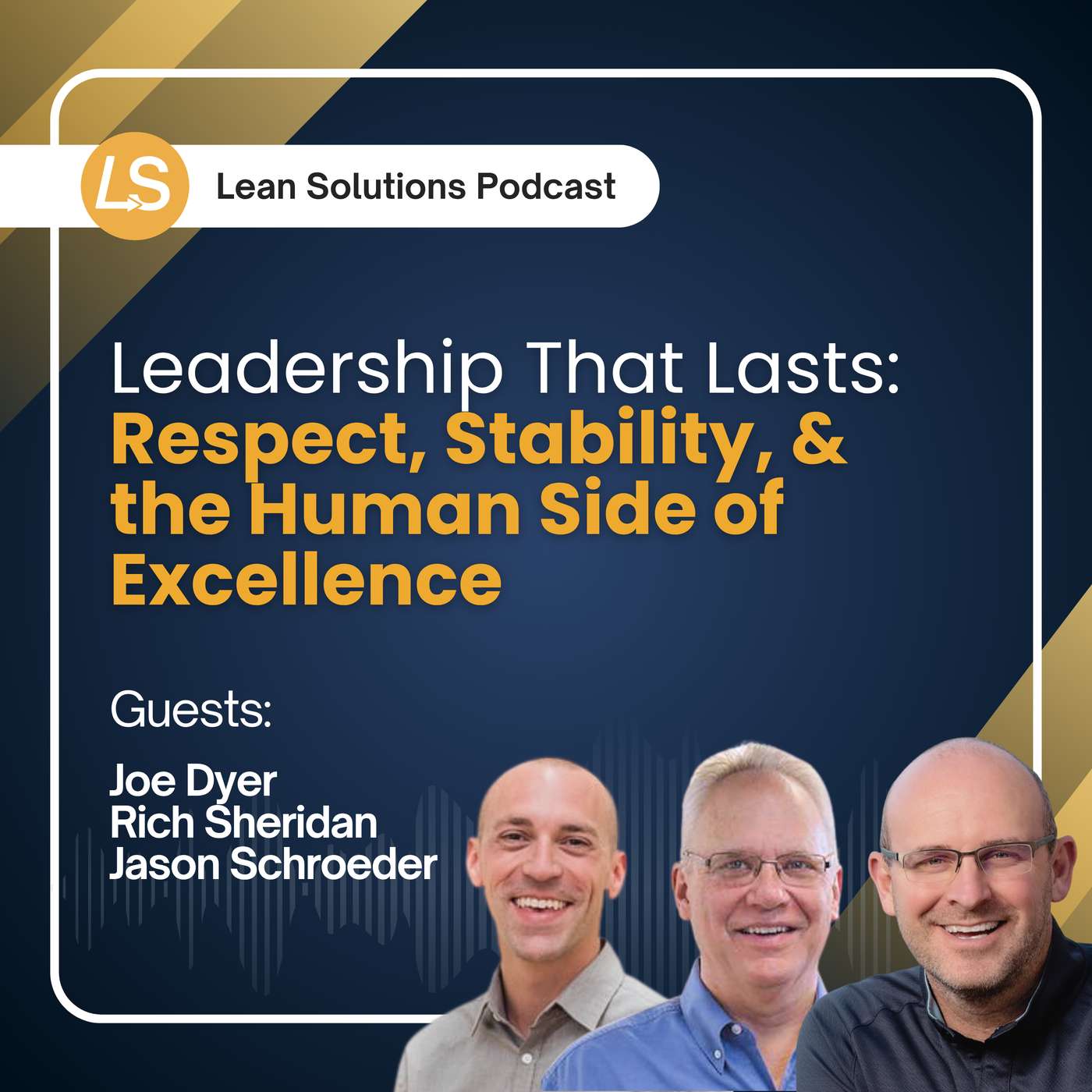
Leadership That Lasts: Respect, Stability, and the Human Side of Excellence

What You’ll Learn in This Episode:In this special Lean Solutions Summit episode, Patrick Adams sits down with keynote speakers Richard Sheridan, Joe Dyer, and Jason Schroeder to discuss the summit theme: Better Together: People Plus Innovation.The conversation explores the growing role of AI, automation, and technology in today's organizations while emphasizing that sustainable success still depends on people, leadership, and culture. Each guest shares their perspective on innovation, explaining why human-centered leadership, respect for people, and continuous learning remain critical regardless of technological advancements.You'll hear insights on creating joyful workplace cultures, developing a stewardship mindset, and building organizations rooted in respect and stability. The speakers also discuss the importance of reducing fear during times of change, preparing future leaders, and creating environments where people can thrive alongside innovation.If you're curious about the future of leadership, Lean thinking, and how organizations can embrace innovation without losing their focus on people, this episode offers a powerful preview of the ideas and conversations that will take center stage at the Lean Solutions Summit.Key Takeaways:1. Innovation should enhance people—not replace them2. Great leadership requires stewardship, humility, and a commitment to developing others3. Respect, stability, and psychological safety are essential foundations for continuous improvement4. The future belongs to organizations that successfully combine technology, innovation, and human-centered leadershipLinks: Lean Solutions Summit Lean Solutions Website

May 26, 2026Episode 2034 min

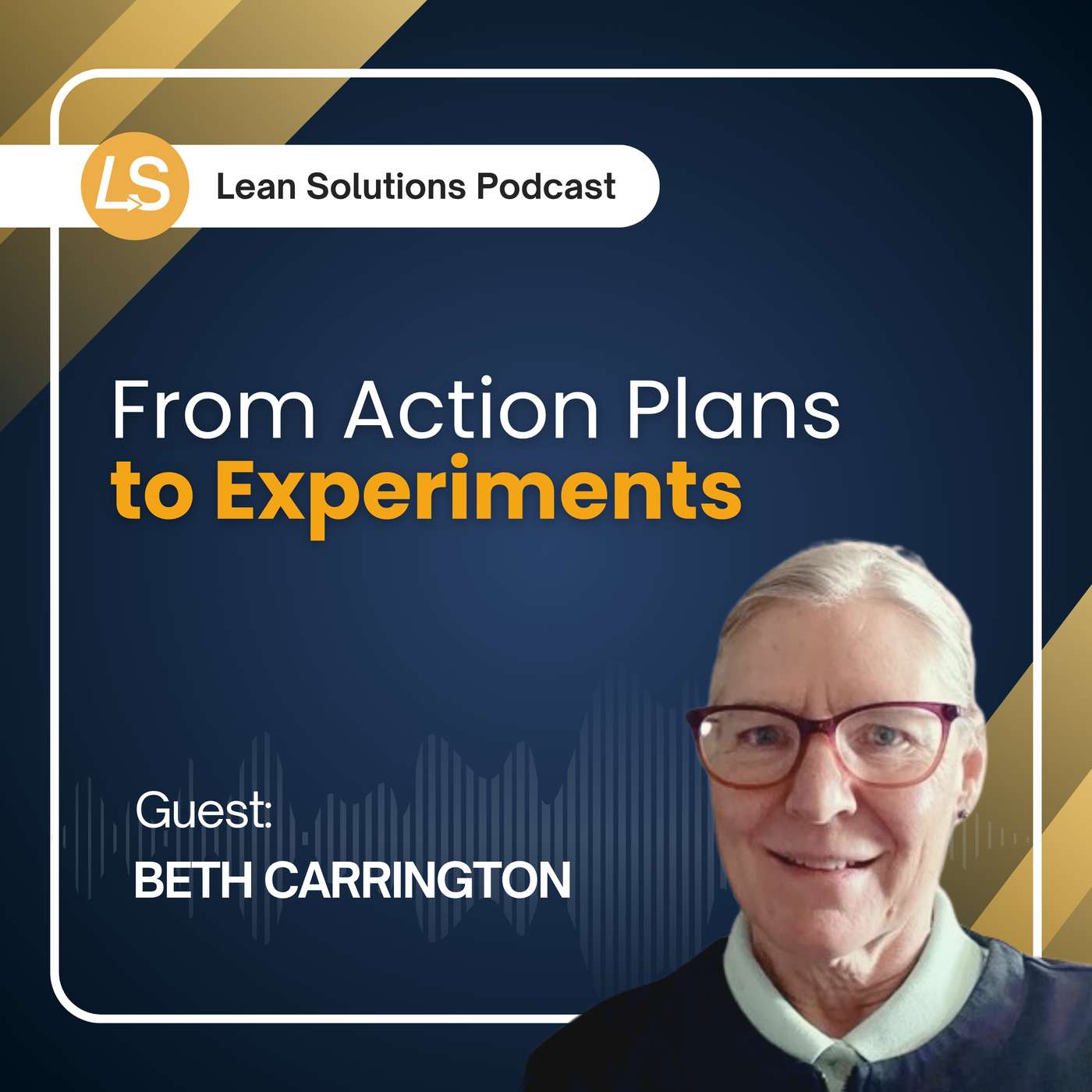
From Action Plans to Experiments

What You’ll Learn in This Episode:In this episode, Patrick Adams welcomes back Beth Carrington to explore the difference between simply executing action plans and developing true scientific thinking through Improvement Kata and Coaching Kata.Beth shares her journey from the automotive industry into Lean transformation work and explains how discovering Toyota Kata fundamentally changed her approach to leadership and continuous improvement. The conversation breaks down why organizations often over-rely on rigid action plans and how experimentation creates better long-term learning and adaptability.You’ll learn how leaders can use simple coaching routines, PDCA cycles, and reflection questions to help teams think more scientifically, solve problems more effectively, and stay focused on outcomes rather than just completing tasks. Beth also explains why AI and emerging technologies make experimentation and scientific thinking even more important in today’s business environment.If you’ve ever struggled with teams becoming too task-focused or wondered how to build a stronger culture of learning and experimentation, this episode provides practical tools and frameworks to help you get started.Key Takeaways:Action plans alone can limit learning and adaptabilityScientific thinking is built through experimentation, reflection, and coachingPsychological safety is essential for teams to admit uncertainty and learnAI and emerging technologies increase the need for experimental thinking and continuous learningLinks:Kata Matters WebsiteBeth Carrington LinkedInLean Solutions Summit Lean Solutions Website

May 19, 2026Episode 1930 min

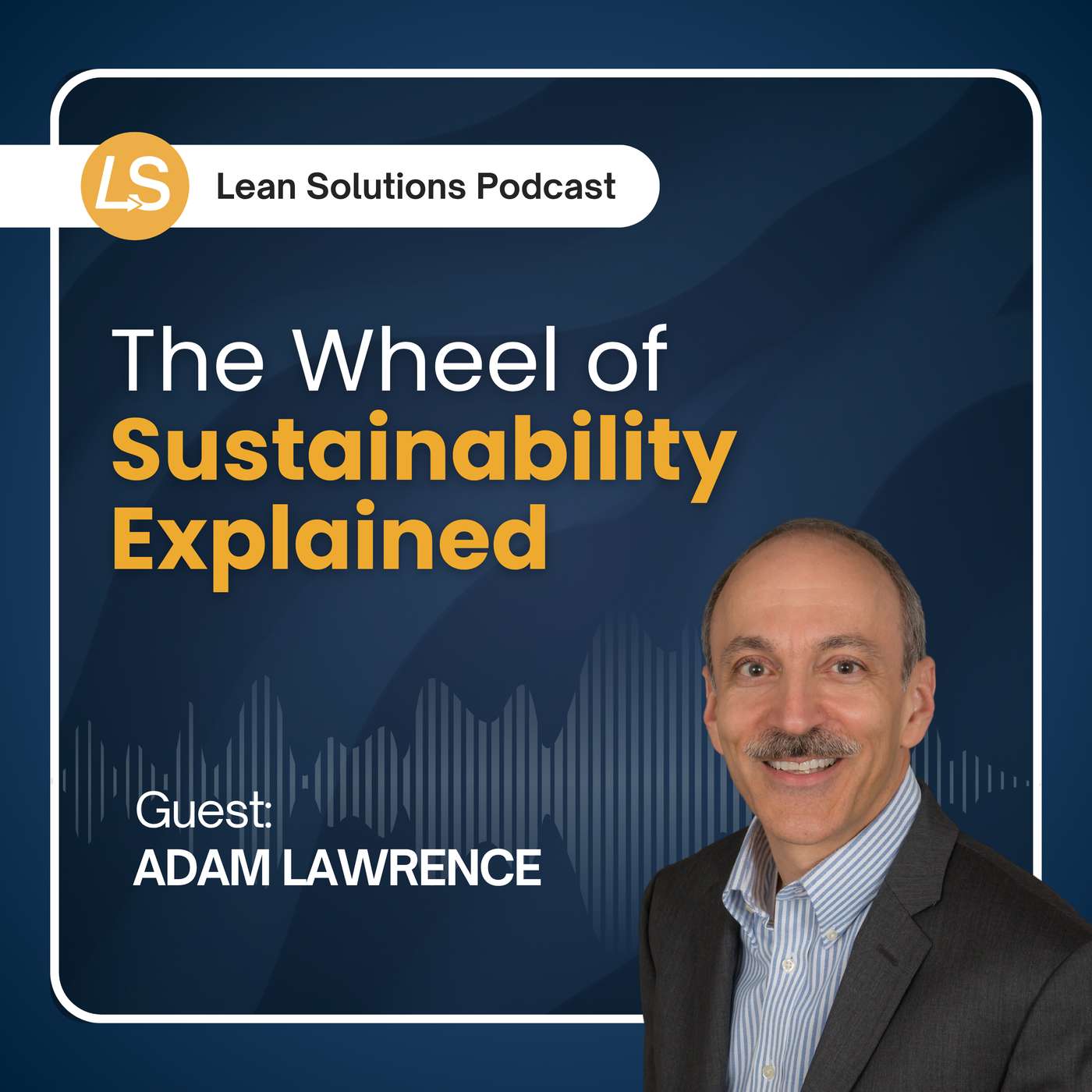
The Wheel of Sustainability Explained

What You’ll Learn in This Episode:In this episode, Andy Olrich sits down with returning guest Adam Lawrence to explore why so many improvement efforts fail to stick and what leaders can do to create lasting, sustainable change.Adam shares the origin story behind his “Wheel of Sustainability” framework and explains why sustainability is ultimately a leadership process, not just a technical one. The conversation dives into the importance of preparation before a Kaizen event, including leadership alignment, clear expectations, strong sponsorship, and creating accountability systems before improvement work even begins.You’ll also learn practical ways to strengthen sustainability after an event through audits, visuals, standard work, Gemba walks, and leadership engagement. Adam and Andy discuss why culture, trust, and respect for people are just as important as financial results—and how the true test of success is when employees start asking, “When can you come help my area next?”If you’ve ever struggled with improvements fading over time or leaders failing to stay engaged after an event, this episode provides a practical roadmap for building improvements that last.Key Takeaways:Sustainable improvement starts with leadership commitment and preparationKaizen events fail when leaders don’t stay visibly engaged before, during, and after the workAudits, visuals, standard work, and accountability systems help improvements stickThe strongest sign of success is when teams ask for more improvement work in their own areasLinks:Adam Lawrence LinkedInPI PartnersThe Wheel of SustainabilityLean Solutions Summit Lean Solutions Website

May 12, 2026Episode 1834 min

Unlocking Potential on the Frontline

What You’ll Learn in This Episode:In this episode, Shayne Daughenbaugh and Catherine McDonald sit down with leadership strategist and Army veteran Jonathan Pride to explore the SOAR mindset. A leadership framework built around storytelling, ownership, abundance, and resilience.Jonathan shares how leaders can move beyond compliance-driven management and develop teams through coaching, curiosity, and intentional conversations. The discussion highlights why storytelling is one of the most overlooked leadership tools and how leaders can use their lived experiences to build trust, connection, and influence.You’ll also learn how practical habits like asking better questions, using the “three whys,” and starting each day with intentional praise can create stronger teams and more empowered problem solvers. The conversation emphasizes that leadership development starts internally through self-awareness, mindset, and personal growth, before it ever impacts others.If you’ve ever wondered how to become a more authentic, resilient, and people-centered leader, this episode offers a practical framework to help you start. Key Takeaways:Great leadership starts with owning your story and lived experiencesCoaching and curiosity develop better problem solvers than control and complianceSmall mindset shifts and micro habits can create meaningful leadership growthIntentional praise helps leaders build resilience, perspective, and an abundance mindsetLinks:Click Here for Jonathan Pride's LinkedInThe SOAR Mindset Website Lean Solutions Summit Lean Solutions Website

May 5, 2026Episode 1739 min

Hidden Costs are Killing Margins

What You’ll Learn in This Episode:In this episode, Patrick Adams, Catherine McDonald, Shayne Daughenbaugh, and Andy Olrich unpack the hidden costs that quietly erode margins, and why most organizations don’t see them coming.You’ll learn how these costs often live outside traditional financial statements, showing up instead as rework, inefficiencies, poor handoffs, and constant interruptions like “hot jobs.” The team shares real-world examples of how these hidden issues build up over time and significantly impact performance.The conversation highlights practical ways to uncover these costs, including going to the gemba, mapping processes, making data visible, and engaging teams through consistent one-on-one conversations. They also emphasize the role of leadership in either allowing waste to continue through workarounds or actively eliminating it by creating clarity, standards, and accountability.If you’ve ever looked at your financials and wondered where the margin is going, this episode gives you a clear and actionable approach to finding and fixing the leaks.Key Takeaways:Hidden costs don’t show up on financials—but they directly impact marginsRework, poor flow, and “hot jobs” are major sources of cost leakageVisibility through data, process mapping, and GEMBA is key to uncovering issuesLeadership behavior determines whether waste is allowed or eliminatedLinks:Lean Summit | FindleansolutionsLean Solutions | Find Your Lean Solution TODAY!

April 28, 2026Episode 1632 min

Gemba for Beginners: Why Leaders Need to Go See the Work

What You’ll Learn in This Episode:In this episode, Patrick Adams and Shayne Daughenbaugh break down the true meaning of GEMBA and why it’s a foundational practice in Lean leadership.You’ll learn how going to the “real place” helps leaders move beyond assumptions and understand what’s actually happening in their processes. The conversation highlights why many leaders avoid the gemba. Often due to fear, ego, or lack of clarity. Also, how shifting to a mindset of curiosity, humility, and vulnerability can change everything.They also explore how to approach GEMBA in both manufacturing and knowledge work environments, emphasizing the importance of building trust, creating psychological safety, and following up on what you hear.If you’ve ever struggled to connect with your team, understand your processes, or drive meaningful improvement, this episode gives you a simple, practical way to start.Key Takeaways:GEMBA is about understanding reality—not relying on assumptionsLeaders should approach the gemba with curiosity, not judgmentTrust is built through consistency, follow-up, and psychological safetyStart small—pick one process, observe, listen, and learn before actingLinks: Lean Solutions SummitLean Solutions Website

April 21, 2026Episode 1529 min

Better Behaviors, Better Outcomes: How Leaders Drive Change

What You’ll Learn in This Episode:In this episode, Patrick Adams sits down with Cindy Darnell to explore how behavioral assessments like DISC can transform leadership, communication, and team performance.You’ll learn how understanding personality styles helps leaders adapt their communication, reduce conflict, and build stronger relationships across teams. Cindy shares practical examples of how small shifts, like adjusting your level of detail or getting straight to the point, can dramatically improve collaboration and outcomes.The conversation also highlights the importance of self-awareness, recognizing strengths over weaknesses, and understanding that behavior is often influenced by unseen factors. Leaders who take the time to understand both themselves and others are better equipped to drive engagement and continuous improvement.If you’ve ever struggled with communication challenges or wondered how to better connect with different personalities on your team, this episode provides a practical and insightful starting point.Key Takeaways:Self-awareness is the foundation of effective leadership and communicationAdapting your communication style improves collaboration and resultsThere is no “right” personality—diverse styles strengthen teamsFocus on strengths, not just weaknesses, to unlock better performanceLinks: Lean Solutions SummitLean Solutions Website Cindy Darnell's LinkedIn

April 14, 2026Episode 1429 min

The 10-Minute Improvement

What You’ll Learn in This Episode:In this episode, Catherine McDonald and Shayne Daughenbaugh explore the power of small, everyday improvements. What they call the “10-minute improvement.”Instead of focusing only on large-scale Lean projects, they break down how organizations can unlock hidden opportunities by addressing small frustrations, workarounds, and communication gaps that often go unnoticed.You’ll learn how to identify these opportunities, uncover root causes, and create a culture where employees feel empowered to take action. The conversation also highlights the critical role of leadership in fostering psychological safety and encouraging reflection, communication, and continuous improvement at every level.If your organization struggles to move beyond big initiatives or overlooks the small issues that slow teams down, this episode offers a simple, practical framework to start making meaningful progress today.Key Takeaways:Small improvements often create the biggest impact over timeWorkarounds hide problems—don’t ignore them, fix themWhat you tolerate becomes your process standardCommunication and psychological safety are essential for continuous improvementLinks:Lean Solutions 2026 SummitLean Solutions Website

Is this your show?

Claim this listing to keep it up to date, reach guests who want to pitch you, and manage bookings with Guestify.

Claim this listing

More Business podcasts