The John Batchelor Show is a hard news-analysis radio program on current events, world history, global politics and natural sciences. Based in New York City for two decades, the show has travelled widely to report, from the Middle East to the South Caucasus to the Arabian Peninsula and East Asia.
Listen to episodes
40 recent
June 16, 2026Episode 10173 min
S8 Ep1017: Preview for Later Today: Thaddeus McCotter and John Batchelor discuss the uncertainties of the Trump administration's Iran policy, questioning the efficacy of military force, the potential for a controversial US sovereign wealth fund, and the regime's con
Preview for Later Today: Thaddeus McCotter and John Batchelor discuss the uncertainties of the Trumpadministration's Iran policy, questioning the efficacy of military force, the potential for a controversial US sovereign wealth fund, and the regime's continued global terrorism.1721
June 16, 2026Episode 10171 min
S8 Ep1017: Preview for Later Today: Liz Peek explains why Europe lacks major tech breakthroughs like SpaceX or AI, citing high energy costs driven by influential green parties and a transition to uncompetitive renewable energy that deters modern data centers.
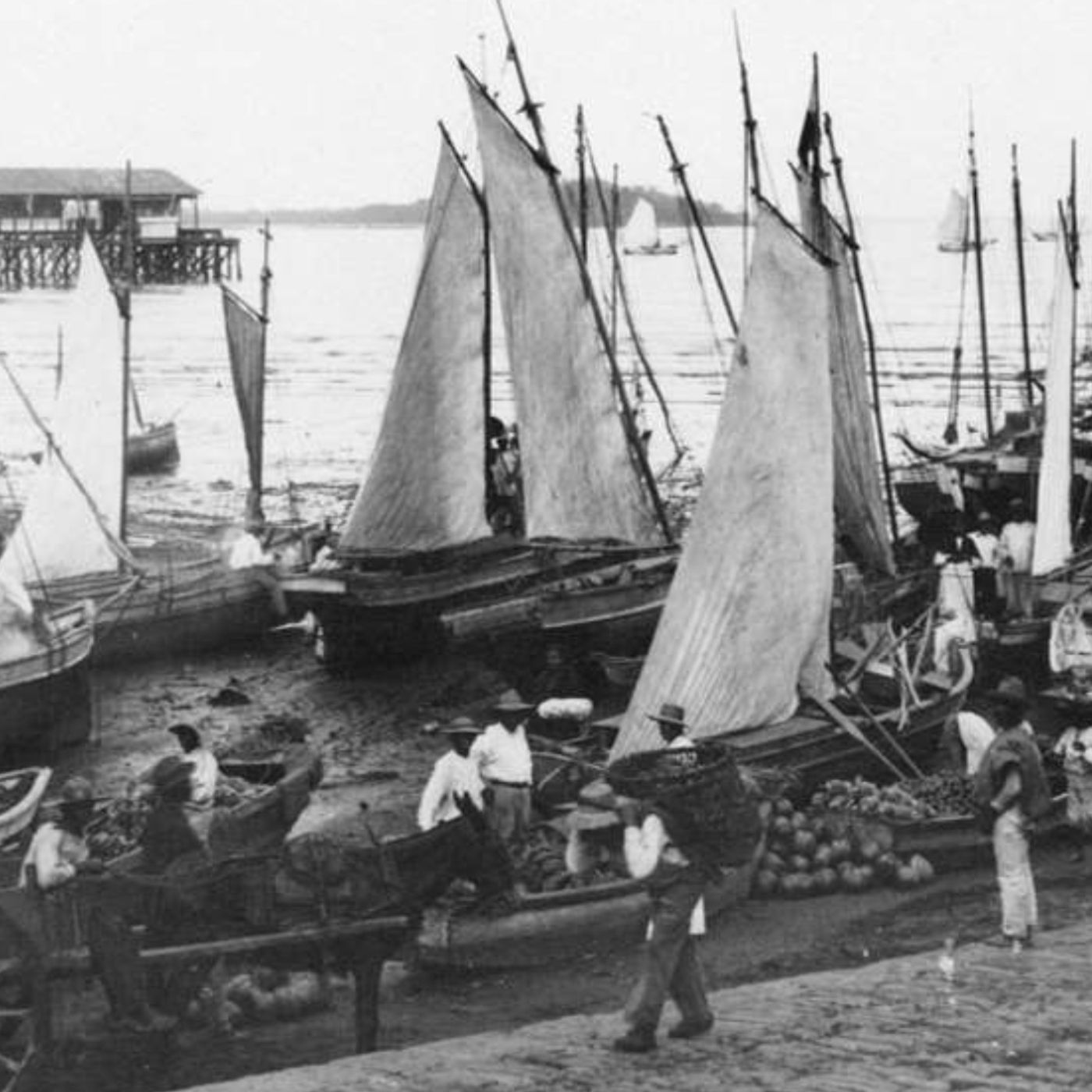
Preview for Later Today: Liz Peek explains why Europe lacks major tech breakthroughs like SpaceX or AI, citing high energy costs driven by influential green parties and a transition to uncompetitive renewable energy that deters modern data centers.1898 BRUSSELS
June 16, 2026Episode 10170 min
S8 Ep1017: Preview for Later Today: Jonathan Schanzer warns against trusting Qatar, despite its frequent role as a negotiator for peace with groups like Hamas, the Taliban, and Iran, arguing the Gulf nation remains a highly problematic and untrustworthy actor.
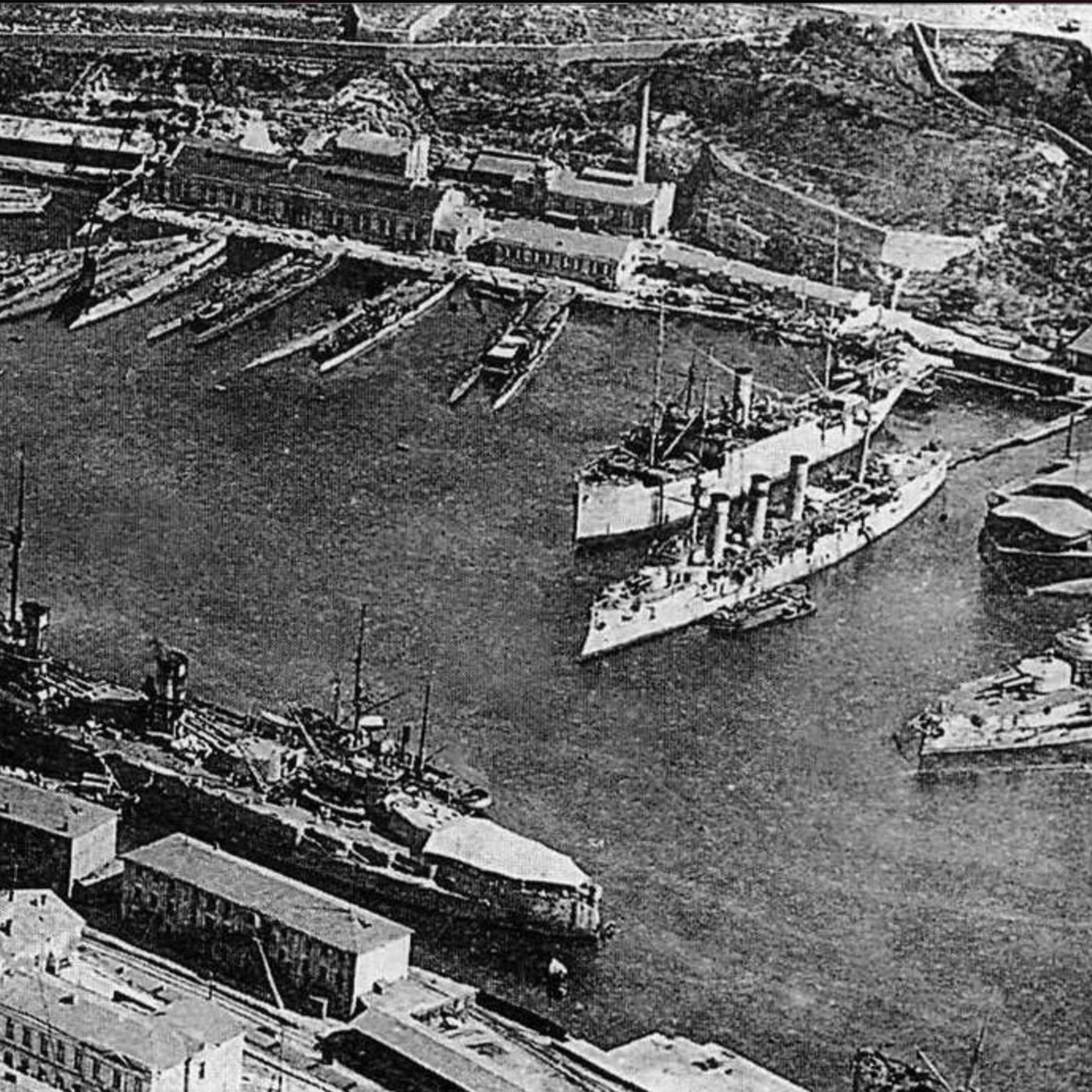
Preview for Later Today: Jonathan Schanzer warns against trusting Qatar, despite its frequent role as a negotiator for peace with groups like Hamas, the Taliban, and Iran, arguing the Gulf nation remains a highly problematic and untrustworthy actor.1904
June 16, 2026Episode 10171 min
S8 Ep1017: Preview for Later Today: Joseph Sternberg discusses Social Security's financial insolvency, noting that past surpluses were spent by politicians. He critiques the rejection of private accounts and warns that a government-run trust fund would create proble
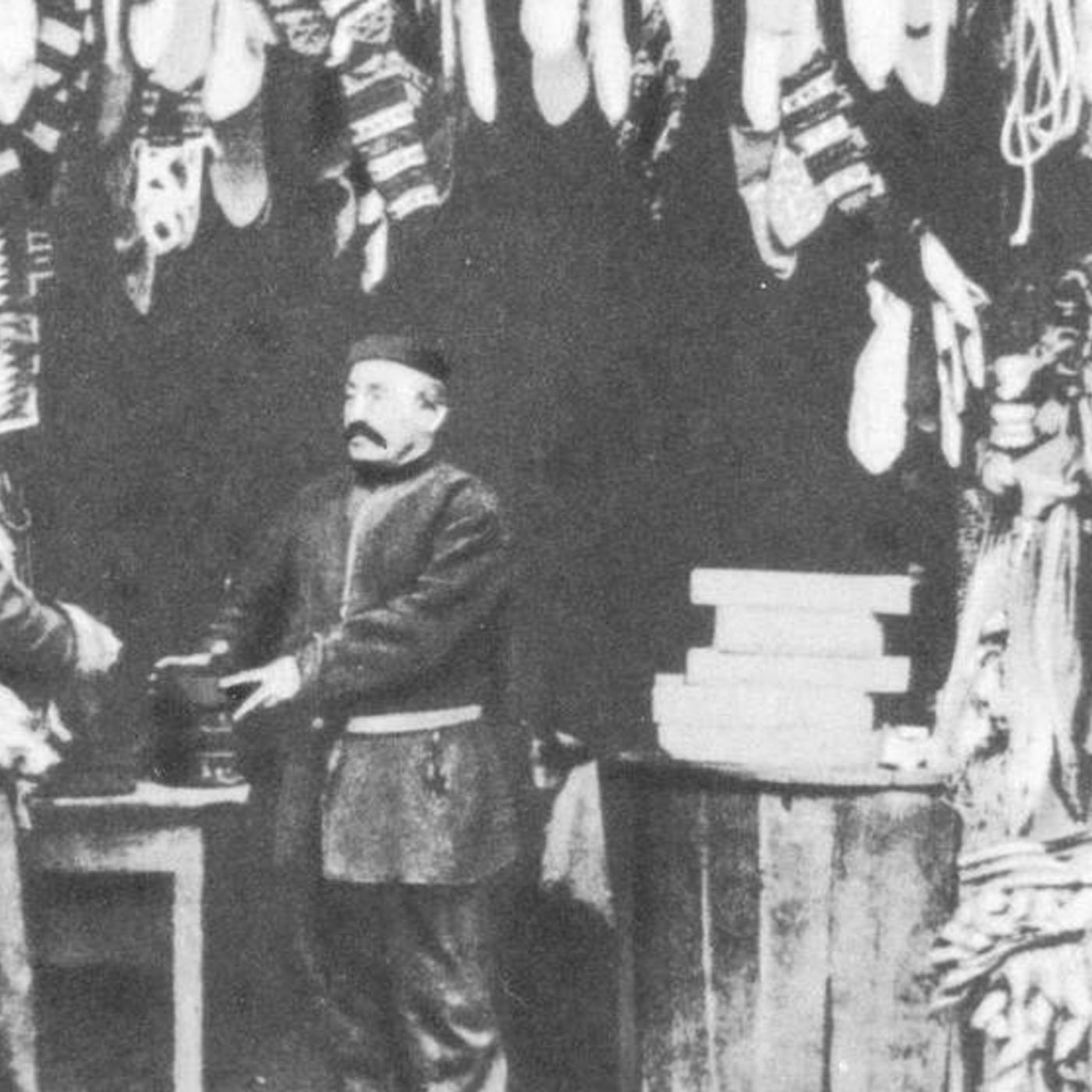
Preview for Later Today: Joseph Sternberg discusses Social Security's financial insolvency, noting that past surpluses were spent by politicians. He critiques the rejection of private accounts and warns that a government-run trust fund would create problematic sovereign power.1941
June 16, 2026Episode 10171 min
S8 Ep1017: Preview for Later Today: Andrea Stricker highlights the risks of nuclear facilities in combat zones, detailing attacks near Iran's Bushehr plant and Iran's own projectiles hitting the UAE's reactor, exposing regional hypocrisy regarding nuclear safety and
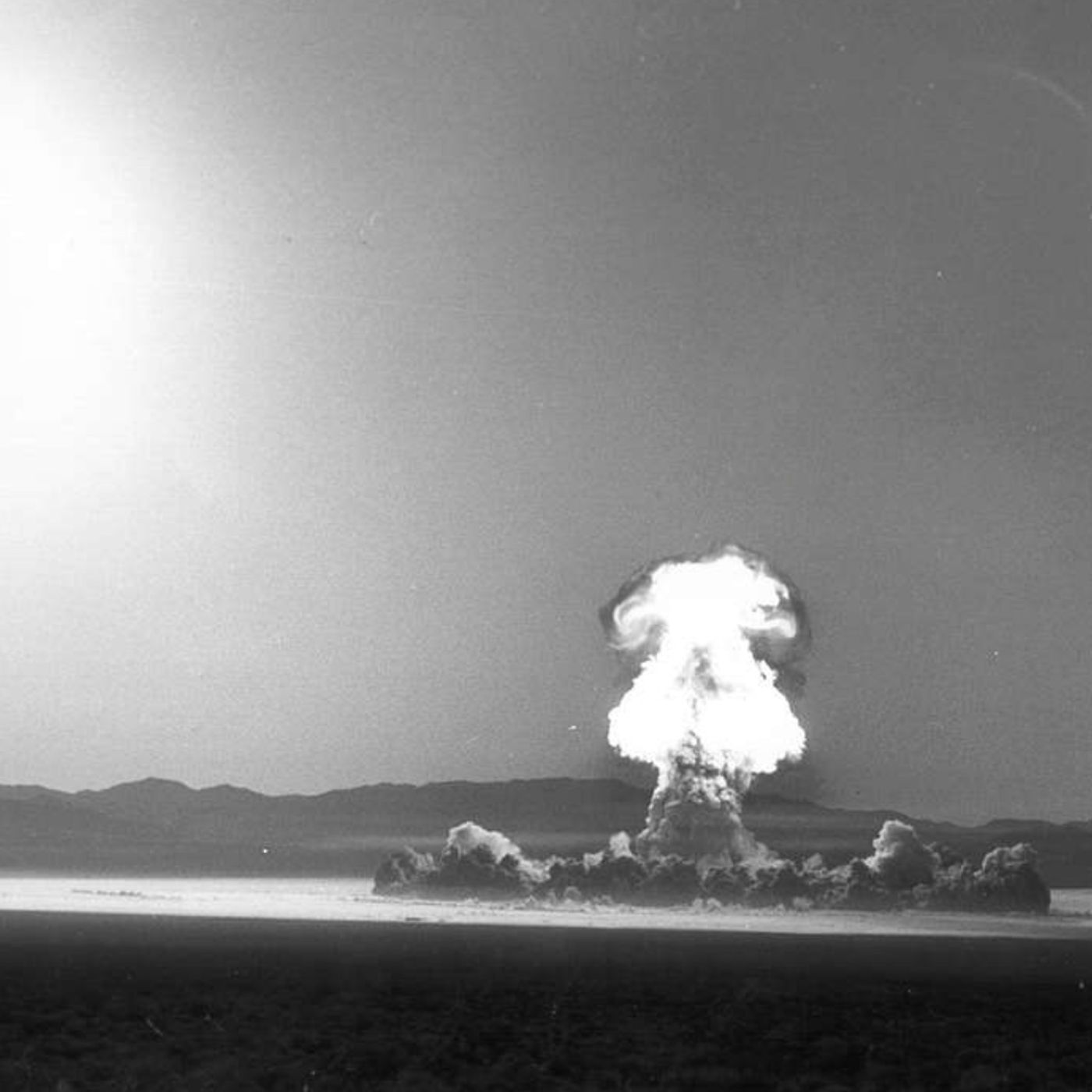
Preview for Later Today: Andrea Stricker highlights the risks of nuclear facilities in combat zones, detailing attacks near Iran's Bushehr plant and Iran's own projectiles hitting the UAE's reactor, exposing regional hypocrisy regarding nuclear safety and global proliferation.1920 BUSHEHR
June 16, 2026Episode 10172 min
S8 Ep1017: Preview for Later Today: Professor John Yoo explores the Peloponnesian War between Sparta and Athens, drawing parallels between Pericles' naval strategy and Churchill's WWII tactics, while reflecting on the ultimate disappearance of Sparta versus the endu
Preview for Later Today: Professor John Yoo explores the Peloponnesian War between Sparta and Athens, drawing parallels between Pericles' naval strategy and Churchill's WWII tactics, while reflecting on the ultimate disappearance of Sparta versus the endurance of Athens.ATHENS
June 16, 2026Episode 10166 min
S8 Ep1016: SCHEDULE JBS, 6-15-2026
SCHEDULE JBS, 6-15-20262006 MOLDOVABill Roggio discusses a rumored memorandum of understanding between Washington and Tehran. Roggio expresses skepticism, noting that while the Strait of Hormuz may reopen, the deal fails to address Iran's nuclear program or its support for regional proxies like Hezbollah. (1)Bill Roggio highlights that the ceasefire is a return to the status quo from February. He argues that the military was restrained from finishing the job and doubts the Iranian people's willingness to overthrow the regime. Meanwhile, Hezbollah remains active in southern Lebanon. (2)Ernesto Araújo and Alejandro Peña Esclusa report that in Peru, Keiko Fujimori leads the presidential race, signaling a "blue wave" against narco-socialism. This shift reinforces regional efforts like the Shield of the Americas. Meanwhile, Bolivia faces a "slow-motion coup" by narco-terrorists, which Brazilian President Lula da Silva has largely ignored. (3)Ernesto Araújo and Alejandro Peña Esclusa describe how U.S. forces killed drug lord "El Niño Guerrero" with a drone strike inside Venezuela, signaling a transition and military cooperation against the Tren de Aragua cartel. This action pressures regional leaders and criminal gangs, potentially leading to pro-democratic elections and increased American investment. (4)Bill Roggio warns that Sunni jihadists remain a background threat while the West focuses on Iran. Groups like al-Qaedaand ISIS are gaining ground in Africa and Afghanistan, aiming to establish emirates. Pakistan also faces instability as the Taliban provides safe havens for militants. (5)Ahmad Sharawi discusses President Trump's suggestion of using the Syrian army to conduct strikes against Hezbollahin eastern Lebanon. This "creative solution" aims to disarm the proxy without using the IDF. However, experts warn this could cause a "rally around the flag" effect and increase sectarian tensions. (6)Piero Tozzi and Gordon Chang discuss KMT official Jen Wen, who visited the U.S. to bolster her credentials but faced criticism for meeting individuals linked to the Communist Party. The visit highlighted debates over drone supply chains, as the U.S. encourages "non-red" technology to counter Chinese influence. (7)Fraser Howie and Gordon Chang describe the Iran deal as a "repackaging of failure" and a humiliation for America. Markets are experiencing a relief rally due to AI and stabilizing oil prices, but fail to price in geopolitical damage. Allies now view the U.S. as an unreliable partner. (8)John Hardie reports that Russia launched a massive barrage of 70 missiles and 600 drones against Kyiv, damaging a historic monastery. Simultaneously, Ukraine is conducting a "logistics lockdown" campaign to isolate Crimea by striking fuel convoys and bridges. Despite Russian gains near Kostiantynivka, Ukraine's manpower reforms are improving battlefield stability. (9)John Hardie notes that Jared Kushner and U.S. envoys have frequently visited Moscow to negotiate an end to the Ukraine conflict. Putin uses phone calls to flatter Trump and promote the idea that Russia is dominating the battlefield. The administration pressures Ukraine to concede Donbas, despite the military defense holding. (10)David Daoud explains that reports of an upcoming memo of understanding between the U.S. and Iran are contradicted by Israel's refusal to leave Lebanon. Iran aims to save Hezbollah, its most critical asset, while the U.S. seeks a modus vivendi with the regime at almost any cost. (11)David Daoud describes a ceasefire deal requiring Hezbollah to withdraw north of the Litani River as "magical thinking" since the fighters are locals. While the IDF faces manpower limitations, Washington continues to pressure Prime Minister Netanyahu to accept a withdrawal regardless of Israeli security concerns. (12)Bridget Toomey notes that despite the U.S.-Iran memo of understanding, the Houthis remain a threat, recently firing a drone at Eilat. The group maintains autonomy and does not feel bound by ceasefires. They continue to ban Israelimaritime navigation in the Red Sea, aiming for economic and psychological damage. (13)Samuel Ben-Ur explains that the IDF controls 64% of Gaza, but Hamas remains in control of the remaining civilian population through torture and executions. The group refuses to disarm, as their existence is predicated on destroying Israel. Despite the elimination of top leaders, the organization's decentralized structure allows survival. (14)Edmund Fitton-Brown explains that a memorandum of understanding is expected to be signed in Geneva, focusing on freedom of navigation in the Strait of Hormuz. The deal includes a 60-day ceasefire but leaves critical issues like the nuclear file for later. Skeptics warn of secret annexes and deceptive Iranian propaganda. (15)Edmund Fitton-Brown notes that Russia and China view a ceasefire as beneficial for weakening U.S. influence and entrenching Iranian power. Experts argue the Islamic Republic will never negotiate away its revolutionary pillars, including its militias and nuclear shield. The deal provides a rest period for Iran to rearm for future assaults. (16)Three name corrections:
John Hardy → John Hardie (9, 10)
Bridget Tumi → Bridget Toomey (13)
Samuel Bener → Samuel Ben-Ur (14)
June 16, 2026Episode 101519 min
S8 Ep1015: STREAMING MAKING OF THE JBS, FEAATURING BILL ROGGIO, 6-15-2026.
STREAMING MAKING OF THE JBS, FEAATURING BILL ROGGIO, 6-15-2026.1800 YEMENIn this recorded discussion, John Batchelor and Bill Roggio analyze an unconfirmed and opaque peace deal between the United States and Iran. The speakers express significant skepticism regarding the agreement, noting that a lack of documentation makes it difficult to verify if a true cessation of hostilities has occurred. Roggio argues that the conflict is far from over because the deal fails to address Iran's nuclear program or its extensive network of regional proxies. The conversation highlights ongoing instability, emphasizing that Hezbollah remains active in Lebanon and the Houthiscontinue to pose a threat in Yemen. Ultimately, the sources suggest that returning to the status quo allows a degraded but undefeated Iranian regime to rearm and maintain its influence. The dialogue concludes by questioning whether the United States has overlooked the persistent threat of Sunni jihadist groups while focusing on this precarious diplomatic maneuver.Two small fixes: Bachelor → Batchelor (standard spelling of your surname) and "Houthiscontinue" → "Houthis continue" (run-together).
June 16, 2026Episode 10145 min
S8 Ep1014: Edmund Fitton-Brown notes that Russia and China view a ceasefire as beneficial for weakening U.S. influence and entrenching Iranian power. Experts argue the Islamic Republic will never negotiate away its revolutionary pillars, including its militias and
Edmund Fitton-Brown notes that Russia and China view a ceasefire as beneficial for weakening U.S. influence and entrenching Iranian power. Experts argue the Islamic Republic will never negotiate away its revolutionary pillars, including its militias and nuclear shield. The deal provides a rest period for Iran to rearm for future assaults. (16)
June 16, 2026Episode 101414 min
S8 Ep1014: Edmund Fitton-Brown explains that a memorandum of understanding is expected to be signed in Geneva, focusing on freedom of navigation in the Strait of Hormuz. The deal includes a 60-day ceasefire but leaves critical issues like the nuclear file for later.
Edmund Fitton-Brown explains that a memorandum of understanding is expected to be signed in Geneva, focusing on freedom of navigation in the Strait of Hormuz. The deal includes a 60-day ceasefire but leaves critical issues like the nuclear file for later. Skeptics warn of secret annexes and deceptive Iranian propaganda. (15)1903 TEHRAN
Is this your show?
Claim this listing to keep it up to date, reach guests who want to pitch you, and manage bookings with Guestify.