
Find partners
The Heart of Healthcare | A Digital Health Podcast

The Heart of Healthcare | A Digital Health Podcast

Hosted by Massively Better Healthcare

Episodes

246

Latest episode

Oct 2026

Language

EN

About the show

🏆 2026 Webby Award-winning podcast. Join us every Monday for conversations with the biggest names in healthcare. Hosted by health tech veterans Halle Tecco, Michael Esquivel, and Steve Kraus. Learn more and submit your ideas for the show at the Heart of Healthcare website. ]]>

Listen to episodes

60 recent
October 26, 202632 min

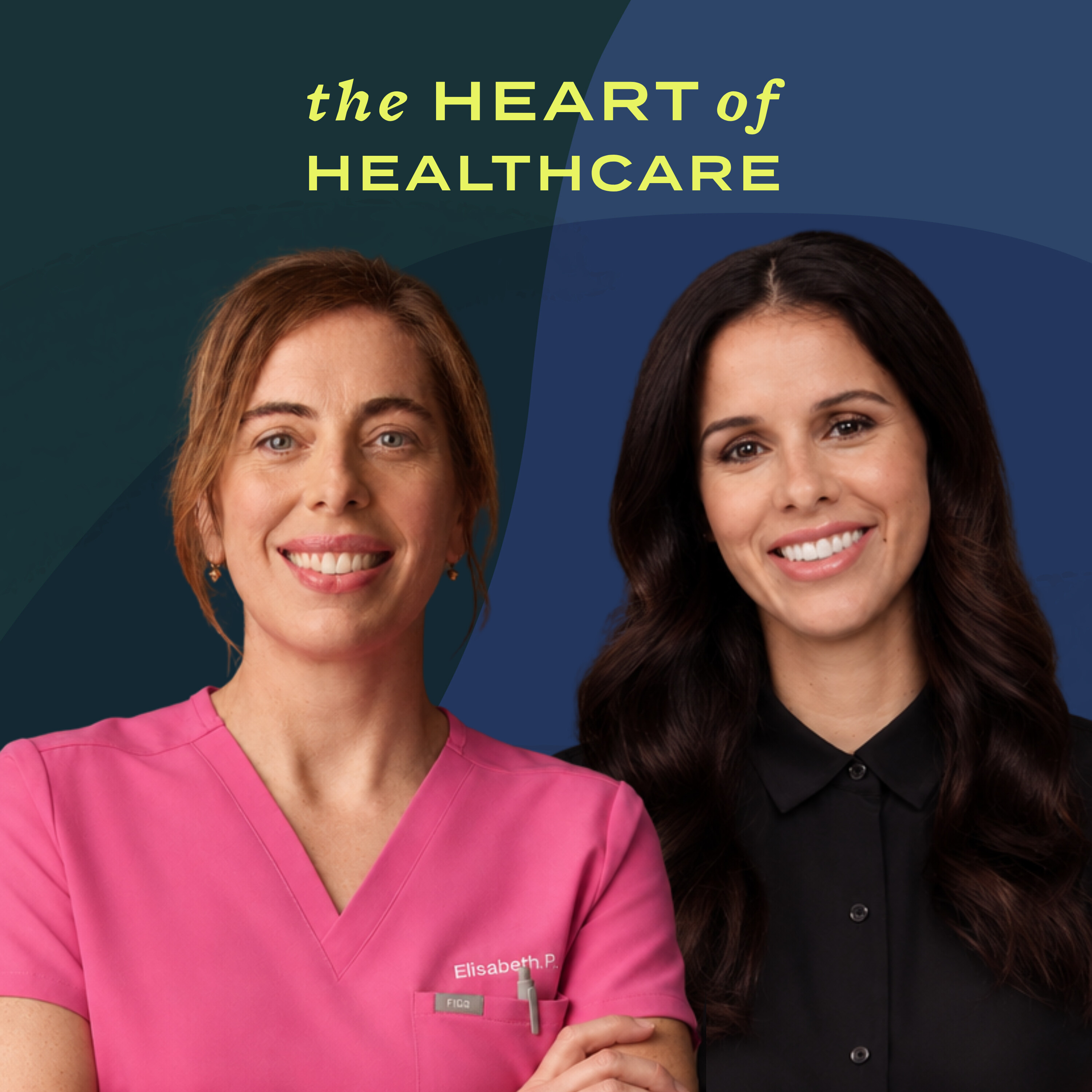
How to Fight Back Against a Broken Healthcare System | Dr. Elisabeth Potter & Trina Spear

Speaking out against the healthcare system can cost you your job, your reputation, or even your business. So why do it? This week, Halle sits down with FIGS co-founder and CEO Trina Spear and Dr. Elisabeth Potter, the plastic surgeon who went viral after an insurance rep interrupted her during a breast cancer surgery to question the patient's hospital stay. They discuss the risks healthcare professionals face when speaking out, why a publicly traded scrubs company is investing in political advocacy, and whether businesses can help fill the advocacy gaps left by traditional medical organizations. We cover: The extraordinary fallout after Dr. Potter publicly called out UnitedHealthcare Why FIGS is spending company resources lobbying Congress, and how its board and shareholders have responded The proposed Speak Free Act and why healthcare workers need stronger protections to speak out about patient safety FIGS' push for a $6,000 annual tax credit for healthcare professionals Why traditional medical associations aren't always representing the interests of frontline clinicians What YOU can do to build advocacy into your company and your work 📍 Connect with us: Heart of Healthcare website LinkedIn YouTube About our guests: Trina Spear is the CEO and Co-Founder of FIGS, Inc. (NYSE: FIGS), the global leading healthcare apparel company. FIGS creates technically advanced products to help healthcare professionals look good, feel good and perform at their best. FIGS revolutionized the healthcare apparel industry by branding a previously unbranded industry, de-commoditizing a previously commoditized product, and building a community around a profession. Trina is also a member of the board of directors of Amer Sports, Inc. (NYSE: AS), a global group of sports and outdoor brands, including Arcteryx, Salomon and Wilson. Trina’s accolades include being named in Fortune 40 Under 40, Goldman Sachs’ 100 Most Intriguing Entrepreneurs, and E&Y’s Entrepreneur of the Year. Her article, “Transforming the Healthcare Experience: Doctors, Nurses, Patients, and Beyond,” was published in the Journal of the American College of Radiology. Prior to launching FIGS, Trina worked in Blackstone’s hedge fund group and in Citigroup’s investment banking and private equity divisions. Trina is a member of the 2018 Class of Henry Crown Fellows at the Aspen Institute. Trina received her BA in Economics from Tufts University, graduating magna cum laude, and she completed her MBA at Harvard Business School. Dr. Elisabeth Potter is a board-certified plastic surgeon specializing in microsurgical reconstruction for breast cancer patients. After a coding change by federal regulators threatened access to advanced reconstructive microsurgeries, Dr. Potter formed a coalition of stakeholders that engaged relevant congressional committees and federal regulators, leading to a successful reversal of the decision. Through advancements in surgical technique and perioperative care, Dr. Potter is advancing flap reconstruction in ambulatory settings. She is the owner and founder of Redbud Surgery Center-- purposefully built, equipped and staffed to offer advanced surgeries in an ambulatory setting. Dr. Potter is passionate about the importance of independent physicians as voices in improving healthcare, and Redbud exemplifies the contributions independent doctors offer to address our cost and access challenges. When an interaction with a major health insurer around a surgical patient’s authorization process gained national attention, Dr. Potter focused the conversation on the impact of administrative and insurance processes on the care experienced by patients. She is the founder of the Bluebird Center for Health Education and Access, a nonprofit organization dedicated to highlighting the importance of independent voices in healthcare and fostering access to advanced treatments in communities. Dr. Potter received her undergraduate degree in Molecular Biology from Princeton University, and her medical degree from Emory University Medical School. She completed an integrated plastic surgery residence from UT Southwestern Medical Center, and a microsurgical fellowship from MD Anderson Cancer Center. See Privacy Policy at https://art19.com/privacy and California Privacy Notice at https://art19.com/privacy#do-not-sell-my-info .
October 21, 202647 min

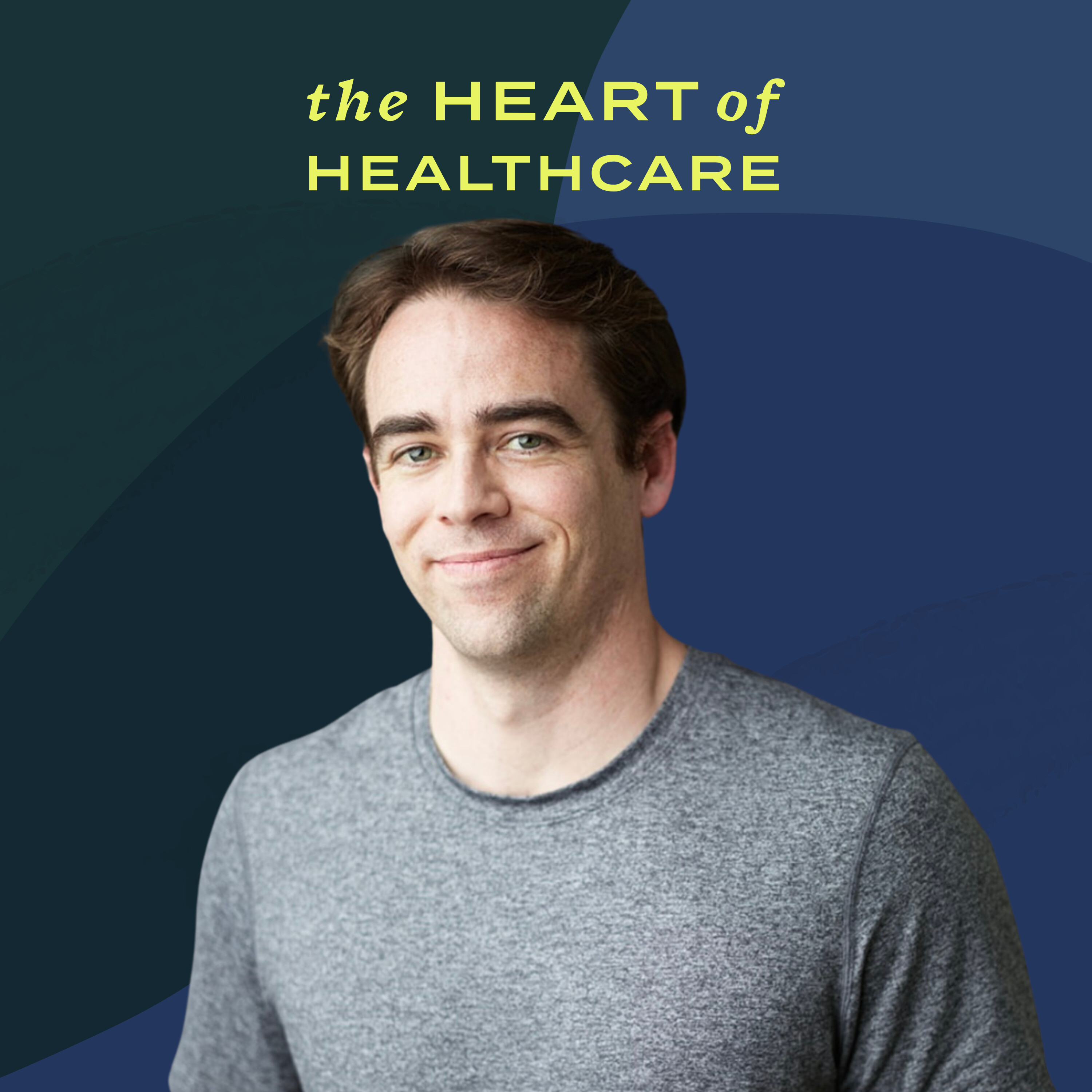
What It Took to Tell the Truth About Theranos | Whistleblower Tyler Shultz

Speaking up at Theranos meant risking your career, your relationships, and your safety. Tyler Shultz did it anyway. With the release of You Can See Everything , Nathan Fielder and Lance Oppenheim’s documentary about Elizabeth Holmes, we’re re-releasing our November 2025 conversation with the whistleblower who helped expose Theranos. Tyler has since criticized the film for leaving out important context and challenged Holmes’ account. Halle and Michael sit down with Tyler to discuss how a company built on faulty science won over some of the world’s most powerful people, and what it took to challenge it. Michael, Theranos’ first general counsel, also shares his experience being fired after trying to investigate wrongdoing. We cover: What it was like working inside Theranos The one question he suggests job seekers ask potential employers What ethical leadership looks like when the pressure is on His thoughts on Elizabeth Holmes’ new “blood testing” company Why rewarding whistleblowers might actually protect investors and patients — About our guest: Tyler Shultz is a scientist at heart, a founder by nature, a whistleblower by accident, a speaker by day, a venture partner by night, and a dad 24/7. His professional life began by exposing unethical practices at Theranos, a revelation that led to the collapse of the $9 billion company and the criminal convictions of its CEO and COO. Since then, he has co-founded two diagnostics companies: a deep tech spinout from Stanford’s Center for Magnetic Nanotechnology and a direct-to-consumer diagnostics and telehealth company. Beyond building companies, Tyler advises startups and venture funds, helping them navigate the technical, commercial, and ethical challenges of scaling groundbreaking ideas. As a speaker, he shares his experiences with audiences worldwide, addressing lawyers, founders, executives, employees, students, investors, board members, regulators, and compliance experts. He explores themes of truth, courage, and integrity, demonstrating how ethical decision-making can be a competitive advantage. — 📍 Connect with us: Heart of Healthcare website LinkedIn Instagram Youtube See Privacy Policy at https://art19.com/privacy and California Privacy Notice at https://art19.com/privacy#do-not-sell-my-info .
October 19, 202630 min

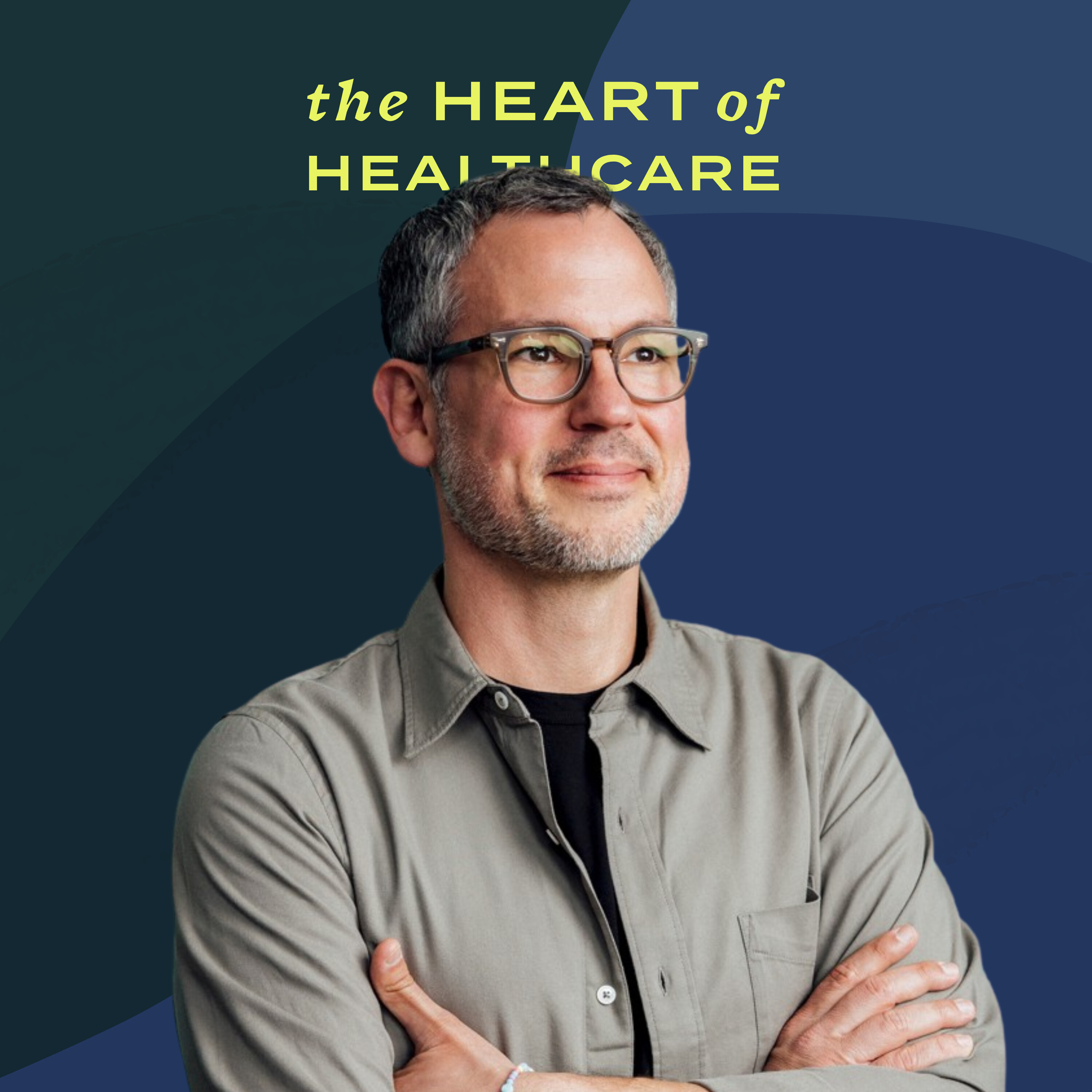
A Nutrition Label for the Air You Breathe | Lution Co-founder David Vivero

We pay close attention to what we eat and drink. But how much do we really know about the air we breathe inside our own homes? This week, Halle is live from the New York Stock Exchange, sitting down with three-time founder David Vivero for the launch of Lution. After discovering extensive mold contamination in his own home, David became obsessed with understanding the connection between our indoor environments and our health, and whether we could make the invisible things around us easier to see and understand. We cover : What a “nutrition label for air” could actually tell you How David's cancer diagnosis and the discovery of mold in his home each changed the course of his life What we know, and still don’t know, about how our homes affect our health Why understanding what's in your home's air has traditionally required expensive professional testing How AI is changing what a tiny startup team can build Show notes : Lution (use code HALLE50 for $50 off the $299 starter kit*) EPA Environmental Relative Moldiness Index (ERMI) WHO Guidelines for Indoor Air Quality: Dampness and Mould Asthma Control Before and After Changing Gas Stoves to Electric Stoves *We do not get affiliate fees from sales; however, Halle is an investor in Lution. About our guest : David Vivero is co-founder of Lution, a serial entrepreneur in home and health, and a 2022 Fortune 40 Under 40 honoree. He founded RentJuice, acquired by Zillow, and Amino Health, a consumer healthcare-data navigation company acquired by Capital Rx in 2024. Lution turns in-home sensor data and lab analysis of the dust a home's HVAC filter has already collected into one daily score for the home's air, the Lution Level. — 📍 Connect with us: Heart of Healthcare website LinkedIn YouTube See Privacy Policy at https://art19.com/privacy and California Privacy Notice at https://art19.com/privacy#do-not-sell-my-info .

October 12, 202641 min

Why Healthcare Needs Its Own Foundation Models | Ortet Founder & CEO Kyunghyun Cho

One of the world’s leading AI researchers has big plans for healthcare. And Thoreau just committed $500 million to bring that vision to life. This week, we are the first to sit down with Ortet founder and CEO Kyunghyun Cho to talk about the frontier AI lab for health. After helping shape some of the technologies behind modern AI and selling his last AI startup to Genentech, Kyunghyun is now taking on a much bigger challenge: building a foundation model that can learn across biological, clinical, and operational data to deliver predictably better care. We cover: Why healthcare needs its own foundation models, and the “cold start” problem he thinks it can solve What Ortet plans to do differently from general-purpose AI companies Why Ortet secured $500 million before it had even really gotten started What buying AI compute and a lobster roll have in common How KC’s own experience with cancer shaped his vision for more predictable healthcare About our guest: Kyunghyun Cho is the founder and CEO of Ortet and the Glen de Vries Professor of Health Statistics and a professor of computer science and data science at New York University. Through his AI research, he co-developed the attention mechanism and the gated recurrent unit, both foundations of modern AI technology. Prior to founding Ortet, Kyunghyun built an AI platform for lab-in-the-loop molecular design, co-founding Prescient Design and, following its acquisition, establishing Genentech’s frontier research team. He previously served as a research scientist at Facebook AI Research (FAIR) after completing his postdoctoral fellowship at University of Montreal under the supervision of Prof. Yoshua Bengio. He received MSc and PhD degrees from Aalto University under the supervision of Prof. Juha Karhunen, Dr. Tapani Raiko and Dr. Alexander Ilin. Kyunghyun received the Samsung Ho-Am Prize in Engineering in 2021 and has served as a (co-)Program Chair of ICLR 2020, NeurIPS 2022 and ICML 2022, and also on the boards of ICML and ICLR. 📍 Connect with us: Heart of Healthcare website LinkedIn YouTube See Privacy Policy at https://art19.com/privacy and California Privacy Notice at https://art19.com/privacy#do-not-sell-my-info .
October 5, 202633 min

📣 Digital Health Download: October 2026

It’s time for our Monthly Digital Health Download, where we unpack the stories shaping healthcare and technology right now. This month, Steve Kraus and Michael Esquivel try to make sense of a particularly eventful few weeks, with plenty to debate about where healthcare is headed and what it means for founders, investors, clinicians, and patients. In this episode: Why a court declared that patients don’t have right to ambient AI recordings Oura postpones its IPO at the last minute, despite strong investor demand. What happened? What happens when patients start showing up to appointments armed with medical advice from AI? AI was supposed to make healthcare cheaper. So why is it driving spending up first? The FDA starts wrestling with one of healthcare AI’s hardest questions: How do you regulate medical technology that can change constantly? Chime in on the white paper here . — 🙏 Are you a regular listener of the show? We'd love to hear from you. Please leave us a review! — 📍 Connect with us: Heart of Healthcare website LinkedIn YouTube See Privacy Policy at https://art19.com/privacy and California Privacy Notice at https://art19.com/privacy#do-not-sell-my-info .
September 28, 202630 min

What Wall Street Gets Wrong About Healthcare | DaVita CEO Javier Rodriguez

Healthcare is full of things that are easy to measure, from costs and outcomes to utilization and, increasingly, AI. But DaVita CEO Javier Rodriguez believes one of the most important parts of healthcare is also one of the hardest to put in a spreadsheet: the human relationship between a caregiver and a patient. This week, Halle sits down with Javier to talk about what he’s learned from three decades in healthcare. They discuss why preventing kidney failure remains so difficult and what it takes to run a public healthcare company while making investments that may take years to pay off. Javier also shares why he believes healthcare has made enormous clinical progress even as frustration with the system has grown. We cover: Why Javier would be thrilled if DaVita’s dialysis business disappeared What’s actually stopping more patients from getting kidney transplants Why more dialysis care is moving from clinics into patients’ homes Why Javier believes Wall Street undervalues the human side of healthcare The leadership blind spot that nearly got him fired early in his career About our guest: Javier J. Rodriguez has served as Chief Executive Officer of DaVita Inc. since June 2019. Joining the company in 1998, Mr. Rodriguez has held senior leadership roles of increasing responsibility, with experience across operations, payor contracting, and finance, and has helped shape the company’s transformation in the delivery of kidney care. Prior to joining DaVita, Mr. Rodriguez worked in finance at Baxter Healthcare Corporation. He has served on the board of directors of Gilead Sciences, Inc. since June 2020. Mr. Rodriguez brings deep healthcare expertise, comprehensive knowledge of our business and regulatory landscape, and a proven track record of executive leadership. — 📍 Connect with us: Heart of Healthcare website LinkedIn YouTube See Privacy Policy at https://art19.com/privacy and California Privacy Notice at https://art19.com/privacy#do-not-sell-my-info .
September 21, 202637 min

Can AI Finish What The Quality Revolution Started? | Bunkerhill Health CCO Dr. Azita Hamedani

For decades, healthcare's quality movement gave us checklists, forcing functions, and protocols to catch human error before it reached a patient. It worked, to a point. But as medical knowledge and patient complexity keep outpacing what any human system can track, a new question is emerging: can AI pick up where that movement left off? In this episode, in her first interview since stepping into the role, we talk with Dr. Azita Hamedani, the newly appointed Chief Clinical Officer at Bunkerhill Health, an AI company backed by Sequoia and Khosla Ventures. After nearly her entire career in academic medicine, Azita made the leap to a startup chasing a promise she's been thinking about since medical school. We cover: The medical school moment that first pulled her toward patient safety over bench science Why she believes healthcare has hit the ceiling of what checklists and protocols alone can do The three different types of health system leaders who all understand a different piece of the AI puzzle, and why that's a problem What actually happened behind the scenes on one real patient's chart, without a single human triggering it Her take on the Khosla and AMA debate over whether doctors should stay in the loop A personal story from her own cancer diagnosis, and the one question she asked her surgeon that no AI could ever answer About our guest: Azita G. Hamedani, MD, MPH, MBA, is the Chief Clinical Officer at Bunkerhill Health. She joined the company based on the belief that its long-horizon AI agent is the first technology capable of ensuring every patient receives optimal care. She spent 25 years in various leadership roles within large-scale academic health systems. Most recently, she served as President and CEO of UNC Faculty Physicians and Vice Dean for Clinical Affairs at the University of North Carolina School of Medicine. Dr. Hamedani also spent nearly two decades at the University of Wisconsin School of Medicine and Public Health and UW Health, where she founded the Department of Emergency Medicine and chaired it for over a decade, while also leading system initiatives related to quality and innovation. She completed her emergency medicine training at Mass General Brigham, and completed a fellowship in hospital administration at Massachusetts General Hospital. She holds degrees from Yale University and Northwestern’s Kellogg School of Management. — 📍 Connect with us: Heart of Healthcare website LinkedIn YouTube See Privacy Policy at https://art19.com/privacy and California Privacy Notice at https://art19.com/privacy#do-not-sell-my-info .

September 14, 202633 min

Anthropic’s Bet on the Future of Healthcare | Healthcare and Life Sciences Lead, Sarah Russell

Sarah Russell picked up a phrase at her new job at Anthropic: a "non-regrettable primitive." It's how she describes the kind of infrastructure she thinks Anthropic should be building in healthcare, and it says a lot about how one of the most closely watched companies in health AI is positioning itself. In this episode, Steve talks with Sarah Russell, MD healthcare and life sciences lead at Anthropic. This conversation comes as Anthropic heads toward what's shaping up to be one of the most anticipated IPOs in years. We cover: What Anthropic is doing in healthcare Why HIPAA is struggling to keep up with AI agents Where she thinks AI will change care first (it’s not where you'd expect!) The two very different bars regulators are weighing AI against, and why the choice matters more than most people realize The one piece of advice from her father that still shapes how she builds teams, and what she tells doctors nervous about a career in medicine now About our guest: Sarah currently works on healthcare and life sciences projects at Anthropic. She is particularly passionate about research that explores how to make Claude safer and less confidently wrong. Prior to Anthropic, she was at Google X, an innovation hub at Alphabet, where she learned to lead teams of smart engineers building ML- and LLM-based products. Seeing the earliest version of Google’s Med-PaLM summarize a patient chart made her excited about healthcare technology all over again. Prior to Google, she was a CMIO in the VA system and a start-up founder. A graduate of Harvard College and Harvard Medical School, Sarah did her internal medicine residency at MGH and completed an MBA at Wharton. She still practices part-time in Urgent Care at Stanford, where she is an Assistant Professor. ⸺ 📍 Connect with us: Heart of Healthcare website LinkedIn YouTube If you're enjoying the show, please subscribe and leave us a review! See Privacy Policy at https://art19.com/privacy and California Privacy Notice at https://art19.com/privacy#do-not-sell-my-info .
September 7, 202641 min

Why American Workers Pay So Much for Healthcare | Health Rosetta CEO Dave Chase

Healthcare costs are taking an ever-larger bite out of American workers’ compensation. This Labor Day, we’re revisiting a conversation with Health Rosetta CEO Dave Chase about why healthcare has become so expensive and what employers can do about it. Dave argues that healthcare itself isn’t the problem: clinicians receive only a fraction of every dollar spent, while price gouging, administrative bloat, and middlemen consume much of the rest. He explains how community-owned health plans are rebuilding employer healthcare around primary care, transparency, and better incentives—and how the savings can flow back to workers and their communities. We cover: Why rising healthcare costs ultimately come out of workers’ pay How community-owned health plans cut out costly middlemen Why better primary care can lower costs while improving outcomes How employers can rebuild health benefits from the ground up Why Dave believes open-source healthcare could challenge entrenched incumbents ⸺ 📍 Connect with us: Heart of Healthcare website LinkedIn YouTube ⸺ About our guest: Dave Chase is the founder of Health Rosetta and creator of the community-owned health plan (COHP) model, a movement that has helped thousands of employers covering more than 5 million Americans build health plans that deliver better care at 20 to 50% lower cost. In 2024 he launched Nautilus Health Institute, seeded with $4 million in Health Rosetta intellectual property, to publish open-source standards and contracting templates that reset market norms for employers, clinicians, and communities. Dave’s work has reached over 1 million people through bestselling books, including “CEO’s Guide to Restoring the American Dream” and his newest, “Relocalizing Health: Taking Back Healthcare. Rebuilding Communities,” along with TED talks and TV and film appearances. He received the World Health Care Congress’ Lifetime Achievement Award for Health Benefits Innovation. Before Health Rosetta, Dave led Microsoft’s $30 billion healthcare ecosystem and co-founded Avado, later acquired by WebMD/Medscape. See Privacy Policy at https://art19.com/privacy and California Privacy Notice at https://art19.com/privacy#do-not-sell-my-info .

August 31, 202622 min

📣 Digital Health Download: September 2026

It's our monthly Digital Health Download, and September's stories all circle the same tension: technology keeps promising to fix healthcare's problems, but just as often it moves them somewhere else, or creates new ones entirely. This week, Halle unpacks a news-heavy month, weighing who actually benefits as markets, algorithms, and AI get closer to our health decisions. We cover: Americans can now bet on clinical trials and FDA regulatory reviews - but do we want that? Meta's massive settlement over harming children The surprising reason AI might be making healthcare more expensive instead of less A new study on the biggest lever we're not pulling to bend the healthcare cost curve Two lawsuits rattling a popular wearable and a celebrity-backed mental health startup What a widely used drug class reveals about bias in hiring, and the uncomfortable questions that raises ⸺ 📍 Connect with us: Heart of Healthcare website LinkedIn YouTube See Privacy Policy at https://art19.com/privacy and California Privacy Notice at https://art19.com/privacy#do-not-sell-my-info .

Is this your show?

Claim this listing to keep it up to date, reach guests who want to pitch you, and manage bookings with Guestify.

Claim this listing

More Business podcasts