Find partners
The Grinders Table

The Grinders Table

Hosted by Uwem Uwemakpan

BusinessManagementInterviews guests

Episodes

84

Latest episode

Jun 2026

Language

EN

About the show

The Grinders Table Podcast is your opportunity to sit at the table with entrepreneurs, innovators and leaders who are shaking things up in their industry. Each other week Uwem will interview these amazing thought-leaders to uncover how they've done it and learn something new in the process. Join me on the regular to hear how they dared to defy the odds and live their own success story... or epic failure!

Listen to episodes

60 recent
June 15, 2026Episode 928 min

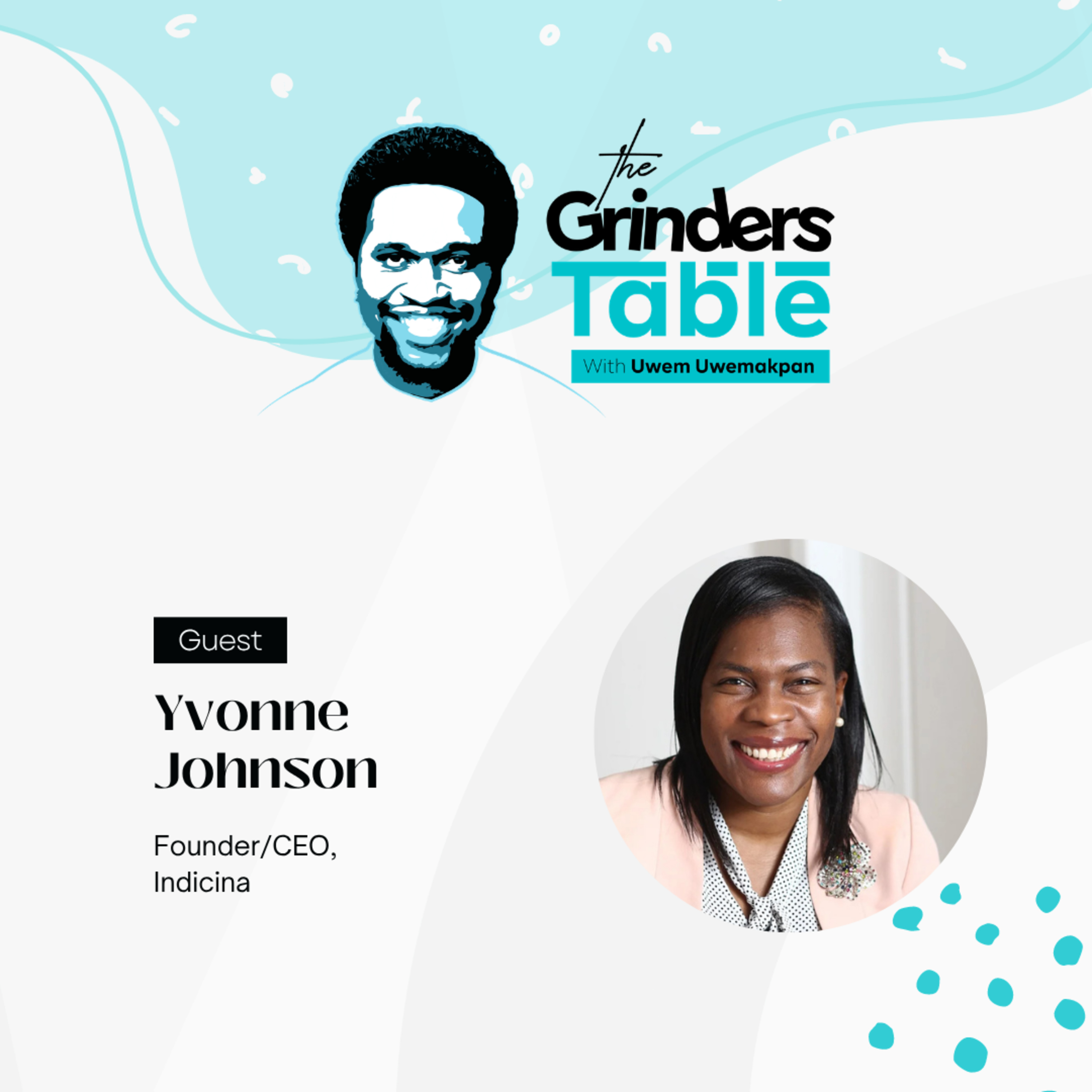
Yvonne Johnson - The Infrastructure Layer Africa's Credit Ecosystem Is Built On

Yvonne Johnson left investment banking in New York to join the transformation team at First Bank of Nigeria. She spent eight years there, rising to Head of Strategy and Corporate Development - restructuring the operating model and building the bank's first digital finance strategy. When she left in 2018, she didn't start a lender. She co-founded Indicina, the API-driven credit infrastructure company that banks, digital lenders, and fintechs across Nigeria and Kenya now use to make faster, smarter credit decisions. This episode is a masterclass in building at the infrastructure layer - the rails, not the balance sheet.Key Topics Covered:Why she left Merrill Lynch to join First Bank - the deliberate career bet on institutional transformationWhat eight years inside Nigeria's largest retail bank taught her about stakeholder management and systemic changeThe founding decision: why Indicina was never going to be a lenderThe cost of capital argument: why banks will always win if you try to compete on balance sheetHow to sell to institutional clients with long procurement cycles and multiple sign-offsThe real friction in Africa's credit gap - it is not just a data problem, it is an accessibility problemThe opportunity cost problem: why banks choose government bonds over consumer loansWhat the next ten years looks like for African credit infrastructureWhat she would do differently - customer sequencing and the balance sheet question revisited

May 29, 2026Episode 731 min

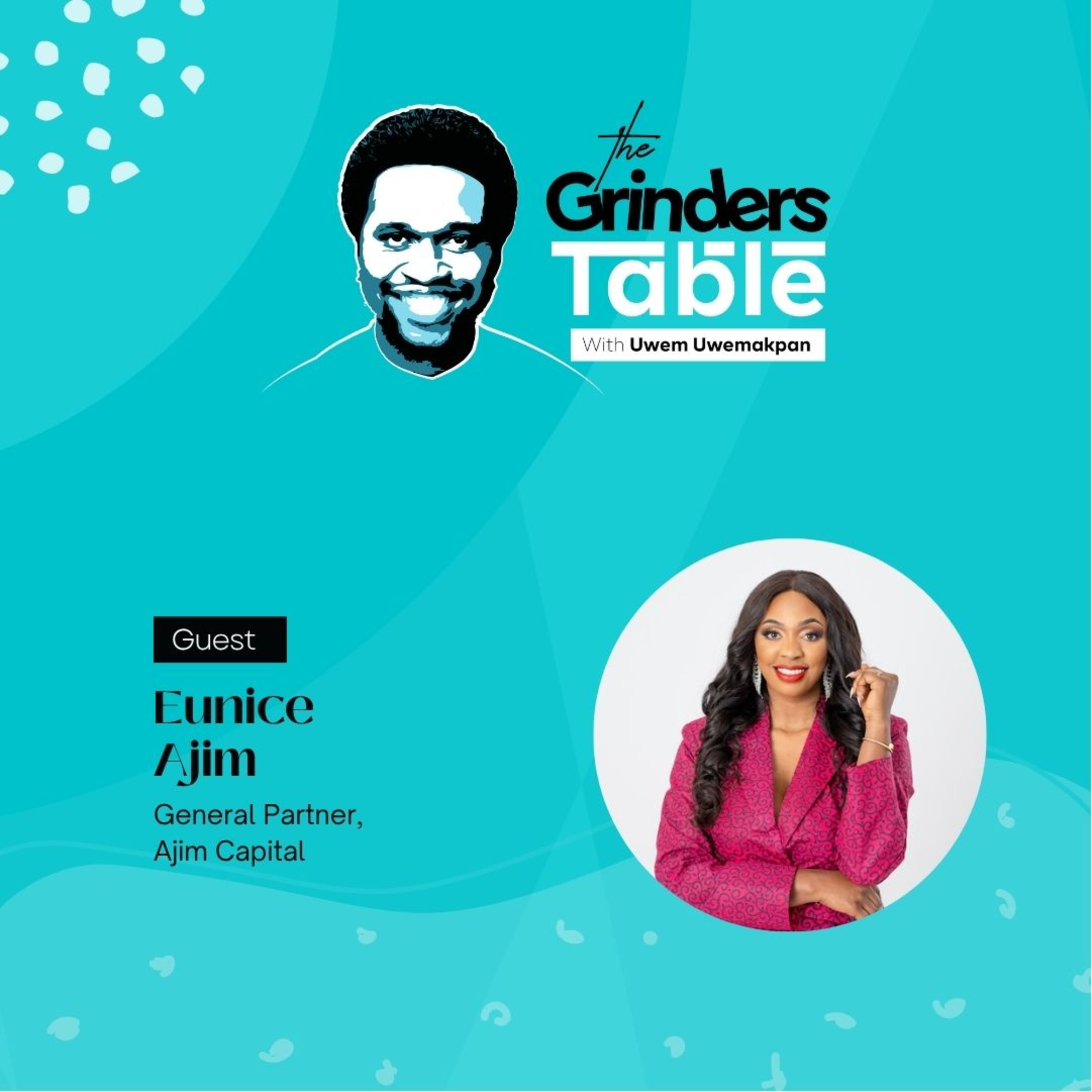
Eunice Ajim on Conviction, Community, and Backing Africa's Next Category Leaders

Eunice Ajim graduated high school at 15, moved to the US from Cameroon with almost no financial support, and built a hairstyling business to pay for college. She quit Apple inside eighteen months, got wiped out building her first company, and slept in her car before she ever raised a dollar. Then she co-founded OpenTeams, exited it, and launched Ajim Capital, a pre-seed and seed fund backing African tech founders, with no institutional backing, no famous university network, and LPs she found on the internet. In this conversation, we go from Austin to Cameroon to Africa's next category leaders.

May 19, 2026Episode 644 min

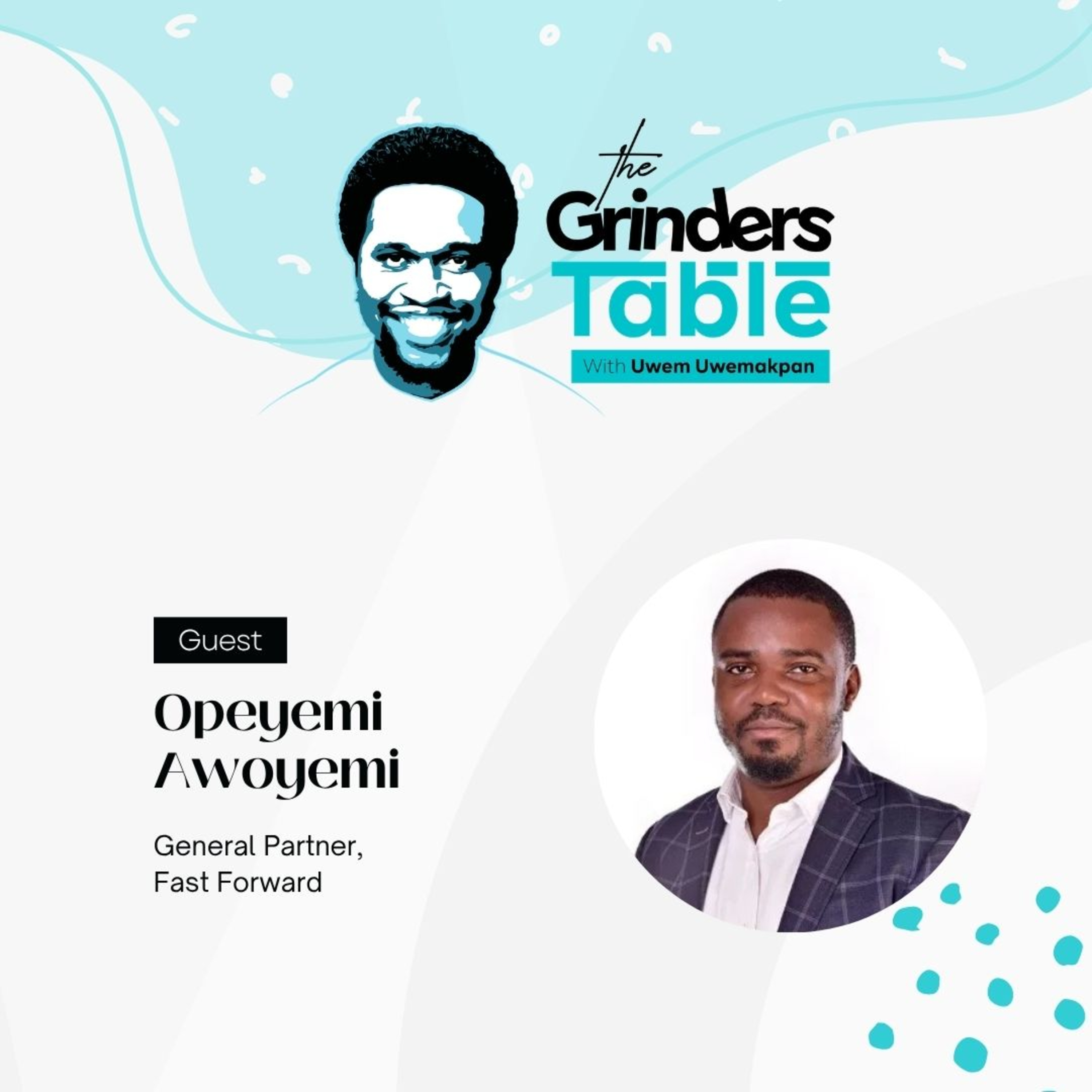
Momentum Is All You've Got - Opeyemi Awoyemi

Opeyemi Awoyemi built WhoGoHost in his first year atuniversity before Nigerian tech had a template. He co-founded Jobberman from a dormitory, grew it into the largest online recruitment platform in sub-Saharan Africa, and watched it get acquired by Ringier One Africa Media. He didn't stop there; he went on to build a venture studio and now a startup - ola.cv In this conversation, Ope breaks down what he actuallylearned by going back inside a global company after his own exit, why he calls himself a "pseudo VC," and what he means when he says he only backs "fundamentals-fluent" founders - not "venture-fluent" ones. This is a conversation about building before the playbookexists.

April 24, 2026Episode 526 min

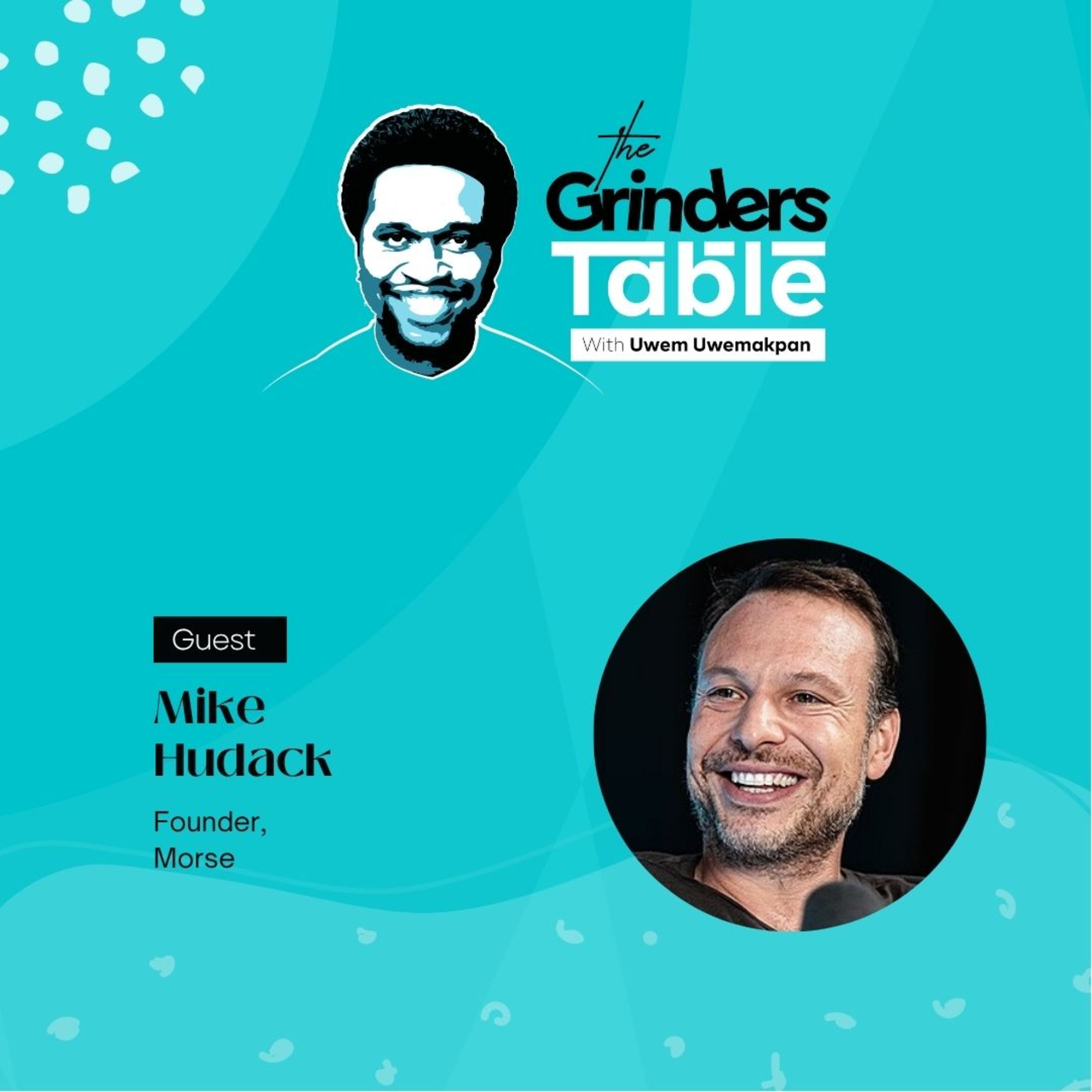
Mike Hudack didn't set out to build a payments company. He set out to fix an interface.

After co-founding Blip (acquired by Disney), running Facebook's ads product through the chaos of the post-IPO years, serving as CPTO at Deliveroo, and CPO at Monzo, Mike left banking with one conviction: the technology to move money instantly and cheaply across borders already existed. Nobody had built a front end worthy of it.That conviction became Sling Money. This week, it became Morse, named after what Mike calls the world's first global financial network.In this conversation, we get into what that rebrand actually signals, why the biggest opportunity in global fintech isn't the blockchain but the interface, and what 20 years of building across every major technology wave teaches you about product judgment.We also go somewhere most fintech conversations don't: Mike makes the case that regulation often protects incumbents more than consumers — and explains how he thinks about that tension while holding licences across the UK, EU, Netherlands, and US.What we cover:The personal moment that made building Morse feel almost impossible to avoidThe macOS vs Linux divide in stablecoin product designWhy Africa's cross-border corridors are both the biggest opportunity and the hardest problemWhat genuine product-market fit looks like in a financial product — beyond user countsHow to stay connected to customer pain when you're scaling fastWhat Mike would build if he had unlimited resources (his answer will stay with you)

April 7, 2026Episode 436 min

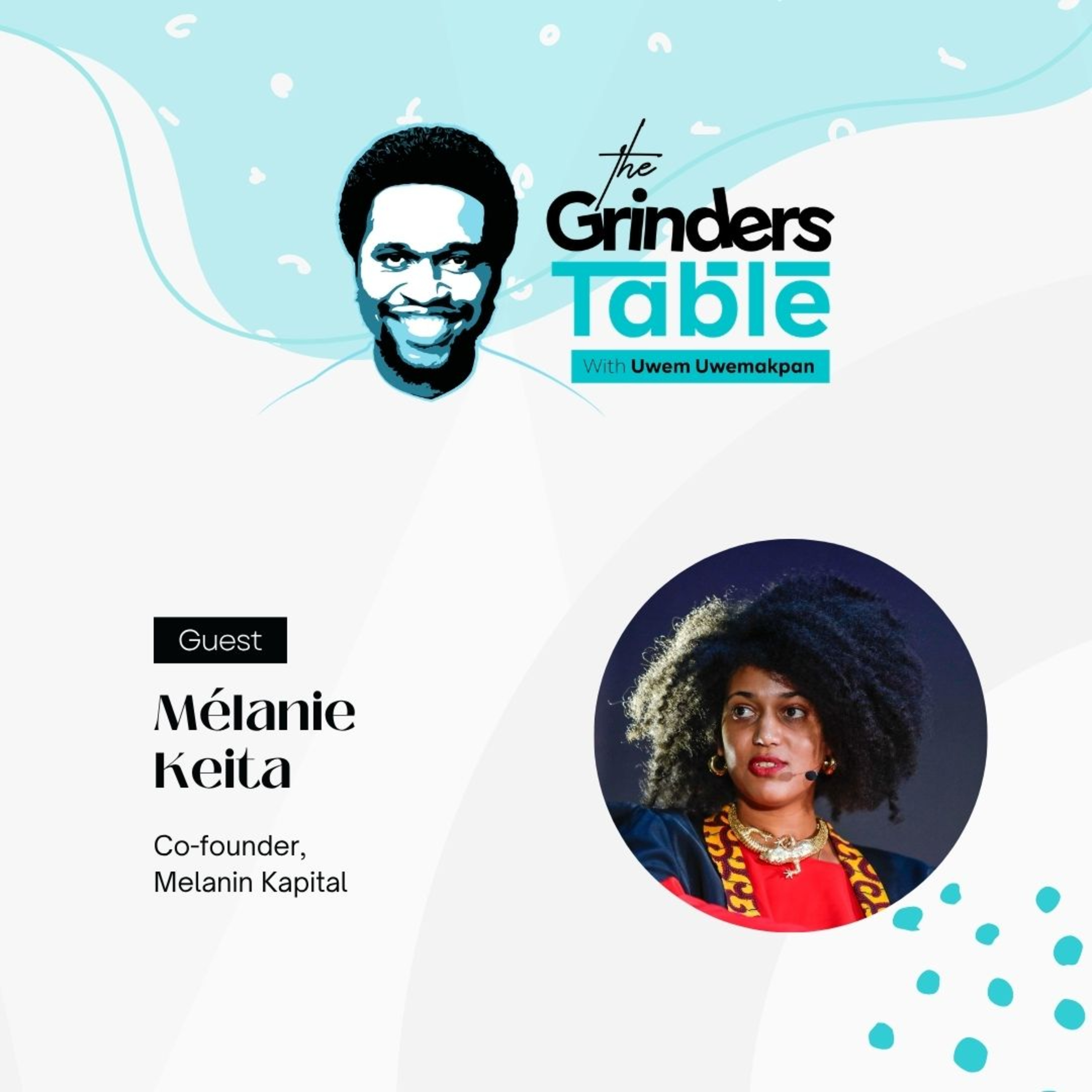
Building Africa’s Carbon Neobank: A Conversation with Mélanie Keita

What does it really take to build a digital bank for Africa’s green economy, and why might carbon credits become one of the continent’s most valuable exports? In this episode of The Grinders Table, Uwem sits down with Mélanie Keita, CEO and co‑founder of Melanin Kapital, a carbon neobank lending to agricultural, cleantech and carbon projects across 12 African markets.Mélanie shares her journey from Paris, Frankfurt and impact investing into the grind of launching a fintech while broke, why being “rich or deeply networked” matters when your product is money, and the hard lessons she’s learned about delegation, team building and surviving five-plus years of pivots. She unpacks how Melanin Kapital evolved from a diaspora crowd‑lending platform into a lender of record and now a carbon neobank using carbon credits to bring down the cost of capital for SMEs.You’ll hear a candid take on “fake it till you make it” (and why it’s a fast track to orange jumpsuits), why founders should spend 30–40% of their time on relationships instead of spreadsheets, and how banks quietly buy SME loan books as a form of exit and liquidity. We also dive into Article 6, why Ghana is ahead on carbon regulation, how Africa is leaving billions on the table, and what policymakers and founders must do to put the continent at the center of climate finance rather than at the margins.

March 21, 2026Episode 331 min

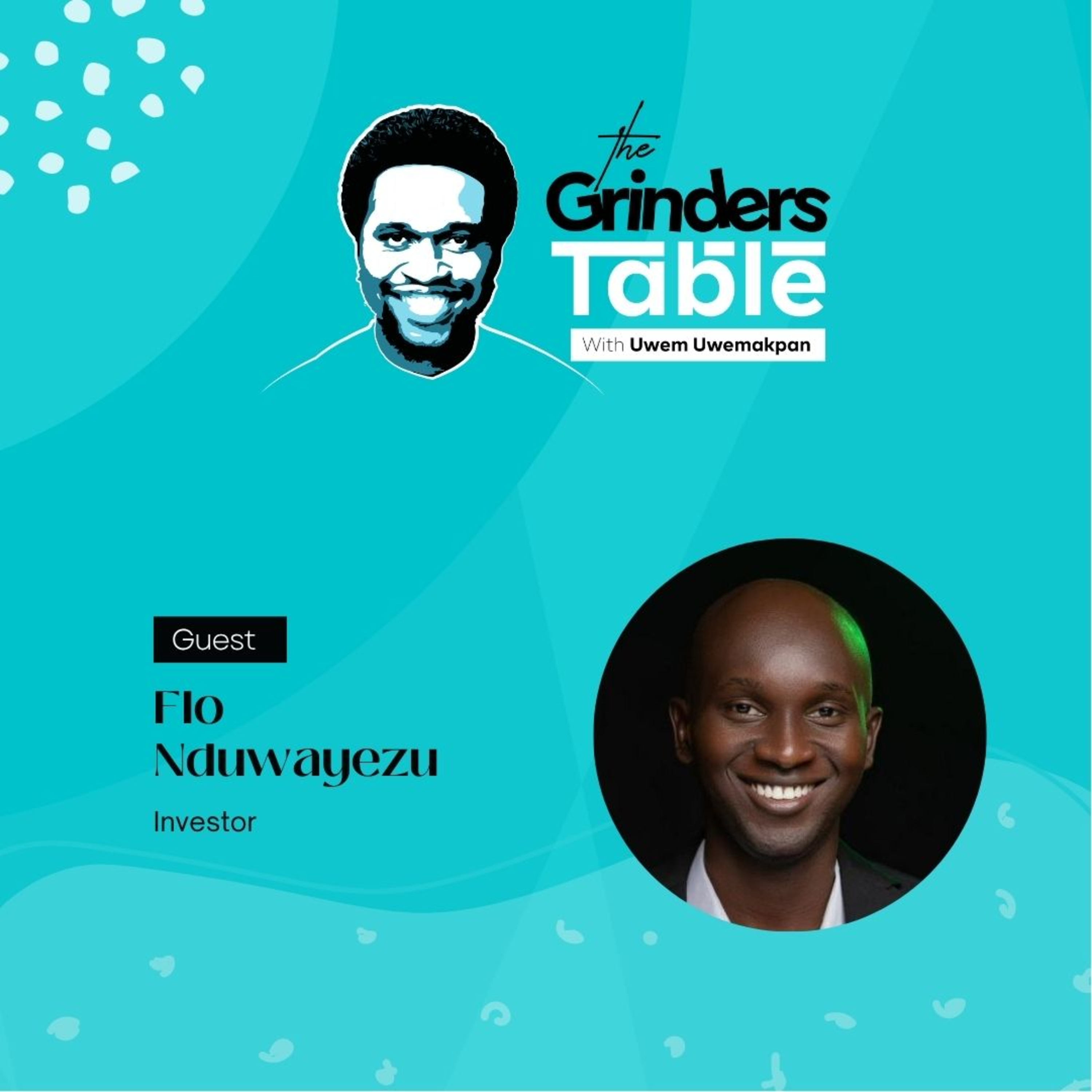
Why SaaS Dies in Africa, the Talent Myth & the Only Thing That Actually Matters - Flo Nduwayezu

Florent "Flo" Nduwayezu is a Nairobi-based investor at FP Capital, and one of the most consistently honest voices in African tech. He's Burundian, he's been in Nairobi for 13 years, and he has very little patience for the narratives that keep African ecosystems stuck.In this episode, Flo sits down with Uwem to challenge some of the most comfortable assumptions in African VC, starting with SaaS. His argument: African SMEs never really adopted it, and with AI agents taking over the interface layer, SaaS is about to become invisible infrastructure at best. What replaces it? Integrated solutions that meet people where they already are - on WhatsApp, on audio, offline.But the more uncomfortable conversation is about talent. Flo breaks down the math: if Kenya deployed close to $900M in venture capital, you need significant exits to justify that. You need multiple large companies. Each of those companies needs serious engineering depth. And his question, bluntly put, is whether that talent pool actually exists at the quality and concentration required.They also go deep on impact investing's unintended consequences, why African VCs need to get more involved in policy, why Rwanda is doing something the continent's "Big Four" should be paying close attention to, and why Flo thinks he might eventually have to go into politics.

March 12, 2026Episode 246 min

Fundability vs. Buildability: What African Venture Actually Demands - Dotun Olowoporoku, Ventures Platform

Dr. Dotun Olowoporoku didn't take the typical route to venture capital. He started as a PhD researcher on air quality and climate change, stumbled into entrepreneurship with an online food delivery startup, became CCO at Moniepoint during its most critical growth years, and then became Managing Partner at Ventures Platform, one of Africa's most founder-supportive seed funds.In this episode, we go deep on the questions the ecosystem rarely asks out loud: What does portfolio support actually look like when a company is dying? When does investor support become dependency? Which African companies does VC money quietly destroy? And is the AI wave signal or hype?Dotun also shares how he spotted Tosin Eniolorunda's thesis before Moniepoint was Moniepoint, why he evaluates every investment as a research hypothesis, and what the Capitec Bank story from South Africa taught him about the future of African fintech.If you're a founder, an investor, or anyone building on this continent, this one will make you think differently.

February 27, 2026Episode 139 min

Complexity Is the Moat: Stone Atwine on Building Eversend Across 12 Markets Without Losing the Plot

Most fintech founders talk about financial inclusion. Stone Atwine actually started there, watching his grandmother get stressed at a Moneygram agent because she had no ID, carrying $200 in cash on a one-hour bus ride back to her farm. That frustration became the foundation of Eversend, now one of Africa's most ambitious cross-border payments and neobanking platforms.In this episode, Stone and Uwem go deep on what it actually takes to build a durable fintech across 12 markets - the regulatory complexity most founders underestimate, why blitzscaling fails when your users will abandon you the day you start charging, and how stablecoins quietly became Eversend's treasury and payments backbone years before the rest of the market caught on.Stone also shares a genuinely contrarian view on vibe coding, AI, and why the biggest beneficiaries of the AI revolution may not be the youngest engineers, but operators in their 40s with deep market knowledge and the tools to finally act on it.This is not a panel version of Stone's story. This is the one with the real decisions.

October 12, 2025Episode 1637 min

From 70 Women in Accra to 5,000 Across Africa: Ethel Cofie on Building Community

Ethel Cofie didn't plan to build Africa's largest Women in Tech network. She just wanted to create a place for women in tech to find each other in a male-dominated industry. Today, Women in Tech Africa has 5,000+ members across 30+ countries and won the UN EQUALS Award.But Ethel's work goes beyond WITA. As CEO of EDEL Technology Consulting, she sits on boards from insurance to fintech, advises governments on digital strategy, and serves on investment committees. Her secret? A willingness to show up, even when it's inconvenient.In this episode:The "inconvenience yourself" philosophy of community buildingWhy she left Vodafone after being told "it's not what you do, it's how you do it"How context shapes everything in African tech marketsHer controversial banking hot takeWhy regulators and startups talk past each otherFor: Founders who think they can go it alone, leaders building ecosystems, anyone who's ever felt like they're shouting into the void.Ethel Cofie proves that the most powerful role isn't king, it's kingmaker.

August 25, 2025Episode 1531 min

The Global Language of Entrepreneurship: Connecting Ecosystems Across Continents with Harvard iLab's Rym Baouendi

What happens when you tell a country demanding jobs to create them instead? Rym Baouendi did exactly that in post-revolution Tunisia, co-founding the country's first coworking space and fundamentally changing how a generation thought about opportunity.Now Director of Alumni Innovation & Engagement at Harvard Innovation Lab, Rym has lived across continents, building bridges between innovation ecosystems. In this conversation, she shares her unique philosophy on why innovation ecosystems should be built like gardens (not factories), why working with children is like going to the gym for your creativity, and how ancient desert wisdom beats modern sustainability solutions.Key Highlights:Why innovation ecosystems are gardens that need cultivationLearning from ancient civilisations to solve modern problemsThe global language of entrepreneurship and how to connect ecosystemsAI as the great equaliser for global innovationTreating your career like a portfolioThe importance of building bridges over replicationMemorable Quote: "Working with children is almost like going to the gym, but to develop your creativity and imagination muscle. We should all be doing it regularly."

Is this your show?

Claim this listing to keep it up to date, reach guests who want to pitch you, and manage bookings with Guestify.

Claim this listing

More Business podcasts