

Find partners
Feminist Money

Feminist Money

Hosted by Feminist Money

Episodes

63

Latest episode

Nov 2026

Language

EN

About the show

The podcast where women, money and power meet. Closing the gender wealth gap. Should your gender determine your pay packet? It shouldn’t, yet economic inequity remains a stark reality worldwide. Women consistently earn less over their lifetimes despite their unpaid labour that drives our economies being worth far more. Based in Australia with a global perspective, Feminist Money is here to help that reality fade into history. We dive into the intersections of finance, gender, and power. Through international insights, practical financial topics and unfiltered conversations, we examine the structural barriers holding women back and provide the tools to build real financial security. If you don’t believe your gender should determine the money in your pocket, you’re in the right place. Tune in to challenge outdated money rules, claim your independence, and join the movement.

Listen to episodes

60 recent
November 1, 202631 min

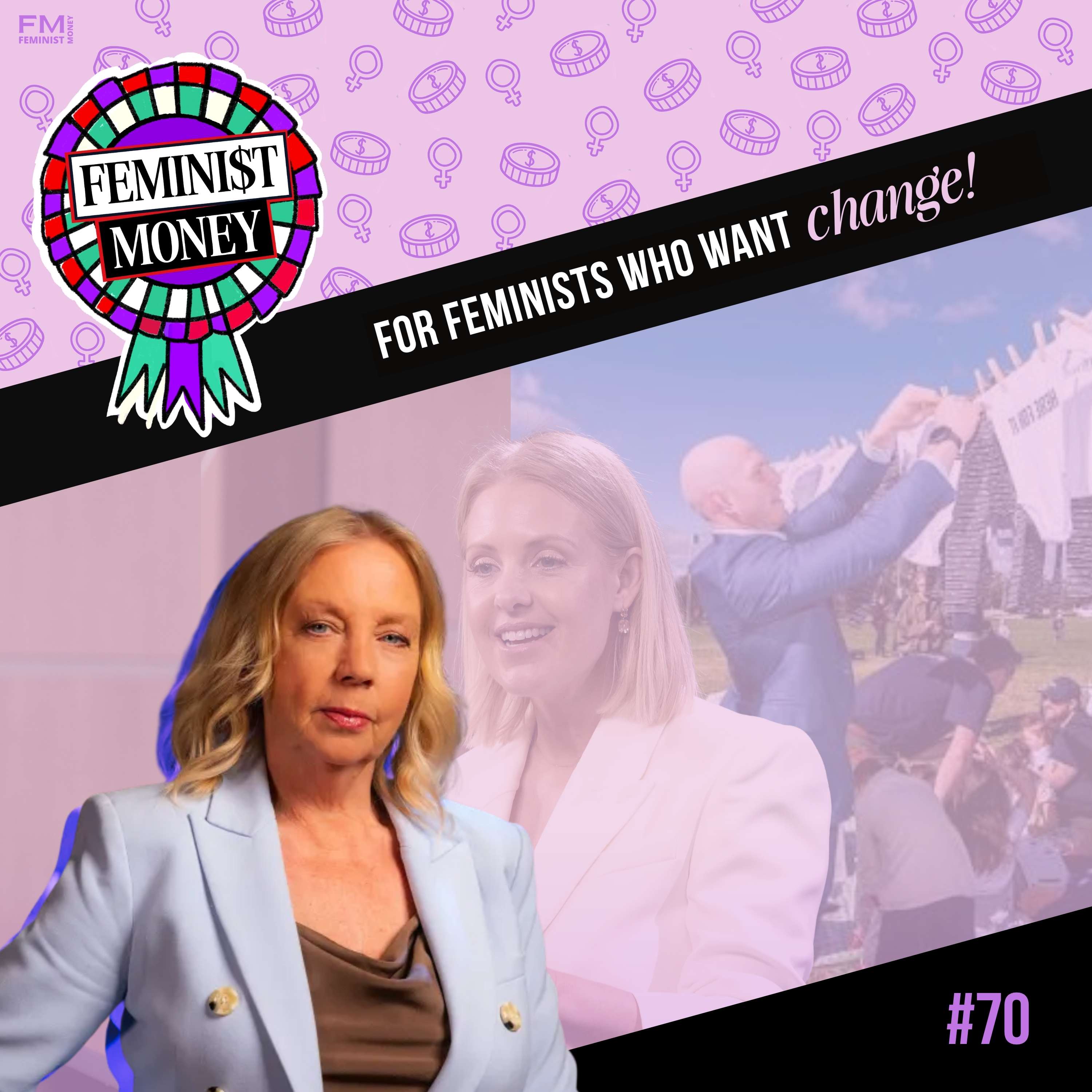
How to Divorce Without Court (And Protect Your Assets)

What if ending your marriage didn't mean an expensive courtroom battle, losing your financial security, or sacrificing your peace of mind? For many women, navigating a relationship split brings overwhelming questions about keeping the family home, protecting personal assets, and dealing with an uncooperative ex-partner. Wanting an amicable separation shouldn't mean accepting less or putting your long-term stability at risk; it is entirely possible to navigate a property settlement safely while avoiding the emotional and financial toll of family court. In this episode of Feminist Money , we sit down with Cassandra Kalpaxis to explore collaborative divorce, out-of-court settlements and how women can navigate the end of their marriage while protecting their financial future. Cassandra breaks down the tactical steps a woman must take before financial negotiations even begin. Whether you are facing complex property divisions or trying to manage asset transparency, this conversation delivers a clear, out-of-court framework to help you separate the clinical business of a legal split from your personal healing journey. We explore: Collaborative Practice Framework: What is a collaborative divorce , and what does it actually look like in practice for a woman who realises her marriage is over but wants to stay out of the courtroom? Assessing Relationship Suitability: Is collaborative divorce right for me if we are trying to navigate this transition amicably, and what are the signs that a relationship is actually a good fit for this path? Out-of-Court Red Flags: When is collaborative divorce a bad idea, and what are the immediate red flags that tell you an out-of-court collaboration is just not going to work? Pre-Negotiation Financial Strategy: What are the very first tactical steps a woman must take to protect her financial future before negotiation even begins? Long-Term Property Settlements: What does a fair property settlement after separation actually look like long-term, and how can women build an asset split that protects their future rather than just settling for what feels okay right now? Trauma-Informed Dispute Resolution: How does taking a trauma-informed approach to your settlement help you separate the clinical business of the split from your own personal healing? Scenarios: Handling Financial Non-Disclosure: What do you do if your ex wants to stay out of court but won't show financial documents, and how do you ensure a fair asset split when you are completely in the dark about the money? Retaining the Family Home: Can you keep the family home after a divorce if you earn less money, and how do you figure out if keeping it is actually viable for you long-term or if it will cost you financially? High-Conflict Divorce Mediation: How do you handle family dispute resolution if your ex is highly confrontational, and how do you successfully navigate an out-of-court settlement if your partner turns every conversation into a fight? Read full show notes on FeministMoney.com.au. About the show: Feminist Money, the money program for feminists who want change. In this show, our focus is on money and ensuring that 50% of the population has more equal access to money and the power and freedom of choice that money brings.

October 26, 202628 min

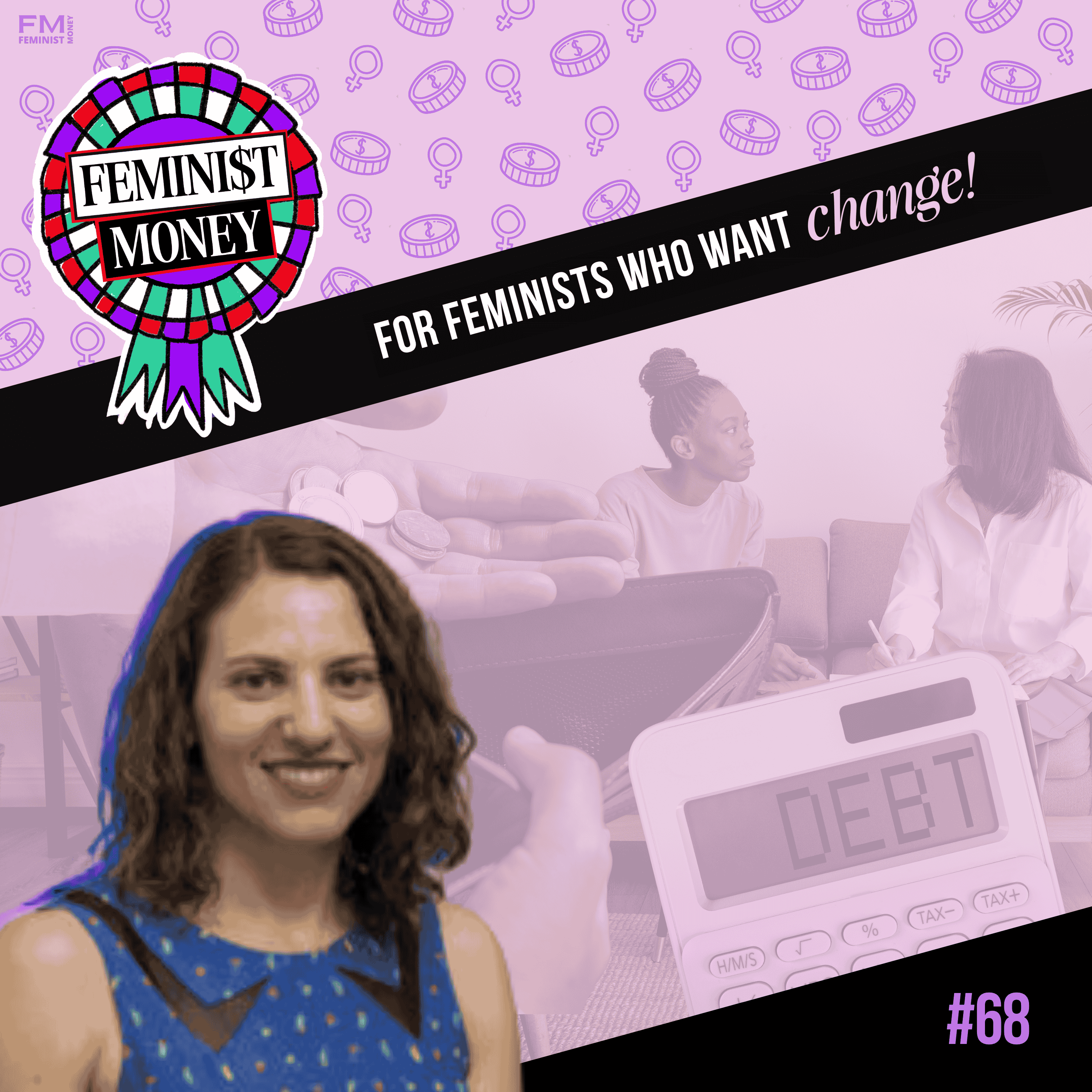
Why the Gambling Industry Is Suddenly Targeting Women

Gambling is changing rapidly, and women are increasingly being exposed to targeted betting practices through mobile apps, social media algorithms, and aggressive digital advertising. But what is driving this structural shift, why is gambling harm becoming an urgent public health concern for women, and what are the hidden consequences for their mental health, personal finances, and relationships? Too many women experiencing gambling-related harm suffer in silence, and understanding the commercial tactics behind modern betting is the first step toward breaking the stigma. In this episode of Feminist Money , we speak with Dr Simone McCarthy , a leading public health researcher from Deakin University, to discuss why gambling harm is rising sharply among women, how corporate marketing explicitly maps onto female spaces, and why this specific addiction can remain hidden from family and friends for years. Whether you are navigating your own hidden debt or supporting a loved one, this conversation delivers a critical, evidence-based look at what structural recovery and community support look like for women today. We explore: Why has the gambling industry suddenly shifted its focus to target women? How do gambling companies target women with novelty bets and social media ads? Why are young women aged 18–34 now the most at-risk group for gambling harm? What is escape gambling , and why do women hide their gambling debt longer than men? How does a partner's gambling addiction affect a woman's mental and financial health? What does gambling recovery look like for women dealing with hidden debt? Scenarios: Accessing Financial Support: How do I get free, confidential help for gambling debt? Stress and Habit Loop Triggers: Why can't I stop gambling when I am stressed, and how does the brain use betting as a coping mechanism? Intervention and Support Strategies: How can I help someone with a gambling addiction without enabling their behaviour? Read full show notes on FeministMoney.com.au. About the show: Feminist Money, the money program for feminists who want change. In this show, our focus is on money and ensuring that 50% of the population has more equal access to money and the power and freedom of choice that money brings.
October 12, 202632 min

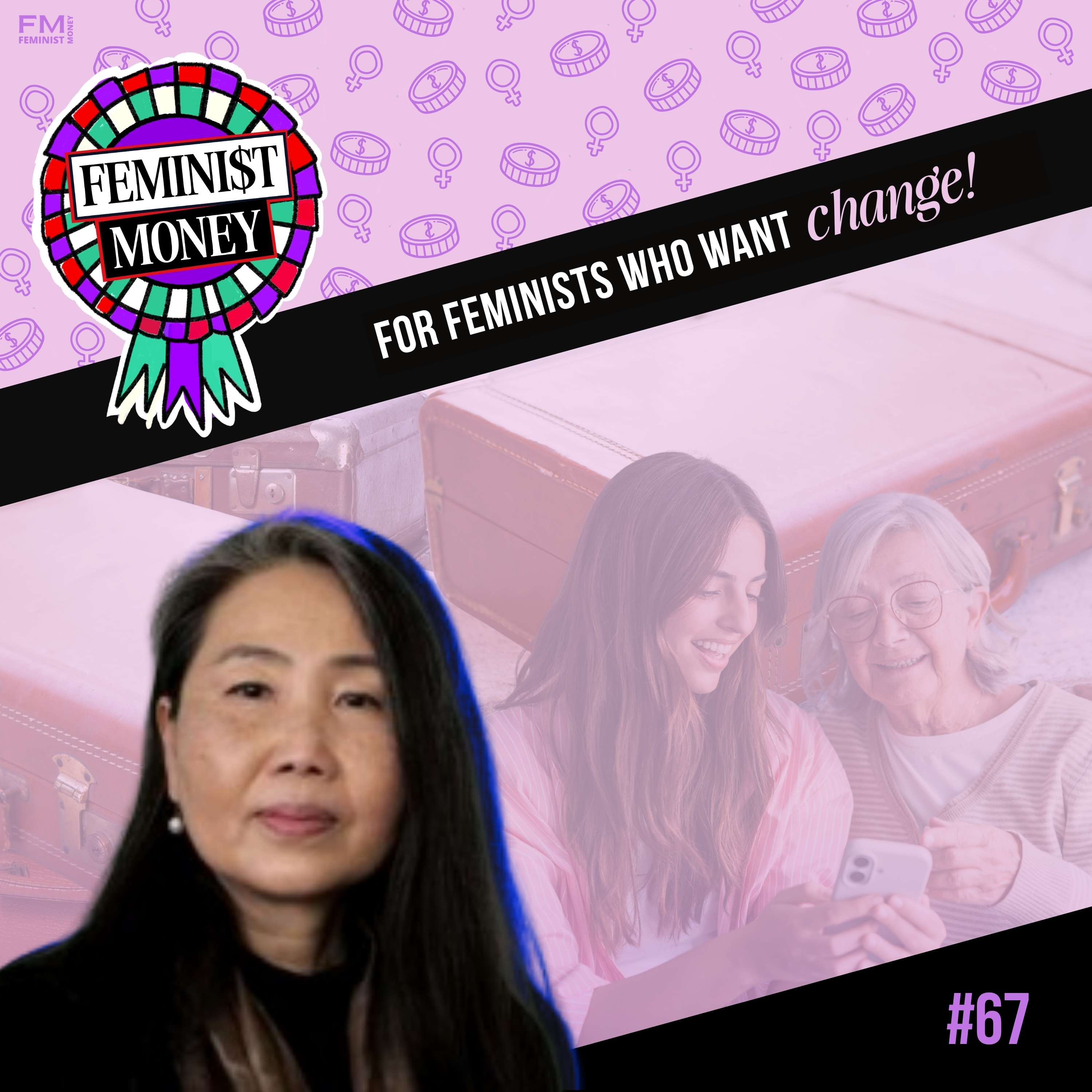
Stop Feeling Guilty For Spending Money

Why can spending money on yourself feel deeply uncomfortable, even when you can logically afford it? From experiencing intense waves of guilt after a purchase to constantly worrying about running out of savings or quietly holding yourself back from earning more, our individual relationship with money is heavily shaped by subconscious beliefs and generational habits we may not even realise we are carrying. Financial anxiety is rarely just about maths; it’s tied to our emotional conditioning and how we perceive our security and self-worth. In this episode of Feminist Money , we’re joined by Angela Meyer from Hi Money in New Zealand. Drawing on her Rich In Context research into the social and cultural determinants of wealth, Angela unpacks how our upbringing, childhood environments, and family money dynamics establish the psychological scripts that rule our wallets today. Together, we explore why financial stress persists when your bank account is technically secure, and deliver a practical framework to help you challenge the scarcity mindset, break old cycles, and rebuild true financial confidence. We explore: Financial Anxiety Mechanics: Why do I get anxiety when I spend money on myself? Overcoming Buyer's Remorse: How do I stop feeling guilty after buying something? Generational Financial Scripts: How does your parents' relationship with money affect you? Scarcity Mindset Triggers: Why do I always feel like I’m running out of money even when I have enough? Breaking Wealth Sabotage: How do you break family money cycles that restrict financial growth? Scenarios: Managing Post-Purchase Guilt: What can you do when you buy something you can afford but immediately feel anxious or guilty? Reframing Financial Security: How can you challenge a scarcity mindset when your finances are actually in good shape? Socio-Cultural Earning Limits: How do you stop holding yourself back from professional opportunities because you feel uncomfortable earning more than your family or friends? Read full show notes on FeministMoney.com.au. About the show: Feminist Money, the money program for feminists who want change. In this show, our focus is on money and ensuring that 50% of the population has more equal access to money and the power and freedom of choice that money brings.
September 27, 202638 min

The Real Cost of Raising Kids & Midlife Money Truths

Why does the traditional financial system fail to account for the major milestones in a woman's life? From the compounding financial impact of choosing to have children to navigating a major relationship split later in life, our long-term wealth is deeply shaped by societal structures and life transitions we are often forced to handle alone. In this episode of Feminist Money , we unpack the steep economic realities of modern motherhood, the sudden financial shakeups of grey divorce, and the vital business and life lessons every woman needs to protect her future. We are also joined by entrepreneur and Dragons' Den star Deborah Meaden to talk about building unwavering money confidence, defying expectations, and mastering financial independence in midlife. We explore: The Cost of Parenthood: How to handle the long-term impact of motherhood on women's earnings and financial security, especially when raising two or more children in Australia now costs at least $36,500 a year while the cost of running a family home has risen 134% over two decades. The Reality of Grey Divorce: What happens to your long-term security when a late-life separation forces one retirement nest egg to suddenly become two, and how women can protect their retirement savings and core financial independence. Midlife Money Confidence with Deborah Meaden: Personal finance, investing, and career insights from a top entrepreneur. Deborah shares her blueprint for overcoming imposter syndrome, alongside honest reflections on choosing a childfree life, climate activism, and making the most of your midlife wealth. Read full show notes on FeministMoney.com.au. About the show: Feminist Money, the money program for feminists who want change. In this show, our focus is on money and ensuring that 50% of the population has more equal access to money and the power and freedom of choice that money brings.

September 20, 202629 min

16 Days of Activism from 2025 Highlights to 2026 Action

Domestic abuse is rarely just physical. For millions, it is a quiet, structural trap built on financial dependence, tracking apps, and digital isolation. How do money and technology become weapons of coercive control? Looking back at the defining conversations from the 16 Days of Activism campaign unmasks the hidden realities of economic control and digital violence, laying the groundwork for what comes next in the 2026 global activation . In this episode of Feminist Money , we review key moments from the 2025 16 Days of Activism against Gender-Based Violence campaign to look at economic abuse, digital violence, frontline service realities, and advocacy as we prepare for the upcoming 2026 campaign. We explore: The Trap of Economic Abuse: Rebecca Glenn, CEO of the Centre for Women’s Economic Safety (CWES) , breaks down what financial control actually looks like and why it remains a massive barrier to leaving. Digital Abuse & Tech Weapons: The experts at WESNET unpack technology-facilitated abuse, from shared account monitoring to stalkerware, and explain how everyday digital tools are weaponised. Frontline Realities: Domestic Violence Crisis Service (DVCS) Canberra shares an inside look at what happens when a victim-survivor reaches out for help and the systemic hurdles frontline services face. Moving from Awareness to Advocacy: YWCA Australia shares actionable ways individuals and communities can gear up for the 2026 campaign, challenge harmful attitudes, and shift the needle. Read full show notes on FeministMoney.com.au. About the show: Feminist Money, the money program for feminists who want change. In this show, our focus is on money and ensuring that 50% of the population has more equal access to money and the power and freedom of choice that money brings.

September 16, 202629 min

How to Escape the Debt Trap

Everyday life events like rising living costs, sudden job loss, or unexpected bills can quickly cause personal debt to spiral out of control. When financial pressure builds over time, finding a clear way forward often feels impossible and overwhelming. This episode breaks down common debt scenarios and highlights how professional, confidential support can help you understand your options and map out a practical path toward financial relief. In this episode of Feminist Money , we sit down with Deb Shroot from Financial Counselling Australia to unpack the vital role of free financial counselling services. We explore how getting professional support makes it easier to navigate extreme financial stress and make informed choices about debt management. Tune in to discover how taking that very first step can completely transform your financial situation and set you on the road to long-term recovery. We explore: Causes of Spiralling Debt: How does someone actually end up in personal debt that feels too big to get out of? Gendered Financial Vulnerability: Are there moments in women’s lives, such as a relationship breakup, losing a job, or having a baby, when things can suddenly become financially much harder? Recognising Financial Distress: How do you know when your relationship with money has gone from “I’m a bit worried about my budget” to “I actually need professional crisis help” ? Financial Counsellor Roles: If you are a person with bills piling up and your debt getting bigger, what can a financial counsellor actually do for you? First Consultation Process: What exactly happens when you meet with an accredited financial counsellor for the very first time? Debt Elimination Framework: Once you’ve taken the step to ask for help, what does getting out of debt actually look like and what are the first things you can do? Overcoming Money Shame: If someone is thinking, “I’ve made such a mess of my finances and I have no idea where to start”, what is the most important message for them to hear? Scenarios: Prioritising Bill Payments: I can’t pay my bills this month, and I’m already in deep debt, meaning I have to choose between things like rent, groceries, and paying off what I owe. What should I do first? Handling Debt Collectors: I’ve started getting stressful calls from debt collectors and I’m scared to answer the phone because I don’t know what I’m supposed to do. What are my legal options? Managing Tight Budgets: I’m in debt, and I really want to get out of it, but once I’ve paid for my everyday essentials, there’s hardly anything left over. How do I start getting my finances back under control? Read full show notes on FeministMoney.com.au. About the show: Feminist Money, the money program for feminists who want change. In this show, our focus is on money and ensuring that 50% of the population has more equal access to money and the power and freedom of choice that money brings.

September 7, 202629 min

How Do Women End Up Homeless After a Lifetime of Work?

When we think about homelessness, we rarely picture our mothers, our grandmothers, or our 70-year-old neighbours. Yet, women aged 55 and over remain one of the fastest-growing demographics at risk of homelessness in Australia. Older women’s homelessness in Australia, form part of a growing hidden homelessness crisis, which means vulnerable older women are quietly disappearing into the cracks, including couch surfing, living in cars, or moving constantly between friends and family rather than sleeping rough on the streets. This systemic vulnerability is the direct result of a lifelong gender pay gap and caregiving expectations, where decades spent raising children and caring for others leave women with insufficient superannuation and a severe lack of affordable housing options. In this episode of Feminist Money , we break down the systemic roots, social stigma, and policy failures driving women’s homelessness with Yumi Lee, the CEO of the Older Women's Network of New South Wales (OWN NSW) . Together, we explore what elderly homelessness actually looks like, why the Australian housing market is failing single women, and what we can learn from vital community-based support programs like Homes for Older Women. Yumi exposes exactly what current housing policies are getting wrong and maps out the crucial social housing reforms and support services required to ensure that homelessness is not the future waiting for our mothers and grandmothers. We explore: Visualising Hidden Homelessness: When we hear the word homeless, we don't picture our mum, our grandmother or our 70 year old neighbour, so what does homelessness actually look like for older women? Lifelong Economic Gaps: How does a woman who has spent decades working, raising children and caring for others end up without a safe and affordable place to live? Demographic Housing Risks: Why are older women still one of the groups most at risk of homelessness in the Australian housing market? Community Support Interventions: You and your team run the Homes for Older Women program as a specific initiative supporting vulnerable individuals. What did you see on the ground that told you older women needed this? Systemic Policy Gaps: What are older women asking for that the current social housing system isn't delivering? Lived Experience Insights: What have the women you've worked with taught you about older women's homelessness that the general public needs to hear? Structural Housing Reform: What would it take to change current policies and make sure homelessness is not the future waiting for our mothers and grandmothers? Scenarios: Affordable Long-Term Options: I want to feel safe and settled in a home of my own, but I’m living on a limited income. What housing options are there for older women who need somewhere affordable and suitable for the long term? Early Intervention Assistance: I’ve always been pretty self-reliant, but things are getting harder and I’m starting to worry about what happens if I can’t manage anymore. What kind of help is available before things reach a crisis point? Supporting Ageing Parents: I’m worried about my mum finding it harder to afford her housing, but she values her independence and doesn’t want to ask for help. What can I do to support her, and where can I start? Read full show notes on FeministMoney.com.au. About the show: Feminist Money, the money program for feminists who want change. In this show, our focus is on money and ensuring that 50% of the population has more equal access to money and the power and freedom of choice that money brings.

August 9, 202624 min

Women on Parental Leave Deserve More Than Minimum Wage

What would change for women if having a baby didn’t mean taking a major financial hit? Australia’s parental leave system still leaves many women facing a significant drop in income at one of the biggest transitions in their lives, forcing them onto a minimum wage that simply doesn’t match the cost of living. This financial penalty creates long-term career setbacks and fractures economic security for mothers right when they need support the most. In this episode of Feminist Money , we discuss with Tegan Gilchrist from The Parenthood why women on parental leave deserve more than a minimum wage and explore what it will take to fix this broken system. We sit down with the team at The Parenthood to discuss their bold campaign for 52 weeks of paid parental leave at a full replacement wage, examining how a modernised, shared system would reshape the first year of a child's life and secure a fairer economic future for Australian families. We explore: The Reality of Early Parenthood: The first year of a child’s life is incredibly important and a time of huge change for established and new families. What is often misunderstood about this period? Returning to Work Pressures: For many parents, the decision about when to return to work is not simply a personal choice. What economic pressures are shaping those decisions today? The Parenthood Campaign Focus: The Parenthood has made paid parental leave one of its central campaigns. Why has this issue become such an important focus for the organisation? Solving the Income Drop: The Parenthood is calling for 12 months of paid parental leave at a replacement wage. What systemic problem is this policy designed to solve? The Value of Shared Leave: The campaign argues that both parents should have dedicated time with their baby. Why is shared leave such a significant part of the proposal? Economic Case for Funding: A longer and more generous paid parental leave scheme would require government funding. What is the strongest economic argument for making this investment? Achieving Legislative Change: Turning this vision into reality would require change across government, workplaces, and the community. What steps need to happen to make this reform possible? A New Parental Leave Model: If The Parenthood campaign was successful in achieving 52 weeks parental leave at a replacement wage, and Australia adopted this as its national parental leave model, how would the experience of becoming a parent change? The Future of Shared Care: Looking ahead, what gives you confidence that Australia can create a paid parental leave system that allows every family to share their baby’s first year? Read full show notes on FeministMoney.com.au. About the show: Feminist Money, the money program for feminists who want change. In this show, our focus is on money and ensuring that 50% of the population has more equal access to money and the power and freedom of choice that money brings.

July 26, 202624 min

Inside Romance Scams & The "Wrong Number" Text Epidemic

Online fraudsters are becoming terrifyingly sophisticated, using psychological manipulation, AI-generated identities, and coordinated texting networks to target everyday people. From an innocent-looking text message from a stranger to multi billion dollar international financial syndicates, the line between a friendly digital interaction and a devastating financial trap has never been thinner. As digital crime groups scale up their operations with emerging technology, understanding the exact tactics used to lower your guard is your most critical line of defence. In this episode of Feminist Money , we pull back the curtain on three of the fastest-growing digital threats and fraud trends making global headlines. We break down the step by step anatomy of modern confidence schemes, expose the subtle psychological triggers scammers use to gain your trust, and provide actionable frameworks to help you verify digital identities, spot red flags, and protect your hard-earned wealth. Inside Romance Scams: We unpack the devastating reality of long-term relationship scams and crypto investment fraud, a global criminal network driving billions in losses. We explore how overseas scam syndicates orchestrate weeks of psychological manipulation and emotional grooming to lower a victim's guard before directing them toward fraudulent crypto trading apps and fake investment platforms. Wrong Number Text Phishing: An innocent text message asking "Is this David?" or claiming "I found your number in my contacts" is rarely an accident. We look at the mechanics of the wrong number text scam (also known as smishing), why replying to a suspicious text puts a target on your back, and how casual conversational bait quickly transitions into aggressive financial phishing schemes. AI Celebrity Impersonation: Counterfeit accounts, AI deepfakes , and realistic celebrity voice impersonation video endorsements are making celebrity identity theft highly lucrative for fraudsters. We discuss the critical red flags of fake social media profiles, how scammers exploit online fandoms for direct-message investment traps, and the exact verification steps to spot a fake celebrity profile. Read full show notes on FeministMoney.com.au. About the show: Feminist Money, the money program for feminists who want change. In this show, our focus is on money and ensuring that 50% of the population has more equal access to money and the power and freedom of choice that money brings.

July 14, 202622 min

The ADHD Entrepreneur Advantage & Alex Cooper’s Unwell Nightmare

Traditional employment is failing women, so they are rewriting the rules of business on their own terms. From seeking financial independence and true workplace flexibility to leveraging neurodivergent traits like ADHD as a hidden business superpower, a massive shift is occurring in global entrepreneurship. However, building a modern business empire also brings immense scrutiny, as highlighted by the high-profile workplace culture allegations currently surrounding media mogul Alex Cooper’s Unwell Network. In this episode of Feminist Money , we unpack the major shifts, hidden strengths, and cautionary tales shaping modern female entrepreneurship. We break down the real drivers pushing women out of the corporate 9-to-5, explore how ADHD traits can be weaponised for commercial success, and analyse the critical leadership lessons every founder must learn from the latest celebrity business headlines. We explore: Why Women Choose Entrepreneurship: More women than ever are walking away from traditional corporate structures to build their own business empires. We discuss the shifting economic and cultural drivers behind this movement , focusing on how women are successfully engineering business models that prioritise long-term wealth, workplace flexibility, and financial autonomy. The ADHD Entrepreneur Advantage: New data shows that nearly a third of business founders are neurodivergent, revealing that ADHD traits can be a massive asset in business. We break down how traits like hyper-focus, high creativity, and rapid problem-solving transform from corporate hurdles into distinct competitive advantages for startup growth. Alex Cooper’s Unwell Controversy: Building a successful personal brand requires more than a massive audience. It demands sustainable leadership. We dissect the toxic workplace culture allegations facing Alex Cooper’s Unwell Network alongside the news of her beverage company shutdown. We examine the heavy responsibilities of rapid business scaling and what these headlines teach founders about corporate accountability. Read full show notes on FeministMoney.com.au. About the show: Feminist Money, the money program for feminists who want change. In this show, our focus is on money and ensuring that 50% of the population has more equal access to money and the power and freedom of choice that money brings.

Is this your show?

Claim this listing to keep it up to date, reach guests who want to pitch you, and manage bookings with Guestify.

Claim this listing

More Business podcasts