Find partners
The Empowered Investor

The Empowered Investor

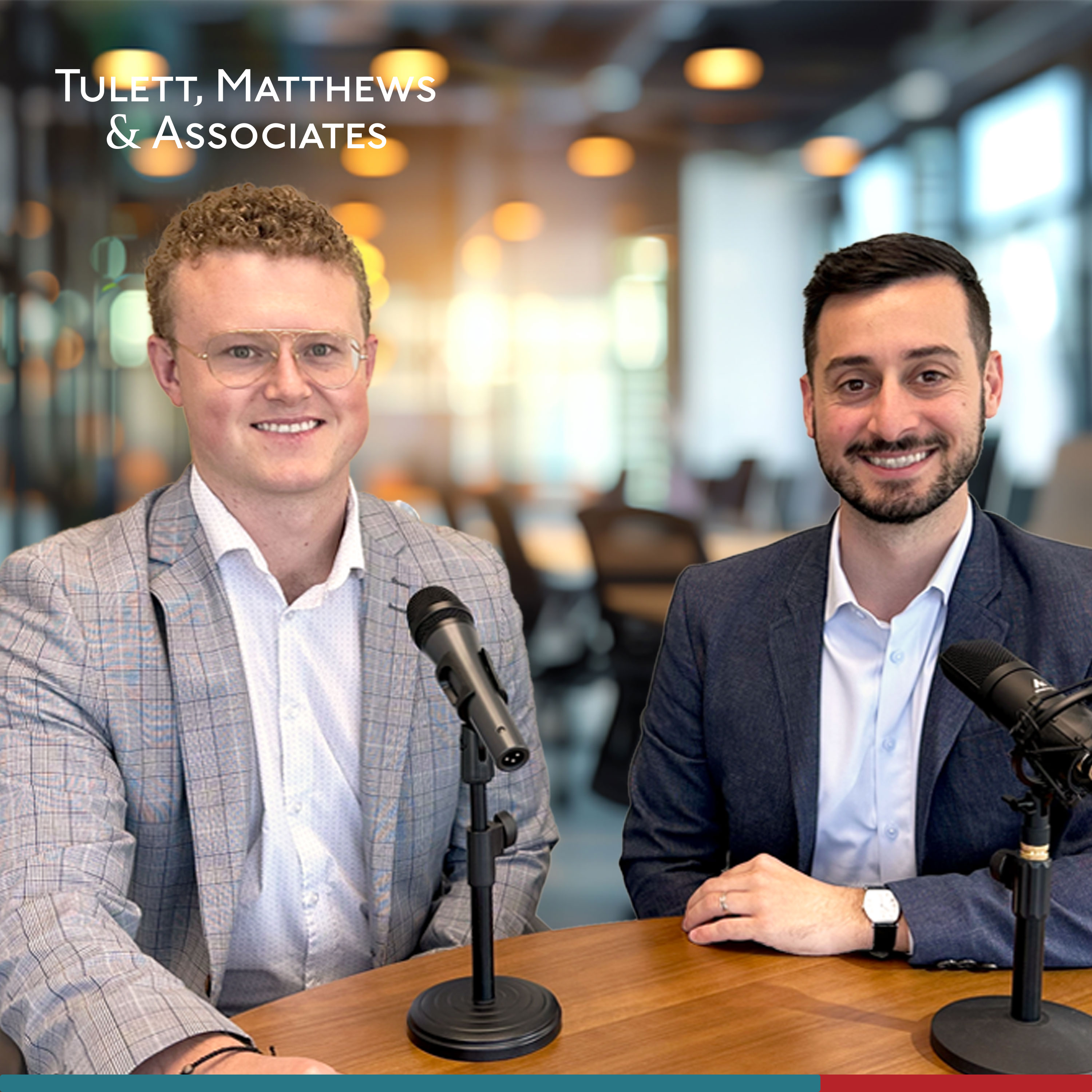
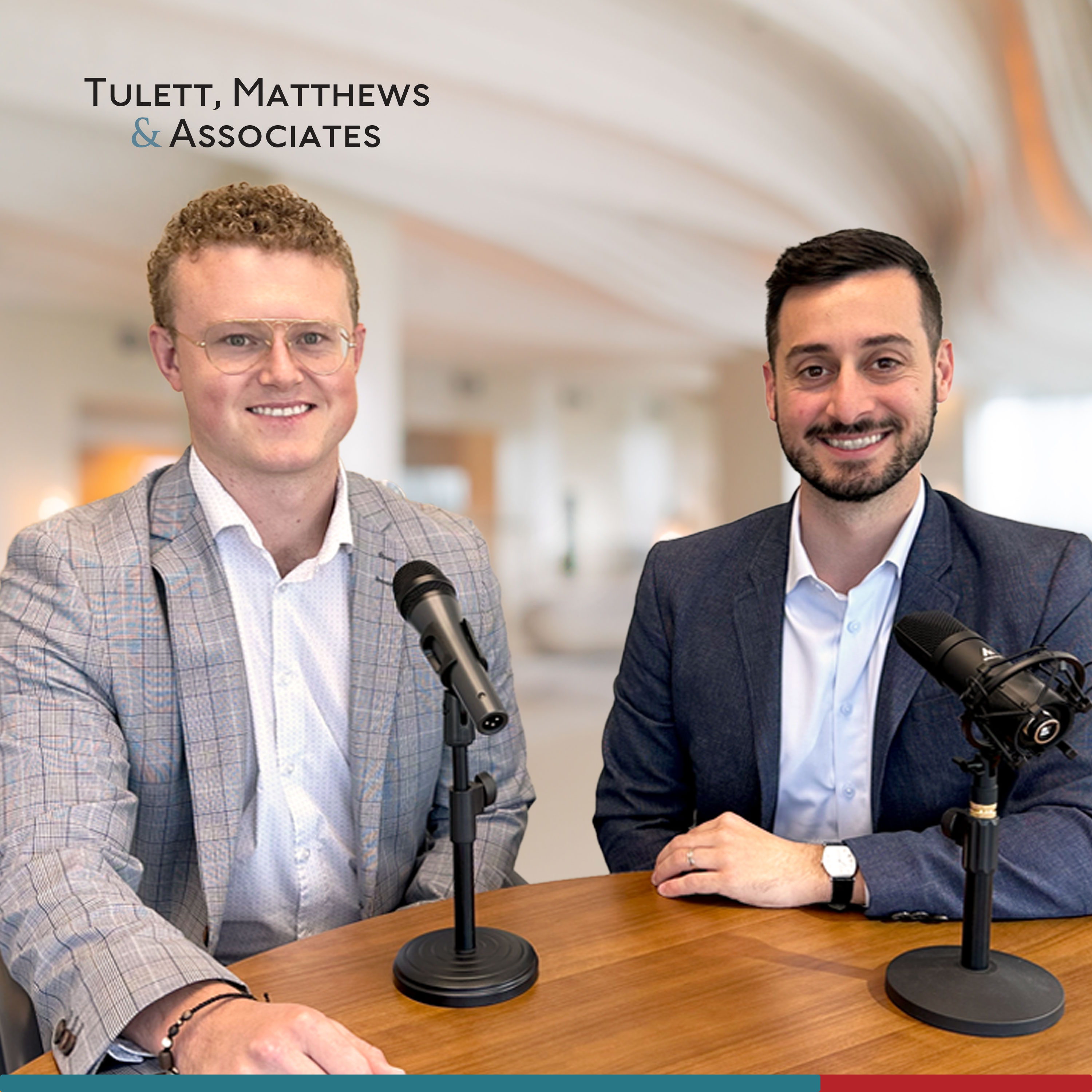
Hosted by Keith Matthews

BusinessManagementInterviews guestsExplicit

Episodes

132

Latest episode

Jul 2026

Language

EN

About the show

If you've ever felt overwhelmed by the sheer volume of choices and voices in the Canadian financial services industry, The Empowered Investor Podcast can transform your investment experience and increase your odds of becoming financially secure – forever. With his simple, straightforward approach, host Keith Matthews cuts through the noise to help you make better decisions and discover the best investment and planning strategies for you and your family. As a portfolio manager and advisor at Tulett, Matthews & Associates, Keith has spent twenty-five years helping investors achieve their financial goals using the same planning and portfolio principles discussed in The Empowered Investor podcast. Always an advocate for investors, Keith has spoken at global conferences, been quoted in many Canadian newspapers and magazines, and recently published the new and revised 4th edition of his book, The Empowered Investor. To learn more about Keith’s client advisory services or to request a complementary copy of the latest edition of The Empowered Investor, please visit www.tma-invest.com

Listen to episodes

60 recent
August 20, 202646 min

Philanthropy & Tax Planning with Flow-Through Shares

About This Episode In this episode, Ruben Antoine sits down with Albert Labelle, partner at PearTree Canada , to close out the three-part series on charitable giving with a deep dive into flow-through shares — one of the most powerful and least understood tools in Canadian tax and philanthropic planning. Albert walks through what flow-through shares are, why the Canadian government created them, and how they work both as a tax reduction strategy and as a way to supercharge charitable giving. He explains how an individual in the highest tax bracket can make a $50,000 donation for as little as $1,000 out of pocket — and why this is not a loophole, but an intentional government program designed to support Canada's natural resources sector. The conversation also covers how corporations and holding companies can benefit from flow-through shares, the role of the Capital Dividend Account, and how PearTree has structured transactions to eliminate market risk for investors. A fascinating and eye-opening episode for anyone who pays significant taxes, has philanthropic goals, or both. Happy listening! Key Topics Covered: Introduction to Albert Labelle and PearTree Canada (01:49) What are flow-through shares and how did they originate? (03:14) Why mining companies can't simply use banks or venture capital to finance exploration (07:02) Canada's outsized role in global mining — 60 to 65% of mining companies worldwide are Canadian-based (07:02) How the government expanded flow-through shares to critical minerals with a 30% investment tax credit (09:50) Why oil and gas was excluded from the program in 2023 (09:50) Minerals and metals as the foundation of modern technology — from computers to electric vehicles (11:06) Flow-through shares in other countries — how Canada's program compares (12:08) Flow-through shares representing over 80% of natural resources sector financing in Canada (14:14) The tax mechanics: reducing your effective rate from 53% down to the 37% alternative minimum tax floor (15:32) Who is the ideal candidate? Income profile, income type, and the $350,000 threshold (19:13) Why capital gains income is not well-suited for flow-through share transactions (20:32) How PearTree de-risked the transaction — knowing the buy price and exit price in advance (24:11) The philanthropic power of flow-through shares: making a $50,000 donation for as little as $1,000 (28:33) How flow-through shares combine with donor advised funds for maximum philanthropic impact (31:13) Is this aggressive tax planning or a loophole? Why the answer is neither (34:59) Using flow-through shares through a holding company or CCPC — benefits, differences, and the Capital Dividend Account (38:41) Key takeaways: amplifying generosity, reducing taxes, and letting professionals do the work (43:17) Be sure to subscribe on Apple, Google, Spotify, or wherever you get your podcasts. Feel free to drop us a line at lawrence@tma-invest.com or 514-695-0096 ext.112. Follow Tulett,Matthews & Associates on social media: LinkedIn, Facebook, and more! Follow The Empowered Investor on Facebook, LinkedIn , and Instagram. Thanks for listening!

July 9, 202625 min

2026 Mid-Year Investment Review

Geopolitical tension, market volatility, and remarkable investment returns. In this episode, Keith Matthews and Lawrence Greenberg sit down for a mid-year review of the first six months of 2026 — a period packed with geopolitical tension, market volatility, and some truly remarkable investment returns. Keith and Lawrence break down what actually drove markets higher despite a noisy and unsettling news cycle, from the Iran conflict to oil supply shocks and AI capital investment. They walk through asset class returns across the board, zoom out to put the last decade of performance in perspective, and tackle one of the most common investor questions right now: should I keep investing when markets are at all-time highs? They also cover the rotation happening beneath the surface — the relative underperformance of the Mag 7, the surge in small cap and emerging market stocks — and revisit the gold narrative that dominated headlines earlier in the year. A grounding, data-driven episode for any investor wondering what to make of today's markets. Happy listening! Key Topics Covered: Major themes and geopolitical events of the first half of 2026 (01:25) Market volatility: the S&P 500's 10% peak-to-trough drop and its recovery (02:26) What actually drives stock market performance — corporate earnings up 28% year over year (03:17) "Climbing the wall of worry" — why staying invested through the Iran conflict paid off (04:25) Six-month asset class returns: Canadian stocks, US stocks, international, emerging markets, real estate (05:27) Portfolio performance — 60/40 and 100% equity allocations, and the value of tilts to value and small cap (06:34) Zooming out: stock returns since COVID, since the Russia-Ukraine war, and since the trade war (08:53) Canadian real estate vs. diversified stocks over the same period (09:51) The best 10-year period for most Canadian investors — 12.86% per year, or 335% cumulative (11:31) 20-year stock market returns: nearly 10% per year, multiplying wealth 6.6x (12:02) The dangers of chasing fads — hedge funds, private equity, syndicated real estate (12:41) Rotation beneath the surface: Mag 7 underperformance vs. the S&P 493 (13:41) US small cap stocks up 21.4% vs. large cap at under 10% — a massive six-month gap (15:15) Gold in 2026: down 20% during peak Iran conflict volatility — what that tells us (16:12) Should you invest at all-time highs? What 1,000 months of data actually show (18:47) Dollar cost averaging: when phasing in large lump sums makes behavioral sense (21:37) Final thoughts: stay the course, stay diversified, and don't forget bonds (23:28) Be sure to subscribe on Apple, Google, Spotify, or wherever you get your podcasts. Feel free to drop us a line at lawrence@tma-invest.com or 514-695-0096 ext.112. Follow Tulett,Matthews & Associates on social media: LinkedIn, Facebook, and more! Follow The Empowered Investor on Facebook, LinkedIn , and Instagram. Thanks for listening!

June 25, 202629 min

Your Money, Your Legacy: How Donor Advised Funds Work

The Donor Advised Fund Playbook In this episode, Lawrence Greenberg continues the three-part series on charitable giving in Canada with Part Two: Donor Advised Funds . He's joined by special guest Linda Argalgi, tax accountant and philanthropy advisor at the Jewish Community Foundation (JCF). Linda walks through what a donor advised fund (DAF) is, how it compares to a private foundation, and why this strategy isn't just for the ultra-wealthy. They cover the mechanics of contributing to a DAF, how investment options work, and the key differences in administration, privacy, disbursement flexibility, and legacy planning between a DAF and a private foundation. Lawrence and Linda also discuss real-world planning scenarios — from front-loading donations during a high-income or wealth-creation year, to setting up a fund that honors a donor's wishes for generations to come. A must-listen for anyone curious about more sophisticated, flexible ways to structure their charitable giving. Happy listening! Key Topics Covered: Introduction to Linda Argalgi and her path into philanthropy (00:29) Overview of the Jewish Community Foundation (JCF) (02:52) How donors give to charities through a DAF (04:14) Investment options within a donor advised fund (05:36) Why Canadians are turning to DAFs — and debunking the "only for the ultra-wealthy" myth (07:11) DAF vs. private foundation: who owns the assets? (08:53) Administrative burden: private foundation vs. public foundation fund (10:10) Disbursement quotas and flexibility in timing your giving (11:11) Types of assets you can contribute (cash, securities, real estate, insurance, private shares) (12:55) Privacy differences between private foundations and DAFs (13:41) Legacy planning and naming a fund (14:48) The four steps of how a DAF works, from contribution to grant (17:03) Strategic timing: front-loading donations around a high-income or liquidity event (19:25) Real client example: using a DAF after a real estate sale (22:00) What happens to a DAF when the donor passes away (23:11) Debate: are donor advised funds delaying giving to charities? (25:45) Key takeaways and closing thoughts (27:47) Mentioned in this episode: Linda Argalji, tax accountant and philanthropy advisor Jewish Community Foundation (JCF). Be sure to subscribe on Apple, Google, Spotify, or wherever you get your podcasts. Feel free to drop us a line at lawrence@tma-invest.com or 514-695-0096 ext.112. Follow Tulett,Matthews & Associates on social media: LinkedIn, Facebook, and more! Follow The Empowered Investor on Facebook, LinkedIn , and Instagram. Thanks for listening!
June 11, 202616 min

Give More, Keep More: How to Maximize Your Charitable Impact in Canada

Donations 101: A Canadian Guide to Tax-Smart Charitable Giving In this episode, Lawrence Greenberg and Jackson Matthews kick off a three-part series on charitable giving in Canada. Lawrence and Jackson break down the different ways to give, how charitable donations affect your taxes, and how to plan strategically around your giving. They cover everything from the basic cash donation to the more powerful — and often overlooked — strategy of gifting securities in kind, which can generate significant tax savings for both the donor and the charity. They also touch on corporate giving, the Alternative Minimum Tax (AMT), annual donation limits, estate planning opportunities, and offer a preview of two advanced strategies — donor advised funds and flow-through shares — that will be explored in depth in the next two episodes. A must-listen for anyone who wants to be more intentional and tax-efficient with their generosity. Happy listening! Key Topics Covered: Introduction and overview of the three-part series (00:46) Ways to give: time, items, cash, and securities (01:12) How charitable donations affect your taxes — the non-refundable tax credit explained (02:34) Spousal pooling of donation receipts (03:46) Cash donation vs. gifting securities in kind — and why in kind is often more powerful (05:03) Corporate giving from a holding company and the Capital Dividend Account (07:29) The Alternative Minimum Tax (AMT) — a potential roadblock for large donors (08:37) Annual donation limits and the five-year carry-forward rule (10:06) Year of death exception — increasing your limit to 100% of net income (11:39) Preview: Donor Advised Funds explained at a high level (12:53) Preview: Flow-through shares and their tax advantages (14:13) Key takeaways — including why gifting securities in kind is the low-hanging fruit for non-registered account holders (15:04) Be sure to subscribe on Apple, Google, Spotify, or wherever you get your podcasts. Feel free to drop us a line at lawrence@tma-invest.com or 514-695-0096 ext.112. Follow Tulett,Matthews & Associates on social media: LinkedIn, Facebook, and more! Follow The Empowered Investor on Facebook, LinkedIn , and Instagram. Thanks for listening!

May 21, 202655 min

How to Manage the Financial and Emotional Reality of Aging Parents

In this episode of the Empowered Investor Podcast, Marcelo Taboada sits down with financial journalist and CFP professional Beth Pinsker to discuss one of the most overlooked areas of financial planning: caregiving for aging parents. Beth shares the deeply personal story behind her book My Mother’s Money and explains why financial caregiving is about far more than estate planning. The conversation explores the emotional, logistical, and financial realities families face when a parent becomes ill or incapacitated, from powers of attorney and healthcare directives to sibling dynamics, long-term care costs, and difficult end-of-life decisions. Marcelo and Beth also discuss the hidden burden caregiving places on families, why early conversations matter, and the practical steps listeners can take today to protect both their parents and their own future caregivers. Key takeaways • Financial caregiving is more than estate planning. (00:05:09) • Why most families avoid these conversations until it’s too late. (00:06:48) • The importance of powers of attorney and healthcare directives. (00:12:00) • Why having passwords alone is no longer enough. (00:16:33) • How banks can reject outdated or incomplete legal documents. (00:22:40) • Why estate documents should be reviewed regularly after major life changes. (00:24:23) • How family meetings can reduce conflict and confusion later on. (00:25:59) • The emotional and financial burden often falls disproportionately on women. (00:27:46) • How sibling dynamics can complicate caregiving and estate decisions. (00:28:05) • Why communication and transparency are critical within families. (00:30:12) • What families tend to fight over most during estate settlements. (00:33:29) • The true cost of aging and long-term care planning. (00:34:10) • Why traditional retirement planning often ignores late-life care realities. (00:34:34) • How healthcare and caregiving costs can quickly escalate. (00:35:16) • The difficult balance between protecting parents and preserving inheritances. (00:39:06) • Why aging at home is emotionally appealing but not always practical. (00:41:17) • How early conversations with parents can improve financial planning outcomes. (00:42:54) • Why housing decisions become central later in retirement. (00:44:24) • The emotional difficulty of downsizing and leaving the family home. (00:45:05) • How caregiving changed Beth’s perspective on retirement and life priorities. (00:49:22) • The importance of documenting family stories and personal history before it’s too late. (00:48:00) • Why simplifying finances is one of the greatest gifts to future caregivers. (00:52:36) • The benefits of consolidating accounts and reducing financial complexity. (00:53:16) Mentioned in this episode: Beth Pinsker Book: My Mother’s Money Beth Pinsker: MarketWatch MarketWatch Thanks for listening! Be sure to subscribe on Apple, Google, Spotify, or wherever you get your podcasts. Feel free to drop us a line at lawrence@tma-invest.com or 514-695-0096 ext.112. Follow Tulett,Matthews & Associates on social media: LinkedIn, Facebook, and more! Follow The Empowered Investor on Facebook, LinkedIn , and Instagram.

May 7, 20261 hr 8 min

Run Your Business with Clarity: Operating Systems with Shelby Hacala

In this episode, Keith Matthews sits down with Shelby Hacala , Co-Founder of BOS360 , to break down how business operating systems can transform the way companies run and grow. They explore why so many entrepreneurs and aspiring business leaders feel stuck or overwhelmed and how implementing the right structure can bring clarity, accountability, and better execution across teams. Shelby shares practical insights on aligning people, setting clear priorities, and building systems that actually drive results. They also discuss the value of coaching, why discipline matters more than motivation, and how small, consistent improvements can lead to major long-term success. If you’re an entrepreneur or aspiring business leader looking to scale your business with more clarity and control, this episode delivers actionable insights you can apply right away. Key moments: Introduction and overview of business operating systems (00:02:56) Shelby Hacala’s entrepreneurial background (00:03:23) Transition from business owner to coach (00:03:23) Why entrepreneurs often feel overwhelmed (00:18:17) The cost of lacking structure in a business (00:18:17) The core components of a strong operating system (00:18:17) Improving communication and alignment within teams (00:25:35) Creating clarity around roles and responsibilities (00:25:35) The importance of setting clear priorities (“rocks”) (00:40:29) How weekly meetings improve execution and accountability (00:43:57) Problem-solving as an ongoing business discipline (00:40:29) The value of having a coach vs doing it alone (00:16:48) Why discipline beats motivation in business growth (00:16:48) Decision-making speed in entrepreneurial vs large organizations (01:00:41) Shifting from financial success to long-term impact (01:01:34) Thanks for Listening! Mentioned in the Episode Shelby Hacala BOS 360 Traction Be sure to subscribe on Apple, Google, Spotify, or wherever you get your podcasts. Feel free to drop us a line at lawrence@tma-invest.com or 514-695-0096 ext.112. Follow Tulett,Matthews & Associates on social media: LinkedIn, Facebook, and more! Follow The Empowered Investor on Facebook, LinkedIn , and Instagram.

April 22, 202628 min

Stop Overthinking, Start Investing: A Guide for Young Canadians in their 20's and 30's

In this episode, Lawrence Greenberg and Jackson Matthews break down how young Canadians in their 20's and 30's should approach investing and building a strong financial foundation. They walk through the biggest challenges beginners face, from information overload to the fear of making mistakes, and explain how to simplify the process. The conversation covers the different ways to start investing, whether through traditional banks, robo-advisors, or DIY platforms, and how to choose the right approach based on your level of involvement. They also explain how to prioritize accounts like the FHSA, TFSA, and RRSP, and why understanding their tax advantages can significantly impact long-term wealth. Beyond that, they highlight the importance of diversification, avoiding stock picking, and keeping fees low. Throughout the episode, the focus remains on building good habits early, staying disciplined, and letting time and compounding do the heavy lifting. Key points from the episode: Why young investors struggle to get started (01:29) Investment options: banks, robo-advisors, and DIY platforms (02:12) How robo-advisors like Wealthsimple simplify investing (03:00) DIY investing and the role of ETFs (04:00) Introduction to the FHSA and how it works (06:28) Why the FHSA is a powerful “hybrid” account (06:38) Understanding the TFSA and its flexibility (08:39) Long-term power of tax-free growth in a TFSA (10:02) How RRSP contribution room works (11:16) Tax benefits and income optimization with RRSPs (12:38) Employer matching and why it’s free money (13:29) When to use a non-registered account (16:05) Why stock picking underperforms the market (18:15) What the SPIVA report reveals about active management (19:22) The power of starting early and compounding (21:46) How fees impact long-term returns (24:04) Final takeaway: build habits, stay disciplined, and think long term (25:59) Thanks for Listening! Be sure to subscribe on Apple, Google, Spotify, or wherever you get your podcasts. Feel free to drop us a line at lawrence@tma-invest.com or 514-695-0096 ext.112. Follow Tulett,Matthews & Associates on social media: LinkedIn, Facebook, and more! Follow The Empowered Investor on Facebook, LinkedIn , and Instagram.

April 9, 20261 hr 8 min

Nicolas Bérubé: 17 Lessons for Canadian Investors

In this episode, Marcelo Taboada sits down with Nicolas Bérubé to discuss his latest book L’art de multiplier son argent : 17 leçons pour réussir en bourse (The Art of Multiplying Your Money: 17 Lessons for Success in the Stock Market). Together, they break down the key lessons every investor should understand to build long-term success in the stock market. Nicolas brings deep expertise in wealth management and financial planning, with a strong focus on helping families make thoughtful, long-term decisions. He is also the author of three books and a regular personal finance columnist for La Presse , where he shares practical insights with a broad audience. His work has been published in multiple languages (primarily French and English), reflecting his broad reach with readers interested in practical personal finance. Known for his disciplined approach and ability to simplify complex financial concepts, Nicolas has built a reputation for delivering clear, client-centered advice that aligns strategy with real-world goals. Overall, this episode is a reminder that successful investing is not about complexity, but about consistency and avoiding common mistakes. Key points: Introduction to Nicolas Bérubé and his book (00:40) Why he wrote L’art de multiplier son argent : 17 leçons pour réussir en bourse (05:56) The main lessons behind the book (05:30) Market timing and common investing myths (22:54) Why starting early makes a difference (23:49) The importance of diversification (04:00) ETFs and building a simple portfolio (04:00) Investor psychology and behavioral biases (04:00) Why beating the market is so difficult (12:14) The impact of fees on returns (36:13) Dividend investing explained (37:25) Risks of chasing popular sectors (47:58) Why “boring” companies often outperform (49:44) The role of bonds in a portfolio (43:31) Final takeaway: discipline and simplicity win long term (50:30) Mentioned in this episode: One Hundred Years in the U.S. Stock Markets L’Investisseur Transforme podcast Nicolas Berube weekly article in LaPresse Book: Les millionnaires ne sont pas ceux que vous croyez , Nicolas Bérubé Book: De zéro à millionaire: investir en bourse sans souffrir , Nicolas Bérubé Book: Millionaire Next Door , Thomas J. Stanley Ph.D., William D. Danko Ph.D Book: Zero to Millionaire. A simple, effective and stress-free way to invest in the stock market , Nicolas Bérubé Book: L'art de multiplier son argent: 17 leçons pour réussir en bourse , Nicolas Bérubé Book: Die with Zero , Bill Perkins Thanks for Listening! Be sure to subscribe on Apple, Google, Spotify, or wherever you get your podcasts. Feel free to drop us a line at lawrence@tma-invest.com or 514-695-0096 ext.112. Follow Tulett,Matthews & Associates on social media: LinkedIn, Facebook, and more! Follow The Empowered Investor on Facebook, LinkedIn , and Instagram.

March 24, 202626 min

Staying the Course: Investing Through War & Uncertainty

In this episode, Keith Matthews and Jackson Matthews take a step back to help investors make sense of market volatility during periods of geopolitical tension, focusing on the current situation in the Middle East. They walk through what has been happening in the markets so far in 2026, starting with a strong beginning to the year followed by a noticeable pullback as uncertainty increased. They explain how disruptions in oil supply are influencing inflation expectations and why this matters for interest rates, stock valuations, and the broader economy. By putting today’s events into historical context, they show that while every conflict feels unique in the moment, markets have consistently demonstrated resilience over time. The conversation also challenges the instinct to react or make sudden portfolio changes during uncertain periods. Through real data and long-term evidence, they highlight how trying to time the market often leads to weaker results, especially when investors miss key recovery days. Instead, the focus remains on maintaining discipline, staying invested, and following a clear long-term plan. Overall, this episode is a reminder that while short-term uncertainty is unavoidable, long-term success in investing comes from consistency, diversification, and the ability to stay grounded when markets become volatile. Key points: Introduction to the episode and Jackson Matthews’ role at the firm. (00:38) Overview of recent geopolitical conflicts and their impact on investors. (01:46) Market performance in early 2026: strong start followed by correction. (03:25) Peak-to-trough declines across major global indices. (05:00) Why markets are reacting: oil supply shocks and inflation fears. (06:27) The strategic importance of the Strait of Hormuz and global oil flow. (06:50) Inflation implications and potential central bank responses. (09:17) Risk of stagflation and economic slowdown scenarios. (10:27) Economist expectations: recession probabilities and inflation outlook. (11:00) Historical analysis of 19 military conflicts and market performance. (12:24) Average market returns and drawdowns following geopolitical events. (13:00) Why markets tend to recover despite uncertainty and conflict. (14:02) The myth of timing the market during crises. (15:59) Evidence against tactical asset allocation strategies. (17:13) The impact of missing the best days in the market. (20:32) Importance of staying invested during volatile periods. (22:11) Long-term investing discipline and portfolio strategy. (23:34) Final takeaway: control behavior, stay diversified, and think long-term. (24:08) Thanks for Listening! Be sure to subscribe on Apple, Google, Spotify, or wherever you get your podcasts. Feel free to drop us a line at lawrence@tma-invest.com or 514-695-0096 ext.112. Follow Tulett,Matthews & Associates on social media: LinkedIn, Facebook, and more! Follow The Empowered Investor on Facebook, LinkedIn , and Instagram.

March 19, 202637 min

Tax Time Made Simple: Your 2025 Canadian Filing Guide

In this episode of The Empowered Investor Podcast , Keith Matthews and Andrea LeRoyer break down how to approach tax season with clarity and structure. From key deadlines to recent tax changes, they walk through what actually matters when preparing your return. The discussion goes beyond basic compliance, highlighting how organization, awareness of credits, and proactive planning can materially impact your after-tax outcomes. They also cover practical frameworks, including what documents you’ll receive, what you need to track down, and how different life situations, from students to retirees, affect your tax strategy. This episode offers a structured approach to navigating tax season efficiently while avoiding missed opportunities and costly oversights, an essential listen for anyone serious about managing their financial life with discipline and foresight. Key Topics: ● April 30 = main filing & payment deadline. (00:02:56) ● Self-employed file later, but must pay by April 30. (00:03:08) ● Most tax slips arrive by late February. (00:04:25) ● Trust slips may delay filing into March/April. (00:04:43) ● First tax bracket reduced to 14%. (00:05:15) ● Some tax credits slightly reduced in value. (00:05:53) ● New/expanded benefits: grocery, disability. (00:06:35) ● Non-compliant short-term rentals lose deductions. (00:08:58) ● Digital news credit eliminated. (00:09:36) ● Underused housing tax removed. (00:09:55) ● Organize: income slips, assessments, installments. (00:11:14) ● Track manually: childcare, tuition, medical, donations. (00:15:12) ● Home office = prorated expense deductions. (00:18:20) ● Students should file to unlock credits & benefits. (00:20:47) ● First-time homebuyers eligible for tax credits. (00:22:32) ● Families gain access to child-related benefits. (00:23:48) ● Seniors benefit from multiple targeted credits. (00:25:28) ● Pension income splitting can reduce taxes. (00:32:20) ● Tax planning is year-round, not seasonal. (00:35:38) Thanks for Listening! Be sure to subscribe on Apple, Google, Spotify, or wherever you get your podcasts. Feel free to drop us a line at lawrence@tma-invest.com or 514-695-0096 ext.112. Follow Tulett,Matthews & Associates on social media: LinkedIn, Facebook, and more! Follow The Empowered Investor on Facebook, LinkedIn , and Instagram.

Is this your show?

Claim this listing to keep it up to date, reach guests who want to pitch you, and manage bookings with Guestify.

Claim this listing

More Business podcasts