The Business of Wedding Planning is a podcast dedicated to guiding aspiring, new, and growing wedding planners through the intricacies of creating and scaling a profitable wedding planning business. Each episode explores topics essential for success in the industry, including marketing strategies, pricing models, client and vendor relations, and sales strategies. This podcast offers actionable advice, proven business strategies, and real-life success stories from seasoned wedding planners and industry experts. Listeners will gain insights into overcoming the common challenges faced by wedding planners, such as managing client expectations, building a reputable brand, and mastering the logistics of event planning. The Business of Wedding Planning focuses on the operational and business aspects of running a wedding planning business. Whether you're just starting out with a dream and a passion for wedding planning or you're looking to grow your business, this podcast is your go-to guide for navigating the path to profitability and success in the competitive wedding planning industry. Join us to transform your passion into a thriving business. The Business of Wedding Planning is brought to you by The Planners Lounge, an online resource, website, community, and shop for wedding planners. Established in 2011, Planner's Lounge has been the premier resource site for wedding planners since its creation. Podcast host and Planners Lounge CEO Amber Peterson started her planning business in 2009 in NW Washington. In 2013, she founded the Skagit Wedding Society, a networking group for wedding professionals to meet and collaborate on weddings and styled shoots and to promote Skagit County, WA, as a premier wedding destination in the Pacific Northwest. The SWS also produced the annual Skagit Wedding Tour. Amber graduated from the University of Alaska Fairbanks with a BA in Public Relations/Advertising and went on to earn a Masters of Science in Integrated Marketing Communication from Roosevelt University in Chicago, IL. For questions or comments email info@plannerslounge.com
Listen to episodes
25 recent
October 26, 202440 min
How Technology Adds Value to Your Planning Business
I had an amazing chat with Sara Kincaid, President and COO of Aisle Planner. We talked about how implementing technology in your business can lead to more efficiency, better service, and the ability to charge more. As a thank you to our listeners, you can try Aisle Planner f or 30 days free and 20% off for the first six months with code: Levelupin25 Sign Up Today!
October 17, 202423 min
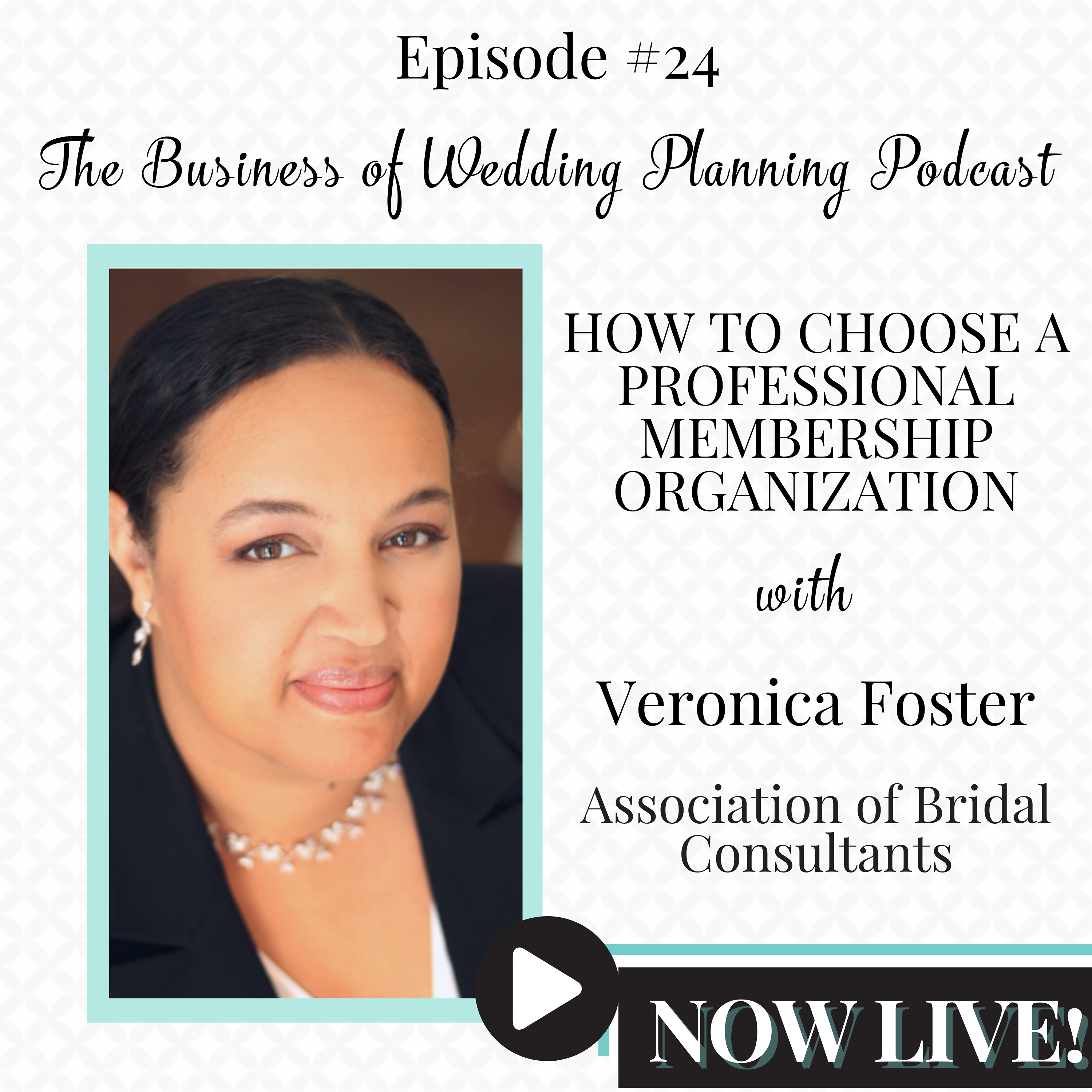
How to Choose a Professional Membership Organization
Check out my conversation with Veronica Foster, president of the Association of Bridal Consultants
October 2, 202410 min
How to Have a Productive Off Season
Show Notes Show Sponsor: Markel Insurance Introduction: Welcome back to "The Business of Wedding Planning" podcast! In this episode, Amber Peterson explores effective strategies to leverage the quieter fall and winter months in the wedding industry. This time can be pivotal for reviewing the past season, preparing for the upcoming engagement season, and setting the groundwork for a successful year ahead. Segment Highlights: 1. Wrapping Up the Season: Vendor Appreciation: Amber emphasizes the importance of sending thank you notes to vendors to nurture and strengthen professional relationships. Client Feedback: Implementing a satisfaction survey for clients to gather valuable feedback and identify areas for improvement. Gather Assets: Collecting images and testimonials from recent events to bolster marketing efforts and attract new clients. Tie Up Loose Ends: Ensuring all invoices are settled and any outstanding issues are addressed, allowing for a fresh start in the new season. 2. Season Assessment: Performance Review: Analyzing what strategies were successful and which areas need adjustment. Staffing Needs: Evaluating whether new hires or changes to the team structure are necessary. Operational Changes: Identifying potential improvements in operations to enhance efficiency and client satisfaction for future events. 3. Preparing for the Holidays: Gift Planning: Deciding on thoughtful gifts or cards for clients and vendors to maintain strong business relationships. Schedule Ahead: Organizing the distribution of holiday greetings in advance to ensure timely delivery and reduce stress during the holiday rush. 4. Gearing Up for Engagement Season: Update Marketing Materials: Refreshing pricing, portfolios, and promotional materials to reflect the most current services and successes. Strategic Planning: Crafting a marketing strategy aimed at capturing the attention of newly engaged couples, including digital marketing efforts and participation in bridal shows. 5. Planning for the Next Year: Event Scheduling: Setting realistic goals for the number of events to manage in the coming year. Time Management: Proactively scheduling personal time or vacations to ensure a balanced work-life dynamic, which can boost overall productivity. Conclusion: Amber wraps up the episode by underscoring the significance of using the off-season not just for rest, but as a crucial period for strategic planning and preparation. By addressing these areas, wedding planners can set the stage for a prosperous and less stressful year.
September 25, 202411 min
How to Find Your Niche in the Market
Segment Highlights: 1. Understanding the Importance of a Niche: Expertise and Authority: Specializing helps you become a recognized authority in specific types of weddings, such as eco-friendly or luxury events. Reduced Competition: Targeting a niche narrows your competition and establishes you as a preferred planner within that area. Marketing Efficiency: Focused marketing becomes more straightforward when you understand precisely who your ideal client is. 2. How to Identify Your Niche: Assess Your Interests: Reflect on what aspects of wedding planning truly captivate you and where your strengths lie. Research Market Trends: Stay informed about emerging trends and see if any align with your interests. Evaluate the Competition: Identify less saturated areas that may present opportunities. Client Conversations: Engage with potential clients to understand their needs and gaps in the current market. 3. Testing Your Niche: Pilot a Mini-Service: Launch a small-scale service tailored to your niche and gauge the response. Client Feedback: Utilize client feedback to refine your offerings. Financial Viability: Ensure there's not just interest, but also a financial willingness to pay for your specialized services. 4. Marketing Your Niche: Update Your Branding: Refresh your branding to reflect your niche, ensuring it appeals directly to your target market. Social Media Strategy: Use platforms like Instagram and Facebook to showcase your niche expertise and engage with potential clients. Networking: Connect with like-minded vendors and potential clients in targeted events or online groups. Conclusion: Amber wraps up by emphasizing the benefits of niche marketing in the wedding planning industry. She encourages consistency and authenticity as you establish yourself in your chosen niche. Check out our digital product, "Finding Your Niche in the Market," available at Planners Lounge Shop . This workbook is designed to guide you through identifying the most suitable niche for your business.
September 11, 202420 min
Finding Your Space in the Luxury Wedding Market with Megan Lentz
I had a great conversation with Megan Lentz of Vida Events about finding a niche in the luxury market and what luxury means (and how it can differ from planner to planner.) You can learn more about Megan at: Vida Events Vida Events Instagram
September 4, 202432 min
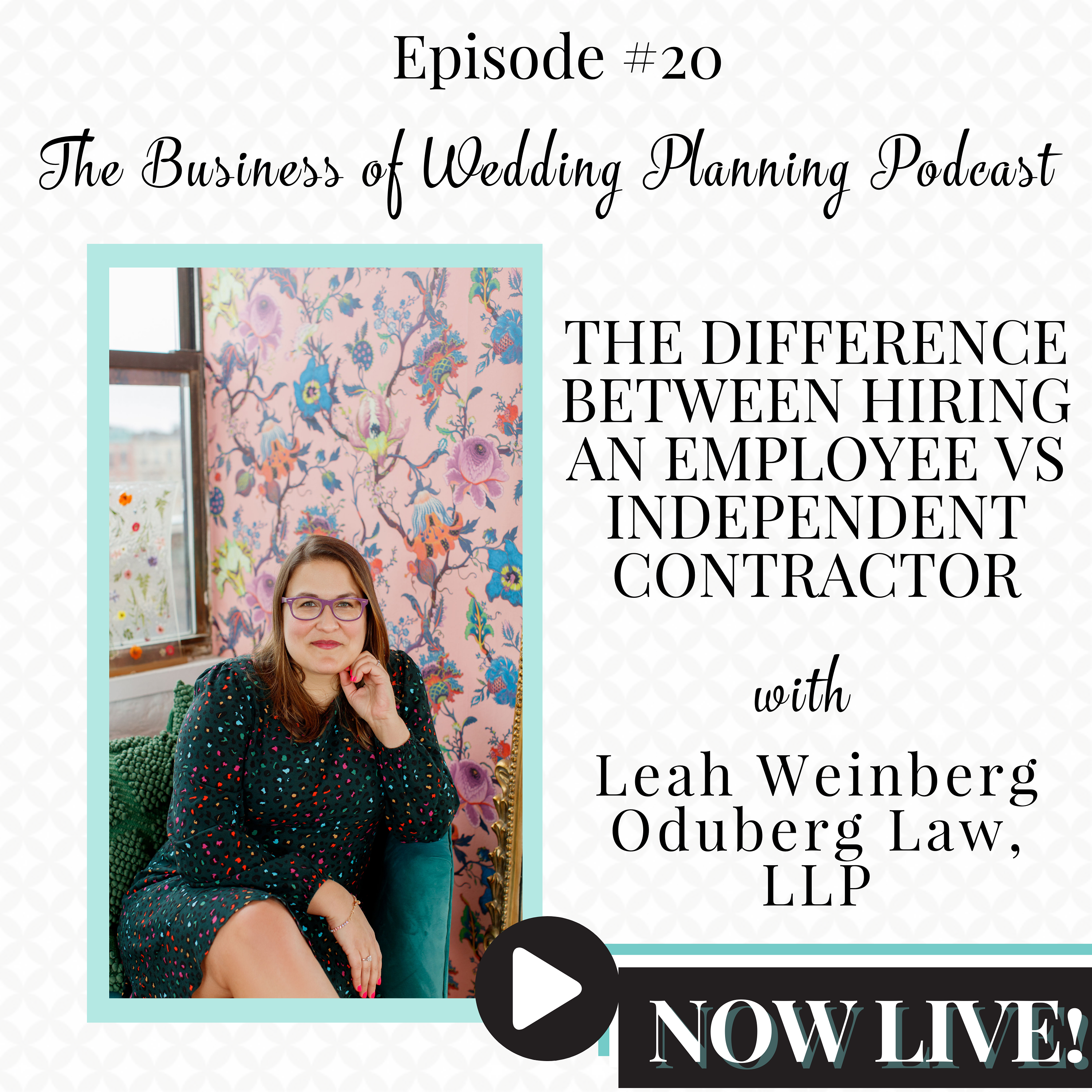
The Difference Between Hiring an Employee VS Independent Contractor
A conversation with Leah Weinberg of Oduberg Law, LLP, about the legalities of hiring an employee vs an independent contractor. Website Instagram
August 28, 202425 min
How to Hire for a Micro-Position
Why micro positions? They're perfect for handling specific tasks without the commitment of a full-time hire, making them ideal for growing businesses. How to identify areas in your business that need support. Steps to define, find, and integrate micro positions effectively. Real-life examples of how targeted hiring has transformed business operations. Assessing Your Business Needs Introduction to Business Needs: Understanding where you need help is crucial before making hiring decisions. We'll explore how to conduct a task audit and prioritize tasks effectively. Task Audit: Track your daily activities to identify time-consuming tasks that do not require your expert touch. Prioritize: Focus on tasks that directly impact your revenue and client satisfaction. Consider if these tasks can be bundled into a single role. Defining the Micro Position Role Definition: Clear role definition is crucial for attracting the right candidates. We discuss how to create a detailed job description that aligns with your strategic goals. Job Description: Draft a comprehensive description including responsibilities, required skills, and expected hours. Flexibility and Growth: Consider potential for role evolution to attract candidates interested in growth. Sourcing Candidates Finding the Right Fit: We explore effective strategies for sourcing the ideal candidates for your micro positions. Industry Contacts: Use your network of vendors and industry contacts for recommendations. Online Platforms: Utilize LinkedIn, Indeed, and niche job boards to widen your search. Internship Programs: Tap into local educational programs for fresh talent. The Interview Process Conducting Effective Interviews: Ensuring a good fit is essential. We'll cover how to structure your interviews to assess both skills and compatibility. Structured Interviews: Prepare questions that evaluate multitasking abilities and stress management. Practical Assessments: Assign relevant projects to assess skills, ensuring candidates are compensated for their efforts. Onboarding and Training Integrating New Hires: A smooth onboarding process is key to successful integration. We discuss how to set up an effective training plan. Training Plan: Include shadowing, key introductions, and tutorials on business tools. Regular Feedback: Establish a routine for ongoing feedback to address any issues early on. Legal and Administrative Considerations Staying Compliant: We discuss the importance of drafting clear contracts and ensuring compliance with local employment laws. Employment Contracts: Ensure all terms are clearly outlined. Compliance: Familiarize yourself with and adhere to employment laws to avoid legal issues. Evaluating the Role’s Impact Review and Adapt: After integration, it's important to evaluate how the new hire has impacted your business. Performance Review: Assess how well the new hire meets their objectives. Business Growth: Analyze if the new role has allowed you to expand your clientele or enhance client satisfaction.
August 21, 202424 min
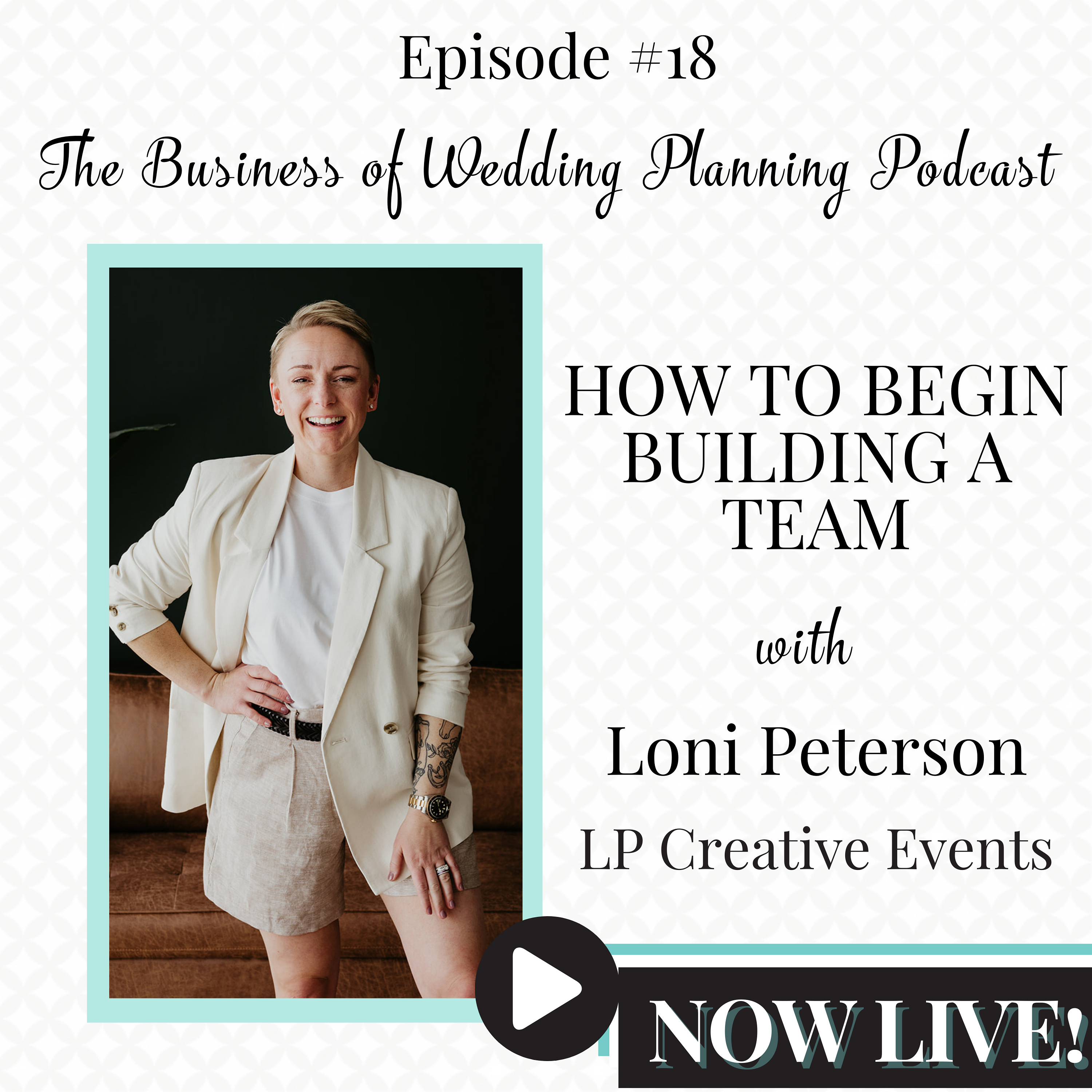
Building a Team with Loni Anderson
I had a great conversation with Loni Peterson all about building a team. Learn more about Loni and all the places you can connect with her below. Bio: Loni Peterson is the founder and owner of LP Creative Events, she has lived in Colorado for 12 years with her husband, their dogs, Dax and Penny, and horse, Dusty. She has been a planner and logistics wizard for as long as she can remember! Loni has a wide range of experience in planning weddings, engagement parties, galas, golf tournaments, luncheons, grand openings, large-scale experiential marketing events, and 5Ks and endurance events! She is a Certified Wedding Industry Professional and is serving on the National Board of Directors for WIPA as their Secretary for 2024. Loni is a Full-Time Professor at the University of Colorado Boulder, teaching in the Advertising, PR, and Design Departments. In addition to planning events, she has been a keynote speaker and panelist for industry events and organizations like PartySlate, the Wedding Industry Professionals Association, the Boulder Wedding Showcase, and the International Wedding Summit in Rome, Italy. LP Creative Events Instagram WIPA
August 14, 202413 min
Preparing Your Business for Back-to-School Season
Episode Overview: In today’s episode, Amber Peterson discusses essential strategies for wedding planners navigating the transition from a laid-back summer to the structured demands of the school year. Learn how to adjust your business operations to maintain productivity while supporting your family through this busy time. Key Points Discussed: Organizing School and Activity Calendars:Gather School Calendars: Amber stresses the importance of collecting all school calendars for your children, marking down every critical date on your master family calendar to avoid surprises. Track Extracurriculars: Log all dates for your children’s activities to ensure full awareness of upcoming commitments. Tech Tip: Utilize a digital calendar to color-code each child’s schedule, and share with your partner or caregivers to keep everyone informed. Adjusting Work Hours:Evaluate Needs: Amber guides listeners on assessing children’s school and activity schedules to determine if work hours need adjustments. Plan Work Blocks: Consider aligning your work schedule with school hours for efficiency, or adjust your day to fit around school pick-up times. Communication is Key: It’s vital to communicate any changes in your availability to your team or clients to maintain professionalism and manage expectations. Learning to Say No:Pre-decide Volunteer Time: Decide how much time you can commit to school events and stick to it, ensuring you don’t overcommit. It's Okay to Say No: Amber encourages listeners to feel comfortable declining requests that don’t fit into their schedules. Communicate Your Decisions: Being upfront about your availability can prevent misunderstandings and display your commitment to maintaining balance. Strategic Scheduling for Work:Designated Workdays: Amber suggests blocking off specific days for different types of tasks (e.g., Mondays for client meetings, Wednesdays for admin tasks) to enhance focus and set clear expectations for availability. Client Interaction Days: Set aside specific days for client interactions, ensuring that you’re fully present for your clients when needed. Childcare Planning: Assess the need for additional childcare during work blocks to ensure uninterrupted productivity. Communication with Family: Keep your family informed about your work schedule to manage expectations about your availability. Conclusion: Amber wraps up the episode by reminding listeners that with careful planning and clear communication, transitioning into the school year can be seamless and stress-free. By organizing calendars, adjusting work hours, and being strategic about commitments, wedding planners can achieve a successful and balanced start to the school year.
July 31, 202415 min
How to Be More Productive in Your Planning Business
Introduction: Amber welcomes listeners back to the podcast and introduces today's topic: supercharging productivity for wedding planners. She discusses the common challenge of never-ending to-do lists in the wedding planning industry and introduces the framework of Delete, Delegate, Automate, and Do to streamline operations and boost productivity. Segment 1: Delete – Simplify Your To-Do List Overview: Amber explains the importance of simplifying workflows by eliminating unnecessary tasks and complexities. Key Strategies:Identify Low-Value Activities: Review and eliminate activities that consume time but do not enhance client experiences or profitability. Learn to Say No: Emphasize the importance of declining non-strategic requests to free up time for higher-value activities. Optimize Processes: Streamline existing processes to reduce unnecessary steps and enhance efficiency. Segment 2: Delegate – Empower Your Team Overview: Discussion on the power of delegation to free up the planner's time for more critical tasks. Key Strategies:Assess Your Tasks: Identify tasks that can be effectively handled by other team members. Build a Reliable Team: Tips on hiring assistants, working with freelancers, and training interns, including setting clear expectations and providing necessary resources. Feedback and Adjustment: Establish a system for regular check-ins and feedback to ensure delegated tasks meet quality standards. Segment 3: Automate – Use Technology to Your Advantage Overview: Amber talks about how automation can save time and reduce manual effort. Key Strategies:Automate Communications: Implement tools for automated email responses and scheduling. Streamline Operations: Use technology for efficient budget tracking, event design, and task management. Client Management Systems: Utilize CRM systems to automate client management tasks like reminders and follow-ups. Segment 4: Do – Focus on High-Impact Work Overview: Focusing on tasks that have a significant impact on the business’s success. Key Strategies:Prioritize High-Impact Tasks: Concentrate on activities that directly contribute to event success and client satisfaction. Time Blocking: Implement time blocking to manage various tasks efficiently without distractions. Continuous Learning: Encourage ongoing professional development to enhance skills and stay competitive. Conclusion: Amber summarizes the episode by reiterating the importance of the Delete, Delegate, Automate, and Do strategies in boosting productivity and reducing stress. She encourages listeners to start with one strategy and gradually integrate more to see comprehensive benefits. Outro: Amber thanks listeners for tuning in and teases the next episode, which will continue exploring effective business strategies for wedding planners.
Is this your show?
Claim this listing to keep it up to date, reach guests who want to pitch you, and manage bookings with Guestify.