Find partners
TEMSEA Leadership Podcast

TEMSEA Leadership Podcast

Hosted by TEMSEA

Episodes

39

Latest episode

Nov 2025

Language

EN

About the show

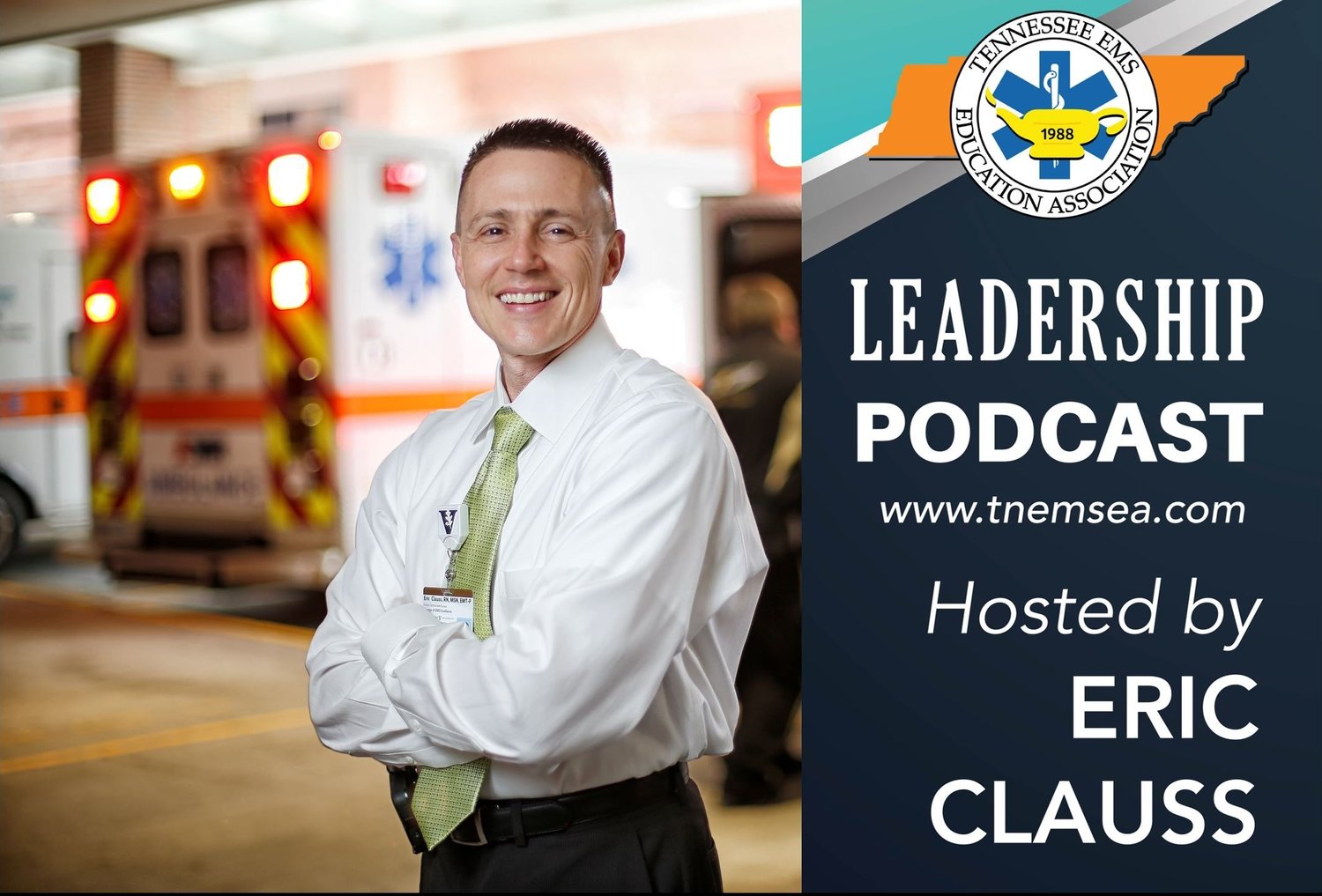
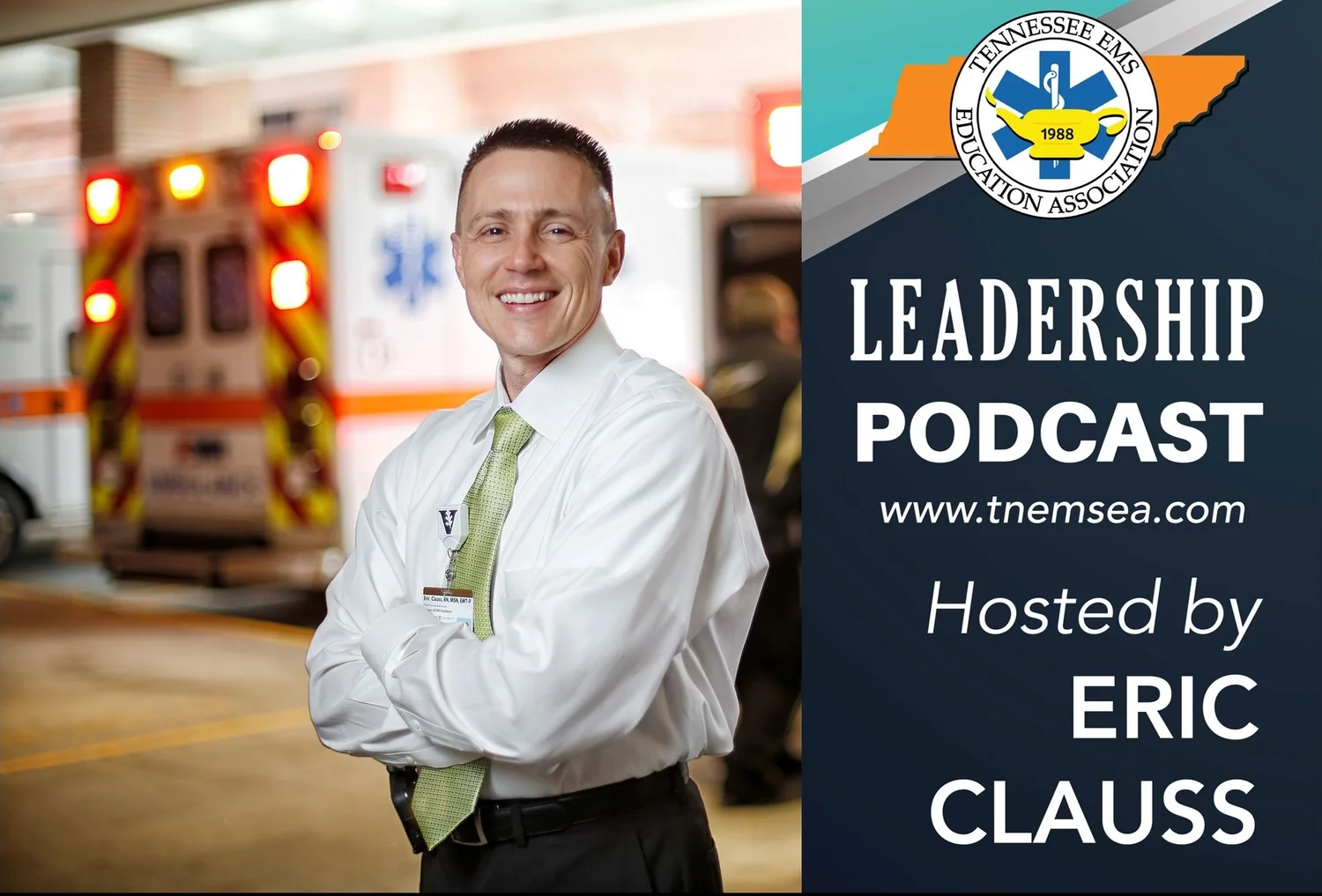
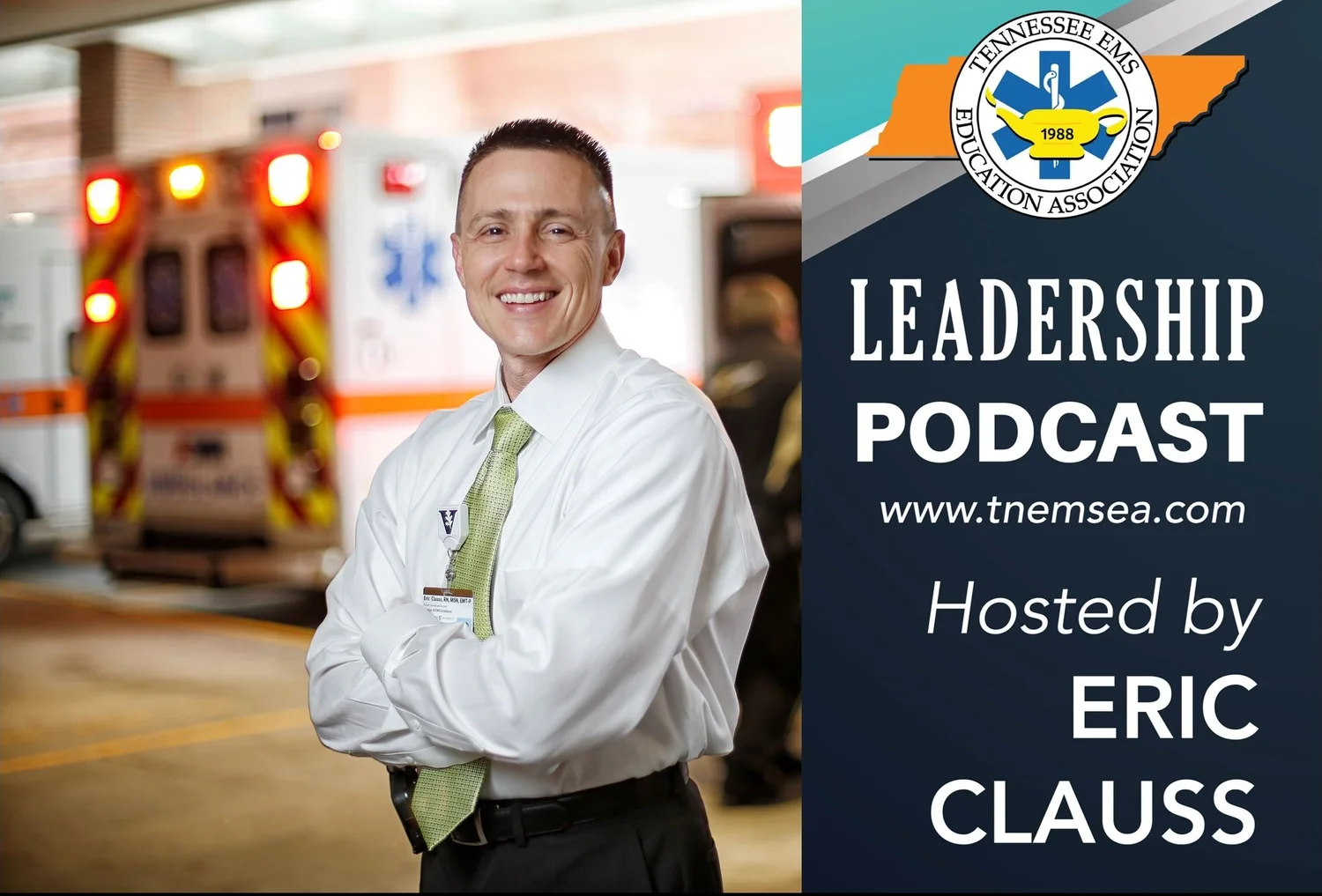
TEMSEA Leadership Podcast Hosted By Eric Clauss

Listen to episodes

39 recent
November 4, 2025Episode 3648 min

#36 - Leading from Every Angle: Strengths, Standards, and the Next Generation of Leaders

In this episode, Eric Clauss sits down with two dynamic leaders who are shaping leadership development across Tennessee’s EMS community—Jeff Masten, a 25-year Stryker veteran known for his engaging leadership workshops and people-centered philosophy, and Assistant Chief Elaina Brown of the Nashville Fire Department, whose work in supervisor training is redefining what it means to prepare the next generation of EMS leaders.Together, they offer lessons from corporate, clinical, and command perspectives—each reminding us that leadership begins with understanding yourself, setting clear standards, and developing others.Segment 1: Introduction for Jeff MastenJeff Masten brings over 25 years of leadership experience with Stryker, including more than a decade serving the EMS community. Known for his engaging leadership classes and Gallup-based strengths approach, Jeff helps teams discover how understanding themselves is the first step to leading others. His perspective bridges corporate excellence and the realities of field leadership—reminding us that professionalism, consistency, and personal accountability define how we show up every day.Segment 2: Introduction for Elaina BrownAssistant Chief Elaina Brown of the Metro Nashville Fire Department has dedicated over 30 years to EMS and fire service leadership. From shift command to national instruction at the National Fire Academy, she’s shaping leadership training for current and future supervisors through Tennessee’s state leadership initiative. Elaina brings grounded wisdom on developing confidence, mastering soft skills, and doing the “extra” work that distinguishes exceptional leaders from average ones.What do a corporate leader and a command-level fire officer have in common?A lot more than you might think. In this powerful dual interview, Jeff Masten and Assistant Chief Elaina Brown join Eric Clauss to talk about leadership through two lenses—corporate and public safety. Jeff shares insights from Stryker’s strengths-based leadership philosophy, discussing how professionalism, feedback, and accountability create lasting culture. Elaina builds on that theme, exploring the transition from tactical work to supervisory leadership, the importance of training and soft skills, and how aspiring leaders can prepare for advancement.Together, they offer a roadmap for every listener ready to grow in self-leadership and elevate those around them.Leadership Applications1. Know Yourself First.True leadership begins with self-awareness—understanding your strengths, communication style, and how you respond under pressure.2. Set and Model Standards.Professionalism and consistency create credibility. The way you do anything reflects the way you do everything.3. Develop Others Intentionally.Leaders have a responsibility to prepare successors. Invest in people by teaching, mentoring, and setting clear expectations.4. Bring Solutions, Not Just Problems.As Elaina shared—leaders stand out when they bring ideas and possible solutions forward, not just the challenges.

October 7, 2025Episode 3555 min

#35 - Still Standing: Christy Tomlinson on Retirement, Resilience, and the Stories We Carry

Today’s guest is a trailblazer, mentor, and one of the most respected voices in Tennessee EMS. With a 42-year career that includes 31 years with the Nashville Fire Department as a District Chief and 15 years as an EMS educator, Christy Tomlinson brings wisdom, candor, and heart to this conversation. She opens up about what it means to walk away well, how to manage the echoes of a life in service, and why the end of a career doesn’t mean the end of your story. Please welcome Christy Tomlinson.In this powerful episode, Christy Tomlinson—retired District Chief and 42-year EMS veteran—shares her deeply personal reflections on career longevity, financial preparedness, post-traumatic stress, and the surprising emotional challenges of retirement. She discusses how to know when it’s time to step away, why talking early and often about difficult calls matters, and how self-awareness and open communication can shape the future of EMS culture. If you’re a seasoned provider, a new recruit, or anywhere in between, this conversation will stay with you.Leadership Applications1.     Plan for the End from the BeginningChristy emphasizes the importance of setting financial goals early—even before you think you’re ready to retire. “I didn’t expect to leave, but I made sure I could if I needed to.”2.     Know Your Triggers, Know Your ReactionsLeaders must be self-aware. Understanding your personal responses to critical incidents—whether it’s stuttering, exhaustion, or intrusive thoughts—can help you manage stress and communicate clearly with your team and loved ones.3.     Normalize Conversations About Mental HealthFrom early CISM training to mentoring the next generation, Christy models how vulnerability, therapy, and talking about trauma are essential for building a resilient EMS workforce.4.     Invest in Those Coming Behind YouChristy reflects on how Gen 2 providers are paving the way for Gen 3 to feel more comfortable saying, “I need help.” Leadership includes creating a culture where that’s not only accepted—but encouraged.5.     Redefine What Retirement MeansFor many EMS professionals, retirement brings unexpected emotional challenges. Christy’s insight—that we lose the “good stories” that once balanced the bad—highlights a new area of need and advocacy for peer support after the job ends.

September 2, 2025Episode 3455 min

#34 - Investing in the Next Generation: Mentorship, Mindset, and Momentum in EMS Leadership

What does it take to build strong leaders in EMS? Host Eric Clauss is joined by Greg Johnson (Program Director, Columbia State Community College), Alex Whitley (Paramedic Instructor and Flight Medic), and Jamie Wesley (Critical Care Paramedic, Rutherford County) to discuss the launch of Tennessee’s New Provider Conference and the leadership lessons shaping the next generation. Together, they reflect on lessons learned, the launch of Tennessee’s first New Provider Conference, and how intentional investment in young providers is reshaping the profession. This episode is a reminder that leadership isn’t about titles—it’s about showing up, listening, and leaving the field better than you found it. This conversation dives into: • Why mentorship and gratitude are essential for growth. • The power of “showing up” and following through. • Meeting the new generation where they are—with technology, curiosity, and innovation. • How attitude, humility, and listening set the foundation for leadership. Whether you’re just starting your EMS career or guiding others along the way, this episode will challenge you to rethink what leadership looks like—and how you can invest in those who will carry the torch forward.Leadership ApplicationsShow Up with the Right PostureLeadership starts by being present—not just at the microphone, but in the small, unseen moments. Rolling up your sleeves, moving chairs, and following through on commitments builds credibility that opens doors for greater influence.Invest in the Next GenerationYesterday’s “hard knocks” lessons can become today’s intentional mentorship. Meeting new providers where they are, embracing technology, and listening to their questions ensures the profession evolves with strength and resilience.Prioritize Attitude and GratitudeA positive mindset and appreciation for those who invested in you are transformative. Attitude shapes not only how you lead, but also how you inspire others to embrace challenges with optimism.Listen More Than You SpeakEffective leaders don’t need to have all the ideas—they need to recognize, elevate, and support the innovators around them. Listening deeply, asking “why,” and amplifying others’ contributions builds trust and collective success.

August 5, 2025Episode 3344 min

#33 - The Quiet Strength of Leadership: Lessons from Dr. Jenny Slayton

In this inspiring episode of the TEMSEA Leadership Podcast, host Eric welcomes long-time colleague and transformational leader, Dr. Jenny Slayton, Senior Vice President of Quality, Safety, and Risk Prevention at Vanderbilt University Medical Center. From her early days in the emergency department to navigating executive leadership — and surviving a life-altering cancer diagnosis — Jenny’s story is one of grit, humility, and purpose. With humor, vulnerability, and uncommon wisdom, she reminds us all what real leadership looks like: leading ourselves first so we can lead others better.Dr. Jenny Slayton has worn many hats — emergency nurse, charge nurse, executive leader, patient. In this unforgettable conversation, she shares the lessons that shaped her leadership journey: how to handle rejection, build resilience, and turn adversity into growth. Jenny opens up about the moment a manager told her she didn’t have leadership potential, and how she used that as fuel instead of a failure. She reflects on her time as a patient facing breast cancer, how that changed her view of leadership, and why stepping back is sometimes the most powerful move forward.Whether you’re an emerging leader or seasoned executive, Jenny’s story offers perspective on leading with humility, the power of mentorship, and the critical importance of knowing — and remembering — your “why.”Leadership Applications:1. Lead Yourself FirstJenny’s early morning routine, spiritual practices, and commitment to recovery time remind us that sustainable leadership begins with self-care. “You can’t pour from an empty cup.”2. Feedback Doesn’t Define YouWhen told she lacked leadership potential, Jenny didn’t internalize it. Her response — “That’s one perspective” — exemplifies emotional maturity and confidence in one’s journey.3. Crisis Reframes PrioritiesHer cancer journey brought clarity: busyness isn’t the same as effectiveness. Jenny models how leaders must set boundaries and communicate intentionally to prioritize what truly matters.4. Build Teams That Can Thrive Without YouTrue leadership isn’t about being indispensable. Jenny’s ability to step away and see her team succeed speaks to trust, mentorship, and preparation.

July 1, 2025Episode 3258 min

#32 - Leadership Roundtable A Year of Wisdom, Impact, and Growth: Host Phil Sanderson

From rediscovering your “why” and leading with empathy, to managing workplace drama, fostering psychological safety, and building intentional mentoring relationships—this episode showcases the very heart of EMS leadership. Whether you’re guiding a team or growing into your role, this powerful discussion will remind you that the most important person you will ever lead is yourself.Leadership Learning Applications:1.     Clarify and Live Your “Why”Use reflective exercises to define your core leadership motivation—and revisit it often to stay grounded during turbulence.2.     Lead with Empathy and GracePeople carry unseen burdens. Build deeper trust and connection by being present and meeting people where they are.3.     Create Psychological SafetyEncourage input and dissent by modeling vulnerability, listening without judgment, and reacting with intention.4.     Minimize Drama through CommunicationDrama thrives in the absence of clarity. Proactively close information gaps and model emotional control in tough moments.5.     Mentor IntentionallyMentorship isn’t accidental—reach out, build relationships, and invest in others’ growth while allowing them to sharpen you.6.     Be a Listening LeaderPractice reflective listening—don’t just wait to respond. Ask: “Do they need to be helped, heard, or hugged?”7.     Lead Authentically, Not Performatively“Being on stage” means being visible—not acting. Stay true to who you are while understanding your influence. 

June 3, 2025Episode 311 hr 3 min

#31 A - Leading from Every Seat: Voices Driving EMS Forward

In this special episode recorded live at the TASA Mid-Winter Conference, we hear from EMS professionals at every level—from field medics to system leaders—who are shaping the future of prehospital care through action, advocacy, and authentic leadership. Their stories are a powerful reminder that influence begins with initiative, not titles. Whether through innovation, humility, or education, these voices are driving real change.Jamie & Aubrey discuss transitioning roles, their “Life in Sirens” podcast, and redesigning their county’s ambulance layout to reduce stress and improve efficiency.Joseph Powell reflects on the leap from paramedic to EMS director, emphasizing the weight of responsibility and importance of curiosity and mentorship.Dakota Powell shares his early inspiration, commitment to service, and the honor of being named Paramedic of the Year—while staying grounded in humility and faith.Mary Lee Lemley outlines her work addressing Tennessee’s maternal care deserts, advocating for NRP training, and ensuring prehospital teams are ready for neonatal resuscitation.

May 6, 2025Episode 3049 min

#30 - Leadership in Motion: Voices from the 2025 TASA Mid-Winter Conference

Recorded live at the 2025 TASA Mid-Winter Conference in snowy Gatlinburg, this episode features candid conversations with four impactful guests who are shaping the future of EMS leadership. Outgoing TASA President Joyce Noles reflects on the importance of preparing the next generation by “growing your replacement,” encouraging transparency and mentorship across leadership roles. TEMSA President Shannon Morphis discusses the rising momentum among new EMS professionals and the power of shared leadership efforts to create lasting change. Brianna Browne—the only known survivor of a jump from the Natchez Trace Bridge—delivers a powerful message of resilience and mental health recovery, reminding providers that they may never know the true impact of their care. Rounding out the conversation, Metro Nashville EMS Deputy Director Fred Smith draws from decades of experience to stress the value of empowering others, stepping back, and leading with humility.This episode also includes a ServeStrong sponsorship message from the Corbin Scott-Goad Memorial Foundation and provides updates on the upcoming 2025 TEMSA Conference in Murfreesboro, including an all-new student and new provider leadership track. Listeners will gain insight into the cultural shift in EMS, the strength of statewide collaboration, and how personal stories and professional mentorship are reshaping the leadership landscape.·       Joyce Noles – "Grow your replacement":Joyce highlights the generational shift in EMS leadership—emphasizing the need to equip and empower up-and-coming leaders rather than gatekeeping knowledge.·       Shannon Morphis – "Momentum is real":Shannon describes the groundswell of engagement from newer providers and emphasizes leadership development as a team effort, not an individual spotlight.·       Brianna Browne – "You never know the impact":Brianna’s perspective as a survivor reminds providers of the emotional weight and unseen impact of their work, underscoring the value of connecting with patient outcomes.·       Fred Smith – "Empowerment over ego":Fred shares powerful lessons from decades in EMS leadership, including the importance of stepping aside to let others lead and learning from both good and poor leadership examples.

April 1, 2025Episode 2951 min

#29 - Elevating Care and Compassion: Raye Nell Dyer’s Journey from Chaplaincy to Leadership

Explore the intertwining of leadership and spiritual care in this episode featuring Raye Nell Dyer, whose career spans various roles where compassion meets leadership. Raye Nell discusses her evolution from campus ministry through decades of chaplaincy, revealing how her unique experiences have crafted her into a beacon of hope and guidance for many. This episode delves into how personal trials and a commitment to service have shaped her leadership philosophy, emphasizing the importance of personal connection, recognizing individual contributions, and maintaining mental health in high-pressure environments.Learning Objectives:1. Understanding the Role of Spirituality in Leadership: Gain insight into how spiritual care principles can enhance leadership effectiveness, particularly in fields that deal with life’s critical moments.2. The Impact of Personal Connection: Learn the importance of personal recognition in team dynamics and morale, and how tailored interactions can boost team member engagement and satisfaction.3. Navigating Personal Challenges While Leading: Explore strategies for managing personal challenges while maintaining effective leadership, including the importance of mental health awareness and resources.4. Leadership Through Service: Understand how acts of service, such as the “blessing of the hands” ritual, can profoundly affect team cohesion and individual motivation within high-stress professions.

March 4, 2025Episode 2843 min

#28 - The Hardest Person You Will Ever Lead is Yourself: Lessons from a Medication Error

How did you feel the moment you realized you had made a mistake? If you haven’t experienced this yet, ask yourself—what would you do if it happened tomorrow? The reality is, errors happen in EMS, and sometimes, we may not even realize we’ve made one. The question is: will you be prepared to own it, learn from it, and use it to improve patient safety?In this episode of the Tennessee EMS Education Association Leadership Podcast, we sit down with Autumn Watts, now a seasoned Critical Care Paramedic, to explore her journey of growth and accountability after a medication error early in her career. Autumn shares how this experience reshaped her perspective on leadership, mentorship, and patient safety.With National Patient Safety Awareness Month as the backdrop, we discuss the critical role of self-leadership, the impact of human and systemic factors on medical errors, and how EMS leaders can foster a culture of transparency and learning. Autumn’s story highlights the importance of psychological safety in error reporting, the power of event analysis over punitive measures, and actionable steps to prevent similar incidents.Tune in for a candid and thought-provoking conversation about personal accountability, leadership in crisis, and the path to building a safer EMS culture.Four Main Leadership Applications from This Episode:1. Self-Leadership and AccountabilityTrue leadership starts with personal accountability. Autumn’s story highlights the importance of owning mistakes, reflecting on them, and using them as catalysts for growth. EMS providers must recognize that the hardest person they will ever lead is themselves—meaning leadership begins with the courage to admit errors, learn from them, and commit to continuous improvement.2. Fostering a Culture of Psychological SafetyLeaders must create an environment where providers feel safe reporting mistakes and near-misses without fear of punishment. A punitive culture drives errors underground, whereas a psychologically safe culture encourages open dialogue, enabling teams to learn from each other’s experiences and improve patient care.3. Balancing Systemic Accountability with Personal ResponsibilityWhile individual diligence is crucial, many errors result from systems-level failures rather than personal negligence. Leaders must analyze errors with a systems-thinking approach, identifying process gaps (e.g., medication storage issues) and implementing safeguards like cross-checks, education, and process improvements to prevent recurrence.4. Mentorship and Teaching Through ExperienceLeaders should use past mistakes—both their own and those of their teams—as powerful teaching tools. Autumn leveraged her experience to mentor new medics, helping them navigate the “invincible phase” of their careers. EMS leaders should proactively educate their teams about common pitfalls, reinforcing vigilance, teamwork, and proactive decision-making to minimize preventable errors.

February 4, 2025Episode 2741 min

#27 - Beyond Survival: Briana Browne’s Journey of Resilience, Hope, and Suicide Prevention

In this episode of the TEMSEA Leadership Podcast, host Eric Clauss speaks with Briana Browne, a suicide survivor who has turned her experience into a life-saving mission. Briana shares her emotional recollection of waking up in the hospital, her road to mental health recovery, and the moment she realized she had survived a nearly impossible fall. She discusses the stigma around suicide, the importance of proper language (saying “died by suicide” instead of “committed suicide”), and how emergency responders and healthcare professionals can better support individuals in crisis. Briana also details her advocacy with the Bridge Barrier Coalition, which successfully implemented a temporary barrier and secured plans for a permanent suicide prevention structure at the Natchez Trace Bridge. Now working with the Trauma Survivors Network at Vanderbilt University Medical Center, she shares how faith, therapy, music, and a strong support system have played a role in her healing. Briana offers powerful words of encouragement for anyone struggling with suicidal thoughts, reminding listeners that hope and help are always available. Understanding the warning signs of mental distress and offering compassionate intervention can make a critical difference, especially for first responders, emergency nurses, and healthcare professionals who often encounter individuals at their lowest moments. Encouraging peer support programs and a culture of mental health openness within emergency services can prevent tragedies and help providers care for themselves as well. Applications for Leaders & Healthcare Professionals: Language Matters: Leaders in EMS, healthcare, and emergency response must use proper terminology—phrases like “died by suicide” instead of “committed suicide” help remove the stigma. Suicide Prevention in Leadership: EMS professionals, hospital staff, and first responders are often the first points of contact for individuals in crisis. Briana’s story highlights the importance of trauma-informed care, compassionate response, and proactive mental health initiatives within emergency and healthcare settings. Advocacy & Policy Change: Leaders can use their voices to advocate for safety measures, like bridging barriers, crisis response teams, and mental health access, to prevent future tragedies. The Power of Survivor Stories: Briana’s work with Vanderbilt University Medical Center and the Trauma Survivors Network shows how lived experiences can educate and inspire change—an essential lesson for leaders looking to engage survivors in policy and training discussions. Supporting Mental Health in Teams: EMS and healthcare professionals face high-stress environments. This episode reinforces the importance of peer support programs, open conversations about mental health, and suicide prevention resources for those in service. Recognizing Warning Signs & Peer Support in EMS: Emergency responders often witness signs of mental distress in colleagues and patients. Encouraging mental health check-ins, peer support programs, and open discussions can help prevent burnout and crisis escalation. First responders are trained to save lives—that includes their own and those of their peers. Leaders must foster a culture where asking for help is seen as a strength, not a weakness. This episode is more than just a story of survival—it’s a call to action for leaders, first responders, and healthcare professionals to challenge the stigma around suicide, implement meaningful prevention strategies, and provide compassionate care to those in crisis. If you or someone you know is struggling with suicidal thoughts, help is available. Dial 988 for the Suicide & Crisis Lifeline. Thank you, Briana, for all the hope you are bringing to our profession and individuals! You can reach out to Briana at briana.browne@att.net

Is this your show?

Claim this listing to keep it up to date, reach guests who want to pitch you, and manage bookings with Guestify.

Claim this listing

More Business podcasts