Sustainable Planet is a podcast hosted by Kimberly Weir and Jorden Dye. Kimberly has a PhD in political science and decades of experience as a university professor. Jorden is Director at a Canadian clean energy think tank. Delivered to you twice a month, they examine the issues that impact the future of our planet and discuss ways we can live more sustainable lives. Their combined experience allows them to offer an in-depth take on the economic, political, sociocultural, and environmental aspects of sustainability and development, covering topics including consumerism, climate change, waste, and food, water, raw materials, and energy security and conservation.
Listen to episodes
56 recent
November 20, 202541 min
Buzzkill: What’s Really Threatening Our Bees
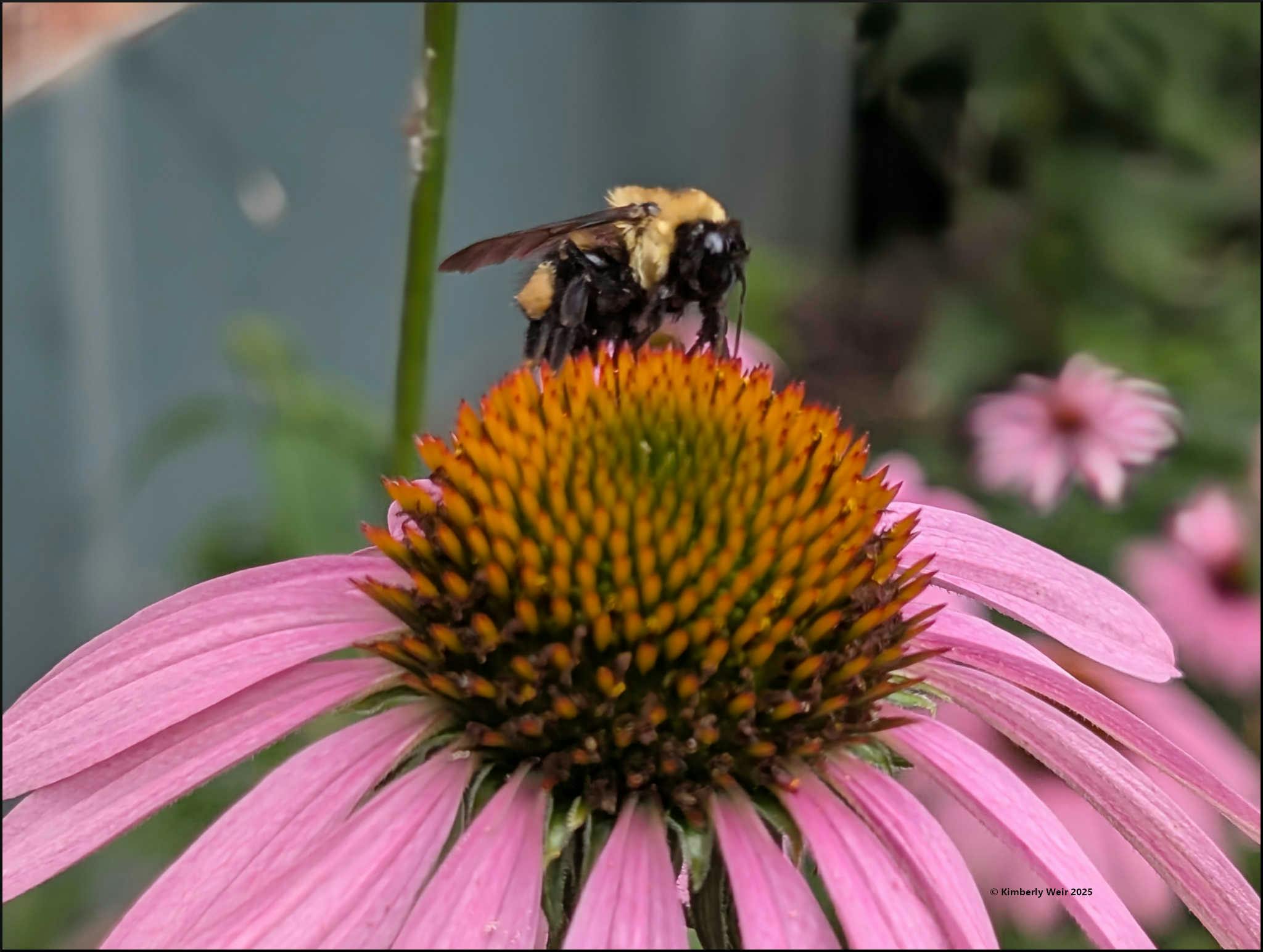
Following the last episode’s general focus on pollinators, this episode zooms in on bees. From the ethics of beekeeping, why seedless watermelons make bees work overtime, and the unsettling nature of colony collapse disorder, Jorden and Kimberly consider the astonishing diversity of bees. In addition to the legislative acts that promote apiary conservation, individuals can do a lot that matters, including rewilding yards, reducing pesticides, leaving fallen wood, planting natives, supporting local honey, and even “adopting” a bee. Recommended Resources About bees Bee stats The 3D-printed beehive Bee legislation Bee fences Kentucky bees Kimberly’s Substack newsletter post
November 6, 202534 min
Why Pollinators Matter More Than You Think
Pollinators do far more than keep our gardens blooming — these tiny workers support global food systems, sustaining a third of the world’s food supply. In this episode, Jorden and Kimberly dig into what’s threatening bees, bats, butterflies, and more — and how rethinking our landscaping choices could help. The immense ecological and economic importance of pollination is worth over $230 billion in global production. The astonishing diversity of invertebrate and vertebrate pollinators range from bats to beetles to butterflies, yet climate change, habitat loss, pesticides, and cultural habits, like manicured lawns, threaten their survival. From planting clover or violets to creating “pollinator pathways” on balconies and rooftops, Jorden and Kimberly emphasize how small changes can make a big difference. Planting attracting plants, including buckwheat, canola, and sunflowers, is as important as cultural change Recommended Resources About pollinators More about pollinators Lots of 2024 stats Threats from climate change How we can help Kimberly’s Substack newsletter post
October 23, 202549 min
Rethinking the Quintessential Lawn
Lawns are cultural icons—but they’re also ecological dead zones. In this episode, Jordan Dye and Kimberly Weir explore how native planting, edible gardens, and rewilding can save water, cut emissions, support pollinators, and make neighborhoods more livable. From Nevada’s “Cash for Grass” program to backyard biodiversity, it’s time to rethink what a beautiful yard really looks like and how the cultural, ecological, and mental health benefits of reconnecting with nature right outside your door. Recommended Resources What Cambridge did What Nevada did What California did Colorado, Minnesota, and Maryland passed “pollinator-friendly” laws Lawn Alternatives for Dogs Kimberly’s Substack newsletter post
October 9, 202543 min
The Hidden Costs of the Perfect Lawn
We return home after our series of travel episodes, stepping foot on the environmental money pit disguised as curb appeal. This episode of Sustainable Planet, Jorden and Kimberly explore the historical roots of lawn aesthetics, the significant water and chemical usage associated with maintaining lawns, and the broader social inequities tied to lawn culture. What has become a status symbol, whose maintenance is often mandated by law, the modern lawn needs an update to be more sustainable. Recommended Resources The growth of lawn popularity in the US Paul Robbins’s sociological take on lawn culture Residential lawns in the US Resource stats for lawns Not just a US issue Why lawns are ecological deserts Kimberly’s Substack newsletter post
September 18, 202557 min
What Are You Leaving Behind?
In the last of a four-part series on travel, Jorden and Kimberly finish out their journey, considering sustainable means of travel by focusing on the choices we make once we’ve arrived at our destination. They explore how supporting local businesses, opting for hostels or sleeper trains, and even simple decisions like how we handle laundry or sunscreen can make a meaningful difference for communities and ecosystems. Kimberly shares practical tips from years of international travel—like why letting locals handle your laundry may save water and support economies while Jorden emphasizes the power of spending money directly with small vendors instead of global chains. The conversation also highlights the hidden sustainability benefits of hostels, the allure of legendary train journeys like the Orient Express, and why reef-safe sunscreen is more than just a buzzword phrase. From intentional packing, minimizing waste, and balancing convenience with long-term environmental impact, the last travel installment considers how slowing down, traveling with purpose, and prioritizing local connections can turn vacations into richer and more sustainable experiences. Recommended Resources World Bank tourism data More World Bank visitor data Hosteling in Europe Amazing Southeast Asia and India train trips The importance of reef-safe sunscreen and comparisons Kimberly’s Substack newsletter post
September 4, 20251 hr 20 min
Where is our Wanderlust Taking Us?
In the third of a four-part series on travel, Jorden and Kimberly head abroad, considering the top tourist destinations, whether to visit by land, sea, or air, and just how big of an impact our choices have on the planet. More people than ever are traveling abroad, and Americans are adding to the numbers, with 48% currently holding a valid passport, contributing to the tourist bucks that accounted for $10.9 trillion of the global GDP and 357 million jobs in 2024. From the most visited cities to the top international airport arrivals, destinations ranging from amusement parks to the world’s most popular landmarks, Jorden and Kimberly consider the impact that tourist traffic and climate change have on these destinations and how countries are coping, along with what airlines and cruise lines are doing (or not) to be more green. Key Topics Jorden and Kimberly discuss include: Which country rules as King of Tourism What the most popular tourist destinations have that the others just don’t Why international flights are less terrible than domestic legs How airlines attempt to be sustainable despite less commitment to SAF Why public transportation will always be the greenest option How cruises are even worse for the ecosystem than we thought What Norway is doing to balance the scales of its dependence on tourism and protect its sights Recommended Resources Top tourist cities worldwide Top international arrivals cities Most popular country destinations Most sustainable destinations All about cruises and Norway’s new policy Alternative fuels and SAF and fees Excellent small group travel companies (Exodus, Intrepid) Kimberly’s Substack newsletter post
August 21, 202539 min
How to Enjoy the Stay Sustainably
The domestic journey continues in the second of a four-part series on travel, considering the dilemmas that choosing accommodations, dining, and souvenirs raise for sustainably-minded travelers. As U.S. domestic travel rebounded to $918 billion in 2022 and is projected to hit over $1 trillion in 2027, the choices voyagers make matter even more as the climate change situation worsens. But to still have a great time, Jorden and Kimberly discuss practical ways travelers can minimize their carbon footprint while maximizing their positive impact. Key Topics Jorden and Kimberly discuss include: How Jorden and Kimberly have greened-up their souvenir-buying habits over the years Whether hotel chains or local boutiques are better eco-choices How all-inclusive resort experiences can be very sustainable or very destructive How vacation rental platforms like Airbnb impact people and the planet Just how popular glamping has become Recommended Resources AAA 2025 projections US resort locations Stats for Airbnb and the huge vacation rental growth industry Glamping v. camping stats 2023 Global souvenir sales Kimberly’s Substack newsletter post
August 7, 20251 hr 23 min
Why We're Hooked on Travel
In the first of a four-part series on travel, Jorden and Kimberly begin with what goes into planning a journey to consider how to have a great vacation that’s also more sustainable. With the number of travelers continuing the upward trend interrupted by the pandemic, more tourists are making domestic and international trips. In planning the journey, this episode focuses on domestic travel, checking out where people go and how they choose to get there. Jorden and Kimberly then turn to the impact of heading to these top destinations and suggestions on strategizing to have a great time while helping to conserve the places we love to visit. Key Topics Jorden and Kimberly discuss include: Just how much domestic tourism has rebounded since the pandemic What are the most popular cities, favorite attractions, most visited national and amusement parks, and top beach destinations What The Ultimate Road Trip involves How train travel is making a comeback, while air travel rates continue to soar Why when we go matters more than we might think How just a few considerations can make a difference Recommended Resources AAA 2025 projections Top tourist cities in NA Top US National Park Service destinations US NP funding cuts impact Top Canadian National Park destinations Top amusement and theme park destinations US domestic flight trends US Amtrak trends Kimberly’s Substack newsletter post
July 24, 20251 min
Jorden and Kimberly's Excellent Adventures
Jorden and Kimberly are taking a vacation break and will return on August 7th. If you're new to the show, while we think all of our episodes are fantastic, we have a few favorites we recommend that you check out during our brief hiatus. Recommendations Episode 14, From Castles to Concrete: Not All Sand is Created Equally Episode 19, The Purge Episode 26, Disposable Planet Episode 24, A Space Race to Unsustainability Before Jorden joined as co-host, Michael Baranowski was Kimberly's inaugural co-host. He has since graciously stayed on as the tech guy responsible for the amazing audio quality for SP and The Politics Guys-a podcast he started over a decade ago and well worth a listen. Michael and Kimberly recorded over a dozen episodes. Since they set the direction for Sustainable Planet, if you're new to the podcast, even if you're listening because Jorden is your environmental hero, here are a few listener favorites you might want to check out. Recommendations Episode 1, What is Sustainability? Episode 2, Why We Buy So Much Stuff Episode 8, and one of Kimberly's favorites, which inspired her to start her Substack newsletter, SpongeBob in China? Creating Sustainable Cities Episode 13, Are You a Climate Anxiety Sufferer?
July 17, 202550 min
From Bitter to Sweet: Sustainable Chocolate
Cocoa trees naturally promote environmental sustainability. However, without international support, farmers necessarily resort to less sustainable methods and labor exploitation. In the second segment of chocolate production, Jorden and Kimberly consider sustainability strategies and innovations for producers and, especially, for the manufacturers who have far greater means to effect change. Key Topics Jorden and Kimberly discuss include: Why fair-trade cacao cooperatives are better for the environment and community How Ghana's Kuapa Kokoo 135,000-strong farmer’s cooperative inspires neighboring Cote d’Ivoire and Indonesia How intercropping increases cacao yields, supports biodiversity, and feeds the locals What MNCs can learn from small chocolate-makers about renewable energies Why 75% of a cacao pod is tossed, when it can be used, and what that would mean for farmers’ income Why producers get the blame when manufacturers are the less sustainable of the two Recommended Resources Innovations in Grenada and Amsterdam Biomass energy in Cote d’Ivoire and Uganda Processing stats and water usage Cocoa growing and production alternatives, along with full sun cultivation developments Upcycling pods to reduce waste and increase farmer earnings For more stats, see resource links for the first segment Kimberly’s Substack newsletter post Kimberly’s list of widely-available ethically-sourced chocolate producers she can vouch for and their availability The Endangered Species Chocolate- her go-to daily dose and widely available: Kroger, Walmart, Vitacost Target, Whole Foods, iHerb Blue Stripes- Whole Foods; unique in that they upcycle to use most of the cacao pod; they now also make cereal, which is quite good Chocolove- Kroger, Walmart, Vitacost, Walgreens Divine- Walmart, Whole Foods, Vitacost; produced by the Kuapa Kokoo Cooperative in Ghana, they have an amazing story worth checking out, as well as their chocolate bars (the darks are the favorites, but the 70% Dark Mint Crisp is excellent) Justin’s and Unreal -for candy bar chocolates, both widely available Tcho- Available in some natural foods and specialty stores, but buy direct for a discount on these premium chocolate bars that worth the price (highly recommend Dark & Salty, and though not dark chocolate, Perfect Matcha is quite good) For a wide variety of others, including Alter Eco (for a variety of fair trade products), Equal Exchange, and Theo, Slave Free Chocolate has a useful list
Is this your show?
Claim this listing to keep it up to date, reach guests who want to pitch you, and manage bookings with Guestify.