About the show
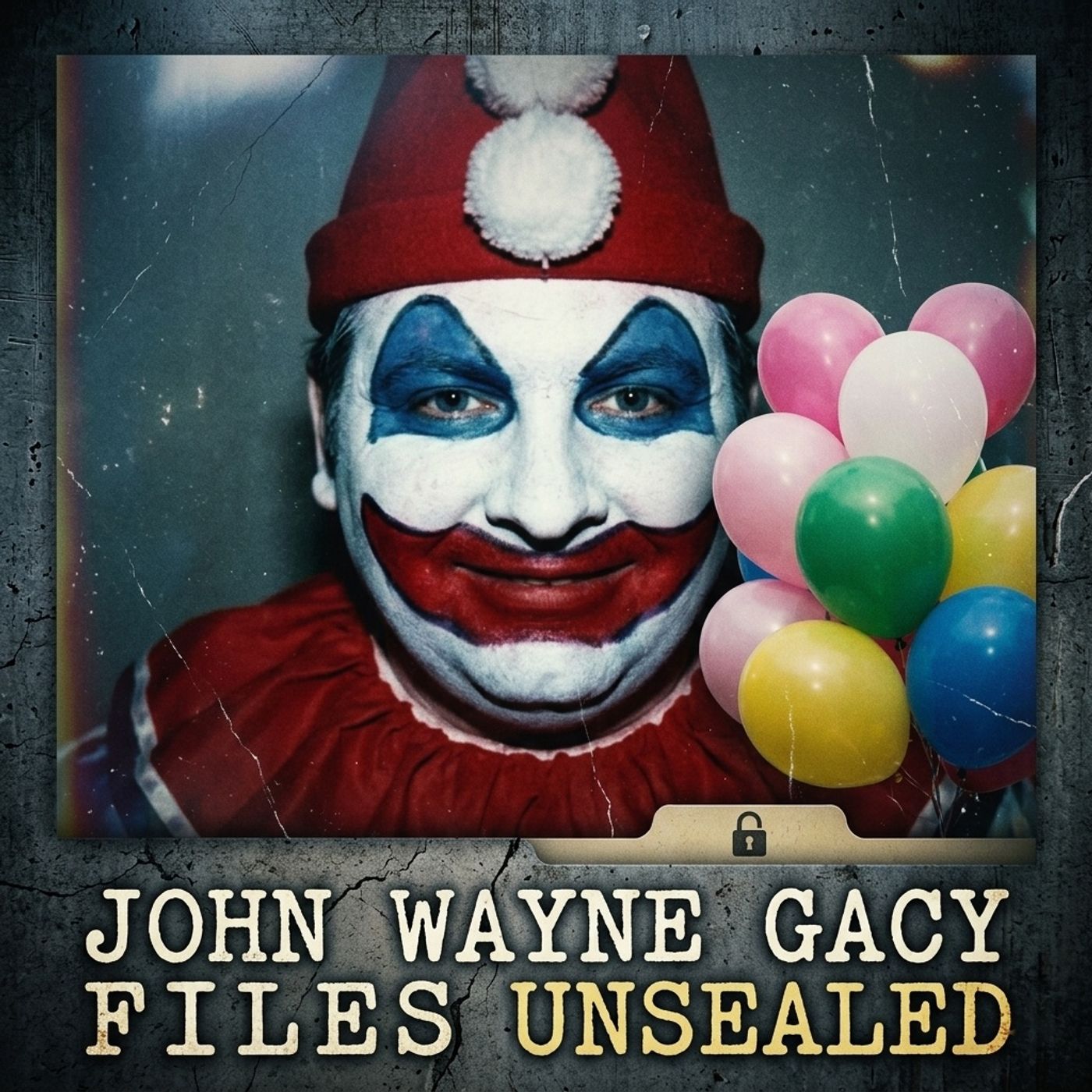
John Wayne Gacy Files Unsealed explores one of the most disturbing criminal cases in American history. Through detailed research, historical records, courtroom testimony, investigative reports, and survivor accounts, this podcast examines how a respected community figure concealed a horrifying double life that shocked the nation. Each episode revisits the timeline of the investigation, the victims whose lives were tragically cut short, the detectives who pursued the truth, the forensic breakthroughs that helped identify victims, and the lasting impact the case had on criminal investigations in the United States. From unanswered questions and overlooked warning signs to the cultural legacy of the case, John Wayne Gacy Files Unsealed aims to provide a thoughtful, fact-based exploration of the events surrounding the crimes of one of America's most infamous serial killers. John Wayne Gacy Files Unsealed is a true crime podcast created for informational, educational, and commentary purposes. The content presented is based on publicly available sources, including court documents, news reports, books, documentaries, interviews, and historical records believed to be accurate at the time of production. Some episodes contain discussions of violent crimes, murder, abuse, and other disturbing subject matter that may not be suitable for all audiences. Listener discretion is strongly advised. The views and opinions expressed by hosts and guests are their own and should not be interpreted as definitive statements of fact. The podcast does not intend to defame, exploit, or sensationalize the suffering of victims, survivors, or their families. Any theories or unresolved aspects of the case discussed are clearly identified as speculation or opinion. This podcast is not affiliated with, endorsed by, or connected to the families of the victims, law enforcement agencies, prosecutors, defense attorneys, or any individuals involved in the original investigations. All trademarks and copyrighted materials remain the property of their respective owners and are used only under applicable legal protections for commentary, criticism, and educational discussion.