Reconstructing Remarkable - Website Development, Digital Strategy, Video, and the $100 Cup of Coffee based in Utica NY
Listen to episodes
59 recent
August 17, 202655 min
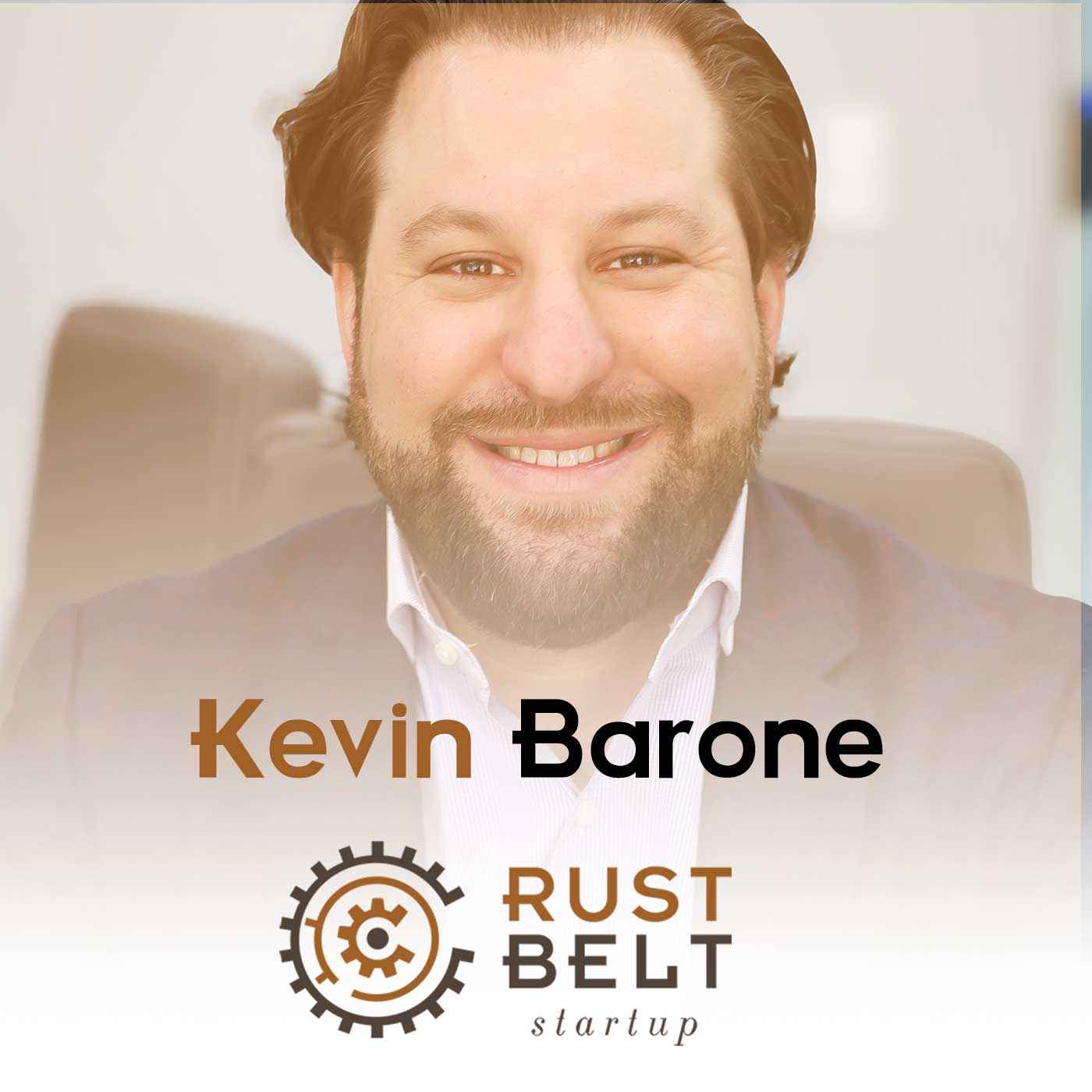
Building A Tech Startup as a Non-Technical Founder | Kevin Barone of Vlawsity
We love romanticizing entrepreneurship stories—leaving a 9-to-5, raising millions, and watching a product take off. But what does it look like when you aren’t a developer, but you decide to build a tech company anyway? In this episode, practicing attorney and Vlawsity co-founder Kevin Barone joins me for a brutally honest reflection on building an online, do-it-yourself estate planning platform. Kevin opens up about leaving a big law firm, navigating complex legal guardrails, making big financial bets, and rebuilding from scratch. In this episode, we discuss: Why building a startup is harder than law school or the bar exam The legal precedents (and guardrails) that make non-lawyer legal tech possible Learning the hard way what non-technical founders don’t know about tech, marketing, and investor relations How Vlawsity makes estate planning accessible for a fraction of traditional firm costs Want to check it out for yourself? Visit vlawsity.com to check out their estate planning tools. Rust Belt Startup · VLawsity
March 11, 20261 hr 3 min
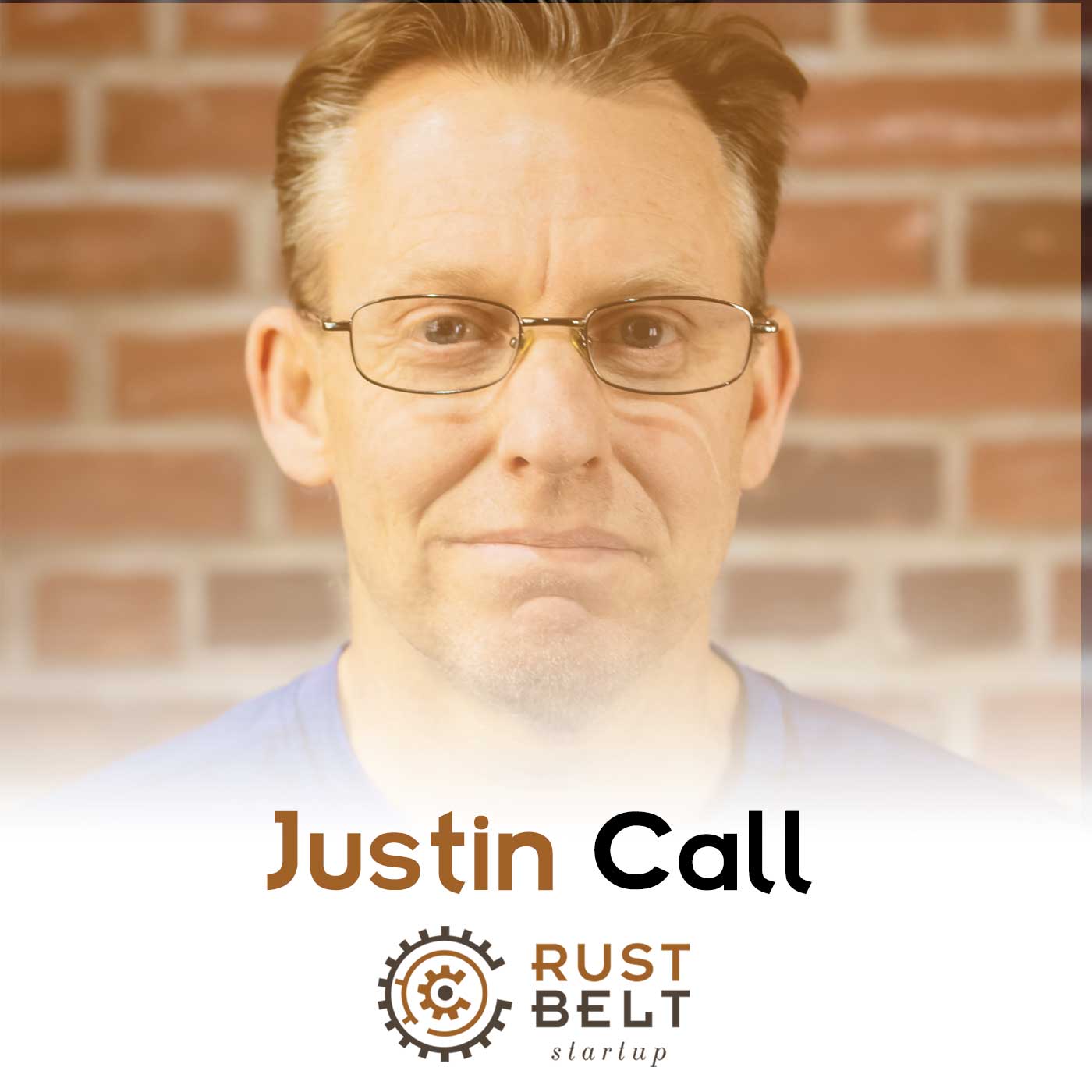
The Top Secret Drone Company Hiding In Plain Sight | Justin Call, Modovolo
What if one of the most interesting startups in New York is being built quietly in a barn in Vernon? In this episode of Rust Belt Startup , I sit down with Justin Call , founder and CEO of Modovolo , a company designing a new kind of drone — and doing it far from the typical startup scene. Instead of chasing hype or venture capital headlines, Justin and his team have been focused on something much harder: patiently building a real company, solving real problems, and learning what it takes to bring a complex idea to life. In our conversation, Justin shares the story behind Modovolo — how the company got started, why they chose a very different approach to designing drones, and what it’s like to build a startup in a small community in Upstate New York. We also talk about some of the lessons entrepreneurs can take from his journey, including: • Why staying focused matters more than trying to grow too fast • What it’s really like to build a product that has to work in the real world • The importance of patience when you’re building something new • Why great companies can be built outside Silicon Valley • And how small teams can quietly do big things This episode is a behind-the-scenes look at how startups actually get built — not just the highlight reel. If you’re interested in entrepreneurship, building things from scratch, or the future of innovation in places like Upstate New York, this conversation is for you. Rust Belt Startup · The Top Secret Drone Company Hiding In Plain Sight | Justin Call, Modovolo
February 16, 202657 min
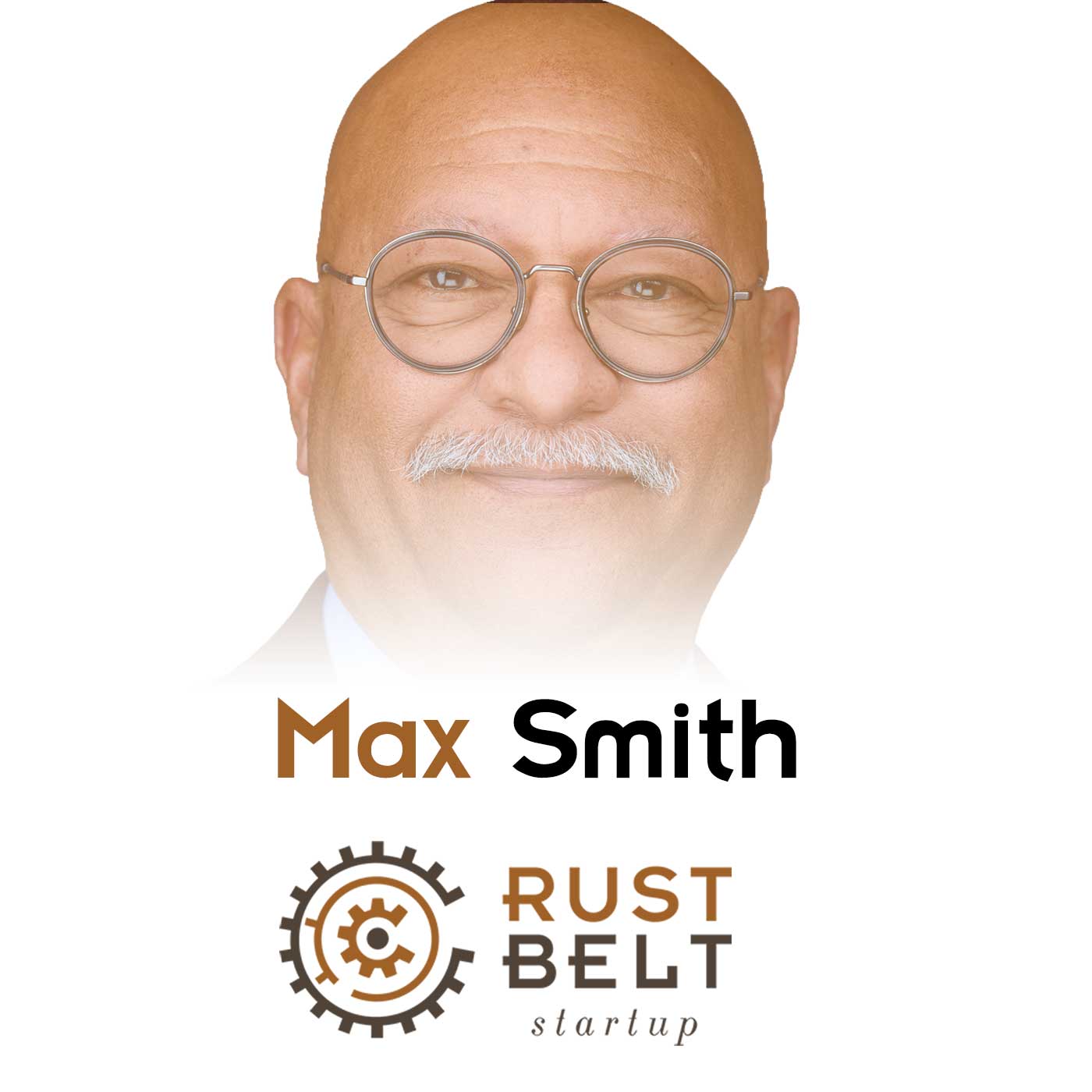
The Abolitionist Movement as an Early American Startup | Max Smith
I can say, without exaggeration, this is one of the most extraordinary stories that I’ve ever heard. and maybe one of the most important, so my guest today is Max Smith. He’s a historian, a storyteller, and a lifelong steward of the history of Peterborough New York. So this is a tiny village in Madison County that most people have never heard of, but that quietly shaped the course of American history. So what you’re about to hear. Is the story of how the abolitionist movement functioned in many ways, like an early startup, so a small group of people that had an idea that was considered radical, dangerous, and disruptive, and the epicenters of that abolitionist movement. it wasn’t Boston or Washington. it was right here in upstate New York. The story starts with the drunken mob shutting down an abolitionist meeting in Utica and how that meeting was reborn the next day in Peterborough. And hundreds of people walked miles overnight to continue that work, and those choices sent ripples across the country that still shape our politics today. Now Max walks us through the life of Gerrit Smith, whom I’m sure you’ve probably never heard of. I’ve never heard of him, but he was one of the wealthiest men in America in the 18 hundreds. And after this event, he started giving away his fortune to fund abolition, women’s suffrage and civil rights. He was hosting Frederick Douglas, Harriet Tubman, John Brown, and formerly enslaved people at his own dinner table, and his mansion in Peterborough became one of the stops on the Underground Railroad. This is also a deeply personal story for Max. It’s one that connects his own family lineage directly to the Underground Railroad, the Civil War, and the long arc of freedom in this country. So if you care about how change actually happens and how movements are built, how courage, community, and conviction scale over time. This is a conversation you are not going to forget. It’s not a startup story in the way we usually tell them, but it might be one of the most powerful ones we’ve ever shared. Learn more about The National Abolition Hall of Fame and Museum and the Abolition Walk Rust Belt Startup · The Abolitionist Movement as an Early American Startup | Max Smith
February 3, 202642 min
What Upstate New York Can Learn from Upstate Sweden | Zack Schuman
In this episode, I’m joined by Zack Schuman, a public affairs scholar at Hamilton College, to explore what he learned after spending a full year living and researching in Sweden with his family. Zack’s research focuses on how communities actually work — especially in rural and peripheral regions — and how entrepreneurship, institutions, and culture shape economic life outside major metro areas. While in Sweden, he studied how small regions support lifestyle businesses and social enterprises, how immigration reshapes local economies, and why quality of life often takes precedence over high-growth startup culture. This conversation dives into: Why Sweden isn’t built around “unicorn” startups — and why that matters How social safety nets change the way people think about risk and entrepreneurship The role of universities as anchor institutions in small and rural regions • Immigration, diversity, and the creativity required to deliver social services The difference between being welcomed and truly belonging What it means to leave community work — and return with new perspective This isn’t a conversation about copying Sweden’s model wholesale. It’s about asking better questions: What makes a place work? Who gets to participate? And how do small businesses, institutions, and people quietly build culture over time? If you care about community development, entrepreneurship outside big cities, higher education, or the future of places like Upstate New York, this episode will give you a lot to think about. Rust Belt Startup · Zack Shuman
January 19, 202657 min
What Transportation Really Says About a Community | Matt VanSlyke
In this episode, I sit down with Matt Van Slyke, founder of Utica Bike Rescue , to talk about bikes, mobility, walkable cities, and why transportation is really about participation and freedom. Utica Bike Rescue has redistributed thousands of bikes over the past decade — helping people get to work, school, and medical appointments — but Matt’s work goes far beyond bike repair. As a transportation planner, he helps us understand how infrastructure shapes daily life, community connection, and opportunity. In this conversation, we explore: 🚲 What Utica Bike Rescue actually does — and how the model works 🏙️ Why walkable and bikeable communities create stronger civic life 🚗 The surprising reality of car access in mid-size cities like Utica 🧠 Why mobility = freedom, especially for people without reliable transportation 🔌 Utica Bike Rescue’s new electric mobile bike repair van and what it unlocks 👥 How everyday people can support better transportation and community design This episode isn’t just about bikes — it’s about how we design places that invite people to participate, connect, and belong. Learn more or get involved: https://uticabikerescue.org If you enjoyed this conversation, like, subscribe, and share it with someone who cares about community, cities, or local impact. Additional Links: Ryan Interviewed on the Love Living Local Podcast > The Hospitalitarian Podcast > Rust Belt Startup · What Transportation Really Says About a Community | Matt VanSlyke
December 4, 202557 min
Good Bread, Good Data, Better Lending: Reimagining Access to Capital
In this episode, I sit down with Noa Simons , founder and CEO of Good Bread , a new kind of small business lender working to reinvent how entrepreneurs access capital. If you’ve ever tried to raise money—through banks, credit unions, investors, or anywhere in between—you know it’s never one-size-fits-all. Even in communities with great lending institutions, many founders still fall through the cracks. Noa’s on a mission to fix that. Good Bread is a startup blending technology, psychology, and trust to create a more human, accessible path to capital. One of the most fascinating pieces of their approach is the Boss Index —a behavioral data tool her team uses to understand creditworthiness far beyond a traditional credit score. In this conversation, Noa and I dig into: Why access to capital is so difficult for so many entrepreneurs How her co-founder relationships were built and how she’s raising her own investment dollars How behavioral data can create more equitable lending What a “human-centered” underwriting model actually looks like The role trust plays in entrepreneurship and local economies Why overlooked regions (like ours) are full of untapped possibility If you’re interested in startups, money, trust, or building meaningful businesses in emerging regions, this episode is for you. Rust Belt Startup · Good Bread, Good Data, Better Lending: Reimagining Access to Capital Podcast Highlights
August 28, 202553 min
Blacque Acres: Container Farming and Committing in Cornhill
In this episode, I have an inspiring conversation with James Paul, the founder of Blacque Acres, an indoor hydroponic container farm in Utica, NY. James shares his journey from military service to urban farming, and we’ll talk about how he was able to commit to the project without knowing much about container farming or fundraising to make the first container farm a reality. We’ll get into how he created buy-in from the community and funders, raising over $200k to start the first farm, and how you don’t need to know exactly what you’re doing to get started on your big idea. Blacque Acres aims to provide fresh, affordable produce to the Cornhill neighborhood an often overlooked part of the city, addressing food insecurity and promoting community health in the process. James is proving that fresh, affordable produce can be grown year-round in the middle of the city—and that a farm can be about much more than food. Learn more about Blacque Acres at their website: www.blacqueacres.com Rust Belt Startup · Blacque Acres: Container Farming and Committing in Cornhill
July 23, 20251 hr 10 min
Sliding in to the Unknown: Erin Hamlin’s Olympic (and Post-Olympic) Journey
https://youtu.be/Qe_UEe1_M3k Today on the podcast I’m honored to sit down with Erin Hamlin — Olympic Luger, World Champion, and the first American to medal in singles luge. But her story starts in Remsen, NY, where a 12-year-old kid signed up for a wheeled luge clinic on a whim… and ended up competing in four Olympic Games. We go deep on what it really takes to compete at the highest level — not just physically, but mentally. Erin shares what it’s like to train in a barn gym as well as the Olympic training center, the pressures and insane nuance that goes into competing in Luge to get to the Olympics. We also talk about the broken model of youth sports, and how she navigated the incredibly personal decision to retire on her own terms and find what’s next. This is an inspiring, behind-the-scenes conversation about chasing big goals, mental and physical toughness, and reinventing yourself after a career in professional sports. Rust Belt Startup · Sliding in to the Unknown: Erin Hamlin’s Olympic (and Post-Olympic) Journey
June 16, 20251 hr 9 min
A Sustainable Fundraising Playbook for Non-Profits with Lara Sepanski Pimentel (Osa Philanthropy)
Fundraising expert Lara Sepanski Pimentel, founder of OSA Philanthropy and former Peace Corps volunteer, joins me to unpack what makes a nonprofit—and any mission-driven venture—truly resilient. Drawing on field lessons from community-development work in rural Central America and a decade inside U.S. nonprofits, Lara explains why “capacity” — the people, processes, and systems behind the programs — must come before the next big grant push. In this conversation you’ll learn: Peace Corps principles in practice – how asset-based thinking, local ownership, and radical resourcefulness translate into stronger donor relationships and staff culture. The “capacity first, cash second” framework – diagnostic steps to spot operational gaps before chasing new money. Fast vs. slow money – a pragmatic playbook for raising six figures quickly through warm individual donors while laying groundwork for longer-cycle institutional funding. Reframing the ask – shifting from “begging for help” to “offering investment” so donors see themselves as partners, not patrons. Running a location-independent consultancy – Lara’s approach to managing global contractors, Zoom-first client work, and family life across continents. Nonprofit earthquake preparedness – why diversified revenue and data-driven dashboards are the new insurance policy in a volatile funding landscape. Rust Belt Startup · A Sustainable Fundraising Playbook for Non-Profits with Lara Sepanski Pimentel (Osa Philanthropy)
April 1, 202540 min
Business Resilience, Race, and Respect | MVW Food Trucks
In this episode, I’m in the shop at MVW Food Trucks with founders Jamie Thompson (Buddha) and Ryan McEwen. They discuss their challenging journey of starting a business in upstate New York, after being laid off from their respective jobs and building a food truck fabrication company from absolute scratch. Jamie and Ryan share their unique experiences, the dynamics of their partnership, and the obstacles they faced as a black and white business duo. Learn how they’ve navigated race dynamics in their business, the struggles with keeping the business afloat, and advice for anyone looking to get into the food truck industry. It’s a conversation worth sharing, filled with lessons on perseverance, partnership, and passion. Learn more about MWV Trailers & Food Trucks at their website mvwtrailers.com and if you’re ready to start your food truck, be sure to reach out. Rust Belt Startup · Business Resilience, Race, and Respect | MVW Food Trucks
Is this your show?
Claim this listing to keep it up to date, reach guests who want to pitch you, and manage bookings with Guestify.