This story was originally published on HackerNoon at: https://hackernoon.com/65-blog-posts-to-learn-about-film . Learn everything you need to know about Film via these 65 free HackerNoon blog posts. Check more stories related to media at: https://hackernoon.com/c/media . You can also check exclusive content about #film , #learn , #learn-film , and more. This story was written by: @learn . Learn more about this writer by checking @learn's about page, and for more stories, please visit hackernoon.com .
October 15, 20262 min
What Is llms.txt, and Should You Add It to Your Website?
This story was originally published on HackerNoon at: https://hackernoon.com/what-is-llmstxt-and-should-you-add-it-to-your-website . What goes in an llms.txt file, the rules worth following, and what it will and will not do for a small business site. Check more stories related to media at: https://hackernoon.com/c/media . You can also check exclusive content about #seo , #ai , #web-development , #small-business , #llms.txt-benefits , #ai-search-optimization , #ai-crawler-access , #generative-engine-optimization , and more. This story was written by: @dcblack . Learn more about this writer by checking @dcblack's about page, and for more stories, please visit hackernoon.com .
October 14, 202610 min
50 Blog Posts To Learn About Film And Tv
This story was originally published on HackerNoon at: https://hackernoon.com/50-blog-posts-to-learn-about-film-and-tv . Learn everything you need to know about Film And Tv via these 50 free HackerNoon blog posts. Check more stories related to media at: https://hackernoon.com/c/media . You can also check exclusive content about #film-and-tv , #learn , #learn-film-and-tv , and more. This story was written by: @learn . Learn more about this writer by checking @learn's about page, and for more stories, please visit hackernoon.com .
October 14, 20269 min
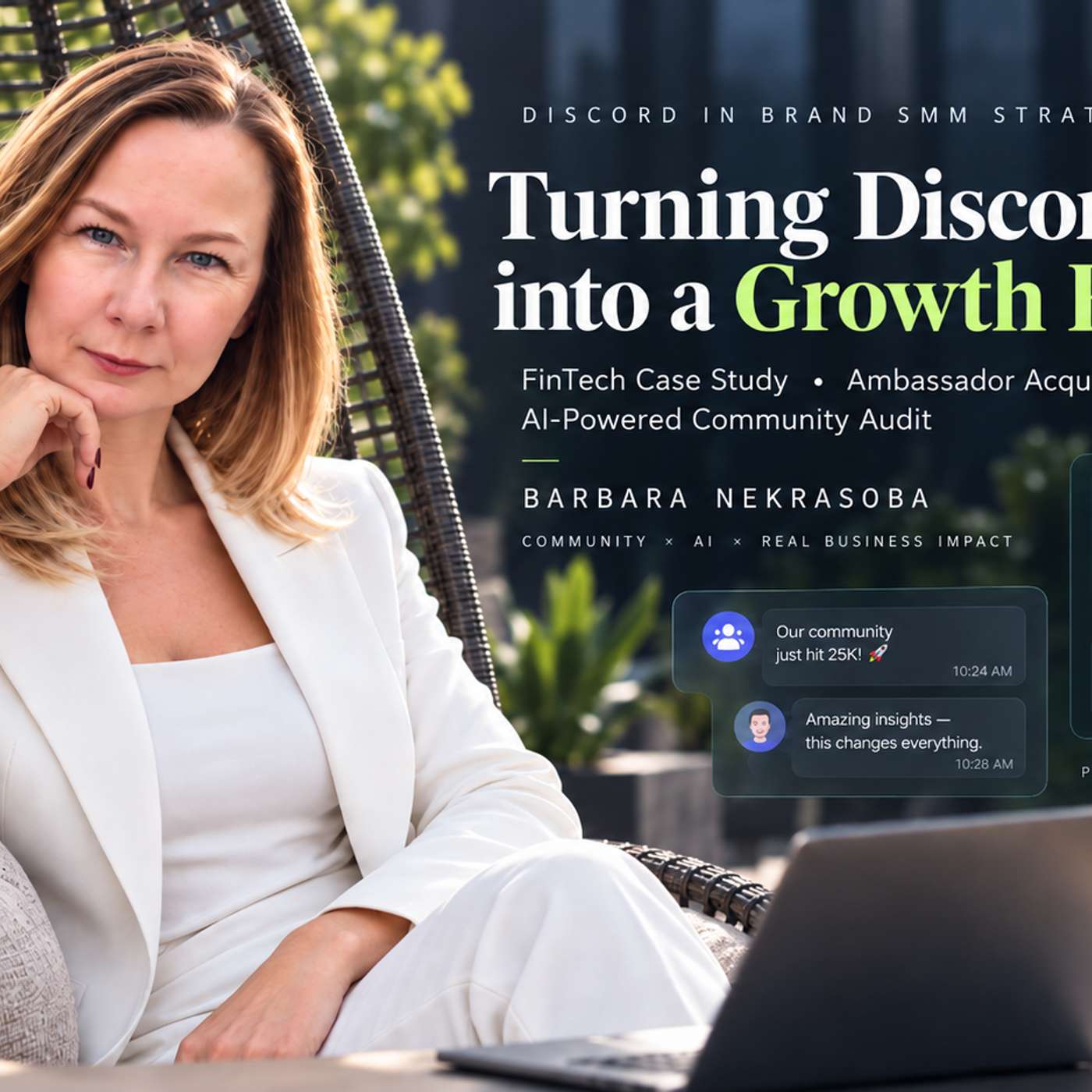
We Spent $900 on Influencers, Then Built a 3,500-Member Discord Community Without Ads
This story was originally published on HackerNoon at: https://hackernoon.com/we-spent-$900-on-influencers-then-built-a-3500-member-discord-community-without-ads . After a $900 influencer campaign failed, we built a 3,500-member FinTech Discord community using manual outreach, AI tools, and organic engagement. Check more stories related to media at: https://hackernoon.com/c/media . You can also check exclusive content about #digital-marketing , #growth-hacking , #ai-marketing , #community-building , #discord-community-growth , #influencer-marketing-roi , #fintech-community-building , #web3-community-management , and more. This story was written by: @barbara . Learn more about this writer by checking @barbara's about page, and for more stories, please visit hackernoon.com . After spending $900 on five influencers and generating just 30–40 low-intent leads, a marketing agency abandoned paid promotion and focused on building a Discord community organically. Through manual outreach, referral incentives, AI-assisted audience research, and community engagement, the team grew the server to more than 3,500 members in under three months. The author shares what worked, what failed, and where AI proved useful.
October 12, 20261 hr 9 min
288 Blog Posts To Learn About Elon Musk
This story was originally published on HackerNoon at: https://hackernoon.com/288-blog-posts-to-learn-about-elon-musk . Learn everything you need to know about Elon Musk via these 288 free HackerNoon blog posts. Check more stories related to media at: https://hackernoon.com/c/media . You can also check exclusive content about #elon-musk , #learn , #learn-elon-musk , and more. This story was written by: @learn . Learn more about this writer by checking @learn's about page, and for more stories, please visit hackernoon.com .
October 10, 202620 min
86 Blog Posts To Learn About Digital Art
This story was originally published on HackerNoon at: https://hackernoon.com/86-blog-posts-to-learn-about-digital-art . Learn everything you need to know about Digital Art via these 86 free HackerNoon blog posts. Check more stories related to media at: https://hackernoon.com/c/media . You can also check exclusive content about #digital-art , #learn , #learn-digital-art , and more. This story was written by: @learn . Learn more about this writer by checking @learn's about page, and for more stories, please visit hackernoon.com .
October 8, 202632 min
109 Blog Posts To Learn About China
This story was originally published on HackerNoon at: https://hackernoon.com/109-blog-posts-to-learn-about-china . Learn everything you need to know about China via these 109 free HackerNoon blog posts. Check more stories related to media at: https://hackernoon.com/c/media . You can also check exclusive content about #china , #learn , #learn-china , and more. This story was written by: @learn . Learn more about this writer by checking @learn's about page, and for more stories, please visit hackernoon.com .
October 3, 20267 min
Is That Award Worth Entering? What to Consider First
This story was originally published on HackerNoon at: https://hackernoon.com/is-that-award-worth-entering-what-to-consider-first . Winning an award can be useful. But entering an award is not automatically a good investment. Check more stories related to media at: https://hackernoon.com/c/media . You can also check exclusive content about #awards , #tech-awards , #podcast-awards , #journalism-awards , #game-awards , #success-mindset , #applying-for-awards , #dev-awards , and more. This story was written by: @recognized . Learn more about this writer by checking @recognized's about page, and for more stories, please visit hackernoon.com . Before applying for an award, consider what you want the recognition to accomplish and whether the award is relevant to your target audience. Research the award's credibility, judging criteria, and submission requirements to ensure it's a good fit for your work.
October 1, 20269 min
10 Niche Podcast Awards Organized by Industry and Genre
This story was originally published on HackerNoon at: https://hackernoon.com/10-niche-podcast-awards-organized-by-industry-and-genre . Beyond the mainstream podcast awards: programs built for specific industries and niches. Check more stories related to media at: https://hackernoon.com/c/media . You can also check exclusive content about #podcasting , #podcast-awards , #audio-awards , #sports-podcast-awards , #parapod-podcast-awards , #highered-podcon-awards , #the-golden-lobes , #political-podcast-awards , and more. This story was written by: @recognized . Learn more about this writer by checking @recognized's about page, and for more stories, please visit hackernoon.com .
October 1, 20264 min
Earn Media Coverage Without Paying for It: Here's How
This story was originally published on HackerNoon at: https://hackernoon.com/earn-media-coverage-without-paying-for-it-heres-how . There are a plethora of ways in which you can obtain media coverage for your product and services by paying for it. Check more stories related to media at: https://hackernoon.com/c/media . You can also check exclusive content about #news , #media , #pr , #media-coverage , #how-to-gain-good-pr , #marketing , #marketing-strategies , #media-relations , and more. This story was written by: @vlabroo . Learn more about this writer by checking @vlabroo's about page, and for more stories, please visit hackernoon.com . To obtain genuine media coverage, companies can work with Public Relations firms and consultants to pitch stories about their products and services in a way that piques the media's interest. This can be achieved through out-of-the-box thinking, creativity, and targeting the right kind of media, influencers, and journalists.
Is this your show?
Claim this listing to keep it up to date, reach guests who want to pitch you, and manage bookings with Guestify.