
Find partners
The Unconventional Investor

The Unconventional Investor

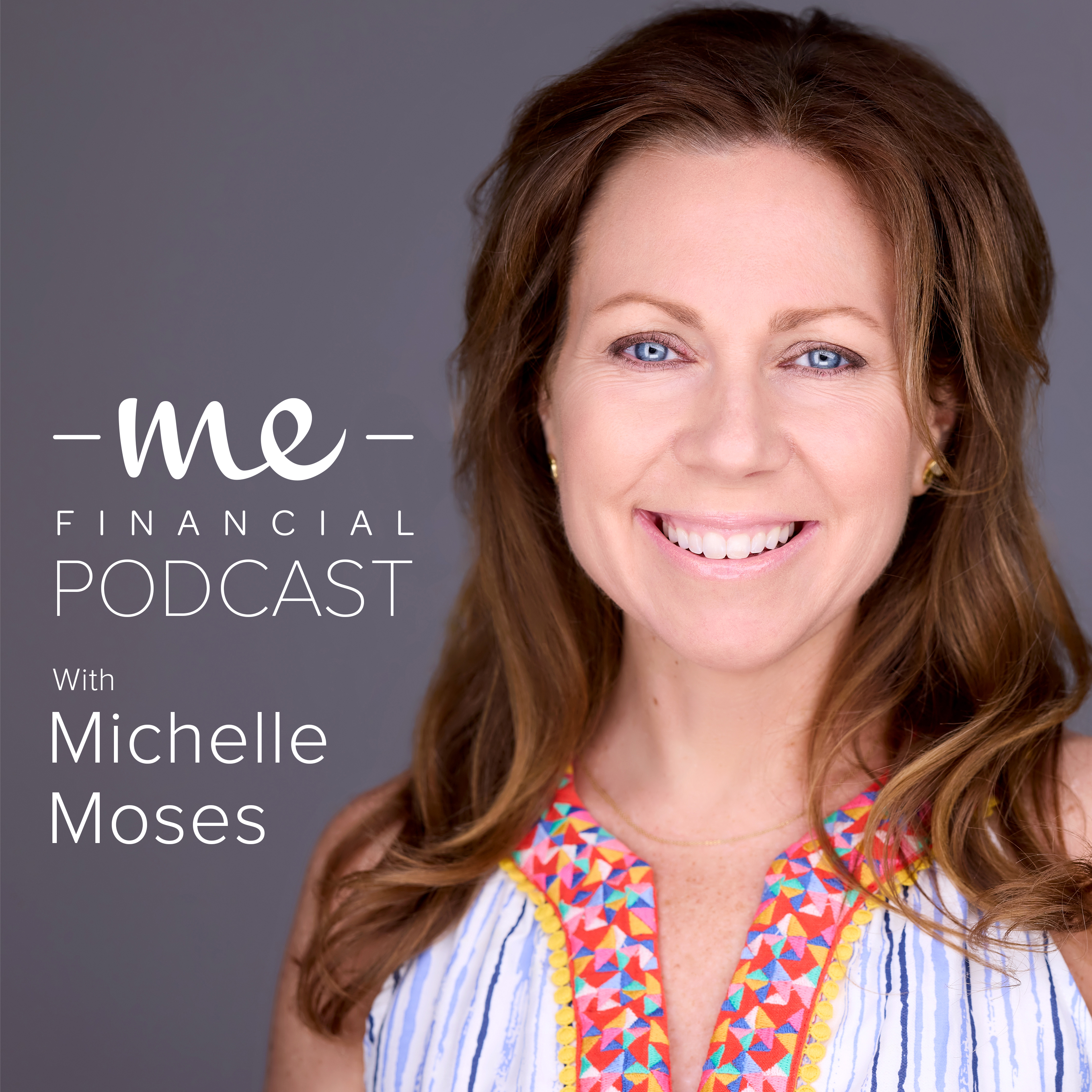
Hosted by Michelle Moses | CFP® & Realtor®

Episodes

101

Latest episode

Oct 2026

Language

EN

About the show

Are you feeling overwhelmed managing your portfolio? Are you looking for ways to simplify your finances, generate more income, and build lasting wealth? If you answered yes to any of these questions, you’re in the right place! Welcome to The Unconventional Investor® podcast—a show dedicated to helping investors explore non-traditional investments and real estate strategies to create a stronger, more diversified portfolio. My goal is to empower you with the knowledge and confidence to make informed financial decisions, think outside the traditional stock market, and achieve your long-term financial goals. I’m your host, Michelle Moses—a Certified Financial Planner®, licensed Realtor®, and Founder of Me Financial. With over 20 years of experience helping clients achieve their financial dreams, I’ve built my expertise by owning multiple businesses, flipping houses, managing rental properties, and investing in a wide range of alternative assets. Each week, I’ll share tips and proven strategies to help you navigate the world of investments with clarity and purpose. Whether it’s real estate, private equity, or other unconventional opportunities, this podcast will give you the tools to balance your portfolio with your lifestyle—and invest in ways that truly excite you. Subscribe to the podcast wherever you listen to podcasts and be sure to share your favourite episode with a friend. Visit the website to learn more about our services https://www.mefinancial.net/

Listen to episodes

60 recent
October 27, 2026Episode 10117 min

How to Make Big Financial Decisions with Logic, Lifestyle, & Emotions (Ep 101)

Have you ever found yourself stressing over a large financial purchase and wanting to make the best financial decision? Making money decisions can feel overwhelming, especially when looking at the numbers with your lifestyle and emotions. In this week’s solo episode, I walk you through my real-life process for making big-ticket money decisions, the scenarios I analyzed, the stress and emotions I felt, and the strategies that ultimately gave me clarity and confidence. Key Takeaways: Run multiple scenarios: Don't settle on the first option. Explore different purchasing methods, financing options, and what-ifs to understand the full impact on your finances and lifestyle. This process will give you clarity and a sense of control. Check in with your emotions: It's not just about the math. Tune into how each option makes you feel, not just today but in the months and years ahead. If you feel stressed imagining a future with higher payments, consider alternative choices that suit your comfort level. Prioritize lifestyle over status: Focus on spending in ways that maintain your financial freedom and let you live the life you want—whether that means keeping cash reserves strong, avoiding monthly payments, or enjoying flexibility in your budget. Before making a major financial decision, walk through as many possible scenarios as you can. Don’t just look at the price tag, but consider how it feels to live with the payments and what you might be giving up in return. Only you know what truly feels “rich and worry-free” for your family. Listen to this week’s full episode to learn about my personal approach to making big financial decisions. If you enjoyed this episode, please follow and leave a review. Your support helps others discover the show. Follow for more financial tips: · Subscribe to the Podcast: https://pod.link/1671924778 · YouTube: https://www.youtube.com/@theunconventionalinvestor · Instagram: https://www.instagram.com/michelle.e.moses · Book a 15-minute consultation with Michelle: https://www.mefinancial.net/contact-us Disclaimer: The information discussed in this podcast is for educational and informational purposes only and does not constitute an offer to sell, or a solicitation of an offer to buy, any securities, investments, or financial instruments. Private placements and alternative investments are speculative and involve significant risks, including the potential loss of your entire investment. These investments are often illiquid, meaning they may not be easily sold or converted to cash, and investors should be prepared to hold them for an extended period of time. These opportunities are typically suitable only for accredited investors and may not be appropriate for all listeners. Always consult with a qualified financial advisor, attorney, or tax professional before making any investment decisions. The hosts and guests of this podcast are not responsible for any actions taken based on the information presented.

October 13, 202621 min

The 3-Bucket Strategy: How to Set Up Retirement Income With Ease (Ep 100)

Would you like to simplify your retirement planning and create income you don't worry about? This episode is a revisit of my “buckets of money” approach to retirement income planning. This system divides your assets into short-, mid-, and long-term buckets, giving you a simple way to organize your money, create clarity around your investments for that money, and allows you to feel more confident about your retirement. I’ve seen how much anxiety can come from having all your retirement assets sitting in one large investment account and then hoping for a great market performance. The buckets approach gives retirees a different way to think about their money, one that can make their retirement plan easier to understand and easier to live with. All of my clients who have adopted this approach tell me they love the simplicity of it and they remember how to do it, without a refresher - it really is that easy! Key Takeaways: Know Your Needs: To begin this approach, you'll need to know how much monthly income you need to live on. We can subtract out your Social Security benefits to get what you'll need to withdraw. Stress-Free Living: This approach is meant to have you sleeping like you did prior to retirement, not worrying about your money and the market. Keep It Flexible: Your plan isn’t set in stone! Revisit your income needs, adjust your buckets as life changes, and make use of side accounts for travel or unexpected expenses. Want to learn the full process? Listen to my latest podcast episode or reach out if you want to see how this could work for you! If you enjoyed this episode, please follow and leave a review. Your support helps others discover the show. Follow for more financial tips: Subscribe to the Podcast: https://pod.link/1671924778 Facebook: https://www.facebook.com/theunconventionalinvestorpodcast Instagram: https://www.instagram.com/michelle.e.moses YouTube: https://www.youtube.com/@theunconventionalinvestor Book a 15-minute consultation with Michelle: https://www.mefinancial.net/contact-us Disclaimer: The information discussed in this podcast is for educational and informational purposes only and does not constitute an offer to sell, or a solicitation of an offer to buy, any securities, investments, or financial instruments. Private placements and alternative investments are speculative and involve significant risks, including the potential loss of your entire investment. These investments are often illiquid, meaning they may not be easily sold or converted to cash, and investors should be prepared to hold them for an extended period of time. These opportunities are typically suitable only for accredited investors and may not be appropriate for all listeners. Always consult with a qualified financial advisor, attorney, or tax professional before making any investment decisions. The hosts and guests of this podcast are not responsible for any actions taken based on the information presented.

September 29, 2026Episode 9913 min

Transitioning to Retirement: The 6 Emotional Changes You Weren't Expecting (Ep 99)

Retirement isn’t just about the numbers. It’s an emotional journey full of ups and downs, evolving dreams, and completely unexpected challenges in the first years. In this episode, I talk about what retirement looks like beyond the financial spreadsheet. After years of working with clients making the transition, I’ve noticed common themes that can help you transition seamlessly into your new phase of life. The 6 Emotional Change s : The Travel Expectation vs. Reality Rebuilding Daily Routine and Time Management Re-anchoring Your Social Circle & Relationships The Mental Hurdle of Moving from Saver to Spender Managing Loss Aversion & Financial Anxiety Giving Yourself Permission to Enjoy Your Wealth Whether you are years away or retiring tomorrow, learn how to overcome the fear of shifting from saving to spending so you can align your mindset and truly enjoy the wealth you’ve built. If you enjoyed this episode, please follow and leave a review. Your support helps others discover the show. Follow for more financial tips: · Subscribe to the Podcast: https://pod.link/1671924778 · Facebook: https://www.facebook.com/theunconventionalinvestorpodcast · Instagram: https://www.instagram.com/michelle.e.moses · Book a 15-minute consultation with Michelle: https://www.mefinancial.net/contact-us Disclaimer: The information discussed in this podcast is for educational and informational purposes only and does not constitute an offer to sell, or a solicitation of an offer to buy, any securities, investments, or financial instruments. Private placements and alternative investments are speculative and involve significant risks, including the potential loss of your entire investment. These investments are often illiquid, meaning they may not be easily sold or converted to cash, and investors should be prepared to hold them for an extended period of time. These opportunities are typically suitable only for accredited investors and may not be appropriate for all listeners. Always consult with a qualified financial advisor, attorney, or tax professional before making any investment decisions. The hosts and guests of this podcast are not responsible for any actions taken based on the information presented.

September 15, 2026Episode 9829 min

When Can You ACTUALLY Retire? Myths vs Reality | Greg Kurinec (Ep 98)

Should you retire now or later? In this episode, I'm joined by Greg Kurinec, CFP, where we discuss our experience with clients planning for retirement. We share our experiences in helping clients transition into retirement, talk about why common advice like "you'll need less money in retirement" can be misleading, and the importance of planning for both the financial and emotional sides of this major life change. Whether you're ten years away from retiring or just starting to think about it, this episode will give you information on projecting your needs, managing spending, and creating a purpose-filled retirement. Tune in to learn why a successful retirement is about more than just the numbers, and how you can prepare for the life you really want after work. Key Takeaways: You probably won’t spend less in retirement: Your lifestyle isn’t going to shift overnight, and you may even spend more in your early retirement years as you check off bucket list experiences and enjoy your newfound freedom. Look at taxes: Don’t overlook taxes on pre-tax retirement accounts (like IRAs and 401(k)s). Taxes are often a retirees’ largest expense, and failing to anticipate withdrawals can throw off your entire plan. A successful retirement plan goes beyond finances: The transition to retirement isn’t just financial; it requires emotional preparation, too. Purpose, social connection, and active planning for your identity after work are as important as the money is to a fulfilling retirement. Greg Kurinec of Pennant Planning: https://pennantplanning.com/contact/ If you enjoyed this episode, please follow and leave a review. Your support helps others discover the show. Follow for more financial tips: Subscribe to the Podcast: https://pod.link/1671924778 Facebook: https://www.facebook.com/theunconventionalinvestorpodcast Instagram: https://www.instagram.com/michelle.e.moses Book a 15-minute consultation with Michelle: https://www.mefinancial.net/contact-us Disclaimer: The information discussed in this podcast is for educational and informational purposes only and does not constitute an offer to sell, or a solicitation of an offer to buy, any securities, investments, or financial instruments. Private placements and alternative investments are speculative and involve significant risks, including the potential loss of your entire investment. These investments are often illiquid, meaning they may not be easily sold or converted to cash, and investors should be prepared to hold them for an extended period of time. These opportunities are typically suitable only for accredited investors and may not be appropriate for all listeners. Always consult with a qualified financial advisor, attorney, or tax professional before making any investment decisions. The hosts and guests of this podcast are not responsible for any actions taken based on the information presented.

September 1, 2026Episode 9730 min

Is Paper Wealth Too Risky? Gold, Silver, & Real Assets | David Morgan (Ep 97)

Are your investments truly safe, or are you holding "paper promises"? Gold and silver prices have soared this year, and people are wondering if precious metals should take a bigger portion of their portfolios. With questions around the strength of the dollar, now’s the time to revisit how we diversify and protect our wealth not just for returns, but for true long-term security. In this episode, I talk with precious metals analyst David Morgan (publisher of The Morgan Report ) about macroeconomic and market trends, how central banks are signaling a shift, and why real assets like gold, silver, copper, and even energy stand apart from paper claims and can help protect your wealth against inflation and currency debasement. Key Takeaways: Real assets matter : Diversification means more than spreading investments across paper promises like ETFs. True security comes from ownership of tangible assets like gold, silver, copper, real estate, and energy, and not just their paper equivalents. Precious metals as insurance : Allocating just 10% of your portfolio to gold and silver coins or bars (outside the stock market) can help preserve wealth and purchasing power if market volatility strikes Do your due diligence : Not all dealers or products are equal. It’s vital to focus on the actual metal content (not rare coins or hyped collectibles) and use trusted sources to avoid overpaying or falling for clever sales pitches. Links & Resources: David Morgan’s Website and Newsletter: https://www.themorganreport.com/ Ten Rules of Silver Investing (by David Morgan): https://www.themorganreport.com/pdf/TenRulesforSilverInvesting.pdf If you enjoyed this episode, please follow and leave a review. Your support helps others discover the show. Follow for more financial tips: Facebook: https://www.facebook.com/theunconventionalinvestorpodcast Instagram: https://www.instagram.com/michelle.e.moses Book a 15-minute consultation with Michelle: https://www.mefinancial.net/contact-us Disclaimer: The information discussed in this podcast is for educational and informational purposes only and does not constitute an offer to sell, or a solicitation of an offer to buy, any securities, investments, or financial instruments. Private placements and alternative investments are speculative and involve significant risks, including the potential loss of your entire investment. These investments are often illiquid, meaning they may not be easily sold or converted to cash, and investors should be prepared to hold them for an extended period of time. These opportunities are typically suitable only for accredited investors and may not be appropriate for all listeners. Always consult with a qualified financial advisor, attorney, or tax professional before making any investment decisions. The hosts and guests of this podcast are not responsible for any actions taken based on the information presented.

August 18, 2026Episode 9616 min

Beyond Cash: How to Maximize Your Charitable Tax Deductions (Ep 96)

In this final part of my Charitable Giving series, I explain the 2026 charitable tax laws following provisions from the One Big Beautiful Bill Act and what they mean for your charitable donations and tax deductions. The new 2026 tax laws change how taxpayers can benefit from charitable tax deductions , creating challenges for some high-income earners and new opportunities for lower- and middle-income filers. I also share strategies to make your charitable giving more tax-efficient, including donor-advised funds, qualified charitable distributions (QCDs), and naming a favorite charity as a beneficiary of certain financial accounts. Whether you give a little or a lot, the goal is to align your generosity with your values and financial goals. Learn how to give with purpose, make your charitable donations go further, and take advantage of the current tax laws. Ready to give with purpose and strategy? Listen to the full episode for actionable giving strategies that everyone should hear. No matter how much you give, the feeling of helping others is unmatched. Key Takeaways: The New Laws Regarding Giving: The latest laws cap your charitable write-offs to $1,000 (single) or $2,000 (married) if you take the standard deduction, even if you give much more. Optimize Your Impact: Consider strategic options like donating appreciated securities directly, supporting donor-advised funds, or listing charities as beneficiaries on IRAs or life insurance to maximize your tax benefits. Get Creative And Consult Professionals: For larger gifts, tools like qualified charitable distributions or charitable remainder trusts can work wonders, but always run these by your CPA or tax advisor. Ready for the next step? Subscribe to the Podcast: pod.link/1671924778 Please leave a review because it helps more listeners discover the show! Follow Michelle for more financial tips: YouTube: youtube.com/@theunconventionalinvestor Facebook: facebook.com/theunconventionalinvestorpodcast Instagram: instagram.com/michelle.e.moses Website: www.mefinancial.net Disclaimer: The information discussed in this podcast is for educational and informational purposes only and does not constitute financial, legal, or tax advice. Always consult with a qualified financial advisor, attorney, or tax professional before making any investment decisions. The hosts and guests of this podcast are not responsible for any actions taken based on the information presented.

August 4, 2026Episode 9521 min

Building a Generosity Habit P2: How to Make Charitable Giving Fun w/ Tessa Wardzinski (Ep 95)

In this episode, Tessa Wardzinski and I continue our discussion about philanthropy and building a generosity habit. We talk about how to make charitable giving a fulfilling and enjoyable part of your life. There are many ways to give, from fundraising galas to hands-on volunteering and family-based donation traditions, we discuss the ways that giving can fit your values, lifestyle, and even your competitive spirit. Whether you’re looking for ways to involve your kids, strategies to blend giving with your career, or simply want to know why some fundraisers really work, this episode will inspire you to find what resonates and make generosity a joyful habit. Key takeaways: Make It Personal & Fun: Find giving activities you truly enjoy whether that’s organizing family donation projects, supporting causes close to your heart, or even picking up trash together for a sense of instant accomplishment. Giving doesn’t have to be boring or obligatory; it can be creative, social, and fulfilling. Leverage Your Skills: Donating your expertise can be just as valuable as financial gifts. Volunteering professional skills not only provides tangible value to nonprofits but can also empower their teams with new knowledge and capabilities. Encourage Friendly Competition: If you thrive on challenges, set up giving competitions with your colleagues or friends. Leaderboards and collective goals can boost motivation, create excitement, and maximize your charitable impact. Whether you prefer to give your time, money, or unique talents, the key is to do it your way and have fun along the journey. Tune into this episode for inspiration on how to create more meaning, fun, and connection in your giving journey. Looking for guidance on giving with impact? Tessa recommends The Life You Can Save by Peter Singer for anyone wanting to make their donation dollars count globally. Ready for the next step? Subscribe to the Podcast: pod.link/1671924778 Please leave a review because it helps more listeners discover the show! Follow Michelle for more financial tips: YouTube: youtube.com/@theunconventionalinvestor Facebook: facebook.com/theunconventionalinvestorpodcast Instagram: instagram.com/michelle.e.moses Website: www.mefinancial.net Disclaimer: The information discussed in this podcast is for educational and informational purposes only and does not constitute financial, legal, or investment advice. Always consult with a qualified advisor regarding your charitable giving or financial decisions. Neither the hosts nor guests are responsible for actions taken based on the information shared.

July 21, 2026Episode 9429 min

Building a Generosity Habit P1: Why Charitable Giving Makes Life Richer w/ Tessa Wardzinski (Ep 94)

How can everyday people help fund non-profits? As funding is shifts, many nonprofits including food banks, homeless shelters, mental health clinics, disaster relief organizations, and international aid groups are facing financial uncertainty. In Part 1, I sat down with fundraising consultant Tessa Wardzinski, whose career has included working with the United Nations, UNAIDS, UNICEF, and Make-A-Wish. We discuss practical ways to build generosity into your financial life without feeling overwhelmed, why charitable giving is becoming more important than ever and how nonprofits really operate. This episode will help you think differently about generosity and inspire you to build the kind of community and world that you want to live in. Key takeaways: Charitable funding is changing : Many organizations like food banks, mental health clinics, and shelters have lost their major funding streams, making individual and grassroots generosity more important than ever. Every donation has value : Smaller organizations often rely on modest gifts, making even a $25 donation meaningful, while larger organizations benefit from recurring support and long-term donors. Give with purpose : The most successful fundraising efforts focus on storytelling, simplicity, and making donors feel connected. Discover how aligning your donations with your personal values can make giving more meaningful, sustainable, and fun. Be sure to join us for Part 2, where we discuss how to make charitable giving fun at home, at work, and a part of your everyday life. Subscribe to the podcast and please leave a review! pod.link/1671924778 Follow Michelle for more financial tips: YouTube: youtube.com/@theunconventionalinvestor Facebook: facebook.com/theunconventionalinvestorpodcast Instagram: instagram.com/michelle.e.moses Website: www.mefinancial.net Disclaimer: The information discussed in this podcast is for educational and informational purposes only and does not constitute an offer to sell, or a solicitation of an offer to buy, any securities, investments, or financial instruments. Private placements and alternative investments are speculative and involve significant risks, including the potential loss of your entire investment. These investments are often illiquid, meaning they may not be easily sold or converted to cash, and investors should be prepared to hold them for an extended period of time . These opportunities are typically suitable only for accredited investors and may not be appropriate for all listeners. Always consult with a qualified financial advisor, attorney, or tax professional before making any investment decisions. The hosts and guests of this podcast are not responsible for any actions taken based on the information presented.

July 7, 2026Episode 9313 min

How Arizona Taxpayers Can Support Charities Without Spending More Money (Ep 93)

Did you know you can choose where your Arizona state tax dollars go? Instead of paying the state, you can direct those funds to support foster kids, schools, or local charities, all through Arizona’s tax credit program. Every dollar you donate comes straight off what you owe the state. For example, if you owe $1,400 in taxes and you donate $1,200 to a qualified charity, then you’ll only pay $200 to the state. And you can spread your giving across different categories and organizations. It’s simple to do too. You check your eligibility, pick your charities, and make sure you keep your receipt for taxes. Even if you don't live in Arizona, this episode may be worth a listen because many states offer charitable giving incentives. Check with your state's Department of Revenue, tax agency, CPA, or financial advisor to see what opportunities may be available where you live. Key Takeaways: Dollar-for-Dollar Credit: This isn't a deduction—it's a full credit. You can earmark your tax dollars for approved organizations, reducing what you owe to the state by the exact amount you donate. Multiple Giving Categories: There are four main categories: public/charter schools, private schools, qualified charitable organizations, and foster care orgs. Each category has its own maximums. Cash Flow Timing: You do need cash on hand to make the donation, but the tax credit/refund comes back to you during tax season. With the right timing, you aren’t out the money for long. Links and resources mentioned: Arizona Department of Revenue Tax Credit information and eligible organizations: https://azdor.gov/ Arizona Tax Credit Funds directory: https://aztaxcreditfunds.com/ Ready for the next step? Subscribe to the podcast: pod.link/1671924778 Please leave a comment or review Share this episode with a friend Follow Michelle for more financial tips: YouTube: youtube.com/@theunconventionalinvestor Facebook: facebook.com/theunconventionalinvestorpodcast Instagram: instagram.com/michelle.e.moses Website: www.mefinancial.net Disclaimer: The information discussed in this podcast is for educational and informational purposes only and does not constitute an offer to sell, or a solicitation of an offer to buy, any securities, investments, or financial instruments. Always consult with a qualified financial advisor, attorney, or tax professional before making any investment decisions. The hosts and guests of this podcast are not responsible for any actions taken based on the information presented. Always consult your CPA or tax professional regarding your specific tax situation.

February 27, 2024Episode 2640 min

Ep. 26 - Laundromat Ownership: Is This Passive Business For You?

The mortgage broker who pivots to create different streams of income! Jud Holmes, an established mortgage broker, saw a downturn coming and sought to purchase a coinless laundromat for more passive income. He takes us through his eye-opening experience of researching, purchasing and his first year running his coinless laundromat. From searching bizbuysell.com to discovering the profitability of laundromats, Jud discusses the different kinds of business structures, what to look for when reviewing a business and how they can fit your lifestyle. Is this income stream for you? We discuss: The SBA loan process The role of systems in managing a business efficiently How the business operates on a day-to-day basis. With less than 10 hours a week of management, Jud's laundromat venture offers somewhat passive income and a cushion to the slow periods in his primary mortgage business. We also talk about how Jud maintains a work-life balance, his plans for expansion, and why adding a laundromat to your investment portfolio might be a way to recession-proof your portfolio. Key Takeaways: Items to look for when reviewing a purchase of a coinless laundromat. Surprise issues that came up after purchasing the laundromat. How much time the day-to-day operations take, along with ways he’s streamlined the process. Mental hurdles Jud went through before and after purchasing the laundromat. Links: Contact Jud Holmes www.bizbuysell.com Follow Michelle on Instagram Me Financial Website If you enjoyed today's episode, share it with your circle, and don’t forget to leave a review ! Disclaimer: The information provided in this podcast is for general informational purposes only and should not be construed as professional financial advice. Always consult with a qualified financial advisor or professional before making any financial decisions. The hosts and guests of this podcast are not responsible for any actions taken based on the information presented.

Is this your show?

Claim this listing to keep it up to date, reach guests who want to pitch you, and manage bookings with Guestify.

Claim this listing

More Business podcasts