Find partners
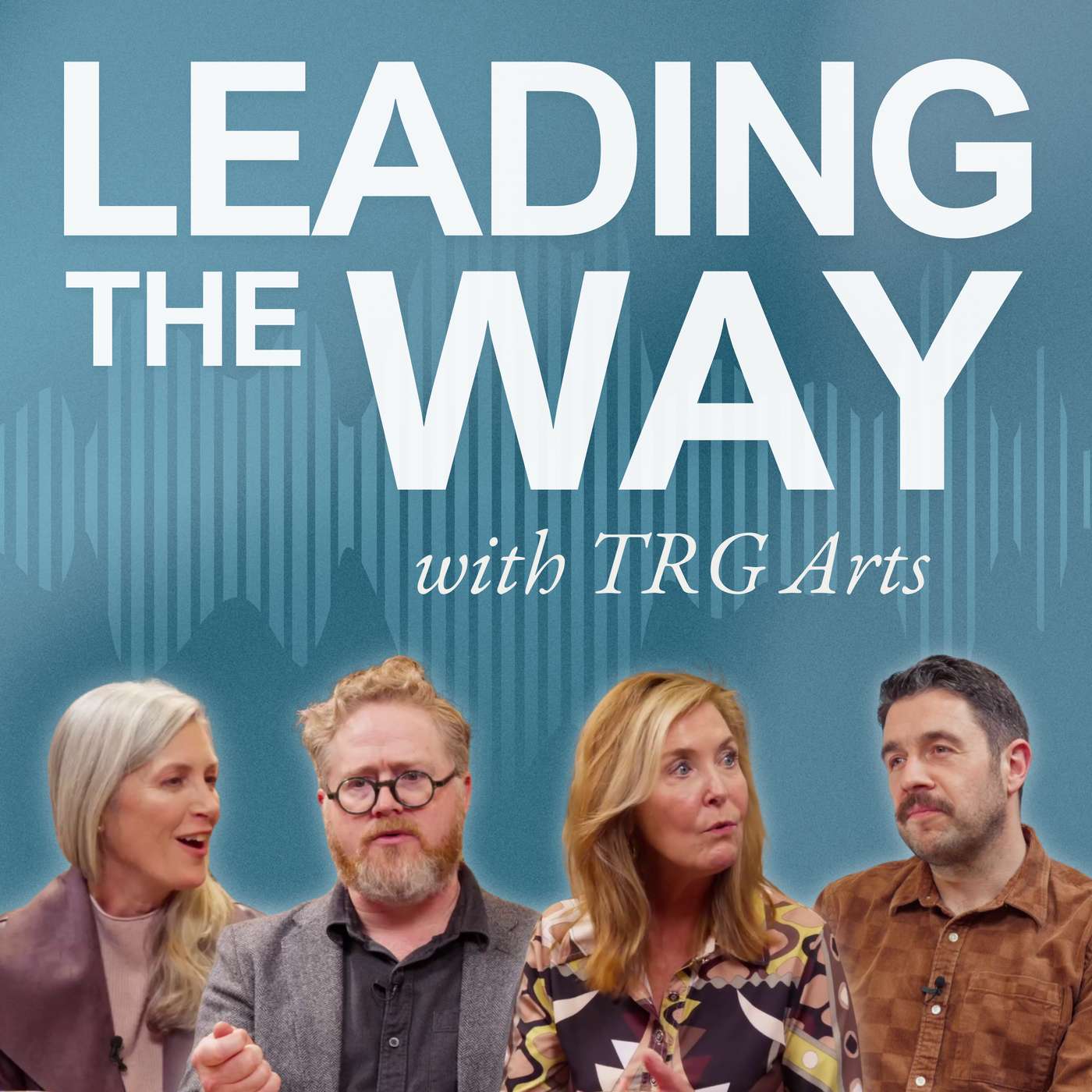
Leading the Way with TRG Arts

Leading the Way with TRG Arts

Hosted by TRG Arts

BusinessManagementArtsInterviews guests

Episodes

22

Latest episode

Jun 2026

Language

EN

About the show

Leading the Way explores the biggest questions facing today’s arts and cultural leaders: how to grow revenue, deepen audience relationships, and lead confidently through uncertainty. Join TRG Arts CEO Jill S. Robinson and her colleagues for candid conversations that combine practical strategy, real audience behavior, and grounded insights into what’s actually working across the sector today.

Listen to episodes

22 recent
June 9, 2026Episode 232 min

Before We Talk About Ticket Prices, Let's Talk About Demand

When revenue goals aren't being met, it's natural to look at pricing. Should tickets cost more? How high is too high? Should we discount more often? Are ticket prices driving audiences away?   But what if price isn't the place to start? In Part 1 of this two-part conversation on demand, we step back to explore one of the most important questions facing arts organizations today: What actually drives demand? Join the TRG team as they examine the difference between demand and pricing, challenge some common assumptions about audience behavior, and discuss why organizations often spend too much time focused on ticket prices and not enough time understanding what makes people want to attend in the first place. Along the way, you'll hear practical insights about audience perception, the role of value and relevance, and why strong demand is built long before someone reaches the purchase page. This episode lays the foundation for the conversation ahead. Before organizations can influence demand, they need to understand how it works, what shapes it, and why it plays such a critical role in long-term revenue growth. In Part 2, we'll take the next step, exploring how organizations can identify demand signals, evaluate performance throughout the sales cycle, and make more intentional decisions about pricing, pacing, and revenue strategy. Key Takeaways: • Why demand and pricing are not the same thing, and why the distinction matters. • How audience interest, perception, and relevance influence attendance long before price enters the conversation. • Why pricing often responds to demand rather than creating it. • The role audience behavior plays in shaping revenue outcomes. • How perceptions of value and success influence purchasing decisions. • Why discounting isn't always the answer to revenue challenges. • What arts leaders should understand about demand before making pricing decisions. • The foundation organizations need in place before they can actively manage and influence demand.

May 12, 2026Episode 119 min

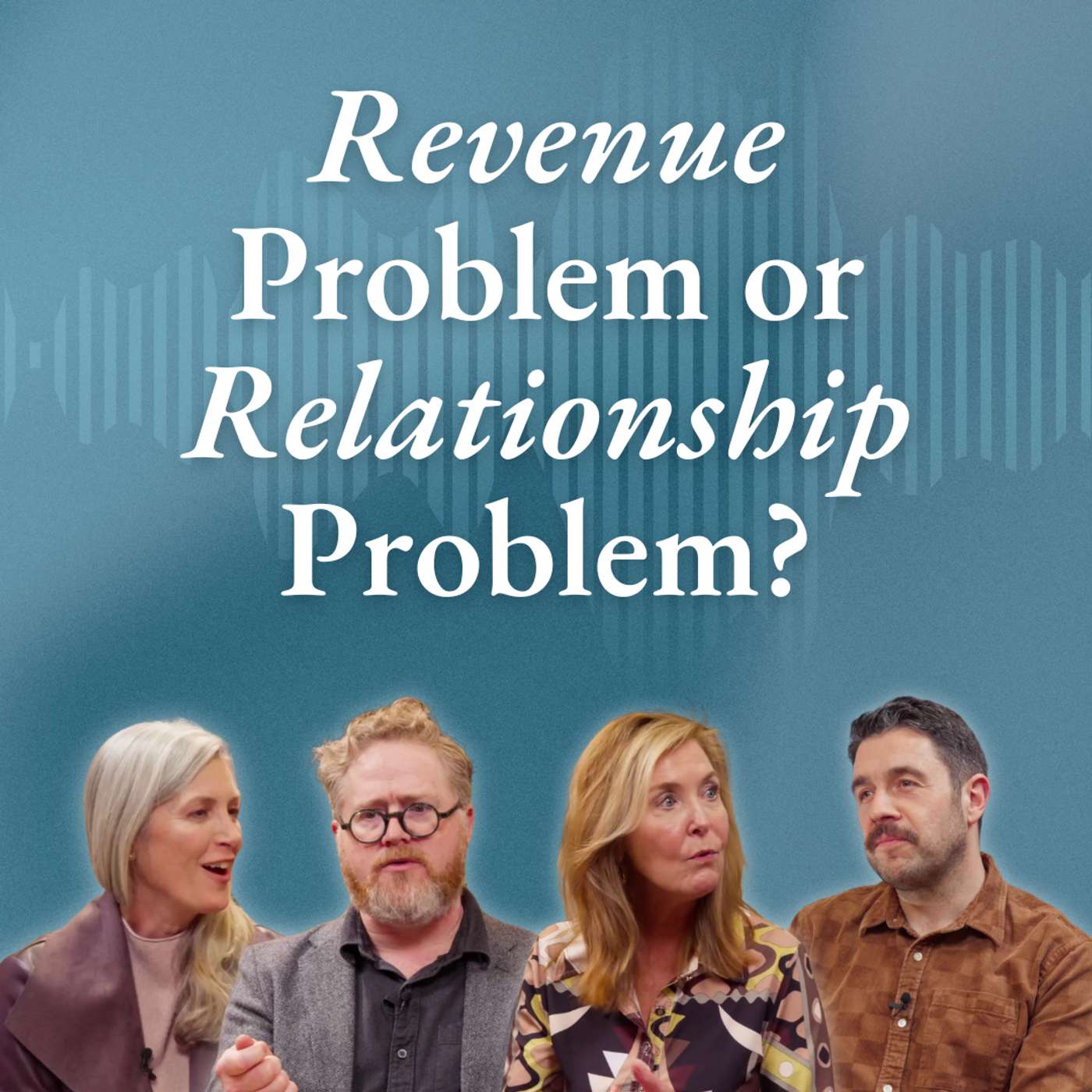
Why Your Revenue Problem Might Really Be A Relationship Problem

Most arts organizations can tell you their revenue targets. Fewer can clearly identify the relationships that will deliver them. As financial pressure continues across the sector, many organizations focus on short-term income. But as this episode explores, revenue doesn’t happen in isolation. It’s built through strengthening audience relationships over time. This conversation introduces TRG’s core relationship framework: Tryers, Buyers, and Advocates. It explores how organizations can better understand the behaviors already inside their CRM systems and use those insights to build stronger loyalty and more sustainable revenue. The TRG team also introduces four strategic focus areas that shape the season ahead: Recency, Demand, People, and Discipline — practical ways organizations can strengthen audience engagement and improve long-term financial stability. At the center of the conversation is a simple idea: organizations that focus intentionally on relationships are better positioned to navigate uncertainty, grow loyalty, and build sustainable revenue. Key Takeaways to Put Into Action: Revenue is built through relationships: Tickets, donations, memberships and subscriptions are outcomes of audience behavior over time. Your future revenue is rooted in past behavior: The people most likely to return may already be in your database. Not all relationships need the same approach: Tryers, Buyers, and Advocates each require different strategies and levels of investment. Frequency starts with recency: The sooner audiences re-engage, the more sustainable loyalty becomes. People-based planning creates clarity: Understanding audience behavior helps organizations forecast more accurately and prioritize resources more effectively. Discipline drives results: Sustainable growth requires consistent focus, accountability, and action.

April 22, 2026Episode 1050 min

How to Lead for Growth Under Pressure with Christina Littlejohn

Arts leaders are under increasing pressure: financial, operational, and cultural. So, what does it look like to respond differently? In this bonus episode of Leading the Way, Jill Robinson speaks with Christina Littlejohn, CEO of the Arkansas Symphony Orchestra, about choosing growth when contraction might seem like the safer option. Facing a significant financial gap, Christina made a deliberate decision to invest in audiences, accessibility, and experience rather than scale back. That choice helped build momentum, expand audiences, increase revenue, and strengthen long-term sustainability.  At the center of the conversation is a clear idea: What happens inside the concert hall drives everything else. From fuller feeling houses to stronger donor confidence, Christina shares how audience experience, frequency, and belonging connect directly to revenue and philanthropy.  The episode also explores: Why an abundance mindset matters in moments of pressure  How membership and accessibility increase engagement and loyalty  The role of data, pricing, and segmentation in shaping behavior  Why investing in teams and skills is critical to execution  This is a practical example of entrepreneurial leadership in action where consistent, people-focused decisions compound over time to change outcomes. Listen to our related episode: Leading Through Disruption: The Entrepreneurial Mindset Arts Organizations Need NowFor more insights, all past episodes, and to sign up for our newsletter, visit trgarts.com/leadingtheway Contact Info:  Email letstalk@trgarts.com

March 17, 2026Episode 938 min

Leading Through Disruption: The Entrepreneurial Mindset Arts Organizations Need Now

Why Adaptability, Relationships, and People Will Define the Next Era of Arts Leadership Arts leaders today are navigating constant disruption. Economic pressure, rapid technological change, and shifting audience behavior have made the environment far more complex than the one many arts organizations were originally built for. Many institutions are still operating on 20th-century funding models while facing 21st-century realities.  So the question becomes: what distinguishes organizations that adapt and grow from those that struggle? This episode explores the leadership mindset behind resilient organizations. The leaders who are thriving aren’t waiting for stability to return. They use disruption as a signal to examine the cracks in their foundation (from programming and technology to staffing models and audience relationships) and they invest intentionally to strengthen those areas.  The conversation highlights three core ideas: Entrepreneurial agility is no longer optional. The sector has experienced continuous change, from digital transformation to the pandemic, and leaders must keep learning, testing, and adjusting. People are the most controllable driver of sustainability. Organizations cannot control government funding or macroeconomic conditions, but they can invest in relationships with audiences, donors, and staff.  Discipline turns strategy into results. The organizations emerging stronger are the ones that align teams, act on data, and consistently execute their plans. Leadership today requires more than operational management. It requires curiosity, courage, and the willingness to rethink long-standing assumptions about how arts organizations operate.

February 17, 2026Episode 831 min

Are You Building Your Budgets on Hope, or Real Relationships?

Most arts organizations can tell you their revenue targets. Fewer can name the segments, behaviors and people that will actually deliver them.When financial pressure rises, leaders default to revenue buckets: tickets, subscriptions, donations. But as this episode makes clear, those buckets don’t buy tickets. People do.This conversation reframes budgeting through a People lens. Revenue is not a line item. It’s the outcome of relationships, shaped by segments including recency, frequency, and behavior over time. When you shift from revenue-based planning to relationship-based planning, you gain clarity: where growth is possible, where risk is hiding, and what must change to hit your goals.We explore why annual planning often falls short, how multi-year pipeline thinking changes investment decisions, and what it really means to hold teams accountable for relationship metrics, not just financial outcomes. This episode challenges leaders to move beyond hopeful projections and toward people-driven strategy, so financial plans become proactive, measurable, and sustainable. Key Takeaways to Put Into Action:Revenue goals are made of relationships: If you can’t name the segments and behaviours driving your target, you’re probably guessing.You inherit your pipeline, you don’t invent it: Short-term targets are shaped by years of past behavior. Budgeting must reflect that reality.Segmentation is a leadership tool, not just a marketing tactic: New, active, lapsed, multi-buyers - each requires different investment decisions.Multi-year planning reduces risk: Annual planning without pipeline metrics creates financial blind spots .Accountability must connect to ‘people metrics’: Clear ownership of relationship-driven KPIs makes growth achievable, and shared across teams .

January 13, 2026Episode 735 min

How to Build Demand by Managing the Room, Not Just the Price

Why Experience, Access, and Perception Drive Audience Behavior  When demand for performances softens or fluctuates, the pressure inside arts organizations intensifies. Leaders feel it in budgets, board conversations, staff morale, and the constant urge to “do something” to influence sales. Too often, that something is discounting, comping, or quietly pulling back on the audience experience.This episode challenges that reflex, and re-frames demand not as something organizations either “have” or “don’t,” but as something leaders can actively manage through experience, access, and perception. Demand is rarely at the extremes. Most organizations live in the middle, where leadership decisions matter most.We explore how common tactics used to “dress the house” can create long-term consequences: weaker loyalty, diluted pricing power, reduced frequency, and internal misalignment. Rather than chasing sell-outs or using price as a shortcut, this conversation invites leaders to protect the real value of the work by managing access, signaling success, and prioritizing experience so today’s decisions strengthen relationships instead of quietly working against them.Key Takeaways to Put Into Action:Demand is something to manage, not wait for: Most organizations already have demand. The question is how leadership decisions shape it over time.Experience matters most when demand feels soft: Pulling back on hospitality and energy sends powerful signals to your most loyal audiences.Access shapes perception before price does: Scale plans, seat availability, and early access influence how audiences interpret value.Comps are currency, not filler: Unmanaged complimentary tickets quietly undermine perceived demand and future behavior.Success is more than a sell-out: Protecting perception and experience builds loyalty, frequency, and long-term revenue.For more insights, past episodes, and to sign up for our newsletter, visit trgarts.com/leadingtheway Contact Info:  Email letstalk@trgarts.com

November 11, 2025Episode 648 min

Leading with Frequency: How Stronger Relationships Build Stronger Futures

In the arts world, success isn’t just about bringing in new people; it’s about building long-lasting relationships with the ones you already have. The key to sustainability lies not in finding more first-time visitors, but in building strategies to inspire your existing audience to return again and again (and again).This episode explores why frequency, or deepening the rate at which customers come back, is the most powerful strategy for arts organizations.Key Takeaways to Put Into Action:Are Subscriptions Really Dead? No, but the mindset is. Subscriptions, memberships, CYOs and flex passes all still work when they’re tools for one thing: driving frequency.Prioritize Returning Patrons: Focus on retaining loyal patrons, as they are your most reliable source of long-term success.Recency Leads to Frequency: Get people back sooner; it’s the first step toward loyalty and one of the simplest, most powerful growth levers you have.Build Recurring Revenue: Prioritize audience return rates to create steady, repeatable revenue instead of relying on occasional sales.Organizational Alignment Drives Growth: Align marketing, development, and box office teams to create a unified strategy that nurtures long-term engagement.For more insights, past episodes, and to sign up for our newsletter, visit trgarts.com/leadingtheway Contact Info:  Email letstalk@trgarts.com

October 7, 2025Episode 535 min

The 6 Must-Know Metrics Every Arts Leader Should Track (And Why)

Arts and cultural organizations have more data than ever before, yet many leaders still struggle to know what to measure… or how to act on it. Too often, we drown in reports, track numbers no one uses, or rely on anecdote instead of evidence. The result? Decisions shaped by habit, instinct, or overload rather than clarity. In this episode, we explore the six must-know audience and revenue metrics that truly matter. Along the way, we unpack why culture and leadership, not technology, is the real barrier to data-driven decision making, why comps don’t build future audiences, and how inflation is quietly eroding per-ticket revenue. This is a call to stop chasing every data point and instead build a culture where focused, actionable metrics drive your strategy. When organizations simplify and align around the right numbers, they can sharpen campaigns, retain more audiences, and grow sustainable revenue. Key takeaways you can act on: Stop drowning in numbers: Most sales reports don’t matter. Focus on the few metrics that actually impact outcomes. See the full picture: New, loyal, and lapsed buyers behave differently; if you’re not tracking them separately, you’re probably still guessing. Retention is everything: New audiences are vital, but they only deliver long-term value if they return. Without retention, acquisition spend is wasted. Units matter as much as money: Raising prices can make the numbers look good while audiences slip away. Headline revenue isn’t the same as real success.Measure what matters: Conversion and response rates aren’t glamorous, but without them you’ll never know if campaigns are really working.Smart spending fuels growth: It costs money to win and keep audiences. Treat it as investment; cut it, and you put your future at risk.

September 2, 2025Episode 446 min

The Power of Pricing: Why Arts Leaders Must Move From Fear to Strategy

Pricing isn’t just a box office task. It's one of the most strategic levers arts organizations have. Yet too often, pricing is treated as an emotional, reactive decision; or worse, an afterthought. In this episode, we unpack why the sector has fallen behind inflation, why the fear of raising prices lingers, and how strategic pricing can reshape both revenue resilience and accessibility. From pandemic-era hesitancy to the misconception that lowering price drives demand, we explore why pricing belongs at the leadership table and what it looks like when data (not gut instinct) drives decisions. This is a call for leaders to move beyond set-it-and-forget-it pricing and instead adopt a discipline of monitoring, testing, and adapting. When pricing is managed strategically, organizations don’t just cover costs; they build relationships and grow loyalty and sustainable income. Key takeaways you can act on: Pricing is leadership work: The most important financial lever shouldn’t be left to siloed decision-making. Fear is costing you revenue: Incremental price adjustments prevent the “catch-up sting” of years of inaction. Demand drives price (not the other way around): Price changes don’t create demand; they should respond to it. When seats aren’t selling, the challenge is awareness and value perception, not the cost of the ticket. Accessibility and revenue can coexist: Strategic scaling allows organizations to expand affordable access while strengthening income. Dynamic pricing is about nuance: It means responding to demand in both directions: raising or lowering when data shows it matters. Stop measuring success by sellouts: Optimize per-ticket revenue and define success by patron behavior, not full houses. For more insights, past episodes, and to sign up for our newsletter, visit trgarts.com/leadingtheway  Contact Info:   Email letstalk@trgarts.com

August 5, 2025Episode 345 min

The Secret to Smarter Campaigns? Segmentation That Aligns Your Teams

Right People. Right Message. Right Time. Every Time.We explore why so many arts campaigns feel fragmented, and how smarter segmentation can fix it. From overlapping messages to audience fatigue, misaligned marketing and development teams are often the root of the problem. But when arts leaders take ownership of segmentation as a strategic discipline, campaigns become clearer, more effective, and easier to manage across departments.We unpack the real cost of siloed planning, the difference between data and action, and the shift required to move from seasonal pushes to sustained patron cultivation. With practical examples and sector-specific insight, this episode is a call to rethink how campaigns are planned, how audiences are segmented, and who’s really responsible for making it all work.Key takeaways you can act on:Why segmentation is a leadership discipline; not just a data taskHow shared segmentation creates clarity and avoids duplicated asksThe key patron segments every arts organization should define and useHow collaboration between marketing and development teams strengthens campaign timing and messagingWhat smarter campaign planning looks like when driven by patron behaviorSimple first steps to improve segmentation and align your teamsFor more insights, past episodes, and to sign up for our newsletter, visit trgarts.com/leadingtheway Contact Info:  Email letstalk@trgarts.com

Is this your show?

Claim this listing to keep it up to date, reach guests who want to pitch you, and manage bookings with Guestify.

Claim this listing

More Business podcasts