Find partners
Strategies for Tomorrow's Leaders

Strategies for Tomorrow's Leaders

Hosted by Mike LeJeune

BusinessManagementInterviews guests

Episodes

118

Latest episode

Sep 2026

Language

EN

About the show

The show for leaders who care about having an engaged, purpose driven workforce. Gallop surveys show that in today's economy 75% of the workforce feels disengaged. Learn from Interviews with industry leaders who understand the importance of how engaged employees impact culture, drive productivity and ignite their teams.

Listen to episodes

60 recent
September 10, 2026Episode 7853 min

Flawless Leadership: How Fighter Pilots Close the Execution Gap

What can fighter pilots teach business leaders about clarity, decision-making and execution under pressure? In this episode of Strategies for Tomorrow's Leaders, Mike Lejeune sits down with Christian "Boo" Boucousis, former fighter pilot and CEO of Afterburner, to explore flawless leadership, high-performance teams and how leaders can close the execution gap. Boo explains why effective leadership is not about perfect plans or controlling every outcome. It is about staying clear on the mission, focusing on what you can control and adapting as reality changes. Mike and Boo discuss the difference between linear and iterative thinking, why leaders get trapped by busyness and information overload and how clarity becomes even more important in fast-moving environments. A major part of the conversation focuses on debriefing as a leadership development tool. Boo explains why a good debrief is not about blame. It is about understanding what happened, identifying the cause of the gap and deciding what to do differently next time. They also explore emotional intelligence, self-awareness, bias and the growing impact of AI on leadership and decision-making. As leaders gain access to more information and technology, Boo argues that unclear objectives and weak thinking will become easier to expose. In this episode, you'll learn: • Why clarity is one of a leader's most important responsibilities • What flawless leadership means when perfection is impossible • How fighter pilots use iterative thinking • Why teams need to "own the gaps" • How debriefing builds accountability without defensiveness • Why busyness can become a leadership trap • How emotional intelligence and bias affect decision-making • Why leaders need to build capability instead of control everything • How AI may reshape leadership and execution If you lead a team, manage change or are responsible for turning strategy into results, this conversation offers practical ideas for improving clarity, accountability and execution. CHAPTERS 00:00 The Significance of Names 01:12 Diversity and Influence of Houston 02:36 Podcast Production and Book Writing 03:40 Leadership and Mission 06:04 The Story Behind Boo's Call Sign 11:08 Flawless Leadership and Iterative Thinking 14:25 Leadership Challenges and Cognitive Bandwidth 16:15 Clarity and Owning the Gaps 18:31 Fighter Pilot Perspective and AI 22:25 AI, Leadership and Decision-Making 24:20 Emotional Intelligence and Leadership 26:07 Humanity and Bias 28:17 Leadership and Human Behavior 31:17 Debriefing and Growth Mindset 33:25 Building Leadership Capability 35:18 How Debriefing Works 41:02 Facilitating Better Debriefs 44:26 Debriefing Without Blame 53:18 Balancing Future, Present and Past 56:20 Flawless Leadership Connect with Christian "Boo" Boucousis: https://www.linkedin.com/in/christian-boo-boucousis/ https://afterburner.com/ Learn more about Mike Lejeune and Lighting the Path: https://lightingthepath.net/
August 25, 2026Episode 7743 min

Leadership Self-Awareness: How Your Behavior Under Pressure Affects Your Team

How does your leadership style change when you're frustrated, and what does your team experience on the other side of you? In this episode of Strategies for Tomorrow's Leaders , Mike Lejeune talks with executive coach, speaker and Oxley Group founder Andrew Oxley about leadership self-awareness, communication and the behaviors that shape employee engagement and team performance. Andrew explains the Four Faces of Frustration, a behavioral model based on DiSC that helps leaders recognize how different people respond to pressure. The conversation explores emotional intelligence, leadership communication, supportive leadership without coddling, giving effective feedback and the shift from doing the work yourself to coaching others to think and perform. Mike and Andrew also discuss why leaders can become the "lid" on organizational growth, how to break through the "ceiling of complexity" and why leaders need to eliminate, simplify, delegate and automate when they feel stretched too thin. They close with practical perspectives on leading younger generations and using AI as a thought partner without allowing it to do your thinking for you. If you want to become a more self-aware leader, communicate more effectively and create an environment where people can grow and perform, listen to or watch the full conversation. Connect with Andrew Oxley: https://www.linkedin.com/in/andrew-oxley-tog/ Learn more about The Oxley Group: https://transformingresults.com/

August 14, 2026Episode 7634 min

The Quality of Engagement: How Relationships Shape Performance

What separates high-performing teams from teams that simply get the work done? In this episode of Strategies for Tomorrow's Leaders , we explore how leadership development, self-awareness and employee engagement shape team performance and workplace culture. The conversation looks at how stronger relationships, better communication and greater self-awareness can help leaders build high-performing teams that are both productive and sustainable. Guest Introduction Curtis Sprouse is the CEO and president of Eureka Connect. With a background in finance, accounting and organizational leadership, Curtis has spent years working with behavioral science and behavioral data to help leaders better understand why people act and react the way they do. His work focuses on leadership development, communication, self-awareness and improving team performance. What You'll Learn About Leadership, Engagement and Team Performance If you're trying to improve employee engagement, strengthen workplace culture or build a high-performing team without becoming the leader who has to solve every problem, this conversation is for you. Curtis and Mike discuss why great leaders teach people to think instead of telling them what to think, how self-awareness affects communication and why a team can deliver strong results without actually being a healthy team. You'll also hear how behavioral data can support leadership development, why trust and relationships influence team performance and what leaders can do to create stronger employee engagement. If you lead people, develop leaders or want to build a healthier workplace culture, you'll leave with practical ideas you can apply to your team.

May 6, 2026Episode 7555 min

The Mindset That Changes Everything

The conversation explores the concept of mindset and its impact on health, wellness, and business success. It delves into the power of belief, visualization, and effort in shaping outcomes. The discussion also touches on the role of positivity, energy, and alignment in achieving goals and overcoming obstacles. The conversation covers topics such as overcoming fear, taking risks, building confidence, and the importance of physical training for mental edge. It also delves into the power of mindset, gratitude, and the impact of a healthy routine on overall well-being. About the Guest: Dan Staggs is the founding partner of iMatch, a premier executive search and recruiting firm serving the technology and financial sectors. He is also the founder of Stags Performance, where he focuses on mindset, wellness, performance optimization, and helping others create sustainable systems for health, discipline, and high performance. Dan’s personal journey through major health challenges reshaped his perspective on leadership, energy, resilience, and the connection between physical wellness and mental performance. His passion today is helping others unlock greater clarity, focus, discipline, and purpose in both business and life. Takeaways Mindset is the foundation that drives everything in life. Effort and belief in oneself are key to achieving success. Alignment, energy, and intuition play a significant role in shaping outcomes. Overcoming fear and taking risks The power of mindset and gratitude Chapters 00:00 The Power of Mindset 21:34 Navigating Business Challenges with Mindset 36:51 Overcoming Fear and Taking Risks 42:39 The Importance of Physical Training for Mental Edge 50:12 The Power of Mindset and Gratitude Connect with Dan on LinkedIn: https://www.linkedin.com/in/danstaggs/ Learn more about iMatch: https://www.imatch.com/

April 21, 2026Episode 7440 min

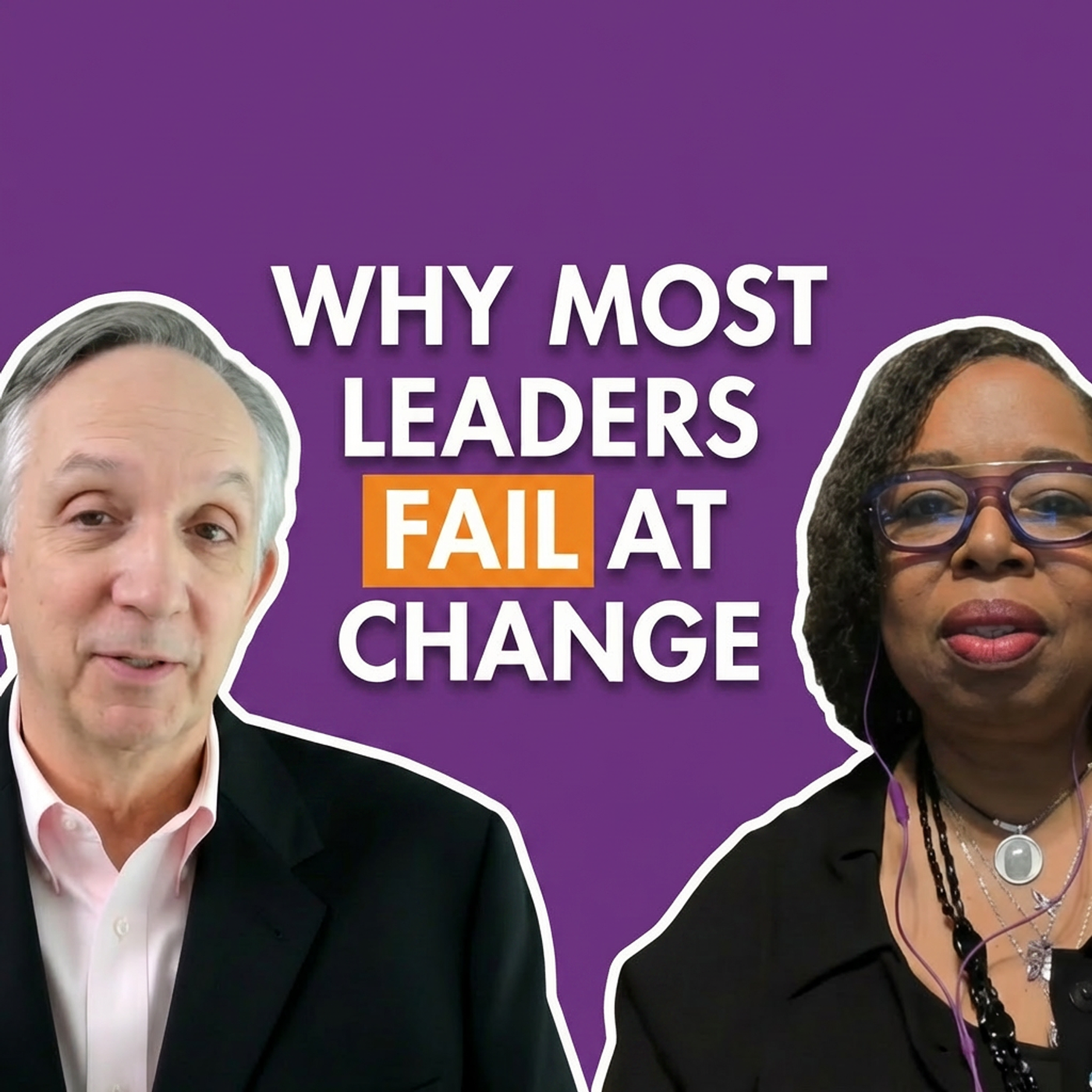
Why Most Leaders Fail at Change (And What to Do Instead)

The conversation explores the theme of change management and its impact on individuals and organizations. It delves into the challenges of change, the importance of psychological safety, and the need for effective leadership during change. Naomi Hardy shares her insights on the dynamics of change and the role of leaders in championing change. Takeaways Change is an experience that people go through, and understanding the cycles of change can help reduce feelings of isolation and resistance. Psychological safety is crucial in creating an environment where individuals feel safe to think and speak differently, fostering engagement and productivity during change. Effective change management requires a marriage of process and behaviors, with a focus on understanding the impact of change on individuals and the organization. Chapters 00:00 The Dynamics of Change 07:40 Change Leadership and People Management 19:40 Unique Challenges in Offshore Work Environments 30:53 Psychological Safety and Engagement 38:15 Measuring the Impact of Change Connect with Naomi on LinkedIn: https://www.linkedin.com/in/naomijhardy/ Learn more about Dunamis: https://dunamischange.com/

March 25, 2026Episode 7324 min

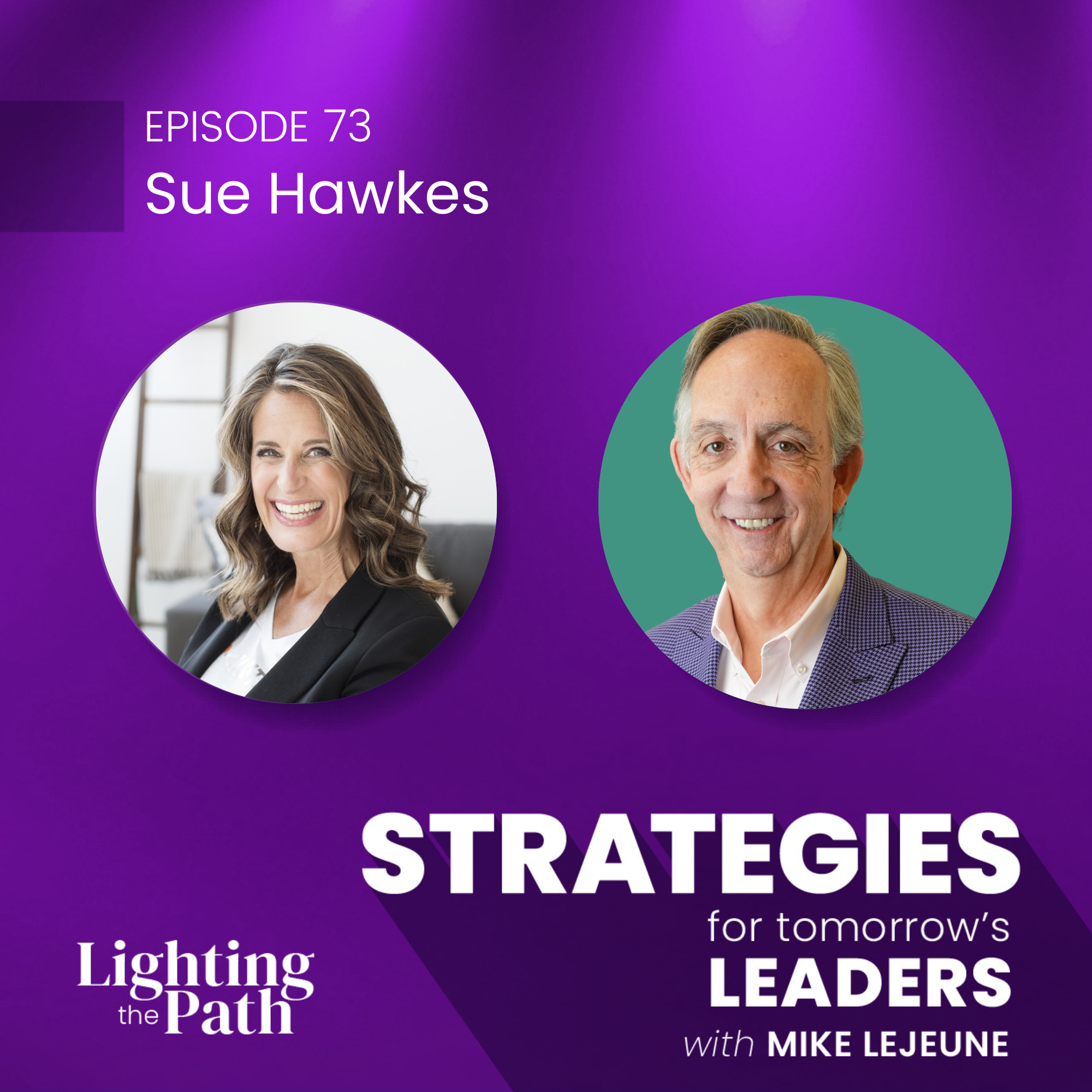
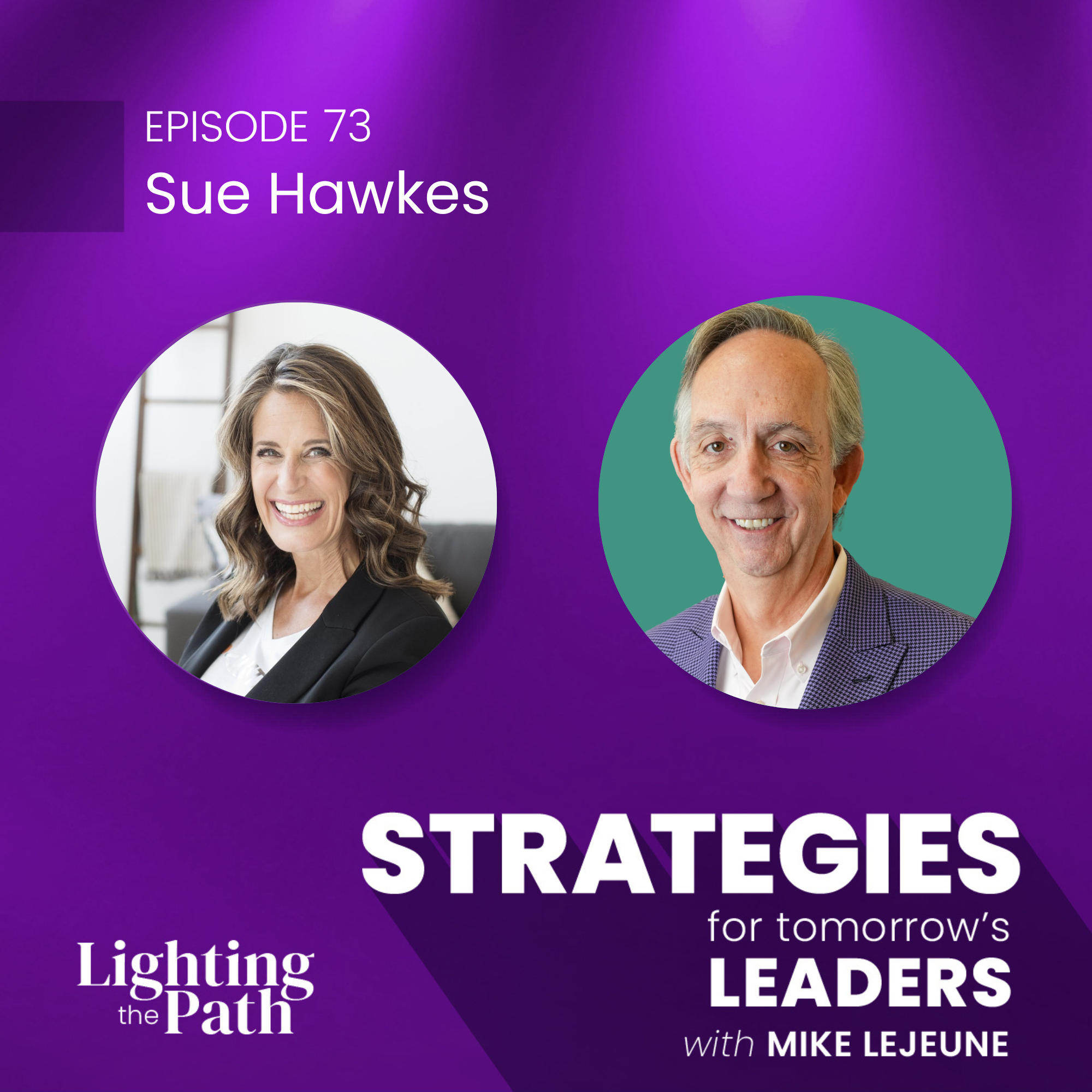
Part II: Why Leaders Avoid Hard Conversations (And What It Costs Them)

PART 2: Accountability, Trust & Leading Without Control Introduction Accountability isn't something you enforce—it's something that emerges. In this second half, the conversation shifts to how leaders create environments where people actually take ownership. Summary Mike and Sue unpack accountability as a result of leadership, not a command. They explore trust, micromanagement, and why leaders must stop stepping into other people's "seats." Highlights Accountability is a result—not a behavior you force Micromanagement is often disguised as care Leaders must stop "owning" everyone else's work Great leaders ask more questions than they give answers Key Takeaways Clear expectations create accountability Trust is built through systems, not just intention If you're in their seat, they can't grow into it Leadership is about coaching, not controlling Questions unlock more than answers ever will Suggested Next Steps Ask your team: "What does success look like in your role?" Stop solving problems that aren't yours to solve Replace answers with questions in your next meeting Evaluate where you might be unintentionally micromanaging Connect with Sue on LinkedIn: https://www.linkedin.com/in/suehawkes/

March 25, 2026Episode 7324 min

Part I: Why Leaders Avoid Hard Conversations (And What It Costs Them)

PART 1: Discipline, Delegation & Difficult Conversations Introduction This conversation starts with a simple idea: most leaders don't struggle because they lack knowledge—they struggle because they avoid what's uncomfortable. In this first half, we unpack discipline, delegation, and why difficult conversations aren't actually the problem. Summary Mike and Sue explore how discipline really shows up in leadership, why leaders become bottlenecks, and how avoiding conversations creates bigger problems over time. They reframe "difficult conversations" as necessary tools for growth—not conflict to avoid. Highlights Discipline is consistency, not punishment Leaders often block growth by not delegating Avoiding conversations creates "false harmony" Trust determines how directly you can communicate Key Takeaways Discipline is doing what matters—even when it's uncomfortable If you don't delegate, you become the ceiling Most "difficult conversations" are delayed conversations Clarity is the foundation of commitment and buy-in Leaders must create safety before delivering truth Suggested Next Steps Identify one conversation you've been avoiding Ask: "What am I protecting—myself or the relationship?" Delegate one task this week that you're holding onto Clarify expectations with your team (don't assume alignment) Connect with Sue on LinkedIn https://www.linkedin.com/in/suehawkes/

February 27, 2026Episode 7227 min

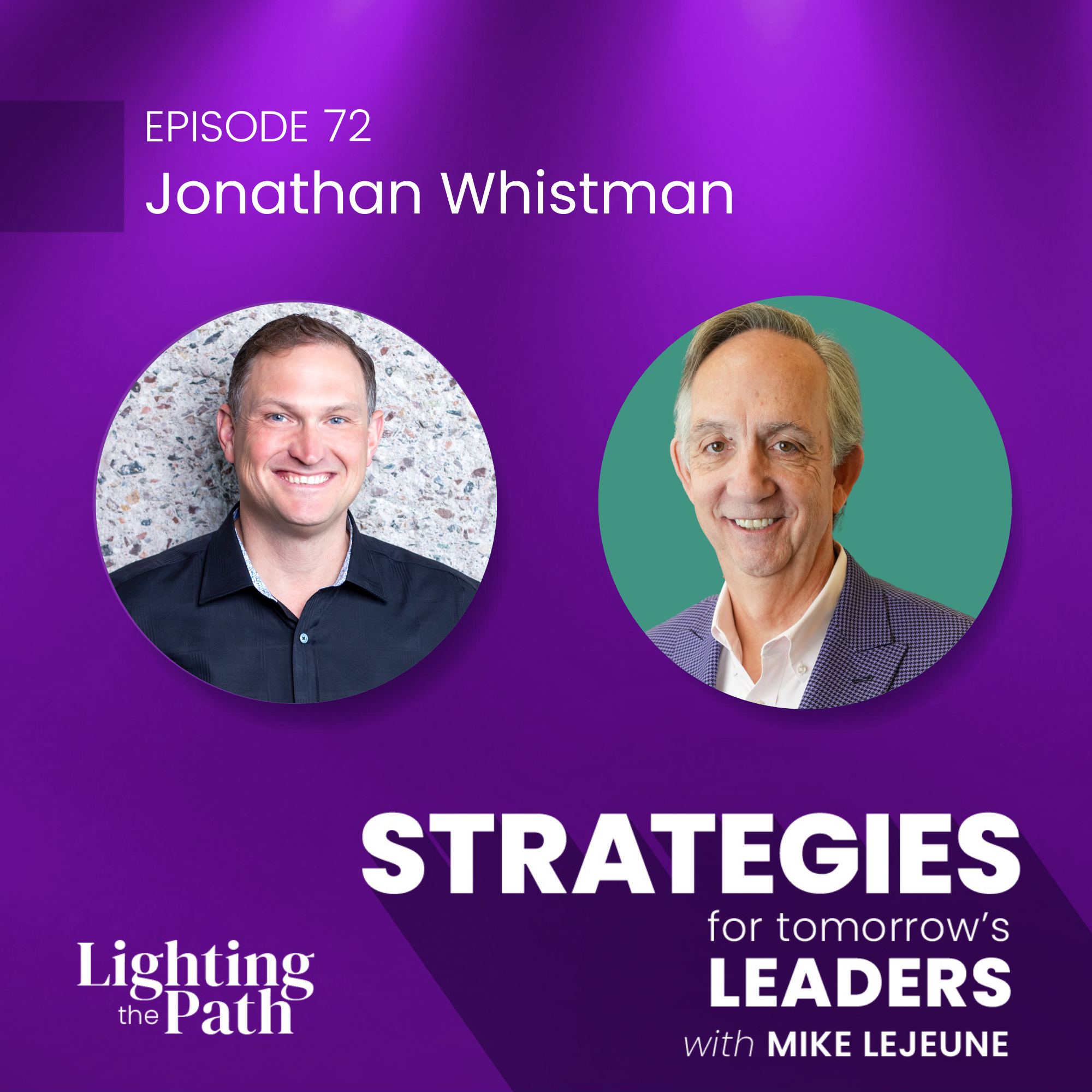
Part II: Unrecruitable: How to Build a Team Your Competitors Can't Steal

What actually makes someone stay? In Part 2, Mike Lejeune and Jonathan Whistman move from hiring strategy to leadership execution — how to deeply care, coach hard, and build an identity people won't walk away from. Jonathan shares practical examples of: Recruiting the spouse Earning the right to have difficult conversations Designing onboarding that shapes identity Creating championship-level rituals inside organizations This conversation goes beyond retention strategies — it's about building people. In This Episode: How to show people they matter (beyond surface-level care) Why leaders must earn the right to deliver hard feedback How to coach performance tied to personal identity Identity rituals that cement belonging Why champions don't need micromanagement — they need standards Key Takeaways: People stay where they feel seen and developed. Difficult conversations only work when trust is established. Identity is stronger than compensation. Leaders must raise their benchmark before raising expectations. Next Steps: Have one deeper conversation this week that goes beyond KPIs. Evaluate your onboarding — does it shape identity? Raise your standard — and communicate it clearly. Connect with Jonathan on LinkedIn: https://www.linkedin.com/in/jonathanwhistman/ 🎁 Special Bonus for Listeners Jonathan has extended a special offer exclusively for listeners of this episode. If you purchase a copy of Unrecruitable and message Mike with a photo of you holding the book, Jonathan will personally provide: Two complimentary tickets to his live, two-day training event in Scottsdale, Arizona. At this intensive session, you'll learn: How to conduct a Talent Reveal Interview How to run effective group interviews How to lead executive-level interviews How to implement the Think–Feel–Act audit inside your organization Practical systems for building an unrecruitable team You can bring a member of your leadership team with you — both tickets are courtesy of this podcast. To claim your tickets: Purchase Unrecruitable on Amazon: https://www.amazon.com/Unrecruitable-Build-Team-Competition-Steal/dp/B0GNKXFTQQ Send a photo of you with the book to Mike. We'll provide next steps for the Scottsdale event.

February 27, 2026Episode 7226 min

Part I: Unrecruitable: How to Build a Team Your Competitors Can't Steal

What makes someone truly unrecruitable? In Part 1 of this conversation, Mike Lejeune sits down with Jonathan Whistman, CEO of WhoHire and author of Unrecruitable: How to Build a Team Your Competitors Can't Steal. Jonathan has built and sold companies, authored The Sales Boss, and now helps organizations use data and identity-driven leadership to build high-performance teams that competitors can't poach. This episode challenges conventional thinking about hiring, retention, and culture. In This Episode: Why every business is actually in the human business The biggest mistake leaders make in hiring Why "gut instinct" fails more often than we admit The Think–Feel–Act framework for engineering culture Why identity determines whether someone stays or leaves The real math behind finding top 5% performers Key Takeaways: Culture doesn't happen accidentally — it can be engineered. If you want different behavior, shape thinking first. Hiring is not an administrative task — it's a half-million-dollar decision. People don't leave jobs. They leave environments that don't fit their identity. Next Steps: Audit your hiring process — are you using data or gut? Define clearly: What do you want your people to think about your organization? Share this episode with a leader who is struggling with retention. Connect with Jonathan on LinkedIn: https://www.linkedin.com/in/jonathanwhistman/ 🎁 Special Bonus for Listeners Jonathan has extended a special offer exclusively for listeners of this episode. If you purchase a copy of Unrecruitable and message Mike with a photo of you holding the book, Jonathan will personally provide: Two complimentary tickets to his live, two-day training event in Scottsdale, Arizona. At this intensive session, you'll learn: How to conduct a Talent Reveal Interview How to run effective group interviews How to lead executive-level interviews How to implement the Think–Feel–Act audit inside your organization Practical systems for building an unrecruitable team You can bring a member of your leadership team with you — both tickets are courtesy of this podcast. To claim your tickets: Purchase Unrecruitable. Send a photo of you with the book to Mike. We'll provide next steps for the Scottsdale event.

February 12, 2026Episode 7118 min

Part II: How to Hire A-Players and Build a Growth Mindset Team

Scaling the Right Way: Integrity, Tough Conversations & Eliminating Leadership Noise What separates leaders who scale sustainably from those who burn out their culture? In Part 2 of this conversation, Jeremy Jenson shares the deeper leadership evolution behind building a $12M+ organization — and why integrity became the turning point in his journey. We move beyond strategy and into self-leadership. In this episode, we explore: • Why revenue alone is a dangerous focus • Letting go of high producers who lack integrity • The power of tough, honest conversations • Why leaders must eliminate "noise" to stay focused • Using EOS (Entrepreneurial Operating System) for clarity • How to give feedback that elevates performance • Why great leaders motivate through example, not fear • Building systems that protect your culture Jeremy also shares a powerful perspective shift: Success stops being about what you achieve — and starts being about what you help others achieve. If you're leading a team, scaling a company, or navigating growth, this episode will challenge how you think about clarity, accountability, and long-term success. If you haven't watched Part 1, start there to understand the foundation of the growth story. Connect with Jeremy on LinkedIn: https://www.linkedin.com/in/jeremyjenson/

Is this your show?

Claim this listing to keep it up to date, reach guests who want to pitch you, and manage bookings with Guestify.

Claim this listing

More Business podcasts