Find partners
How India's Economy Works

How India's Economy Works

Hosted by The Core

Episodes

60

Latest episode

Jun 2026

Language

EN-US

About the show

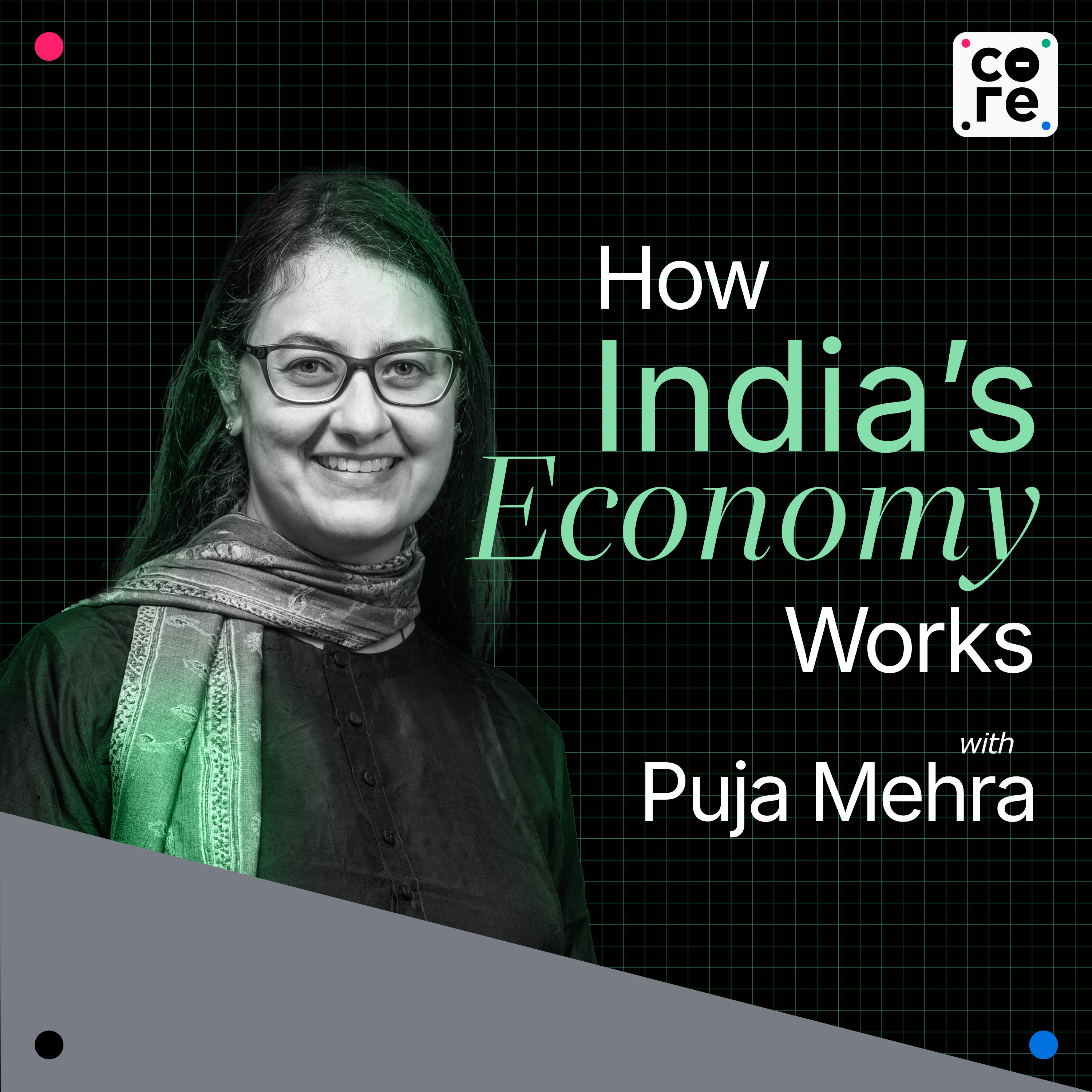
Join journalist Puja Mehra as she breaks down one story to give you all the context you need to understand how it fits into the larger picture of India's economy.

Listen to episodes

60 recent
June 10, 2026Episode 5938 min

What the RBI's role in the economy and its Relationship with Government is

In this episode of How India’s Economy Works, host Puja Mehra speaks with economist and Professor of Economics at SRM University, Dr. Parag Waknis to unpack one of the most important yet least understood documents in Indian policymaking, the RBI’s accounts. They explore how the RBI manages government debt, why it holds government securities on its balance sheet, and how these operations influence GDP, liquidity, interest rates and inflation.The conversation examines the evolution from direct deficit financing to the current system of primary dealers, the significance of foreign exchange reserves, and the RBI’s use of tools such as open market operations and Operation Twist. Dr. Waknis also explains the relationship between government borrowing and central bank profits, and discusses whether these dynamics affect the RBI’s policy independence.Tune in for insights into the institution at the heart of India’s monetary and financial system.CHAPTERS(00:00) Introduction(00:14) Why the RBI Balance Sheet Matters(03:54) Why Government Bond Auctions Fail(06:15) How RBI Invests Forex Reserves(08:28) Operation Twist and Borrowing Costs(11:21) Why RBI Doesn't Fund Government Directly(14:33) Currency Notes, Coins and Sovereignty(16:35) What the Latest Balance Sheet Shows(19:00) Government Borrowing and RBI Surplus(21:27) Rising Government Debt on RBI Books(24:18) Is India’s Bond Market Distorted?(25:44) RBI Independence and Balance Sheet Risks(27:47) Understanding the Monetary Policy Corridor(32:54) Rules Versus Discretion in Monetary Policy(34:49) RBI’s Conflicting Institutional Roles(36:36) Why US Debt Markets Differ(37:48) Key Takeaways on RBI OperationsFor more of our coverage check out ⁠⁠⁠⁠⁠⁠⁠⁠⁠⁠⁠⁠⁠⁠⁠⁠⁠⁠⁠⁠⁠⁠⁠⁠⁠⁠thecore.in⁠⁠⁠⁠⁠⁠⁠⁠⁠⁠⁠⁠⁠⁠⁠⁠⁠⁠⁠⁠⁠⁠⁠⁠⁠⁠⁠⁠⁠⁠⁠⁠⁠⁠⁠⁠⁠⁠⁠⁠⁠⁠⁠⁠⁠⁠⁠⁠⁠⁠⁠⁠⁠⁠⁠⁠⁠⁠⁠⁠⁠⁠⁠⁠⁠⁠⁠⁠Subscribe to our Newsletter⁠⁠⁠⁠⁠⁠⁠⁠⁠⁠⁠⁠⁠⁠⁠⁠⁠⁠⁠⁠⁠⁠⁠⁠⁠⁠⁠⁠⁠⁠⁠⁠⁠⁠⁠⁠⁠⁠⁠⁠⁠⁠Follow us on:⁠⁠⁠⁠⁠⁠⁠⁠⁠⁠⁠⁠⁠⁠⁠⁠⁠⁠⁠⁠⁠⁠⁠⁠⁠⁠⁠⁠⁠⁠⁠⁠⁠⁠⁠⁠⁠⁠⁠⁠⁠⁠⁠⁠⁠⁠⁠⁠⁠⁠⁠⁠⁠⁠⁠⁠⁠⁠⁠⁠⁠⁠⁠⁠⁠⁠⁠⁠⁠⁠⁠⁠⁠⁠⁠⁠⁠⁠⁠⁠⁠⁠Twitter⁠⁠⁠⁠⁠⁠⁠⁠⁠⁠⁠⁠⁠⁠⁠⁠⁠⁠⁠⁠⁠⁠⁠⁠⁠⁠⁠⁠⁠⁠⁠⁠⁠⁠⁠⁠⁠⁠⁠⁠⁠⁠ |⁠⁠⁠⁠⁠⁠⁠⁠⁠⁠⁠⁠⁠⁠⁠⁠⁠⁠⁠⁠⁠⁠⁠⁠⁠⁠⁠⁠⁠⁠⁠⁠⁠⁠⁠⁠⁠⁠⁠⁠⁠⁠Instagram⁠⁠⁠⁠⁠⁠⁠⁠⁠⁠⁠⁠⁠⁠⁠⁠⁠⁠⁠⁠⁠⁠⁠⁠⁠⁠⁠⁠⁠⁠⁠⁠⁠⁠⁠⁠⁠⁠⁠⁠⁠⁠ |⁠⁠⁠⁠⁠⁠⁠⁠⁠⁠⁠⁠⁠⁠⁠⁠⁠⁠⁠⁠⁠⁠⁠⁠⁠⁠⁠⁠⁠⁠⁠⁠⁠⁠⁠⁠⁠⁠⁠⁠⁠⁠Facebook⁠⁠⁠⁠⁠⁠⁠⁠⁠⁠⁠⁠⁠⁠⁠⁠⁠⁠⁠⁠⁠⁠⁠⁠⁠⁠⁠⁠⁠⁠⁠⁠⁠⁠⁠⁠⁠⁠⁠⁠⁠⁠ |⁠⁠⁠⁠⁠⁠⁠⁠⁠⁠⁠⁠⁠⁠⁠⁠⁠⁠⁠⁠⁠⁠⁠⁠⁠⁠⁠⁠⁠⁠⁠⁠⁠⁠⁠⁠⁠⁠⁠⁠⁠⁠Linkedin⁠⁠⁠⁠⁠⁠⁠⁠⁠⁠⁠⁠⁠⁠⁠⁠⁠⁠⁠⁠⁠⁠⁠⁠⁠⁠⁠⁠⁠⁠⁠⁠⁠⁠⁠⁠⁠⁠⁠⁠⁠⁠ |⁠⁠⁠⁠⁠⁠⁠⁠⁠⁠⁠⁠⁠⁠⁠⁠⁠⁠⁠⁠⁠⁠⁠⁠⁠⁠⁠⁠⁠⁠⁠⁠⁠⁠⁠⁠⁠⁠⁠⁠⁠⁠Youtube

May 27, 2026Episode 5829 min

India's Manufacturing is Broken. There's Only One Way to Fix It, says Rajiv Kumar

In this episode of How India's Economy Works, journalist and author Puja Mehra speaks with economist and former NITI Aayog Vice Chairman Rajiv Kumar about why India’s manufacturing sector continues to underperform despite decades of policy attention and repeated attempts to boost industrial growth.India has long aspired to become a global manufacturing hub, yet manufacturing’s share in GDP has stagnated and labour-intensive sectors such as apparel, leather and food processing have struggled to expand. Drawing on Dr. Kumar’s recent writing and policy experience, the conversation explores why India has failed to build an export-oriented manufacturing economy, why scale and competitiveness remain elusive, and whether the country has become too dependent on the idea of a large domestic market.They discuss the limitations of production-linked incentives, the persistence of protectionist thinking, and why Indian industry has often preferred domestic shelter over global competition. The episode also examines the contrasting experiences of China, Bangladesh and Vietnam, the role of state governments in export promotion, the challenges facing SMEs, and why labour-intensive manufacturing remains crucial for absorbing surplus workers from agriculture.The discussion raises larger questions about employment, industrial strategy and India’s long-term growth model. Can manufacturing still become a major engine of jobs and exports? What would it take for India to double its share in global trade? And are policymakers, industry and states aligned enough to make that happen?Tune in for insights on why India’s manufacturing ambitions continue to fall short — and what it will take to build a more competitive, export-driven economy.CHAPTERS(00:00) Introduction(00:20) Manufacturing Slowdown(01:01) Export-Led Growth(02:53) India’s Market Myth(03:57) Competing With China(08:37) Rewarding Exporters(11:51) Bangladesh Garment Success(12:25) Why Factories Leave India(15:13) Jobs And Textiles(16:52) Manufacturing Wake-Up Call(18:14) Employment Concerns(21:02) Supporting Smaller Firms(21:39) Lessons From China(23:58) Rethinking PLI(25:51) Bureaucracy And Industry(26:31) Breaking Policy SilosFor more of our coverage check out ⁠⁠⁠⁠⁠⁠⁠⁠⁠⁠⁠⁠⁠⁠⁠⁠⁠⁠⁠⁠⁠⁠⁠⁠⁠thecore.in⁠⁠⁠⁠⁠⁠⁠⁠⁠⁠⁠⁠⁠⁠⁠⁠⁠⁠⁠⁠⁠⁠⁠⁠⁠⁠⁠⁠⁠⁠⁠⁠⁠⁠⁠⁠⁠⁠⁠⁠⁠⁠⁠⁠⁠⁠⁠⁠⁠⁠⁠⁠⁠⁠⁠⁠⁠⁠⁠⁠⁠⁠⁠⁠⁠⁠Subscribe to our Newsletter⁠⁠⁠⁠⁠⁠⁠⁠⁠⁠⁠⁠⁠⁠⁠⁠⁠⁠⁠⁠⁠⁠⁠⁠⁠⁠⁠⁠⁠⁠⁠⁠⁠⁠⁠⁠⁠⁠⁠⁠⁠Follow us on:⁠⁠⁠⁠⁠⁠⁠⁠⁠⁠⁠⁠⁠⁠⁠⁠⁠⁠⁠⁠⁠⁠⁠⁠⁠⁠⁠⁠⁠⁠⁠⁠⁠⁠⁠⁠⁠⁠⁠⁠⁠⁠⁠⁠⁠⁠⁠⁠⁠⁠⁠⁠⁠⁠⁠⁠⁠⁠⁠⁠⁠⁠⁠⁠⁠⁠⁠⁠⁠⁠⁠⁠⁠⁠⁠⁠⁠⁠⁠Twitter⁠⁠⁠⁠⁠⁠⁠⁠⁠⁠⁠⁠⁠⁠⁠⁠⁠⁠⁠⁠⁠⁠⁠⁠⁠⁠⁠⁠⁠⁠⁠⁠⁠⁠⁠⁠⁠⁠⁠⁠⁠ |⁠⁠⁠⁠⁠⁠⁠⁠⁠⁠⁠⁠⁠⁠⁠⁠⁠⁠⁠⁠⁠⁠⁠⁠⁠⁠⁠⁠⁠⁠⁠⁠⁠⁠⁠⁠⁠⁠⁠⁠⁠Instagram⁠⁠⁠⁠⁠⁠⁠⁠⁠⁠⁠⁠⁠⁠⁠⁠⁠⁠⁠⁠⁠⁠⁠⁠⁠⁠⁠⁠⁠⁠⁠⁠⁠⁠⁠⁠⁠⁠⁠⁠⁠ |⁠⁠⁠⁠⁠⁠⁠⁠⁠⁠⁠⁠⁠⁠⁠⁠⁠⁠⁠⁠⁠⁠⁠⁠⁠⁠⁠⁠⁠⁠⁠⁠⁠⁠⁠⁠⁠⁠⁠⁠⁠Facebook⁠⁠⁠⁠⁠⁠⁠⁠⁠⁠⁠⁠⁠⁠⁠⁠⁠⁠⁠⁠⁠⁠⁠⁠⁠⁠⁠⁠⁠⁠⁠⁠⁠⁠⁠⁠⁠⁠⁠⁠⁠ |⁠⁠⁠⁠⁠⁠⁠⁠⁠⁠⁠⁠⁠⁠⁠⁠⁠⁠⁠⁠⁠⁠⁠⁠⁠⁠⁠⁠⁠⁠⁠⁠⁠⁠⁠⁠⁠⁠⁠⁠⁠Linkedin⁠⁠⁠⁠⁠⁠⁠⁠⁠⁠⁠⁠⁠⁠⁠⁠⁠⁠⁠⁠⁠⁠⁠⁠⁠⁠⁠⁠⁠⁠⁠⁠⁠⁠⁠⁠⁠⁠⁠⁠⁠ |⁠⁠⁠⁠⁠⁠⁠⁠⁠⁠⁠⁠⁠⁠⁠⁠⁠⁠⁠⁠⁠⁠⁠⁠⁠⁠⁠⁠⁠⁠⁠⁠⁠⁠⁠⁠⁠⁠⁠⁠⁠Youtube

May 13, 2026Episode 5730 min

The Productivity Slowdown Bedevilling India’s Growth Story

In this episode of How India’s Economy Works, journalist and author Puja Mehra speaks with economists Arjun Jayadev and Amit Basole, authors of the CSIE working paper India's Labour Productivity Puzzle, about a troubling trend beneath India’s headline growth numbers: a sharp slowdown in labour productivity since 2017.India remains one of the world’s fastest-growing major economies, employment levels have risen, and female labour force participation has increased. Yet, according to their latest research, workers today are producing far less than they would have if earlier productivity trends had continued. The conversation explores why this matters for wages, living standards, investment, and the broader health of the economy.They discuss the rise of surplus labour, the difference between employment and productive jobs, and why much of the recent increase in work — especially for women — may reflect economic distress rather than opportunity. The episode also examines weak private investment, manufacturing stagnation, structural transformation, the limits of formalisation, and whether policies like infrastructure spending, digitalisation, and production-linked incentives are truly improving productivity.The discussion raises a deeper question: can India sustain high growth if output per worker remains stagnant? Tune in for insights on why India’s growth story may be masking a deeper productivity crisis — and what it means for jobs, wages, and the future of the economyCHAPTERS(00:00) Introduction(01:23) India’s Labour Productivity Slowdown Since 2017(05:05) Why India’s Productivity Crisis Stands Out Globally(09:32) How Growth Can Rise Despite Stagnant Productivity(10:58) Surplus Labour and the Rise of Low-Quality Employment(14:02) The Manufacturing Productivity Puzzle(15:08) Low Wages, Weak Productivity, and Employer Incentives(17:24) The Link Between Productivity and Wages(18:35) Women’s Employment and Economic Distress(20:40) The “Intensification of Dualism” in India’s Economy(21:45) Formalisation Versus Informal Labour Expansion(22:14) PLI Schemes, Policy Dynamism, and Missing Counterfactuals(25:30) Cash Transfers and Structural Transformation(27:00) Why Digitalisation Does Not Automatically Improve Productivity(28:55) Conclusion and Final ThoughtsFor more of our coverage check out ⁠⁠⁠⁠⁠⁠⁠⁠⁠⁠⁠⁠⁠⁠⁠⁠⁠⁠⁠⁠⁠⁠⁠⁠thecore.in⁠⁠⁠⁠⁠⁠⁠⁠⁠⁠⁠⁠⁠⁠⁠⁠⁠⁠⁠⁠⁠⁠⁠⁠⁠⁠⁠⁠⁠⁠⁠⁠⁠⁠⁠⁠⁠⁠⁠⁠⁠⁠⁠⁠⁠⁠⁠⁠⁠⁠⁠⁠⁠⁠⁠⁠⁠⁠⁠⁠⁠⁠⁠⁠Subscribe to our Newsletter⁠⁠⁠⁠⁠⁠⁠⁠⁠⁠⁠⁠⁠⁠⁠⁠⁠⁠⁠⁠⁠⁠⁠⁠⁠⁠⁠⁠⁠⁠⁠⁠⁠⁠⁠⁠⁠⁠⁠⁠Follow us on:⁠⁠⁠⁠⁠⁠⁠⁠⁠⁠⁠⁠⁠⁠⁠⁠⁠⁠⁠⁠⁠⁠⁠⁠⁠⁠⁠⁠⁠⁠⁠⁠⁠⁠⁠⁠⁠⁠⁠⁠⁠⁠⁠⁠⁠⁠⁠⁠⁠⁠⁠⁠⁠⁠⁠⁠⁠⁠⁠⁠⁠⁠⁠⁠⁠⁠⁠⁠⁠⁠⁠⁠⁠⁠⁠⁠Twitter⁠⁠⁠⁠⁠⁠⁠⁠⁠⁠⁠⁠⁠⁠⁠⁠⁠⁠⁠⁠⁠⁠⁠⁠⁠⁠⁠⁠⁠⁠⁠⁠⁠⁠⁠⁠⁠⁠⁠⁠ |⁠⁠⁠⁠⁠⁠⁠⁠⁠⁠⁠⁠⁠⁠⁠⁠⁠⁠⁠⁠⁠⁠⁠⁠⁠⁠⁠⁠⁠⁠⁠⁠⁠⁠⁠⁠⁠⁠⁠⁠Instagram⁠⁠⁠⁠⁠⁠⁠⁠⁠⁠⁠⁠⁠⁠⁠⁠⁠⁠⁠⁠⁠⁠⁠⁠⁠⁠⁠⁠⁠⁠⁠⁠⁠⁠⁠⁠⁠⁠⁠⁠ |⁠⁠⁠⁠⁠⁠⁠⁠⁠⁠⁠⁠⁠⁠⁠⁠⁠⁠⁠⁠⁠⁠⁠⁠⁠⁠⁠⁠⁠⁠⁠⁠⁠⁠⁠⁠⁠⁠⁠⁠Facebook⁠⁠⁠⁠⁠⁠⁠⁠⁠⁠⁠⁠⁠⁠⁠⁠⁠⁠⁠⁠⁠⁠⁠⁠⁠⁠⁠⁠⁠⁠⁠⁠⁠⁠⁠⁠⁠⁠⁠⁠ |⁠⁠⁠⁠⁠⁠⁠⁠⁠⁠⁠⁠⁠⁠⁠⁠⁠⁠⁠⁠⁠⁠⁠⁠⁠⁠⁠⁠⁠⁠⁠⁠⁠⁠⁠⁠⁠⁠⁠⁠Linkedin⁠⁠⁠⁠⁠⁠⁠⁠⁠⁠⁠⁠⁠⁠⁠⁠⁠⁠⁠⁠⁠⁠⁠⁠⁠⁠⁠⁠⁠⁠⁠⁠⁠⁠⁠⁠⁠⁠⁠⁠ |⁠⁠⁠⁠⁠⁠⁠⁠⁠⁠⁠⁠⁠⁠⁠⁠⁠⁠⁠⁠⁠⁠⁠⁠⁠⁠⁠⁠⁠⁠⁠⁠⁠⁠⁠⁠⁠⁠⁠⁠Youtube

April 29, 2026Episode 5628 min

When Growth Doesn’t Reach Workers — The Hidden Stress in India’s Labour Market

In this episode, journalist and author Puja Mehra speaks with Rosa Abraham, economist and one of the authors of the State of Working India 2026 report, about the growing stress in India’s labour market, highlighted by recent worker protests in Noida. They discuss why even formal sector jobs are no longer guaranteeing wage growth, with real earnings stagnating—and in some cases declining—over the past decade.Abraham explains how this is not a cyclical slowdown but a deeper structural issue, driven by weak productivity, misallocation of capital, and the absence of a strong small and mid-sized enterprise base (crucial sector that invests in workers). They also examine why higher education is failing to translate into better jobs, leaving many young graduates unemployed or underemployed.Are current policies missing the bigger picture? What does this mean for India’s demographic dividend?Tune in for a sharp look at why economic growth isn’t reaching workers—and the risks of ignoring it.CHAPTERS(00:00) Introduction(00:14) Worker Protests in Noida(01:20) Stagnant Wages in India(02:30) Falling Graduate Salaries(04:27) What Low Wage Growth Reflects(07:39) Why Minimum Wages Aren’t Enforced(08:31) Youth Unemployment Explained(12:01) India’s Demographic Dividend at Risk(15:00) Demand vs Supply Side Problem(18:16) Is It a Mindset Problem?(20:28) Role of Public vs Private Sector(22:09) Fixing the Jobs Ecosystem(23:58) Risks of Inaction(27:06) No Easy SolutionsFor more of our coverage check out ⁠⁠⁠⁠⁠⁠⁠⁠⁠⁠⁠⁠⁠⁠⁠⁠⁠⁠⁠⁠⁠⁠⁠thecore.in⁠⁠⁠⁠⁠⁠⁠⁠⁠⁠⁠⁠⁠⁠⁠⁠⁠⁠⁠⁠⁠⁠⁠⁠⁠⁠⁠⁠⁠⁠⁠⁠⁠⁠⁠⁠⁠⁠⁠⁠⁠⁠⁠⁠⁠⁠⁠⁠⁠⁠⁠⁠⁠⁠⁠⁠⁠⁠⁠⁠⁠⁠Subscribe to our Newsletter⁠⁠⁠⁠⁠⁠⁠⁠⁠⁠⁠⁠⁠⁠⁠⁠⁠⁠⁠⁠⁠⁠⁠⁠⁠⁠⁠⁠⁠⁠⁠⁠⁠⁠⁠⁠⁠⁠⁠Follow us on:⁠⁠⁠⁠⁠⁠⁠⁠⁠⁠⁠⁠⁠⁠⁠⁠⁠⁠⁠⁠⁠⁠⁠⁠⁠⁠⁠⁠⁠⁠⁠⁠⁠⁠⁠⁠⁠⁠⁠⁠⁠⁠⁠⁠⁠⁠⁠⁠⁠⁠⁠⁠⁠⁠⁠⁠⁠⁠⁠⁠⁠⁠⁠⁠⁠⁠⁠⁠⁠⁠⁠⁠⁠Twitter⁠⁠⁠⁠⁠⁠⁠⁠⁠⁠⁠⁠⁠⁠⁠⁠⁠⁠⁠⁠⁠⁠⁠⁠⁠⁠⁠⁠⁠⁠⁠⁠⁠⁠⁠⁠⁠⁠⁠ |⁠⁠⁠⁠⁠⁠⁠⁠⁠⁠⁠⁠⁠⁠⁠⁠⁠⁠⁠⁠⁠⁠⁠⁠⁠⁠⁠⁠⁠⁠⁠⁠⁠⁠⁠⁠⁠⁠⁠Instagram⁠⁠⁠⁠⁠⁠⁠⁠⁠⁠⁠⁠⁠⁠⁠⁠⁠⁠⁠⁠⁠⁠⁠⁠⁠⁠⁠⁠⁠⁠⁠⁠⁠⁠⁠⁠⁠⁠⁠ |⁠⁠⁠⁠⁠⁠⁠⁠⁠⁠⁠⁠⁠⁠⁠⁠⁠⁠⁠⁠⁠⁠⁠⁠⁠⁠⁠⁠⁠⁠⁠⁠⁠⁠⁠⁠⁠⁠⁠Facebook⁠⁠⁠⁠⁠⁠⁠⁠⁠⁠⁠⁠⁠⁠⁠⁠⁠⁠⁠⁠⁠⁠⁠⁠⁠⁠⁠⁠⁠⁠⁠⁠⁠⁠⁠⁠⁠⁠⁠ |⁠⁠⁠⁠⁠⁠⁠⁠⁠⁠⁠⁠⁠⁠⁠⁠⁠⁠⁠⁠⁠⁠⁠⁠⁠⁠⁠⁠⁠⁠⁠⁠⁠⁠⁠⁠⁠⁠⁠Linkedin⁠⁠⁠⁠⁠⁠⁠⁠⁠⁠⁠⁠⁠⁠⁠⁠⁠⁠⁠⁠⁠⁠⁠⁠⁠⁠⁠⁠⁠⁠⁠⁠⁠⁠⁠⁠⁠⁠⁠ |⁠⁠⁠⁠⁠⁠⁠⁠⁠⁠⁠⁠⁠⁠⁠⁠⁠⁠⁠⁠⁠⁠⁠⁠⁠⁠⁠⁠⁠⁠⁠⁠⁠⁠⁠⁠⁠⁠⁠Youtube

April 15, 2026Episode 5536 min

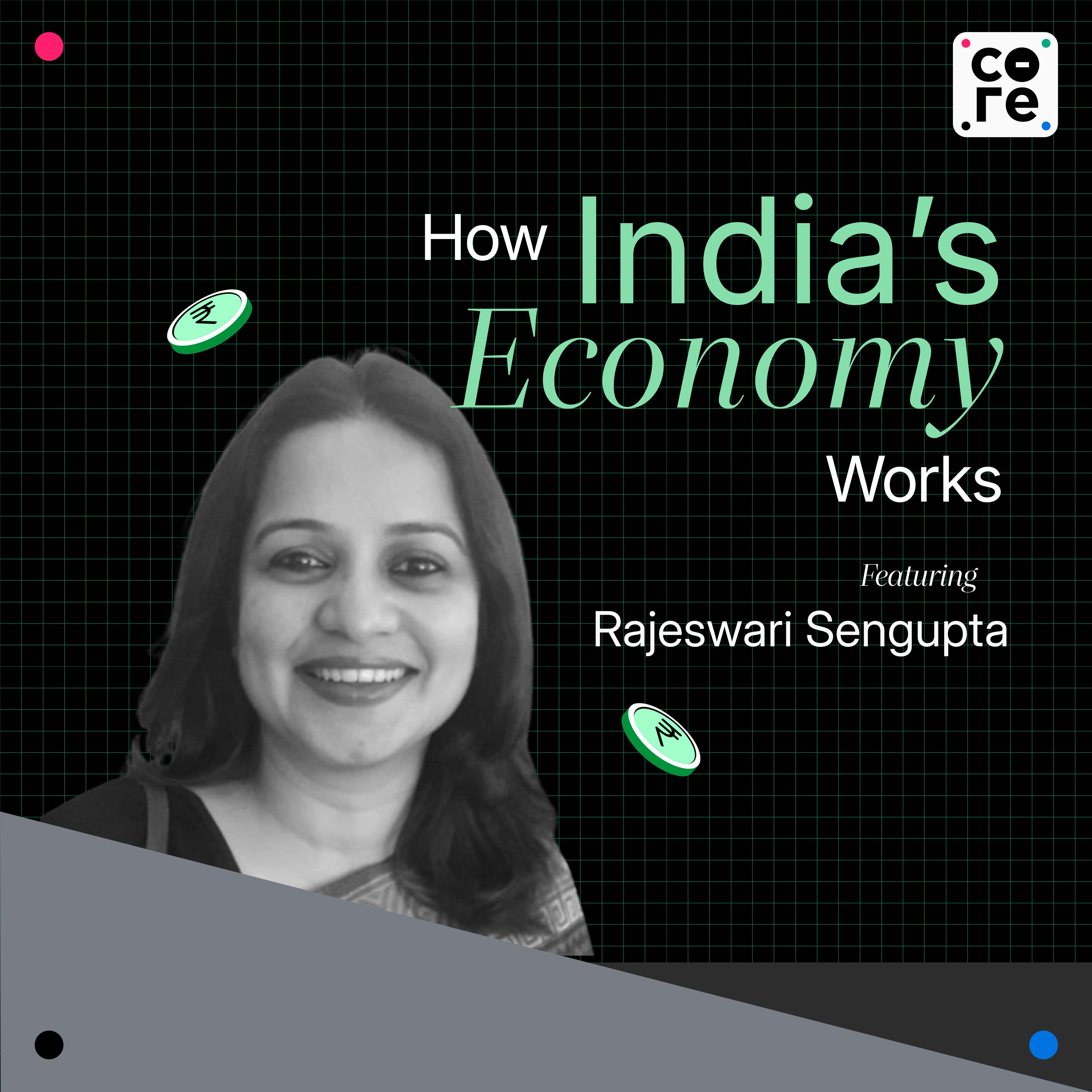
The RBI’s Losing Battle for the Rupee

In this episode, journalist and author Puja Mehra speaks with Rajeswari Sengupta, Economist and Associate Professor at Indira Gandhi Institute of Development Research (IGIDR), about the recent volatility in the rupee and the Reserve Bank of India’s response to it. They discuss how global shocks—from the West Asia conflict to sustained capital outflows—have exposed deeper structural vulnerabilities in India’s external sector.Sengupta explains how the rupee’s weakness is not just cyclical but rooted in fundamentals, including rising import dependence, especially on energy, and weakening foreign capital inflows. Against this backdrop, they examine the RBI’s increasingly aggressive intervention to stabilise the currency.But are these measures addressing volatility, or attempting to influence the level of the exchange rate itself? What does this mean for the rupee’s role as a market-driven price, and for India’s ambitions of greater financial openness?Tune in for insights into the tensions between currency management and market forces, and what it means for the future of India’s exchange rate framework.CHAPTERS(00:00) Pressures on the Rupee(01:09) West Asia War Impact(02:30) Energy Import Dependencies(04:32) Sustained Capital Outflows(06:14) Financing Current Account Deficit(08:03) RBI’s Intervention Methods(10:14) Offshore Arbitrage and Banks(11:58) Unprecedented Regulatory Measures(13:16) Impact on Indian Banks(15:42) Risks of Policy Flip-Flops(16:59) Cost of Hedging Exposure(21:20) Value of Market Speculation(26:38) Rupee as Shock Absorber(31:07) Recommendations for Future PolicyFor more of our coverage check out ⁠⁠⁠⁠⁠⁠⁠⁠⁠⁠⁠⁠⁠⁠⁠⁠⁠⁠⁠⁠⁠⁠thecore.in⁠⁠⁠⁠⁠⁠⁠⁠⁠⁠⁠⁠⁠⁠⁠⁠⁠⁠⁠⁠⁠⁠⁠⁠⁠⁠⁠⁠⁠⁠⁠⁠⁠⁠⁠⁠⁠⁠⁠⁠⁠⁠⁠⁠⁠⁠⁠⁠⁠⁠⁠⁠⁠⁠⁠⁠⁠⁠⁠⁠Subscribe to our Newsletter⁠⁠⁠⁠⁠⁠⁠⁠⁠⁠⁠⁠⁠⁠⁠⁠⁠⁠⁠⁠⁠⁠⁠⁠⁠⁠⁠⁠⁠⁠⁠⁠⁠⁠⁠⁠⁠⁠Follow us on:⁠⁠⁠⁠⁠⁠⁠⁠⁠⁠⁠⁠⁠⁠⁠⁠⁠⁠⁠⁠⁠⁠⁠⁠⁠⁠⁠⁠⁠⁠⁠⁠⁠⁠⁠⁠⁠⁠⁠⁠⁠⁠⁠⁠⁠⁠⁠⁠⁠⁠⁠⁠⁠⁠⁠⁠⁠⁠⁠⁠⁠⁠⁠⁠⁠⁠⁠⁠⁠⁠Twitter⁠⁠⁠⁠⁠⁠⁠⁠⁠⁠⁠⁠⁠⁠⁠⁠⁠⁠⁠⁠⁠⁠⁠⁠⁠⁠⁠⁠⁠⁠⁠⁠⁠⁠⁠⁠⁠⁠ |⁠⁠⁠⁠⁠⁠⁠⁠⁠⁠⁠⁠⁠⁠⁠⁠⁠⁠⁠⁠⁠⁠⁠⁠⁠⁠⁠⁠⁠⁠⁠⁠⁠⁠⁠⁠⁠⁠Instagram⁠⁠⁠⁠⁠⁠⁠⁠⁠⁠⁠⁠⁠⁠⁠⁠⁠⁠⁠⁠⁠⁠⁠⁠⁠⁠⁠⁠⁠⁠⁠⁠⁠⁠⁠⁠⁠⁠ |⁠⁠⁠⁠⁠⁠⁠⁠⁠⁠⁠⁠⁠⁠⁠⁠⁠⁠⁠⁠⁠⁠⁠⁠⁠⁠⁠⁠⁠⁠⁠⁠⁠⁠⁠⁠⁠⁠Facebook⁠⁠⁠⁠⁠⁠⁠⁠⁠⁠⁠⁠⁠⁠⁠⁠⁠⁠⁠⁠⁠⁠⁠⁠⁠⁠⁠⁠⁠⁠⁠⁠⁠⁠⁠⁠⁠⁠ |⁠⁠⁠⁠⁠⁠⁠⁠⁠⁠⁠⁠⁠⁠⁠⁠⁠⁠⁠⁠⁠⁠⁠⁠⁠⁠⁠⁠⁠⁠⁠⁠⁠⁠⁠⁠⁠⁠Linkedin⁠⁠⁠⁠⁠⁠⁠⁠⁠⁠⁠⁠⁠⁠⁠⁠⁠⁠⁠⁠⁠⁠⁠⁠⁠⁠⁠⁠⁠⁠⁠⁠⁠⁠⁠⁠⁠⁠ |⁠⁠⁠⁠⁠⁠⁠⁠⁠⁠⁠⁠⁠⁠⁠⁠⁠⁠⁠⁠⁠⁠⁠⁠⁠⁠⁠⁠⁠⁠⁠⁠⁠⁠⁠⁠⁠⁠Youtube

April 1, 2026Episode 5434 min

Why the Iran Conflict will Last Longer than Generally Expected

In this episode, journalist and author Puja Mehra speaks with Safi Rizvi, National Security Expert, Risk Analyst, Former top Intelligence Officer and Former IPS officer, about how the ongoing conflict involving Iran, the United States and its allies is reshaping the foundations of the global economic and geopolitical order. They discuss how the post-Cold War system—built on multilateral institutions, bilateral diplomacy and a broadly rules-based framework—is now giving way to a more fragmented, power-driven world.Rizvi explains how the erosion of multilateralism and the breakdown of negotiation channels are altering the way conflicts unfold, making them longer, less predictable and more economically disruptive. He also examines how recent wars—from Ukraine to West Asia—are exposing gaps in military strategy, accelerating shifts in defence technologies, and strengthening the global military-industrial complex.They explore how the centre of gravity in energy markets has shifted from the West to Asia, and why disruptions around critical chokepoints like the Strait of Hormuz now pose far greater risks for countries like India, China, Japan and South Korea.What does this mean for energy security, global trade flows and the ability of emerging economies to navigate prolonged geopolitical instability?Tune in for insights into how this conflict could reshape markets, energy dynamics and the global balance of power.CHAPTERS(00:00) Introduction (01:05) Rise of De-multilateralization (04:12) AI Targeting and Failures (06:01) Military Intelligence Gap Concerns (07:10) Attritive vs Attritable Munitions (08:20) Global Energy Buyer Shifts (10:45) Ground War Damage Risks (12:40) Breakdown of Negotiation Trust (14:20) Oil and Gas Predictions (16:44) Conditions for Peace Deals (18:25) Proposed Buyer OPEC Plus (19:58) India’s Measured Peace Call (22:25) Strait of Hormuz Miscalculations (23:01) Leveraging Financial Trade Power (25:02) Trump’s Aggressive Defensive Strategy (27:25) Future Republican Leadership Shifts (28:30) Market Adjustments and Tariffs (30:08) Iranian Resilience and Nationalism For more of our coverage check out ⁠⁠⁠⁠⁠⁠⁠⁠⁠⁠⁠⁠⁠⁠⁠⁠⁠⁠⁠⁠⁠thecore.in⁠⁠⁠⁠⁠⁠⁠⁠⁠⁠⁠⁠⁠⁠⁠⁠⁠⁠⁠⁠⁠⁠⁠⁠⁠⁠⁠⁠⁠⁠⁠⁠⁠⁠⁠⁠⁠⁠⁠⁠⁠⁠⁠⁠⁠⁠⁠⁠⁠⁠⁠⁠⁠⁠⁠⁠⁠⁠Subscribe to our Newsletter⁠⁠⁠⁠⁠⁠⁠⁠⁠⁠⁠⁠⁠⁠⁠⁠⁠⁠⁠⁠⁠⁠⁠⁠⁠⁠⁠⁠⁠⁠⁠⁠⁠⁠⁠⁠⁠Follow us on:⁠⁠⁠⁠⁠⁠⁠⁠⁠⁠⁠⁠⁠⁠⁠⁠⁠⁠⁠⁠⁠⁠⁠⁠⁠⁠⁠⁠⁠⁠⁠⁠⁠⁠⁠⁠⁠⁠⁠⁠⁠⁠⁠⁠⁠⁠⁠⁠⁠⁠⁠⁠⁠⁠⁠⁠⁠⁠⁠⁠⁠⁠⁠⁠⁠⁠⁠Twitter⁠⁠⁠⁠⁠⁠⁠⁠⁠⁠⁠⁠⁠⁠⁠⁠⁠⁠⁠⁠⁠⁠⁠⁠⁠⁠⁠⁠⁠⁠⁠⁠⁠⁠⁠⁠⁠ |⁠⁠⁠⁠⁠⁠⁠⁠⁠⁠⁠⁠⁠⁠⁠⁠⁠⁠⁠⁠⁠⁠⁠⁠⁠⁠⁠⁠⁠⁠⁠⁠⁠⁠⁠⁠⁠Instagram⁠⁠⁠⁠⁠⁠⁠⁠⁠⁠⁠⁠⁠⁠⁠⁠⁠⁠⁠⁠⁠⁠⁠⁠⁠⁠⁠⁠⁠⁠⁠⁠⁠⁠⁠⁠⁠ |⁠⁠⁠⁠⁠⁠⁠⁠⁠⁠⁠⁠⁠⁠⁠⁠⁠⁠⁠⁠⁠⁠⁠⁠⁠⁠⁠⁠⁠⁠⁠⁠⁠⁠⁠⁠⁠Facebook⁠⁠⁠⁠⁠⁠⁠⁠⁠⁠⁠⁠⁠⁠⁠⁠⁠⁠⁠⁠⁠⁠⁠⁠⁠⁠⁠⁠⁠⁠⁠⁠⁠⁠⁠⁠⁠ |⁠⁠⁠⁠⁠⁠⁠⁠⁠⁠⁠⁠⁠⁠⁠⁠⁠⁠⁠⁠⁠⁠⁠⁠⁠⁠⁠⁠⁠⁠⁠⁠⁠⁠⁠⁠⁠Linkedin⁠⁠⁠⁠⁠⁠⁠⁠⁠⁠⁠⁠⁠⁠⁠⁠⁠⁠⁠⁠⁠⁠⁠⁠⁠⁠⁠⁠⁠⁠⁠⁠⁠⁠⁠⁠⁠ |⁠⁠⁠⁠⁠⁠⁠⁠⁠⁠⁠⁠⁠⁠⁠⁠⁠⁠⁠⁠⁠⁠⁠⁠⁠⁠⁠⁠⁠⁠⁠⁠⁠⁠⁠⁠⁠Youtube

March 11, 2026Episode 5337 min

How Global Conflicts are Rewiring the World’s Financial Architecture and India in this new world

In this episode, journalist and author Puja Mehra speaks with Hemant Mishr, Co-Founder and Group CIO of SCUBE Capital, and former Managing Director & Head- Financial Markets, South East Asia, SCCG at Standard Chartered Bank. They talk about how rising geopolitical tensions—from the Iran conflict to great-power rivalry—are beginning to reshape the foundations of the global financial system. They discuss how the post-1970s financial architecture was built on three pillars: globalization, a rules-based order backed by the United States, and relative geopolitical consensus.Mishr explains how that system evolved around the oil shocks of the 1970s and the emergence of the petrodollar, which helped anchor the dominance of the US dollar and the recycling of global capital through American markets. But today, shifting power balances, the expanding use of financial sanctions, and growing geopolitical fragmentation are testing that framework.What does this mean for the future of the dollar, global capital flows, and emerging economies like India?Tune in for insights into how geopolitics is reshaping the world’s financial architecture.SHOW NOTES(00:00) Introduction (00:52) Pillars of Financial Architecture (02:18) Rise of the Petrodollar (03:25) Shift to Petrodollar 2.0 (04:06) Three Scenarios for Finance (06:05) India’s Role as Swing State (07:25) Economic Impact of Oil Prices (09:37) Risks to Rupee and Remittances (11:02) Managing Complex Geopolitical Ties (12:59) Timelines for Market Recovery (16:17) Resilience of India’s Growth (18:31) Investing in Indian Markets (20:41) Lessons from China’s Model (22:49) Managing Exchange Rate Volatility (24:45) Deepening Local Credit Markets (26:23) China’s Strategic Currency Policy (29:57) Attracting Global Institutional Capital (32:21) Developing International Financial Hubs (34:24) Technology and Data SecurityFor more of our coverage check out ⁠⁠⁠⁠⁠⁠⁠⁠⁠⁠⁠⁠⁠⁠⁠⁠⁠⁠⁠⁠thecore.in⁠⁠⁠⁠⁠⁠⁠⁠⁠⁠⁠⁠⁠⁠⁠⁠⁠⁠⁠⁠⁠⁠⁠⁠⁠⁠⁠⁠⁠⁠⁠⁠⁠⁠⁠⁠⁠⁠⁠⁠⁠⁠⁠⁠⁠⁠⁠⁠⁠⁠⁠⁠⁠⁠⁠⁠Subscribe to our Newsletter⁠⁠⁠⁠⁠⁠⁠⁠⁠⁠⁠⁠⁠⁠⁠⁠⁠⁠⁠⁠⁠⁠⁠⁠⁠⁠⁠⁠⁠⁠⁠⁠⁠⁠⁠⁠Follow us on:⁠⁠⁠⁠⁠⁠⁠⁠⁠⁠⁠⁠⁠⁠⁠⁠⁠⁠⁠⁠⁠⁠⁠⁠⁠⁠⁠⁠⁠⁠⁠⁠⁠⁠⁠⁠⁠⁠⁠⁠⁠⁠⁠⁠⁠⁠⁠⁠⁠⁠⁠⁠⁠⁠⁠⁠⁠⁠⁠⁠⁠⁠⁠⁠Twitter⁠⁠⁠⁠⁠⁠⁠⁠⁠⁠⁠⁠⁠⁠⁠⁠⁠⁠⁠⁠⁠⁠⁠⁠⁠⁠⁠⁠⁠⁠⁠⁠⁠⁠⁠⁠ |⁠⁠⁠⁠⁠⁠⁠⁠⁠⁠⁠⁠⁠⁠⁠⁠⁠⁠⁠⁠⁠⁠⁠⁠⁠⁠⁠⁠⁠⁠⁠⁠⁠⁠⁠⁠Instagram⁠⁠⁠⁠⁠⁠⁠⁠⁠⁠⁠⁠⁠⁠⁠⁠⁠⁠⁠⁠⁠⁠⁠⁠⁠⁠⁠⁠⁠⁠⁠⁠⁠⁠⁠⁠ |⁠⁠⁠⁠⁠⁠⁠⁠⁠⁠⁠⁠⁠⁠⁠⁠⁠⁠⁠⁠⁠⁠⁠⁠⁠⁠⁠⁠⁠⁠⁠⁠⁠⁠⁠⁠Facebook⁠⁠⁠⁠⁠⁠⁠⁠⁠⁠⁠⁠⁠⁠⁠⁠⁠⁠⁠⁠⁠⁠⁠⁠⁠⁠⁠⁠⁠⁠⁠⁠⁠⁠⁠⁠ |⁠⁠⁠⁠⁠⁠⁠⁠⁠⁠⁠⁠⁠⁠⁠⁠⁠⁠⁠⁠⁠⁠⁠⁠⁠⁠⁠⁠⁠⁠⁠⁠⁠⁠⁠⁠Linkedin⁠⁠⁠⁠⁠⁠⁠⁠⁠⁠⁠⁠⁠⁠⁠⁠⁠⁠⁠⁠⁠⁠⁠⁠⁠⁠⁠⁠⁠⁠⁠⁠⁠⁠⁠⁠ |⁠⁠⁠⁠⁠⁠⁠⁠⁠⁠⁠⁠⁠⁠⁠⁠⁠⁠⁠⁠⁠⁠⁠⁠⁠⁠⁠⁠⁠⁠⁠⁠⁠⁠⁠⁠Youtube

March 4, 2026Episode 5220 min

The Legal Setback to Trump's Tariffs is an Advantage for India. This Is How

In this episode, journalist Puja Mehra speaks with economist Dr. Shekhar Aiyar about the recent US Supreme Court ruling that struck down the use of the International Emergency Economic Powers Act (IEEPA) as the legal basis for President Trump’s sweeping tariffs. As Washington recalibrates its trade strategy, Aiyar argues that the judgment is more than a legal setback — it reshapes the balance of power in ongoing trade negotiations, including those with India.They discuss what this means for the current 15% global tariff, the earlier 50% duties imposed on Indian imports, and whether companies can realistically expect refunds. The episode also examines how the timing of the ruling intersects with India–US trade deal negotiations, and why India’s bargaining position may have improved significantly.They also talk about the broader geopolitical implications of the decision — from the use of tariffs as strategic leverage to the erosion of the World Trade Organization’s dispute settlement system. As global trade becomes more fragmented, Aiyar makes the case for diversification, institutional reform, and a more assertive Indian role in shaping the next phase of multilateral trade rules. Tune in for insights on the reshaping of India’s trade strategy.SHOW NOTES(00:00) Introduction (00:20) US Supreme Court Ruling on Trump Tariffs (02:47) Impact on Indian Exports and Alternative Trade Instruments (04:39) Prospects for Tariff Refunds for Indian Exporters (06:30) Status of India-US Trade Deal Negotiations (10:13) Limits of Executive Power in Setting High Tariff Rates (11:10) Duration and Renewal of Section 122 Tariffs (12:32) Recommendations for Indian Trade Negotiators (14:55) Geopolitical Implications and Trade Diversification (17:18) WTO Ministerial and Reforming Dispute ResolutionFor more of our coverage check out ⁠⁠⁠⁠⁠⁠⁠⁠⁠⁠⁠⁠⁠⁠⁠⁠⁠⁠⁠thecore.in⁠⁠⁠⁠⁠⁠⁠⁠⁠⁠⁠⁠⁠⁠⁠⁠⁠⁠⁠⁠⁠⁠⁠⁠⁠⁠⁠⁠⁠⁠⁠⁠⁠⁠⁠⁠⁠⁠⁠⁠⁠⁠⁠⁠⁠⁠⁠⁠⁠⁠⁠⁠⁠⁠Subscribe to our Newsletter⁠⁠⁠⁠⁠⁠⁠⁠⁠⁠⁠⁠⁠⁠⁠⁠⁠⁠⁠⁠⁠⁠⁠⁠⁠⁠⁠⁠⁠⁠⁠⁠⁠⁠⁠Follow us on:⁠⁠⁠⁠⁠⁠⁠⁠⁠⁠⁠⁠⁠⁠⁠⁠⁠⁠⁠⁠⁠⁠⁠⁠⁠⁠⁠⁠⁠⁠⁠⁠⁠⁠⁠⁠⁠⁠⁠⁠⁠⁠⁠⁠⁠⁠⁠⁠⁠⁠⁠⁠⁠⁠⁠⁠⁠⁠⁠⁠⁠Twitter⁠⁠⁠⁠⁠⁠⁠⁠⁠⁠⁠⁠⁠⁠⁠⁠⁠⁠⁠⁠⁠⁠⁠⁠⁠⁠⁠⁠⁠⁠⁠⁠⁠⁠⁠ |⁠⁠⁠⁠⁠⁠⁠⁠⁠⁠⁠⁠⁠⁠⁠⁠⁠⁠⁠⁠⁠⁠⁠⁠⁠⁠⁠⁠⁠⁠⁠⁠⁠⁠⁠Instagram⁠⁠⁠⁠⁠⁠⁠⁠⁠⁠⁠⁠⁠⁠⁠⁠⁠⁠⁠⁠⁠⁠⁠⁠⁠⁠⁠⁠⁠⁠⁠⁠⁠⁠⁠ |⁠⁠⁠⁠⁠⁠⁠⁠⁠⁠⁠⁠⁠⁠⁠⁠⁠⁠⁠⁠⁠⁠⁠⁠⁠⁠⁠⁠⁠⁠⁠⁠⁠⁠⁠Facebook⁠⁠⁠⁠⁠⁠⁠⁠⁠⁠⁠⁠⁠⁠⁠⁠⁠⁠⁠⁠⁠⁠⁠⁠⁠⁠⁠⁠⁠⁠⁠⁠⁠⁠⁠ |⁠⁠⁠⁠⁠⁠⁠⁠⁠⁠⁠⁠⁠⁠⁠⁠⁠⁠⁠⁠⁠⁠⁠⁠⁠⁠⁠⁠⁠⁠⁠⁠⁠⁠⁠Linkedin⁠⁠⁠⁠⁠⁠⁠⁠⁠⁠⁠⁠⁠⁠⁠⁠⁠⁠⁠⁠⁠⁠⁠⁠⁠⁠⁠⁠⁠⁠⁠⁠⁠⁠⁠ |⁠⁠⁠⁠⁠⁠⁠⁠⁠⁠⁠⁠⁠⁠⁠⁠⁠⁠⁠⁠⁠⁠⁠⁠⁠⁠⁠⁠⁠⁠⁠⁠⁠⁠⁠Youtube

February 18, 2026Episode 5124 min

India’s Climate Governance Gap

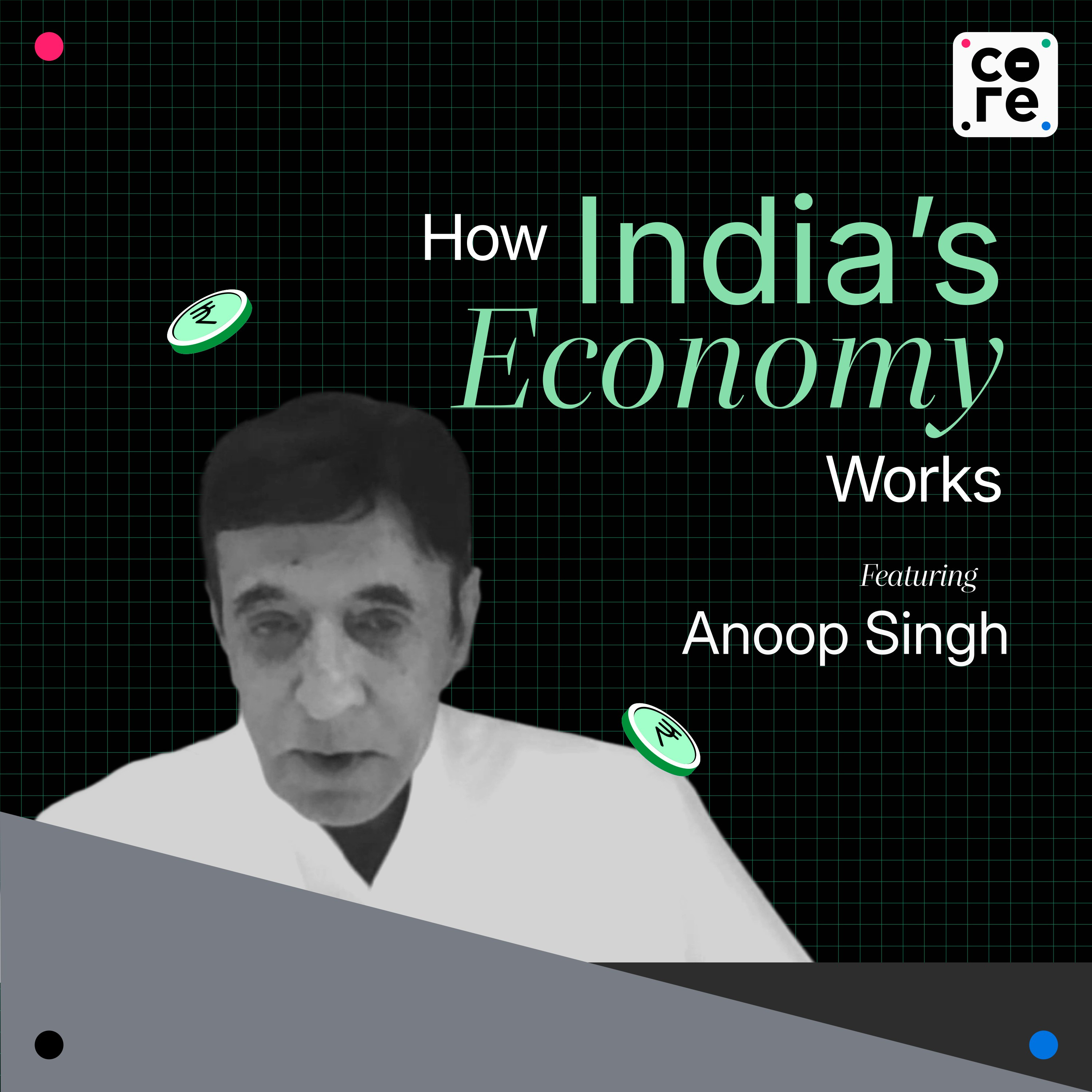
In this episode, journalist Puja Mehra speaks with Economist Dr. Anoop Singh about the gap between India’s ambitious climate commitments and the institutional framework required to deliver them. As India moves closer to its 2030 targets, Singh argues that the real challenge lies not in announcing goals but in building the legal and fiscal architecture to implement them.Drawing on international experience and recent developments — including the Supreme Court’s landmark ruling recognising the constitutional right to be free from the adverse effects of climate change — Singh explains why India remains one of the few major economies without a comprehensive national climate law. They discuss how fragmented, sector-specific policies have led to uneven implementation, why coordination between the Centre and states remains weak, and how climate finance cannot be mobilised or monitored effectively without clear institutional structures and climate budget tagging.The conversation also examines state-level innovations in places like Kerala, Tamil Nadu, Odisha and Assam, and asks whether these “islands of excellence” can evolve into a coherent national framework. Tune in for a closer look at the structural reforms needed to move India from fragmented efforts to a unified climate strategy.SHOW NOTES(00:00) Introduction(01:05) India’s Current Climate Change Targets(02:11) Supreme Court’s Landmark Climate Ruling(04:13) Why India Lacks National Laws(06:04) Improving Cooperation Between Indian States(07:45) Reviewing Current National Climate Institutions(09:15) Securing International Climate Finance Needs(11:39) How States Spend Climate Funds(13:12) Global Models for Climate Accountability(16:12) Closing the Macroeconomic Data Gap(18:04) Success Stories From Indian States(20:59) Parliament's Role in New Legislation(22:45) Building a National Climate Consensus(23:53) Final ThoughtsRegister for India Finance and Innovation Forum 2026⁠https://tinyurl.com/IFIFCORE⁠For more of our coverage check out ⁠⁠⁠⁠⁠⁠⁠⁠⁠⁠⁠⁠⁠⁠⁠⁠⁠⁠thecore.in⁠⁠⁠⁠⁠⁠⁠⁠⁠⁠⁠⁠⁠⁠⁠⁠⁠⁠⁠⁠⁠⁠⁠⁠⁠⁠⁠⁠⁠⁠⁠⁠⁠⁠⁠⁠⁠⁠⁠⁠⁠⁠⁠⁠⁠⁠⁠⁠⁠⁠⁠⁠Subscribe to our Newsletter⁠⁠⁠⁠⁠⁠⁠⁠⁠⁠⁠⁠⁠⁠⁠⁠⁠⁠⁠⁠⁠⁠⁠⁠⁠⁠⁠⁠⁠⁠⁠⁠⁠⁠Follow us on:⁠⁠⁠⁠⁠⁠⁠⁠⁠⁠⁠⁠⁠⁠⁠⁠⁠⁠⁠⁠⁠⁠⁠⁠⁠⁠⁠⁠⁠⁠⁠⁠⁠⁠⁠⁠⁠⁠⁠⁠⁠⁠⁠⁠⁠⁠⁠⁠⁠⁠⁠⁠⁠⁠⁠⁠⁠⁠Twitter⁠⁠⁠⁠⁠⁠⁠⁠⁠⁠⁠⁠⁠⁠⁠⁠⁠⁠⁠⁠⁠⁠⁠⁠⁠⁠⁠⁠⁠⁠⁠⁠⁠⁠ |⁠⁠⁠⁠⁠⁠⁠⁠⁠⁠⁠⁠⁠⁠⁠⁠⁠⁠⁠⁠⁠⁠⁠⁠⁠⁠⁠⁠⁠⁠⁠⁠⁠⁠Instagram⁠⁠⁠⁠⁠⁠⁠⁠⁠⁠⁠⁠⁠⁠⁠⁠⁠⁠⁠⁠⁠⁠⁠⁠⁠⁠⁠⁠⁠⁠⁠⁠⁠⁠ |⁠⁠⁠⁠⁠⁠⁠⁠⁠⁠⁠⁠⁠⁠⁠⁠⁠⁠⁠⁠⁠⁠⁠⁠⁠⁠⁠⁠⁠⁠⁠⁠⁠⁠Facebook⁠⁠⁠⁠⁠⁠⁠⁠⁠⁠⁠⁠⁠⁠⁠⁠⁠⁠⁠⁠⁠⁠⁠⁠⁠⁠⁠⁠⁠⁠⁠⁠⁠⁠ |⁠⁠⁠⁠⁠⁠⁠⁠⁠⁠⁠⁠⁠⁠⁠⁠⁠⁠⁠⁠⁠⁠⁠⁠⁠⁠⁠⁠⁠⁠⁠⁠⁠⁠Linkedin⁠⁠⁠⁠⁠⁠⁠⁠⁠⁠⁠⁠⁠⁠⁠⁠⁠⁠⁠⁠⁠⁠⁠⁠⁠⁠⁠⁠⁠⁠⁠⁠⁠⁠ |⁠⁠⁠⁠⁠⁠⁠⁠⁠⁠⁠⁠⁠⁠⁠⁠⁠⁠⁠⁠⁠⁠⁠⁠⁠⁠⁠⁠⁠⁠⁠⁠⁠⁠Youtube

February 4, 2026Episode 5037 min

Coal Still Powers Much Of India’s Industry. Why Does It Remain A Troubled Sector?

In this episode, journalist Puja Mehra speaks with Subhomoy Bhattacharjee, Journalist and Contributing Editor at Business Standard, about the paradox at the heart of India’s coal economy—why the country is sitting on large coal stocks even as it continues to import coal for power generation. They discuss how India’s transition from coal shortages to apparent surplus masks deeper structural problems in production, transportation, pricing, and quality.Drawing on recent data and policy decisions, Bhattacharjee explains why domestically mined coal often fails to reach power plants economically, how high rail freight costs and geographic mismatches distort supply, and why many plants prefer imported coal despite higher headline prices. The conversation also examines the opening up of coal mining to private players, the weakening of Coal India’s monopoly, and the push towards market-driven coal pricing through proposed coal exchanges.The discussion concludes by looking ahead to India’s energy future, assessing whether coal consumption has peaked, how rising electricity demand from data centres and the AI economy could reshape power needs, and why coal is likely to remain central to India’s power mix for years to come. Tune in for insights on what India’s coal surplus reveals about infrastructure bottlenecks, market design, and energy policy.CHAPTERS(00:00) Introduction to India’s Coal Economy(02:00) The Coal Surplus Puzzle(04:00) Why Coal Isn’t Reaching Plants(06:30) Transport Costs and Rail Bottlenecks(09:00) Imported Coal vs Domestic Coal(11:30) Why Plants Aren’t Near Mines(14:00) Pollution and Poor Plant Location(16:30) Private Miners and Rising Production(18:30) Can Coal India Adapt(21:00) Coal India’s Financial Health(23:30) Employees and Market Transition(26:00) Coal Pricing and Linkages(28:00) Has India’s Coal Use Peaked(30:30) AI, Data Centres and Power Demand(33:00) Global Coal Demand Outlook(35:30) Nuclear Power and the FutureRegister for India Finance and Innovation Forum 2026https://tinyurl.com/IFIFCOREFor more of our coverage check out ⁠⁠⁠⁠⁠⁠⁠⁠⁠⁠⁠⁠⁠⁠⁠⁠⁠thecore.in⁠⁠⁠⁠⁠⁠⁠⁠⁠⁠⁠⁠⁠⁠⁠⁠⁠⁠⁠⁠⁠⁠⁠⁠⁠⁠⁠⁠⁠⁠⁠⁠⁠⁠⁠⁠⁠⁠⁠⁠⁠⁠⁠⁠⁠⁠⁠⁠⁠⁠Subscribe to our Newsletter⁠⁠⁠⁠⁠⁠⁠⁠⁠⁠⁠⁠⁠⁠⁠⁠⁠⁠⁠⁠⁠⁠⁠⁠⁠⁠⁠⁠⁠⁠⁠⁠⁠Follow us on:⁠⁠⁠⁠⁠⁠⁠⁠⁠⁠⁠⁠⁠⁠⁠⁠⁠⁠⁠⁠⁠⁠⁠⁠⁠⁠⁠⁠⁠⁠⁠⁠⁠⁠⁠⁠⁠⁠⁠⁠⁠⁠⁠⁠⁠⁠⁠⁠⁠⁠⁠⁠⁠⁠⁠Twitter⁠⁠⁠⁠⁠⁠⁠⁠⁠⁠⁠⁠⁠⁠⁠⁠⁠⁠⁠⁠⁠⁠⁠⁠⁠⁠⁠⁠⁠⁠⁠⁠⁠ |⁠⁠⁠⁠⁠⁠⁠⁠⁠⁠⁠⁠⁠⁠⁠⁠⁠⁠⁠⁠⁠⁠⁠⁠⁠⁠⁠⁠⁠⁠⁠⁠⁠Instagram⁠⁠⁠⁠⁠⁠⁠⁠⁠⁠⁠⁠⁠⁠⁠⁠⁠⁠⁠⁠⁠⁠⁠⁠⁠⁠⁠⁠⁠⁠⁠⁠⁠ |⁠⁠⁠⁠⁠⁠⁠⁠⁠⁠⁠⁠⁠⁠⁠⁠⁠⁠⁠⁠⁠⁠⁠⁠⁠⁠⁠⁠⁠⁠⁠⁠⁠Facebook⁠⁠⁠⁠⁠⁠⁠⁠⁠⁠⁠⁠⁠⁠⁠⁠⁠⁠⁠⁠⁠⁠⁠⁠⁠⁠⁠⁠⁠⁠⁠⁠⁠ |⁠⁠⁠⁠⁠⁠⁠⁠⁠⁠⁠⁠⁠⁠⁠⁠⁠⁠⁠⁠⁠⁠⁠⁠⁠⁠⁠⁠⁠⁠⁠⁠⁠Linkedin⁠⁠⁠⁠⁠⁠⁠⁠⁠⁠⁠⁠⁠⁠⁠⁠⁠⁠⁠⁠⁠⁠⁠⁠⁠⁠⁠⁠⁠⁠⁠⁠⁠ |⁠⁠⁠⁠⁠⁠⁠⁠⁠⁠⁠⁠⁠⁠⁠⁠⁠⁠⁠⁠⁠⁠⁠⁠⁠⁠⁠⁠⁠⁠⁠⁠⁠Youtube

Is this your show?

Claim this listing to keep it up to date, reach guests who want to pitch you, and manage bookings with Guestify.

Claim this listing

More Business podcasts