Find partners
Everyday Conversations on Race

Everyday Conversations on Race

Hosted by simma Lieberman

BusinessSocietyCultureInterviews guestsExplicit

Episodes

152

Latest episode

Jun 2026

Language

EN-US

About the show

Everyday Conversations Race brings people together for cross-race conversations on race. If you have ever wanted to have a conversation about race, then this podcast is for you.Our mission is to disrupt the way race is talked about, break racial silos and have a global impact on how people see each other. We have from different backgrounds who share stories, thoughts on race, perspective on current social issues and pop culture happenings. We show that conversations about race are possible, urgent and essential for survival. Guests are all ages from very young to very old, immigrants, students, formerly incarcerated, executives, hourly employees, social activists, hip-hop artists, athletes and media. It's serious, funny and insightful. We have a global mission for these conversations, to eliminate fear of differences, bring people together in the same space, and find surprising connections.

Listen to episodes

60 recent
June 8, 2026Episode 14849 min

Dion Lim: The Anti-Asian Hate Story America Forgot

In this powerful episode of Everyday Conversations on Race, host Simma the Inclusionist sits down with Emmy award-winning journalist and author Dion Lim to confront a question too many are avoiding: "Why has the conversation about anti-Asian hate gone silent"? Dion takes us behind the headline-making DM that changed her career — an anonymous video of an elderly Asian man being brutally beaten in San Francisco — and reveals what it took to bring stories like his to light when her own newsroom resisted.  From the murder of Vincent Chin to COVID-era scapegoating, she traces the deep historical roots of anti-Asian racism in America. She explains why the silence after the peak of BLM and Stop AAPI Hate is not just disappointing — it's dangerous. Topics in This Episode: Why anti-Asian hate is "as old as the Gold Rush" — and why we're erasing that history The cultural shame that keeps Asian American victims from speaking out The death threats and hit pieces Dion faced for reporting the truth How DEI rollbacks are affecting communities right now What Black-Asian solidarity actually looks like on the ground The role food, music, and pop culture play in bridging racial divides Dion's new book Amplify: My Fight for Asian America (foreword by Olivia Munn) You'll hear: The anonymous 12-second DM that changed everything — a video of an elderly Asian man being attacked while collecting cans in San Francisco's Bayview neighborhood Why Asian American victims often don't come forward: cultural conditioning, family shame, distrust of media, and generational silence Anti-Asian hate isn't new — from the Gold Rush to Vincent Chin to Yik Oi Huang and Vishal Ratanapakdee How COVID gave people permission to blame Asians — and how "kung flu" and "China virus" language fueled violenc The backlash Dion faced: a Washington Post hit piece orchestrated by a former DA's team, death threats from people who denied anti-Asian hate was real Why the Asian American community isn't monolithic — income inequality, cultural differences, and the "model minority" myth The connection between Black and Asian communities — shared history, manufactured division, and what solidarity actually looks like on the ground Grassroots response: patrol groups, the Blue Angels in Oakland, and the role of everyday people showing up for each other Simma's own history with the original Rainbow Coalition — The Young Patriots, the Black Panthers, the Young Lords, and Asian groups working together in the late '60s and '70s The immigrant parent dynamic: silence as survival, pride as a long time coming, and what it meant when Dion's father finally expressed pride after her 20/20 appearance What Dion wants for the next generation: be loud, find your community, take care of your mental health, and don't be afraid to take up space TV recommendation: Warrior — the series about the rise of the Tongs and how Chinese workers were treated in California The ask: get Amplify on the New York Times bestseller list — and why it matters beyond sales Key Learnings: Silence is not safety. When institutions stop talking about race, hate doesn't disappear — it goes underground and grows. The rollback of DEI programs and race coverage in newsrooms makes communities more vulnerable, not more comfortable. Anti-Asian hate has deep American roots. This isn't a COVID story. It goes back to the Gold Rush, the Chinese Exclusion Act, and the murder of Vincent Chin. Understanding that history is the first step to not repeating it. Cultural conditioning keeps people quiet. Many Asian Americans are raised to not cause a fuss, not draw attention, not inconvenience others. That silence protects no one — it protects the people doing harm. Division between communities is often manufactured. The tension between Black and Asian communities didn't come from nowhere. It was seeded deliberately, and it dissolves quickly when people actually get to know each other. You don't have to share someone's experience to show up for them. The people who moved Dion most weren't Asian — they were people from every background who said "I didn't know, and now I do." Timestamps: 1:08 – Who is Dion Lim and why she's fighting for Asian America 2:51 – "It feels like crickets" — DEI rollbacks and the dangerous silence 4:05 – The 12-second video that changed Dion's career forever 5:50 – Anti-Asian hate didn't start with COVID — it goes back to the Gold Rush 8:43 – From fluff pieces to death threats: how Dion's journalism transformed 10:15 – The shameful cultural silence keeping Asian victims from speaking out 13:58 – The Washington Post hit piece, orchestrated by a DA's team 16:15 – Why people deny anti-Asian hate even exists 21:25 – "It was okay to blame Asians for COVID" — how a pandemic became a weapon 24:14 – Dion's own mother told her to stop reporting. Here's why. 27:42 – Are newsrooms giving up on covering race? 31:00 – The "model minority" myth that erases Asian poverty 39:22 – What real Black-Asian solidarity actually looks like 46:01 – The history America buried: forced labor, exclusion laws & the show Warrior 51:01 – Dion's call to action + her book Amplify Guest Bio: Dion is a beloved Emmy Award-winning journalist, two-time author, and international keynote speaker. For over 20 years, she has transformed complex, high-stakes issues into clear, compelling stories that resonate with millions. A trusted expert in media presence, Dion now helps executives and changemakers communicate with the same clarity, confidence, and impact. Her work amplifying underrepresented voices has built bridges across diverse communities and sparked lasting change. Connect with Dion Lim: Website: dionlim.com Instagram & Facebook: @dionlimtv LinkedIn: Dion Lim Get the book: Amplify: My Fight for Asian America — available now! If this episode moved you, share it with someone who needs to hear it. Subscribe, leave a review, and help us get these conversations heard across the globe. Click here to DONATE and support our podcast All donations are tax deductible through Fractured Atlas. Simma Lieberman, The Inclusionist, helps leaders create inclusive cultures. She is a consultant, speaker, and facilitator. Simma is the creator and host of the podcast, Everyday Conversations on Race. Contact Simma@SimmaLieberman.com to get more information, book her as a speaker for your next event, help you become a more inclusive leader, or facilitate dialogues across differences. Go to www.simmalieberman.com and www.raceconvo.com for more information Simma is a member of and inspired by the global organization IAC (Inclusion Allies Coalition)  Connect with me: Instagram Facebook YouTube Twitter LinkedIn Tiktok Website Previous Episodes Frank Carbajal on Latino Leadership: From Migrant Farmworker Son to Silicon Valley Voice Dr. Gina Paige on African Ancestry: How DNA Reconnects Black Americans to Their African Roots From Black Panther to Corporate America: Elmer Dixon on Race, Revolution, and Why DEI Is Not Dead Loved this episode?  Leave us a review and rating
May 20, 2026Episode 14742 min

Frank Carbajal on Latino Leadership: From Migrant Farmworker Son to Silicon Valley Voice

Frank Carbajal grew up the son of Mexican migrant farmworkers in California's Imperial Valley, where summer temperatures hit 115 degrees and his mother worked the fields through her third trimester. Today he's the founder and president of Es Tiempo LLC, a co-author of three books on Latino leadership, founder of the Silicon Valley Latino Leadership Summit at Stanford University, and a former keynote speaker in Ken Blanchard's network. In this conversation with Simma, Frank talks about what it actually means to be Latino in America today — and why that word doesn't fit everyone who could claim it. He breaks down the Bracero Program that brought his parents to the U.S., the "101 Infrastructure Divide" that shows how Latino hands built Silicon Valley while Latino representation in tech sits in the single digits, and why his mother told him being bilingual is a superpower. This is a conversation about immigration, identity, family, and what it takes to move from picking fruit in the fields to standing in front of executive boardrooms — without ever forgetting where you came from. What You'll Learn What the Bracero Program was, and how it shaped Mexican American families in California for generations Why "Latino" is not one identity — and how to talk to people about their background without making assumptions The real numbers behind Latino representation in education, the corporate boardroom, and venture capital How to start a conversation across race and culture without getting yourself into trouble Why being bilingual is a competitive advantage, not something to hide What "the 101 Infrastructure Divide" means and why it matters for anyone working in or with the tech industry How to spot the difference between performative diversity and actual connection Key Takeaways Latinos are not a monolith. There are 20 Latin American countries, multiple generations of Latino Americans, and people who identify as Latino, Latina, Chicano, Mexican American, American, or simply as a leader — and all of those answers are valid. The hands that built Silicon Valley are not the hands sitting in its boardrooms. Latino representation in tech leadership and venture capital is still in the low single digits despite Latinos making up over 40% of California's population. Conversations across race work when you start with what's in front of you — food, art, family, a shared interest — not with politics or assumptions. Bilingualism is a superpower. So is resilience. Frank's parents had third- and fourth-grade educations and built a life for their children through nothing but hard work. Leadership, not identity politics, is the through-line that travels across borders, languages, and generations. Timestamps [00:00] — Simma's opening: why this podcast exists for anyone who wants to talk across race but is afraid of saying the wrong thing [02:30] — Meet Frank Carbajal: Es Tiempo LLC, Silicon Valley Latino Leadership Summit, two published books, and the award he's most proud of (hint: it's not the corporate one) [05:00] —  What legacy means in a Latino family [07:00] — The elephant in the room: why race conversations are crucial conversations, and what "healthy conversation" actually looks like [09:00] — The numbers don't lie: 65 million Latinos in the U.S., but only 1–2% of PhDs, 1.5% of CEOs and board members, and less than 2% of venture capital [11:00] — What is the Latino community, really? Why "Latino" doesn't fit everyone — and why some people say "Just call me a leader" [14:00] — The Bracero Program explained: Frank's parents, migrant farmworkers, and the pathway that shaped a generation of Mexican American families [17:00] — Born on Juneteenth in 115-degree heat: Frank's mother worked the fields through her third trimester and almost died giving birth to him [19:00] — The 101 Infrastructure Divide: how Latino hands built Silicon Valley's buildings by hand — including NVIDIA's $4.9 trillion headquarters — while Latino representation in tech stays in the single digits [22:00] — When Simma brought a Spanish-speaking facilitator to a workshop, and her class hated him. Why language alone is not connection. [25:00] — Frank's mother's wisdom on sangrón: how she could spot arrogance instantly, and why she'd rather work with a humble white person who spoke Spanish than an arrogant Latino with a sense of entitlement [28:00] — Bilingual is a superpower: Frank's parents told him to never be embarrassed, and why he tells his own daughters the same thing [30:00] — "Wow, you speak without an accent" — the microaggression Latino professionals know too well, and how Frank handles it [32:00] — Afro-Latinos, Caribbean Latinos, Mexican Americans, Chicanos, Latinos of European descent: why the Latino community is not a monolith, and the language families use to describe all the shades within it [35:00] — Frank's Brazilian soccer coach who was Afro-Latino, spoke three languages, and taught a 10-year-old Frank what unity actually looks like on a team [37:00] — How to have a conversation across difference without stepping on a landmine: Frank's mentor's advice about reading the room — start with the Frida Kahlo painting on the wall, not politics [40:00] — Simma and Frank agree: food and stories are how you build a bridge. Why curiosity beats tiptoeing every time. Guest Bio Frank Carbajal is the founder and president of Es Tiempo LLC, a leadership development and keynote speaking firm. He is the founder of the Silicon Valley Latino Leadership Summit, held at Stanford University, which brings top Latino thought leaders together from across the country. He is co-author of Building the Latino Future: Success Stories for the Next Generation (with a foreword by management guru Ken Blanchard) and co-author of El Futuro Latino, published in 14 Latin American countries. He was part of Ken Blanchard's keynote speaker network and works with CEOs, executives, managers, and small business owners on leadership development. Frank received the 2013 Father of the Year Award from Building Peaceful Families and the 2013 Portraits of Success Award from the Hispanic Development Corporation. He serves on the advocacy committee for the Silicon Valley Education Foundation. He is the son of Mexican immigrants, the husband of a Salvadoran American wife, and the father of three daughters. Connect with Frank Carbajal Email: frank@estiempo.com LinkedIn: Search Frank Carbajal (C-A-R-B-A-J-A-L) Company: Es Tiempo LLC Click here to DONATE and support our podcast All donations are tax deductible through Fractured Atlas. Simma Lieberman, The Inclusionist, helps leaders create inclusive cultures. She is a consultant, speaker, and facilitator. Simma is the creator and host of the podcast, Everyday Conversations on Race. Contact Simma@SimmaLieberman.com to get more information, book her as a speaker for your next event, help you become a more inclusive leader, or facilitate dialogues across differences. Go to www.simmalieberman.com and www.raceconvo.com for more information Simma is a member of and inspired by the global organization IAC (Inclusion Allies Coalition)  Connect with me: Instagram Facebook YouTube Twitter LinkedIn Tiktok Website Previous Episodes Dr. Gina Paige on African Ancestry: How DNA Reconnects Black Americans to Their African Roots From Black Panther to Corporate America: Elmer Dixon on Race, Revolution, and Why DEI Is Not Dead Why We Can't Stop Talking About Race: A Conversation with Carole Copeland Thomas Loved this episode?  Leave us a review and rating
April 24, 2026Episode 14654 min

Dr. Gina Paige on African Ancestry: How DNA Reconnects Black Americans to Their African Roots

For most Black Americans, the family tree stops at a wall built by slavery. Dr. Gina Paige co-founded African Ancestry to tear down that wall. In this episode, she explains how her company uses DNA to trace Black people back to specific African countries and ethnic groups — not vague regions, not percentages, but actual present-day nations and peoples. Gina walks Simma through the science in plain language, explains why African Ancestry gets results other DNA companies can't, and talks about what happens inside people when they finally know where they come from. She also addresses the fears many Black Americans carry about genetic testing — Henrietta Lacks, Tuskegee, and who owns your DNA after you mail it in. This conversation is about identity, agency, and reclaiming what slavery tried to erase. Timestamps 02:15 — Meet Dr. Gina Paige The co-founder who started her first business at age 8 — before the internet. 04:30 — What African Ancestry actually does Tracing Black people back to specific African countries and ethnic groups before the transatlantic slave trade. 06:45 — From Colgate-Palmolive to Howard University How a corporate marketer partnered with a genetic researcher to build something that had never existed before. 09:20 — Why genealogy fails Black Americans Black people weren't counted as human beings in US records until the 1870 census. DNA is the only way back. 11:30 — The science, made simple "If your mother's yellow and your father's blue, what color are you?" How mitochondrial DNA holds the key. 14:15 — Why everyone gets "Nigeria" from other DNA tests African Ancestry has 33,000+ samples from 35 African countries. The closest competitor has 6,000 — half of them Nigerian. 17:00 — How African Ancestry is different Other companies look at the mixing. African Ancestry looks at the lines that never mixed. 19:40 — Charlamagne Tha God and Ebro's roots revealed Mende people in Sierra Leone. Masa people in Cameroon. Specific. Named. Real. 21:30 — What happens when people get their results "We don't come from people who were enslaved. We come from doctors, healers, astronomers, philosophers, kings and queens." 24:45 — Why erasing Black history is a losing game Gina on power, pride, and what oppressors don't want you to know. 27:20 — Your DNA, protected African Ancestry is the only company that cannot sell or share your genetic data. The lab is contractually required to destroy your DNA after testing. 29:50 — The 23andMe bankruptcy and what happens to your DNA Why insurance companies and pharmaceutical firms should never have access to your genetic information without your knowledge. 32:10 — Henrietta Lacks, Tuskegee, and the case for participating anyway Gina's honest answer to Black friends who refuse genetic testing out of fear. 36:00 — One test, one whole family Why Simma's sister taking the test means Simma already has her answer — and so do 25 of her cousins. 39:15 — Citizenship, name changes, and going home The 12 people who gained Sierra Leonean citizenship. The artists, authors, and families whose lives changed after one result. 42:30 — What to look for in any at-home DNA test Gina's three rules before you spit in a tube or swab your cheek. Guest Bio Dr. Gina Paige is co-founder and President of African Ancestry, Inc. In 2003, she pioneered a new way to trace African lineages through genetics. She has revealed the African roots of Oprah Winfrey, John Legend, Chadwick Boseman, Spike Lee, Condoleezza Rice, and the King family. A Washington, DC native and lifelong entrepreneur, Gina launched her first business at age eight and spent her early career running brands at Colgate-Palmolive and Sara Lee before building African Ancestry into the world's largest collection of indigenous African lineage samples.   Click here to DONATE and support our podcast All donations are tax deductible through Fractured Atlas. Simma Lieberman, The Inclusionist, helps leaders create inclusive cultures. She is a consultant, speaker, and facilitator. Simma is the creator and host of the podcast, Everyday Conversations on Race. Contact Simma@SimmaLieberman.com to get more information, book her as a speaker for your next event, help you become a more inclusive leader, or facilitate dialogues across differences. Go to www.simmalieberman.com and www.raceconvo.com for more information Simma is a member of and inspired by the global organization IAC (Inclusion Allies Coalition)    Connect with me: Instagram Facebook YouTube Twitter LinkedIn Tiktok Website Previous Episodes From Black Panther to Corporate America: Elmer Dixon on Race, Revolution, and Why DEI Is Not Dead Why We Can't Stop Talking About Race: A Conversation with Carole Copeland Thomas What Happens When a White Neighbor Writes a Black Woman's Story? Loved this episode?  Leave us a review and rating

April 5, 2026Episode 14543 min

From Black Panther to Corporate America: Elmer Dixon on Race, Revolution, and Why DEI Is Not Dead

Simma Lieberman and Elmer Dixon go back over 50 years — she was in the Young Patriots, he was co-founding the first Black Panther Party chapter outside California. In this conversation, they cut through the lies, revisionist history, and current attacks on DEI to talk about what the Black Panther Party actually stood for, why erasing Black history will never work, and what it takes to stay courageous when the political winds turn ugly. Elmer shares what it was like to transition from revolutionary to corporate diversity consultant, corrects the record on the myths about the Panthers, and gives three direct pieces of advice for anyone trying to stay grounded right now. What You'll Hear •      Why Elmer and Simma were part of the original Rainbow Coalition — and who actually coined that phrase (hint: it wasn't Jesse Jackson) •      The two biggest lies still being told about the Black Panther Party — and the truth behind them •      What it felt like to leave the movement and step into "Babylon" with four kids to feed •      A Black student who compared the Panthers to the KKK — and what that tells us about deliberate historical distortion •      How the Netherlands teaches Black Panther history in school while the U.S. tries to erase it •      The Seattle Black Panther Legacy Center opening this June in Pioneer Square •      Why DEI is not affirmative action, and what "DEI hire" really reveals about the people saying it •      Elmer's three things everyone needs right now: self-education, self-love, and courage Timestamps [01:30] Introducing Elmer Dixon — 52 years of knowing each other, Black Panthers and Young Patriots [03:00] Elmer's full bio — Seattle BPP, city cabinet, Executive Diversity Services, global work [06:30] Is it still important to talk about race? Elmer answers directly [08:00] From revolutionary to corporate America — the transition, the trauma, and the four kids [11:00] The early days: co-founding the Seattle chapter, Bobby Hutton's funeral, J. Edgar Hoover's threat designation [15:00] Bobby Seale for Mayor, political prisoner, shifting eras inside the party [18:00] Simma's question: What do you say to people spreading lies about the Black Panther Party? [20:00] Correcting the record — Japanese BPP member Mike Tagawa, mixed-race members, Huey Newton's own words on racism [23:00] The Rainbow Coalition — who really coined the phrase, and which organizations were part of it [25:00] The two lies: "They were racist" and "They were violent" — and what the party actually stood for [29:00] The art school student who compared the Panthers to the KKK — and how deliberate distortion works [32:00] Speaking in France, and why Dutch schoolchildren learn the real Black Panther history [36:00] The attempt to erase Black history — why it won't work, and who's holding the torch [39:00] The Seattle Black Panther Legacy Center — Pioneer Square demo site opening June 2025, permanent site search [43:00] Young people picking up the torch — the Black Panther Park mural, the historic family home as landmark [46:00] DEI is not affirmative action — what "DEI hire" really means, and why companies are wrong to be scared [50:00] Paper tigers — how the Panthers faced Nixon and Hoover, and what that means for today [53:00] Elmer's three pieces of advice: self-educate, love yourself first, be courageous Guest Links •       Elmer Dixon website: elmerdixon.com •       Book: Die Standing: From Black Panther Revolutionary to Global Diversity Consultant (Two Sisters Writing and Publishing, 2023) •       Elmer's TEDx Talk: Stories from the Revolution's Front Lines   Connect with Simma •       Website & episodes: raceconvo.com •       Email: simma@simmalieberman.com •       Donate to support the show: raceconvo.com   Guest Bio Elmer Dixon has spent his life fighting for justice, equality, and belonging—values rooted in who he is and the experiences that shaped him. At 17, inspired by the Black Liberation Movement of the 1960s, he co-founded the Seattle Chapter of the Black Panther Party with his older brother, Aaron. It was the first chapter outside of California, and together they built a movement that provided essential services to Black and Brown communities in their city.   Connect with Simma Lieberman Need a speaker, facilitator, or dialogue leader who helps people talk with each other—not past each other? Contact Simma: simma@simmalieberman.com Learn more and support the show: RaceConvo.com  Instagram Facebook Twitter LinkedIn Tiktok Website Share the Conversation If this episode made you think, please share it with a friend or colleague. Real conversations across differences start when someone decides to listen. Please help these necessary conversations continue- Make a one-time, or monthly tax-deductible donation of $5.00  https://fundraising.fracturedatlas.org/everyday-conversations-on-race-for-everyday-people All donations are tax deductible through Fractured Atlas. Loved this episode?  Leave us a review and rating   Previous Episodes Why We Can't Stop Talking About Race: A Conversation with Carole Copeland Thomas What Happens When a White Neighbor Writes a Black Woman's Story? Do We Still Need to Talk About Race?

March 28, 2026Episode 14455 min

Why We Can't Stop Talking About Race: A Conversation with Carole Copeland Thomas

Carole Copeland Thomas has been black all her life — and she's spent decades making sure that means something in every room she walks into. Born in a Black hospital in Detroit during segregation, raised in a middle-class family where college was expected and Black excellence was the air she breathed.  Carole became a Certified Speaking Professional (CSP) who helps organizations turn complex challenges into real action. In this conversation, Carole and Simma go deep — on race, history, identity, the current political moment, and what all of us need to do right now. They talk about why race is still the conversation we can't skip, what the BAFTA incident with John Davidson tells us about how racist language gets embedded in the brain, and why erasing HBCUs, Black Greek organizations, and Black history doesn't just harm Black people — it harms everyone. They also get into the overlooked history of Black-Jewish solidarity in the civil rights movement, the economic consequences of Project 2025, and what resistance actually looks like in 2026 — from Delta Sigma Theta's Capitol Hill days to the Costco parking lot. This is a conversation for people who want to understand where we are, how we got here, and what to do next. 3 Key Takeaways From This Episode 1- Know your history — all of it. You can't understand where we are without knowing how race was legally constructed in this country, why HBCUs and Black Greek organizations exist, and why the Black-Jewish alliance in the civil rights movement matters. Ignorance isn't neutral — it leaves you open to misinformation. 2- A reason is not an excuse. Whether it's the BAFTA incident, racially charged policies, or everyday bias — understanding why something happened doesn't make it okay. Hold both truths: context matters, and so does impact. 3- Resistance is not optional — and it's not one thing. Vote in the 2026 primaries. Show up for your neighbors across difference. Support organizations like the ACLU and NAACP. Use your voice at work, in your community, and at the polls. What Simma and Carole do every day — having these conversations — is also resistance.   TIMESTAMPS 0:00 — Introduction & welcome 2:15 — Introducing Carole Copeland Thomas: CSP speaker, leadership expert, Boston-based 5:00 — Carole congratulates Simma for keeping the podcast name9:00 — DEI under attack: Time Magazine, equity vs. equality, and why the concepts aren't going anywhere13:30 — "We're OGs in this field" — what diversity originally meant before it became a buzzword15:30 — Why are we still talking about race? Race as a social construct rooted in the 1700s18:00 — The Constitution, Article 1, Section 2: when race became law 20:00 — The BAFTA incident: John Davidson, Tourette's, the N-word, and Michael Jordan on stage 25:00 — How does a word get imprinted in the brain? Why that question matters 28:30 — Carole's personal story: growing up Black and middle class in Detroit32:00 — Born in a Black hospital — segregation in Michigan in the 1950s 35:00 — Black excellence, Black businesses, and a community that thrived inside restrictions38:00 — HBCUs: Carole went to Emory (a PWI); why Black colleges matter and always will 42:00 — Black Greek organizations — Delta Sigma Theta, the Divine Nine, and lifelong public service 46:00 — Black history IS American history — you can't erase one without erasing the other 49:00 — The Black-Jewish relationship: deep history, civil rights, shared struggle53:00 — Julius Rosenwald, Rabbi Heschel, and the Jewish funding of the civil rights movement 57:00 — Stephen Miller and the contradiction of Jewish white nationalism 1:01:00 — The N-word: its history, its use within the Black community, and why context doesn't make it okay for outsiders 1:05:00 — Nazi Germany, Project 2025, DOGE, and the parallels people need to wake up to 1:10:00 — Erasing immigrants, cutting Black scholarships, defunding trades: who's going to do the work?1:14:00 — What we must do: vote in the 2026 primaries, resist, and educate 1:17:00 — Costco stands firm on inclusion — and the people showed up 1:20:00 — White allies who gave their lives: Viola Liuzzo, Goodman and Schwerner, John Brown 1:23:00 — Carole's closing message: neighbors across difference, the world she wants to live in 1:26:00 — How to reach Carole; Simma's closing and call to action   About the Guests Carole Copeland Thomas has been impacting the world in a significant way for over thirty-six years. Captivating audiences around the world since starting her business in 1987, Carole creates community as an internationally-recognized keynote speaker, thought leader, and cultural collaborator. She has spoken in nearly every state in the US and nine other countries, including England, Canada, Kenya, India, Guyana, Japan, El Salvador, South Africa, and Australia. Carole presented her signature message on "Facing Fear" at the TEDx Waltham event in Waltham, Massachusetts. The speech is available to view on the TEDx Channel on YouTube. In addition to her other business client activities, Carole served for 18 months as the Interim Vice President and Chief Diversity Officer at Curry College in Milton, Massachusetts.   RESOURCES MENTIONED ●       USUK Race Summit — Michael Curry's keynote available at usukrace.com ●       Carole Copeland Thomas — carolcopelandthomas.com ●       ACLU — aclu.org ●       NAACP — naacp.org ●       Delta Sigma Theta Sorority — Delta Days at the Nation's Capitol (annual legislative advocacy event) ●       The US Constitution — Read and memorize the First Amendment ●       BAFTA 2025 incident — John Davidson, Tourette's syndrome, and the N-word on stage ●       Project 2025 — referenced throughout as the policy blueprint behind current administration actions ●       Julius Rosenwald — co-founder of Sears, funded education for Black students across the South ●       Rabbi Abraham Joshua Heschel — Jewish civil rights leader who marched alongside Dr. King ●       Viola Liuzzo — white Detroit mother killed during the Selma-to-Montgomery marches, 1965 ●       Andrew Goodman & Michael Schwerner — civil rights workers murdered in Mississippi, 1964 ●       James Baldwin — writer and intellectual; his work on Black-Jewish history referenced Connect with Simma Lieberman Need a speaker, facilitator, or dialogue leader who helps people talk with each other—not past each other? Contact Simma: simma@simmalieberman.com Learn more and support the show: RaceConvo.com  Instagram Facebook Twitter LinkedIn Tiktok Website Share the Conversation If this episode made you think, please share it with a friend or colleague. Real conversations across differences start when someone decides to listen. Please help these necessary conversations continue- Make a one-time, or monthly tax-deductible donation of $5.00  https://fundraising.fracturedatlas.org/everyday-conversations-on-race-for-everyday-people All donations are tax deductible through Fractured Atlas. Loved this episode?  Leave us a review and rating   Previous Episodes What Happens When a White Neighbor Writes a Black Woman's Story? Do We Still Need to Talk About Race? Can Women of Color and White Women Be Friends?

March 8, 2026Episode 14347 min

What Happens When a White Neighbor Writes a Black Woman's Story?

What happens when two neighbors—one Black, one white—move beyond small talk and start sharing their real stories? In this episode, Simma talks with Sandra Eggleston and Bill Byrne, whose unlikely friendship led to the book MLK to Brother Ray: A Woman's Adventure of Social Transformation, Political Revolution, and Personal Affirmation. Sandra spent four decades as a United Airlines flight attendant during a time when the U.S. was being reshaped by the Civil Rights Movement and the Women's Movement. Along the way she met cultural icons, witnessed historic events, and navigated racism and sexism in ways many younger Americans have never heard about firsthand. Bill, her white neighbor in Virginia, started hearing Sandra's stories around neighborhood gatherings. The more he listened, the more he realized these weren't just personal memories—they were living history. What began as curiosity turned into a book and a friendship that changed how he sees the world. Their conversation with Simma explores how stories build understanding, why personal relationships matter in conversations about race, and how history still shapes our lives today. PS- I did not want this conversation to end, and neither will you.    Key Moments 00:00 – Simma introduces the show and the guests 03:00 – How Sandra and Bill became neighbors and friends 05:30 – Why Bill decided to write a book about Sandra 09:00 – Sandra's connection to Dr. Martin Luther King Jr. 13:30 – Growing up during segregation and the Civil Rights era 17:30 – Sandra's early experience as a Black flight attendant in the South 24:00 – How writing the book changed Bill's understanding of race and history 29:30 – Why personal stories matter more than statistics 34:30 – What meaningful cross-race friendships can teach us 40:30 – Books, music, and stories that help people understand each other 47:00 – Final reflections on relationships, history, and change About the Guests Biography of book's subject: Sandra Eggleston MLK to Brother Ray, A woman's adventure of social transformation, political revolution and personal affirmation, tells the story of Sandra Eggleston. "Sandee" came of age during a time of revolution. Regardless of the challenge, she found her way forward, often guiding those close to her along the way. Daughter. Sister. Friend. Godmother. Colleague. A platoon sergeant on the front lines of both the civil rights and women's liberation movements. Her journey took her to international jazz festivals, Caribbean beaches, and across the country in an MGB convertible. Sandee met political power brokers, sports superstars and music legends. She survived plane crashes, murder trials, and cancer, experiencing the full spectrum of life's joys and sorrows, from weddings and Christenings to divorce. Sandee's life experiences combined with the author's research into their historical context challenge the reader to move beyond a superficial debate of today's controversies.  Stories from her home and workplace bring an intimate and compelling perspective to the social and political upheaval of the 1960s and 70s. The struggles and the victories. The heartbreaks, and the healing power of family, friendship, and faith. About the Author: Bill Byrne MLK to Brother Ray is the author's third and most recent writing project.  Previous books include the science fiction thriller Total Immersion and the memoir, How Long  Does It Take to Catch a Fish?  Four lifelong friends find themselves trapped in a high-tech, virtual reality adventure of life and death in Total Immersion.  How Long Does It Take to Catch a Fish is a collection of stories about fathers and sons and sons and fathers.  It explores how dads and their male offspring can be understood as two sides of the same coin, - unique yet intertwined, shaping one another across generations.  The author is a career switcher from technology marketing to education.  He resides with his wife (also a teacher!) in Northern Virginia.  They travel often to visit their children's growing families in Brooklyn and Florida.  When not writing, he enjoys running and playing the fiddle. More information can be found at MLKtoBrotherRay.com Book Mentioned MLK to Brother Ray: A Woman's Adventure of Social Transformation, Political Revolution, and Personal Affirmation by Bill Byrne Available on Amazon More information: MLKtoBrotherRay.com Why This Conversation Matters Many people today know the Civil Rights Movement only through textbooks and headlines. Sandra lived it. Bill discovered it through listening. Their friendship shows what can happen when people take the time to hear each other's stories—something Simma has been encouraging through her work and this podcast for years. Connect with Simma Lieberman Need a speaker, facilitator, or dialogue leader who helps people talk with each other—not past each other? Contact Simma: simma@simmalieberman.com Learn more and support the show: RaceConvo.com  Instagram Facebook Twitter LinkedIn Tiktok Website Share the Conversation If this episode made you think, please share it with a friend or colleague. Real conversations across differences start when someone decides to listen. Please help these necessary conversations continue- Make a one-time, or monthly tax-deductible donation of $5.00  https://fundraising.fracturedatlas.org/everyday-conversations-on-race-for-everyday-people All donations are tax deductible through Fractured Atlas. Loved this episode?  Leave us a review and rating   Previous Episodes Do We Still Need to Talk About Race? Can Women of Color and White Women Be Friends? What Was DEI Actually Meant to Do—and Why Did It Go Off Track?

February 19, 2026Episode 14250 min

Do We Still Need to Talk About Race?

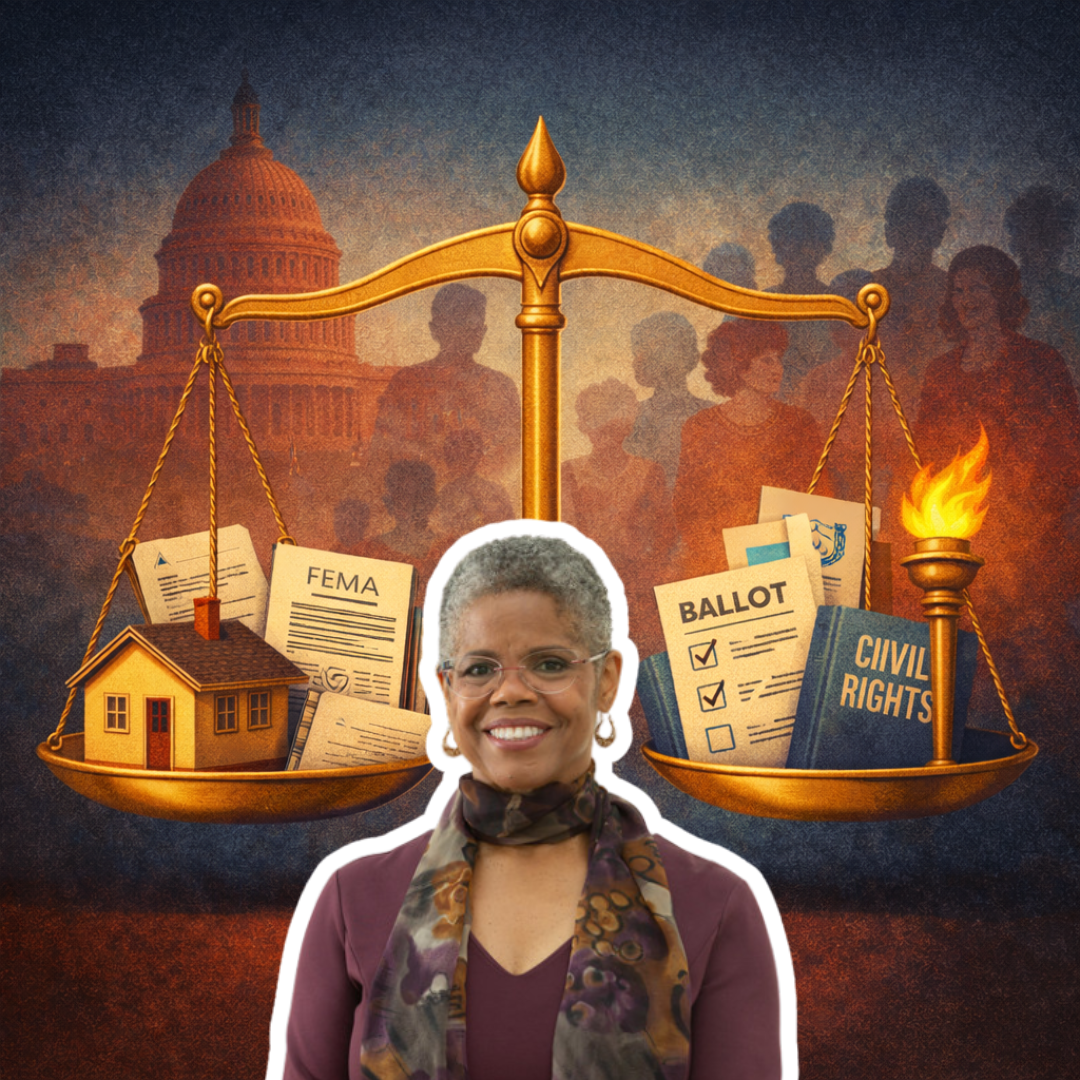
In this episode of Everyday Conversations on Race, host Simma Lieberman welcomes Verna Williams, CEO of Equal Justice Works, former law professor, and former dean, for a powerful conversation about race, justice, and access to legal representation in America. Verna explains why race remains a necessary topic—not to assign personal blame, but to understand how systems shaped by slavery and segregation continue to influence opportunity and social hierarchy today. She reflects on growing up in the Washington, DC and Maryland area, attending both predominantly white and predominantly Black schools. Those experiences sharpened her awareness of being "different" and highlighted how segregated many of our lives still are. Even today, she encounters moments when someone tells her she is the first Black person they've had a meaningful conversation with—evidence of how separation persists. As CEO of Equal Justice Works—the nation's largest postgraduate public-interest legal fellowship program—Verna works to address a staggering reality: 92% of low-income people's civil legal needs go unmet. She explains how civil legal problems such as eviction, wage garnishment, loss of benefits, and family instability create economic insecurity and can even lead to involvement in the criminal legal system. Unlike criminal cases, there is no guaranteed right to counsel in high-stakes civil matters, leaving millions to navigate life-altering situations alone. Verna describes how Equal Justice Works partners with law firms, corporations, and foundations to fund fellowships that send lawyers into underserved communities. She highlights the organization's Disaster Resilience Program, created after Hurricane Katrina, which helps communities navigate FEMA claims, insurance issues, document replacement, and preparedness planning. She also shares her personal journey—from broadcast journalism to law—motivated by fairness and shaped by the civil rights and women's rights movements. Her career has included work on voting rights, women's rights, veterans' benefits, and debt collection reform. She also argued—and won—a 5–4 U.S. Supreme Court case establishing that schools must address known student-on-student sexual harassment under Title IX. The conversation explores immigration representation, reports of ICE detentions at court hearings, and practical ways non-lawyers can help—through translation, court accompaniment, and local volunteer efforts. Verna encourages listeners to stay informed through reputable sources, vote, and engage locally in school boards and city councils. She also shares personal reflections on music and film—and clarifies her role as Michelle Obama's oral historian during the early White House years, after the two were law school classmates. This episode connects race, law, and economic justice—and offers clear examples of how everyday engagement can strengthen democracy. Time Stamps 00:00 Welcome to Race Convo: Why These Conversations Matter 00:58 Meet Verna Williams + The Big Question: Do We Still Need to Talk About Race? 02:16 Race as a Social Hierarchy: How History Still Shapes Today 03:54 Growing Up Integrated: Verna's Schools, Identity, and Feeling 'Different' 05:15 Segregation in Real Life: 'First Black Person I've Talked To' + Why the Podcast Exists 08:04 What Equal Justice Works Does: Closing the Civil Legal Help Gap 09:52 Why Verna Chose Justice Work: Early Racism, Fairness, and Civil Rights Roots 12:29 Civil vs. Criminal: The Hidden Crisis of No Right to Counsel 17:50 How Equal Justice Works Operates: Fellowships, Funding, and Disaster Resilience 21:00 Verna's Career Path + Arguing a Landmark Title IX Case at the Supreme Court 25:42 Keeping Progress Moving Forward: Training the Next Generation of Public Interest Leaders 26:30 Making Public Interest Careers Possible: Loan Forgiveness & Funding Support 27:31 Why This Work Matters: Building Leaders Through Equal Justice Works 28:46 Training for Empathy: Community-Led Lawyering & Fellow Learning Networks 30:16 Immigrant Justice on the Front Lines: Asylum, ICE at Court & Finding Hope 32:28 How Non-Lawyers Can Help: Volunteering, Translating & Getting Involved 34:11 Where to Plug In: EJW, Legal Services Corp & Other Advocacy Orgs 37:11 Staying Hopeful: History, Collective Action & Cross-Political Coalitions 43:51 Michelle Obama Connection: Serving as Her Oral Historian 45:26 Rapid-Fire Fun: Playlists, Oscar Movies & What to Watch Next 47:43 Final Call to Action: Get Informed, Vote Local & Show Up Guest Bio Verna L. Williams (she/her) is the CEO of Equal Justice Works. In her role as CEO, Verna has continued to advance the mission of Equal Justice Works to create opportunities for leaders to transform their passion for equal justice into a lifelong commitment to public service. Verna brings with her an extensive background of experience teaching and practicing law, as well as researching civil and women's rights. Verna previously served as the dean of the University of Cincinnati College of Law, where she was a professor prior to becoming dean, and taught courses on family law, gender discrimination, and constitutional law. Additionally, she founded and co-directed the Judge Nathaniel Jones Center for Race, Gender, and Social Justice at the University of Cincinnati.   Click here to DONATE and support our podcast All donations are tax deductible through Fractured Atlas. Simma Lieberman, The Inclusionist, helps leaders create inclusive cultures. She is a consultant, speaker, and facilitator. Simma is the creator and host of the podcast, Everyday Conversations on Race. Contact Simma@SimmaLieberman.com to get more information, book her as a speaker for your next event, help you become a more inclusive leader, or facilitate dialogues across differences. Go to www.simmalieberman.com and www.raceconvo.com for more information Simma is a member of and inspired by the global organization IAC (Inclusion Allies Coalition)    Connect with me: Instagram Facebook YouTube Twitter LinkedIn Tiktok Website Previous Episodes Can Women of Color and White Women Be Friends? What Was DEI Actually Meant to Do—and Why Did It Go Off Track? Curiosity, Not Cancellation: Real Talk with Dr. Julie Pham Loved this episode?  Leave us a review and rating
January 29, 2026Episode 14153 min

Can Women of Color and White Women Be Friends?

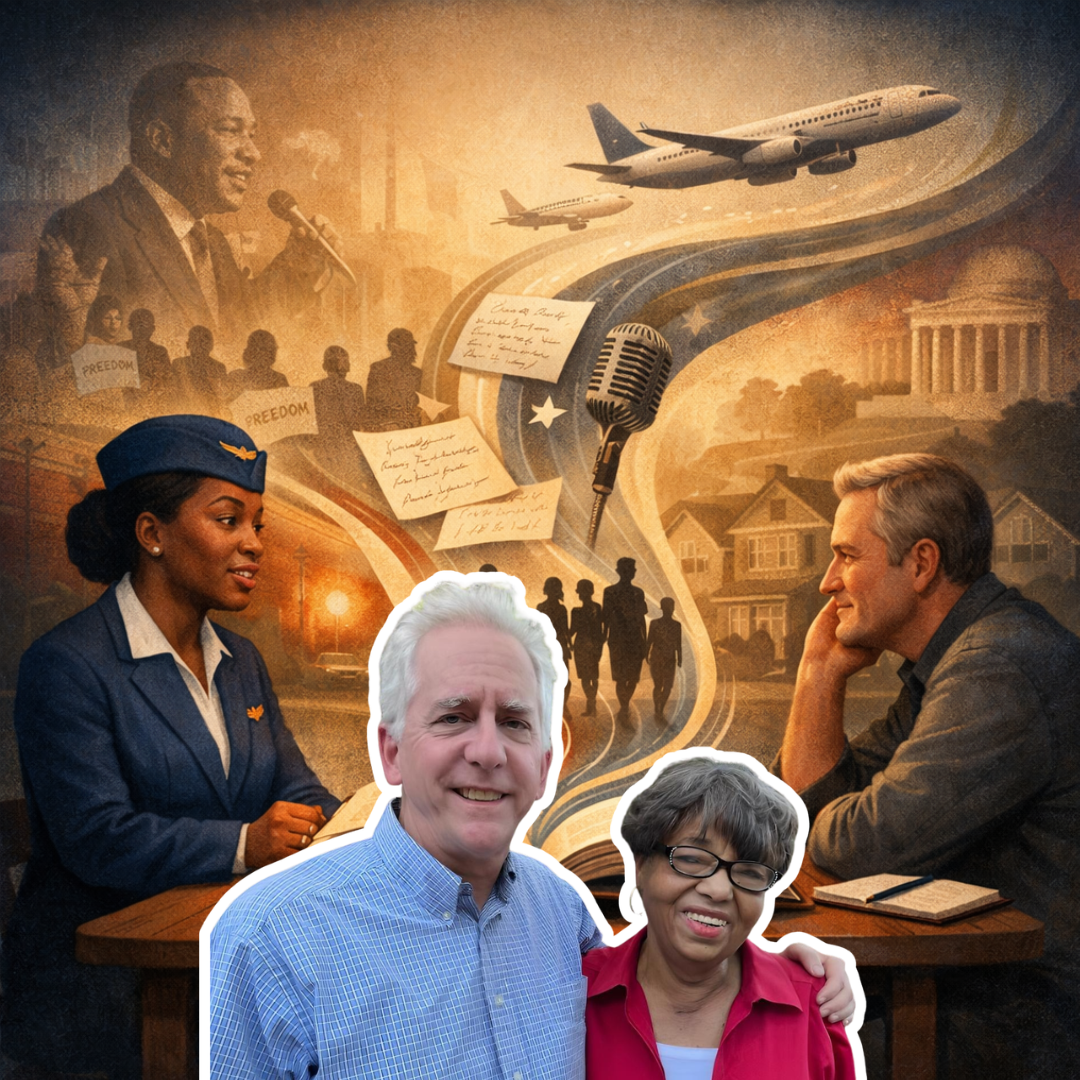
From Fear to Friendship: The 30-Year Journey of an Interracial Women's Circle What does it really take for women across race, identity, and experience to move from awkward conversations to real friendship? In this episode, I talk with two people I deeply respect—Julie O'Mara and Dr. Sid Reel—about a women's circle I'm part of  that's been meeting for nearly 30 years. What started as a conference breakout session turned into something far more rare: a space where white women and women of color stayed in relationship through grief, anger, mistakes, growth, and joy. We talk about confidentiality and why it matters. About staying at the table when things get uncomfortable. About what happens when people don't feel alone anymore. And about the difference between talking about race and actually knowing people whose lives are shaped by it. This isn't theory. It's lived experience. And it's a reminder that real connection doesn't come from slogans or training slides—it comes from time, trust, and being willing to keep showing up. We share raw, transformative experiences that took us from initial fear and distrust to deep, meaningful friendships. The episode explores the group's origins, the critical role of confidentiality, and the hard truths they've confronted about race, privilege, and solidarity. You'll learn the challenges and rewards of having tough conversations about race and how these led to profound support and solidarity during life's toughest moments.   Timestamps & Key Segments: 00:00 Introduction and Podcast Overview 01:10 Meet the Guests: Julie O'Mara and Dr. Sid Real 04:45 The Women's Circle: Origins and Purpose 12:38 Confidentiality and Trust Building 20:02 Personal Stories and Experiences 27:54 Challenges and Learnings in DEI 35:50 Standing Up and Women's Circle Support 36:57 Building Comfort and Social Connections 38:26 Shared Experiences and Mutual Support 41:33 Assumptions and Learning Moments 54:00 Starting and Sustaining a Circle 01:01:12 Final Thoughts and Contact Information Guest Bio:Julie O'Mara is coauthor of the free Global Diversity, Equity, and Inclusion Benchmarks (GDEIB): Standards for Organizations Around the world along with Alan Richter, PhD, and Nene Molefi. It is available in English, French and Spanish and it and several free User Tools and other resources may be downloaded for free at www.GlobalDEIBenchmarks.org Dr. Sidalia (Sid) Reel recently retired as Director of Staff Diversity Initiatives in Berkeley's Equity & Inclusion Division. Charged with implementing programs and policies to foster an inclusive and welcoming work environment, she co-founded the Next Opportunity at Work Conference; managed the campus-wide Multicultural Education Program; and consulted with departments and teams on equity and inclusion topics. She is a recipient of both an individual and a team Chancellor's Outstanding Staff Award for these efforts. Prior to UC Berkeley, she spent over 20 years leading corporate global diversity and inclusion organizations. A Berkeley native, she earned an EdD at USC, an EdM at Harvard, and a BA in Sociology at Scripps.   Click here to DONATE and support our podcast All donations are tax deductible through Fractured Atlas. Simma Lieberman, The Inclusionist, helps leaders create inclusive cultures. She is a consultant, speaker, and facilitator. Simma is the creator and host of the podcast, Everyday Conversations on Race. Contact Simma@SimmaLieberman.com to get more information, book her as a speaker for your next event, help you become a more inclusive leader, or facilitate dialogues across differences. Go to www.simmalieberman.com and www.raceconvo.com for more information Simma is a member of and inspired by the global organization IAC (Inclusion Allies Coalition)    Connect with me: Instagram Facebook YouTube Twitter LinkedIn Tiktok Website Previous Episodes What Was DEI Actually Meant to Do—and Why Did It Go Off Track? Curiosity, Not Cancellation: Real Talk with Dr. Julie Pham Voices of Triumph: Stories of African Women Immigrants in America Loved this episode?  Leave us a review and rating
January 14, 2026Episode 1401 hr 13 min

What Was DEI Actually Meant to Do—and Why Did It Go Off Track?

A Conversation with Joe Santana; a DEI original Would you agree that most conversations about DEI today sound loud, polarized, and disconnected from the work itself? In this episode of Everyday Conversations on Race, I talk with Joe Santana—advisor, author, and long-time DEI consultant—about where Diversity, Equity, and Inclusion actually came from and how it was originally practiced inside organizations. What really is DEI, (Diversity, Equity, and Inclusion)? Joe and I have both spent decades doing this work. We've watched DEI evolve, get renamed, repackaged, misunderstood, and in some cases quietly dismantled. What often gets lost is that DEI didn't start as a political position. It started as a business conversation—about how organizations function, how people are evaluated, and how talent is either used or ignored. What is the business case for DEI?  Why are people still talking about diversity, equity, and inclusion? The early thinking behind DEI and why it mattered to organizational performance How good intentions gave way to vague language and inconsistent practice What happens when leaders avoid difference instead of learning how to work with it Why "treating everyone the same" sounds fair but rarely works How Employee and Business Resource Groups can either matter—or miss the point entirely This is a grounded conversation between two practitioners reflecting on what we've learned, what we got wrong, and what still holds value—especially for leaders trying to make sense of the current moment. You'll learn more about the challenges, and strategic importance of Diversity, Equity, and Inclusion (DEI) in organizations. From the historical context provided by pioneers like Roosevelt Thomas to practical advice on optimizing business outcomes, Joe shares a wealth of knowledge on how DEI can drive both social good and financial success in companies. The episode also covers the vital role of Employee Resource Groups (ERGs) and what organizations can do to leverage them effectively. You'll gain valuable insights on turning DEI initiatives into strategic business tools. If you're looking for clarity instead of slogans, and experience instead of soundbites, you'll find it in this episode.   Guest Bio Joseph (Joe) Santana is a business strategy coach and futurist specializing in developing CDOs, ERG/BRG leaders, and Executive Sponsors who drive measurable business impact. He is an author, keynote speaker, and member of the Forbes Business Council and the Fast Company Executive Board and a frequent contributor to articles in both organizations' magazines. His insights and ideas have been shared globally in interviews with media outlets such as ABC, PIX, Fox, Ticker News, and The Black List, a streaming business interview show. His two most recent books, "The New DEI and ERG Frontier" and "SuperCharge Your ERGs," are available on Amazon, offering invaluable guidance to those ready to embark on the journey toward 21st-century business-impacting success. As CEO of Joseph Santana, LLC, an Inc Verified company, he leads multiple brands focused on equipping CDOs and ERG/BRG Chairs in national and global enterprises with the skills and strategies needed to enhance organizational performance. Below is a graphic depiction of the brands owned by Joseph Santana, LLC.   Click here to DONATE and support our podcast All donations are tax deductible through Fractured Atlas. Simma Lieberman, The Inclusionist, helps leaders create inclusive cultures. She is a consultant, speaker, and facilitator. Simma is the creator and host of the podcast, Everyday Conversations on Race. Contact Simma@SimmaLieberman.com to get more information, book her as a speaker for your next event, help you become a more inclusive leader, or facilitate dialogues across differences. Go to www.simmalieberman.com and www.raceconvo.com for more information Simma is a member of and inspired by the global organization IAC (Inclusion Allies Coalition)    Connect with me: Instagram Facebook YouTube Twitter LinkedIn Tiktok Website Previous Episodes Curiosity, Not Cancellation: Real Talk with Dr. Julie Pham Voices of Triumph: Stories of African Women Immigrants in America Black Health Matters: Community, Data, and the Journey to Wellness with Kwame Terra Loved this episode?  Leave us a review and rating
October 19, 2025Episode 13950 min

Curiosity, Not Cancellation: Real Talk with Dr. Julie Pham

What happens when curiosity replaces fear? In this powerful and honest conversation, Simma Lieberman and Dr. Julie Pham, author of "7 Forms of Respect: A Guide to Transforming Your Communication and Relationships at Work", explore how curiosity helps us talk about race, identity, and respect without shame or defensiveness. They remind us that inclusion begins with wonder—and that respect isn't fixed, it's alive. Simma and Dr. Julie Pham dive into the idea of curiosity as a practice—a mindset we can bring to every interaction. They discuss how we each hold multiple identities, why respect feels different to everyone, and how the "rubber band rule" teaches self-awareness and boundaries. Together, they model how curiosity—not cancellation—creates space for growth, empathy, and laughter. Dr. Pham shares her journey from running her family's Vietnamese newspaper in Seattle to becoming an expert on curiosity-based inclusion. Simma reflects on her experiences as a Bronx-raised Jewish woman building bridges across race and culture. Their exchange reminds listeners that real connection begins when we listen to understand, not to judge.   [00:10:00 — The Practice of Curiosity] Julie describes curiosity as a practice, not a trait, requiring awareness and humility. They discuss how fear of being wrong blocks learning and how curiosity turns awkward moments into opportunities for respect. [00:15:00 — Respect as Relationship, Not Rule] They unpack how "respect" looks different across people and cultures. Julie introduces her framework from Seven Forms of Respect and shares how she helps organizations talk openly about what respect means to them. [00:20:00 — Cultural Assumptions and Adaptation] Simma and Julie discuss regional and cultural communication styles—New York directness vs. West Coast politeness—and how adapting behavior is a form of respect, not inauthenticity. [00:25:00 — Curiosity vs. Cancel Culture] Simma raises the issue of "you should know" attitudes in DEI work. Julie explains why she rejects cancel culture and instead promotes dialogue and forgiveness as pathways to inclusion. [00:30:00 — The Rubber Band Rule] Julie explains her Rubber Band Rule: we all stretch for others, but when we over-stretch, we snap. Respect, she says, is relative, contextual, and dynamic—it shifts with relationships, workplaces, and personal growth. [00:35:00 — Learning from Difference] Simma shares stories from her life and work about learning from cross-cultural friendships and experiences in holistic health. Both reflect on how curiosity helped them challenge stereotypes and assumptions. [00:40:00 — Evolving Through Curiosity] They discuss how curiosity helps us evolve—our identities, habits, and relationships are always changing. Julie highlights that curiosity is lifelong learning, not a one-time skill. [00:45:00 — From Outrage to Understanding] Julie and Simma emphasize moving beyond outrage to curiosity. They share stories about being misjudged and how asking questions transforms conflict into connection. [00:48:00 — Closing Reflections: Self-Respect and Connection] Julie closes with her final message: respect isn't fixed; it changes with context. Simma thanks her for the powerful conversation, reiterates the importance of curiosity, and invites listeners to stay engaged.   Guest Bio Dr. Julie Pham is the founder of CuriosityBased, a leadership development organization that helps people build trust and collaboration through curiosity. She is the author of Seven Forms of Respect and a TEDx speaker whose work challenges how we define and show respect in our daily lives. Find her at CuriosityBased.com or on LinkedIn (@JuliePhamPhD).   Click here to DONATE and support our podcast All donations are tax deductible through Fractured Atlas. Simma Lieberman, The Inclusionist, helps leaders create inclusive cultures. She is a consultant, speaker, and facilitator. Simma is the creator and host of the podcast, Everyday Conversations on Race. Contact Simma@SimmaLieberman.com to get more information, book her as a speaker for your next event, help you become a more inclusive leader, or facilitate dialogues across differences. Go to www.simmalieberman.com and www.raceconvo.com for more information Simma is a member of and inspired by the global organization IAC (Inclusion Allies Coalition)    Connect with me: Instagram Facebook YouTube Twitter LinkedIn Tiktok Website    Previous Episodes Voices of Triumph: Stories of African Women Immigrants in America Black Health Matters: Community, Data, and the Journey to Wellness with Kwame Terra What Might Be: Friendship, Race, and Transforming Power Loved this episode?  Leave us a review and rating
Is this your show?

Claim this listing to keep it up to date, reach guests who want to pitch you, and manage bookings with Guestify.

Claim this listing

More Business podcasts