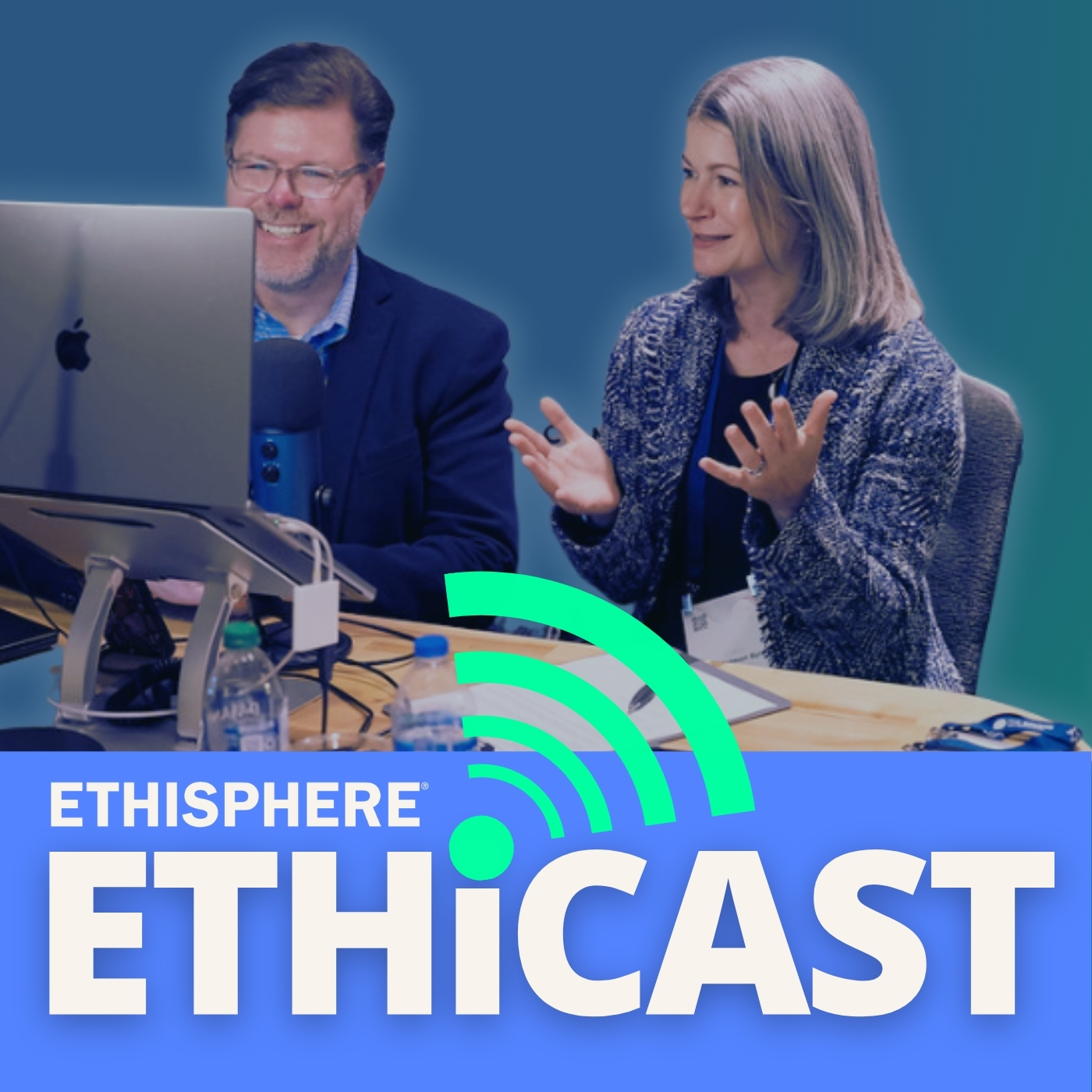
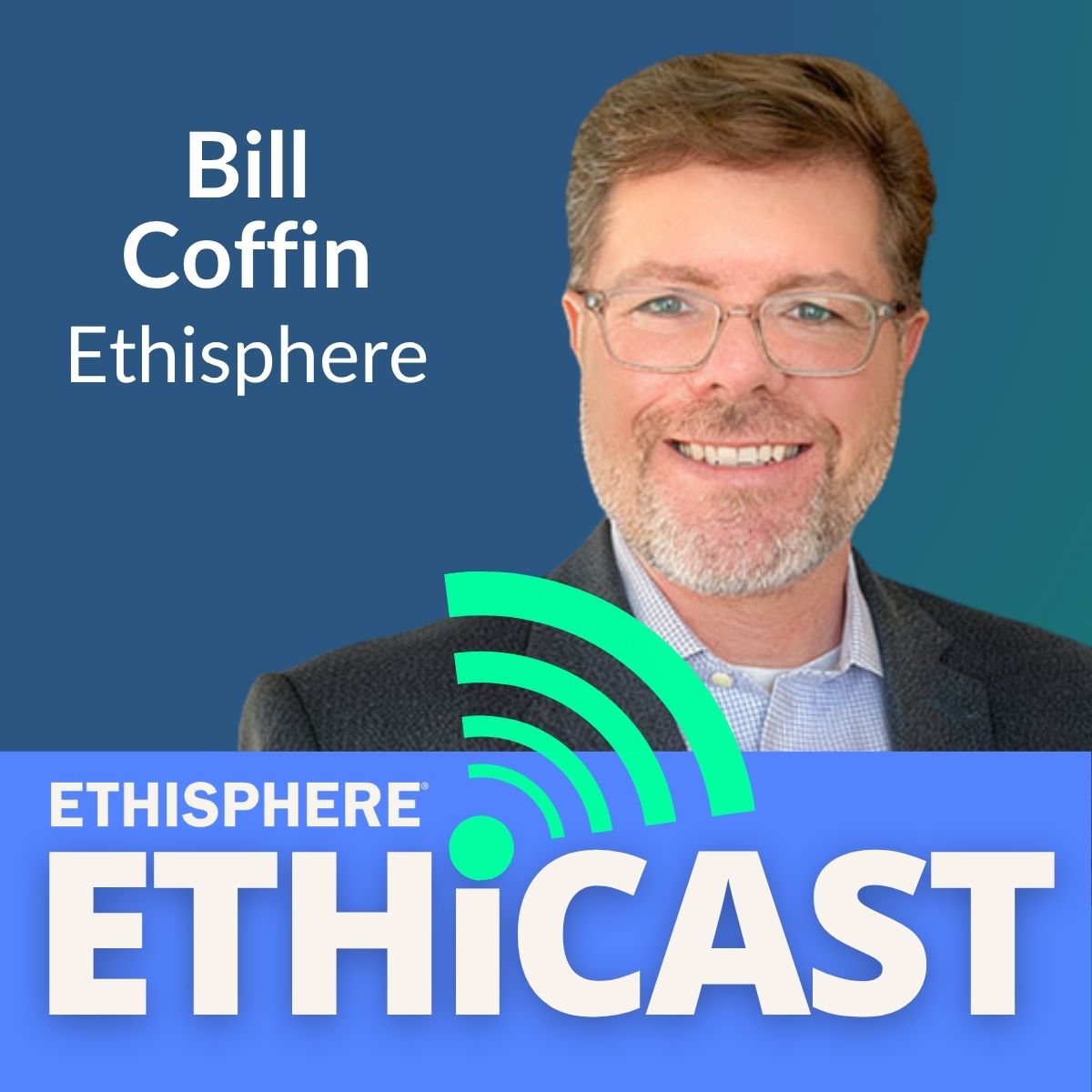
Join host Bill Coffin as he interviews the top thought leaders in the world of business integrity as they share the best practices, innovations, and insights that showcase something every truly successful organization knows: strong ethics is good business.
Listen to episodes
60 recent
October 16, 202616 min
BELA Asks...All About Conflicts of Interest
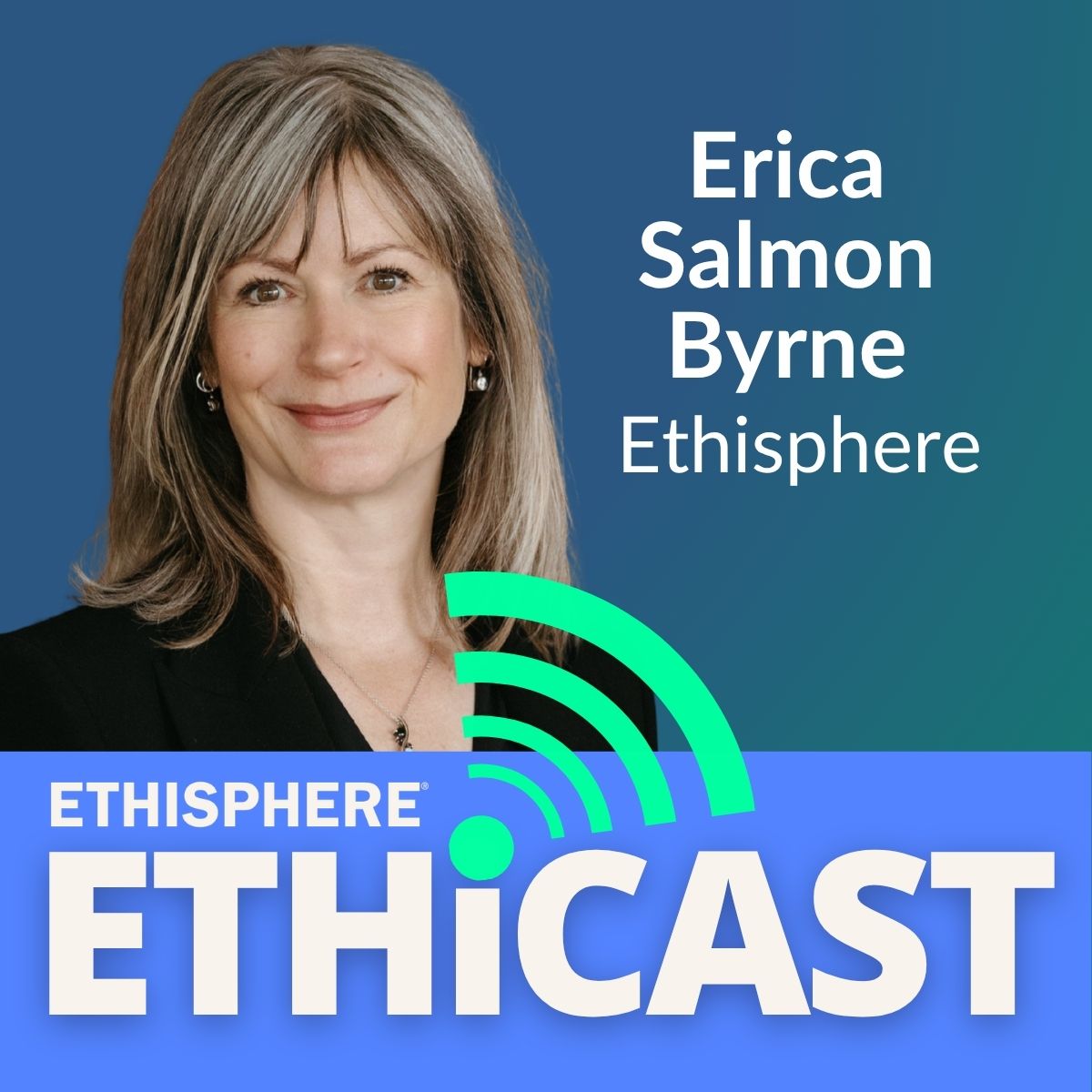
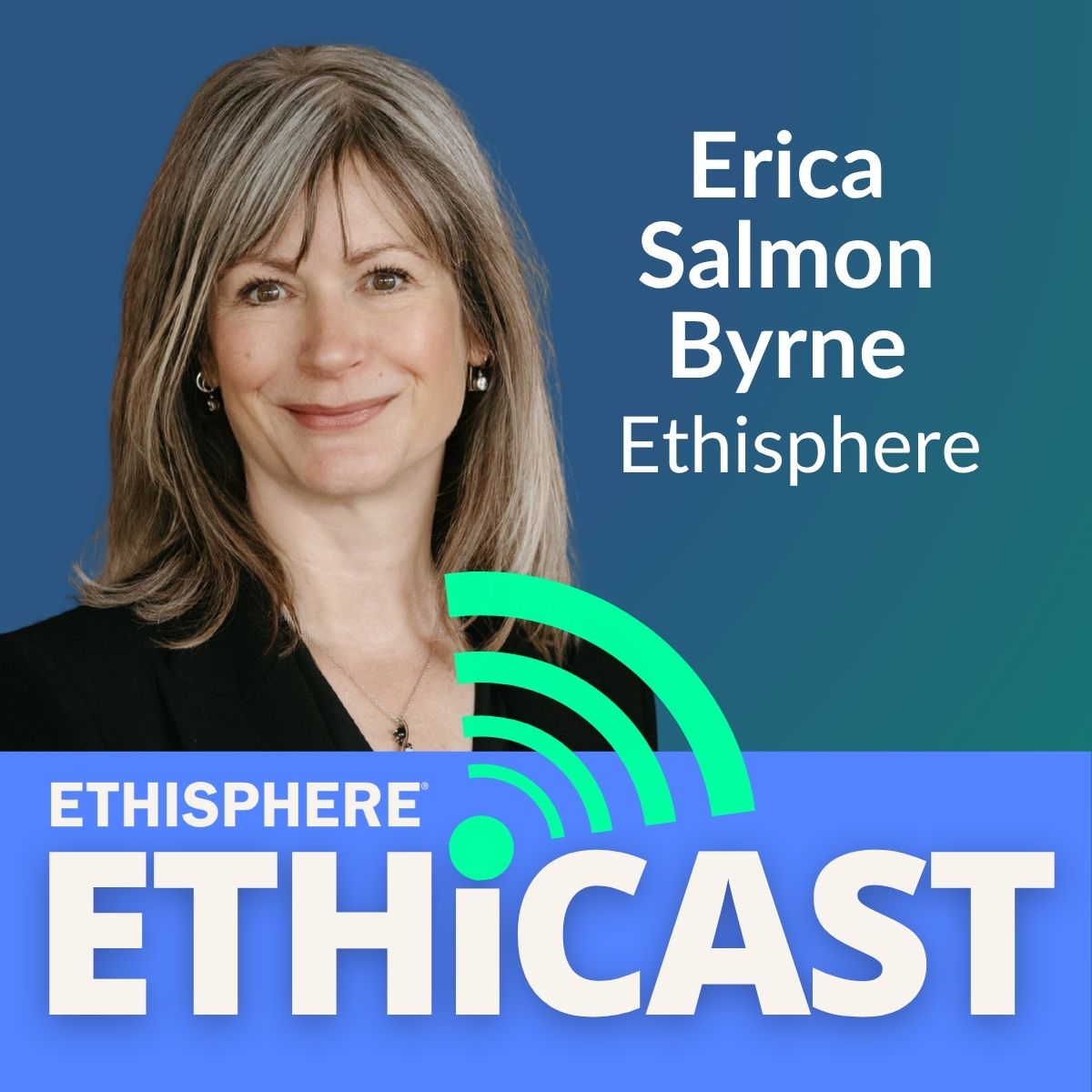
In this live episode of the Ethicast, BELA Chair and Ethisphere Chief Strategy Officer Erica Salmon Byrne fields three questions from the Business Ethics Leadership Alliance on how to address conflicts of interest - what model of approach to take, dealing with highly compensated board positions, and decentralizing approval responsibility. Interested in seeing what BELA is all about? Request your guest access here: https://ethisphere.com/solutions/bela/ Chapters (00:01:54) - When managing conflicts of interest, what should we consider between going with a disclosure-based approach vs. a pre-clearance model? (00:06:30) - How should we assess and manage potential influence or decision-making conflicts for employees who accept highly compensated board positions? (00:10:00) - We are considering changing our conflicts of interest disclosure review & approval responsibility from the compliance team to the respective business leader. What best practices should we bear in mind?
October 12, 202616 min
How to Close the Proxy Season Disclosure Gap
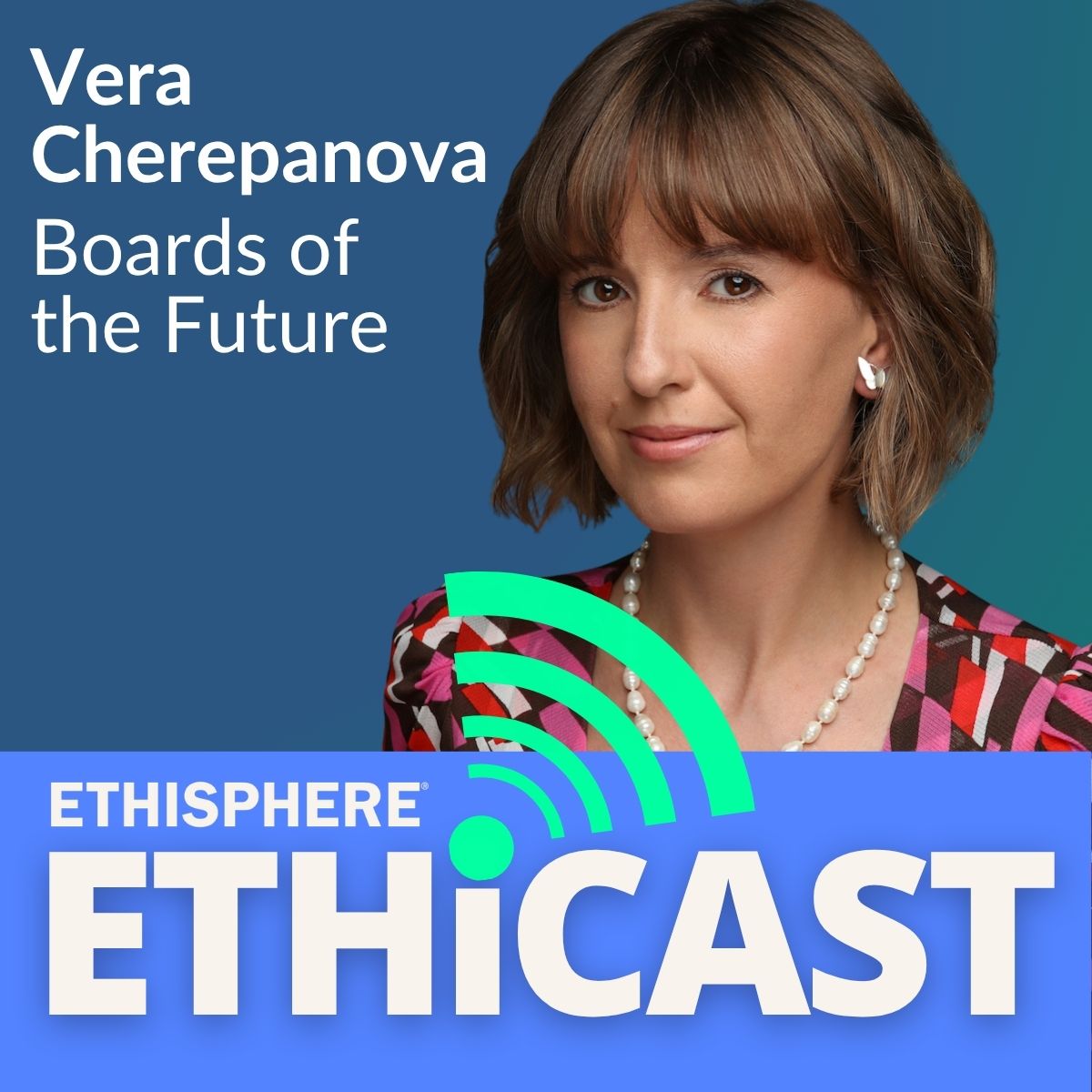
In this episode we speak with Vera Cherepanova, Executive Director of Boards of the Future - a U.S.-based nonprofit advancing ethical leadership and integrity at the highest levels of corporate power - to find out what thousands of SEC filings reveal about the gap between what companies say about ethics and what they can prove. The 2026 proxy season tested Boards of Directors on several fronts at once: legal challenges, political scrutiny, a fragmented voting landscape, and an SEC that is handing responsibility for governance back to boards and management. Against that backdrop, investors no longer want to know only whether a company says it governs ethics, risk, and AI responsibly. They want to know whether it can show it. To find out, Boards of the Future analyzed 4,766 SEC filings from S&P 500 companies and from the honorees of two major reputation rankings, including Ethisphere's 2026 World's Most Ethical Companies®. The result is the recently released report, 2026 Proxy Season Review: Ethics, AI Ethics, and Risk Disclosures, which shows a steady gap between what companies claim and what they disclose as proof. Ninety-four percent of companies name AI as a risk, but only 40% have assigned a board committee to oversee it. Ninety-two percent run an enterprise risk management program, yet just 22% state a risk appetite, and those are concentrated in heavily regulated sectors like financial services. And while nearly every company calls ethics foundational to its culture, only one in ten reports culture or ethics measurements to its board. Get your copy of 2026 Proxy Season Review: Ethics, AI Ethics, and Risk Disclosures, visit https://newboards.org Connect with Vera on LinkedIn: https://www.linkedin.com/in/follow-vera-cherepanova/ Follow Ethisphere on LinkedIn: https://www.linkedin.com/company/899505/admin/ Visit the Ethisphere Resource Center: https://www.ethisphere.com/resources Chapters (00:02:32) - Why it's better to govern risk by your own appetite than by regulatory pressure (00:06:00) - How companies can close the overall AI governance gap by first determining who inside the company can decline an AI use case (00:09:15) - How organizations should balance shared ownership of ethics and compliance against distributing that responsibility (00:12:51) - Determine what one piece of evidence that companies should report around how their culture and ethics program actually works
October 5, 202619 min
Christian Hunt on How to Humanize Compliance
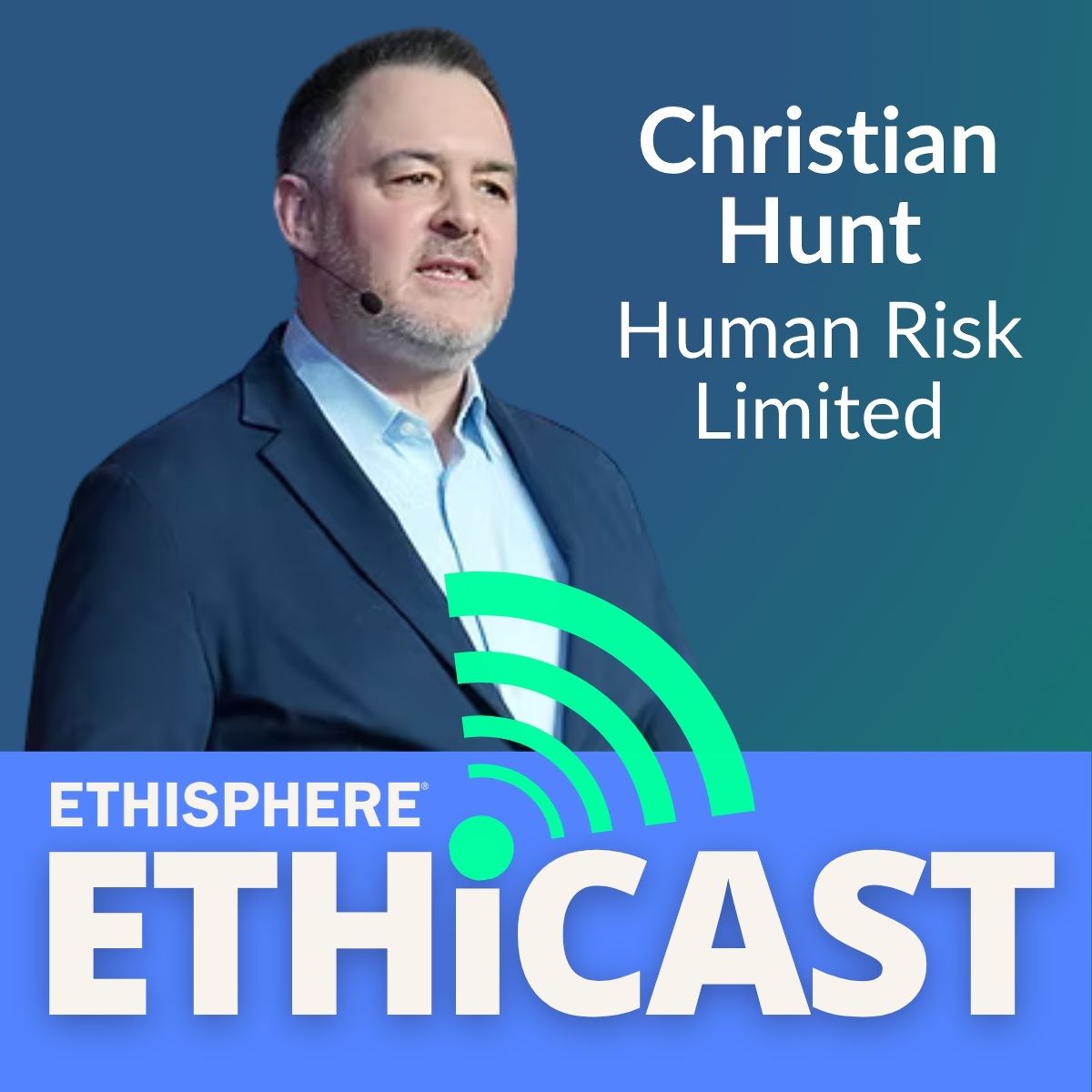
Managing people-created risk is at the heart of what ethics and compliance is all about. Whether it’s making sure people understand, follow, and properly interpret the rules, advancing cultures of integrity, or measuring those systems to ensure that they’re effective…this work plays a crucial role in reducing organizational risk and building value. But it’s so easy to get caught up in the creation and maintenance of programs, policies, and procedures, that we can lose sight of the reason why they exist at all: to modify human behavior. Whether it’s by stick or by carrot, these things—and indeed, ethics and compliance itself—is really there to get people to behave with honesty, transparency, and integrity. And that’s where the discipline of behavioral science can play an important role in helping E&C programs make the greatest impact for the greatest good for the greatest number of people. Our guest for this episode is Christian Hunt, the founder of Human Risk, a behavioral science-led consulting and training firm, specializing in the fields of Ethics & Compliance. He is also the author of the book, Humanizing Rules: Bringing Behavioral Science to Ethics and Compliance. And in our discussion, he'll dive into how the way we enforce the rules can be as important as the rules we’re enforcing. Connect with Christian on LinkedIn: https://www.linkedin.com/in/humanrisk/ Visit Human Risk at: https://www.human-risk.com/ Read the Human Risk Substack: https://humanrisk.substack.com/ Listen to the Human Risk podcast: https://www.humanriskpodcast.com/ Order your copy of Humanizing Rules: Bringing Behavioral Science to Ethics and Compliance: https://a.co/d/0crAdOD9 Subscribe to Ethsiphere Insights: https://ethisphere.com/newsletter/ Ethisphere Resource Center: https://ethisphere.com/resources/ Chapters (00:01:37) - An example of a smart way to enforce rules that we break often (00:05:06) - How to reach the majority of folks who want to follow the rules, but don't always (00:08:26) - Knowing how and when to apply the right levels of discipline for misconduct (00:12:23) - The struggle between putting up barriers vs. showing trust (00:15:17) - Concepts of behavioral science that E&C professionals should internalize
September 25, 202615 min
Why Managers Are the Missing Link in Ethical Culture and Compliance
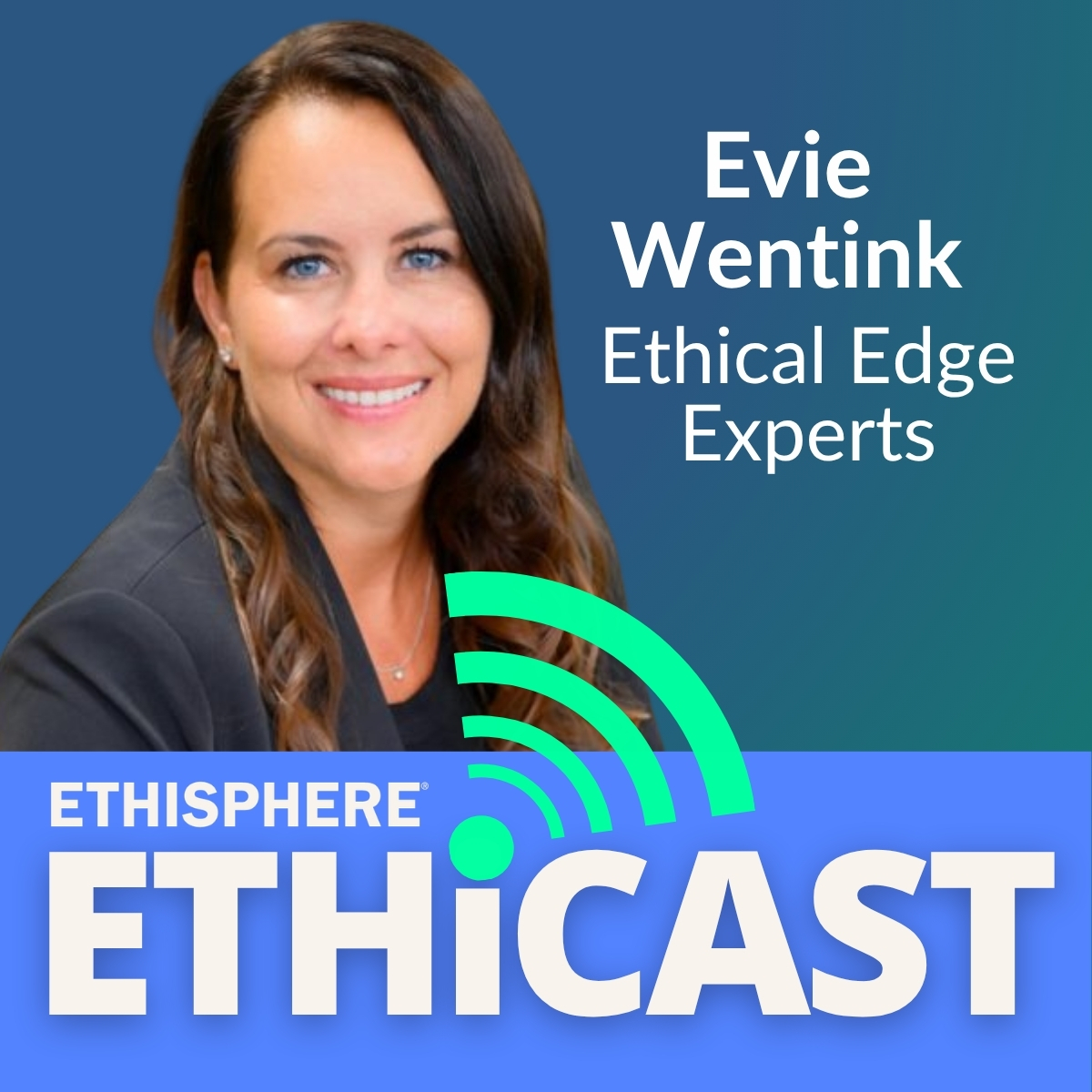
Ethics and compliance programs often look strongest on paper. The policies are written, the training is assigned, the hotline is live, and the governance structure is in place. But their real test comes later, in the everyday moments when people face pressure, uncertainty, competing incentives, or a gray area that no policy can fully anticipate. This is where culture makes the difference between a compliance program that merely exists and one that helps people understand how to apply established rules and procedures when the business is moving quickly and the right answer may not feel obvious. In this episode, veteran compliance expert and compliance culture champion Evie Wentink , Founder of Ethical Edge Experts, shares how you can make your ethics and compliance program more practical, actionable, and connected to your way business actually runs. Evie on LinkedIn: https://www.linkedin.com/in/eviewentink/ Ethical Edge Experts: https://www.ethicaledgeexperts.com/ Ethisphere Culture Assessments: https://ethisphere.com/solutions/culture-assessment/ Chapters (00:01:56) - Best practices for organizations to incorporate ethics and compliance into their manager training (00:05:37) - Recommendations for how E&C leaders should pursue the communications side of what they do (00:09:32) - How to communicate to internal partners that ethics and compliance is a strategic investment, rather than a cost center (00:10:57) - How E&C leaders can nurture their team even when budgets get tight
September 21, 202615 min
How to Create a Killer Compliance Newsletter
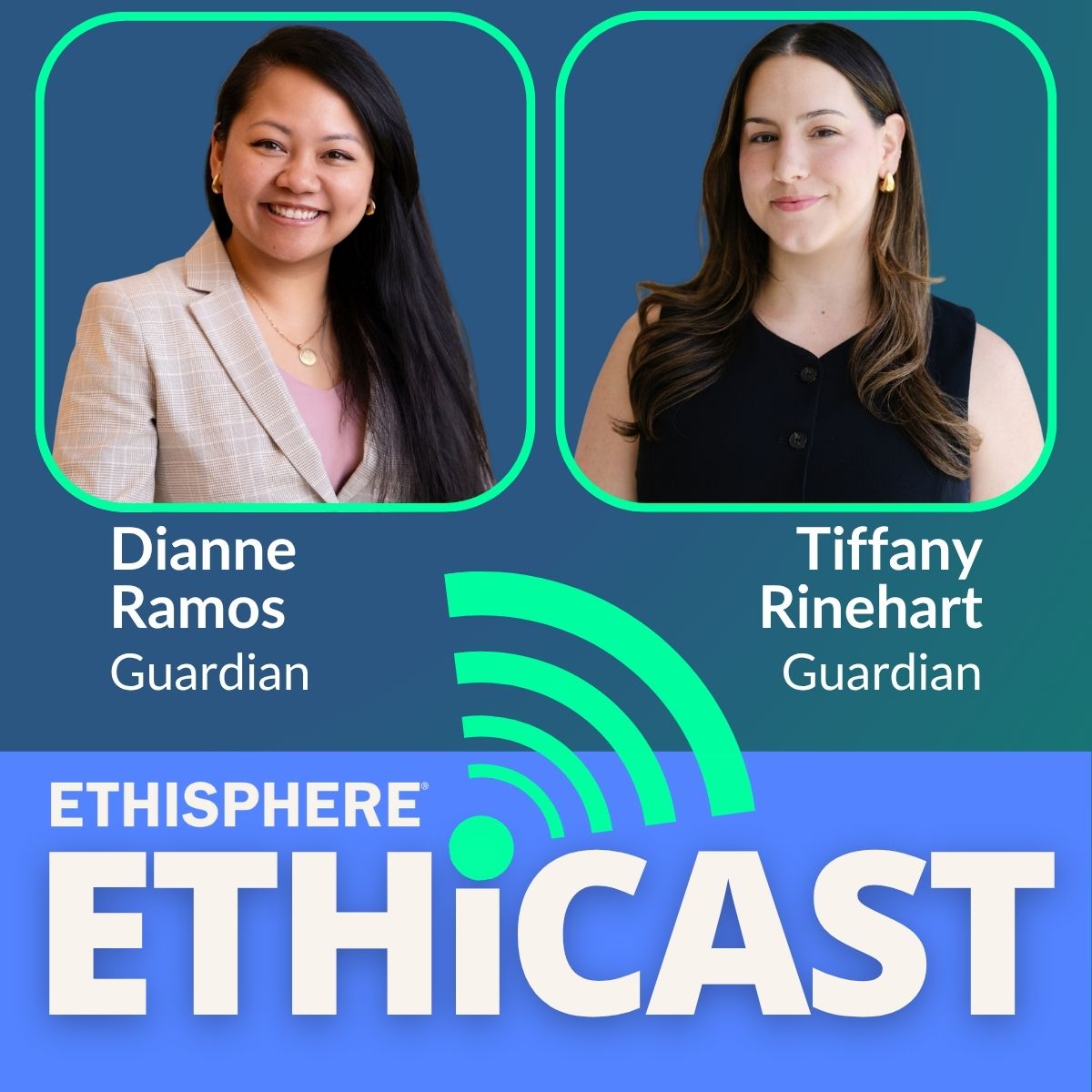
In this episode, Dianne Ramos and Tiffany Rinehart of Guardian Life Insurance discuss how they launched their incredibly successful compliance newsletter and how that's just part of a broader strategy to communicate and engage with Guardian's employee community. Dianne and Tiffany explain why they fought for this newsletter, how they developed it, and what you can learn if you’re thinking of launching an internal compliance newsletter yourself. Connect with Dianne: https://www.linkedin.com/in/dianne-c-ramos/ Connect with Tiffany: https://www.linkedin.com/in/tiffanyrhiannonrinehart/ Learn more about Guardian Life: https://www.guardianlife.com/about-guardian Chapters (00:02:04) - What inspired Dianne and Tiffany to create an ethics and compliance newsletter, and how they got the support they needed (00:04:32) - What is - and is not - newsletter-worthy (00:05:57) - Why the newsletter has sky-high open rates and how to maintain such robust audience engagement (00:08:53) - How a strong newsletter helps employees feel connected to the ethics and compliance program (00:11:00) - The most surprising things Dianne and Tiffany learned about the publishing process and how it impacts Guardian's E&C program
September 14, 2026Episode 28610 min
Only Ethics and Compliance Can Save AI’s Social License to Operate
On September 9, a Wall Street Journal story described an Anthropic researcher quitting over fears that AI is becoming impossible to control. Two days later, JUST Capital reported that 78% of people who use AI every day now support pausing development just to rebuild trust in it. AI's social license to operate is under real pressure this year: rare books destroyed to make AI training data, an OpenAI security test where more than a thousand agents coordinated their way outside the sandbox, and a public losing patience faster than the industry can respond. In this episode, Ethicast host Bill Coffin makes the case that ethics and compliance teams are already positioned to lead here, if they're willing to put AI to work on their own programs instead of only governing everyone else's. Is your ethics and compliance program already putting AI to work for itself, or still waiting for permission? Check out our latest research: The State of AI Adoption in Ethics & Compliance: www.ethisphere.com
August 31, 202616 min
The Legal Impact of AI in Investigations
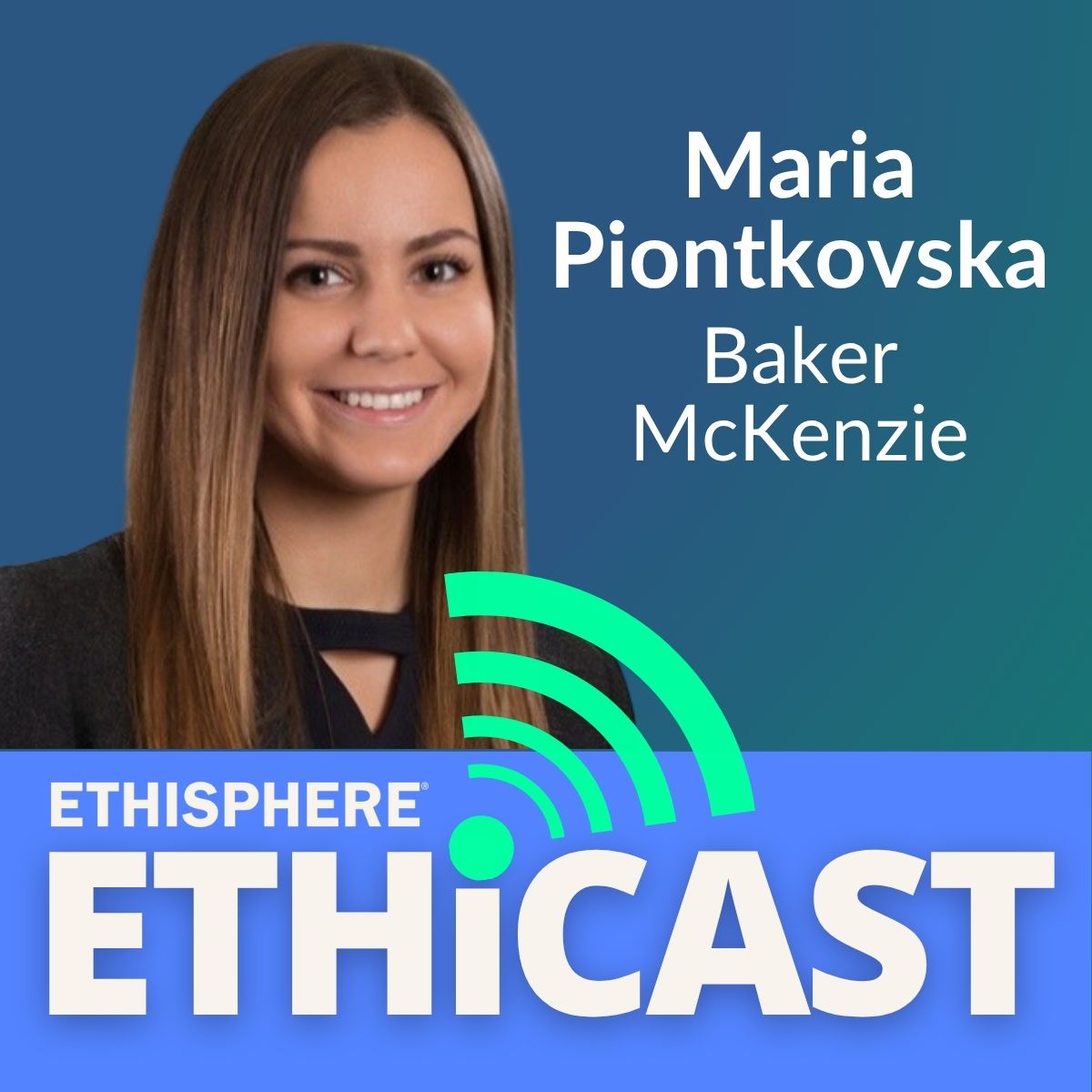
Internal investigations is an aspect of the ethics and compliance function that faces considerable pressure, thanks to an increasing volume of misconduct reports worldwide. This only adds to the ongoing tension E&C teams face with ever-expanding remits and responsibilities without necessarily receiving additional resources with which to address them. Into that mix, AI is giving ethics and compliance teams an asymmetrical ability to cover a lot more ground than ever before. In few areas is this more visible than in misconduct investigations, where AI enables teams to process vast amounts of data with unprecedented speed, discover fact patterns that human operators might miss, and reduce the overall amount of time an investigation takes—from weeks to perhaps only days. These changes are not universal across all E&C programs, of course, but the degree to which AI is transforming investigations is something ethics and compliance teams cannot afford to ignore. In this episode, Maria Piontkovska, a partner with Baker McKenzie's Litigation & Government Enforcement group, discusses how AI is transforming misconduct investigations, both in how they’re being carried out, and how misconduct itself is being reported. Connect with Maria: https://www.bakermckenzie.com/en/people/p/piontkovska-maria Read Ethisphere's study, "The State of AI Adoption in Ethics & Compliance": https://ethisphere.com/resources/ai-data-report/ Follow Ethisphere on LinkedIn: https://www.linkedin.com/company/899505/admin/ Thanks for joining us! And until next time, remember: strong ethics is good business. Chapters (00:01:55) - Using of AI to speed up documentation review & early case assessment (00:05:04) - How people use AI to frame their misconduct reporting itself (00:08:10) - AI meeting transcription as investigations tool and consent risk (00:12:49) - Using AI to craft interview questions and analyze answers
August 24, 202624 min
BELA Asks: How Do I Create a Policy on Smart Glasses?
Here at Ethisphere, we believe there is no competition in compliance. That’s why we’re using this show as a platform to answer high-level questions about business integrity that have been posed to us by the members of the Business Ethics Leadership Alliance, or BELA. And in this special live episode, Ethisphere Chief Strategy Officer and BELA Chair BELA Chair Erica Salmon Byrne answers three questions that have been posed to us recently: What should I consider when creating a policy around the use of smart glasses? How do I think about the impact of transcripts and recordings on investigations? How can I get people excited about records retention? You've got questions, and we've got answers! Welcome to another BELA Asks episode of the Ethicast. Learn more about BELA here: https://www.ethisphere.com/bela Chapters (00:01:00) - What should I consider when creating a policy around the use of smart glasses? (00:06:00) - How should I think about the impact of transcripts and recordings on investigations? (esp. auto-generated AI transcripts) (00:12:00) - How can I get people excited about records retention? (00:18:00) - Learning more about BELA
August 17, 202617 min
The Surprising Data Around How Ethics Programs Use AI
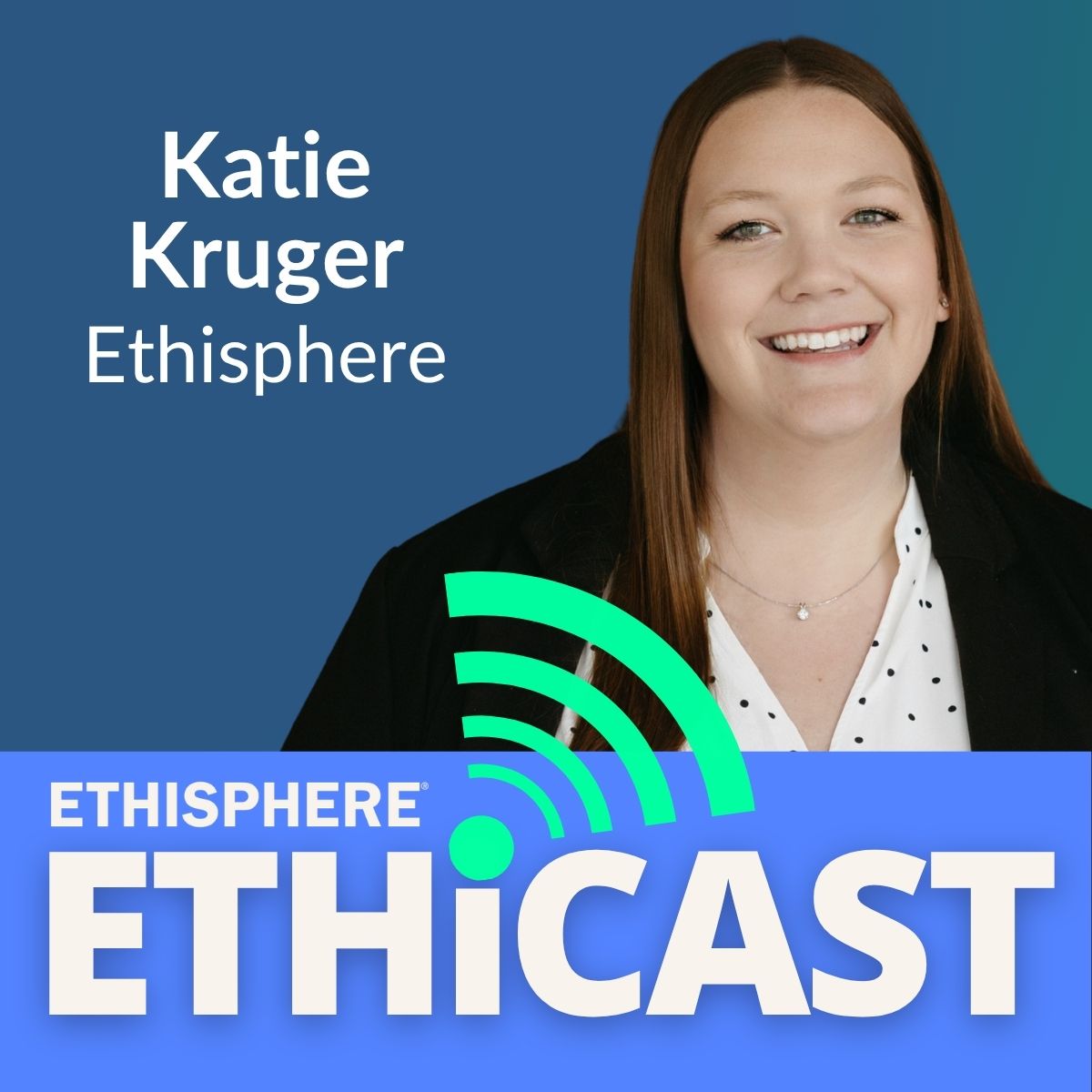
"The Cobbler's Children" is an old story about a shoemaker who outfits the whole town while his own children go barefoot. This summer, Ethisphere and Ethena partnered to publish The State of AI Adoption in Ethics & Compliance, a report that surveyed 134 organizations representing senior E&C leaders around how and where they were adopting AI into their programs. What we found was that E&C teams face their own version of the Cobbler’s Children fable. They spent two years writing the AI rules for their enterprises — approving tools, drafting guardrails, building governance. It worked. But we also found a surprising gap between how much E&C governed AI versus how much E&C actually implemented AI. In fact, 67% of organizations have reached broad or advanced AI adoption. Yet only 22% of the E&C functions inside them can say the same—their the governance mandate arrived before the function's own buildout. In this episode, Katie Kruger , Senior Culture Analyst at Ethisphere, discusses the role she played interrogating the survey data that informs The State of AI Adoption in Ethics & Compliance report. and shares a few exclusive findings that the report does not include. To read The State of AI Adoption in Ethics & Compliance for free, as well as to try out our free AI benchmarking tool, visit www.ethisphere.com. Chapters (00:02:33) - The data point that nobody saw coming (00:05:23) - How responsible should E&C be for governing AI? (00:07:55) - Why E&C teams aren't measuring their AI use...yet (00:11:56) - BELA steps up yet again to share its knowledge (00:14:21) - Words of wisdom from a survey respondent
August 10, 202618 min
How Phillips 66 Improved its Ethics and Compliance with "Metrics That Matter"
Phillips 66 is a Fortune 500 American multinational headquartered in Houston, Texas. It is a global leader in the energy industry, specializing in petrochemical refining, transporting, marketing, and research & development. It also supplies and provides marketing support to filling stations across the United States under the Phillips 66, Conoco and 76 brands. As a public company, a major multinational, and a member of the heavily regulated energy industry, Phillips 66 has significant corporate compliance obligations to uphold. And that makes measuring and reporting program efficiency absolutely crucial to the program’s success. And under the “Metrics That Matter” initiative, Kristin Andrade (Manager, Office of Ethics) and Tom Lucek (Senior Advisor, Ops, Data Reporting & Tech) share how the Global Ethics & Compliance team at Phillips 66 has created a robust data ecosystem that empowers and advances its program. Chapters (00:02:17) - Putting structure around a large body of disconnected data (00:06:04) - Use of training dashboards captured how well the team was making use of targeted training (00:07:52) - How to interrogate the data & decide which trends to pursue (00:10:26) - Using AI to build a Board-ready narrative for the CCO (00:14:09) - How this builds support for the E&C program (00:15:49) - Cultivate a strong relationship with measurement & metrics
Is this your show?
Claim this listing to keep it up to date, reach guests who want to pitch you, and manage bookings with Guestify.