Find partners
Environmentally Speaking

Environmentally Speaking

Hosted by Environmentally Speaking

BusinessNewsInterviews guests

Episodes

136

Latest episode

Jun 2026

Language

EN

About the show

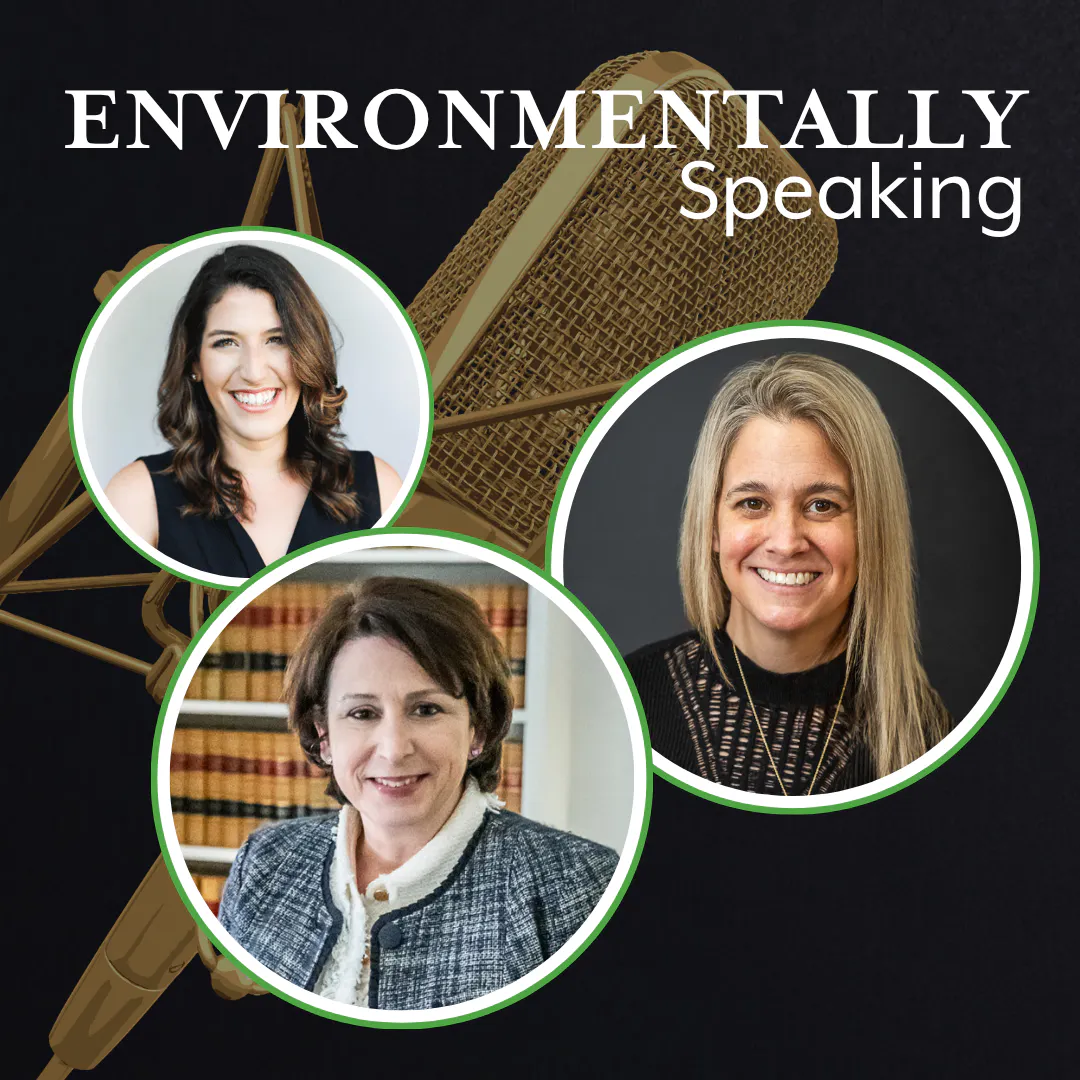
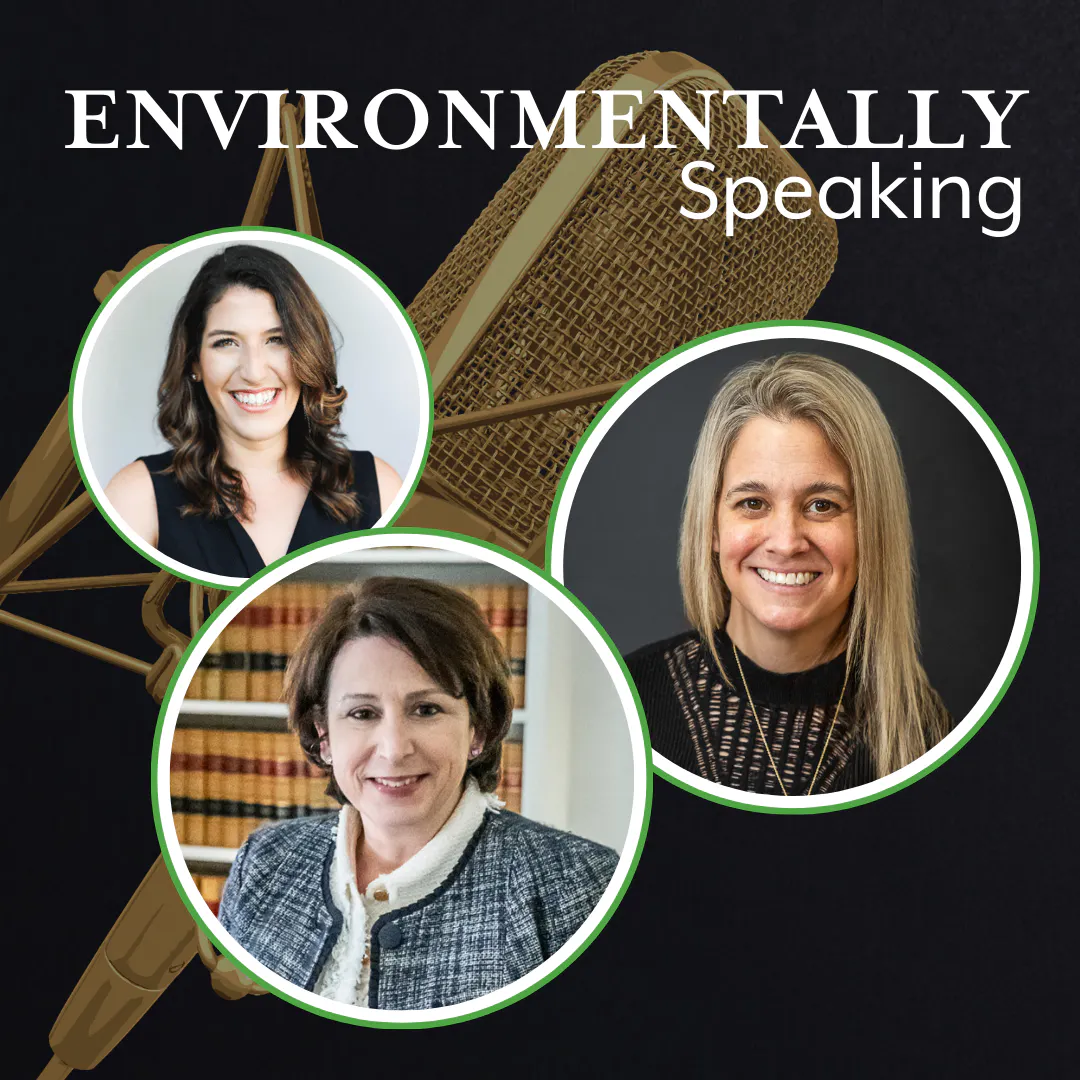
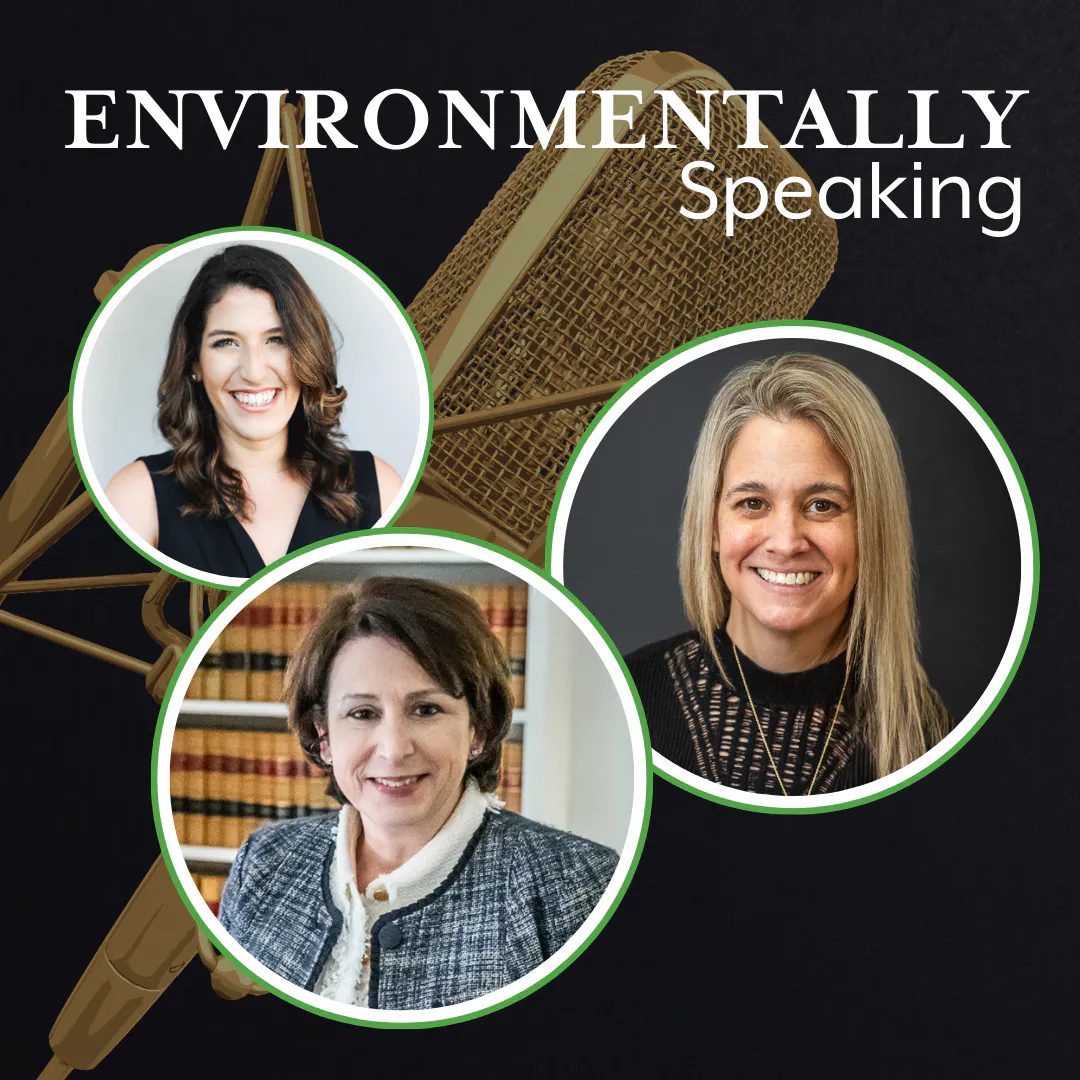
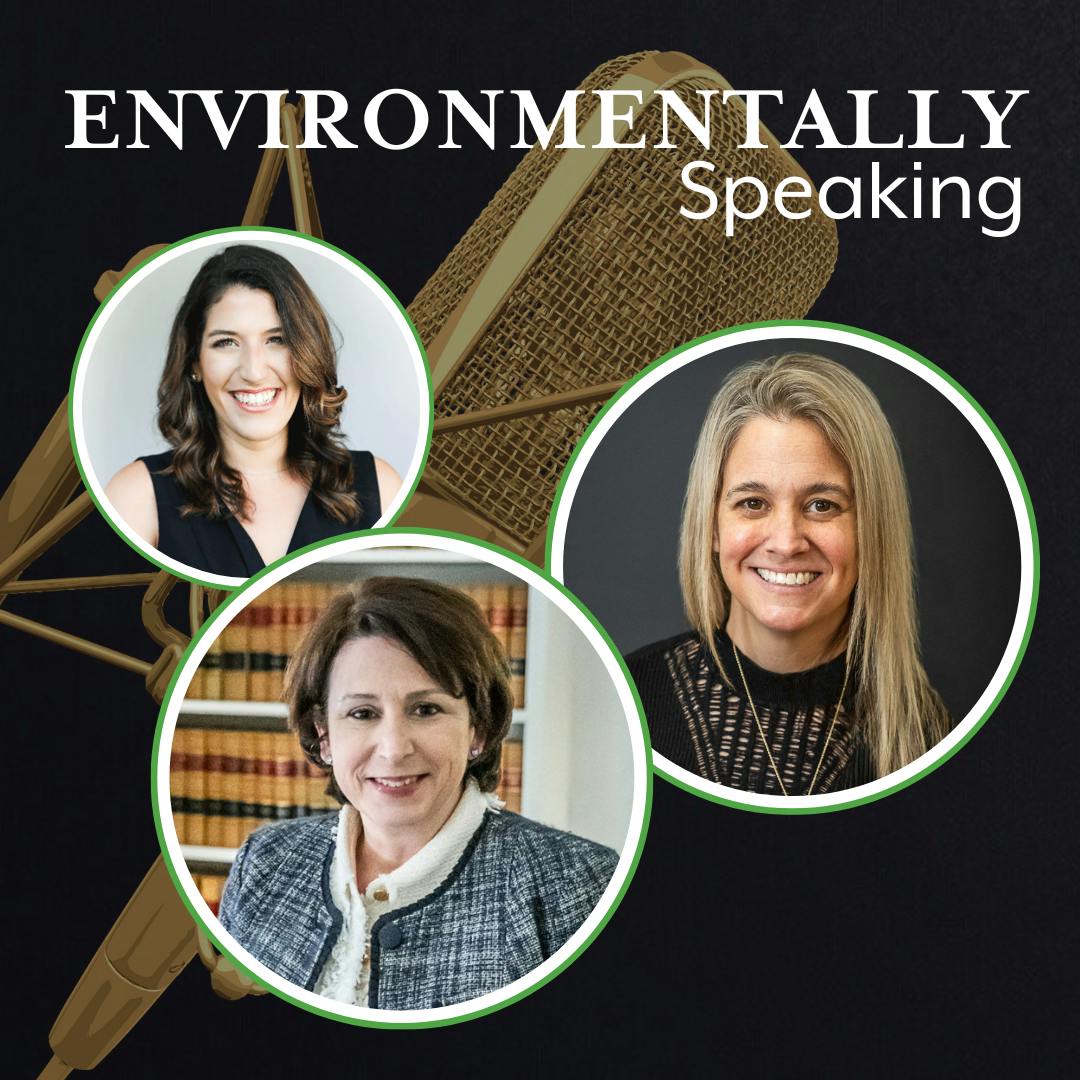
Podcast host Clarice Parsons interviews Kerin Browning and Marisa Desautel, managing partners of Desautel Browning Law. They will leave you cracking up while discussing some serious topics around state / federal environmental law, utility / energy statutory and regulatory compliance, civil litigation, and municipal and regulatory zoning and permitting.

Listen to episodes

60 recent
June 11, 202623 min

EP 136 - Understanding Client Confidentiality in Environmental Law

In this episode of Environmentally Speaking, Marisa Desautel and Clarice Parsons explore attorney-client confidentiality and how it applies across the many types of clients encountered in environmental law practice. Marisa explains the differences between representing individuals, municipalities, state agencies, nonprofits, and other organizations, and discusses a key legal question: when the client is a group, who does the attorney actually represent? The conversation covers attorney-client privilege, legal ethics, executive sessions, public transparency requirements, municipal boards, and the challenges of balancing confidentiality with accountability in government settings. Marisa also explains when privilege applies, how it can be waived, and why not every conversation with an attorney is automatically protected. Clarice contributes insights from the mediation world, highlighting similarities between legal confidentiality and mediation agreements, including common exceptions and reporting requirements. Topics Covered: Attorney-client confidentiality Environmental and municipal law Organizational versus individual clients Planning boards and zoning boards State agencies and local government Executive sessions and open meetings laws Attorney-client privilege and waiver Mediation confidentiality Legal ethics and professional responsibility Join Marisa and Clarice for an engaging discussion on one of the most important—and often misunderstood—principles in legal practice.

May 29, 202617 min

EP 135 - Zoning, Permitting & Property Control: What Stops a Project Before It Starts?

In this episode of Environmentally Speaking, hosts Marisa Desautel and Clarice Parsons unpack one of the most misunderstood aspects of environmental and municipal permitting: site control, property interests, and why some projects fail before they even truly begin. What started as a social media reel and a “hot take” quickly turned into a deeper conversation about accountability in zoning and permitting. Marisa explains why permitting delays and denials are not always the fault of municipalities or regulatory agencies — and how applicants often overlook critical foundational requirements before submitting a project. Using real-world examples from environmental law and Rhode Island permitting processes, the episode explores: What “site custody and control” actually means Why property ownership and consent matter in permitting How easements, rights-of-way, condo associations, and shared property interests can complicate approvals The role of municipal boards and state agencies like DEM What happens when objections are filed against an application Why agencies often require disputes to be resolved in court before moving forward Clarice brings the perspective of someone outside the legal world, asking the questions many property owners, developers, and applicants may not think to ask until it’s too late. Together, she and Marisa break down the legal concepts in a practical and approachable way. If you’ve ever wondered why projects stall, why permits get denied, or how zoning and environmental approvals really work behind the scenes, this episode offers an informative look into the process — and the importance of doing your homework before filing an application. Have a reel or environmental topic you’d like discussed on the podcast? Reach out and let the hosts know what you’d like covered in a future episode. Hosted by: Marisa Desautel & Clarice Parsons Happy Memorial Day weekend, and thanks for listening to Environmentally Speaking!

May 8, 202617 min

EP 134 - The Chernobyl Effect: Wetlands, Microbes, and Environmental Recovery

In this week’s episode of Environmentally Speaking, Marisa and Clarice dive into the unexpected environmental recovery happening in and around the Chernobyl exclusion zone nearly 40 years after the nuclear disaster. The conversation explores recent research showing that wetlands, peatlands, microbes, and even wildlife are not only returning to the region, but in some cases appear to be thriving despite ongoing radioactive contamination. The hosts discuss the critical role wetlands play as natural filtration systems, carbon sinks, and biodiversity hubs — and why these ecosystems may be central to the area’s long-term recovery. They also unpack fascinating early-stage studies examining how bacteria and microbiomes within the Chernobyl wetlands may be adapting to, or surviving despite, ionizing radiation exposure. Along the way, the episode touches on ecosystem resilience, nature-based restoration, the cultural fascination surrounding Chernobyl, and the surprising ways the planet continues to adapt in extreme conditions. Plus: mutant daisies, bog body science, and an important reminder that nature is often far more resilient than we expect. If you have expertise in microbiology, recombinant DNA, radiation impacts, or ecosystem restoration, the hosts would love to hear from you — and maybe even have you join the podcast for a future episode.

March 19, 202618 min

EP 133 - When Science Leaves the Bench: Climate Change, Courts, and Political Denial

Podcast: Environmentally Speaking Host: Marisa Desautel Guest/Co-host: Clarice Parsons In this episode of Environmentally Speaking, Marissa Desautels and Clarice Parsons unpack a recent article raising concerns about the removal of climate change content from a scientific reference manual intended for judges. What starts as a reaction to a strange and troubling article quickly becomes a larger conversation about climate science denial, the role of expertise in the courtroom, and how recent changes in judicial deference may shift scientific decision-making away from agencies and toward judges. The conversation explores the legal, political, and practical consequences of sidelining climate science in judicial and regulatory spaces. Marissa and Clarice question whether static reference materials can ever substitute for expert testimony, especially in fields like climate science that evolve rapidly. They also connect the issue to the Supreme Court’s Loper Bright decision, arguing that reducing deference to agencies may not eliminate bias, but instead transfer power to judges who may lack technical expertise. What the judges’ reference manual on scientific evidence appears to be Why removing climate change material from that manual is so concerning How the issue relates to the Supreme Court’s Loper Bright decision Why agency expertise still matters in environmental decision-making The limits of judges and reference manuals in evaluating evolving science How climate denial continues to shape policy and public discourse Why symbolic climate commitments often fall short of meaningful action A broader question: what can actually be done when consensus is no longer realistic? Email: marisa@desautelbrowning.com Phone: 401-477-0023 Website: desautelbrowning.com Reference:  https://earth.org/political-attack-scientists-condemn-removal-of-climate-chapter-from-us-judges-reference-manual/

March 6, 202621 min

EP 132 - The Endangerment Finding, Explained

Podcast: Environmentally Speaking Host: Marisa Desautel Guest/Co-host: Clarice Parsons In this episode of Environmentally Speaking, Marisa Desautel and Clarice Parsons unpack the federal EPA’s rescission of the 2009 “endangerment finding,” a policy determination that has shaped greenhouse gas regulation for the past 16 years. They break down what the finding is, why its rollback matters, and how recent shifts in judicial thinking about agency authority may have opened the door to broader deregulatory action. The conversation explores the legal, environmental, and practical consequences of the rescission, from weakened climate oversight to uncertainty for industries and regulators. Marisa also reflects on how state programs, corporate compliance, and everyday consumer experiences, like start-stop car technology, may be affected by changing federal policy. What the EPA’s “endangerment finding” actually is Why the February 12 rescission is such a major development How the Clean Air Act has been used to regulate greenhouse gases The legal backdrop of recent Supreme Court limits on agency power Why rescinding non-statutory policy findings may be easier than undoing formal regulations The risks of deregulation for climate policy, air quality, and public health What this could mean for future agency rollbacks beyond the EPA A real-world example: start-stop technology in newer vehicles The endangerment finding was a 2009 EPA scientific determination that greenhouse gases endanger public health and welfare, giving the agency a basis to regulate emissions from sources like cars and trucks. Because the finding was not written into statute or formalized as a regulation, Marisa explains that it may have been especially vulnerable to rescission. The episode frames the rollback as part of a broader legal and political shift, especially after recent Supreme Court decisions limiting how much discretion federal agencies can exercise without explicit statutory authority. Marisa argues that the rescission is environmentally harmful and warns that it could signal wider efforts to dismantle non-statutory federal programs across agencies. The discussion also highlights uncertainty: litigation could reverse the move, industries may face inconsistent compliance expectations, and states may need to reassess how their own programs interact with federal changes. Email: Marissa@desautelbrowning.com Phone: 401-477-0023 Website: desautelbrowning.com Reference: President Trump and Administrator Zeldin Deliver Single Largest Deregulatory Action in U.S. History | US EPA

January 22, 202647 min

EP: 131 - How Climate Policy Actually Gets Implemented in Rhode Island

In this episode of Environmentally Speaking, environmental attorney Marisa Desautel and co-host Clarice Parsons sit down with Rhode Island State Senator Alana DiMario (District 36) to discuss how environmental policy is shaped, implemented, and funded at the state level. Senator DiMario shares her journey from mental health counselor to legislator and explains why climate change, coastal resiliency, and waste reduction are urgent priorities for her coastal district, including Narragansett, North Kingstown, and Block Island. The conversation covers what happens after a bill passes, the importance of follow-through, and how state agencies, municipalities, and the public all play a role in turning environmental legislation into real-world action. Topics covered include: Rhode Island’s part-time legislature and environmental policymaking Climate change impacts on coastal communities Greenhouse gas reduction under the Act on Climate Textile recycling and landfill diversion efforts The role of education, data, and agency coordination Funding challenges and creative solutions for climate initiatives How residents can get involved in environmental advocacy

January 22, 20261 hr 11 min

EP: 130 - Public Access to the Rhode Island Shoreline & Evolving Coastal Law

In this episode of Environmentally Speaking, Marisa Desautel and co-host Clarice Parsons are joined by Rhode Island State Senator Alana DiMario to discuss how environmental policy is developed and carried out at the state level. Senator DiMario shares her background and explains why climate change, coastal resiliency, and waste reduction are critical issues for her coastal district. Topics covered include: Rhode Island’s part-time legislature and environmental policymaking Climate change impacts on coastal communities Greenhouse gas reduction under the Act on Climate What happens after a bill becomes law Textile recycling and landfill diversion efforts The role of EC4 and challenges in funding climate initiatives How residents can get involved in environmental advocacy

January 22, 202616 min

EP: 129 - NEPA, Public Comment, and the Push to Fast-Track Federal Permits

In this episode of Environmentally Speaking, Marissa Desautel and co-host Clarice Parsons discuss recent federal changes to environmental policy and growing challenges to public participation under the National Environmental Policy Act (NEPA). They examine lawsuits against the Bureau of Land Management, new federal permitting legislation, and concerns about how faster approvals may weaken environmental review—particularly for offshore wind projects. Topics covered include: Changes to public notice and comment under NEPA Lawsuits challenging federal agency policy shifts Federal permitting reform and the “Speed Act” Environmental review concerns for offshore wind Why public participation still matters

November 7, 202514 min

EP: 128 – Marine Spatial Planning & Offshore Wind Development

In this episode of Environmentally Speaking, environmental attorney Marisa Desautel and co-host Clarice Parsons unpack the concept of Marine Spatial Planning (MSP)—a legal and policy framework designed to organize human activities in the ocean while balancing conservation and economic growth. Topics covered include: How Marine Spatial Planning mirrors land-use zoning principles The role of federal and state policy in shaping offshore wind projects Why stakeholder engagement is critical yet often overlooked The tension between private profit and public interest in ocean use Understanding “knock-on effects” and cumulative environmental impacts Lessons from the United Kingdom’s approach to marine management The future of collaborative planning for U.S. coastal waters Whether you’re an attorney, policymaker, or coastal advocate, this episode offers insight into the legal tools and policy discussions shaping the next generation of ocean management.

September 19, 202513 min

EP: 127 - Coastal Resilience & Municipal Planning in Rhode Island

In this episode of Environmentally Speaking, environmental attorney Marisa Desautel and co-host Clarice Parsons dive into how Rhode Island’s coastal municipalities are adapting to climate change and rising sea levels through updated zoning and land-use ordinances. Topics covered include: The growing urgency of coastal resilience planning in Rhode Island Steps towns are taking to revise municipal ordinances for future development Challenges of balancing due process vs. emergency action The concept of “retreat”—when rebuilding in flood-prone areas no longer makes sense Protecting natural defenses such as wetlands and conservation easements Legal and policy questions about redevelopment after disasters Human behavior during disasters and the formation of “stay-behind” communities Whether you’re a homeowner, planner, or environmental professional, this conversation offers insight into the legal and practical measures shaping the state’s coastal future.

Is this your show?

Claim this listing to keep it up to date, reach guests who want to pitch you, and manage bookings with Guestify.

Claim this listing

More Business podcasts