
Find partners
Energy News Beat Podcast

Energy News Beat Podcast

Hosted by Stuart Turley

BusinessNewsDailyInterviews guests

Episodes

300

Latest episode

Jun 2026

Language

EN-US

About the show

Covering the energy markets around the world, one story at a time. Our daily podcast keeps you up to speed on all the latest energy news while our weekly interviews with energy industry experts keep you in the know for all things energy development. Follow us at energynewsbeat.com

Listen to episodes

60 recent
June 12, 202643 min

Fuel and Food California's Crossroads - Regulatory over reach hits home hard.

This was a fun discussion about the serious issue of gasoline, diesel, and fertilizer price increases for farmers, ranchers, and consumers in California. Make no mistake, the actions taken by the Newsom administration have driven consumer prices to some of the highest in the United States. Gavin has taken California from almost energy independent to total dependence on imports.We have Mike Ariza, a downstream expert, who has been on the podcast several times. A great resource for boots-on-the-ground information on the California downstream market. Connect with Mike on his X account. @MikeAriza4531Also, we had Joseph Huitt, who is with the Bordin-Huitt California Almond Ranch. Check out their family products for honey and specialty almonds at https://bhalmondranch.com/1. California's Energy Crisis & Fuel DependencyMike Ariza, an energy expert, explains that California has become dangerously dependent on fuel imports (40% dependent). Two major refineries were converted to renewable diesel in 2023, taking 350,000 barrels of crude oil processing offline. This resulted in no gasoline or jet fuel production from those facilities. The Iranian conflict further disrupted supply chains, cutting off jet fuel, diesel, and gasoline shipments from Asian refineries. President Trump's waiver of the Jones Act allowed fuel from Gulf Coast refineries to reach California, preventing potential $10+ gasoline prices and shortages.2. Agricultural Challenges & Rising CostsJoseph from Borden Hewitt Ranch discusses the severe economic pressures on family farms:Red Diesel prices skyrocketed from $3.17/gallon in February to $4.79-$6.60/gallon by MarchFertilizer costs doubled from $300-$500/acre to $400-$700/acre due to Strait of Hormones closureAlmond prices have remained below the $2/pound break-even point for five yearsPayment delays: Farmers receive paychecks every 3-4 months, not weekly, creating cash flow challenges3. Water Rights & Agricultural RestrictionsJoseph describes severe water restrictions in California's San Joaquin Valley, where farmers are prohibited from irrigating during peak heat seasons (June-July) despite canals being full. Banks only finance half the land value due to water limitations, effectively halving farm viability.4. Regulatory Overreach & Equipment RestrictionsEPA regulations prevent farmers from repairing their own equipment without manufacturer accessA diesel mechanic was jailed for helping farmers and truckers repair enginesSoftware restrictions: Farmers can't access tractor software updates, limiting their ability to fix equipment independentlyTuning restrictions: Rice farmers need extra horsepower to navigate clay fields but face penalties if caught modifying engines5. GMO Seeds & Agricultural ContractsDiscussion about restrictive seed contracts where farmers must purchase new seeds annually and cannot replant saved seeds from previous years, creating ongoing dependency on seed companies.6. State Taxes & Economic BurdenMultiple taxes burden California farmers:Cap and Invest (called "Theft and Invest")Road taxes37 cents for bullet train funding80 cents for other state initiatives These taxes are passed directly to consumers through higher food prices.7. Food Supply Chain VulnerabilityIf California loses refinery capacity, diesel shortages would collapse logistics, resulting in:Only 3-5 days of food supply in metropolitan areasPort of Los Angeles unable to operateFood distribution across the entire country disrupted (LA is the largest food importer during winter)8. Family Farm Viability & Future GenerationsJoseph, at 25 years old, represents the challenge facing young farmers. While passionate about farming, he's pursuing a master's degree in biological science (studying avian influenza) because farming alone cannot support a family. His mother advised all children to pursue other careers while farming as a side activity—a common reality for modern family farms.Overall Theme: The podcast highlights how interconnected energy, agriculture, and regulatory policy are in California, and how state policies are making it increasingly impossible for family farms to survive while threatening regional and national food security.Hat tip to the Great John Rich for being named the Special Envoy to Farmers for the USDA. We have reached out to him to see about getting him on the podcast.Check out the Energy News Beat SubStack https://theenergynewsbeat.substack.com/A shout-out to Steve Reese and the Reese Energy Consulting group for sponsoring the Podcast https://reeseenergyconsulting.com/.Data2 if you have any business systems, can you trust A? Well, they have the patent on validation. . https://data2.zoholandingpage.com/energyAnd we have WellDatabase rolling in as a new sponsor. https://welldatabase.com/

June 11, 202626 min

We will stop the Bombing When you sign the Deal - or until my next mean Tweet - Energy News Beat Stand Up

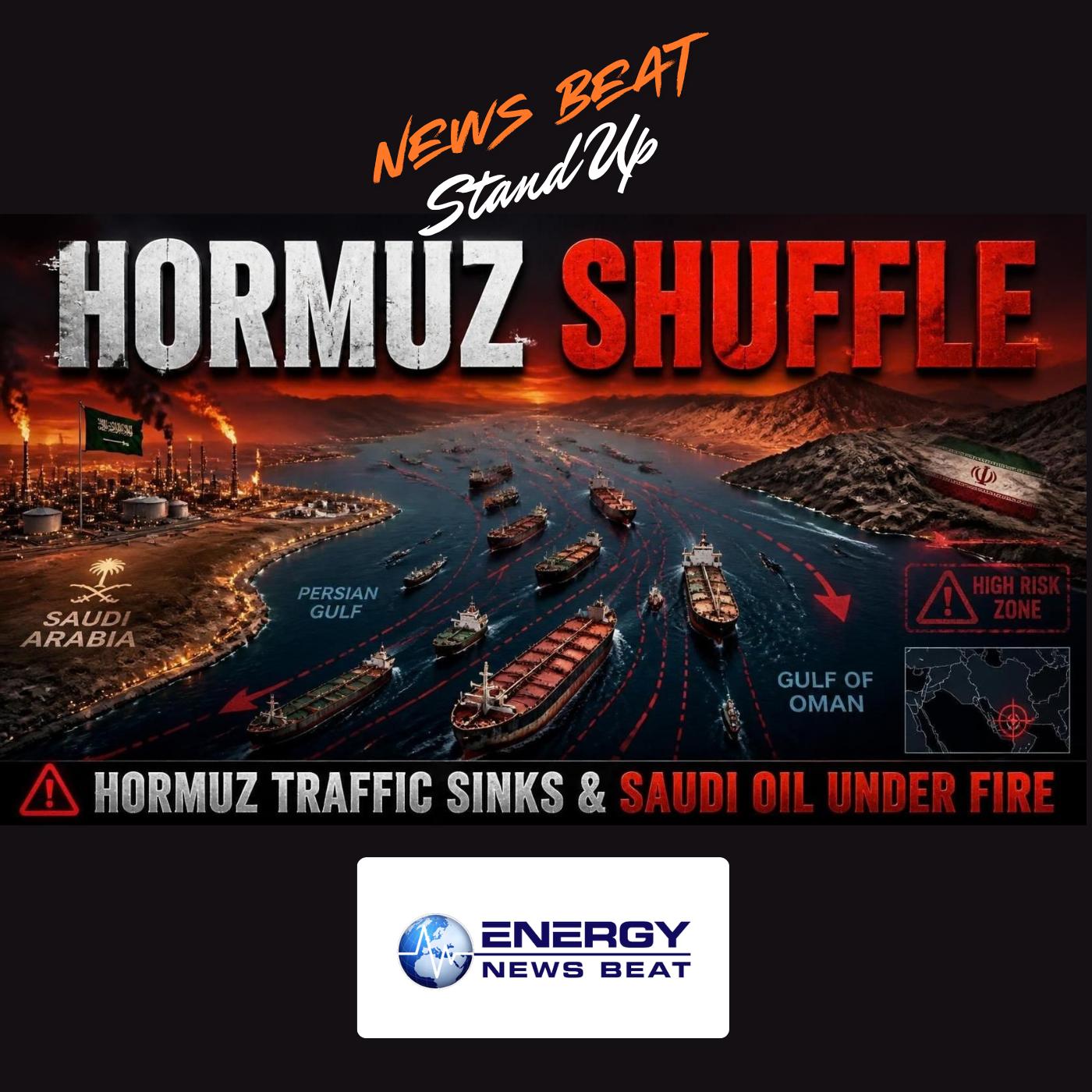
What a day on the EnergyNews Beat News Desk, we have 10 big stories for you, and as we were filming this, President Trump calls off the plans - wow, changed everything. David Blackmon's Energy Additions Stops by the Energy News Beat Stand Up as we used one of his stories on blackmon.substack.com.Make no mistakes, this war will end in one of two ways. World War III, or the Venezuelan-style controls on Iran, as they have shown themselves to be an untrustworthy neighbor and have murdered tens of thousands of their own citizens.As David and I were signing on to film the podcast, President Trump called off the strikes to take Kharg Island, and I am hoping this is to reposition assets and give some surprise to their capture. The oil markets dropped to $87. 94 for WTI, and this brings up the Paper trading versus the Physical delivery price of $140.1. Iran Geopolitical Crisis & Military StrategyThe hosts extensively discuss U.S.-Iran tensions, focusing on President Trump’s shifting positions on military strikes and seizing Cargo Island. They analyze three phases of military action: (1) stabilizing oil prices by moving ships through the Strait of Hormuz, (2) degrading Iran’s military capabilities, and (3) direct action inside Iran. A key point is that without “Venezuelan-style controls” on Iran’s oil exports, hostile actors could profit significantly.2. Oil Markets & Strategic Petroleum Reserve (SPR)The podcast explores why physical oil prices exceed $140 while futures trade below $100. Key factors include China’s reduced crude imports (4 million barrels/day reduction), alternative export routes bypassing the Strait of Hormuz (7-10 million barrels/day), and tanker truck alternatives. Critically, they warn that the U.S. SPR is dangerously low—only 6.1 weeks away from the safe operational level of 300 million barrels.3. Global Energy Infrastructure & Pipeline DevelopmentMultiple countries are building alternatives to the Strait of Hormuz to reduce Iran’s leverage. Kuwait is negotiating pipelines with Saudi Arabia and UAE. Japan signed a major LNG deal. This reflects a broader theme: the world is reducing dependence on chokepoints Iran controls.4. U.S. Energy Policy & Data CentersGovernor Abbott’s directive requires data centers in Texas to fund their own electrical infrastructure, protecting the grid. Texas is becoming the data center capital (second only to Virginia), with massive natural gas reserves in the Permian Basin to support expansion.5. Natural Gas Pipeline ExpansionKendra Morgan’s Gulf Express pipeline expansion will come online soon, preventing flaring and enabling 4.5 BCF of new Permian outbound capacity by 2026—a significant development for energy markets.6. Banking & Investment in Fossil FuelsThe world’s 65 largest banks invested $906 billion in fossil fuels in 2025, with the Iran conflict expected to escalate exploration, production, and energy security spending. The ordering of 250 supertankers signals long-term confidence in oil demand.7. Political Concerns & Congressional DysfunctionWe express frustration with President Trump’s inconsistent messaging on Iran policy and criticize Congress for its lack of support, calling for primary challenges against most incumbents.All of these stories are on the Energy News Beat website - the World's Best Podcast Show Notes. 1.Trump: US Will 'Assume Total Control' Of Iran's Oil Infrastructure2.President Trump Announces Plans to Strike Iran Again and Take Control of Kharg Island, Echoing Venezuelan-Style Oil Controls3.Why Oil Is Still Below $100 a Barrel When Physical Oil Is Over $1404.The Tale of Two SPRs and Different Uses: US and China Navigate the Iran War Supply Shock5.Full Story on the Downed Apache – Part of Getting 22 Tankers through the Gulf6.Kuwait Oil Chief Seeks Pipeline Alternatives to Skirt Hormuz7.Japan Inks Major LNG Deal as Energy Markets Focus Away from Hormuz8.Texas Gov. Abbott Directs PUC and ERCOT to Shield Texans from Data Center and Infrastructure Costs9.Kinder Morgan’s Gulf Coast Express Expansion About to Come On Line – And It Will Impact More Than Natural Gas Prices10.World’s 65 Biggest Banks Pumped $906 Billion Into Fossil Fuels in 2025. The Iran War will escalate exploration and production, pipelines, and energy security spending and financing.Check out the Energy News Beat SubStack https://theenergynewsbeat.substack.com/A shout-out to Steve Reese and the Reese Energy Consulting group for sponsoring the Podcast https://reeseenergyconsulting.com/.Data2 if you have any business systems, can you trust A? Well, they have the patent on validation. . https://data2.zoholandingpage.com/energyAnd we have WellDatabase rolling in as a new sponsor. https://welldatabase.com/

June 10, 202627 min

The Strait of Hormuz Standoff Why Paper Oil Prices Don't Match Reality

Rey Trevino, Pecos Operating Company, and Podcast host for the Crude Truth stopped by the Energy News Beat Podcast. We had a blast filming at the Petroleum Club in Downtown Fort Worth. Hat tip to all of the great people at the Petroleum Club, making it a great place to have business meetings. Follow Rey on his LinkedIn: https://www.linkedin.com/in/reytrevinoiii/Also, Pecos Operating Website: https://pecosoperating.com/1. Strait of Hormuz & Global Oil SupplyThe hosts extensively discuss the critical importance of the Strait of Hormuz, through which 20% of the world's oil passes. They explore the geopolitical tensions affecting oil shipments, insurance challenges, and the impact on global energy markets. The conversation touches on Iran's role, potential nuclear concerns, and how these factors are keeping the strait effectively closed despite not being physically blocked.2. Paper vs. Physical Oil PricesA significant focus is placed on the divergence between paper oil prices (set by Wall Street traders based on market sentiment) and physical oil prices (actual tanker sales to refineries). The hosts note a $25-50 per barrel gap, with physical prices significantly higher—indicating potential market instability and currency devaluation concerns.3. California's Energy Crisis & Net Zero PoliciesThe podcast criticizes California's aggressive net-zero policies, which are driving energy costs to unsustainable levels. They highlight how California has become an "energy island" with sky-high electricity and fuel prices, yet continues doubling down on restrictive policies. The hosts contrast this with Texas's regulatory environment and economic success.4. Texas vs. California: Regulatory & Economic ComparisonA key theme is the stark difference between the two states—Texas has a $24 billion surplus due to oil and gas production, while California faces a $24 billion deficit due to regulatory burdens. This $50 billion swing illustrates the economic impact of energy policy.5. U.S. Oil Production & Refining CapacityThe hosts discuss America's leading position as the world's largest oil producer (~14 million barrels/day), but highlight a critical gap: the U.S. lacks sufficient refining capacity. They mention a new refinery in Brownsville, Texas that will process 250,000 barrels/day—still less than 5% of total U.S. production.6. Maritime Industry & Icebreaker ShipsDiscussion of revitalizing the U.S. maritime industry through the Shipping Act, including a multi-billion dollar contract to build U.S. Coast Guard icebreakers in Galveston—important for Arctic oil exploration and national security.7. Dark Fleet & Sanctions EvasionThe hosts detail the "dark fleet" of ~1,583 tankers (750 Russian, 320 Iranian) used to circumvent sanctions, with ships turning off transponders to avoid detection. This represents a significant challenge to global energy security and sanctions enforcement.8. Insurance & Lloyd's of LondonQuestions are raised about Lloyd's of London's role in restricting tanker movement through the Strait of Hormuz, with speculation about potential coordination with Iran. The hosts contrast this with alternative insurance options like Chubb.9. Oil & Gas Investment & Tax IncentivesThe importance of active tax deductions for oil and gas exploration is emphasized, noting that 50% of U.S. oil production comes from privately held companies—a unique advantage that no other country offers.10. Future Oil Price PredictionsThe hosts predict oil prices will remain elevated (around $60-120/barrel) for at least 90 days, with potential short-term spikes if the Strait of Hormuz situation escalates, driven by ongoing geopolitical tensions and the need for capital investment in declining oil fields.Check out the Energy News Beat SubStack https://theenergynewsbeat.substack.com/A shout-out to Steve Reese and the Reese Energy Consulting group for sponsoring the Podcast https://reeseenergyconsulting.com/.Data2 if you have any business systems, can you trust A? Well, they have the patent on validation. . https://data2.zoholandingpage.com/energyAnd we have WellDatabase rolling in as a new sponsor. https://welldatabase.com/

June 9, 202655 min

Maritime Operational & Governance Strategy for Infrastructure Investors with Dr. Beatriz Canamary - Huge Impacts in Energy

Dr. Beatriz Canamary stopped by the Energy News Beat podcast, and we had a great discussion about energy, exports, and our maritime industry, including shipbuilding and the Jones Act. I am going to just be brutally honest for a moment, and say that I have been for totally repealing the Jones Act for years. After my discussion with Dr. Canamery, my opinion has shifted toward more of a "let's get the problem solved and leave the Jones Act in place long-term" stance. But we need a plan to get to a balance. Dr. Canamary has a new book coming out, and we will be getting an interview lined up. Connect with Beatriz on her LinkedIn here: https://www.linkedin.com/in/beatrizcanamary/1. U.S. Maritime Industry RevitalizationThe core focus is rebuilding America's shipbuilding capacity. The U.S. currently represents only 0.4% of global ship production (down from over 50% post-WWII), while China dominates with 60% and South Korea adds another 20%. The discussion emphasizes the need for strategic investment in shipyards, workforce development, and creating predictable cargo demand to justify shipbuilding expansion.2. Energy Security & Dominance Through MaritimeEnergy exports (oil and LNG) are central to U.S. dominance, but they're currently transported on international vessels rather than U.S.-flagged ships. The podcast explores how securing cargo on American vessels strengthens both energy security and the maritime industry. The Strait of Hormuz crisis is cited as a wake-up call about supply chain vulnerabilities.3. Global Choke Points & Geopolitical RisksEight major maritime choke points (Strait of Hormuz, Red Sea/Houthis, Strait of Malacca, etc.) are contested and sometimes weaponized. Insurance companies can effectively shut down shipping by canceling coverage, as Lloyd's of London did during the Iran strike. The discussion highlights the need for U.S. insurance alternatives and control over critical passages.4. Nuclear Technology in MaritimeNuclear propulsion for ships and floating nuclear power plants are presented as innovation differentiators for the U.S. The ABS (American Bureau of Shipping) has frameworks for approving nuclear projects, and companies like Nano Nuclear are developing micro-reactors designed for maritime use. Nuclear is positioned as cleaner than traditional fuel oil and a competitive advantage.5. Autonomous & Advanced Maritime TechnologyA new IMO (International Maritime Organization) framework for autonomous commercial ships was recently approved, with a mandatory code coming in 2032. The U.S. is positioned to compete through innovation in automation, AI, and autonomous vessels rather than on cost—since labor-intensive competition with China/Korea is unwinnable.6. Maritime Prosperity ZonesThe U.S. should develop regional maritime clusters (similar to Europe's model) with specialized capabilities—some regions for tankers, others for icebreakers, etc. The American Maritime Industrial Coalition is mapping supply chains and regional expertise to accelerate production.7. Trade Agreements & Bilateral PartnershipsStrategic trade agreements with U.S. allies can secure cargo flows through American ports on U.S.-flagged vessels, creating demand signals for shipbuilding without direct government subsidies. This creates a win-win for allies seeking energy independence.8. The Ships for America ActA bipartisan bill with 126+ seats of support, expected to pass by year-end. It includes tax incentives and supports the broader maritime revitalization strategy outlined in the National Security Strategy and Maritime Action Plan.9. Geopolitical Shifts & New Trading BlocsThe podcast discusses emerging energy-based trading blocs, China's port dominance (129 ports globally), and concerns about China's influence in South America (Peru, Brazil). It also touches on the Monroe Doctrine and regional security in the Western Hemisphere.10. Ports as Strategic InfrastructureDr. Canamari's forthcoming book explores ports as intelligence hubs, infrastructure assets, and strategic military/trade assets. The discussion covers climate resilience, digital twins, automation, and how ports are increasingly weaponized in global trade wars.This is a comprehensive discussion of how maritime infrastructure, energy, innovation, and geopolitics intersect to shape U.S. competitiveness and national security.Check out the Energy News Beat SubStack https://theenergynewsbeat.substack.com/A shout-out to Steve Reese and the Reese Energy Consulting group for sponsoring the Podcast https://reeseenergyconsulting.com/.Data2 if you have any business systems, can you trust A? Well, they have the patent on validation. . https://data2.zoholandingpage.com/energyAnd we have WellDatabase rolling in as a new sponsor. https://welldatabase.com/

June 5, 202637 min

Global Oil and Gas Markets Update Doombergs insights and opinions

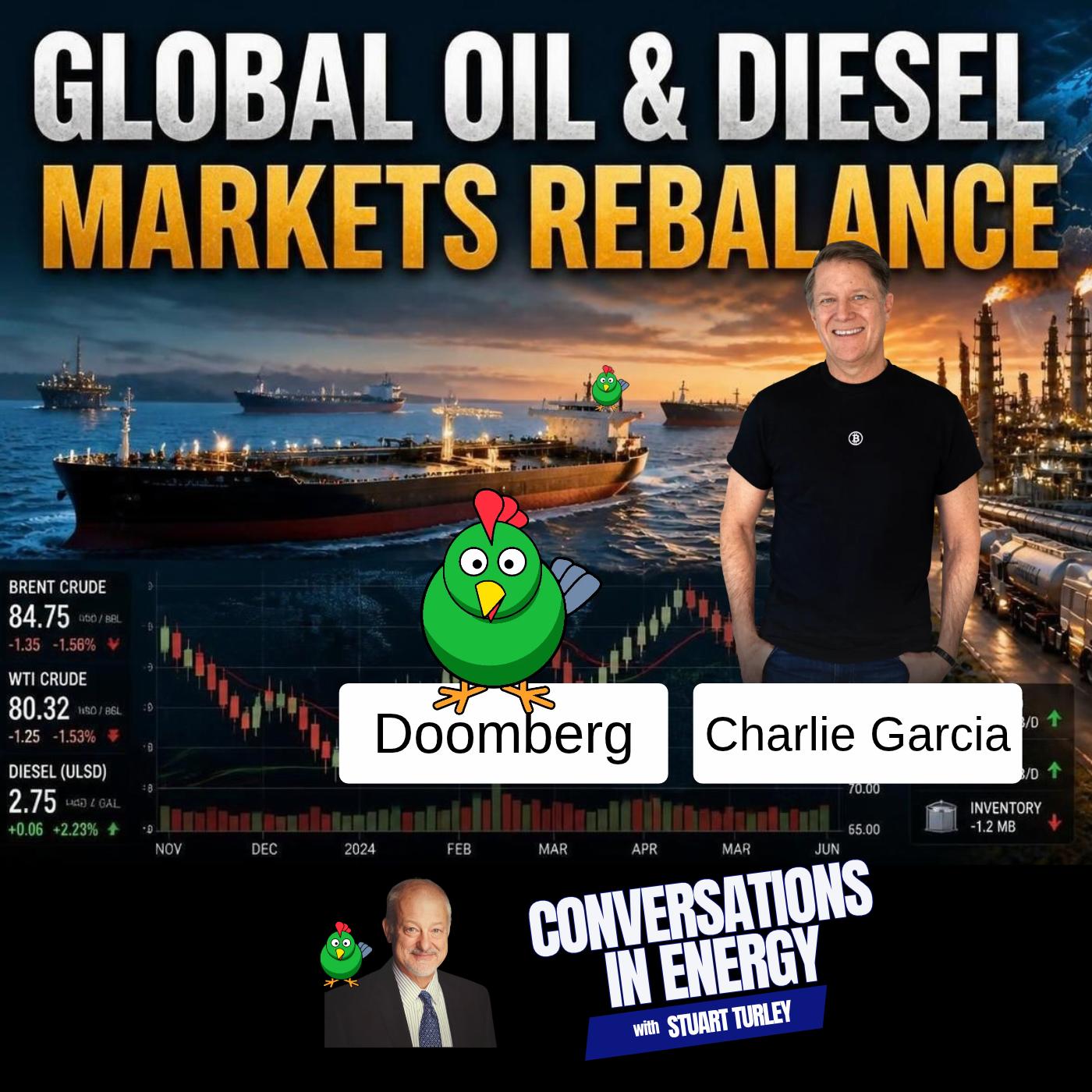
“ Iran will have permanent control over the Strait of Hormuz. As though that necessarily, in and of itself, is bullish for oil prices. I would argue that, in fact, it isn’t. “Doomberg, Substack Author, Energy AnalystThis was another great discussion with Doomberg, and we had over 100k listens and views, plus even more impact from social media during his last visit. This discussion included several key quotes, and I have about 10 of them listed below the video.Make no mistake, the global energy, oil, and gas markets have changed permanently.“Energy security starts at home. Energy dominance is displayed through your exports. “Stu Turley, Energy News Beat Podcast HostWe recommend https://newsletter.doomberg.com/1. Geopolitical Control of the Strait of HormuzThe hosts explore Iran’s potential permanent control over the Strait of Hormuz and what this means for global energy markets. The key insight is that while many assume this would drive oil prices higher, the real issue is about sanctions and U.S. dollar hegemony—Iran would need sanctions lifted to collect tolls, which threatens the dollar’s position in the global financial system. Long-term, alternative pipelines and infrastructure will mitigate any supply disruptions.2. North American Energy DominanceA major focus is on how the Western Hemisphere (particularly the U.S. and Canada) is becoming an energy powerhouse through:Natural gas production and LNG exports (growing from near-zero to ~30 BCF/day by decade’s end)Oil development in Argentina (Vaca Marta), Guyana, Venezuela, and BrazilPipeline infrastructure like Mountain Valley PipelineThe concept of “energy security starts at home” and exporting energy as a display of dominance3. Qatar’s LNG Disruptions and Helium CrisisWhile Qatar supplies 20% of global LNG, the real story is helium—Qatar controls about a third of the global helium market. Helium is critical for semiconductors and MRIs, and there’s no easy replacement. Recent attacks have disrupted Qatar’s production.4. The AI Bubble and Market DynamicsThe hosts discuss:The SpaceX IPO as a potential “top of the Ponzi cycle” with a $1.75 trillion valuationHow AI is simultaneously a transformative technology AND a massive bubble (like railroads and the internet before it)The importance of AI validation and verification—AI without accountability wastes moneyHow companies must be built with AI at their core to survive; large legacy companies may struggle to adapt5. AI Implementation and Business TransformationPractical discussion on:How AI can eliminate inefficiencies (e.g., reducing invoice processing from 2 months to 2 minutes)The need for human oversight and “AI-aware” workers vs. “AI-ignorant” onesAuthentic human content creation remaining valuable in an AI-saturated worldHow small, lean businesses with owner mentality adapt faster than bloated corporations6. Future Economic Blocs and Global RealignmentThe hosts predict a shift toward new trading blocks: the U.S., India, Russia, Saudi Arabia, UAE, China, and Japan forming alternative economic structures, with the EU and UK potentially falling behind.Global Oil and Gas Markets Update - Doomberg's insights and opinionsCheck out the Energy News Beat SubStack https://theenergynewsbeat.substack.com/A shout-out to Steve Reese and the Reese Energy Consulting group for sponsoring the Podcast https://reeseenergyconsulting.com/.Data2 if you have any business systems, can you trust A? Well, they have the patent on validation. . https://data2.zoholandingpage.com/energyAnd we have WellDatabase rolling in as a new sponsor. https://welldatabase.com/

June 4, 202628 min

What America and Virginia needs right Now

Kim Farrington, a candidate for the U.S. Senate in Virginia, stopped by the EnergyNews Beat Podcast to discuss her campaign strategy of listening to Virginia voters and addressing their concerns. Wow, I had a lot of fun visiting with Kim, and she hit all of the right marks on the Podcast. She supports the 2nd Amendment and America First, and has put about 49,000 miles on her car, driving around Virginia to listen and gather feedback on policies, waste, and energy. Her experience in accounting and in managing large federal budgets, while ensuring audits pass, is extensive. She highlighted her experience in the federal government, including her work as a chief financial officer, and her plans to tackle fraud and inefficiencies if elected. Farrington expressed support for President Trump's agenda and the importance of putting America first. She also shared her views on energy policy, emphasizing the need for data-driven decision-making and accountability in renewable energy.We have offered to help with energy policies and get information for her campaign, as she is data-driven. That was one of the key points that hit me today. She loves data and wants to curb waste and fraud. Please reach out to Kim at the Campaign website to donate or contact her office. https://kimforvirginia.com/1. Political Campaign & CandidacyKim Farrington is running as a candidate for U.S. Senate in Virginia to replace Mark Warner. She emphasizes her extensive listening tour (19 months, 48,000+ miles) where she engages directly with Virginia voters to understand their concerns and propose data-driven solutions.2. Government Fraud & InefficienciesA central theme of her campaign is combating fraud and waste in federal government. With 33 years of federal service experience, Kim claims to have identified over $236 billion in fraud and inefficiencies and aims to write legislation to recover these funds for taxpayers.3. Energy Policy & Grid ManagementExtensive discussion on Virginia's energy mix (56% natural gas, 26% nuclear, 8% solar, 3.4% coal, etc.) and the challenges of renewable energy integration. Key points include:Wind and solar subsidies and their true costs to consumersGrid resiliency and the need for proper data on renewable performanceThe importance of nuclear energy as clean, reliable baseload powerEnvironmental liabilities from wind and solar farms (estimated $89 billion)4. Second Amendment & Constitutional RightsKim's strong support for the Second Amendment (influenced by her Texas parents who owned a gun store) and her alignment with President Trump's agenda on constitutional issues.5. Voting Integrity & Election SecuritySupport for the SAVE Act to protect voting through internal controls, auditability, and accountability in election processes.6. Data-Driven Policy MakingKim's commitment to consulting experts and relying on data rather than ideology when making policy decisions, particularly regarding energy, data centers, and government spending.7. Support for Trump's AgendaEmphasis on "America First" principles and support for President Trump's anti-fraud task force and cabinet appointments.Check out the Energy News Beat SubStack https://theenergynewsbeat.substack.com/A shout-out to Steve Reese and the Reese Energy Consulting group for sponsoring the Podcast https://reeseenergyconsulting.com/.Data2 if you have any business systems, can you trust A? Well, they have the patent on validation. . https://data2.zoholandingpage.com/energyAnd we have WellDatabase rolling in as a new sponsor. https://welldatabase.com/

June 3, 202627 min

Data Centers On Center Stage, More Disruptions in the Iran War on the Energy News Beat Stand Up

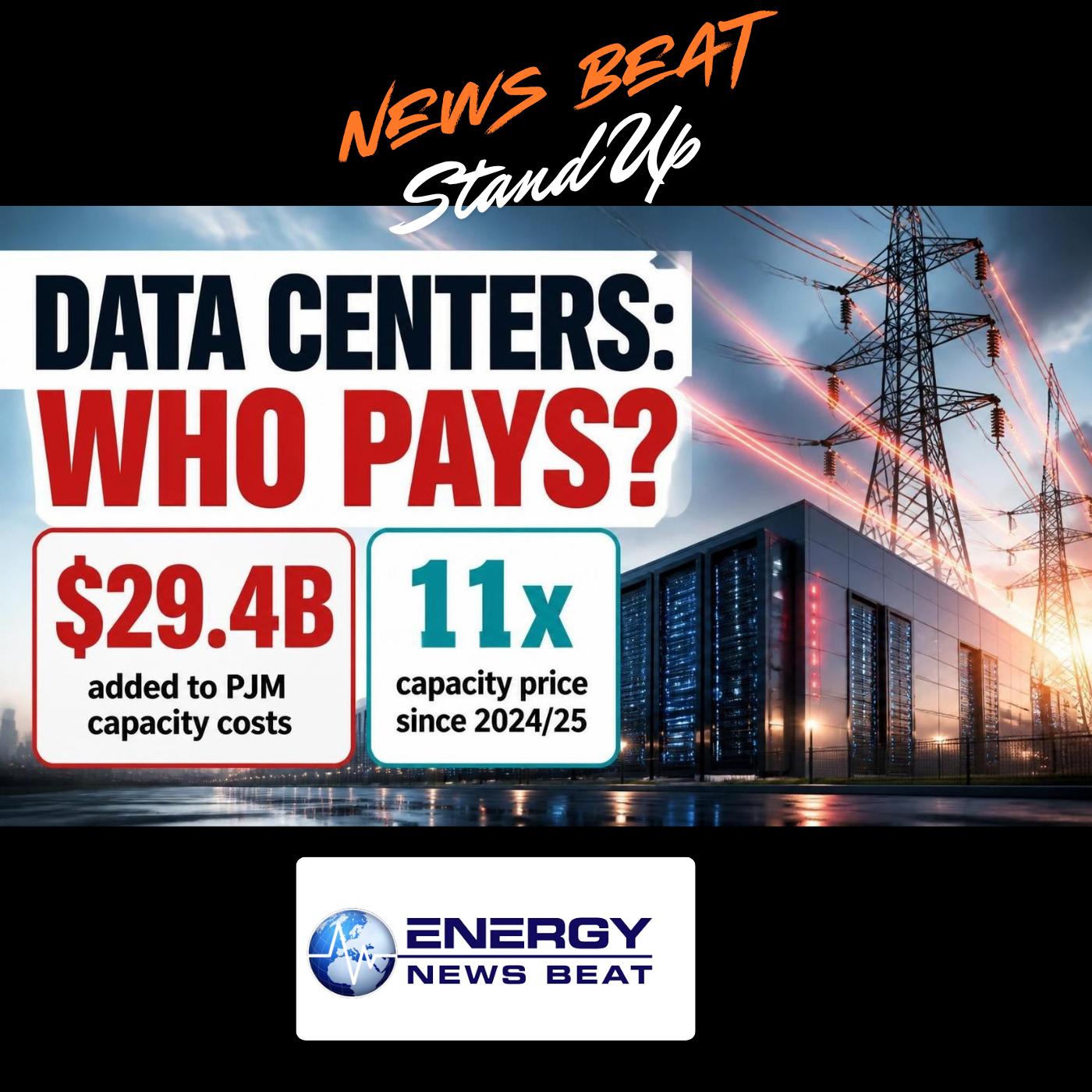
We have 8 huge stories, and David Blackmon, Forbes, Daily Caller, and Substack Author stopped by. Connect with David on his SubStack: https://blackmon.substack.com/1. Data Centers & Infrastructure DevelopmentWest Texas Data Center Project: A Forbes story about a responsible data center development near Fort Stockton that addresses activist concerns through sustainable practices (minimal water usage, closed-circuit cooling, local hiring, onsite housing)Data Centers Moving to Unincorporated Areas: Developers are shifting massive data centers to rural, unincorporated areas to avoid citizen decision impacts and regulatory hurdlesGrid Interconnection Challenges: Texas ERCOT is grappling with 410 gigawatts of large load interconnection requests, 87% from data centers2. Oil & Gas Production & Federal LandsNew Mexico's Dominance: Lea and Eddy counties account for 78% of onshore federal oil production, representing 14% of total U.S. onshore productionFederal Lands Significance: 29% of total U.S. production comes from federal lands and the Gulf of MexicoTrump Administration's Role: Companies stockpiled federal leases during the first Trump administration, allowing continued drilling during Biden's lease sale moratorium3. Strategic Petroleum Reserve (SPR) DrawdownThe SPR is being drained at record pace and approaching "deadpool" (critical minimum levels)Current levels around 365-378 million barrels, with projections to hit deadpool by AugustCalifornia facing severe refined product shortages (jet fuel, diesel)4. Renewable Energy & Climate Policy CostsClimate Lawfare: Democratic state attorneys general sued the Trump administration over ending offshore wind projectsFinancial Impact: $2 trillion spent on net zero pathways, including $690 billion on renewables, with only 3% energy gainsComparison: $10 trillion could build 267 nuclear reactors instead of wind/solarCalifornia's CARB Program: Gavin Newsom expanded emissions regulations despite energy challenges5. Refinery Operations & SafetyU.S. crude refiners pushing runs to maximum levels, creating safety concernsSkipping periodic maintenance to meet demand increases risk of incidentsValero stock performance highlighted as investment opportunity6. Geopolitical Tensions & Energy SecurityIran Strikes: Iran's Revolutionary Guard striking targets in the Gulf, including Kuwait's airportLNG Tanker Concerns: Multiple LNG tankers going dark (transponders off) in the Persian Gulf, raising security concernsRisk of Escalation: Potential for major price spikes if geopolitical tensions worsen7. Maritime & Shipping PolicyDiscussion of the Jones Act and its impact on shipping efficiencyUpcoming interview with maritime expert Dr. Beatrice Canamara about alternative solutions$5 billion Texas shipyard upgrade for Coast Guard Icebreakers8. Agricultural Land & Environmental ConcernsDebate over data center development on farmland vs. renewable energy installationsWind and solar farms permanently damage agricultural land through chemical leaching and deep foundations$89 billion land reclamation fee coming due for renewable installationsThe podcast presents a comprehensive energy news briefing with emphasis on the intersection of energy policy, geopolitics, environmental concerns, and economic impacts.We had 8 big stories today: 1.West Texas Data Center Project Addresses Activist Concerns Head-On2.Unprecedented Dominance: Two NM Counties Account For 78% of Onshore Federal Oil Production3.Data Centers Are Moving to Unincorporated Areas to Avoid Citizen Decision Impacts – Energy News Beat Exclusive Analysis4.State Attorneys General Sue Trump Administration Over Payment Ending Offshore Wind ProjectsHow Much Has Climate Lawfare Cost US Consumers?5.SPR Draw Down at Critical Levels and May Surpass the Biden Abuse6.US Crude Refiners Are Pushing Run Rates to Maximum Levels: Safety Concerns, Maintenance Trade-offs, Export Boom, and Investor Implications7.Iranian Strikes in the Gulf Raise Stakes for Gulf States8.Vitol Says Europe and US Aren’t Facing Up to Oil Supply Crunch: How Will This Rubber Band Snap Impact Consumers and Investors?Thank you, Todd, for your great industry leadership.We have some great interviews lined up next week.Check out the Energy News Beat SubStack https://theenergynewsbeat.substack.com/A shout-out to Steve Reese and the Reese Energy Consulting group for sponsoring the Podcast https://reeseenergyconsulting.com/.Data2 if you have any business systems, can you trust A? Well, they have the patent on validation. . https://data2.zoholandingpage.com/energyAnd we have WellDatabase rolling in as a new sponsor. https://welldatabase.com/

May 30, 202645 min

Nuclear Renaissance: Powering AI Without the Ideology

Todd Royal, Author, BP Capital Advisors, stops by the Energy News Beat PodcastTodd Royal is an author, a true Nuclear expert, and a great friend of the Energy News Beat Podcast. I had an absolute blast visiting with Todd, and we covered a lot of great topics. Being in the rapital raising business for nuclear is an outstanding part of our Energy Dominance requirements. We need modular nuclear, mines, and critical minerals.Todd is an outstanding energy resource and industry leader. I recommend connecting with him https://www.linkedin.com/in/172466/1. Nuclear Power as the Solution to Energy DemandThe hosts emphasize nuclear energy as the most viable solution to meet growing electricity demands, particularly for AI data centers. They highlight nuclear’s exceptional capacity factor (95%+), reliability, and ability to run continuously—far superior to renewables. The discussion includes the reopening of Three Mile Island and the potential to restart 20 of the 94 U.S. reactors.2. AI Data Centers and Power RequirementsA significant focus on the massive electricity demands of AI data centers and the challenges they create. The conversation explores the tension between needing this infrastructure and concerns about farmland usage, grid strain, and rising electricity costs. They discuss potential solutions like revenue-sharing models similar to oil royalties.3. Climate Policy and “Climate Orthodoxy”The speakers critique what they call “climate orthodoxy”—the ideological push for renewables and net-zero policies that they argue have harmed economies. They discuss how Democratic-led states have higher electricity costs (38% higher) and how climate policies have destroyed economies in Europe, California, and other regions.4. Renewables vs. Nuclear EconomicsA detailed comparison of levelized costs of electricity (LCOE) and total cost of electricity, arguing that renewables require expensive backup systems and storage. They propose that $10 trillion spent on wind and solar could have built 2,000 nuclear reactors instead, providing clean, reliable baseload power.5. Energy Security and GeopoliticsDiscussion of global energy security, including LNG exports, the Strait of Hormuz, and Europe’s energy crisis. They argue that energy dominance and security should start at home through reliable domestic power generation.6. Regulatory and Political BarriersThe hosts contend that the real obstacles to nuclear expansion aren’t technical or financial, but political—including the NRC’s historical anti-nuclear stance, environmental regulations, and permitting delays that make projects expensive and slow.7. Climate Science SkepticismThey challenge mainstream climate narratives, citing scientists like Roger Pielke Jr. and Judith Curry, and reference the UN’s recent acknowledgment that climate change may not be as catastrophic as previously claimed. They discuss data manipulation allegations and the RCP 8.5 climate model controversy.8. Economic Impact of Energy PolicyThe conversation ties energy costs to broader economic issues like inflation, housing shortages, and manufacturing costs. They argue that cheap, abundant nuclear power could reduce inflation and boost economic growth.9. Data Center Backlash and OppositionDiscussion of organized opposition to data centers funded by billionaires and NGOs, which has halted $152 billion in economic activity. They explore the need for better communication and compromise between tech companies and local communities.10. Policy SolutionsRecommendations include passing the SAVE Act, implementing revenue-sharing agreements for data centers, building power plants dedicated to data centers, and reforming carbon markets and subsidies.The podcast presents a pro-nuclear, skeptical-of-renewables perspective on energy policy and its economic implications.Thank you, Todd, for your great industry leadership.We have some great interviews lined up next week.Check out the Energy News Beat SubStack https://theenergynewsbeat.substack.com/A shout-out to Steve Reese and the Reese Energy Consulting group for sponsoring the Podcast https://reeseenergyconsulting.com/.Data2 if you have any business systems, can you trust A? Well, they have the patent on validation. . https://data2.zoholandingpage.com/energyAnd we have WellDatabase rolling in as a new sponsor. https://welldatabase.com/

May 29, 202623 min

Iran Peace Deal and no signatures - 10 Huge Energy Stories on the Energy News Beat Stand Up

We cover 10 big stories on the Energy News Beat Stand Up - The deal has no signatures, and we are running low on oil, gas, and diesel inventory levels within weeks. 1. Iran Nuclear Deal & Middle East TensionsThe podcast opens with discussion of a pending Iran peace deal involving a 60-day memorandum of understanding (MOU) to extend a ceasefire and restart negotiations on Iran's nuclear program. Key concerns include whether Iran can be trusted, control of the Strait of Hormuz, and conflicting narratives between Iran and the Trump administration about shipping restrictions.2. Oil Market Dynamics & PricingWTI crude at $89 and Brent at $94.82Analysis of why oil prices dropped despite the unsigned Iran dealDiscussion of inventory levels running critically low, with predictions that prices could spike to $150-160 for Brent and $110 for WTI once inventories hit bottomThe role of Strategic Petroleum Reserve (SPR) releases in mitigating price increases3. Strait of Hormuz Shipping & Tanker TrafficCoverage of commercial shipping through the critical chokepoint, including VLCC (Very Large Crude Carriers) and LNG tankers heading to China and India, with concerns that only 2 tankers passing through versus the normal 20 per day signals serious disruption.4. China's Oil Market Re-entryDiscussion of China drawing down its strategic reserves and the potential shock when China returns to buying oil again—potentially driving prices significantly higher due to the current 9 million barrels per day supply deficit.5. Germany's Energy CrisisGermany's power prices surged over 30% due to high demand and low wind speeds, highlighting the vulnerabilities of renewable energy dependence. The podcast criticizes the unreliability of wind and solar and questions Germany's ability to meet its 80% renewables target by 2030.6. Russia-Kazakhstan Nuclear DealRussia and Kazakhstan signed agreements for Russia to finance and build Kazakhstan's first nuclear power plant, with Russia providing 85% of project financing—presented as a model for energy security and dominance.7. U.S. Strategic Oil Reserve Exports to CaliforniaFor the first time, crude oil from the U.S. Strategic Petroleum Reserve is being shipped to California (460,000 barrels to Chevron's Richmond refinery), enabled by President Trump's 60-day Jones Act waiver.8. Aluminum Market Supply CrisisCritical supply shortages in aluminum with inventories at dangerous levels, affecting manufacturing and presenting investment opportunities. Key companies mentioned: Alcoa, Century Aluminum, Kaiser Aluminum, and Rio Tinto.9. Europe's Natural Gas CrisisEurope's gas storage sits 55 points below required levels for winter, with reliance on Qatar and other LNG suppliers facing their own production challenges. This threatens European manufacturing and industrial competitiveness.10. Russia's Oil Exports to IndiaRussia is capitalizing on elevated global oil prices by boosting crude flows to India, with Indian imports jumping 70%.Overarching Themes:Energy security and dominance through exportsThe impact of geopolitical tensions on global energy marketsCriticisms of green energy policies and their economic consequencesThe importance of oil and gas investment and infrastructurePolitical messaging about energy policy differences between statesAll stories can be found on https://energynewsbeat.co/1.Iran Peace Deal Pending President Trump Approval – And it was not approved by the IRGC2.Who is Telling The Truth on Control for the Strait of Hormuz?3.Two VLCC Tankers and Two LNG Tankers Pass Through the Strait of Hormuz en Route to China and India4.The Next Energy Shock Could Be China’s Return to the Oil and Gas Market5.Germany’s Power Prices Soar Over 30% on High Demand and Low Wind Speeds6.Russia and Kazakhstan Sign Nuclear Power and Currency Swap Deals as Putin Visits Astana7.Oil from US Emergency Reserves Heads to California for the First Time, Kpler Says8.Aluminum Market Facing Prolonged Supply Outage. What does this mean for consumers and investors?9.Europe’s Gas Crisis Just Repriced 8 Of My 12 Positions – The Merchant’s News10.Russia Boosting Crude Flows as India Imports Jump 70% Since FebCheck out the Energy News Beat SubStack https://theenergynewsbeat.substack.com/A shout-out to Steve Reese and the Reese Energy Consulting group for sponsoring the Podcast https://reeseenergyconsulting.com/.Data2 if you have any business systems, can you trust A? Well, they have the patent on validation. . https://data2.zoholandingpage.com/energyAnd we have WellDatabase rolling in as a new sponsor. https://welldatabase.com/

May 26, 20261 hr 0 min

The Global Oil and Gas Markets - The Commodities Super Cycle and Return to Tangibles

Wasif Latif, Co-Founder, President & Chief Investment Officer, Sarmaya Partners, stopped by the Energy News Beat Podcast again. This time, we covered the current events on the Strait of Hormuz and the impact of the Iranian war. It does not look like they will be going away quietly into the night and will want to cause damage to the global markets, as they were caught mining the Strait this weekend. We highly recommend following Wasif on his LinkedIn https://www.linkedin.com/in/wasiflatif/, and check out Sarmaya Partners https://sarmayapartners.com/1. The Return to Tangibles & Commodity Super CycleThe podcast opens with the central theme that the world is returning to tangible assets—commodities, real assets, and energy. Wasif Latif argues this is a multi-year secular trend that began in 2021, driven by inflationary pressures and geopolitical events. He believes we're in the early innings of a commodity super cycle that will last several years.2. Geopolitical Impact on Oil MarketsA major focus is the closure of the Strait of Hormuz and its cascading effects on global oil supply. The hosts discuss how this disruption has taken 10-20% of global oil supply offline, creating supply shocks similar to the 1970s. They explore how this affects different regions differently—the U.S. is relatively insulated (only 2% of oil comes from the Strait), while Asia faces acute challenges.3. Oil Supply & Demand ImbalanceThe podcast emphasizes that global oil demand continues to rise as developing nations grow economically, but investment in new oil exploration and production has stalled. They cite a $1-3 trillion shortfall in exploration spending needed to meet future demand. Oil prices may need to reach $100+ per barrel to justify new investment.4. U.S. Energy Independence & Refining CapacityDiscussion of America's shale revolution and recent developments like the new refinery in Brownsville, Texas (coming 2027) designed to process light sweet crude. The U.S. has increased production from 8 to 13 million barrels per day over a decade, but refining capacity remains a constraint.5. Stagflation Risk (1970s Scenario)The hosts warn of a potential stagflationary environment—where the economy stagnates while inflation remains high. They compare current inflation trends to the 1970s, noting that recent CPI and PPI data show concerning spikes. Unlike the 1970s, gas lines are unlikely due to improved energy efficiency, but widespread price increases across goods are expected.6. Strategic Petroleum Reserve (SPR) ReleasesDiscussion of coordinated global SPR releases as a stopgap measure to dampen oil prices. However, these are temporary solutions that buy time but don't provide permanent protection. The hosts note that countries like Japan, Korea, and India will likely rebuild their SPRs, creating additional future demand.7. Natural Gas as a Bridge Energy SourceNatural gas is positioned as a key transitional energy source, especially for data centers and AI infrastructure seeking low-carbon alternatives. The podcast explores how U.S. natural gas prices could converge with global prices as LNG export capacity expands, similar to how Brent and WTI oil prices have converged.8. Coal's Role in the Global Energy MixWhile Western nations have reduced coal usage, China and India continue heavy reliance on it as part of an "all-of-the-above" energy strategy. Germany's energy policy mistakes (shutting nuclear and coal, relying on Russian gas) are highlighted as a cautionary tale.9. Gold as Inflation Hedge & Currency ProtectionGold is analyzed as a beneficiary of both geopolitical tensions and sovereign debt pressures. The podcast argues that governments facing high debt levels will choose to protect bond markets over currencies, leading to currency depreciation and gold appreciation. Historical comparisons show gold's current bull market is still in early innings.10. The Yen Carry Trade & Financial Stability RiskDiscussion of Japan's bond market challenges and the "widow maker" trade. The hosts warn that if the Bank of Japan raises rates to combat inflation, it could trigger a yen appreciation that unwinds the massive yen carry trade, potentially causing a global equity market selloff.11. Silver's Dual Role: Precious & Industrial MetalSilver is highlighted as both a precious metal and critical industrial commodity for chips, solar panels, and AI infrastructure. Physical demand for silver is outpacing supply, with industrial companies now procuring directly from mining companies, suggesting the physical market will eventually drive prices higher.12. Geopolitical Negotiations & Market ImplicationsThe podcast discusses ongoing negotiations between the U.S., China, and Iran regarding the Strait of Hormuz. President Xi's statement about wanting the strait open without tolls is seen as positive. The hosts note that equity markets are already pricing in a resolution, suggesting the war is "over" from a market perspective.Key Takeaway:The overarching narrative is that we're entering a new era where physical commodities and real assets will outperform financial assets due to geopolitical tensions, supply constraints, inflation, and sovereign debt pressures—a return to the dynamics of the 1970s, but without the gas lines.Check out the Energy News Beat SubStack https://theenergynewsbeat.substack.com/A shout-out to Steve Reese and the Reese Energy Consulting group for sponsoring the Podcast https://reeseenergyconsulting.com/.Data2 if you have any business systems, can you trust A? Well, they have the patent on validation. . https://data2.zoholandingpage.com/energyAnd we have WellDatabase rolling in as a new sponsor. https://welldatabase.com/

Is this your show?

Claim this listing to keep it up to date, reach guests who want to pitch you, and manage bookings with Guestify.

Claim this listing

More Business podcasts