Find partners
Eco Money

Eco Money

Hosted by MONEY FM 89.3

Episodes

91

Latest episode

Mar 2025

Language

EN-US

About the show

Eco Money looks at the performance of ESG funds, listing regulations, global regulations for funds and corporates, as well as loans, bonds etc.

Listen to episodes

60 recent
March 28, 202515 min

Eco Money: Are China's financial and policy reforms enough to push the world's biggest polluter towards dominance in renewables?

At a time when the threat of climate change is prompting countries to reshape their environmental and energy policies, China's commitment through investments, manufacturing prowess and supportive policies is anchoring its leadership in the clean energy sphere. With the shift in stance by the Trump administration towards climate change, China now leads in global investment in clean energy, channelling substantial amounts into projects across solar and wind power, EVs and battery production. Over the last two decades, China has achieved stunning growth in its installed renewable capacity, far outpacing the rest of the world. It currently produces 31% of its electricity from renewable sources including wind, solar, hydroelectricity, and geothermal. While the country is still heavily reliant on coal, estimates predict that by 2026 solar will overtake the fossil fuel as China’s leading energy source.  On this episode of Eco Money, Ivy Yin, Market Specialist for Energy Transition and Carbon at S&P Global shares her insight on whether China's financial and policy reforms are enough to push the world's biggest polluter towards dominance in renewables. Presented by: Audrey SiekProduced by: Yeo Kai Ting (ykaiting@sph.com.sg) See omnystudio.com/listener for privacy information.
March 20, 20259 min

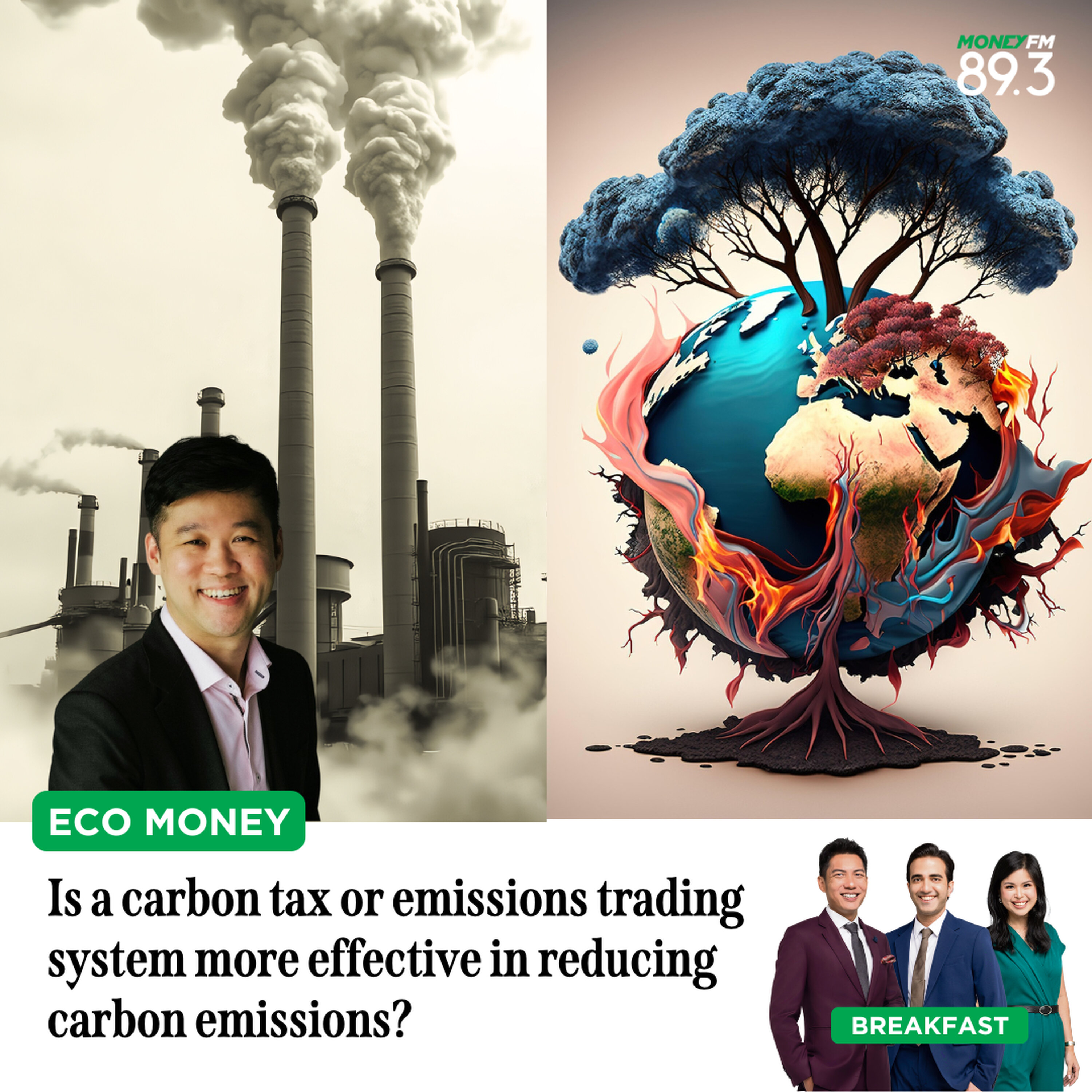
Eco Money: Is a carbon tax or emissions trading system more effective in reducing carbon emissions?

With an emissions trading system, the policy involves setting a total cap or limit on carbon emissions, which makes companies switch to low-emission or renewable energy sources. In contrast, a carbon tax establishes a price directly on carbon emissions so that companies are charged a certain amount for every tonne of emissions produced. While some countries have adopted both an ETS and a carbon tax, other countries have chosen to adopt one policy only. But, the question is - which policy can more effectively reduce carbon emissions? On this episode of Eco Money, Daniel Lee, Associate Professor of Practice at the Nanyang Business School and Director of the Carbon Markets Academy at NTU’s College of Business shares his insights. Presented by: Emaad AkhtarProduced by: Yeo Kai Ting (ykaiting@sph.com.sg) Photo credits: pixabay & its talented community of contributorsSee omnystudio.com/listener for privacy information.
March 14, 202512 min

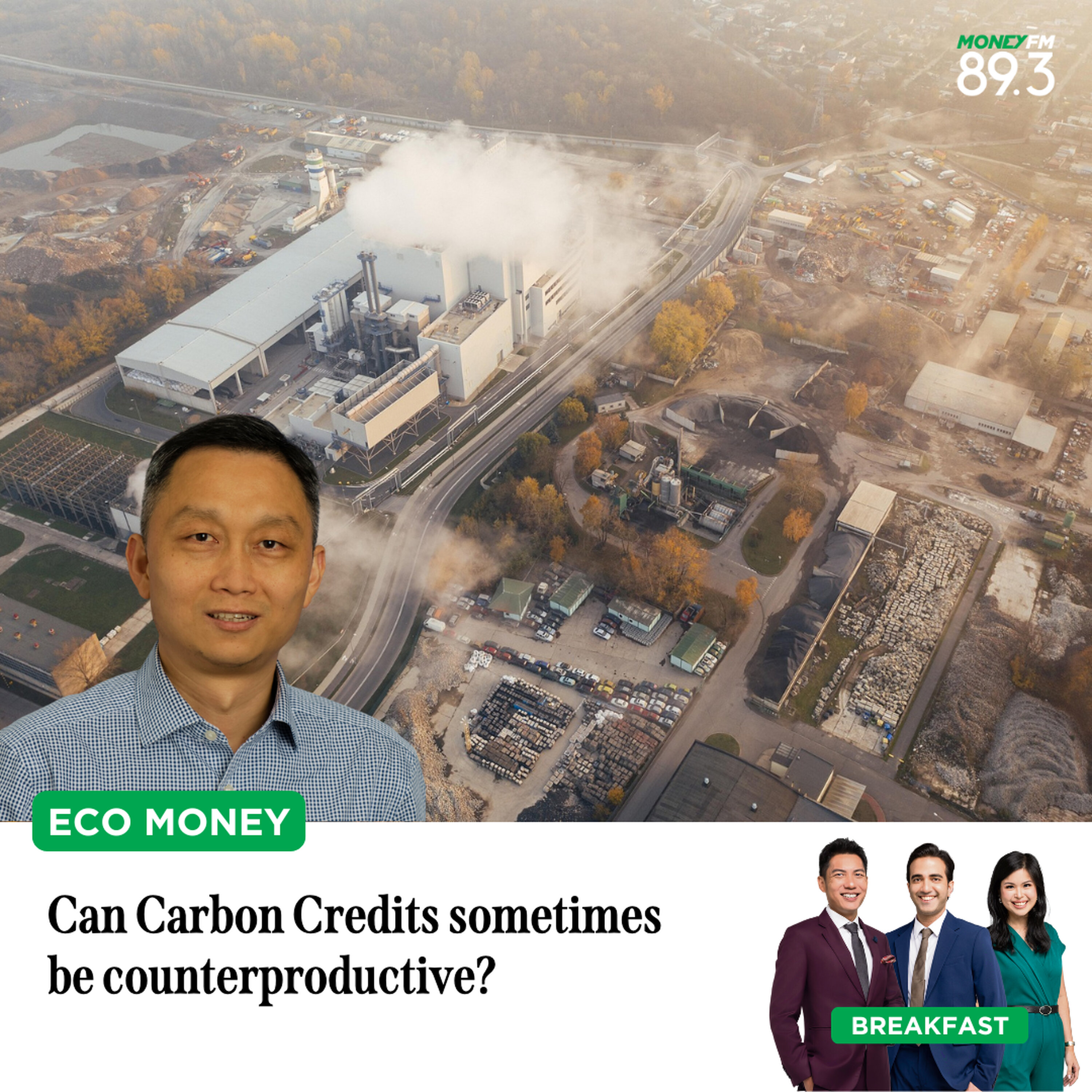
Eco Money: Can Carbon Credits sometimes be counterproductive?

Carbon offsets first took off in the 2000s when the UN launched the Clean Development Mechanism. For those who might not be familiar, carbon credits are intended to reduce, remove, or avoid emissions. But while the intentions are good for our planet, companies working to generate climate benefits through credit purchases often grapple with the differences and uncertainties of credit quality to ensure that those benefits are real.  Beyond differences, bad practice and questionable science in the voluntary carbon markets mean that firms relying on offsetting to hit net zero targets risk greenwashing. So, do carbon offset projects necessarily meet set targets, and can the results be reliably measured?  On this episode of Eco Money, Dr Ruipeng Liu, Senior Lecturer for the Finance Group at Deakin Business School shares his insights. Presented by: Audrey SiekProduced by: Yeo Kai Ting (ykaiting@sph.com.sg) Photo credits: pixabay & its talented community of contributorsSee omnystudio.com/listener for privacy information.
March 7, 202512 min

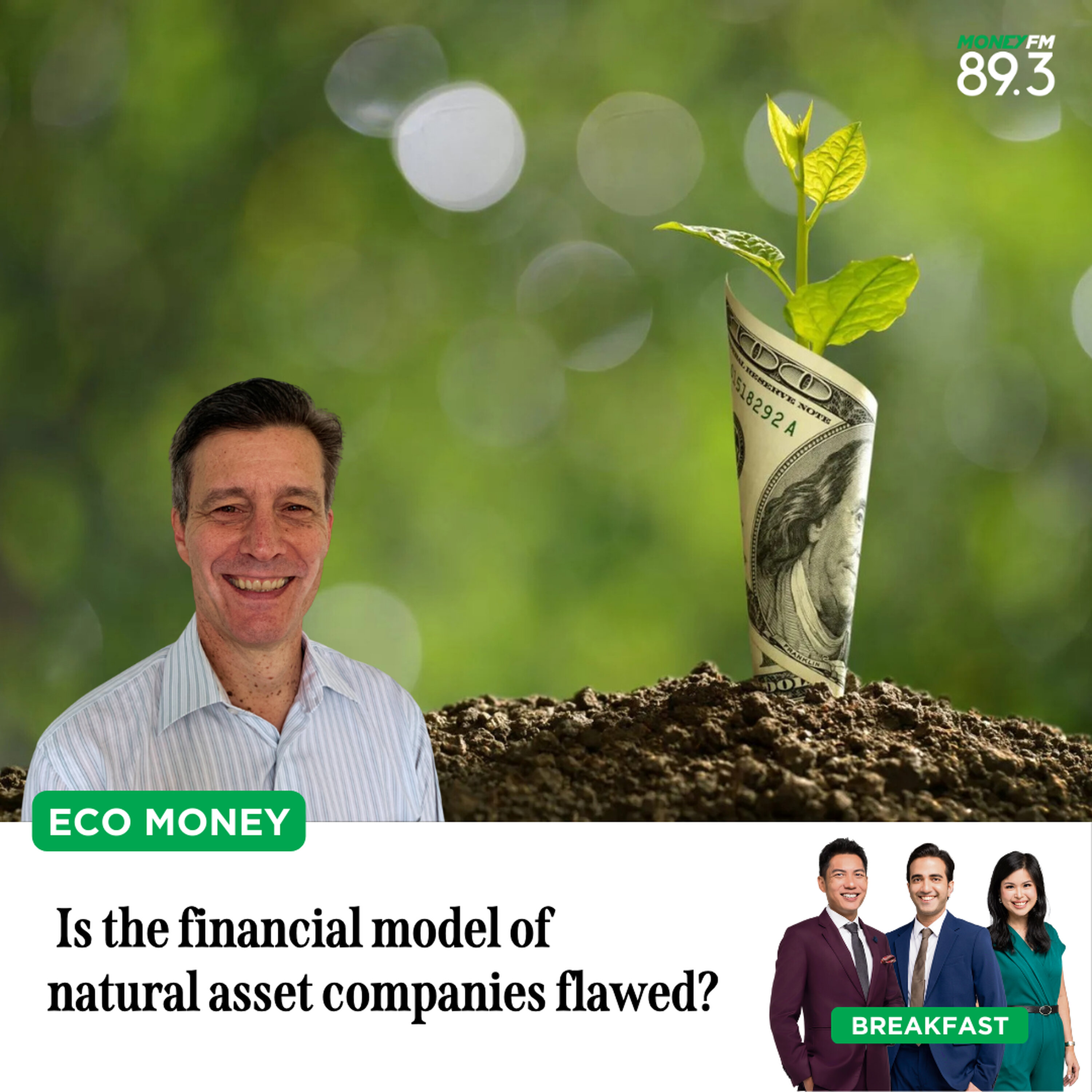
Eco Money: Is the financial model of natural asset companies flawed?

With the effects of climate change permeating through more layers of society, and natural resources growing scarcer - the concept of natural asset companies, a new investment model that ties environmental preservation to economic growth, is catching on. Such companies monetise natural ecosystems, providing investors an avenue to fund initiatives that protect and restore biodiversity, water resources, and carbon sinks while also generating financial returns. But, how much are shares in nature worth, and can they achieve their financial and ecological goals? On this episode of Eco Money, David Simpson, Senior Professorial Lecturer for Environment, Development & Health and Environmental and Resource Economist at the American University shares his insights. Presented by: Emaad AkhtarProduced by: Yeo Kai Ting (ykaiting@sph.com.sg)Photo credits: amenic181 / ShutterstockSee omnystudio.com/listener for privacy information.
February 28, 20258 min

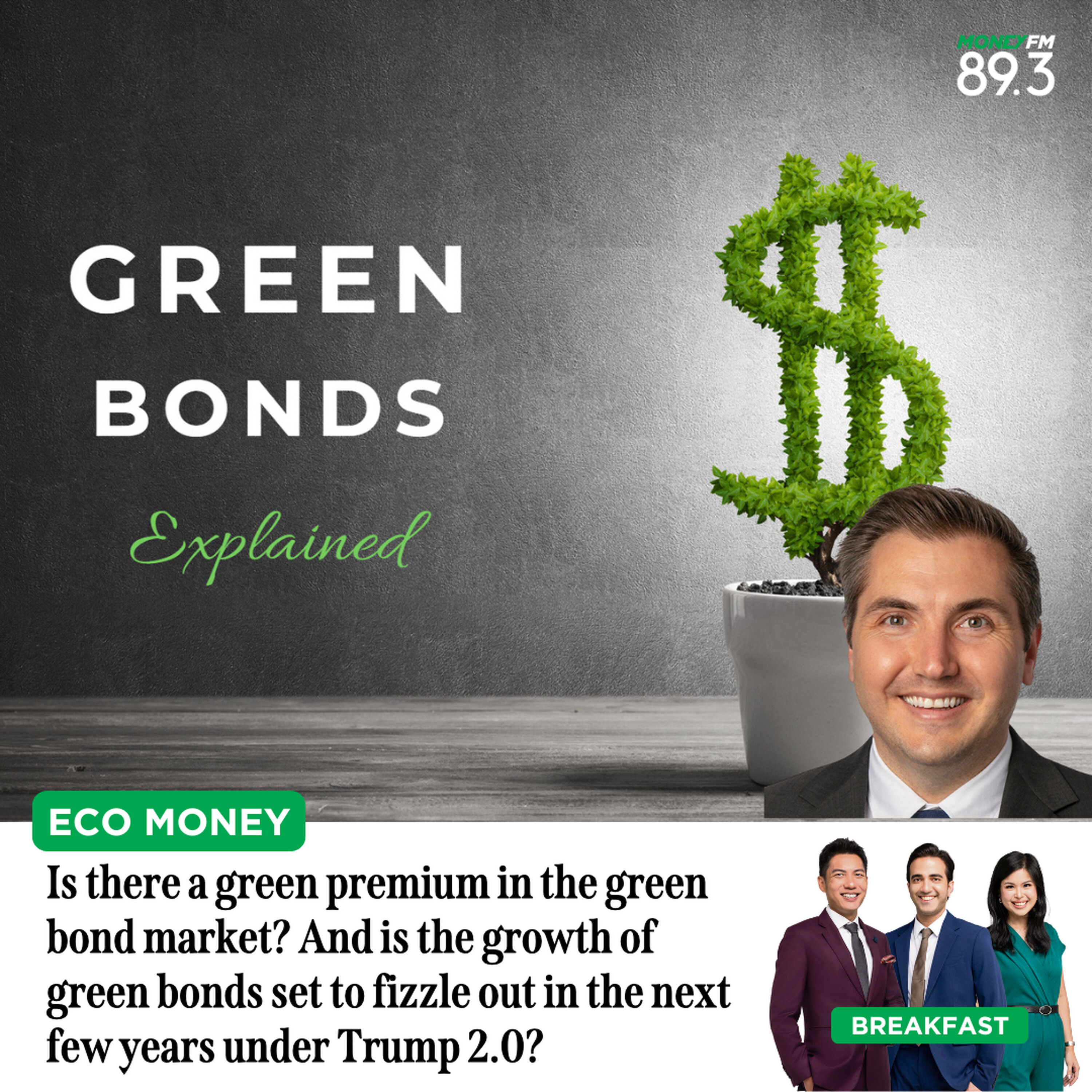
Eco Money: Is there a green premium in the green bond market? And is the growth of green bonds set to fizzle out in the next few years under Trump 2.0?

In recent years, the rise of green bonds has provided a promising financing mechanism in climate change mitigation efforts, and studies investigating this market have revealed the notion of a 'green premium' or 'greenium' within green bond pricing. But, how prevalent is the existence of a green premium in the green bond market and how do ESG factors influence investor behavior and the pricing of green bonds compared to traditional bonds? On this episode of Eco Money, Stefen Macaskill, Research Fellow at the Griffith Business School, and Energy Management Planning Engineer at the Council of the City of Gold Coast, Australia shares his insights.  Presented by: Audrey SiekProduced by: Yeo Kai Ting (ykaiting@sph.com.sg)Photo credits: BondbloXSee omnystudio.com/listener for privacy information.
February 20, 202513 min

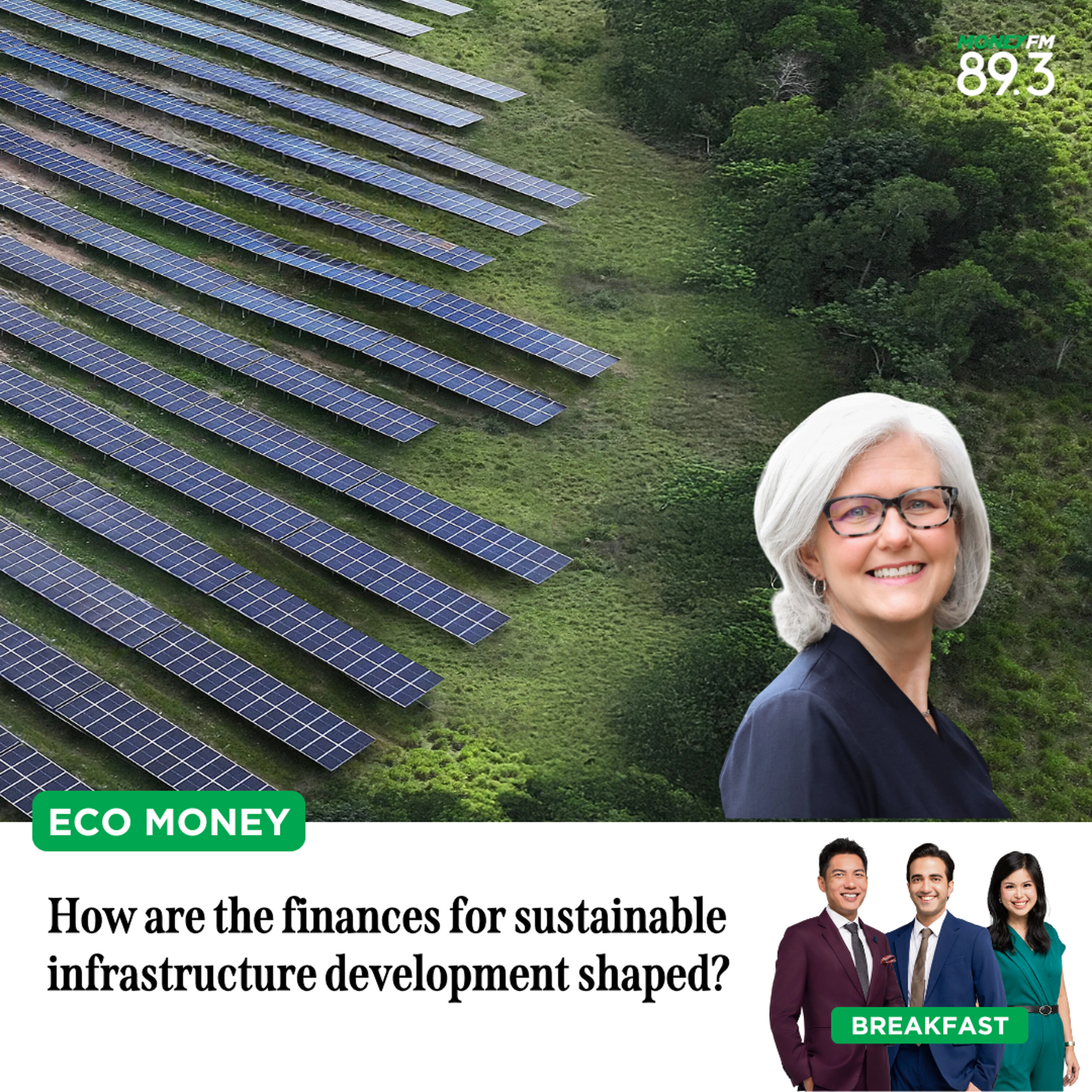
Eco Money: How are the finances for sustainable infrastructure development shaped?

In the journey to go greener, infrastructure can be a powerful tool for fair and sustainable economic growth when done right.  But, with differences across the world when it comes to definitions for sustainable infrastructure, alongside other challenges such as regulatory, political, and exchange rate risks, development of such infrastructure itself is challenging. This can lead to complex project preparation and reporting requirements, making sustainable infrastructure projects harder to finance, especially in emerging markets. On this episode of Eco Money, Lori Kerr, CEO of FinDev Canada - Canada’s bilateral Development Finance Institution, supporting development by providing financing, investment, and blended finance solutions, as well as technical assistance and knowledge, to promote sustainable and inclusive growth in emerging markets and developing economies - shares her insights. Presented by: Emaad AkhtarProduced by: Yeo Kai Ting (ykaiting@sph.com.sg)Photo credits: FinDev CanadaSee omnystudio.com/listener for privacy information.
February 14, 202514 min

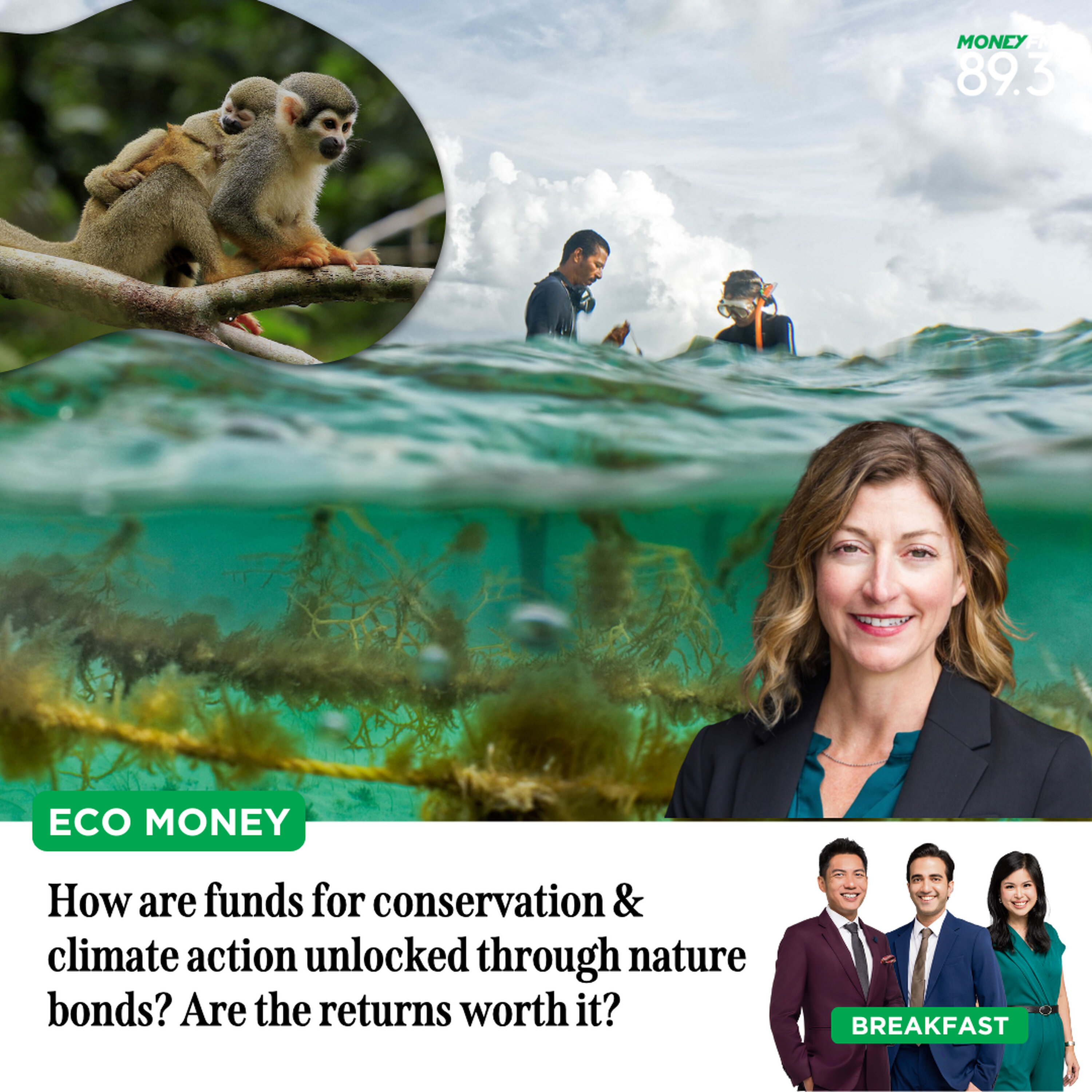
Eco Money: How are funds for conservation & climate action unlocked through nature bonds? Are the returns worth it?

For many countries, debt burdens and lack of access to international capital are enormous hurdles to meeting their ambitious biodiversity and climate goals. With the latest launch of The Nature Conservancy's latest project in Ecuador late last year, the global conservation organisation now has six nature bond projects in implementation, and that’s expected to unlock approximately US$1 billion for conservation. On this episode of Eco Money, Melissa Garvey, Global Director for Nature Bonds at The Nature Conservancy shares her insights on how funds for conservation & climate action unlocked through nature bonds. Presented by: Audrey SiekProduced by: Yeo Kai Ting (ykaiting@sph.com.sg)Photo credits: The Nature ConservancySee omnystudio.com/listener for privacy information.
February 7, 202513 min

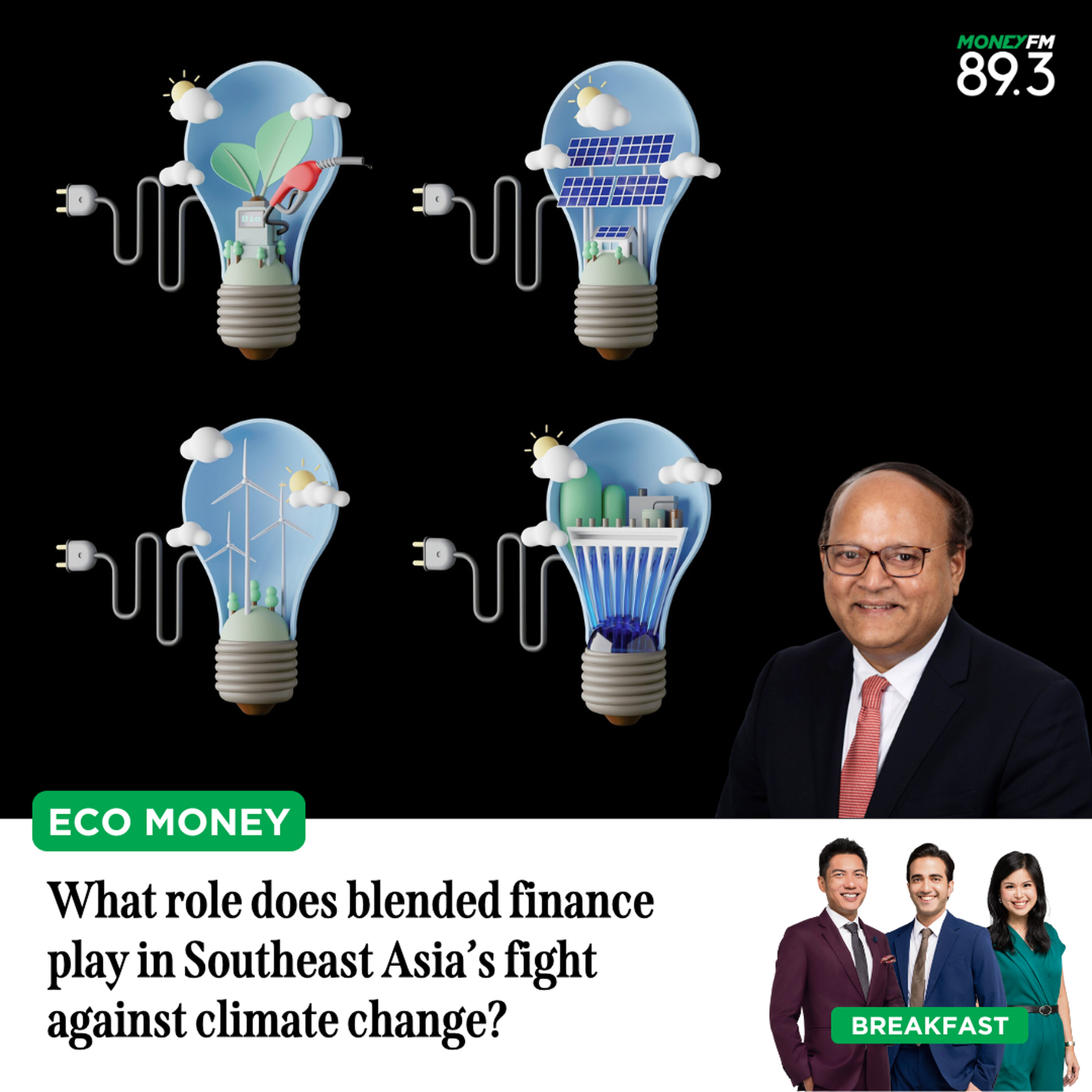
Eco Money: What role does blended finance play in Southeast Asia’s fight against climate change?

The UK government's development finance institution and impact investor, British International Investment (BII) recently launched Sustainable Asia Renewable Assets (SARA), a new renewable energy platform jointly formed alongside Dutch development bank FMO and European investment manager SUSI Partners. SARA is aiming to build a 500-megawatt portfolio of greenfield renewable energy projects across Southeast Asia.  How important are such projects in driving capital to meet climate investment needs, and how can an innovative blended finance model help?  On this episode of Eco Money, Srini Nagarajan, Managing Director & Head of Asia at British International Investment shares his insights. Presented by: Emaad AkhtarProduced by: Yeo Kai Ting (ykaiting@sph.com.sg)Photo credits: pixabay & its talented community of contributorsSee omnystudio.com/listener for privacy information.
January 24, 202510 min

Eco Money: What's stopping businesses from investing in nature? And a deep dive into gaps in Sustainability Reporting.

A recent analysis of 700 companies across 11 industries and 14 Asia-Pacific jurisdictions revealed that while 72% acknowledged issues like water and biodiversity, only 25% considered them material to their business. What’s driving the disconnect and the key gridlocks in finance models? And what are the implications now that the US has withdrawn from the Paris Agreement a second time?  On this episode of Eco Money, Professor Lawrence Loh, Director of the Centre for Governance and Sustainability at the NUS Business School shares his insights. Presented by: Audrey SiekProduced & Edited by: Yeo Kai Ting (ykaiting@sph.com.sg)Assistant Producer: Muhammad Nazirul AsrarSee omnystudio.com/listener for privacy information.

January 17, 20258 min

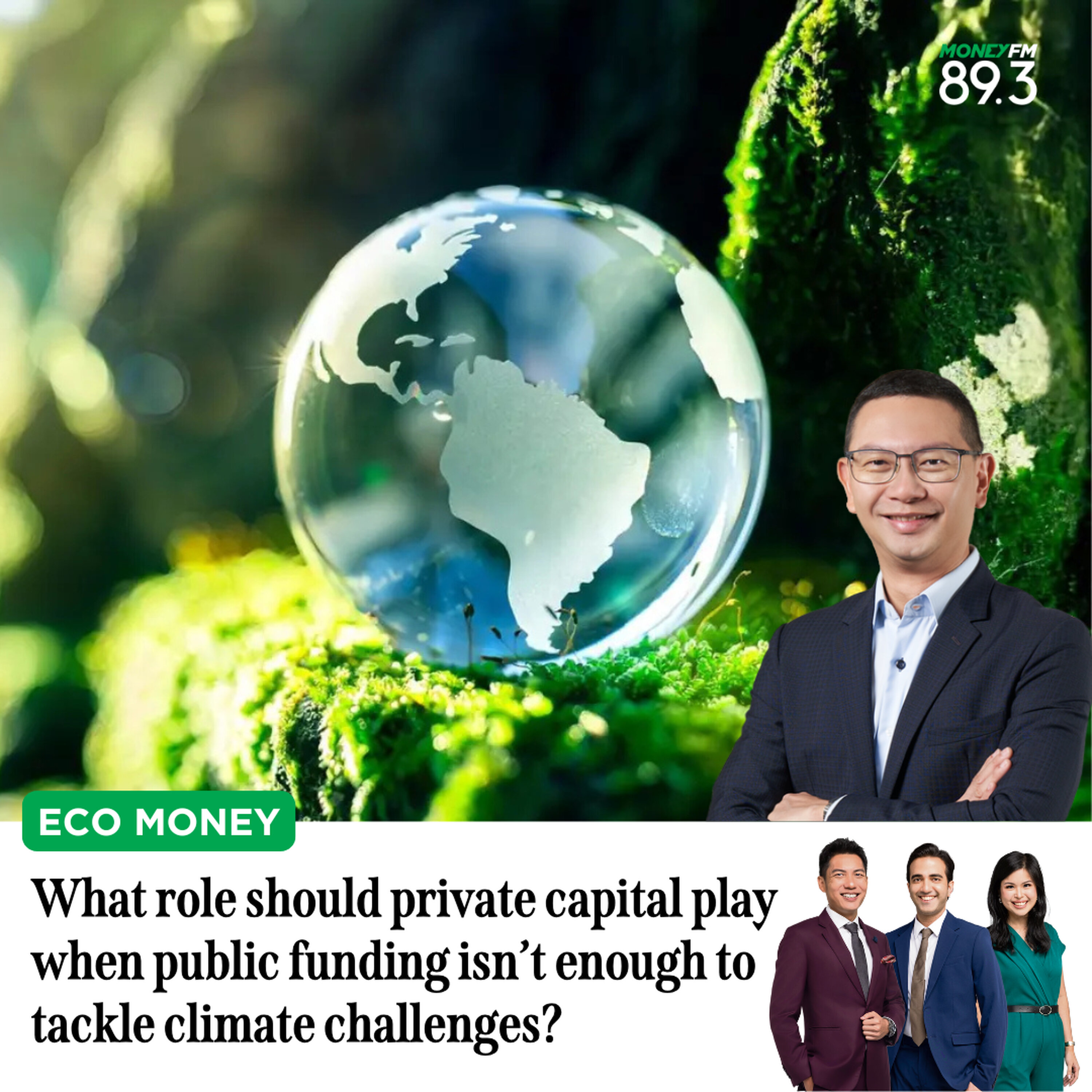
Eco Money: What role should private capital play when public funding isn’t enough to tackle climate challenges?

Identifying financing needs for climate action is not straightforward, especially when it comes to finding equal footing and funding. With government budgets already strained and differences in standards and expectations, as seen with the stalled negotiations at COP29, the private sector is set to play an increasingly larger role in closing the gap. As part of efforts to recognise the importance of private sector engagement in the climate fight, governments worldwide have begun implementing policies and incentives to catalyse private climate finance. But, stimulating private climate finance entails more than just standard courses of action. What role should private capital play when public funding isn’t enough to tackle climate challenges? On this episode of Eco Money, Melvyn Yeo, Founder & Managing Partner of TRIREC - a venture capital firm focused on decarbonisation investments - shares his insights. Presented by: Emaad AkhtarProduced & Edited by: Yeo Kai Ting (ykaiting@sph.com.sg)Assistant Producer: Muhammad Nazirul AsrarPhoto credits: Earth.comSee omnystudio.com/listener for privacy information.

Is this your show?

Claim this listing to keep it up to date, reach guests who want to pitch you, and manage bookings with Guestify.

Claim this listing

More Business podcasts