Find partners
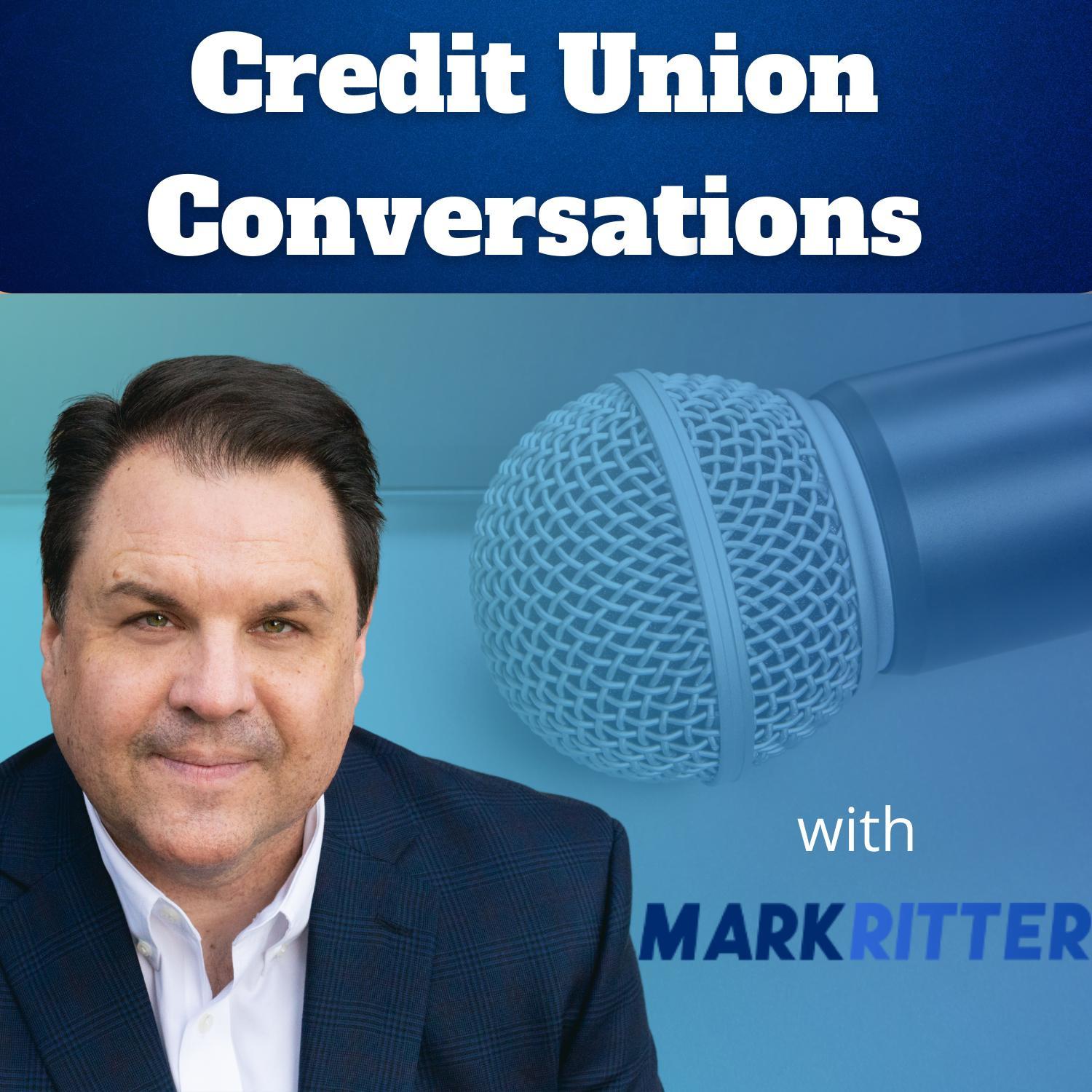
Credit Union Conversations

Credit Union Conversations

Hosted by Mark Ritter

BusinessInvestingCareersInterviews guests

Episodes

142

Latest episode

Oct 2026

Language

EN

About the show

Welcome to Credit Union Conversations podcast with your host, Mark Ritter, a forward-thinking CEO, who excels in helping credit unions, small businesses, and real estate investors succeed. Join Mark as he explores current trends, interview industry experts, and get fresh insights on optimizing your lending operations and delivering the best possible services to credit union members. More about your host: Mark Ritter is the CEO of MBFS & Nu Direction Lending and an expert in credit unions and business lending. His primary role at MBFS is overseeing the strategy of helping credit unions assist members with business needs and consulting with credit unions on planning the delivery of services to their membership. In 2002, Mark started a large central Pennsylvania credit union’s business lending program as “one person and a desk” with no policies, products, staff, systems, or business members. That program grew to be one of the top ten in the nation. In 2012, he took on the challenge of being the CEO of a business lending CUSO. Mark was the fifth CEO in five years for the organization, which lost money every month of its existence. Since joining MBFS, Mark increased the number of credit unions the CUSO and revenue by over 10x and ensured positive cash flow every full year he’s been at the CUSO. More importantly, MBFS has helped countless credit union members gain the financing they need for business and investment needs. Mark is a native of Berwick, PA in northeast Pennsylvania, where he was a member of his high school’s nationally ranked and state championship football team. After high school, Mark hung up his cleats to work for the Penn State Nittany Lions full-time as a student assistant while attending Penn State as an undergrad. During this time Penn State transitioned to the Big Ten and culminated in Penn State’s first Big Ten Championship and a trip to the Rose Bowl. Mark remains an avid Penn State supporter. Today Mark lives in Bucks County, PA outside of Doylestown with his wife and two teenagers.

Listen to episodes

60 recent
October 20, 202630 min

Credit Union Marketing: Stop Playing It Safe with Josh Belhumeur

How can credit unions improve their marketing and attract new members? Start with a clear brand story, explain the value of member ownership, and deliver an experience that matches the promise. Mark Ritter welcomes Josh Belhumeur, CEO and Chief Narrative Strategist at BRINK, to explore why credit union marketing often plays it safe and what it takes to stand out. Josh shares the thinking behind campaigns for Vantage West and First Commonwealth, including the message, “Banks own you, you own us.” They discuss how risk aversion can undermine growth, why advertising should speak to its intended audience, and how credit unions can build recognition before someone needs a loan or checking account. Josh also explains why useful financial content on YouTube and TikTok can help credit unions connect with younger audiences. Plus, learn about The Future of Credit Unions initiative and its effort to help industry leaders envision a more distinctive, member-focused future. What You Will Learn ✅ How to turn member ownership into a compelling credit union brand story. ✅ Why growth goals require leaders to challenge a culture of playing it safe. ✅ How brand building and product advertising serve different audiences. ✅ Why useful content and a consistent member experience strengthen your marketing. Connect with MBFS Looking to grow your credit union’s business lending program? Connect with Mark Ritter and the team at Member Business Financial Services , a credit union-owned business lending CUSO. Visit mbfs.org to start a conversation. Timestamps (00:00) Credit Union Marketing: Stop Playing It Safe (02:03) Meet Josh Belhumeur: From Websites to Narrative Strategy (04:43) This Is Propaganda: Marketing’s Cultural Influence (09:15) Why Credit Union Branding Often Falls Flat (12:47) “Banks Own You, You Own Us”: A Bolder Brand Message (14:12) Does Your Member Experience Match Your Marketing? (16:05) Risk Aversion, Growth, and The Future of Credit Unions (19:01) Defending Bold Creative Through Internal Pushback (23:34) Brand Building, Buying Intent, and Better Content (28:37) Connect with Josh and Explore the Industry Initiative Key Takeaways 🔹 Member ownership needs a meaningful story. Explain what the cooperative model means for members and why it should influence their choice of financial institution. 🔹 Growth requires strategic courage. Josh argues that pressure to grow and reluctance to take risks can work against each other. Clear priorities help leaders support more distinctive marketing. 🔹 The experience must support the promise. Advertising can earn attention, but products, service, and everyday interactions need to reinforce the difference your credit union promotes. 🔹 Build familiarity before members need a product. Balance messaging for people actively shopping with brand building and useful content that helps future members remember you. About the Guest Josh Belhumeur is the CEO and Chief Narrative Strategist at BRINK, a creative studio working across branding, storytelling, film, and communications. His credit union work includes campaigns for Vantage West and First Commonwealth. He co-hosts This Is Propaganda and, in this conversation, discusses his work with Better Organizations by Design on The Future of Credit Unions initiative. LinkedIn: linkedin.com/in/belhumeurj Brink: https://www.brink.com/ RESOURCES MENTIONED: MBFS: https://www.mbfs.org/ Mark Ritter - Website: https://markritter.com/ Mark Ritter - LinkedIn: https://www.linkedin.com/in/markrittermbfs

October 13, 202627 min

How AOD Federal Credit Union Builds Local Lending Relationships

How can a mid-sized credit union grow its lending program while maintaining personal relationships with its members? Tony LaRussa explains how AOD Federal Credit Union combines community involvement, digital banking, and strategic partnerships to expand its lending capabilities without losing its local focus. Tony, Chief Lending Officer at AOD Federal Credit Union, joins Mark Ritter to share his nearly 30-year career journey through collections, consumer lending, mortgages, business lending, and leadership. He explains how beginning his career in collections shaped his approach to risk and helped him recognize potential warning signs before approving a loan. Mark and Tony also discuss AOD’s growth, its new mobile branch serving underserved communities, and the challenge of competing for younger members in a digital-first financial environment. Tony explains how working with MBFS gives AOD access to independent commercial underwriting, documentation, annual reviews, and lending expertise while allowing its internal team to spend more time building relationships and originating quality business loans. What You’ll Learn ✅ How experience in collections can help lenders identify potential risks earlier ✅ Why personal relationships remain essential to community banking and credit union growth ✅ How strategic partnerships help mid-sized credit unions expand their lending capabilities ✅ What credit union leaders can do to build productive relationships with examiners Timestamps (00:00) How AOD Federal Credit Union Builds Local Lending Relationships (01:24) Tony LaRussa’s financial services career journey (02:46) How collections experience shapes better lending decisions (03:52) Community banking versus the credit union environment (06:09) Building long-term relationships with business members (08:17 The history and growth of AOD Federal Credit Union (10:28) The challenges facing mid-sized credit unions (11:53) Digital banking, self-service, and consumer lending (13:04) Reaching younger members in small communities (16:12) Building a successful business lending program (17:06) How AOD uses MBFS to support commercial lending (20:18) Working effectively with regulators and examiners (22:23) Auburn football and SEC predictions (25:58) How to connect with Tony and AOD Federal Credit Union Key Takeaways 🔹 Beginning a lending career in collections provides valuable insight into loan deterioration, borrower behaviour, and potential warning signs. 🔹 Community financial institutions build loyalty by treating borrowers as neighbours and maintaining personal relationships throughout every stage of their financial journey. 🔹 Outsourcing specialized services such as commercial underwriting, documentation, and annual reviews can help mid-sized credit unions grow without adding significant internal resources. 🔹 Credit unions can build stronger relationships with examiners by responding promptly, demonstrating a clear understanding of their responsibilities, and addressing concerns professionally. About Tony LaRussa Tony LaRussa is the Chief Lending Officer at AOD Federal Credit Union. With nearly 30 years of financial services experience, Tony has worked in collections, consumer lending, mortgage lending, branch management, and business lending. He joined AOD to establish its business lending department and now oversees the credit union’s complete lending operation. LinkedIn RESOURCES MENTIONED: MBFS: https://www.mbfs.org/ Mark Ritter - Website: https://markritter.com/ Mark Ritter - LinkedIn: https://www.linkedin.com/in/markrittermbfs

October 6, 202626 min

Credit Union Business Lending Trends, NCUA Concerns and Vendor Risk

What do the latest business lending trends reveal about the health of the credit union industry? Business loan volume and deposits are growing, but rising delinquencies, regulatory uncertainty, and third-party vendor risk demand closer attention from credit union leaders. In this solo episode of Credit Union Conversations , Mark Ritter shares his perspective on the current state of credit union business lending. He examines the growth in commercial loan volume, larger average loan sizes, increased participation activity, and the rise in business deposits. Mark also discusses why credit unions should prepare for higher delinquencies without panicking, how incoming leaders can introduce change while respecting an organization’s history, and why collaboration remains essential to the credit union movement. He closes with his thoughts on NCUA leadership, vendor oversight, cybersecurity, and the long-term impact of the TruStage cyber incident. What You’ll Learn ✅ Why credit union business lending volume has increased significantly year over year ✅ What rising commercial loan delinquencies and charge-offs mean for lenders ✅ How new leaders can introduce change without abandoning credit union values ✅ Why third-party vendor oversight and cybersecurity standards may face greater scrutiny Timestamps (00:00) Credit Union Business Lending Trends, NCUA Concerns and Vendor Risk (01:05) How MBFS supports credit union business lending (03:38) Credit union business lending growth and larger loan sizes (05:51) Participation loans, portfolio diversification, and demand (06:25) Rising commercial loan delinquencies and charge-offs (08:17) The growth of business deposit relationships (09:28) Leadership lessons from college football (12:00) Balancing organizational change with institutional history (15:49) Why credit union collaboration is declining (17:18) NCUA leadership and the need for a three-person board (19:45) Vendor due diligence and cybersecurity concerns (21:44) Mark’s response to the TruStage cyber incident (24:14) Regulatory consequences and industry accountability Key Takeaways 🔹 Credit unions funded nearly $24 billion in business loans during the first half of the year, representing an increase of almost 18% year over year. 🔹 Commercial loan delinquencies are rising across the industry, but challenges within a normal business cycle should be managed through preparation and strong portfolio oversight, not panic. 🔹 Leadership changes and mergers are more successful when new ideas are balanced with respect for an organization’s history, people, and cooperative values. 🔹 The TruStage cyber incident could lead to lasting changes in third-party vendor oversight, cybersecurity expectations, and regulatory requirements for credit unions. RESOURCES MENTIONED: MBFS: https://www.mbfs.org/ Mark Ritter - Website: https://markritter.com/ Mark Ritter - LinkedIn: https://www.linkedin.com/in/markrittermbfs

September 15, 202639 min

Is This Episode With Kirk Drake Real or AI? How Artificial Intelligence Is Transforming Credit Unions

Is this episode with Kirk Drake real or AI-generated? It is real, but the conversation reveals how quickly artificial intelligence is transforming credit unions, CUSOs, fintech partnerships, business lending, and the future of work. Kirk Drake, founder and CEO of CU 2.0, joins Credit Union Conversations host and MBFS CEO Mark Ritter to discuss how credit unions can move beyond experimenting with ChatGPT, Microsoft Copilot, Claude, and other AI tools to become truly AI-first organizations. Kirk explains why artificial intelligence has advanced faster than expected, while many organizations have been slower to rethink their workflows and business models. He shares practical examples of how credit unions are using AI to analyze data, automate subpoena requests, monitor obituaries, improve internal processes, strengthen cybersecurity, and complete projects that once required months of work in only days or weeks. Mark and Kirk also discuss how credit unions can identify credible AI partners, why financial services experience still matters, and how AI could change jobs without eliminating the need for people. Rather than replacing entire teams, AI can help employees become more productive, develop specialized expertise, and pursue opportunities that were previously too expensive or time-consuming. WHAT YOU WILL LEARN IN THIS EPISODE: ✅ How credit unions can move from experimenting with AI to becoming AI-first organizations ✅ Which credit union workflows can be improved through AI agents and automation ✅ How to evaluate AI consultants, vendors, and fintech partners ✅ Why experienced employees and subject matter experts will remain valuable in an AI-driven workplace ✅ How AI could reshape credit union jobs, productivity, member service, and business growth Subscribe to Credit Union Conversations for insights on credit union leadership, AI, fintech, and business lending. Connect with MBFS to explore lending support and growth solutions. TIMESTAMPS: (00:00) Mark introduces Kirk Drake of CU 2.0 (01:06) Kirk’s journey from credit union technology to AI entrepreneurship (03:44) How to evaluate fintech ideas and credit union business opportunities (07:24) Why solving a problem for 20 credit unions can create a viable business (08:27) How quickly artificial intelligence has evolved since ChatGPT launched (11:04) How Microsoft Copilot and AI tools are changing Mark’s daily work (13:07) How CU 2.0 is helping MBFS and credit unions become AI-first (17:22) Real-world credit union AI applications and workflow automation (20:15) How credit unions can evaluate AI vendors and consultants (24:03) Why strong AI partners experiment, build, test, and understand financial services (27:53) Separating useful artificial intelligence from AI slop and fearmongering (29:43) How AI could transform jobs without eliminating the workforce (34:38) Why small time savings can create significant long-term economic value (36:02) How demographics, automation, and robotics could shape the future of work (38:06) How to connect with Kirk Drake and CU 2.0 KEY TAKEAWAYS: 💎 Becoming AI-first requires more than giving employees access to ChatGPT or Copilot. Leadership teams must learn how to ask better questions, rethink workflows, and apply AI across the organization. 💎 Artificial intelligence can automate repetitive credit union tasks, including document collection, data analysis, compliance research, workflow monitoring, and internal reporting. 💎 The best AI partners understand credit unions, financial services technology, regulatory examinations, data security, and the operational realities behind lending and member service. 💎 AI is more likely to change jobs than eliminate work entirely. Employees can use it to become more productive, develop deeper expertise, enter new markets, and solve problems that were previously too expensive or time-consuming. ABOUT THE GUEST: Kirk Drake is the founder and CEO of CU 2.0, a consultancy helping credit unions, CUSOs, and fintech companies navigate artificial intelligence, digital transformation, and technology partnerships. With nearly 30 years of experience in credit unions and financial technology, Kirk has founded multiple credit union-focused businesses and helped launch more than 150 fintech companies. He is also the author of Credit Union 2.0: A Guide for Credit Unions Competing in the Digital Age and FinAncIal: Helping Financial Services Executives Prepare for an Artificial World. Kirk Drake - LinkedIn: https://www.linkedin.com/in/kirkdrakeiii CU 2.0: https://cu-2.com/ RESOURCES MENTIONED: MBFS: https://www.mbfs.org/ Mark Ritter - Website: https://markritter.com/ Mark Ritter - LinkedIn: https://www.linkedin.com/in/markrittermbfs Credit Union Conversations, Mark Ritter, Kirk Drake, CU 2.0, MBFS, artificial intelligence, AI for credit unions, credit union AI, credit union technology, AI workflow automation, AI agents, credit union digital transformation, ChatGPT for credit unions, Microsoft Copilot, Claude AI, fintech partnerships, CUSO technology, credit union innovation, financial services AI, AI governance, credit union cybersecurity, credit union efficiency, credit union leadership, future of work, AI productivity, credit union fintech

September 8, 202624 min

State of the Consumer: Loan Payment Protection With Alexia Johnson

Why do 77% of borrowers say loan payment protection provides meaningful financial security, while only 22% have purchased it? According to Alexia Johnson of Securian Financial, the biggest barrier is not a lack of need. It is a lack of trust, understanding, and relevant education during the lending process. Alexia joins Credit Union Conversations host and MBFS CEO Mark Ritter to discuss Securian Financial’s 2026 lending environment study and what it reveals about consumer finances and borrower financial wellness. As rising costs push consumers from trying to get ahead to simply staying afloat, payment protection can help cover loan payments or balances following an unexpected job loss, disability, or death. Yet many borrowers remain skeptical and view protection products as an added sales tactic or junk fee. Mark and Alexia explain how credit unions can close the borrower trust gap by introducing loan payment protection earlier, sharing real-life examples, asking better questions, and tailoring the conversation to each member’s stage of life. They also explore why digital lending still needs a human touch and how financial education can strengthen member relationships while helping borrowers prepare for the unexpected. WHAT YOU WILL LEARN IN THIS EPISODE: ✅ What loan payment protection is and how it can help following job loss, disability, or death ✅ Why borrowers recognize the value of payment protection but often choose not to purchase it ✅ How credit unions can build borrower trust through education, transparency, and real-life examples ✅ How to introduce payment protection earlier without making it feel like an added fee ✅ Why digital lending experiences still need personalized conversations and human support Subscribe to Credit Union Conversations for insights on credit union leadership, AI, fintech, and business lending. Connect with MBFS to explore lending support and growth solutions. TIMESTAMPS: (00:00) Mark introduces Alexia Johnson of Securian Financial (02:32) Alexia’s financial services background and work with credit union partners (03:10) How Securian Financial supports families, consumers, and financial institutions (04:16) What loan payment protection is and how Securian’s lending study works (06:54) Why borrowers have shifted from getting ahead to staying afloat (08:58) The gap between payment protection’s perceived value and actual adoption (10:24) Why skepticism and distrust keep borrowers from purchasing protection (13:15) How real-life examples can make payment protection relevant to members (16:04) Why payment protection should be discussed earlier in the lending process (18:14) Preserving education and human connection in digital lending (19:46) Tailoring payment protection conversations across generations and life stages (20:40) How credit unions can increase trust, education, and product participation KEY TAKEAWAYS: 💎 Borrowers are financially vulnerable. Half of borrowers with active loans could continue making payments for only three months or less after losing their income. 💎 The payment protection gap is rooted in trust. Many borrowers value the product but question whether it truly benefits them or simply generates revenue for the lender. 💎 Credit unions should introduce payment protection early, explain it clearly, and connect it to realistic situations rather than treating it as a final yes-or-no checkbox. 💎 A hybrid approach works best. Credit unions should provide digital resources for independent research and knowledgeable employees who can answer personal questions. ABOUT THE GUEST: Alexia Johnson is the Partner Development Leader for Affinity Solutions-U.S. at Securian Financial, supporting the company’s credit union partners and accounts. She has more than 20 years of financial services experience, including 14 years with Securian Financial. Her leadership experience spans account management, marketing, operations, client partnerships, and customer success. Alexia’s work focuses on building strong relationships and helping individuals and organizations succeed. Alexia Johnson – LinkedIn: https://www.linkedin.com/in/alexia-johnson-22555b11 Securian Financial: https://www.securian.com/ RESOURCES MENTIONED: Mark Ritter – Website: https://markritter.com/ Mark Ritter – LinkedIn: https://www.linkedin.com/in/markrittermbfs Credit Union Conversations, Mark Ritter, Alexia Johnson, Securian Financial, MBFS, state of the consumer, consumer financial wellness, loan payment protection, debt protection, credit insurance, borrower trust, borrower financial wellness, credit union member education, credit union lending, consumer lending, loan protection products, income disruption, job loss protection, disability protection, digital lending, member experience, financial security, financial preparedness, credit union leadership, borrower education, lending strategy

September 1, 202628 min

Checking In With Al Gregory: AI and the Future of Credit Union Lending

How can credit unions use AI and digital lending tools without losing the human relationships that set them apart? Al Gregory, Chief Lending Officer at Securityplus Federal Credit Union, joins Mark Ritter to explain why technology should support, not replace, experienced judgment in commercial lending. Al shares his path from bank teller to CUSO CEO and credit union lending executive, along with the lessons that shaped his approach to member business lending, credit administration, and strategic partnerships. Mark and Al discuss how a mid-sized credit union can compete in a major market through community investment, local relationships, and service that creates measurable value for members. They also explore AI in loan underwriting, the future of office commercial real estate, changing borrower expectations, and the responsibility credit union leaders carry when lending members' money. What You Will Learn in This Episode: ✅How Al Gregory progressed from bank teller to CUSO CEO and Chief Lending Officer ✅How CUSO experience can strengthen credit union partnerships, governance, underwriting, and member business lending ✅How credit unions can balance digital lending efficiency with personal service and experienced credit judgment ✅Why community investment helps a mid-sized credit union compete in a crowded metropolitan market ✅How AI, office commercial real estate, and changing borrower expectations may shape the lending market Subscribe to Credit Union Conversations for practical insights on credit union leadership, commercial lending, loan growth, and member business lending. Connect with MBFS to explore business lending support, loan servicing, back-office solutions, and credit union partnerships. TIMESTAMPS: 00:00 Mark introduces Al Gregory of Securityplus Federal Credit Union 02:55 Al's career journey from bank teller to credit union Chief Lending Officer 06:03 The history, membership, and growth of Securityplus Federal Credit Union 09:29 How borrower expectations and communication have changed across generations 16:02 How leading a CUSO shaped Al's approach to credit union partnerships and commercial lending 18:31 Balancing digital lending, AI, personal service, and responsible credit decisions 21:16 How community investment helps Securityplus compete in the Baltimore market 24:05 How technology and agentic AI are changing the Chief Lending Officer role 25:29 Al's outlook for office commercial real estate, AI governance, and the lending market KEY TAKEAWAYS: 💎Technology can speed up lending, but experienced people must still understand the borrower, the deal, and the source of members' funds. 💎CUSO leadership experience gives credit union executives valuable insight into governance, collaboration, underwriting, and credit administration. 💎Local visibility is built by showing up through homeownership education, redevelopment projects, and community-focused lending, not only through large advertising buys. 💎Credit unions can use AI as a powerful tool, but they remain accountable for every policy, decision, and outcome produced with it. ABOUT THE GUEST: Al Gregory is the Chief Lending Officer at Securityplus Federal Credit Union, where he leads consumer, commercial, mortgage, and indirect lending strategies. With nearly 30 years of banking and credit union experience, Al has served as a CUSO CEO and credit union executive, helping financial institutions strengthen lending programs, improve operations, and expand opportunities for members. Al Gregory - LinkedIn Securityplus Federal Credit Union - Website RESOURCES MENTIONED: Mark Ritter - Website Mark Ritter - LinkedIn

August 18, 202627 min

Jammin' With Ed Marra of MBFS

This one starts as a lending podcast and ends as a full-blown rock history lesson. After Ed Marra briefly recaps his professional start in paralegal studies and early commercial lending work, Mark Ritter lets him run with his true passion, classic rock, growing up on The Beatles, Led Zeppelin, and Johnny Cash, then building a career performing Buddy Holly tributes with the blessing of Buddy Holly's own widow. Ed even jammed live with The Crickets and played The Cavern Club in Liverpool. The two dig into why radio consolidation has made it nearly impossible to find new rock bands today. What You Will Learn in This Episode: ✅ How Ed Marra's start in paralegal studies led him into a career in commercial lending ✅ How classic rock and rockabilly shaped Ed's early guitar influences growing up ✅ What it took to get official rights for Buddy Holly Tribute performances from Holly's widow ✅ Why radio consolidation and record labels favor formula over inventive new rock acts ✅ How touring revenue, not record sales, always paid classic rock musicians the most Subscribe to Credit Union Conversations for the latest credit union trends and insights on loan volume and business lending! Connect with MBFS to boost your credit union’s growth today. TIMESTAMPS: (00:00) Mark introduces MBFS team member and guest Ed Marra (01:08) Ed recaps his professional start in paralegal studies and computer software work (07:35) Mark asks what makes a commercial lending closing smooth versus going off the rails (10:27) The conversation shifts entirely into classic rock music and Ed's guitar influences (13:09) Ed shares how he began performing Buddy Holly tribute shows and met Holly's widow (18:13) Why radio consolidation and formula-driven record labels hurt new rock bands (24:46) How touring revenue always mattered more than record sales for classic rock artists KEY TAKEAWAYS: 💎 Independent Radio Stations used to champion raw, unpolished rock before big networks took over 💎 Ed personally negotiated with Buddy Holly's estate and spoke with Holly's widow for over an hour 💎 Acts like Chuck Berry and Little Richard relied on touring, not records, actually to get paid ABOUT THE GUEST: Ed Marra - LinkedIn RESOURCES MENTIONED: Mark Ritter - Website Mark Ritter - LinkedIn Keywords: Credit Union Conversations, Mark Ritter, MBFS, Credit Unions, CUSO, Classic Rock Music, Rockabilly, Americana, Buddy Holly Tribute, The Crickets, The Beatles, Led Zeppelin, Radio Consolidation, Record Labels, Touring Revenue, Independent Radio Stations, Chuck Berry

August 11, 202623 min

What is Eben Sheaffer Up To These Days?

Mark Ritter sits down with Eben Sheaffer on Credit Union Conversations, talking credit union lending. Eben shares his journey from Wall Street finance to CDFI leadership, explaining how working capital financing and adaptive reuse lending are reshaping underserved communities across the country. From a groundbreaking securitization in equipment financing to revitalizing Detroit through impact-driven loans, Eben reveals why credit unions hold a natural edge in accounts receivable financing for small businesses. A candid look at the K-shaped economy rounds out this insightful conversation. What You Will Learn in This Episode: ✅ Why credit union lending gives depositories a natural edge in accounts receivable financing for small businesses. ✅ How adaptive reuse lending is helping revitalize vacant buildings in Detroit while lowering carbon impact. ✅ What the K-shaped economy means for community development and future loan demand. ✅ Why working capital financing remains the biggest unmet need for small business borrowers. Subscribe to Credit Union Conversations for the latest credit union trends and insights on loan volume and business lending! Connect with MBFS to boost your credit union’s growth today. TIMESTAMPS: 00:00 Eben Sheaffer shares his origin story and unexpected path into community development credit unions 05:51 Consulting work today, including equipment financing and a first-of-its-kind securitization deal 06:56 Adaptive reuse lending and revitalizing vacant Detroit neighborhoods through impact investment 10:19 Navigating volatile interest rates, inflation swings, and the realities of the K-shaped economy 13:03 Running a CDFI in New York City and competing with large banks down the street 20:56 Best opportunities ahead in working capital financing for credit unions and CDFI lenders KEY TAKEAWAYS: 💎Credit union lending thrives when institutions lean into working capital financing and accounts receivable deals. 💎 Adaptive reuse lending offers a lower carbon path to solving housing shortages in cities like Detroit. 💎 Understanding the K-shaped economy helps credit unions serve every segment of their community, not just the top. ABOUT THE GUEST: Eben Sheaffer - LinkedIn Gotham Impact Advisors - Website RESOURCES MENTIONED: Mark Ritter - Website Mark Ritter - LinkedIn SEO KEYWORDS: Credit Union Conversations, Mark Ritter, MBFS, Credit Unions, CUSO, Credit Union Lending, CDFI, Business Lending, Working Capital Financing, Adaptive Reuse, Community Development, Neighborhood Trust, Accounts Receivable Financing, Equipment Financing, Securitization, Interest Rates, K-shaped Economy

August 4, 202636 min

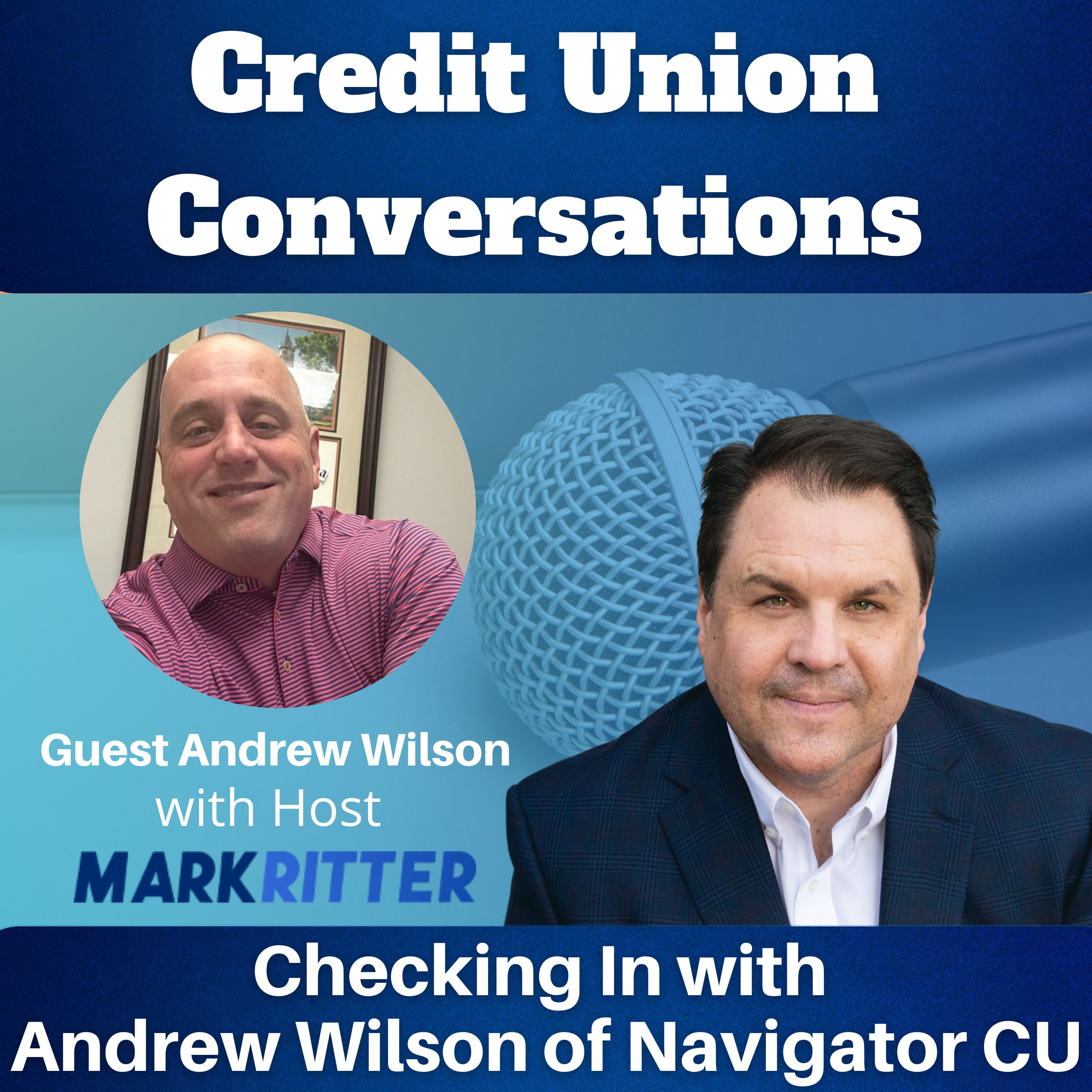
Checking In with Andrew Wilson of Navigator Credit Union

What happens when a mid-sized credit union outgrows its comfort zone? Andrew Wilson of Navigator Credit Union joins host Mark Ritter to unpack the strategy behind explosive net income growth, a booming mortgage lending portfolio, and a scrappy new commercial lending division built almost from scratch. Wilson gets candid about surviving NCUA Exams, building trust with regulators, and why CUSO partnerships have become a secret weapon for smaller credit unions competing against the biggest banks in the country. Along the way, Auburn football and Mississippi Gulf Coast living make for a genuinely fun listen. What You Will Learn in This Episode: ✅ How Navigator Credit Union built a thriving commercial lending program through smart CUSO partnerships ✅ Why strong credit union lending yields and low cost of funds drive outsized net income ✅ Practical tips for surviving NCUA exams and building lasting relationships with regulators ✅ How digital banking and mortgage lending growth expanded member access along the Mississippi Gulf Coast Subscribe to Credit Union Conversations for the latest credit union trends and insights on loan volume and business lending! Connect with MBFS to boost your credit union’s growth today. TIMESTAMPS: (00:00) Andrew Wilson of Navigator Credit Union talks about Birmingham, growth along the Mississippi Gulf Coast and Auburn football (13:29) A discussion on CUSO partnerships and collaboration among credit unions in commercial lending (16:45) Wilson explains how Navigator balances digital banking with in-branch member experience (20:07) The strategy behind Navigator's high net income and impressive credit union lending yields (22:32) Wilson shares his top tips for navigating NCUA exams and building examiner relationships (28:43) Wilson details loan portfolio diversification and strong mortgage lending growth and shares his outlook for the future KEY TAKEAWAYS: 💎 A disciplined commercial lending strategy through CUSO partnerships can turn a small credit union into a serious profit engine 💎 Welcoming NCUA exams as a partnership, not a battle, builds trust and smoother reviews over time 💎 Investing in both digital banking and face-to-face service keeps member experience strong across markets ABOUT THE GUEST: Andrew Wilson - LinkedIn Navigator Credit Union - Website RESOURCES MENTIONED: Mark Ritter - Website Mark Ritter - LinkedIn SEO KEYWORDS: Credit Union Conversations, Mark Ritter, MBFS, Credit Unions, CUSO, Credit Union Lending, Navigator Credit Union, Business Lending, Commercial Lending, CUSO Partnerships, Federal Credit Union, NCUA Exams, Consumer Lending, Mortgage Lending, Digital Banking, Deposit Growth, Loan Portfolio, Credit Risk, Member Experience

July 21, 202642 min

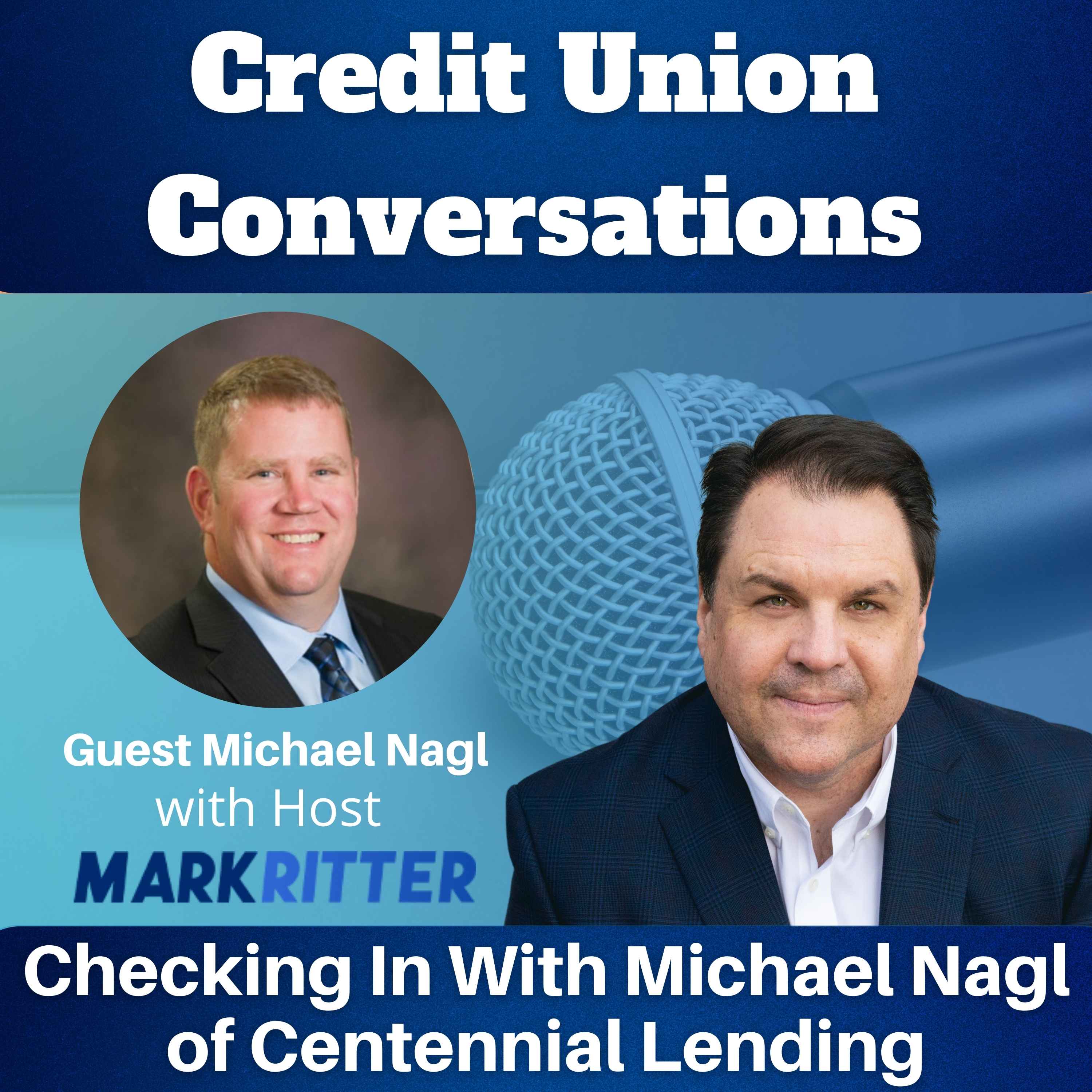
Checking In With Michael Nagl of Centennial Lending

From bartending in Estes Park to golf lessons to running a multimillion-dollar CUSO, Michael Nagl's story proves that the best leaders take unexpected roads. He and Mark Ritter dig into mortgage-lending boom-and-bust cycles, why member service still beats automation, and how a niche auto-leasing program now serves credit unions nationwide. They also swap stories about golf at altitude and Estes Park, Colorado. Whether you run lending or just love a great career journey story, this episode of Credit Union Conversation delivers insight, humor, and real talk about building lasting credit union partnerships in a shifting rate environment. What You Will Learn in This Episode: ✅ How credit union lending partners like Centennial balance mortgage rate cycles with steady member service ✅ Why member business loans and commercial real estate lending demand local market expertise ✅ How indirect auto loans and leasing give credit unions a low-delinquency, high-yield product ✅ What separates a true credit union partnership from a simple vendor relationship Subscribe to Credit Union Conversations for the latest credit union trends and insights on loan volume and business lending! Connect with MBFS to boost your credit union’s growth today. TIMESTAMPS: 00:00 Meet Michael Nagl, CEO of Centennial Lending, and learn about his ties to Estes Park, Colorado 05:10 From bartending to golf pro, Michael's unconventional path into credit union lending 12:19 Managing mortgage lending boom and bust cycles, including the 2023 workforce reduction 16:02 Why member service still wins over automation in today's mortgage lending market 22:56 Inside Centennial's member business loans and commercial real estate lending strategy 29:53 How indirect auto loans and leasing became a niche win for the credit union service organization 37:13 What makes a strong credit union partnership work, plus Centennial's four strategic pillars KEY TAKEAWAYS: 💎 Strong credit union lending relationships depend on communication, discipline, and genuine member service, not just rates 💎 Mortgage lending is cyclical, and CUSOs that absorb the boom and bust protect staff and credit union partners alike 💎 Auto leasing and member business loans give credit unions low-delinquency ways to diversify their lending portfolio ABOUT THE GUEST: Michael Nagl - LinkedIn Michael Nagl - Email RESOURCES MENTIONED: Mark Ritter - Website Mark Ritter - LinkedIn SEO KEYWORDS: Credit Union Conversations, Mark Ritter, MBFS, Credit Unions, CUSO, Credit Union Lending, Mortgage Lending, Member Business Loans, Commercial Real Estate Lending, Auto Leasing, Indirect Auto Loans, Credit Union Service Organization, Centennial Lending, Blue Federal Credit Union, Mortgage Rates

Is this your show?

Claim this listing to keep it up to date, reach guests who want to pitch you, and manage bookings with Guestify.

Claim this listing

More Business podcasts