Find partners
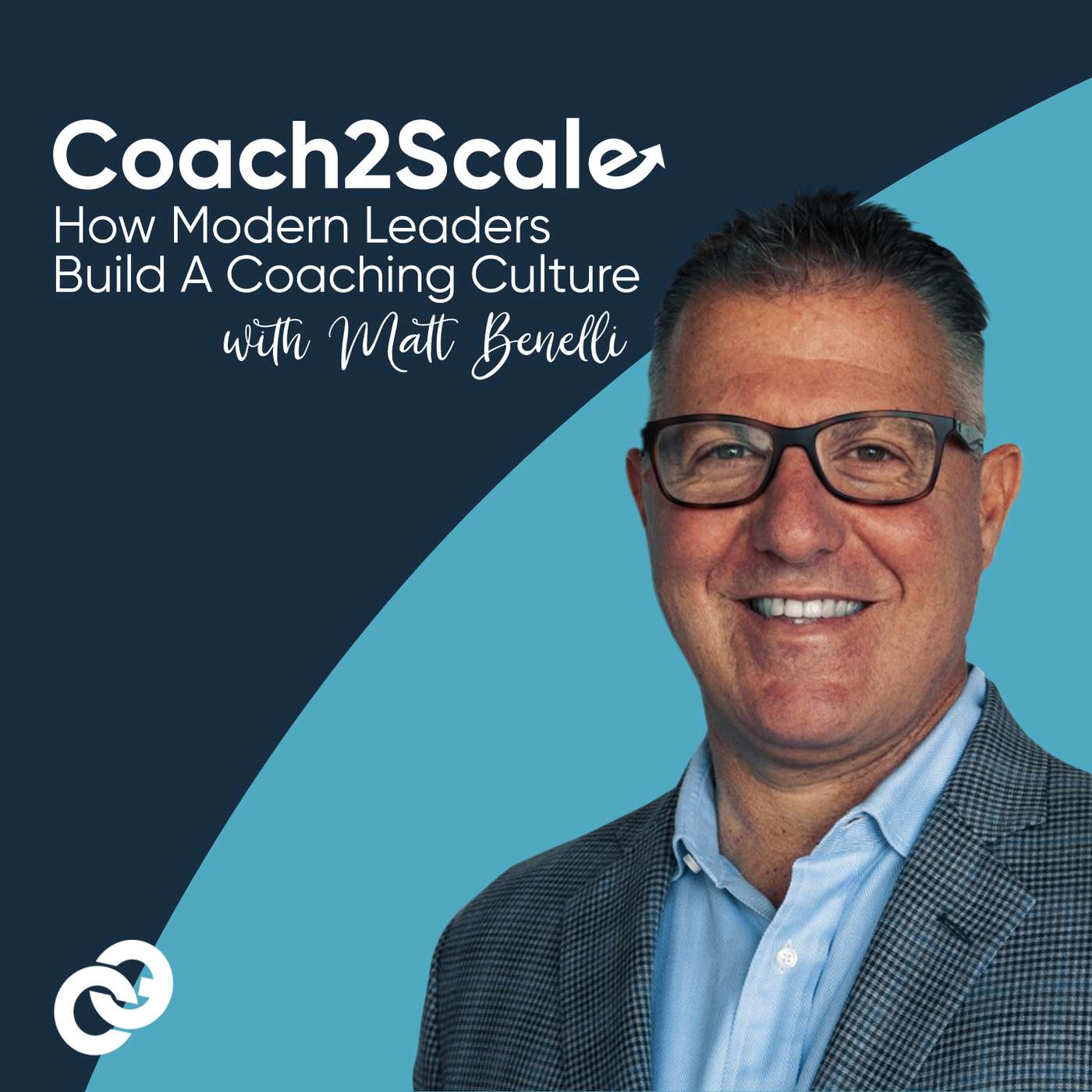
Coach2Scale: How Modern Leaders Build A Coaching Culture

Coach2Scale: How Modern Leaders Build A Coaching Culture

Hosted by CoachEm

BusinessMarketingInterviews guests

Episodes

112

Latest episode

Oct 2025

Language

EN

About the show

Coach to Scale is sponsored by CoachEm, the world's first AI coaching execution platform that leverages evidence-based coaching to increase quota attainment. Join Host Matt Benelli for conversations with management professionals in B2B companies who share the belief that effective coaching improves the performance of every team member. Our mission is to help leaders become better coaches.

Listen to episodes

60 recent
October 7, 20258 min

Coach2Scale's Final Episode with Matt Benelli

After more than 100 episodes, #Coach2Scale wraps with a powerful closing message from host Matt Benelli, one that goes far beyond sales tactics. In this final episode, Matt shares four hard-earned truths from hundreds of conversations with CROs, enablement leaders, and frontline managers. He challenges the myth of the “super rep turned manager,” breaks down the true ROI of coaching (7–8X when done right), and reminds us that one-on-ones aren’t just a task, they’re the operating system for growth.Matt also reflects on why performance loops aren’t enough without practice loops, and how great teams aren’t built on pressure, but on preparation. This episode connects the dots between personal development and business outcomes; it’s a call for CROs and GTM leaders to stop managing through dashboards and start developing their people with purpose. If you're serious about building a high-performing team that lasts, this episode is your blueprint.Top Takeaways1. The human side of coaching is non-negotiable.Vulnerability-based trust isn’t soft; it’s the foundation for accountability, belief, and long-term performance.2. Properly equipped managers deliver 7–8X ROI.Coaching isn’t a “nice to have”; consistent, structured 1:1s lead to higher engagement, lower attrition, and stronger pipeline performance.3. Stop promoting super reps into management without support.Selling and coaching are completely different skills; without systems and training, you set managers (and their teams) up to fail.4. Practice beats performance.Top teams don’t just execute, they review, adapt, and improve with immediate, behavior-focused feedback that drives lasting change.5. Coaching isn’t a tool; it’s a behavior change engine.Technology alone doesn’t drive growth; tying behavior improvement directly to outcomes is what makes a coaching culture truly effective.6. One-on-ones are not optional; they’re the operating system.When coaching becomes the standard cadence, it shifts manager behavior from reactive firefighting to proactive development.7. Performance grows when reps feel developed, not just measured.The best leaders strike a balance between empathy and accountability, investing in long-term careers rather than just meeting short-term quotas.8. Coaching is how you scale without breaking your team.Growth doesn’t come from dashboards or pressure; it comes from developing people who are confident, capable, and aligned.
September 30, 202554 min

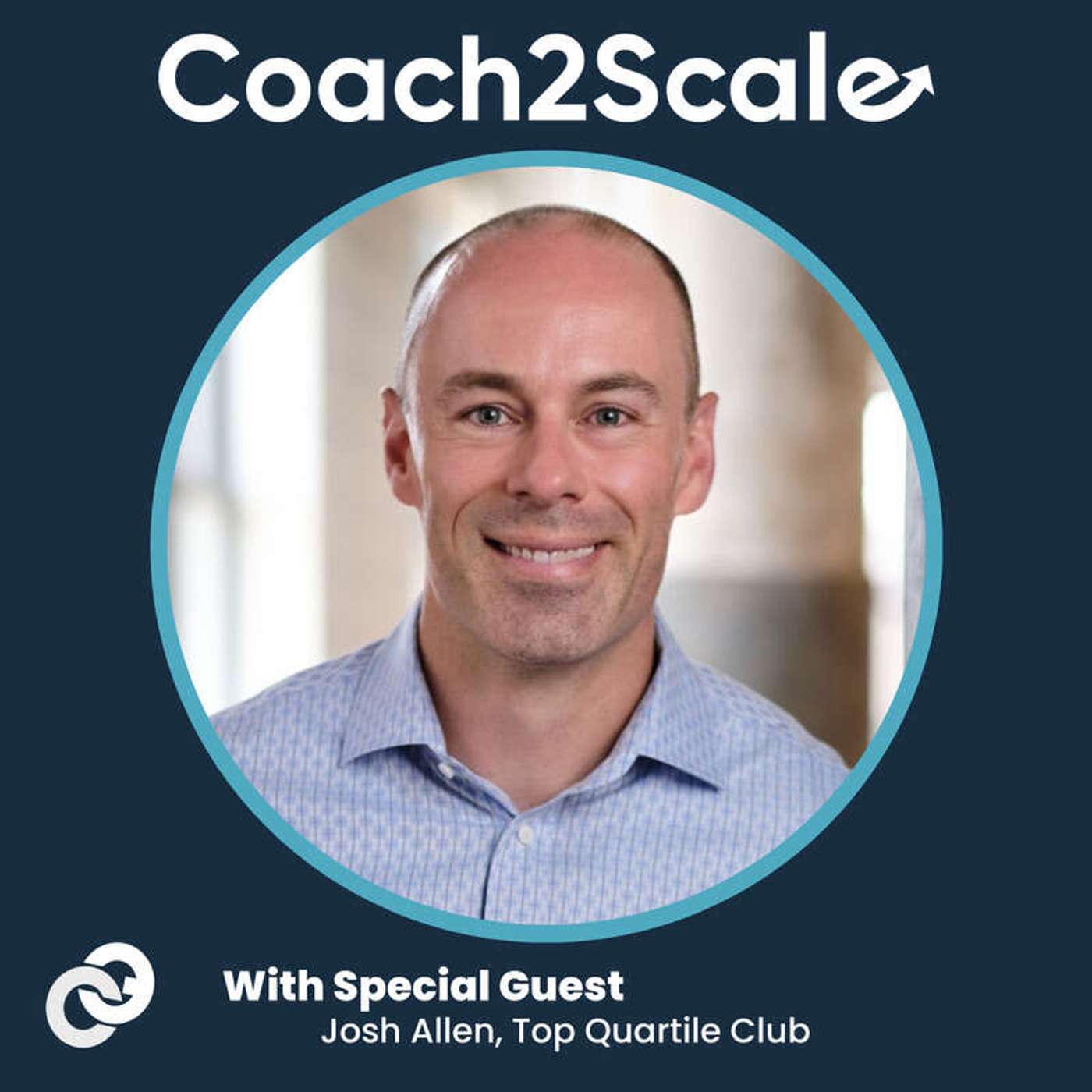
Beyond Motivation: Coaching Sales Teams for Long-Term Success with Josh Allen

In this replay episode of Coach to Scale, host Matt Bonelli sits down with Josh Allen, a veteran sales leader from LogMeIn, CarGurus, Drift, and other notable companies, to unpack what it truly takes to elevate sales performance. Together, they explore the myths of sales leadership, why “what worked for you” won’t always work for your team, and how curiosity, drive, and resilience shape top performers. Josh shares hard-earned lessons from building high-performing teams, along with strategies for identifying intrinsic traits during hiring and coaching salespeople with diverse motivations.Listeners will walk away with practical insights on connecting personal and professional goals, developing consistent coaching rhythms, and sustaining quota attainment without falling into the trap of “growth at all costs.” From nurturing top performers who are often overlooked, to coaching through adversity and building cultures of accountability, this conversation is packed with actionable takeaways for frontline managers, VPs, and anyone passionate about building resilient sales teams.Top Takeaways1. What worked for you won’t work for everyone.Great sales leaders learn quickly that their personal playbook can’t simply be copied and pasted onto their team.2. Hire for intrinsic traits, train for skills.Curiosity, drive, and resilience are largely unteachable, whereas sales processes and methodologies can always be refined and developed.3. Connect personal goals to professional performance.Helping reps tie career milestones to life goals (like paying off debt or buying a home) builds deeper motivation and accountability.4. Don’t overlook your top performers.High achievers also need coaching and career development, not just attention to struggling representatives.5. Toxic performance is never worth it.Even the highest producers can’t be allowed to undermine team trust or culture.6. Coaching is non-negotiable.Leaders who claim they “don’t have time to coach” are missing the very activity that drives quota attainment.7. Focus on one change at a time.Like a golf swing, coaching is most effective when managers help reps improve one skill consistently before moving to the next.8. Long-term consistency beats short-term intensity.Sustainable sales success stems from steady development and efficient growth, rather than hiring sprees and short-lived pushes.

September 23, 202556 min

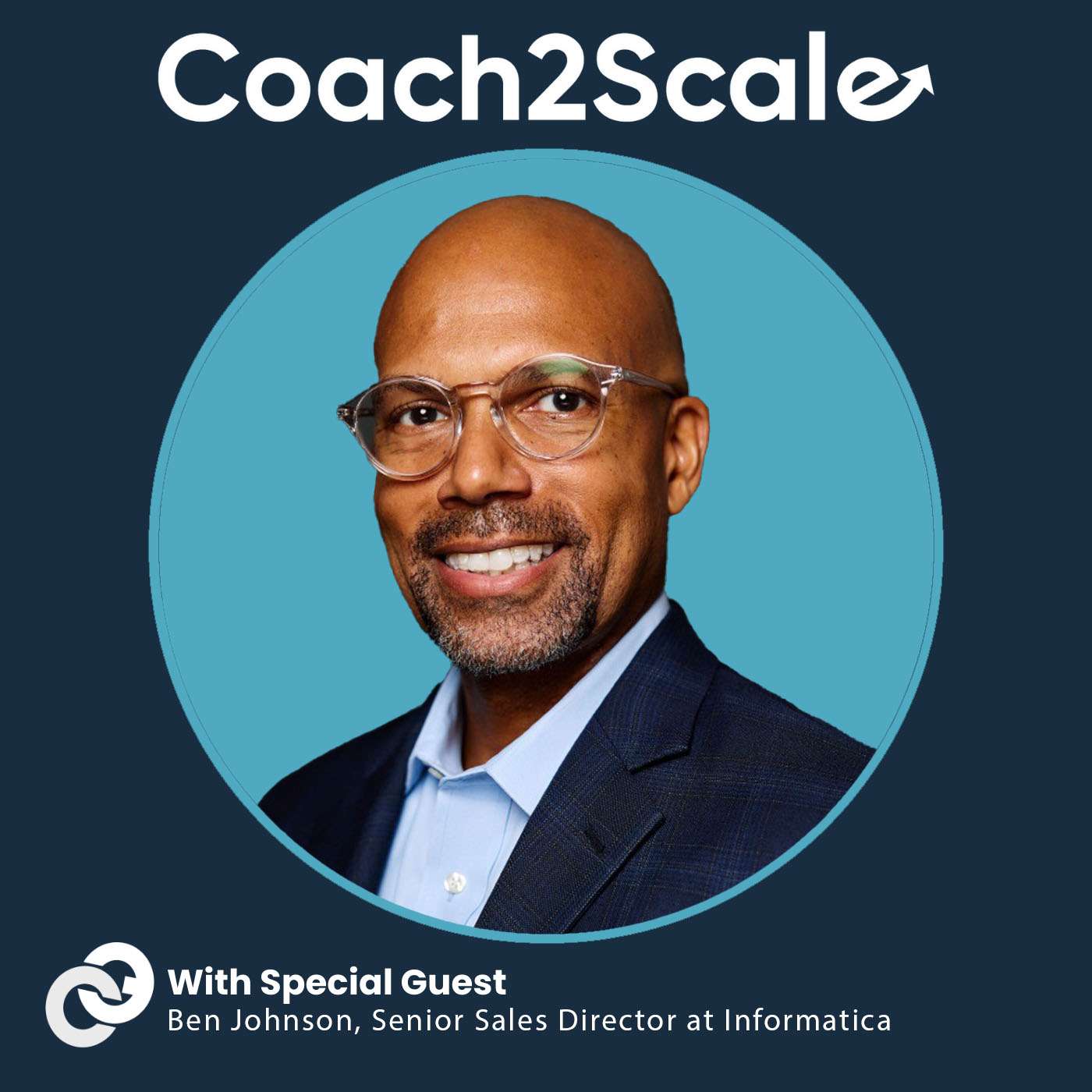
Beyond the Quota: Coaching for a Sales Career that Lasts with Ben Johnson

In this replay episode of Coach to Scale, host Matt Bonelli sits down with Ben Johnson, VP at Zendesk, seasoned sales leader, and longtime CrossFit coach, to explore what it really takes to build a thriving sales career. Drawing on more than 25 years of experience at companies like Dell, Oracle, Workday, and Zuora, Ben challenges the myth that sales success is measured only by the quarter. Instead, he shares why the true differentiator is consistent coaching, a culture of accountability, and the willingness to sharpen your sword through personal development.Listeners will walk away with actionable insights on transforming performance improvement plans into coaching opportunities, creating cultures where vulnerability is strength, and distinguishing between “must-dos” and “how-tos” in sales leadership. From rebranding coaching as a growth engine to embracing “deeds, not words,” this conversation delivers timeless lessons for sales reps, managers, and leaders who want to play the long game and win.Key Takeaways1. Coach to the career, not the quota – Long-term success comes from developing people beyond just hitting short-term numbers.2. Performance Improvement Plans can be growth tools – When used correctly, PIPs should guide reps toward improvement, not serve as a punishment.3. Coachability is the key to success – The most successful reps are those open to feedback, willing to adapt, and eager to learn.4. Culture starts at the top – A strong coaching culture must be modeled by leadership and reinforced consistently across the organization.5. Preparation and debriefing matter as much as the meeting – Success comes from doing the pre-work, running the meeting, and reflecting afterward to continually improve.6. Focus on “must-dos” vs. “how-tos” – Clear expectations around the basics (like CRM hygiene) free up time to coach on higher-value selling skills.7. Deeds, not words – Accountability is proven through consistent actions, not promises.8. Get the bad news early – Addressing risks and challenges upfront allows teams to respond effectively instead of scrambling at the last minute.9. Invest in personal development – Ongoing learning, mentorship, and self-improvement are essential to staying sharp and thriving in sales.10. Find mentors and be one – Having someone to guide you (and paying it forward to others) accelerates growth and resilience in a sales career.

September 16, 202556 min

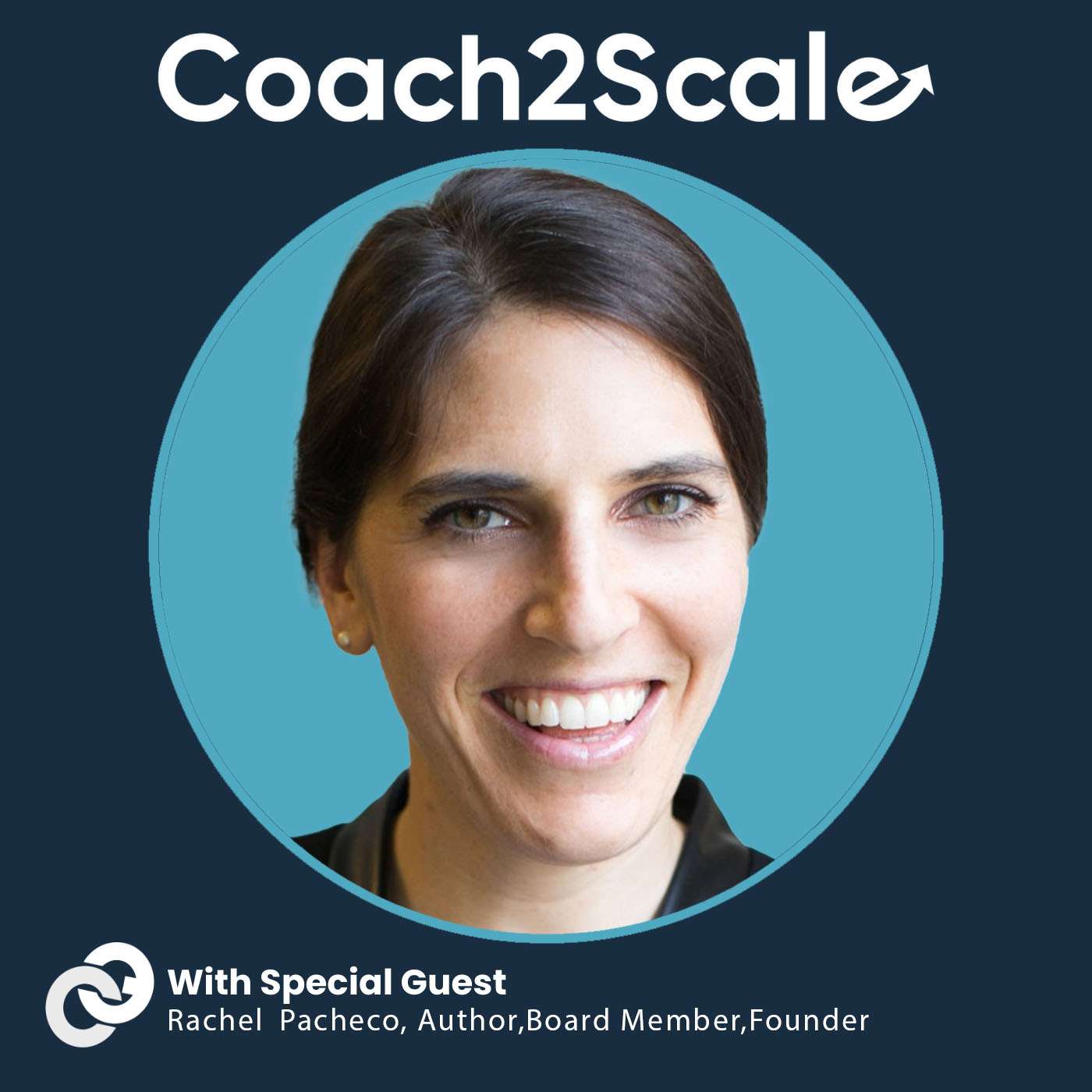
Meaning Drives Motivation: What Managers Are Missing with Rachel Pacheco

In this episode of Coach2Scale, author, professor, and board advisor Rachel Pacheco joins host Matt Bonelli to unpack one of the most overlooked drivers of sales performance: meaning. Drawing from her research and experience working with fast-scaling startups and MBA students alike, Rachel challenges the myth that salespeople are only motivated by money or perks. Instead, she shows why helping reps find purpose in their day-to-day work leads to deeper engagement, higher productivity, and better retention, and why frontline managers have the greatest influence over that outcome.You’ll hear practical ways to coach for meaning, how to deliver feedback that builds self-awareness and performance, and why micromanagement isn’t the real problem, meaninglessness is. Rachel shares coaching tactics for time-strapped managers, explains the risks of cookie-cutter motivation strategies, and outlines how structured 1:1s can become high-trust development conversations. Whether you're a CRO, frontline manager, or enablement leader, this episode will help you rethink how to build a culture where performance and purpose go hand-in-hand.Key Takeaways1. Meaning is a daily experience, not a grand purpose.Most employees aren't searching for their “life’s purpose” at work; they’re looking for day-to-day meaning in their tasks, interactions, and progress.2. Managers play a central role in helping reps find meaning.It's a myth that meaning is personal and out of a manager’s scope; the way managers structure work, give feedback, and coach reps directly influences how meaningful their work feels.3. Productivity increases when reps experience more meaning.Research, including studies by Adam Grant, shows that employees who understand the why behind their work are not only more engaged but also more productive and resilient.4. Motivation is personal and needs to be customized.Not all reps are driven by competition or money; some value connection, stability, or mastery, and managers must learn what uniquely drives each individual.5. Great coaching starts with structured autonomy.Managers should set clear expectations and outcomes, then give reps the space to figure out the “how”; this autonomy fosters ownership, trust, and greater meaning.6. Effective feedback is specific, timely, and impact-driven.Generic praise (“Great job!”) is forgettable; meaningful feedback highlights what was done well, why it mattered, and how it helped the team or business.7. Constructive feedback is a growth opportunity, not a threat.Most employees want more feedback, even the tough kind, but managers often avoid it due to discomfort, missing critical chances to drive behavior change.8. Curiosity is a manager’s superpower.Asking thoughtful questions helps uncover what motivates each rep, what’s holding them back, and how to connect daily work to a more profound sense of purpose.9. Coaching isn’t about giving answers; it’s about guiding reflection.Coaching helps reps build self-awareness, clarify decisions, and reflect on their growth; it’s less about solving problems and more about building capability.10. Don’t wait for better managers; teach your current ones how to coach.Many frontline managers were promoted without training; they don’t lack intent, they lack tools. Organizations must invest in teaching them how to lead through coaching.

September 9, 202543 min

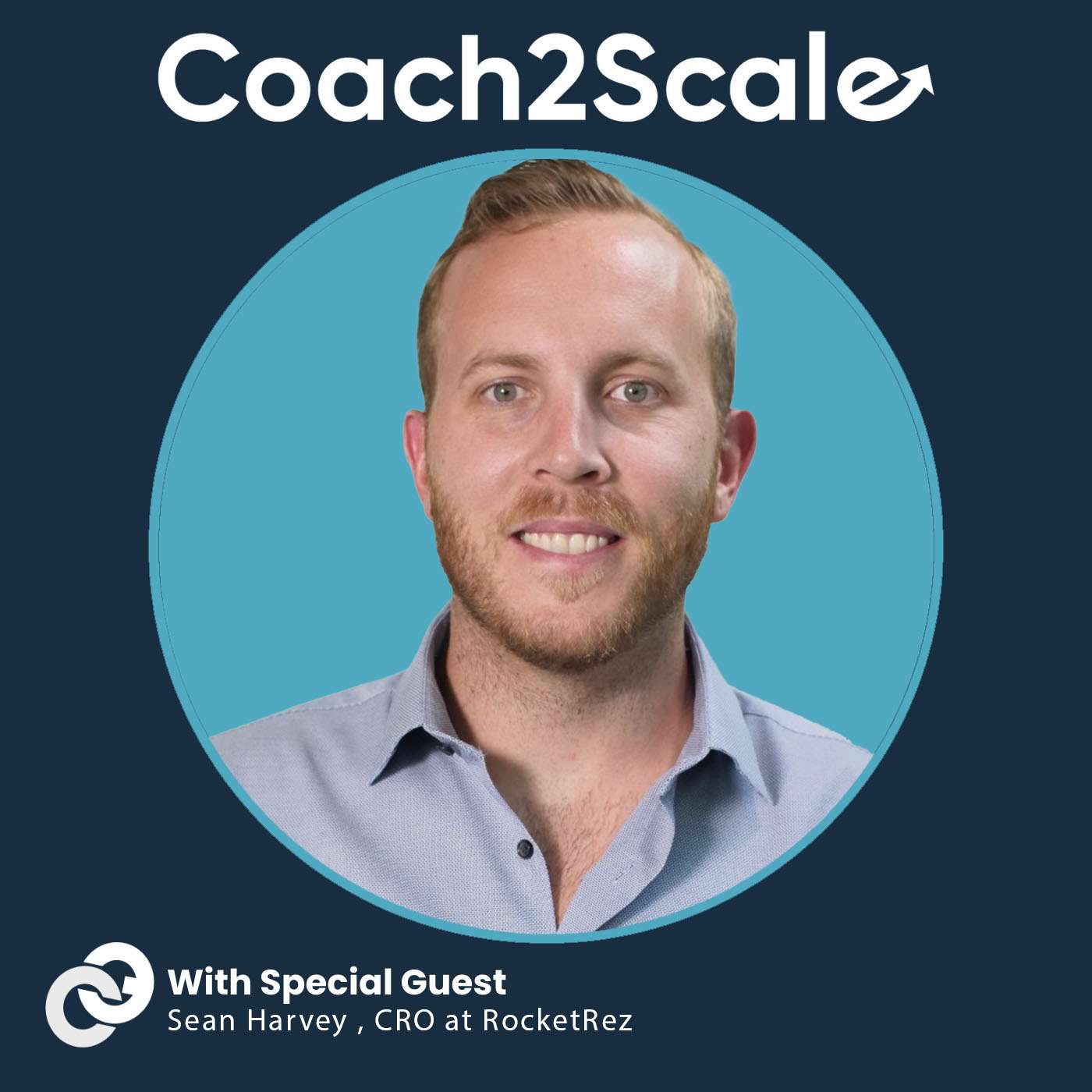
Trust Builds Teams. Coaching Builds Careers with Sean Harvey

In this episode, Sean Harvey, CRO at RocketRez, shares a practical framework for building coaching cultures that actually stick. He explains why trust, not tactics, is the starting point for real performance, and how coaching must move beyond pipeline reviews and into intentional skill development. From his early Oracle training to leading teams through hypergrowth and private equity scale-ups, Sean outlines the lessons that shaped his belief in coaching as both a performance lever and a retention strategy.If you’re still coaching “on the fly” or stuck playing super-rep, this conversation will challenge your assumptions. Sean covers the link between psychological safety and rep engagement, how vulnerability-based trust unlocks real development, and why sustainable growth demands coaching at every level from C-suite to the frontlines. You’ll walk away with a clearer understanding of what coaching is, what it’s not, and how to build a team that stays, grows, and performs.Key Takeaways1. Coaching must start at the top to stick long-termIf the C-suite doesn’t model and prioritize coaching, it gets deprioritized the moment short-term pressure hits.2. Trust is the foundation of any real coaching cultureReps won't grow unless they believe their manager has their long-term development, not just this quarter’s numbers, in mind.3. Vulnerability-based trust drives engagement and learning.Creating psychologically safe spaces where reps can fail and learn openly is what unlocks real skill development.4. Great managers coach people, not just deals.Coaching isn’t about saving deals; it’s about building reps who can consistently win without constant intervention.5. Consistency matters more than intensity.A lightweight but regular coaching rhythm beats sporadic “inspiration bursts” that vanish under pressure.6. You can’t scale if you’re only hiring more reps.Scalability means increasing productivity per rep, which only happens when you build coaching into the operating system.7. Coaching drives retention, especially in high-talent environmentsReps stay where they feel invested in, especially when they’re being challenged to grow with structure and support.8. Managers are overwhelmed and under-equipped to coachMost FLMs were promoted as top reps but were never taught how to develop others; tools and frameworks help close this gap.9. The best leaders have coaching “trees”Just like in sports, great coaches produce other great coaches; mentoring others to lead is a force multiplier.10. Success is compounding when coaching becomes cultureWhen coaching becomes normalized, teams get better, faster, improving not just results, but predictability.

September 2, 202514 min

Practicing the Perfect Prospecting Call: A Live Hyperbound AI Role Play Demo with Matt Benelli

In this special episode of Coach to Scale, host Matt Benelli takes on a bold challenge: a live cold-call role play with Hyperbound’s AI-powered prospecting bot one of the “rudest bots on the planet.” Joined by Hyperbound co-founder and CEO Sriharsha Guduguntla, Matt puts his skills to the test, showcasing how sales reps can practice real-world scenarios, handle objections, and refine their pitch with real-time coaching. The result? A raw, unfiltered look at what happens when the pressure is on and every word counts.Listeners will walk away with insights into effective prospecting, the power of permission-based openers, handling resistance with confidence, and how instant AI feedback can accelerate coaching and skill development. Whether you’re a sales leader, manager, or rep looking to sharpen your edge, this episode delivers a front-row seat to practical techniques, lessons learned, and a clear takeaway: you don’t have to love cold calling you just need to practice, improve, and get better every time.Key Takeaways1. Practice under pressure matters – Putting yourself in tough role plays with AI bots helps reps simulate real-world challenges and improve faster than passive learning.2. Instant feedback accelerates growth – AI delivers coaching in real time with detailed scoring criteria, so reps don’t have to wait for a manager’s one-on-one to learn what to improve.3. Consistency beats comfort – You don’t need to love cold calling, but consistent practice builds confidence and competence over time4. Three types of prospectors – Some salespeople thrive on cold calls, some avoid them but claim they do, and managers often love them because they don’t have to make them anymore, recognizing this helps leaders coach more effectively5. Objection handling is a teachable skill – With structured practice and coaching, reps can learn to confidently navigate push back and still secure meetings6. AI empowers both reps and managers – By offloading repetitive role plays and providing objective coaching, managers can spend more time on strategy while reps still get valuable development.7. Anyone can try it – Hyperbound makes its prospecting bots publicly available so sales professionals can test themselves, practice as often as they want, and benchmark improvement

August 26, 202543 min

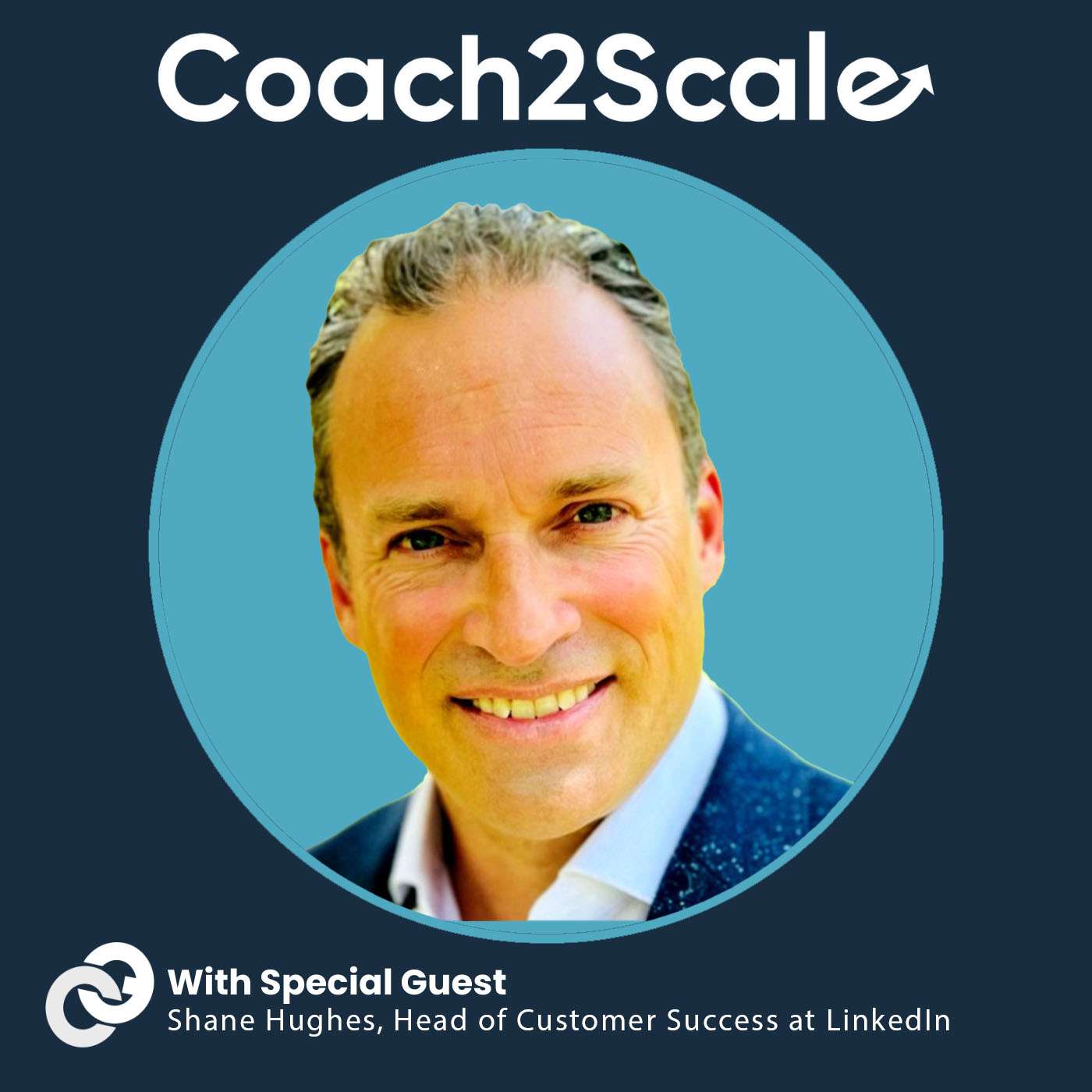
Coach, Don’t Chase: How Matrixed Leaders Scale Teams Without Losing Their Edge with Shane Hughes

Scaling teams inside matrixed organizations is rarely about speed alone. Shane Hughes, Head of Customer Success at LinkedIn and former Salesforce executive, argues that real growth comes from slowing down to coach with intention, aligning stakeholders early, and focusing relentlessly on customer value. In this conversation, he shares how leaders can avoid the trap of “chasing renewals” and instead build advocacy from the start by connecting adoption to measurable business outcomes.Shane also pulls from his experience leading teams that grew revenue from millions to billions to highlight what separates managers from true coaches. He explains why curiosity is the foundation of influence, how consistency compounds impact, and why high performers act more like consultants than communicators. Whether you’re a CRO, frontline manager, or rep aiming to lead, his lessons offer a clear path to scaling without losing your edge.Key Takeaways1. Renewals are won early, not saved late – Retention isn’t about heroics at the end of a contract; it’s about shaping value in the first months after a deal closes.2. Adoption does not equal value – Usage is necessary but meaningless unless it connects to the customer’s defined business outcomes.3. Curiosity drives advocacy – The best customer success leaders don’t just communicate; they ask sharp questions that reframe problems and uncover hidden opportunities.4. Coaching beats chasing – Managers who focus on coaching their teams to think like consultants create consistent impact, while those who chase activity confuse motion with progress.5. Slow down to speed up – Scaling in matrixed organizations requires alignment and influence across stakeholders; patient lobbying accelerates outcomes later.6. Consistency compounds – Small, repeatable practices in coaching and customer engagement build long-term trust and measurable growth.7. Leaders must coach across, not just down – True leadership requires influencing peers and executives in addition to managing direct reports.

August 19, 202553 min

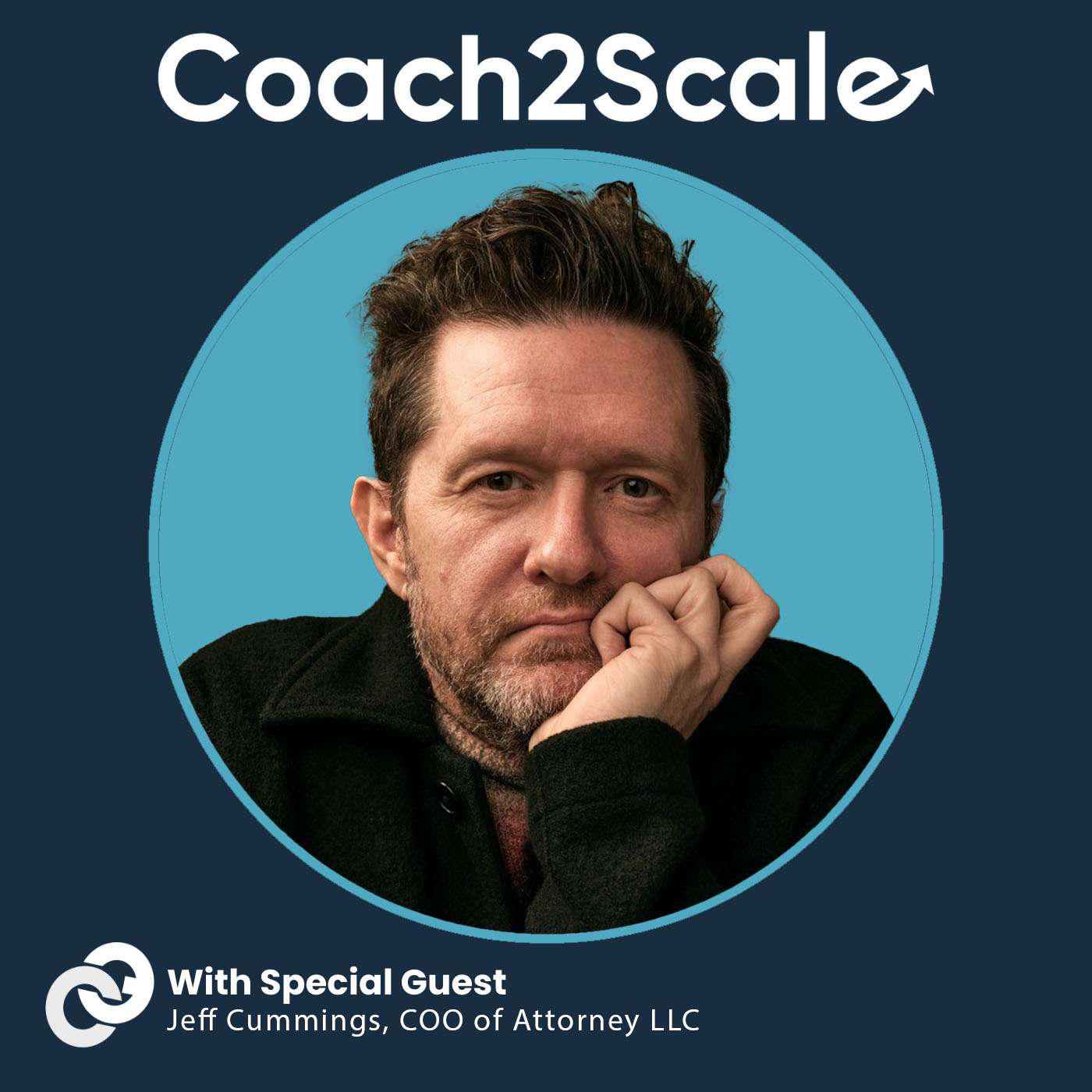
Never Be Too Busy to Scale: A COO's Playbook for Growth with Jeff Cummings

Too many frontline managers are promoted for hitting quota, then left to figure out leadership on their own. In this episode, Jeff Cummings, COO at LLC Attorney, shares a battle-tested coaching playbook built through 20+ years of leading high-growth teams. He challenges the “leadership lie” that there's no time for 1:1s and lays out a structured, repeatable framework that transforms one-on-ones from status updates into high-impact coaching sessions.Jeff walks through how to coach top performers without coddling them, how to use AI to scale personalized development, and why being a good manager has nothing to do with being in the deals. This episode is packed with practical guidance for CROs, RevOps, and enablement leaders looking to build durable revenue teams, starting with better coaching habits at the frontline.Key Takeaways1. The “Leadership Lie” is that there's no time for 1:1s.Jeff calls out the myth that leaders are too busy to coach; if you're too busy for your people, you're too busy to lead.2. One-on-ones should be structured, consistent, and focused on development, not deals.Effective 1:1s follow a repeatable process that goes beyond pipeline reviews to drive skill growth and accountability.3. Coaching should start with reflection by the rep.Asking “what went well?” first gives the rep ownership and builds a coaching culture grounded in self-awareness.4. Top performers need coaching, too, especially around behavior and professionalism.Being a high producer doesn’t exempt someone from expectations; true leaders help reps round out their game.5. Managers must separate being in the action from building the team that drives the action.If you're still acting like a super rep, you're not creating leverage, and you're stunting team growth.6. Missed 1:1s should be rescheduled immediately, not skipped.Treat coaching like a customer meeting; canceling without rescheduling signals that people aren’t the priority.7. AI can be used to scale coaching, not replace it.Jeff uses AI to track commitments, organize feedback, and personalize development, but the human connection stays central.8. Be fully present, no Slack, no inbox, no distractions.Undivided attention during coaching moments signals to reps that their development matters.9. Coaching isn’t a task; it’s a leadership mindset.Great leaders don’t wait for permission to coach or train; they take ownership of their team’s growth trajectory.10. Pay mentorship forward, build a legacy through people.Jeff credits his early mentors and reinforces that the best ROI in leadership comes from investing in others and teaching them to do the same.LinkedIn profile: https://www.linkedin.com/in/jeffcummings/

August 12, 202541 min

The Hyperbound Playbook: How Elite Sales Teams Train with AI with Sriharsha Guduguntla

In this episode of Coach to Scale, we sit down with Sriharsha "Sai" Guduguntla, co-founder of Hyperbound, to unpack one of the most pressing challenges in revenue leadership: the coaching crisis. Despite billions invested in enablement tools, most frontline managers still spend less than 5% of their time actually coaching, and it's costing teams deals, confidence, and retention. Sai shares how Hyperbound is redefining sales practice by enabling reps to roleplay high-stakes calls, objections, and negotiations using AI before they ever speak to a real prospect.Sai and host Matt Benelli explore why traditional training doesn’t stick, how to coach the iPhone generation, and why AI-driven feedback is the key to scalable performance improvement. From building reps’ confidence to reducing CAC, shortening ramp time, and even coaching managers themselves, this conversation delivers practical insight for CROs and GTM leaders committed to leveling up their teams. If you think having Gong means you’re coaching, think again.Key Takeaways1. Coaching is broken, and leaders know it.Most frontline managers spend less than 5% of their time coaching, and even if they admit it's not enough, despite having tools like Gong or Chorus.2. Owning tools doesn’t mean using them.Just because you’ve bought sales tech doesn’t mean your team is getting value from it; usage and enablement are two different things.3. Reps are practicing on real prospects, and that’s a problem.Without structured practice environments, reps learn in live selling situations, losing deals and confidence in the process.4. AI enables real, scalable practice.Hyperbound uses AI to let reps roleplay discovery, objections, and negotiations with instant feedback, so they improve before going live.5. Training decay is real 87% is forgotten in a month.Sai shares how Hyperbound clients are replacing costly SKOs and one-off trainings with ongoing practice that reinforces key skills year-round.6. Feedback should be immediate, not delayed.Instead of waiting weeks for one-on-one feedback, reps using AI tools can instantly iterate and refine their performance after each session.7. AI coaching is objective and data-backed.AI removes bias by evaluating reps consistently, benchmarking them against top performers, and identifying real improvement areas.8. Confidence is often the root blocker to performance.A lack of confidence, not skill, is what holds many reps back from picking up the phone; Hyperbound helps reps build that confidence safely.9. Managers need coaching too.Hyperbound doesn’t just coach reps, it also trains managers by simulating coaching conversations and giving feedback on their effectiveness.10. Culture matters more than tools.Without leadership buy-in and a true coaching culture, even the best tools won’t lead to behavior change; some orgs just aren’t ready.

August 5, 202539 min

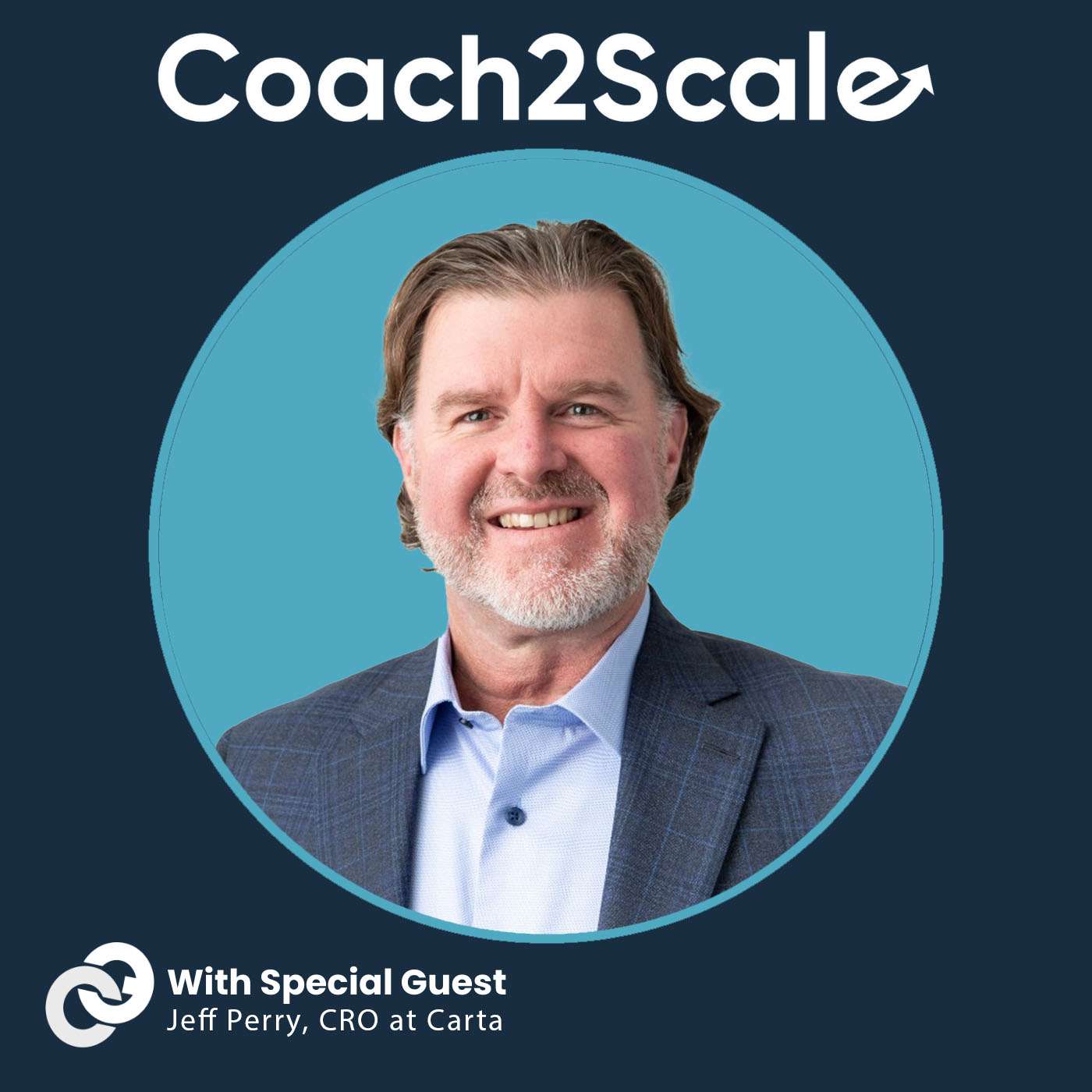
Leaning Into Who You Are to Lead with Jeff Perry (Replay)

What happens when a top-performing rep becomes a people-first leader in one of the most demanding roles in tech? In this episode of Coach2Scale, Jeff Perry, CRO at Carta, shares his leadership journey from his early days at Oracle to building high-performing, diverse teams at Carta. He unpacks the misconceptions that still hold sales leaders back, like the idea that only hard-charging, deal-focused managers succeed, or that considerable company experience doesn't translate to startup growth. Jeff challenges these myths with candor, offering lessons for anyone navigating their evolution as a leader.The conversation tackles why being a “nice leader” isn’t a liability, how to hire from non-obvious backgrounds, and why no one should ever lose a deal alone. Matt and Jeff also dig into the most challenging job in sales, the frontline manager, and why equipping them with the right mindset and tools is the only way to scale performance sustainably. Whether you're a rep, manager, or CRO, this episode will help you rethink how leadership, culture, and coaching intersect to drive lasting results.Key Takeaways1. Lean into who you are as a leaderStop trying to fit someone else’s mold, own your style, values, and story to build authentic credibility.2. Prominent company leaders can thrive in startups.Success in enterprise sales doesn’t disqualify you from excelling in high-growth, early-stage environments if you can translate your experience.3. Empathy and accountability are not mutually exclusiveBeing a “nice” leader doesn’t mean being soft; it means building trust so you can challenge and develop your people effectively.4. Hiring for diversity improves team performance.Creating teams with varied backgrounds and experiences, not just résumés, leads to more resilience, learning, and results.5. Balanced team performance is more sustainable than star-centric modelsHitting 115% with everyone contributing beats 130% with a few carrying the load, especially when building culture and scale.7. Managers should never lose a deal alone.The best AEs use the entire team, from executives to product, to win; lone-wolf selling is inefficient and risky.8. Coaching should focus beyond the deal.Too many 1:1s revolve around the pipeline; great leaders use coaching to build reps’ long-term skills and confidence.9. Sales leadership is about consistency through volatilityIn unpredictable markets, reps need leaders who are steady, transparent, and focused on what can be controlled.10. High growth creates opportunity, but only for those who embrace itCarta’s rapid evolution has opened new career paths, but leaders must stay close to the people and remain hands-on to unlock them.11. Frontline managers need structure and support to succeedThe FLM role is the most overloaded in the org; without tools, coaching frameworks, and clarity, they default to dealing with triage and burnout.

Is this your show?

Claim this listing to keep it up to date, reach guests who want to pitch you, and manage bookings with Guestify.

Claim this listing

More Business podcasts