
Find partners
Cash Course Podcast

Cash Course Podcast

Hosted by Lakeridge Realty Group

BusinessInvestingInterviews guests

Episodes

18

Latest episode

Jun 2024

Language

EN

About the show

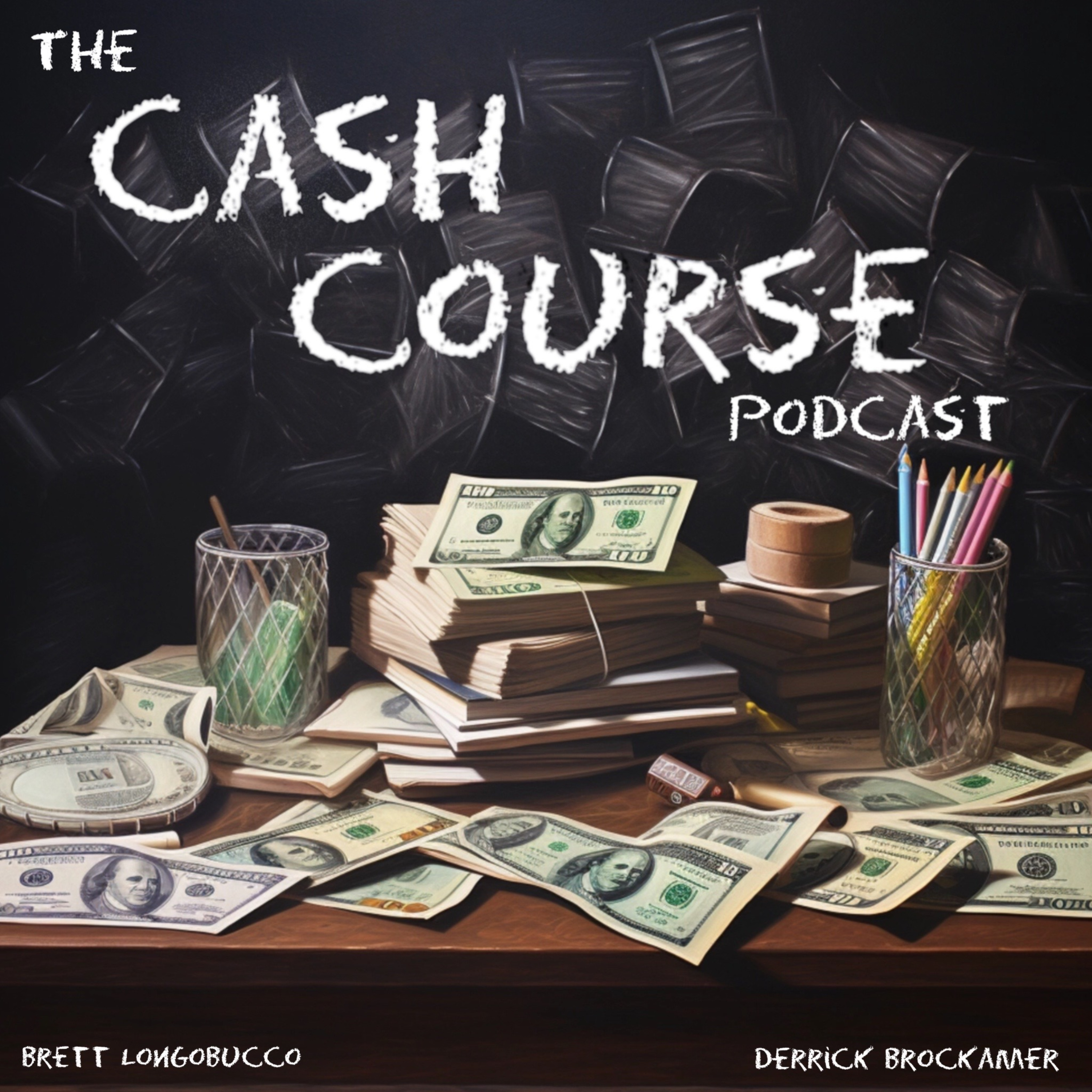
A podcast discussing general finance and investing strategies. Focusing on the average investor making an average salary. Building a strong financial footing is the key to living the life you have always desired. This podcast will interview financial experts, entrepreneurs, real estate agents and investors, and every day people, giving a glimpse into strategies that can help you save more and spend less!

Listen to episodes

18 recent
June 17, 2024Episode 1338 min

What can go RIGHT when you own real estate?

In this episode, Brett and Derrick continue their discussion on what can go wrong and what can go right when purchasing real estate. They focus on the things that can go right in the early process, such as getting approved for a mortgage and finding properties that fit your buy box. They also highlight the importance of throwing the first offer and the feeling of accomplishment that comes with it. They discuss the significance of a smooth inspection and legal process, as well as the potential benefits of a low appraisal. Finally, they explore the possibilities that come after closing, including equity gain and the entrepreneurial opportunities that owning a property can bring. The conversation explores the factors that can go right in real estate investing. It emphasizes the importance of building a high-quality housing business that values human life and puts effort into providing quality housing. The conversation also discusses the stability of real estate as an investment due to the finite amount of land and the increasing population. It highlights the benefits of real estate in terms of tax advantages and the ability to withstand market fluctuations. The hosts emphasize the importance of being logical and strategic in real estate decision-making and the value of long-term investments. Takeaways Getting approved for a mortgage and finding properties that fit your buy box are important early steps in the real estate purchasing process. Throwing the first offer can be a nerve-wracking but rewarding experience. A smooth inspection and legal process are crucial for a successful purchase. A low appraisal can provide leverage in negotiating the terms of the purchase. After closing, equity gain and entrepreneurial opportunities can open up new possibilities. Building a high-quality housing business that values human life and puts effort into providing quality housing can lead to success in real estate investing. Real estate is a stable investment due to the finite amount of land and the increasing population. Real estate offers tax advantages, such as tax-free profit on the sale of a primary residence and the option of a 1031 exchange. Being logical and strategic in real estate decision-making is important, as real estate is not easily liquidated and requires careful planning. Long-term investments in real estate can lead to significant financial gains over time.

June 10, 2024Episode 1540 min

What can go WRONG during a real estate purchase?

Summary The Cash Course Podcast hosts, Brett and Derrick, discuss their passion for the show, the impact it has on their audience, and the risks and anxieties associated with real estate purchases. They emphasize the importance of transparency, preparation, and informed decision-making in the real estate process. The conversation covers various scenarios and challenges that can arise in real estate ownership, including plumbing issues, property taxes, tenant problems, and financial considerations. It emphasizes the importance of thorough vetting, financial planning, and preparedness for unexpected expenses. The hosts also discuss the impact of property value appreciation on taxes and the potential risks associated with investment properties. Takeaways Passion for the show and its impact on the audience Importance of transparency and preparation in real estate purchases Risks and anxieties associated with real estate transactions Thorough vetting of tenants and proper financial screening is crucial for mitigating risks associated with rental properties. Financial planning and budgeting for unexpected expenses, such as maintenance and capital expenditures, are essential for property owners. Property value appreciation can lead to increased property taxes, impacting the financial obligations of homeowners and landlords. Investment properties come with unique challenges, including tenant issues, vacancies, and financial considerations that require careful management and planning.

June 3, 2024Episode 171 hr 5 min

Interview with Micha; From accountant to full-time entrepreneur and thriving!

Summary The conversation covers Micah's journey from a corporate job to starting his own business, the challenges he faced, and the importance of budgeting. It also delves into the concept of financial modeling for businesses and the impact of budgeting on personal finances and relationships. The conversation covers a wide range of financial topics, including budgeting, investment strategies, real estate, tax benefits, and the importance of investing in oneself. Micah shares valuable insights and lessons learned from personal experiences, offering practical advice for financial success and freedom. Takeaways Micah's journey from a corporate job to starting his own business highlights the challenges and decision-making process involved in transitioning to entrepreneurship. The importance of budgeting in personal finance and its impact on relationships and decision-making. The concept of financial modeling for businesses and its role in strategic management and decision support. Budgeting is a critical tool for financial success and freedom. Investing in oneself and acquiring intellectual capital is more valuable than accumulating wealth. Real estate offers significant tax benefits and can be a game-changer for personal finances. Understanding the difference between traditional and Roth investments is essential for long-term financial planning.

May 13, 2024Episode 1436 min

Low cost fitness options; Where to start your financial education journey

Takeaways Prioritizing physical activity is important for both health and personal finance. There are many low-cost options for staying active, such as utilizing free spaces and joining community groups. Investing in fitness memberships or equipment can be a worthwhile expense, but it's important to prioritize and budget accordingly. Books like 'Rich Dad Poor Dad' and 'Set For Life' provide valuable insights into personal finance and investment strategies. Podcasts like 'Clark Howard', 'BiggerPockets', and 'How to Money' offer practical advice and tips for managing personal finances. Prioritizing Health and Wellness Low-Cost Options for Staying Active

May 6, 2024Episode 1331 min

What is a personal savings rate? How to improve yours

Summary In this episode, Brett and Derek discuss the concept of personal savings rate and its importance in personal finance. They explain that the personal savings rate is the percentage of pre-tax income that is saved after all expenses. They provide examples and calculations to help listeners understand how to calculate their personal savings rate. They also discuss the current average personal savings rate in the United States and compare it to other countries. The hosts emphasize the importance of increasing personal savings rate and provide strategies such as setting it and forgetting it, and adopting a buy and hold investment strategy.Keywordspersonal savings rate, pre-tax income, expenses, calculation, average, United States, other countries, increase, strategies, set it and forget it, buy and hold Takeaways The personal savings rate is the percentage of pre-tax income that is saved after all expenses. The current average personal savings rate in the United States is low, and it is important to increase it for financial security. Strategies such as setting it and forgetting it, and adopting a buy and hold investment strategy can help improve personal savings rate. Being aware of personal savings rate and making conscious decisions about spending and saving can lead to long-term financial success. Strategies to Improve Personal Savings Rate The Importance of Setting It and Forgetting It

April 29, 2024Episode 1232 min

Pros and Cons of Renting vs Buying

Summary In this episode of the Cash Course Podcast, Brett and Derek discuss the pros and cons of renting versus buying a home. They highlight that renting may be a good option for those who don't have a lot of cash on hand, need a temporary living situation, or have a job that requires frequent relocation. On the other hand, buying a home allows for building equity and taking ownership of a property, but it also comes with the responsibility of maintenance and unexpected expenses. They emphasize that the decision to rent or buy depends on individual circumstances and financial goals.Keywordsrenting, buying, pros, cons, cash on hand, temporary living, relocation, building equity, ownership, maintenance, unexpected expenses, individual circumstances, financial goals Takeaways Renting may be a good option for those who don't have a lot of cash on hand or need a temporary living situation. Buying a home allows for building equity and taking ownership, but it comes with the responsibility of maintenance and unexpected expenses. The decision to rent or buy depends on individual circumstances and financial goals. Renting can provide flexibility for those with jobs that require frequent relocation. Owning a home can provide a sense of pride and the ability to make changes to the property. Renting allows for a hands-off approach to maintenance and repairs. Renting can help individuals determine their budget and lifestyle before committing to homeownership. Homeownership requires a financial cushion for unexpected expenses and ongoing maintenance. Renting can provide a chance to explore a new area before making a home purchase. Renting does not necessarily mean missing out on building a strong financial portfolio. The decision to rent or buy should be based on personal preferences and financial stability. Renting vs Buying: Pros and Cons Considerations for Renting or Buying "Renting would be advantageous for you and that is a pro of renting, is the ability to sort of pick up and leave in a moment's notice." "The major pro to renting is, you know, it's potentially going to be cheaper because it's a little bit more temporary." "Making money building equity in the long run is a big advantage or pro of buying a home."

April 22, 2024Episode 1137 min

Listener questions; Who pays on first date, DSCR lending and expanding your portfolio

Summary In this episode of The Cash Course Podcast, the hosts answer listener questions in a Q&A format. The first question discusses whether guys should always pay on first dates. The hosts share their opinions and experiences on the topic. The second question addresses how to get approved for a rental property with a high debt to income ratio. The hosts suggest considering a DSCR mortgage and explain its benefits. The final question asks the hosts about their biggest financial regrets, and they share personal stories and lessons learned. In this episode, Derrick and Brett discuss their biggest financial regrets and challenges. They also share their financial goals and aspirations. The conversation covers topics such as college debt, buying a home, and setting realistic goals. The episode concludes with a Q&A session. Takeaways The tradition of guys always paying on first dates is subjective and depends on personal preferences and the dynamics of the relationship. To get approved for a rental property with a high debt to income ratio, consider a DSCR mortgage, which is based on the property's ability to generate cash flow. When investing in cryptocurrencies, be cautious and only invest what you can afford to lose. Reflecting on financial regrets can provide valuable lessons and insights for future financial decisions. It's important to reflect on and learn from our financial regrets. College debt can be a significant burden, and it's crucial to understand the implications before taking on student loans. Setting realistic financial goals is essential for long-term success. Buying a home can be a challenging process, but perseverance and patience are key. Engaging with listeners through Q&A sessions can provide valuable insights and foster a sense of community.

April 15, 2024Episode 1037 min

Strategies to combine finances in a realtionship

Summary In this episode, Brett and Derrick discuss the topic of combining finances as couples or partners. They share their personal experiences and perspectives on how to navigate this important aspect of a relationship. They emphasize the importance of transparency, communication, and compromise when it comes to managing finances together. They also highlight the need to set financial priorities and goals as a couple. Overall, the episode encourages listeners to have open and honest conversations about money in order to build a strong financial foundation in their relationships. Takeaways Transparency and communication are key when combining finances as a couple. It is important to set financial priorities and goals together. Compromise is necessary to ensure both individuals feel valued and have their financial needs met. Living below your means and prioritizing financial security can lead to a more stable and fulfilling relationship.

April 8, 2024Episode 954 min

Interview with Taylor Griffin. Investment banker, real estate investor, elite golfer

In this episode, Taylor Griffin, a wealth management professional, shares insights into the world of high net worth investing and his personal investment philosophy. He discusses the challenges of gaining trust as a young money manager and emphasizes the importance of learning the business and taking a conservative approach. Taylor recommends a buy and hold strategy for long-term growth and highlights the benefits of buying blue-chip stocks. He also touches on options trading and the risks involved. Additionally, Taylor shares his experience in real estate investing, particularly in the Jupiter, Florida area. Taylor Griffin shares his experience of purchasing and managing condos in Jupiter, Florida, primarily renting to golfers. He discusses the financing and interest rates he obtained for the properties. Taylor explains that he initially bought the condos as primary residences and later rented them out. He highlights the lease terms for golfers and the challenges of managing cash flow during the off-season. Taylor also shares his strategies for adding value to the properties and his future vision of expanding his real estate portfolio. Takeaways Gaining trust as a young money manager can be challenging, but starting as an associate and learning the business is a good way to build experience. A buy and hold strategy, particularly with blue-chip stocks, can be a reliable approach for long-term growth. Options trading can be risky and is more suitable for experienced traders. Real estate investing can be a profitable venture, but it's important to research and find affordable areas with potential for growth. Purchasing properties as primary residences and later renting them out can be a viable investment strategy. Understanding the lease terms and preferences of your target tenants, such as golfers, is crucial for maximizing rental income. Managing cash flow during the off-season can be challenging, and it may require additional strategies, such as short-term rentals or finding tenants who stay year-round. Adding value to properties should be done strategically, considering the market and potential return on investment. Expanding a real estate portfolio may require raising capital from investors or forming partnerships.

April 1, 2024Episode 839 min

Loan options

Summary In this episode, Brett and Dr. Derrick discuss different types of loans and their uses in real estate investing. They cover FHA loans, conventional loans, VA loans, USDA loans, jumbo loans, and construction loans. They explain the requirements, benefits, and limitations of each loan type. The conversation provides valuable insights for investors looking to finance their real estate ventures. In this episode, Brett and Derrick discuss various loan vehicles for property investment and purchasing. They cover ground-up builds, debt-to-income ratio and conventional mortgages, and the benefits of DSCR (Debt Service Coverage Ratio) lending for real estate portfolio expansion. They explain the requirements and approval process for DSCR loans, as well as the advantages of moving properties into LLCs. They also touch on hard money loans for short-term investments and owner financing options. The episode concludes with a call to action for listeners to provide feedback and support the podcast.Takeaways DSCR loans are a crucial tool for building wealth through real estate investment, as they are based on the property's ability to cashflow rather than the borrower's personal financial profile. To qualify for a DSCR loan, investors typically need to provide a 20% or more down payment and demonstrate positive cashflow from the property. DSCR loans allow investors to acquire multiple properties without being limited by their personal debt-to-income ratio. Moving properties into LLCs can help mitigate risk and protect personal assets when using DSCR loans. Hard money loans are short-term loans with higher interest rates, often used for house flipping projects. Owner financing, also known as For Sale by Owner (FSBO), allows buyers to negotiate terms directly with the seller, acting as the bank.

Is this your show?

Claim this listing to keep it up to date, reach guests who want to pitch you, and manage bookings with Guestify.

Claim this listing

More Business podcasts