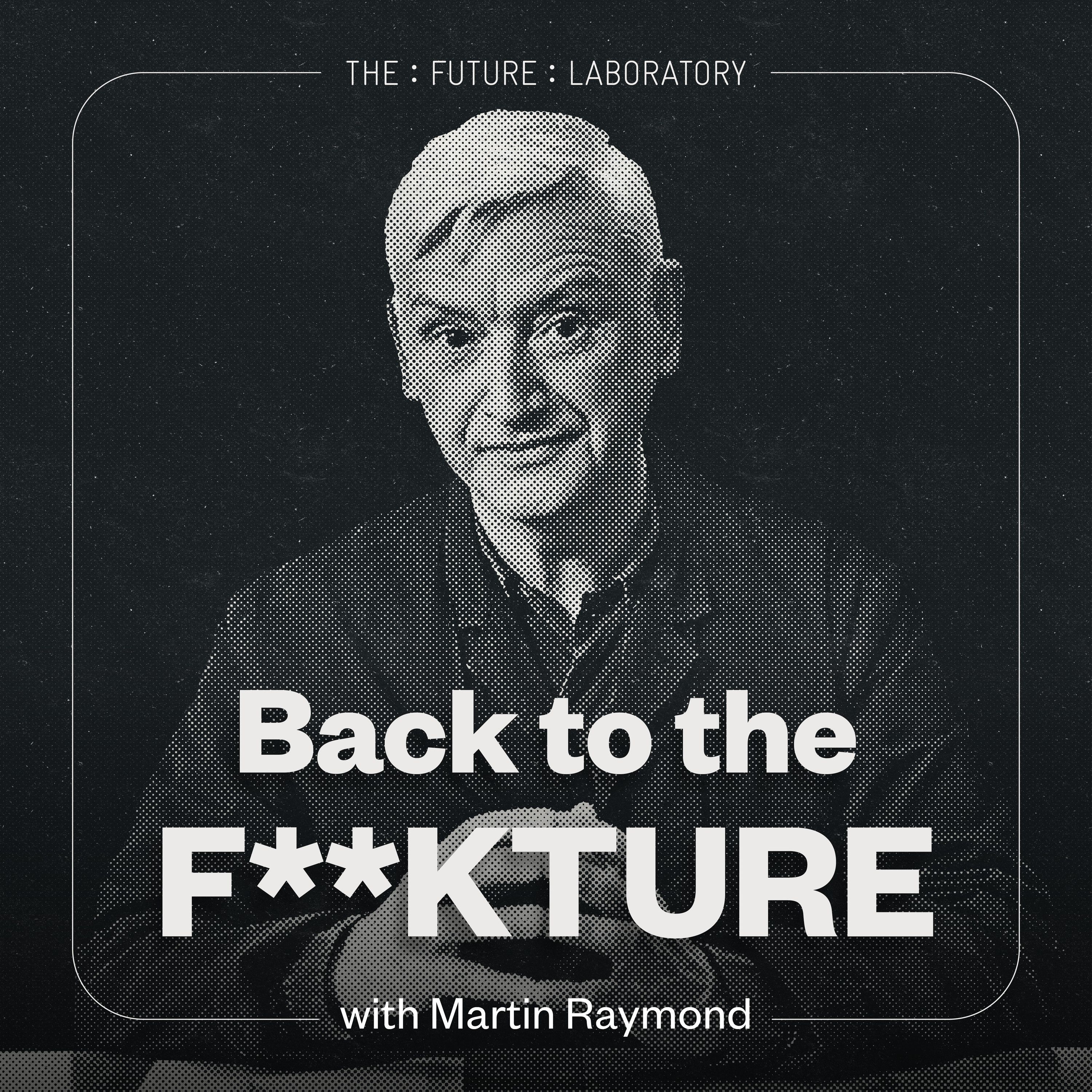
In our Back to the F**kture podcast, hosted by The Future Laboratory co-founder Martin Raymond, we ask a future-thinker to put foresight predictions under the hindsight spotlight and explore how trends were disrupted and what this has meant for the future.
Listen to episodes
40 recent
May 6, 2026Episode 439 min
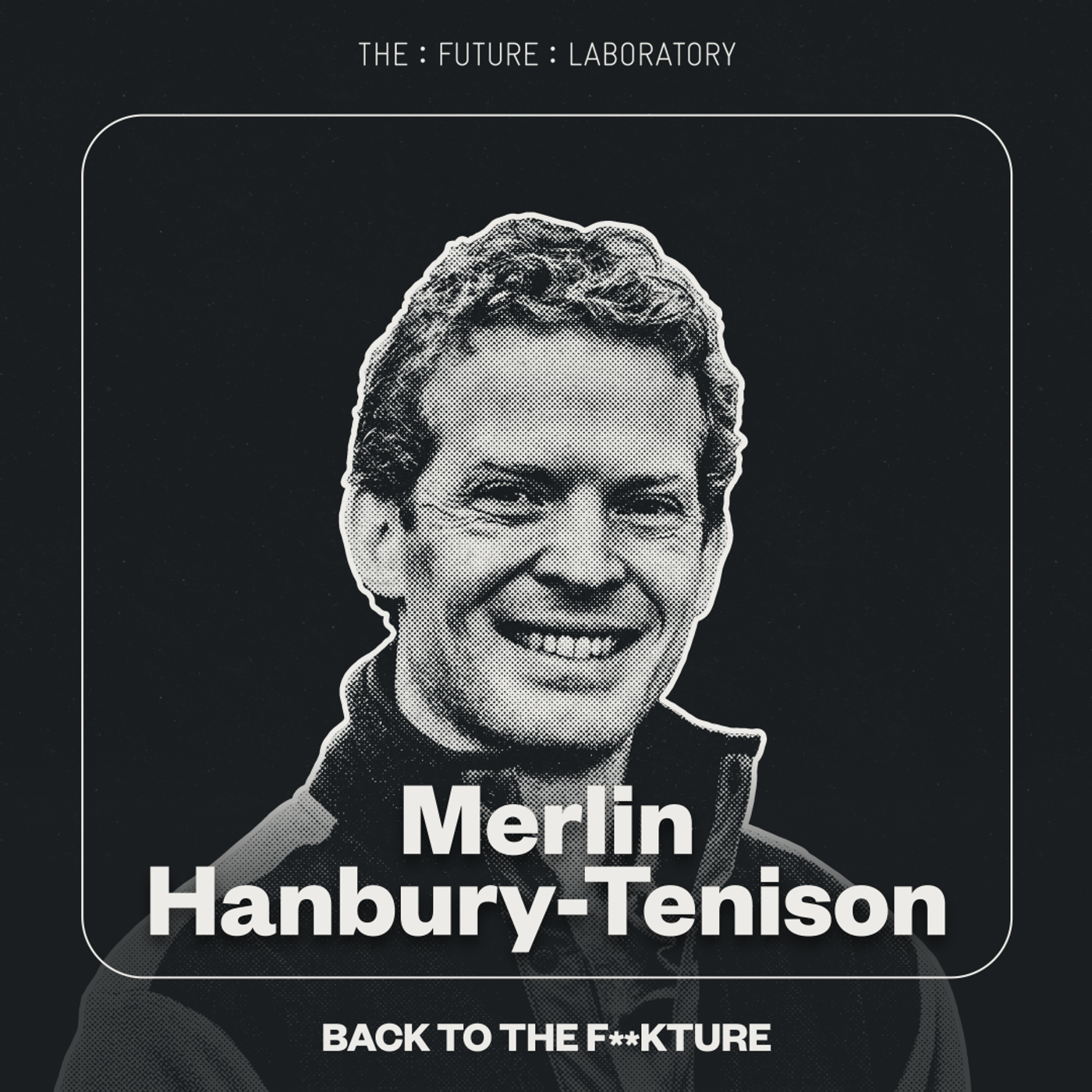
S3 Ep4: Merlin Hanbury-Tenison on Rewilding the Future Soul
In the latest episode of Back to the F**kture!, Merlin Hanbury-Tenison – Cornish conservationist, army veteran and founder of The Thousand Year Trust, Britain’s rainforest charity – shares his journey from a blast in Helmand to recovery in a Cornish rainforest, and reveals the need for a deeper, more symbiotic relationship with nature.
November 4, 2025Episode 336 min
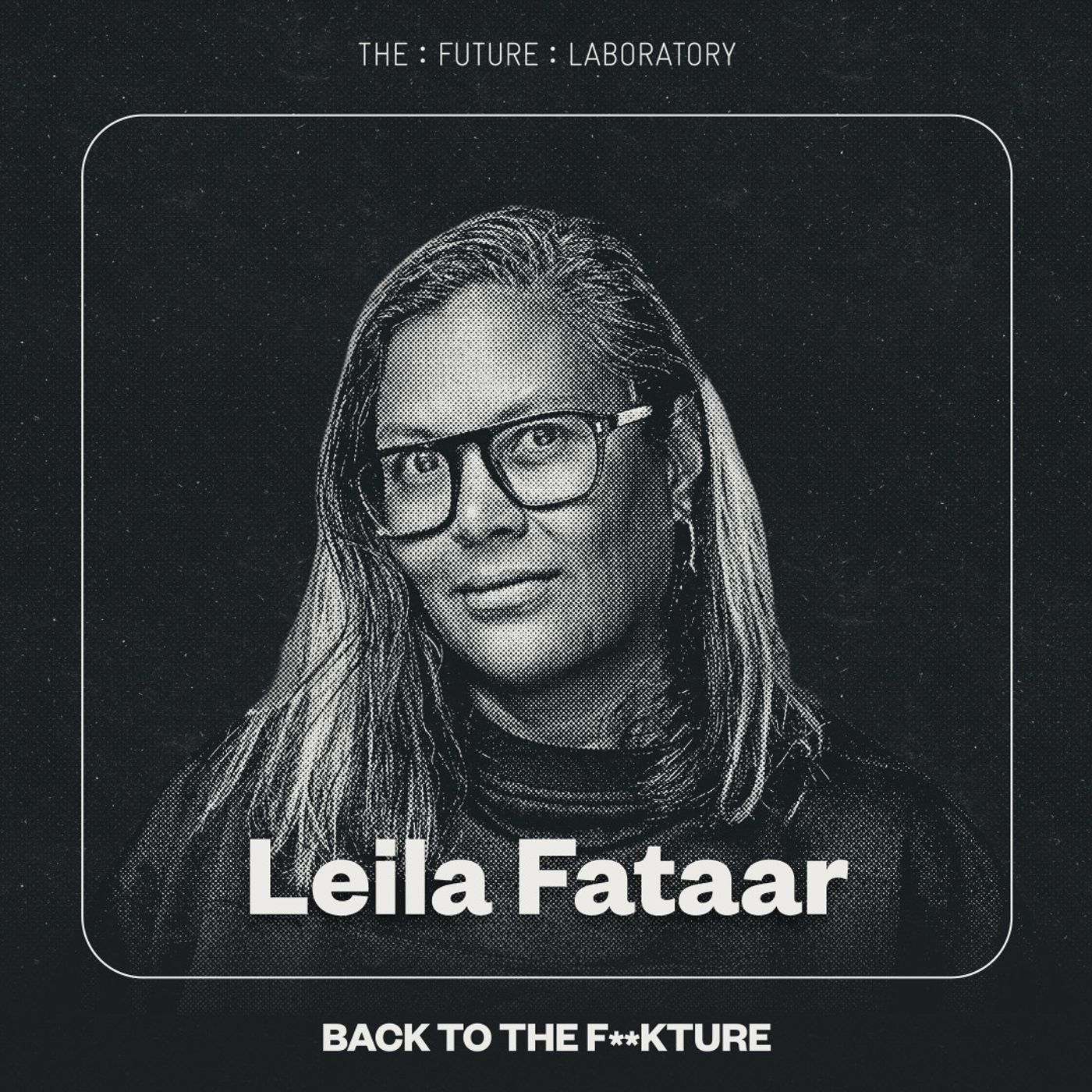
S3 Ep3: Leila Fataar on Building Culture-Led Brands
In the latest episode of Back to the F**kture!, Leila Fataar, founder of Platform13 and author of Culture-Led Brands , explores how culture-led branding – rooted in real people and real contexts, not marketing gimmicks – can help brands remain relevant in uncertain times.
March 27, 2025Episode 234 min
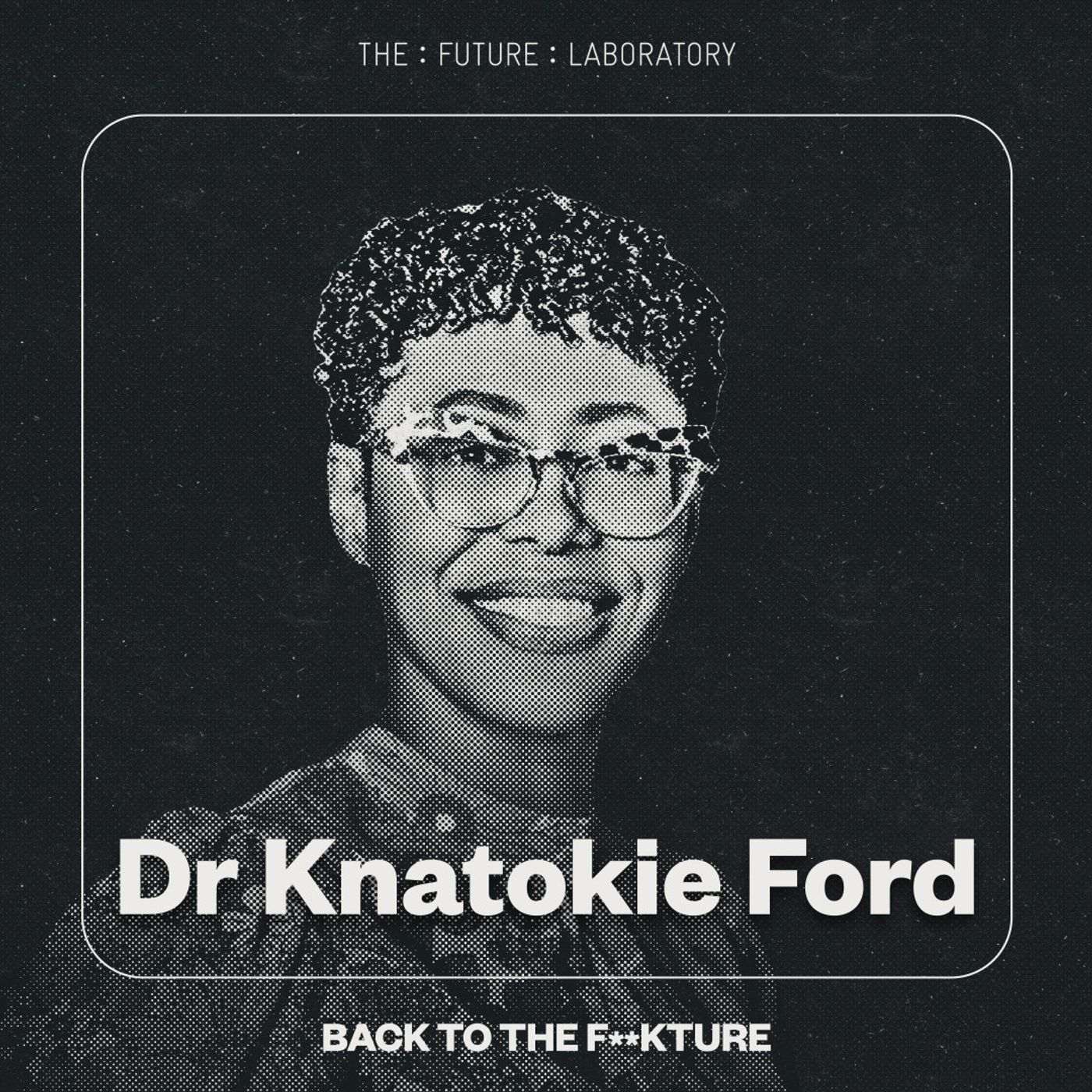
S3 Ep2: Dr Knatokie Ford on Augmented Futures and Redefining What’s Possible for Next-Gen Teens
In the latest episode of Back to the F**kture!, Dr Knatokie Ford explores how Augmented Futures – a fusion of science, storytelling and futurism – can empower under-represented teens to shape their own success. In this conversation, we delve into our shared experience of imposter syndrome, the case for adding the A of ‘arts’ into STEM (Science, Technology, Engineering, Maths), the year 2034 and the power of high vibrations. Find out more about Dr Knatokie Ford’s work on her website and follow her on Instagram .
March 7, 2025Episode 136 min
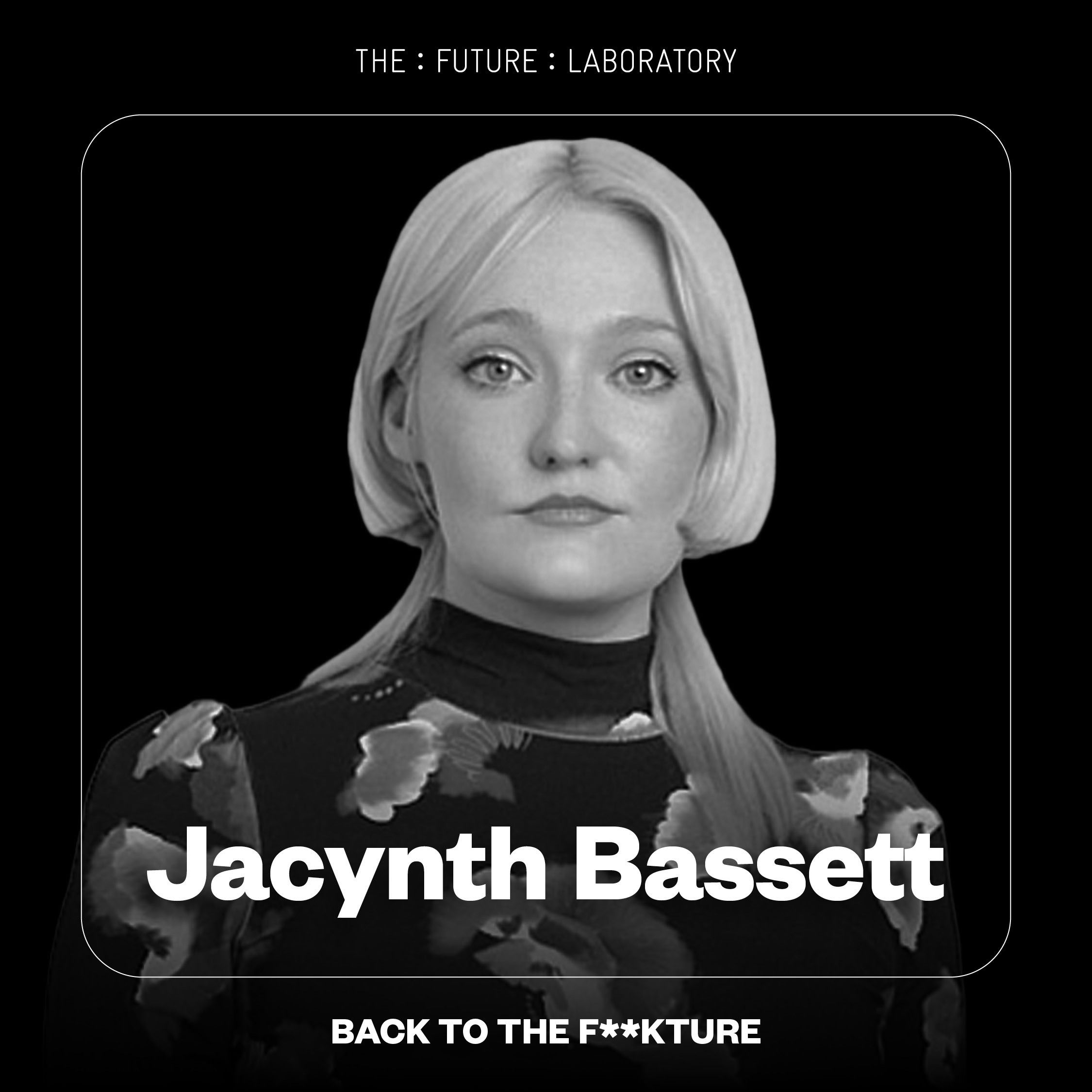
S3 Ep1: Jacynth Bassett on Reframing Ageing
In the latest episode of Back to the F**kture! Jacynth Bassett, founder and CEO of global consultancy, community and campaign Ageism Is Never In Style, joins The Future Laboratory co-founder Martin Raymond to discuss reframing the anti-ageism narrative.
May 24, 2024Episode 2636 min
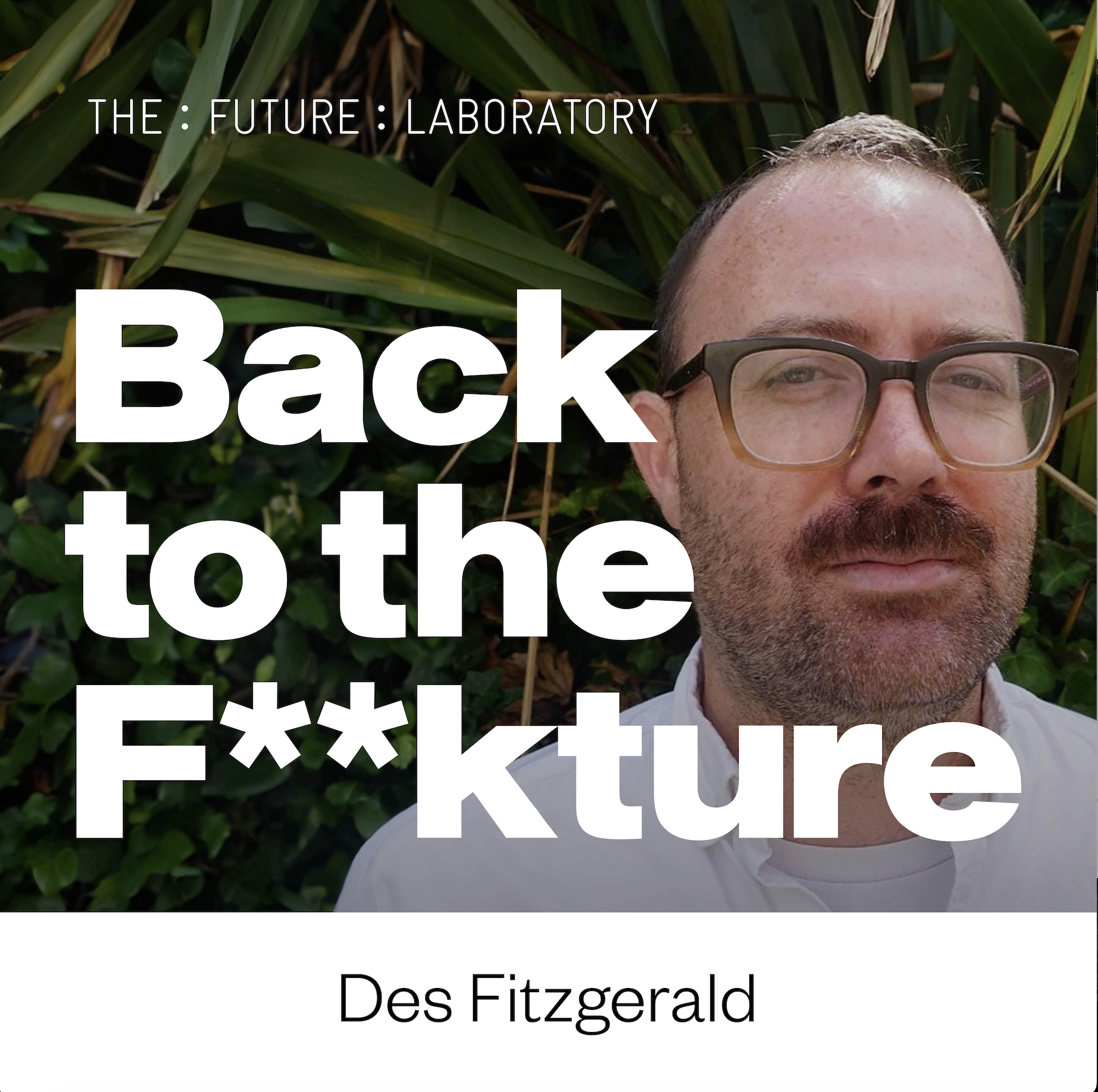
S2 Ep26: Des Fitzgerald in Search of the Cities of Tomorrow
We’ve covered a lot about green cities and the rise of blue zone city districts on LS:N Global, but what if we have been too simplistic, judgemental and morally narrow in our approach and understanding that green is good and the concrete grey of the city is inevitably bad for our physical, spiritual and moral wellbeing? Professor Des Fitzgerald reminds me in our latest Back to the F**kture podcast that this could very possibly be the case.
February 16, 2024Episode 2537 min
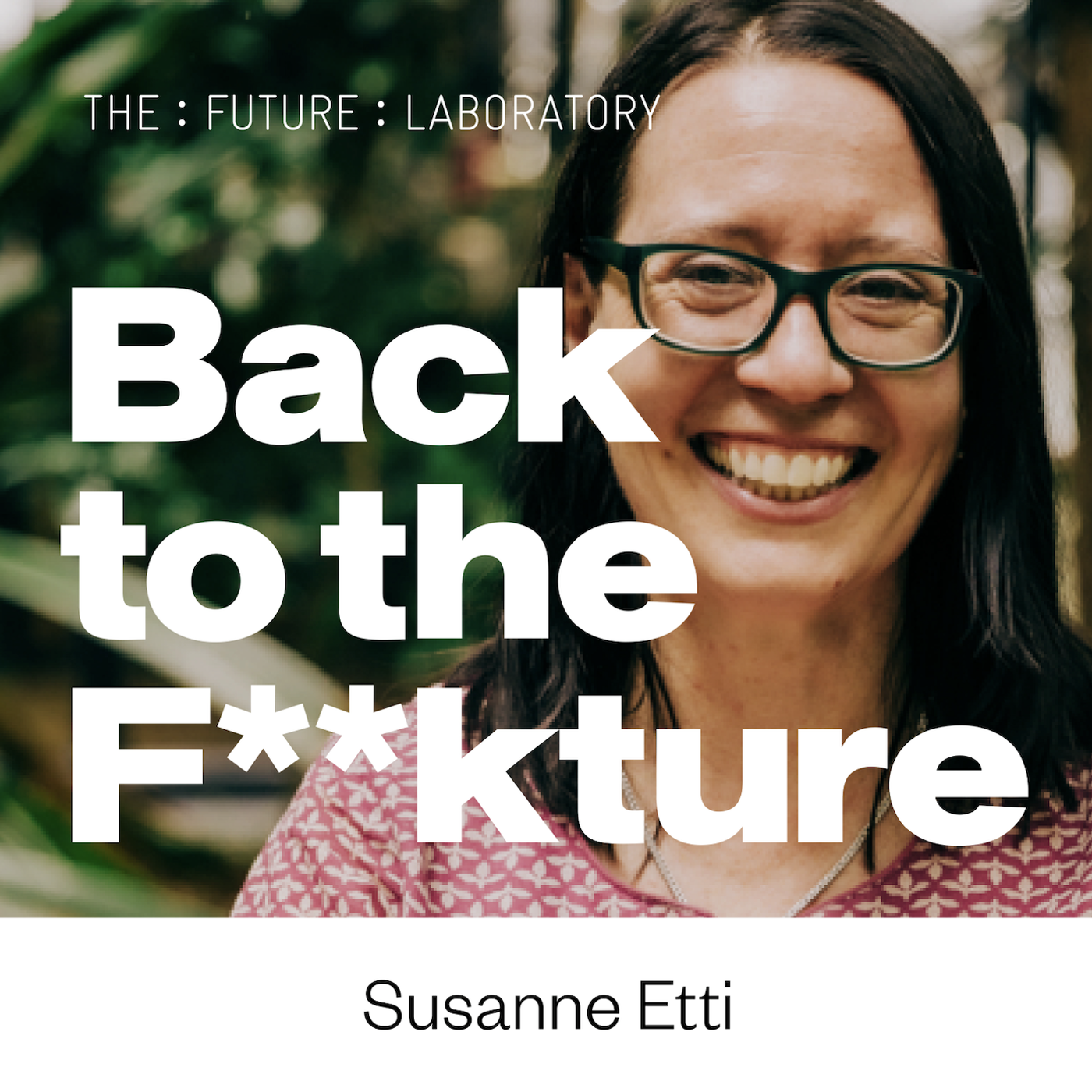
S2 Ep25: Susanne Etti and the reality of a carbon footprint
In our latest Back to the F**kture podcast, Dr Susanne Etti talks carbon labelling and more collaborative and constructive ways to tackle the climate crisis through her role and work with sustainable travel group, Intrepid. Dr Susanne Etti and I hit it off straight away. For one, she lives in Melbourne – my favourite maritime city and skinny white provider, no challengers – and for two, she pulls no punches when it comes to reminding the travel sector just how much it has contributed to the current climate crisis. No issues there, except that Susanne, a biologist, and one of the BBC 100 Women (think Michelle Obama and global climate leader, Christiana Figueres) and one of National Georgraphic’s Travellers of the Year, works for Intrepid, a light foot, small group adventure travel business, and carries the title of global environmental impact manager. Both of these things make you hyper- aware that her observations about the sector come with much thought, careful knowledge, and a scientist’s understanding that to comprehend how and why we should change things, we need to truly appreciate what will happen, if we don’t. And Susanne, as you’ll discover in my latest Back to the F**kture podcast is pretty clear about the latter. Climate boiling, instead of global warming. Wildfires, instead of campfires. Submerged coral reefs instead of above sea-water coral islands,. carbon passports instead of travel permits, trips that chase the shade, rather than follow the sun, climate refugees outnumbering economic migrants, and… Well that’s just it, the ‘and’ can be even more devastating, or it can be a turning point we can all contribute to, she tells me, especially if we begin to measure our carbon footprint, as travellers, agencies, hoteliers and corporations – and proactively take steps to reduce it.
January 26, 2024Episode 2435 min
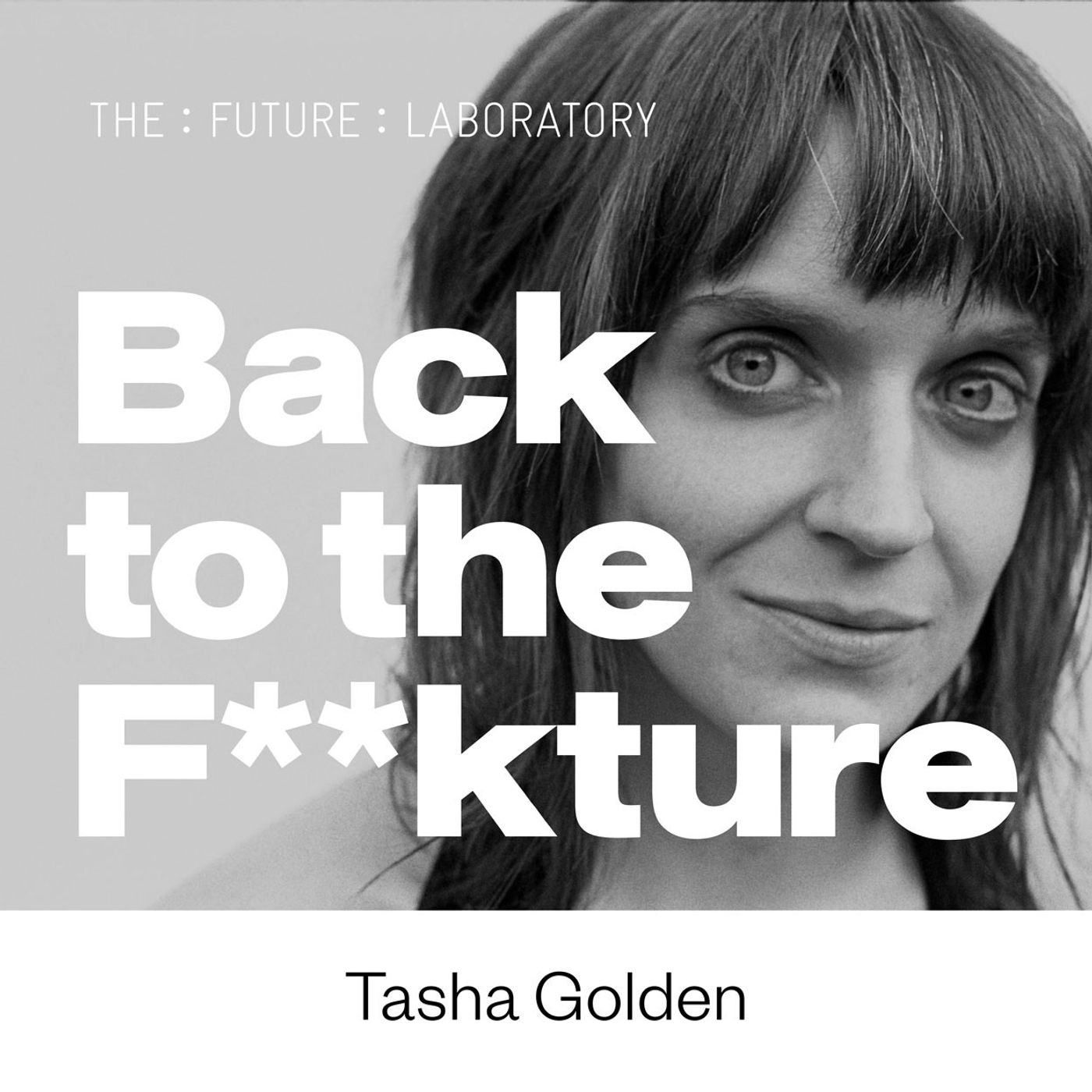
S2 Ep24: Tasha Golden and the impact of art on mental health
According to the World Health Organization, good health isn’t ‘merely the absence of disease’, but ‘complete physical, mental and social wellbeing’. Dr Tasha Golden, my latest guest on Back to the F**kture, concurs. But – given the fact that she is a poet, songwriter, performer and storyteller, as well as a public health scientist – she takes this definition a step further. For her, aiming for ‘complete wellbeing’ means thinking about what humans need not only to survive but to thrive, and this has always included the arts. And that’s the short version! To explain and annotate the long one, she and her colleagues have collaborated on a hugely insightful field guide, called Arts on Prescription, which describes what arts on prescription is and why it matters, and provides the blueprint you need to follow.
December 19, 2023Episode 2337 min
S2 Ep23: To Luxury and Beyond with Carlota Rodben
In our latest Back to the F**kture podcast, Beyond Luxury author and innovator Carlota Rodben discusses the future of luxury and emotion with The Future Laboratory’s co-founder, Martin Raymond. There are two great quotes at the beginning of Carlota Robden’s latest book, 'Beyond Luxury: The Promise of Emotion', which very much sum up luxury’s future, ‘what got us here, won’t get us there,’ and Gabrielle Chanel’s observation that ‘luxury is a necessity that begins when necessity ends.’ Both quotes remind me that luxury, like art, is wholly ephemeral (and thus vital!) and that current attempts to anchor luxury to the past (cue provenance, authenticity, rarity) are increasingly challenged by concepts and technologies that are of the future– Ai, VR, AR and cloud anything and everything.
December 8, 2023Episode 2233 min
S2 Ep22: Mimi Nicklin is Softening the CEO edge
Successful leaders are empathetic ones, according to author, leadership coach and strategic thinker Mimi Nicklin. They are also great perspective takers who understand the context of our decisions, as well as the moods and emotions that motivate us to make them. If that sounds simple – it isn’t. In fact, as Nicklin identifies in her book, Softening the Edge, while CEOs think everything about the value of an MBA, they wouldn’t look twice at an MEA – a Masters of Empathy degree (my term). And yet the skills acquired here, if such a degree existed, would undoubtedly make their future happen, and profitably so. For empathy, as she discusses in my latest Back to the F**kture podcast, isn’t just a nice-to-have softness or character trait, it’s a hard skill to master, and a tougher one to deploy; hence, her book that very much works like our mythical MEA. ‘Empathetic leaders,’ as she tells it, ‘see how others are seeing the world, understand why they are doing what they are doing, but crucially, they are doing it with them, feeling it with them, being it with them, so that they can understand ‘impact’ and consequence from their team’s perspective. That in itself unlocks a new kind of flourishing that no amount of top-down, old-style corporate leadership will ever succeed in doing. Surprisingly – given the amount of talking that the said CEOs tend to do – listening lies at the heart of empathetic leadership, something she discovered early on in her career as strategic director, vice-president and creative officer in places as far afield as Hong Kong, Dubai, Cape Town, London and Singapore: listening, but doing it in an open, active and collaborative way. Yes, even listening requires us to be proactive in our supposed inactiveness, otherwise, as she tells it, we simply nod and get on with the job as we would like to be done. And empathy, like charity, begins at our home quarters, or in our new hybrid work states, where we practise it with our teams first, then our customers – and not the other way around. Nor is it a skill to be housed in our HR teams, but one that must be set as a core KPI for all teams regardless of rank. Otherwise, we risk contributing to what Barack Obama once referred to as an ‘empathy deficit’, which doesn’t sound all that bad until you hear Nicklin explain it. ‘In 2010, the University of Michigan released the findings of a study that tracked thousands of college students over 30 years and found that the current cohort were 40% less empathetic than their forebears. ‘More disturbingly,’ she continues, ‘during the same period the levels of students’ self-reported narcissism had reached equally challenging heights, according to research by Jean M Twenge, a psychologist at San Diego State University.’ Simply put, as we unlearned how to walk in the footsteps of others – a key factor in developing our sense of community, cohesion, culture and common purpose – we were becoming more self-obsessed, more self-serving and less likely to be curious about, listen to, or support others in our networks. And yet, when you identify the skills that are most likely to help us motivate teams, define vision, determine purpose and set future goals, the ones we have been pulling away from for all these years – curiosity, kindness, reciprocity, empathy and open active listening – are the very work state skills that tomorrow’s CEOs need to inspire people and drive profit. ‘Despite this,’ she says, ‘we still define these as ‘soft’ skills – and ones that sit outside the remit of corporate talents to have – rather than expecting them to be core requirements for the future CEO to demonstrate or learn.’ As to how we do it, again being empathetic lies at the heart of everything: so, decision-making that is participatory and consensual; a vision that is agreed and shared; honesty that is encouraged and rewarded; curiosity that is cultivated and embraced; active open listening that is demonstrated and applauded. And finally, crucially, the removal of metaphorical walls, or hierarchies, that inhibit conversation and facilitate siloed thinking. The latter, as Nicklin reminds us, ‘as always, leads back to a place of isolation, and self-serving decision-making – a trait that becomes more apparent as leaders think about themselves and how to serve their positioning, rather than serving or listening to others’. And listening is the key, the cornerstone to becoming that brave, new empathetic CEO – as in chief empathy officer. Softening the Edge is published by The Dreamwork Collective and available from its online bookshop, or as a paperback, audiobook or downloadable from Amazon. You can listen to Mimi Nicklin in conversation with The Future Laboratory co-founder and LS:N Global editor-in-chief Martin Raymond by clicking here, sitting back and listening to how to become a better leader.
November 2, 2023Episode 2136 min
S2 Ep21: A very private function with Peter Cole
As private membership clubs try to regain their privacy and mojo, on this week’s Back to the F**kture podcast The Future Laboratory’s co-founder Martin Raymond talks with hospitality entrepreneur Peter Cole about how they could go about doing it – and at scale. The problem with most private members’ clubs is that they’ve become too public. While luxury itself has returned to being gated, exclusive, bespoke and more personalised as our Gilded Luxury macrotrend explores, members’ clubs, with few exceptions have become ubiquitous, inclusive, open and – depersonalised. You’ve been to one, you’ve been to them all. Same drinks, same DJ, same gong bath therapy in the gym, same Taylor Swift covers in the lift. Not quite what you signed up for! But as Cole explains, this could just be the beginning of the Collectio journey. Naturally, he understands that property developers, faced with the on-going reality of TWAT days (Tuesday, Wednesday and Thursday in the office), and global organisations that are keen to consider what community means in the new Work States landscape, could also avail of the service. You can find out more about Peter Cole and the Collectio Group on the Back to the F**kture podcast
Is this your show?
Claim this listing to keep it up to date, reach guests who want to pitch you, and manage bookings with Guestify.