Find partners
22 Minutes in Lending: Conversations about Credit Unions, Fintech, and Future of Finance

22 Minutes in Lending: Conversations about Credit Unions, Fintech, and Future of Finance

Hosted by LendKey: Lending Made Simple

BusinessInterviews guests

Episodes

63

Latest episode

Mar 2026

Language

EN

About the show

22 Minutes in Lending is a podcast that brings you leading conversations on lending. Join host Vince Passione as he engages with industry leaders and discusses trends and current news in the lending industry. Here, we hone in on how it’s about more than just the balance sheet, and focus on what it takes to build meaningful and lasting lending relationships.

Listen to episodes

60 recent
March 16, 202624 min

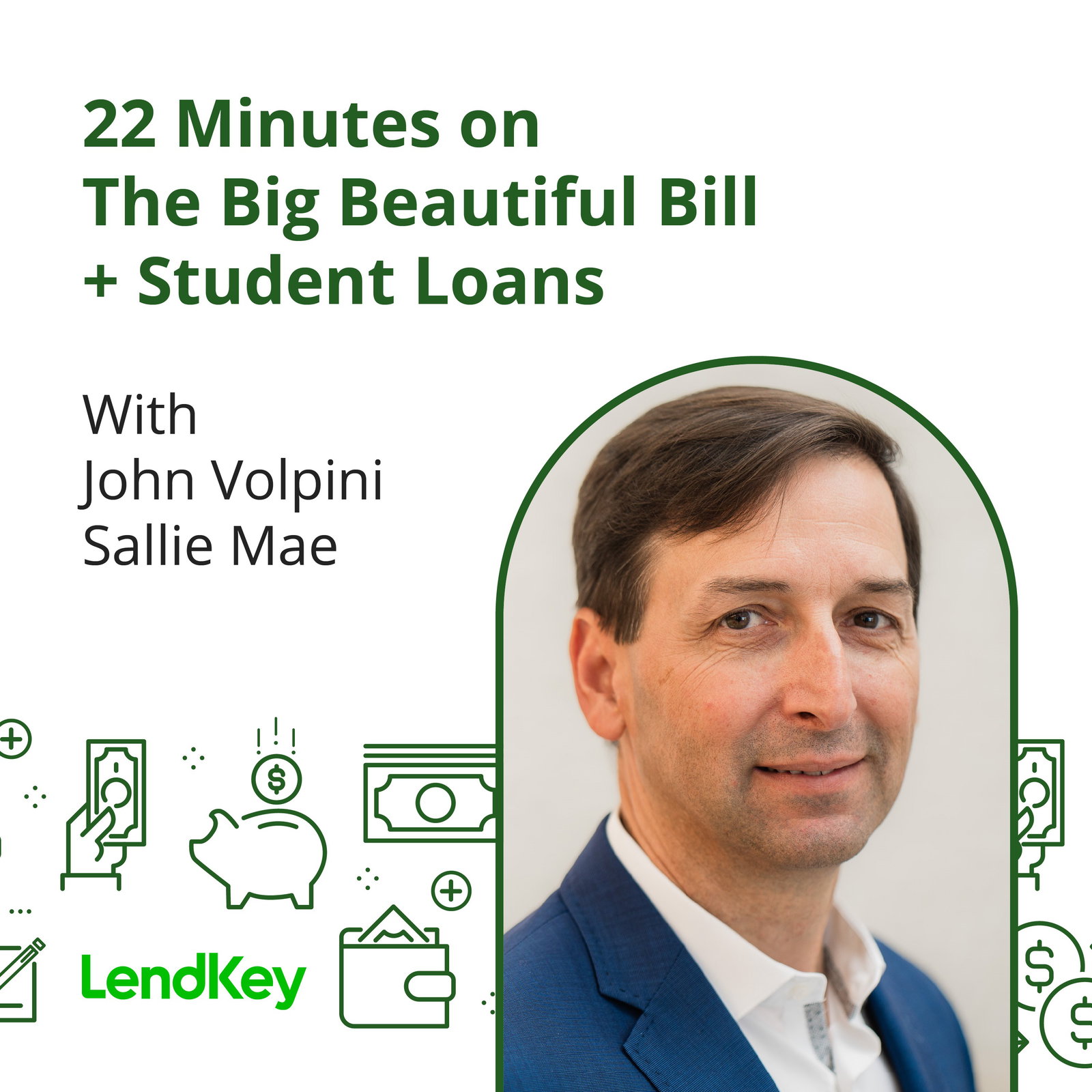
22 Minutes on The Big Beautiful Bill + Student Loans

The Big Beautiful Bill is set to upend student lending starting July 1, 2026, with changes to everything from loan amount caps to repayment options to program availability.In this episode, John Volpini, VP of Relationship Management at Sallie Mae, draws on his decades of industry experience to explain how these changes will affect the private student lending market — and how credit unions can seize the opportunity.Key Takeaways01:35: DOGE cuts eliminated around half of FSA's staff, leaving schools stressed and under-guided as they race to implement major loan reforms by July 1st.05:14: Grad PLUS eliminated, Parent PLUS capped at $20K/year, and graduate loans now have hard lifetime limits — John ranks this second only to the 2010 federal takeover in significance.08:50: Federal PLUS loans carry a 4.266% origination fee that inflates the true APR, meaning top-tier credit borrowers will frequently find private loans equal to or cheaper — something most families don't know.15:26: The Bill cuts $8–10B in annual federal loan volume, with approximately $1.2B shifting to private lending in 2026 and growing to $5.2B over three years — capacity the market can handle.18:01: Unlike undergrad loans (90% co-signed), John expects 60–70% of graduate private loans to be unsupported, improving approval rates as better-credit grad students enter the private market for the first time.21:05: For the first time, Pell Grants will cover workforce and trade programs — a move John sees as positive, reinforcing his longstanding advice: free money first, federal second, private gap financing third.Resources Mentioned:https://www.elmresources.com/

February 25, 202627 min

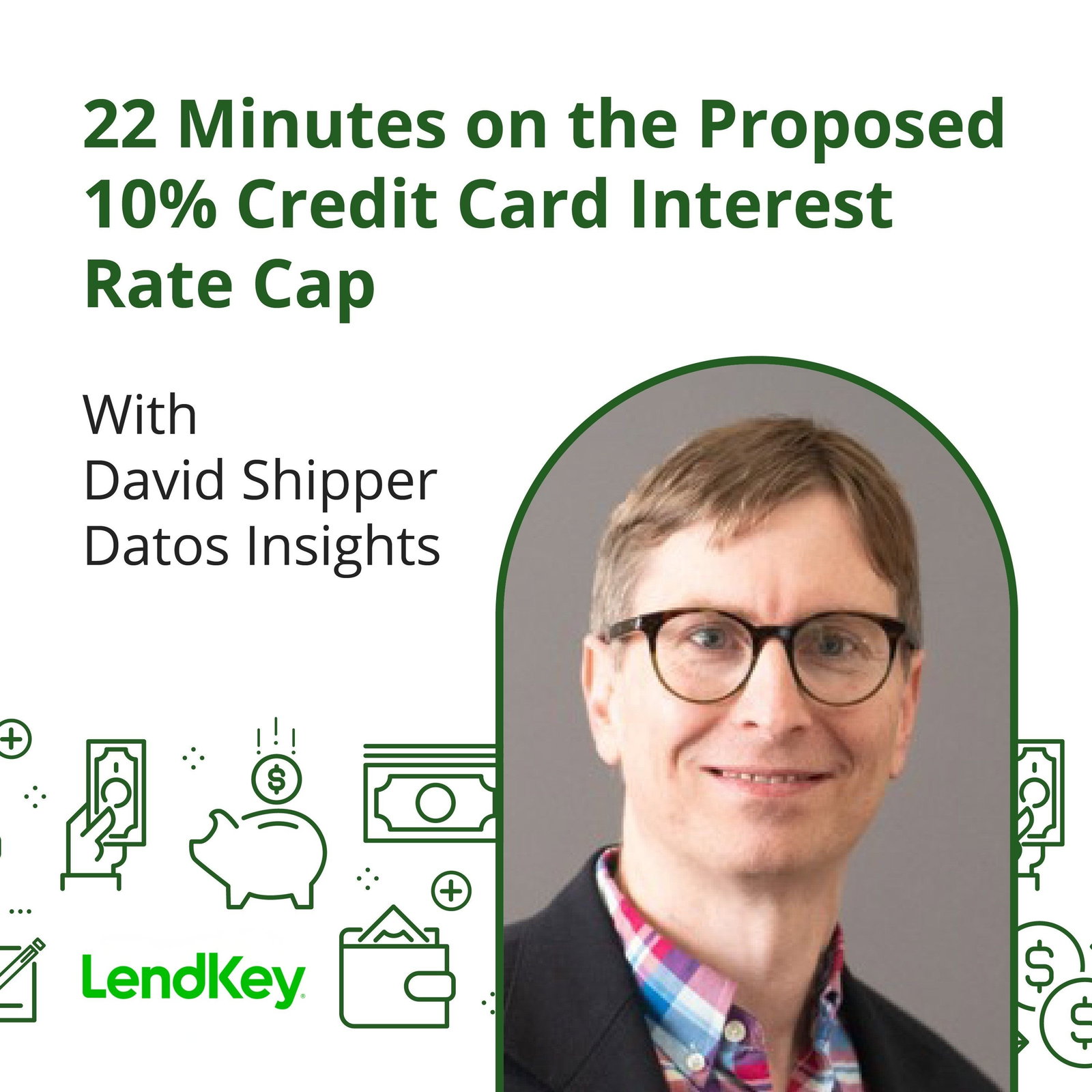
22 Minutes on the Proposed 10% Credit Card Interest Rate Cap

While lawmakers debate a proposed 10% credit card interest rate cap, credit unions are asking what this could mean for access to credit, profitability and member relationships.In this episode, credit card expert David Shipper of Datos Insights takes a deep dive into the potential impact of legislative rate caps, what could happen to credit card programs, and what credit union leaders should be doing now.Key Takeaways02:11: David explains that the bill is extremely blunt: a flat 10% APR cap on all credit card interest, with no distinctions for cash advances, default rates, or risk tiers.04:50: David outlines how a cap would reduce approvals, shrink credit lines, and push consumers toward worse alternatives like payday loans or BNPL.09:38: David agrees that credit union leaders are right to be concerned: many programs could become unprofitable, leading to fewer approvals and higher fees.11:46: Despite the risks, David argues credit unions could gain market share because their rates already average around 12–13%.16:21: David warns that state-by-state caps would create a patchwork of rules, disadvantaging local credit unions while national banks export higher rates.20:31: David outlines practical steps that credit unions can do now: speed up digital applications, enable instant approvals, offer digital card issuance, and reevaluate fees to ensure sustainability.Resources Mentioned:https://datos-insights.com/https://www.americascreditunions.org/

January 26, 202625 min

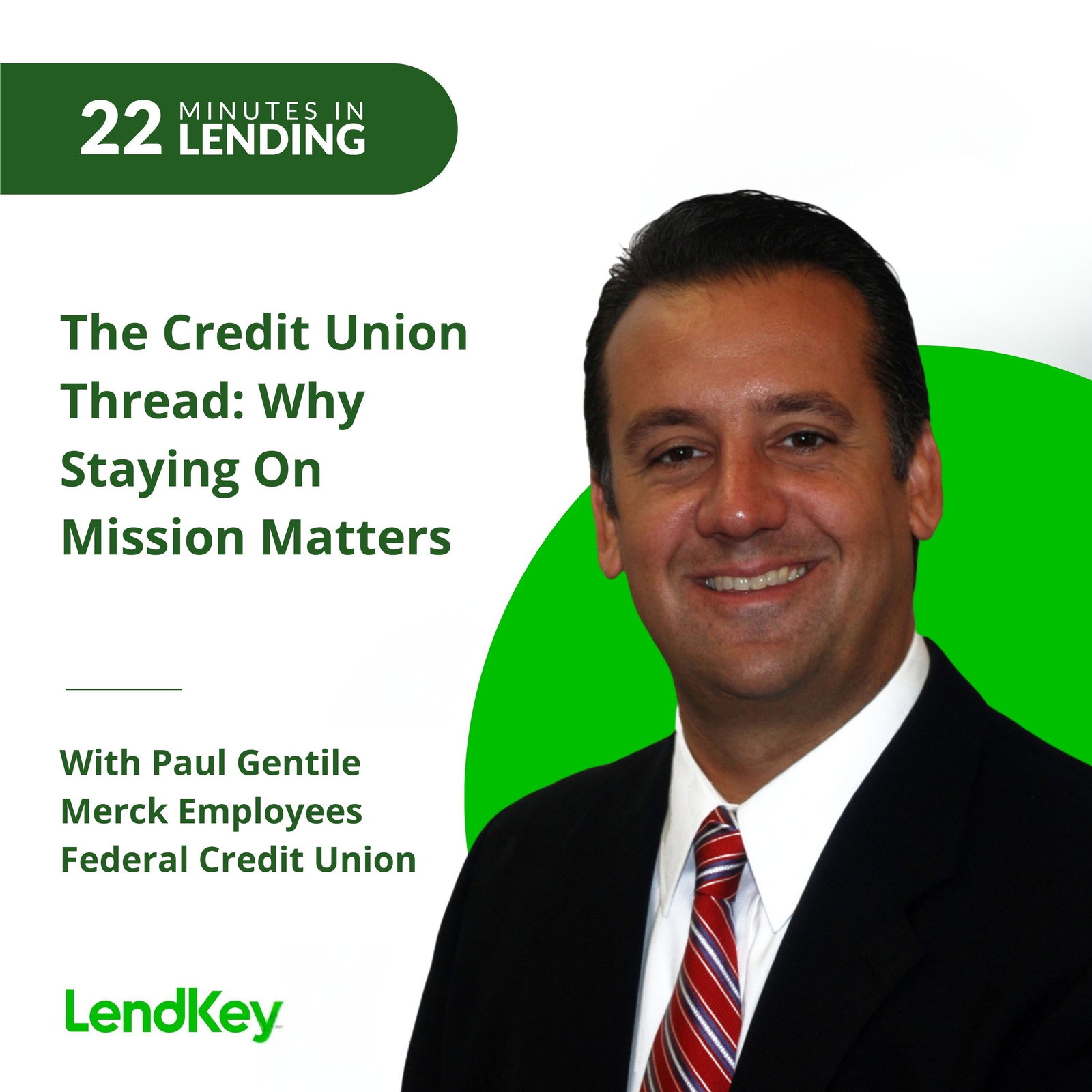
The Credit Union Thread: Why Staying On Mission Matters

While many credit unions look to expand their field of membership or enter new markets, Merck Employees' FCU is bucking the trend—and reaping the rewards.In this episode the $1.8 billion credit union's president and CEO, Paul Gentile, discusses the unique relationship the credit union maintains with one of the world's largest pharmaceutical companies, and how doubling-down on Merck employees continues to deliver long-term growth.Key Takeaways00.48: Paul's career journey from publisher of the Credit Union Times, to leading a League, and finally running a credit union.03.06: Why fraud is the number one issue facing credit unions in 2026.06.29: How Merck has maintained strong relationships with its SEG and continues to grow and thrive within its closed field of membership.10.00: Ways Paul and the Merck leadership team have positioned student lending as a market differentiator.14.21: An overview of Merck's growth strategy, and how it's maintaining relevance with a SEG membership.20.21: Paul shares his vision for credit unions in the next decade, particularly as it relates to Stablecoin and broader crypto technology.Resources Mentioned:www.merckcu.comwww.cutimes.com

January 12, 202619 min

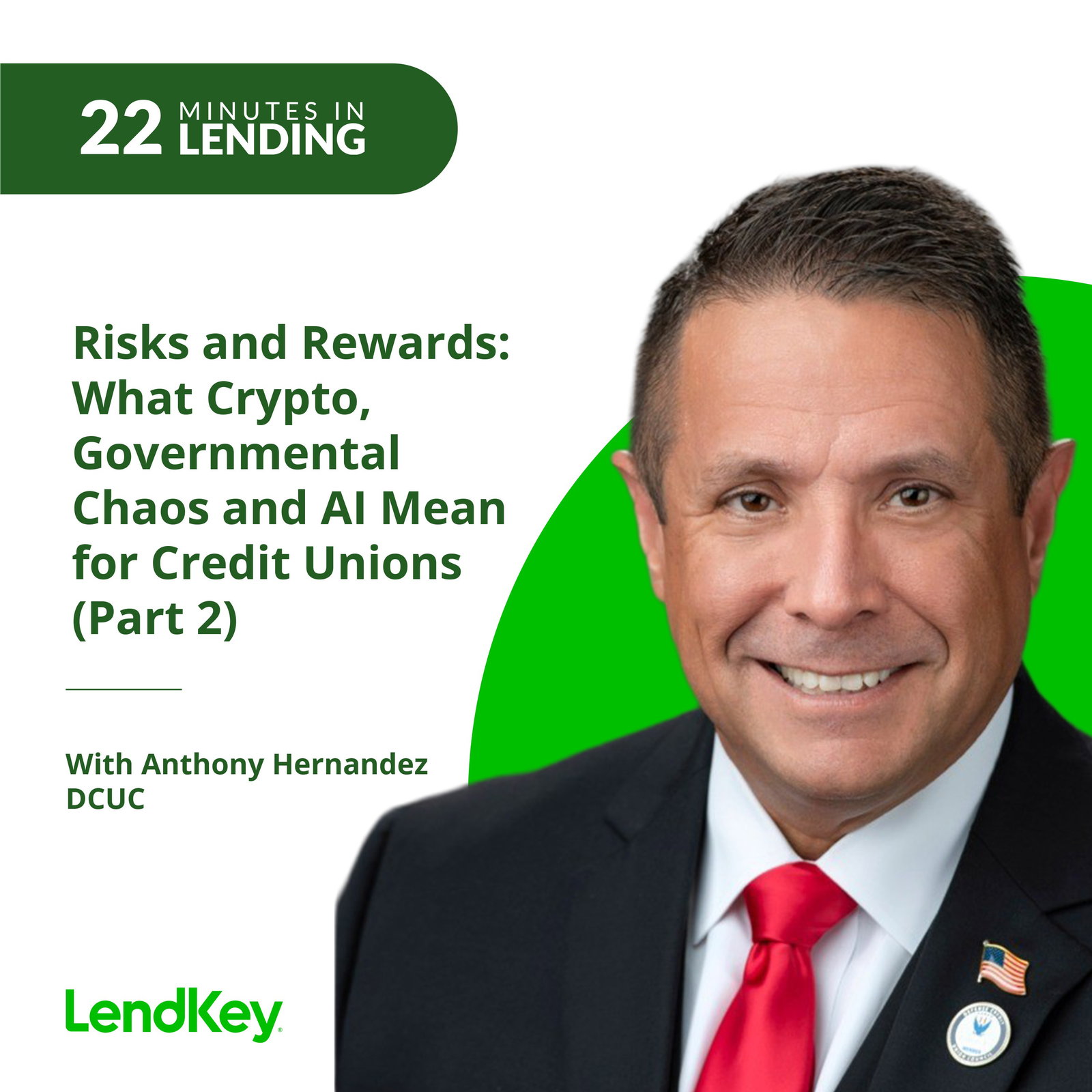
Risks and Rewards: What Crypto, Governmental Chaos and AI Mean for Credit Unions (Part 2)

In the second part of our conversation with Defense Credit Union Council (DCUC) president and CEO, Tony Hernandez, we explore what the future holds for credit unions in an ecosystem dominated by crypto, governed by unpredictable legislators, and disrupted by increasingly savvy innovators. Highlights:‎00.30: Tony discusses the Genius Act, Stablecoin, and his concerns that modern financial innovations could simply bypass the credit union system.03.36: The liquidity risks presented by the $84T generational wealth transfer if it happens within crypto or more modernized financial systems that credit unions haven't yet adopted.05.33: Lessons learned from the latest (and longest) government shutdown, and how credit unions and any federally-employed members should prepare for the next one.13.19: How DCUC is working to support smaller credit unions and ensure their survival, growth, and integration into the legislative conversation.15.04: What the future holds for the credit union system and where DCUC can play a role in shaping it.Links:https://www.dcuc.org/

January 5, 202622 min

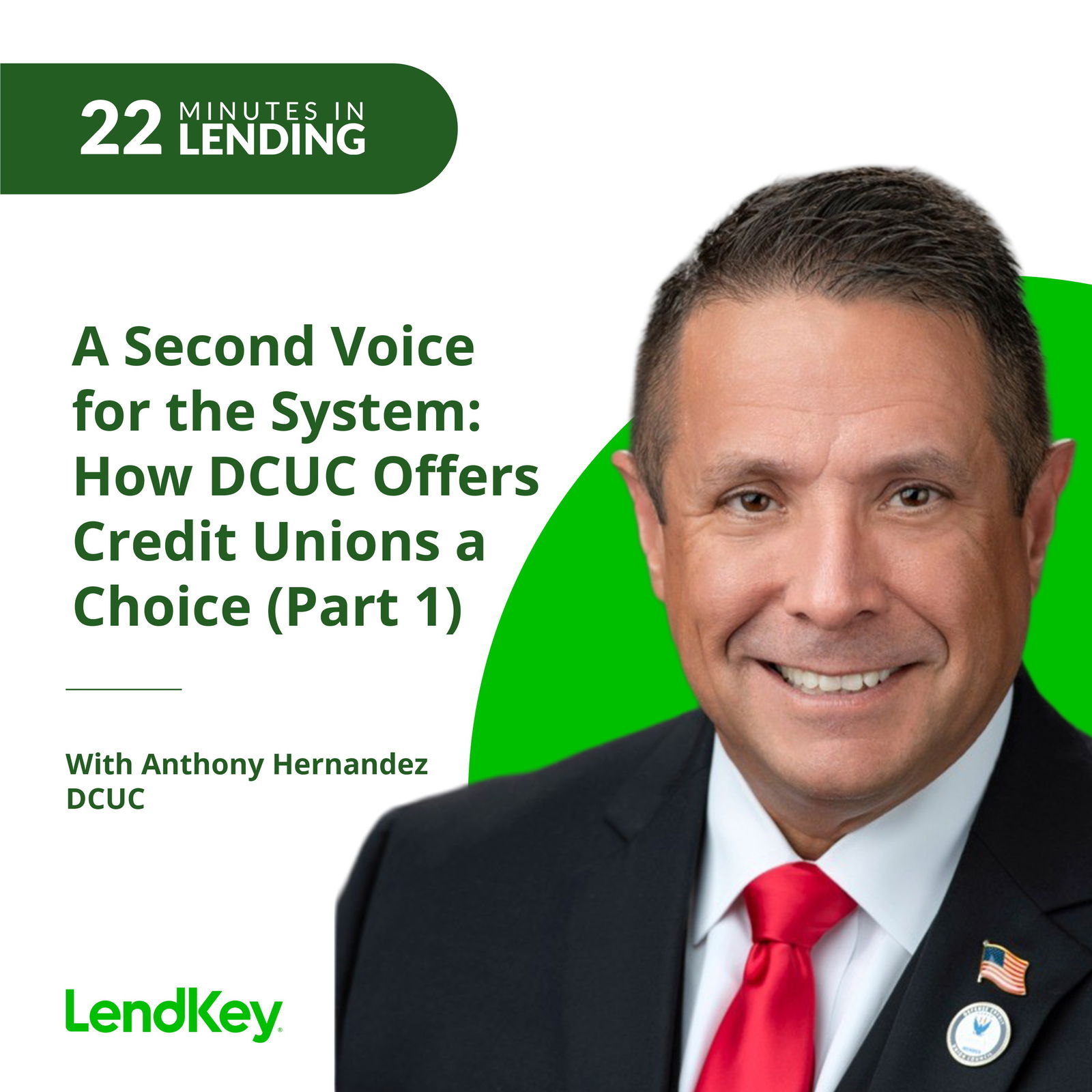
A Second Voice for the System: How DCUC Offers Credit Unions a Choice (Part 1)

Two years ago, CUNA and NAFCU—the credit union system's two primary trade associations—merged to form America's Credit Unions. But was that the right move? In this episode, the Defense Credit Union Council's (DCUC) president and CEO, Tony Hernandez, explains why he's expanding the organization's reach and remit to provide credit unions with more support, different services, and a second voice on Capitol Hill.Highlights:01.00: Tony Hernandez discusses his distinguished Air Force career and how it led him to the Defense Credit Union Council (DCUC) ... and an awkward conversation with his wife.07.35: An overview of how DCUC has expanded its remit to be a broader, more representative voice for the credit union system as a whole.15.33: The argument for having greater representation, and how the banking industry has proved that it works.18.43: How DCUC collaborates with America's Credit Unions on certain advocacy efforts, but how and why it's important it remains its own authority, too.20.00: Why DCUC has offered to foot the bill for a CFPB Credit Union Advisory Council.Links:https://www.dcuc.org/

December 1, 202523 min

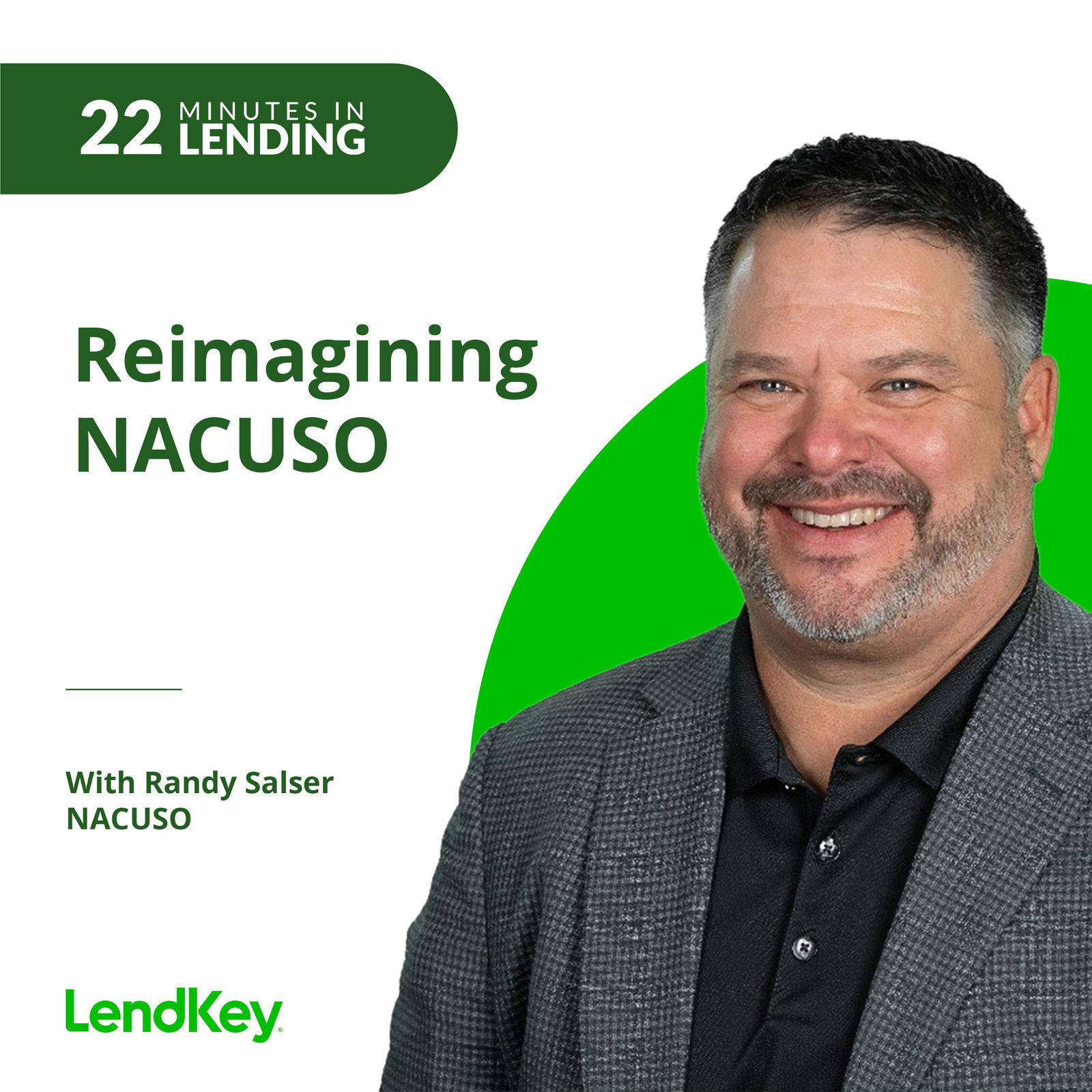
Reimagining NACUSO

A little over a month into his tenure as President and CEO, NACUSO's Randy Salser joins us to discuss his vision for the Credit Union Service Organization trade association. For Salser, it's a case of getting back to basics, doubling-down on where NACUSO can add the greatest value, and maximizing impact through its channels and events.Key takeaways:03.30: Randy's vision for NACUSO to be at the center of an ecosystem where fintech, CUSOs, and credit unions can strategize together, learn from, and share with each other.05.45: The relationship, differences, and nuances between CUSOs and non-CUSO fintech—and how they're both designed to support the credit union system.08.17: NACUSO should focus on "surgical" advocacy and, while lending its name and weight to larger national calls, prioritize its core value proposition.13.10: Randy's plans for the first three months of leading the organization.17.40: How NACUSO's Reimagine event is a prime opportunity for credit unions and CUSOs alike to rediscover the value the organization offers to the system, microscopically and macroscopically.20.53: Busting the big myths that prevent more exposure of and engagement with CUSOs.Resources discussed:https://nacuso.com/https://www.reimaginenacuso.com/

November 3, 202525 min

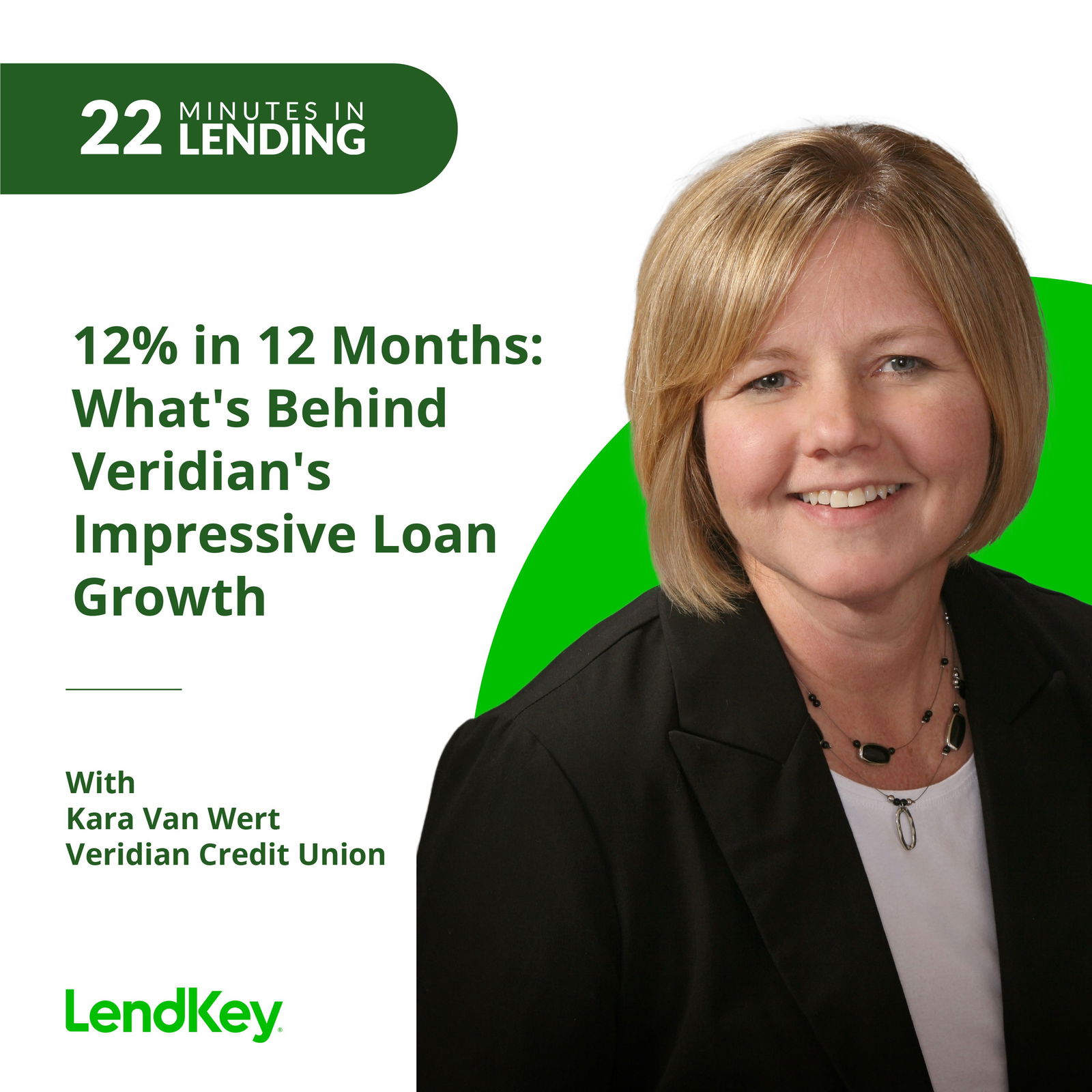
12% in 12 Months: What's Behind Veridian's Impressive Loan Growth

While many credit unions grapple with low liquidity and a high cost of borrowing, Iowa-based Veridian seems to be bucking the trend. In this episode, the credit union's CLO, Kara Van Wert, discusses how her team is winning with younger members, using fintech to drive growth, and embracing AI to improve underwriting and streamline borrowing ... and the results are there for all to see.Key Takeaways:01.25: An overview of why Veridian's average membership age is so much younger than their peer set.02.49: Reflections on risk management, particularly relating to ongoing loan portfolios that were inflated in the wake of the pandemic.05.25: Kara discusses how Veridian's mindset regarding fintech has evolved from viewing them purely as competitors to seeing them as critical partners.07.17: The impact of AI on Veridian's lending and underwriting processes, in the past, present, and in the future.11.10: How the credit union looks to mitigate bias in AI models and ensure inclusive lending.14.25: How Veridian has grown loans by 12% year-on-year, from $6.5 billion to $7.2 billion.18.00: Exploring Veridian's auto program and how much that has contributed to their strong loan growth.19.57: The challenges of increasing cost of funds, and how credit unions can navigate them.Resources Mentioned:Veridian Credit Union: www.veridiancu.orgLendKey: www.LendKey.comZest AI: www.zest.aiThanks for listening to the 22 Minutes in Lending podcast. If you enjoyed this episode, please leave a 5-star review to help get the word out about the show and be sure to subscribe so you never miss another insightful conversation.#CreditUnions #Fintech #22MinutesInLending

October 14, 202523 min

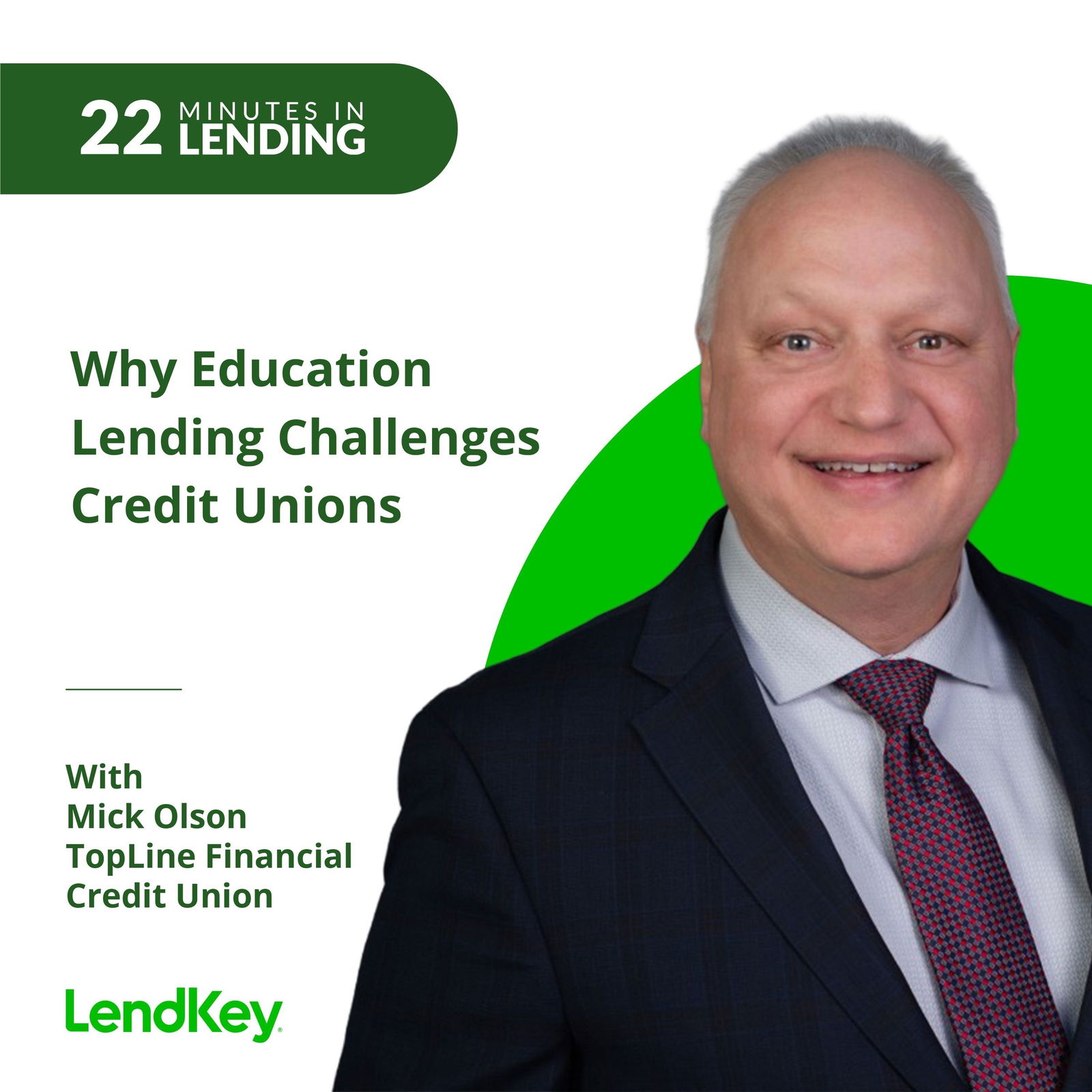
Why Education Lending Challenges Credit Unions

Mick Olson, President and CEO of TopLine Financial Credit Union, joins 22 Minutes in Lending host Vince Passione to talk growth, strategy, and the overlooked opportunity of education lending. With $1.1B in assets and 70,000+ members, TopLine has proven education loans can be profitable, member-friendly, and a pipeline for lifelong relationships. So why do so many credit unions still sit on the sidelines? Mick breaks down the misconceptions, the risk-sharing model that works, and how TopLine turned hesitation into a growth driver.Key Takeaways:01:10 – From $35 to $1.1B, TopLine’s 90-year glow-up from seven AT&T employees to 70K members.03:27 – Cutting the average member age by a decade, with education lending in the mix.04:49 – Post-conversion lines out the door prove face-to-face isn’t dead.07:44 – Where unsecured and education loans fit without blowing up balance sheet risk.10:27 – Why LendKey’s structure finally made education lending a yes.11:33 – The mindset holding credit unions back from education lending.13:26 – Federal cuts will spike private loan demand, and why credit unions can’t ignore it.16:06 – How TopLine pairs culture, brand, and a balanced product mix to stand out.18:13 – Why the tax exemption fight is always there, and the questions credit unions can ask to stay ready.19:02 – Why credit union’s need their own regulator.20:14 – TopLine’s five-year focus: more education, more counseling, more real help for members living paycheck-to-paycheck.Resources Mentioned:TopLine Financial Credit Union: https://www.toplinecu.com/Member Student Lending: https://www.memberstudentlending.com/LendKey: https://www.lendkey.com/Thanks for listening to the 22 Minutes in Lending podcast. If you enjoyed this episode, please leave a 5-star review to help get the word out about the show and be sure to subscribe so you never miss another insightful conversation.#CreditUnions #Fintech #22MinutesInLending

September 22, 202524 min

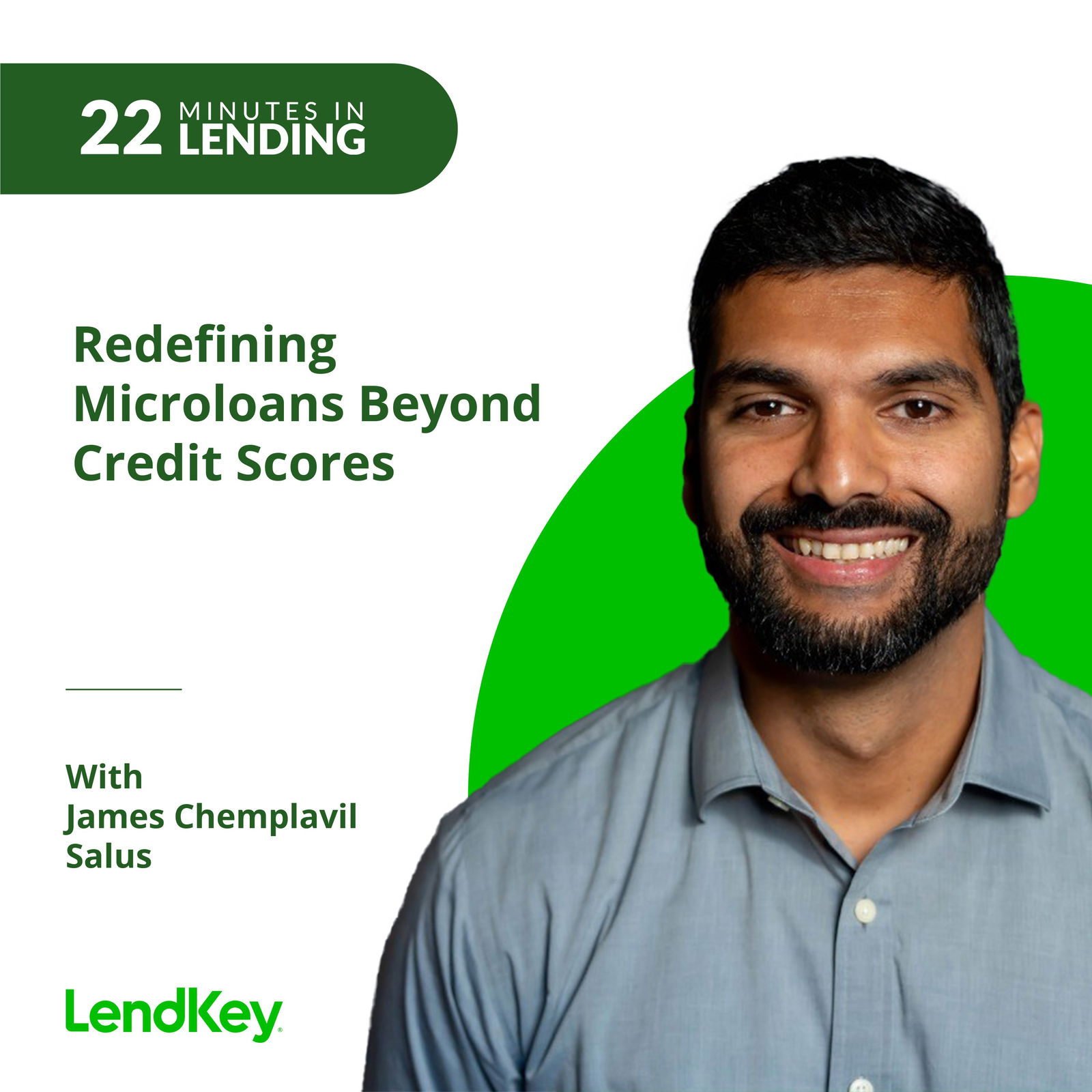
Redefining Microloans Beyond Credit Scores

From Wall Street to fintech, James Chemplavil has seen both sides of lending. After 16 years underwriting corporate debt at Barings, he launched Salus to tackle a problem too many hardworking people face: being denied small but critical loans. Now as Founder and CEO, James is helping credit unions use alternative data and automation to extend microloans, attract younger members, and cut charge-offs. In this episode of 22 Minutes in Lending, James joins host Vince Passione to share the Salus origin story, why credit unions are the ideal partners, and how technology is rewriting the future of microfinance.Key Takeaways0:44 – James shares the personal story that pushed him from underwriting billion-dollar debt at Barings to building Salus, designed to fix access to small but critical loans.02:52 – How collaboration, community focus, and tech gaps made credit unions the perfect proving ground for Salus.04:21 – James explains why “cash in vs. cash out” is the new king metric, and how traditional scores miss millions of good borrowers.06:10 – How Salus cuts staff time out of microloan processing, making $500 loans make sense for credit unions.08:25 – The ideal credit union for microloans? Those wanting to pull in Gen Z and those doubling down on community impact.09:34 – Predictive analytics that surface member stress before they default give credit unions a shot to be proactive, not reactive.13:41 – A peek at how transaction data separates two “identical” 620-score borrowers into wildly different risk profiles.15:31 – How Salus slashes charge-offs from 27% to as low as 3%, giving credit unions control over their risk vs. reach.17:52 – James explains why the play isn’t P&L—it’s the lifetime value of turning Gen Z and millennials into members for life.19:59 – Why earned wage access is the front door to member acquisition, deposits, relationships, and sticky growth.21:50 – Salus’ roadmap: helping members graduate from microloans to auto and mortgage loans. Resources Mentioned:Salus: https://www.salusfintech.com/LendKey: https://www.lendkey.com/ Thanks for listening to the 22 Minutes in Lending podcast. If you enjoyed this episode, please leave a 5-star review to help get the word out about the show and be sure to subscribe so you never miss another insightful conversation.#CreditUnions #Fintech #22MinutesInLending #Microloans #LendingInnovation

September 8, 202524 min

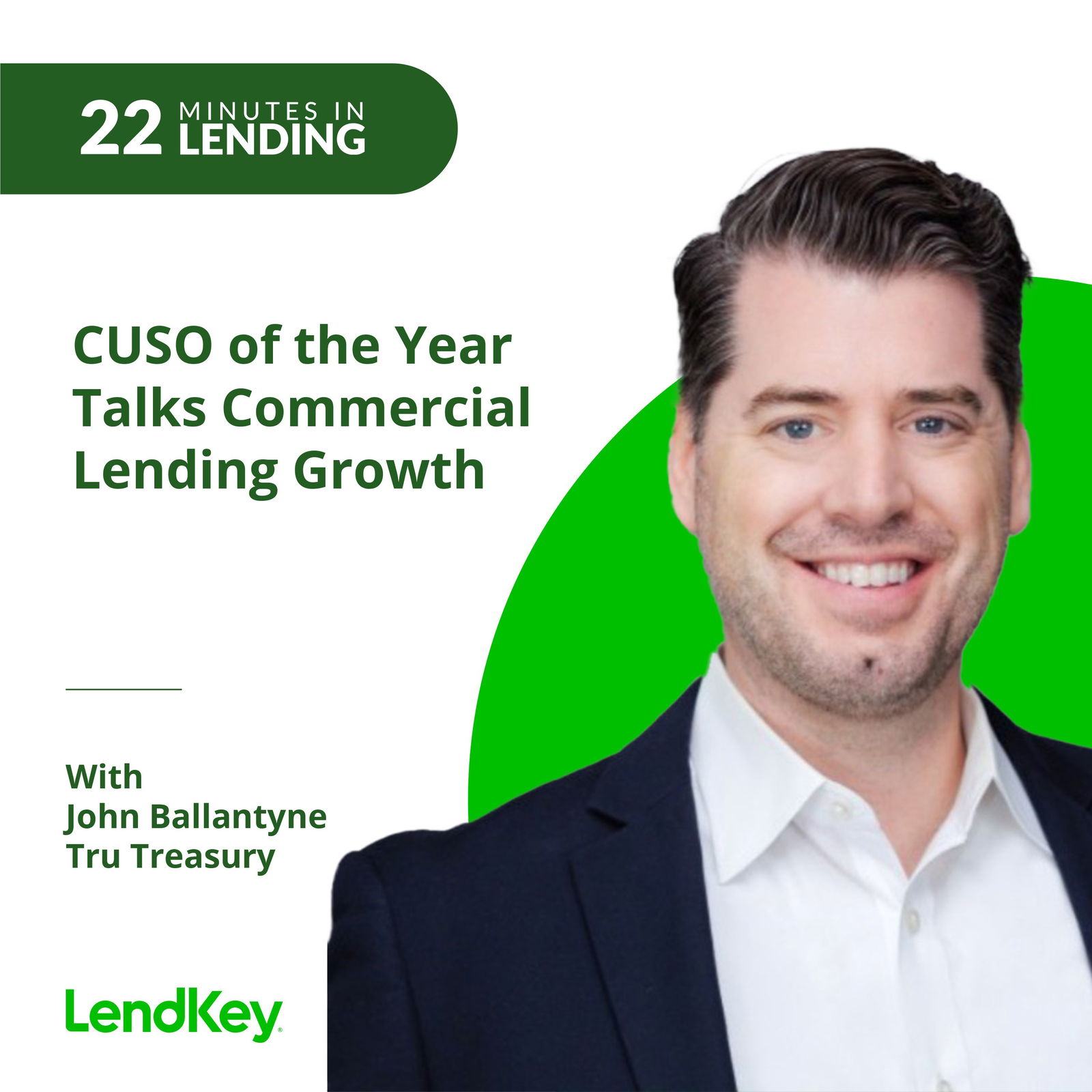
CUSO of the Year Talks Commercial Lending Growth

From banking to startups to serving in Iraq, John Ballantyne has worn many hats. Now as CEO of Tru Treasury, he’s helping more than 70 credit unions build treasury management programs that keep them competitive in a growing commercial lending market. In this episode of 22 Minutes in Lending, John joins host Vince Passione to share the origin story of Tru Treasury, how it’s filling a critical gap for credit unions, and where treasury management is headed in the future.Key Takeaways01:35 – John shares the unique story of launching Tru Treasury in March 2020, just as COVID shuttered the world overnight.04:21 – The advantages of structuring True Treasury as a CUSO, and how collaboration with credit union CEOs shaped the model.05:26 – Today, TruTreasury serves over 70 credit unions in different ways, from consulting to acting as a full outsourced treasury management department.06:56 – Go behind the scenes and hear how Tru Treasury’s three platforms serve credit unions.09:35 – How Tru Treasury steps in during acquisitions to bridge gaps in complex treasury relationships.11:06 – What credit unions need to know about field of membership rules, the 12% cap, and opportunities for commercial lending and deposits.13:11 – Commercial lending trends: growth in C&I and SBA lending, deposit growth, and how commercial deposits can be used to fund commercial loans.15:34 – Untapped opportunities in municipal deposits, and why they’re a natural fit for some credit unions.17:04 –Stablecoin, blockchain, and security innovations shaping the future of payments.21:21 – Looking to 2030: John envisions a modular “commercial banking as a service” model that brings together lending, compliance, and treasury management for credit unions and beyondResources Mentioned:Tru Treasury: https://trutreasury.com/Leverage: https://myleverage.comLendKey: https://www.lendkey.com/  Thanks for listening to the 22 Minutes in Lending podcast. If you enjoyed this episode, please leave a 5-star review to help get the word out about the show and be sure to subscribe so you never miss another insightful conversation. #CreditUnions #Fintech #22MinutesInLending

Is this your show?

Claim this listing to keep it up to date, reach guests who want to pitch you, and manage bookings with Guestify.

Claim this listing

More Business podcasts