Find partners
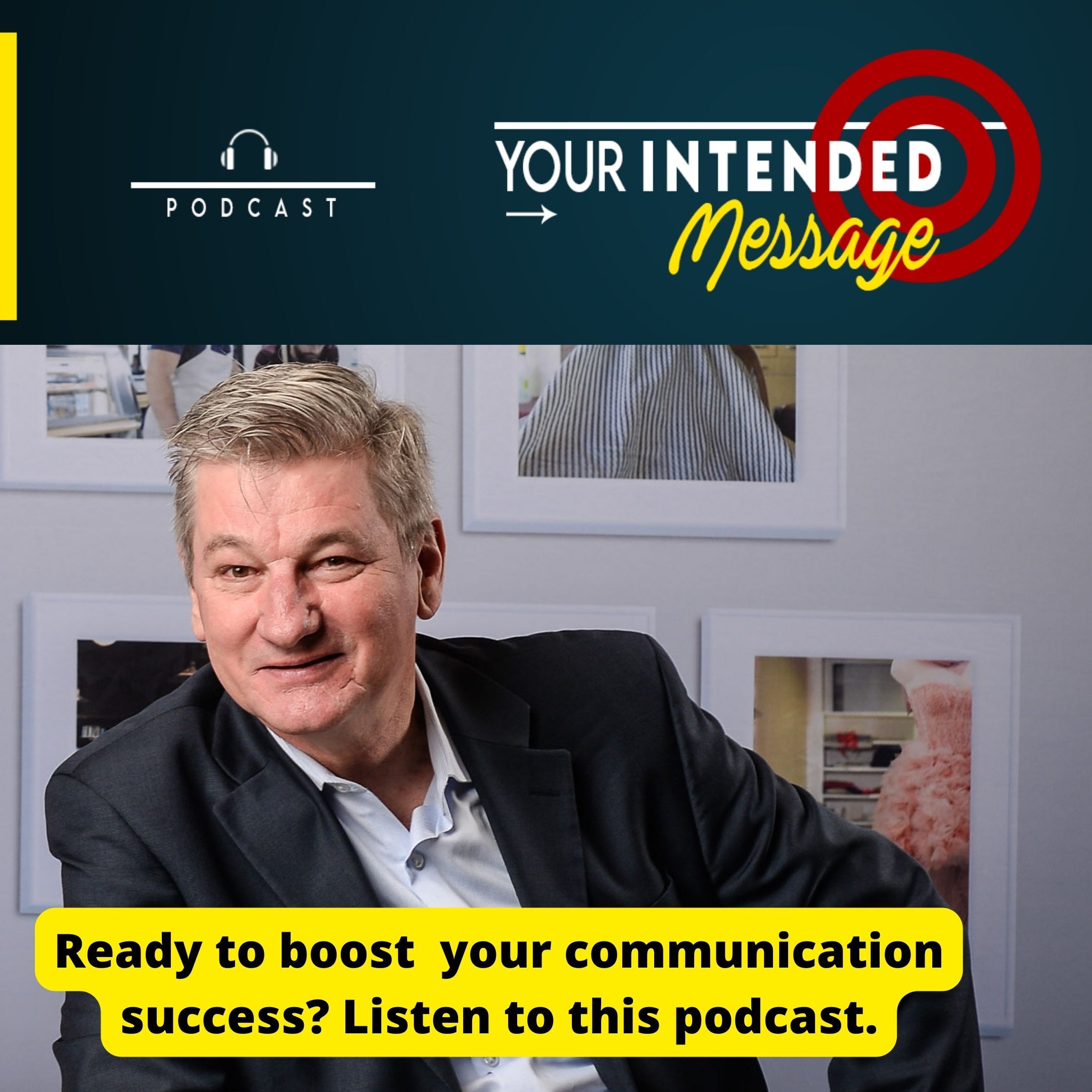
Your Intended Message

Your Intended Message

Hosted by George Torok

Episodes

305

Latest episode

Aug 2026

Language

EN

About the show

The podcast about Effective Communication in Business Better communication skills will advance your career and business. Are you ready to enhance your understanding and results from better communication? Listen and learn how to deliver Your Intended Message. Are you willing to cross-examine communication from various perspectives? Would you like to deliver your intended message more effectively? Listen to Your Intended Message to gain a powerful advantage in your ability to convey your message to your audience, team, clients or marketplace. Learn from the mistakes and success of communication experts from around the world from different scenarios. The better communicator has the competitive advantage. Imagine what that means to you when you improve the success of your next conversation, presentation or message. Your Host - George Torok https://yourintendedmessage.com/

Listen to episodes

60 recent
September 11, 2026Episode 32634 min

Business Storytelling: How to Connect with Your Audience: Dave Bricker

How to Use Stories in Business Presentations Turn Data Into Meaning with Business Storytelling Episode 321 (Dave is based in Florida) (repeat of #40) In this conversation with Dave Bricker we explore: how stories connect speakers with audiences why every business story must involve people how personal experiences become audience metaphors when fictional stories can deliver honest lessons how leaders can use stories to address difficult issues why conflict keeps listeners curious how to define the audience’s transformation why deeper emotional concerns matter more than surface goals how sensory details pull people into a scene why speakers need to perform rather than merely recite a story how strategic pauses strengthen important words why business figures require meaning and context how to turn nervousness into service why coaching and regular practice improve speaking skills ----- About ouir guest, Dave Bricker: He's sailed 1000s of miles in search of stories-not gold, but stories. Two, he's an award-winning speaker who has authored 12 books. And three, he's a business storytelling expert who helps professionals discover what to say and how to say it. Learn more at https://remarkable-stories.com/ ----- Key Learning Points from this conversation: Stories connect when the audience recognizes its own journey in them. Make your personal experience a metaphor for the listener’s experience. A useful business story does not need to come from your own life. Fiction can teach a legitimate lesson when you present it honestly. Stories focus on people rather than prices, processes, ingredients, or data. Decide how you want the audience to think, feel, or act differently. Build the story around a journey from conflict to transformation. Look beneath surface goals to find the audience’s deeper concerns. Conflict creates the question, “What happened next?” Open strongly enough to pull listeners into the story. Use sensory details to create an emotional experience. Perform the story through vocal variety, pacing, and pauses. Give listeners time to process a question, idea, or humorous line. Translate business figures into meaning for the people listening. Reduce speaking anxiety by shifting your attention from fear to service. Seek coaching, feedback, and regular practice to strengthen your speaking. ----- ----more---- Your Intended Message is the podcast about how you can boost your career and business success by honing your communication skills. We’ll examine the aspects of how we communicate one-to-one, one to few and one to many – plus that important conversation, one to self. In these interviews we will explore presentation skills, public speaking, conversation, persuasion, negotiation, sales conversations, marketing, team meetings, social media, branding, self talk and more. Your host is George Torok George is a specialist in communication skills. Especially presentation. He’s fascinated by the links between communication and influencing behaviors. He delivers training and coaching programs to help leaders and promising professionals deliver the intended message for greater success. Connect with George www.SpeechCoachforExecutives.com https://superiorpresentations.net/ https://www.linkedin.com/in/georgetorokpresentations/ https://www.youtube.com/user/presentationskill

September 4, 2026Episode 32534 min

Write a Book to Grow Your Business: Weston Lyon

Your Book Builds Your Authority Atttract Clients with a Book That Highlights Your Expertise Episode 320 (Weston is based in North Carolina) In this conversation with Weston Lyon, we explore: why a business owner might write a book how authorship changes the way prospects perceive you why a book needs to solve a specific problem the connection between your audience and your topic how writing sharpens your thinking why your book needs your authentic voice productive ways to use AI during the writing process the limitations of writing a memoir to grow a business how much experience you need before writing why waiting for inspiration delays completion how to establish a practical writing routine when to include personal struggles and mistakes how to protect client confidentiality why a finished book must be actively leveraged when your business might not be ready for a book ----- About our guest, Weston Lyon: He is the author of 23 books, including the bestseller, "The Book Writing Blueprint". He is founder of Plug & Play Publishing , which has helped hundreds of leaders write, publish and profit from their books. You can obtain your free copy of The Book Writing Blueprint and register for the free masterclass, "How to Outline the Right Book to Grow Your Business"here FreeGrfitsfromWeston.com ----- Key Learning Points from this conversation with Weston Lyon: A business book should help a specific audience solve a problem or achieve a desired result. Publishing a book can position you as an expert in the minds of prospective clients. A book becomes valuable when you use it as a business development tool. Writing forces you to clarify, organize and strengthen your ideas. AI can help identify blind spots, but it should not replace the author’s thinking and voice. Your book topic should intersect with the needs of your target audience. A memoir might tell your story, but it might not be the best book for growing your business. You do not need decades of experience before you can offer useful knowledge. A consistent writing schedule matters more than waiting until you feel inspired. Personal struggles, mistakes and lessons can make your advice more believable. Protect client confidentiality by requesting permission or disguising identifying details. Determine why you want to write your book before deciding what it should contain. Stabilize your business cash flow before committing significant resources to a book. Write one useful book, leverage it effectively and then consider whether you need another. ----- ----more---- Your Intended Message is the podcast about how you can boost your career and business success by honing your communication skills. We’ll examine the aspects of how we communicate one-to-one, one to few and one to many – plus that important conversation, one to self. In these interviews we will explore presentation skills, public speaking, conversation, persuasion, negotiation, sales conversations, marketing, team meetings, social media, branding, self talk and more. Your host is George Torok George is a specialist in communication skills. Especially presentation. He’s fascinated by the links between communication and influencing behaviors. He delivers training and coaching programs to help leaders and promising professionals deliver the intended message for greater success. Connect with George www.SpeechCoachforExecutives.com https://superiorpresentations.net/ https://www.linkedin.com/in/georgetorokpresentations/ https://www.youtube.com/user/presentationskill

August 27, 2026Episode 32415 min

How to Appear Confident When You Don't Feel Confident: George Torok

Public Speaking Confidence: How to Look Confident When Nervous How to Build Confidence With Mind, Body & Soul Episode 319 (Featuring host George Torok) In this episode we explore: why appearing confident can matter more than feeling confident how the audience judges confidence why anxiety doesn't need to ruin your presentation how focusing on the audience reduces focus on yourself why the messenger affects acceptance of the message how to define what you want people to think, feel or do how preparation supports confidence why reading your presentation can undermine your credibility how positive self-talk influences your mindset how posture and movement project confidence how breathing can help manage anxiety why a well-timed smile can strengthen your presence how belief in your message supports belief in yourself why you don't need to please the entire audience how to mentally own the room before you speak how mind, body and soul work together to strengthen confidence ---- Your host George Torok delivers this solo episode. He is the Speech Coach for Executives, helping business leaders deliver their intended message for greater success. You can access the weekly presentation tips at https://toroktips.com/ ----- Appearing confident can matter more than feeling confident because the audience can only judge what they see and hear. Accept occasional anxiety instead of expecting yourself to feel confident throughout the presentation. Shift your attention away from your nervousness and toward the audience experience. The audience needs to accept the messenger before they can fully accept the message. Define the purpose of your presentation by deciding what you want the audience to think, feel or do. Know your message well enough to speak it instead of reading it. Know your audience: what matters to them, why they are listening and what they hope to gain. Take responsibility for your self-talk and replace negative messages with constructive ones. Use posture, deliberate movement and natural gestures to project confidence. Slow, deep breathing can help you manage the physical effects of anxiety. Smile appropriately to project confidence and encourage audience attention. Preparation strengthens your belief in yourself and your ability to deliver the message. Believe in the value of your message. People listen because they expect to receive something useful. Stop trying to please everyone. Focus on the people who can be moved by your message. Familiarize yourself with the speaking space and mentally claim it before the audience arrives. Build confidence through three connected areas: mind, body and soul. ---- ----more---- Your Intended Message is the podcast about how you can boost your career and business success by honing your communication skills. We’ll examine the aspects of how we communicate one-to-one, one to few and one to many – plus that important conversation, one to self. In these interviews we will explore presentation skills, public speaking, conversation, persuasion, negotiation, sales conversations, marketing, team meetings, social media, branding, self talk and more. Your host is George Torok George is a specialist in communication skills. Especially presentation. He’s fascinated by the links between communication and influencing behaviors. He delivers training and coaching programs to help leaders and promising professionals deliver the intended message for greater success. Connect with George www.SpeechCoachforExecutives.com https://superiorpresentations.net/ https://www.linkedin.com/in/georgetorokpresentations/ https://www.youtube.com/user/presentationskill

August 20, 2026Episode 32332 min

How to Run Effective Meetings that Lead to Action: Mark Ellwood

How to Make Meetings More Productive and Effective Stop Wasting Time in Meetings: Focus on Decisions and Action Episode 318 (Mark is based in Toronto) Repeat of episode 167 In this conversation with Mark Ellwood we explore: why meetings should lead to decisions and action the responsibility of every meeting participant how to bring a wandering discussion back on track why different perspectives make meetings both difficult and valuable how precise instructions improve breakout discussions finding common ground during heated disagreements using veto values to uncover agreement empathetic listening before attempting to persuade asking whether people can live with a group decision knowing when to stop debating and gather more evidence drawing reluctant participants into the conversation using anonymous comments to uncover hidden concerns separating facts, feelings and speculation asking open-ended questions that encourage deeper answers creating equal voices despite differences in organizational rank when an outside facilitator can improve the meeting designing an agenda that progresses toward action ----- About our guest, Mark Ellwood: Mark helps organizations develop their strategic plan. He serves as facilitator, trainer, team builder and time study consultant. He is an inventor, a poet and a keen puzzle solver. Learn more about Mark and his services at https://getmoredone.com/ https://terrificteams.com/ ----- Key Lessons from this converation with Mark Ellwood: The purpose of most meetings is to bring stakeholders together to make decisions that lead to action. A meeting should produce something different after people leave the room. Different perspectives create challenges in meetings, but those differences also create value. Every participant has the right and responsibility to improve the dynamics of the meeting. You don't need to chair the meeting to ask for clarity or bring a wandering discussion back on track. Give breakout groups precise questions and a defined format for their answers. When disagreement becomes heated, identify the values and facts that participants agree on. Empathetic listening helps people understand opposing positions before attempting to resolve them. Consensus doesn't require everybody to prefer the final decision. Sometimes the useful question is, "Can you live with that?" When the group lacks the information required to make a decision, stop debating and gather the necessary evidence. A break can provide space for people to reconsider positions and have useful informal conversations. Watch the body language of participants who haven't spoken. Silence doesn't necessarily indicate agreement. Anonymous written comments can surface concerns that participants hesitate to voice publicly. Feelings deserve acknowledgement. Instead of arguing with someone's feelings, ask questions to understand what lies behind them. Use open-ended prompts such as "Tell me more" and "Paint me a picture" to move beyond superficial answers. Separate facts from feelings and speculation when evaluating an issue. Review past performance by asking: What happened? What did we learn? What does this mean for the future? Establish meeting ground rules that give participants an equal opportunity to speak and be heard. An outside facilitator can reduce the influence of organizational baggage, hierarchy and established relationships. Build the agenda as a logical sequence that moves participants toward decisions and action. ----- ----more---- Your Intended Message is the podcast about how you can boost your career and business success by honing your communication skills. We’ll examine the aspects of how we communicate one-to-one, one to few and one to many – plus that important conversation, one to self. In these interviews we will explore presentation skills, public speaking, conversation, persuasion, negotiation, sales conversations, marketing, team meetings, social media, branding, self talk and more. Your host is George Torok George is a specialist in communication skills. Especially presentation. He’s fascinated by the links between communication and influencing behaviors. He delivers training and coaching programs to help leaders and promising professionals deliver the intended message for greater success. Connect with George www.SpeechCoachforExecutives.com https://superiorpresentations.net/ https://www.linkedin.com/in/georgetorokpresentations/ https://www.youtube.com/user/presentationskill

August 14, 2026Episode 32235 min

How to Differentiate Your Business and Make Competition Irrelevant : Daniel Den

Be Different: Stand Out in a Crowded Market How to Stand Out From Your Competition without Lowering Price Episode 317 (Daniel is based in Florida) Repeat of episode 203 In this conversation with Daniel Den we explore: why being slightly different might leave you looking like everybody else how copycat competitors can destroy a temporary advantage the danger of building a me-too business how to stack differences that become difficult to copy why customer experience can become a competitive advantage how an ordinary book became an interactive box experience how a family of brands can reinforce your positioning why memorable names can add value to ordinary features how price competition signals a lack of differentiation why your ideal customer should influence your message how the wrong message can attract the wrong customers how to escape apples-to-apples comparisons why your offer itself can become a differentiator how to discover your own “Techron” how to make your competition increasingly irrelevant ----- About our guest Daniel Den: Daniel became fascinated with marketing and sales almost two decades ago. Today he is the co-creator of the X Factor Effect methodology where he and his team have helped over 20,000 students and clients grow their businesses. Daniel teaches that “Different is the new Better” and his framework includes nine pillars for differentiating your business so that you can become a market leader or category king or queen. Daniel Den is the author of the new book "Ideas That Influence," that was built to help business owners discover their own WILDLY SUCCESSFUL MARKETING IDEAS! ----- Get your Big Ideas Box at https://www.bigideasbox.com/free-box-ideas-that-influence ----- Key Lessons from this conversation with Daniel Den: Being a little different might not be different enough. Copying what works for competitors creates a “me-too” business. Stack several meaningful differences to make your business harder to copy. Differentiate the customer experience, not simply the product or service. Turn ordinary products into memorable experiences. Create a family of brands, products and features that reinforce each other. Build barriers to copyability instead of relying on one clever idea. Differentiate enough that customers can no longer make an easy apples-to-apples comparison. Competing primarily on price makes you easier to compare and easier to replace. Start differentiation with a clear picture of the customer you want to attract. Your ideal customer should be someone you actually want to work with. Adjust your positioning and message when you attract the wrong customers. Package and bundle services differently to escape commoditization. Give distinctive features, methods and experiences memorable names. Aim to make your competition irrelevant rather than simply trying to beat them. ----- ----more---- Your Intended Message is the podcast about how you can boost your career and business success by honing your communication skills. We’ll examine the aspects of how we communicate one-to-one, one to few and one to many – plus that important conversation, one to self. In these interviews we will explore presentation skills, public speaking, conversation, persuasion, negotiation, sales conversations, marketing, team meetings, social media, branding, self talk and more. Your host is George Torok George is a specialist in communication skills. Especially presentation. He’s fascinated by the links between communication and influencing behaviors. He delivers training and coaching programs to help leaders and promising professionals deliver the intended message for greater success. Connect with George www.SpeechCoachforExecutives.com https://superiorpresentations.net/ https://www.linkedin.com/in/georgetorokpresentations/ https://www.youtube.com/user/presentationskill

August 6, 2026Episode 32137 min

Why Experts Fail to Communicate & How to Fix it: Gary Simonds

Communicate Like a Leader, Not a Technician Stop Speaking Jargon: How Great Leaders Build Trust Episode 316 (Gary is based in North Carolina) Repeat of 172 In this conversation with Gary Simonds we explore: why techni cal language often creates communication barriers translating expertise into everyday language using analogies to simplify complex ideas creating imagery that audiences remember asking listeners what they already understand listening before explaining confirming audience understanding building trust through clear communication preparing for difficult conversations avoiding the trap of speaking like an insider communicating across different areas of expertise helping audiences feel included instead of intimidated ----- About our guest, Gary Simonds: Gary is a neurosurgeon who created and developed a university-level neurosurgery department and residency training program at Virginia Tech and the Carilion Clinic in Virginia. He has written three non-fiction books and a a recently released novel, Death's Pale Flag, focusing on professional burnout and building personal resilience. Learn more about his books at https://garyrsimonds.com/ ----- Key Lessons from this conversation with Gary: Communication succeeds only when the audience understands your message. Technical jargon often creates distance instead of credibility. Ask your audience what they already understand before explaining. Listen before you teach. Translate expertise into plain English. Analogies and imagery help people grasp complex ideas. Create mental pictures instead of reciting technical facts. Confirm understanding instead of assuming it. Slow down during important conversations. Stay focused on the audience's concerns rather than your own agenda. Prepare your explanation before entering important conversations. Great communicators build trust through clarity, not complexity. ----- ----more---- Your Intended Message is the podcast about how you can boost your career and business success by honing your communication skills. We’ll examine the aspects of how we communicate one-to-one, one to few and one to many – plus that important conversation, one to self. In these interviews we will explore presentation skills, public speaking, conversation, persuasion, negotiation, sales conversations, marketing, team meetings, social media, branding, self talk and more. Your host is George Torok George is a specialist in communication skills. Especially presentation. He’s fascinated by the links between communication and influencing behaviors. He delivers training and coaching programs to help leaders and promising professionals deliver the intended message for greater success. Connect with George www.SpeechCoachforExecutives.com https://superiorpresentations.net/ https://www.linkedin.com/in/georgetorokpresentations/ https://www.youtube.com/user/presentationskill

July 30, 2026Episode 32011 min

10 Reasons to Pause During Your Presentation: George Torok

Silence Is Your Strongest Presentation Tool How Strategic Pauses Make You a More Confident Speaker Episode 315 (Solo show featuring George Torok) In this Episode we explore: why silence is a powerful communication tool how pauses project confidence capturing attention before speaking building anticipation with strategic silence adding drama to stories giving audiences time to think allowing laughter to happen naturally answering questions more thoughtfully emphasizing important messages eliminating filler words regaining audience attention encouraging audience participation ----- George Torok is known as the Speech Coach for Executives because he helps senior exercutives deliver Superior Presentations. Learn more about the coachng and training programs at: https://superiorpresentations.net/ https://speechcoachforexecutives.com/ ----- Key Learning Points from this Episode: Tactical pauses make speakers appear more confident and composed. A pause captures audience attention more effectively than speaking continuously. Strategic silence builds anticipation before an important message. Pauses add drama and make stories more memorable. Audiences need thinking time to absorb important ideas. Humor works better when speakers allow time for laughter. Pausing before answering questions improves the quality of responses. Placing pauses before and after important phrases adds emphasis. Replacing filler words with silence creates a stronger speaking style. Well-timed pauses help regain audience attention. Silence encourages audience participation after asking questions. ----- ----more---- Your Intended Message is the podcast about how you can boost your career and business success by honing your communication skills. We’ll examine the aspects of how we communicate one-to-one, one to few and one to many – plus that important conversation, one to self. In these interviews we will explore presentation skills, public speaking, conversation, persuasion, negotiation, sales conversations, marketing, team meetings, social media, branding, self talk and more. Your host is George Torok George is a specialist in communication skills. Especially presentation. He’s fascinated by the links between communication and influencing behaviors. He delivers training and coaching programs to help leaders and promising professionals deliver the intended message for greater success. Connect with George www.SpeechCoachforExecutives.com https://superiorpresentations.net/ https://www.linkedin.com/in/georgetorokpresentations/ https://www.youtube.com/user/presentationskill

July 24, 2026Episode 31935 min

Inspire Your Buyers with a Story That Sells: Bruce Scheer

Stop Selling Features: Start Selling the Problem The Five-Step Storytelling Framework for B2B Sales Success Episode 314 (Bruce is based in near Seattle) (repeat of #171) In this episode we explore: why inconsistent messaging hurts sales identifying the right buyer before crafting the story the difference between users and decision makers naming problems in memorable language helping buyers recognize hidden problems quantifying the cost of doing nothing creating a compelling desired outcome introducing solutions at the right time guiding buyers toward clear next steps common storytelling mistakes business leaders make ----- About our guest, Bruce Scheer: His company has been on Delloite's fastest growing private companies 3 years in a row. He has won multiple b2b campaign of the year awards. His book achieved Amazon #1 Best Sell status across 5 categories. Get your copy of his books here https://inspireyourbuyers.com/books/ ----- Key learning points from this conversation with Bruce Scheer: Random sales conversations create random business results. Every organization needs a consistent customer narrative. Begin by identifying the right target organization and decision maker. Solve the buyer's problem—not the user's problem. Name the problem in simple, memorable language. Help buyers see the cost of leaving the problem unsolved. Paint a vivid picture of the desired outcome before discussing your solution. Sell the concept before selling the product. Focus on the buyer journey instead of product features. Avoid common storytelling traps that prevent sales teams from aligning. ----- ----more---- Your Intended Message is the podcast about how you can boost your career and business success by honing your communication skills. We’ll examine the aspects of how we communicate one-to-one, one to few and one to many – plus that important conversation, one to self. In these interviews we will explore presentation skills, public speaking, conversation, persuasion, negotiation, sales conversations, marketing, team meetings, social media, branding, self talk and more. Your host is George Torok George is a specialist in communication skills. Especially presentation. He’s fascinated by the links between communication and influencing behaviors. He delivers training and coaching programs to help leaders and promising professionals deliver the intended message for greater success. Connect with George www.SpeechCoachforExecutives.com https://superiorpresentations.net/ https://www.linkedin.com/in/georgetorokpresentations/ https://www.youtube.com/user/presentationskill

July 9, 2026Episode 31820 min

Why Your Intended Message is Misunderstood: George Torok

What You Say is Not What They Hear What is the Difference Between Your Intended and Unintend Message? Episode 313 (Solo show featuring George Torok) In this episode we explore: why your whole message includes more than the words you intend to send four reasons your intended message might not get through why clarity in your head does not guarantee clarity for the listener how beliefs and past experiences filter what people hear how emotional state changes the meaning people receive why setting and delivery method influence interpretation how recent events can reshape audience receptiveness why unintended messages act like static around your main point how vocabulary and grammar influence credibility how body language can contradict spoken words how pace, pitch and inflection alter meaning why missing information can distract listeners how audience engagement strengthens communication how to reduce unintended messages before they sabotage your intended message ----- Your Host, George Torok: Is known as the Speech Coach for Executives because he’s been coaching executive leaders to convey their messages with more confidence and success for 30 years. For 19 years, he hosted the radio show, Business in Motion, interviewing over 600 business and community leaders. As host of the podcast, Your Intended Message, he has interviewed communication specialists from 16 countries. George is co-author of the national bestseller, Secrets of Power Marketing, and contributed to 12 other books. His articles have been featured in magazines around the world, and he’s written over 2,000 blog posts. An adventurer, he’s visited over 30 countries on five continents and has run 12 marathons. ----- Key Lessons from this episode: Your whole message includes both the message you intend to send and the unintended messages that travel with it. Clarify your message before you speak. A message that feels clear in your head might become confusing when converted into words. Your intended message can fail because people were not listening, did not understand you or did not believe you. Communication requires several translations: from the thoughts in your head, into words, through the listener’s filters and finally into meaning in their mind. Your audience filters your message through beliefs, past experiences, emotional state, setting, perspective and recent events. Recent experiences can influence how people receive your next message. An unresolved issue might block acceptance of a new idea. Unintended messages create communication static that can blur, weaken or contradict what you meant to convey. Vocabulary and grammar send messages about clarity, credibility and professionalism beyond the literal meaning of your words. Body language and voice can support your intended message or create doubt when they conflict with your words. The method of delivery matters. Email, phone, video, coffee conversation and boardroom discussion each shape how a message is received. Missing information can distract listeners when you raise a question but fail to answer it. Audience engagement strengthens the message. Reading slides or text can weaken connection and reduce attention. Distractions exist in the room, on the screen and inside the listener’s mind. Effective communicators pay attention not only to what they intend to say, but also to the unintended messages attached to their delivery. ----- ----more---- Your Intended Message is the podcast about how you can boost your career and business success by honing your communication skills. We’ll examine the aspects of how we communicate one-to-one, one to few and one to many – plus that important conversation, one to self. In these interviews we will explore presentation skills, public speaking, conversation, persuasion, negotiation, sales conversations, marketing, team meetings, social media, branding, self talk and more. Your host is George Torok George is a specialist in communication skills. Especially presentation. He’s fascinated by the links between communication and influencing behaviors. He delivers training and coaching programs to help leaders and promising professionals deliver the intended message for greater success. Connect with George www.SpeechCoachforExecutives.com https://superiorpresentations.net/ https://www.linkedin.com/in/georgetorokpresentations/ https://www.youtube.com/user/presentationskill

July 2, 2026Episode 31733 min

Company Culture by Design: Michael Grochmal

Culture Isn't an HR Program—It's Leadership in Action How to Build an Intentional Workplace Culture Episode 312 (Michael is based in Ontario, Canada, repeat of #162) In this conversation with Michael Grochmal we explore: why every organization already has a culture the difference between intentional and accidental culture how everyday behaviors define organizational values building customer service into company culture recognizing employees in meaningful ways creating belonging for remote employees using handwritten notes to strengthen relationships learning from other successful organizations why leaders should experience their own customer journey how culture books reinforce organizational identity creating accountability through agreement why people need to understand the purpose behind expectations building a learning organization making culture part of everyday leadership ----- About our guest Michael Grochmal: Michael is Director of Culture for CEO Global Network. He's been a member for 14 years. Before selling the company. he was President of AtlasCare for 12 years. Learn more about CEO Global Network https://ceoglobalnetwork.com/ ----- Key points from this conversation: Company culture exists whether you intentionally create it or not. Culture is simply an agreed set of behaviors and expectations. Leaders should build culture by design rather than by accident. Every action communicates a message to employees, customers and suppliers. Small, consistent behaviors reinforce organizational values. Employee recognition becomes meaningful when it is personal. Leaders should regularly experience their business as customers. Culture grows stronger when people understand the "why" behind expectations. Remote employees require intentional efforts to feel connected. Learning organizations create stronger leaders and stronger cultures. Company culture belongs to everyone, not only the CEO. Celebrating success reminds people that their work matters. Accountability begins with shared agreement rather than imposed control. Great cultures continuously evolve through observation, learning and refinement. ---- ----more---- Your Intended Message is the podcast about how you can boost your career and business success by honing your communication skills. We’ll examine the aspects of how we communicate one-to-one, one to few and one to many – plus that important conversation, one to self. In these interviews we will explore presentation skills, public speaking, conversation, persuasion, negotiation, sales conversations, marketing, team meetings, social media, branding, self talk and more. Your host is George Torok George is a specialist in communication skills. Especially presentation. He’s fascinated by the links between communication and influencing behaviors. He delivers training and coaching programs to help leaders and promising professionals deliver the intended message for greater success. Connect with George www.SpeechCoachforExecutives.com https://superiorpresentations.net/ https://www.linkedin.com/in/georgetorokpresentations/ https://www.youtube.com/user/presentationskill

Is this your show?

Claim this listing to keep it up to date, reach guests who want to pitch you, and manage bookings with Guestify.

Claim this listing

More Business podcasts