Find partners
WP Tavern

WP Tavern

Hosted by WordPress Tavern

TechnologyNewsInterviews guests

Episodes

243

Latest episode

Nov 2026

Language

EN-US

About the show

The WP Tavern Jukebox is a podcast for the WordPress community. We interview people who are pushing change in how WordPress evolves. Plugins, Blocks, Themes, Community, Events, Accessibility and Diversity; we try to cover all the bases. Subscribe to be updated when we bring you new content.

Listen to episodes

60 recent
November 18, 202639 min

#242 – Mark Westguard on How WordPress Adapts to Rapid Change: the Dot-Com Bubble to AI Hysteria

Today I'm chatting with Mark Westguard from WS Form, and the conversation focused on how AI is transforming WordPress and the broader web development landscape. We discussed the striking similarity between today’s AI hype and the dot-com bubble, with both periods experiencing rapid innovation and investment. In Mark's view, whilst AI makes it easier for more people to build websites and plugins, true success still depends on marketing, support, and ongoing maintenance. We explored whether the flood of AI-generated products could oversaturate the market and make it harder for established developers to thrive. Towards the end we talked through the continued importance of tried-and-true WordPress tools, ongoing user distrust of new technology, and the complex relationship developers have with AI, as both a source of efficiency and a cause for concern about the future of their craft.
November 11, 202648 min

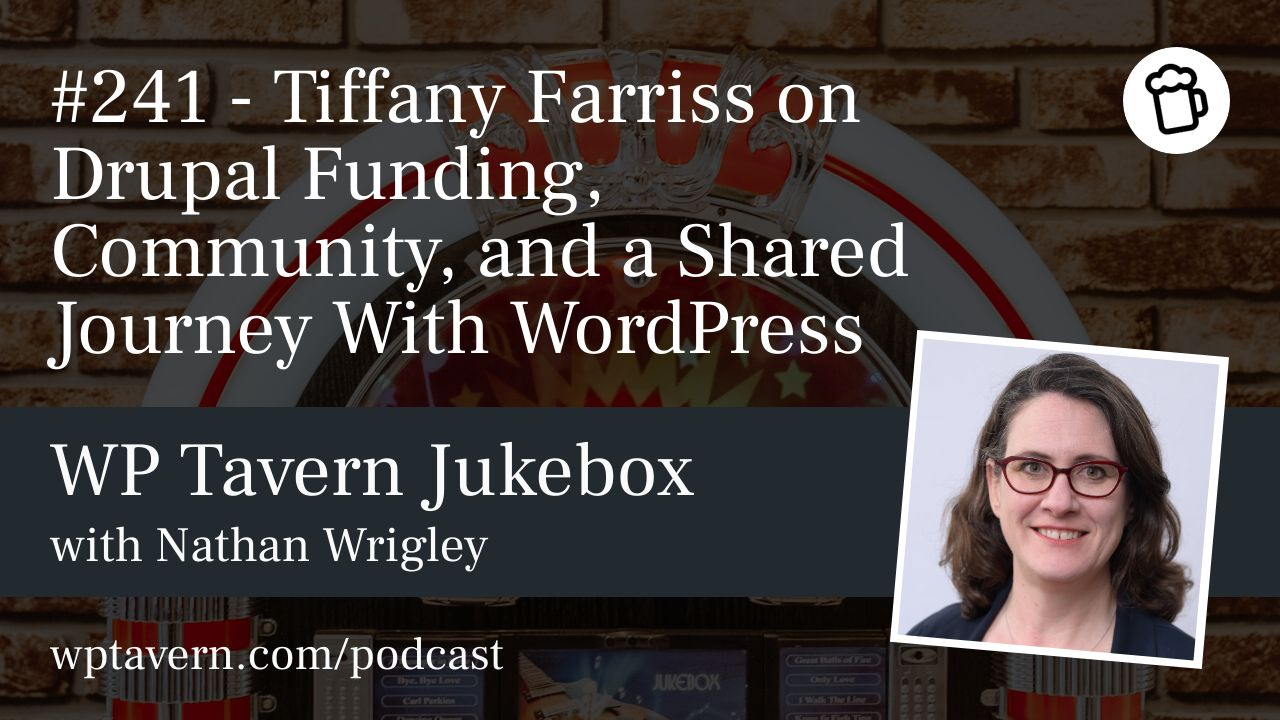
#241 – Tiffany Farriss on Drupal Funding, Community, and a Shared Journey With WordPress

Tiffany Farriss joined the podcast to talk about the sustainability issues affecting open source communities, drawing from her experience with the Drupal Association. Tiffany is currently the interim CEO of the Drupal Association, and is the organisation’s longest-serving board member after Drupal’s founder, Dries Buytaert. We examine how a small group of contributors often carry the bulk of financial and development responsibilities, while many users benefit without supporting the ecosystem. Tiffany outlined efforts to make these hidden costs transparent and to promote a utility-based funding model instead of relying on charity. We also covered Drupal's new certification program to publicly recognise meaningful contributions, as well as the increasing role of government procurement and cross-community collaboration in ensuring the resilience of open source projects.

November 4, 202636 min

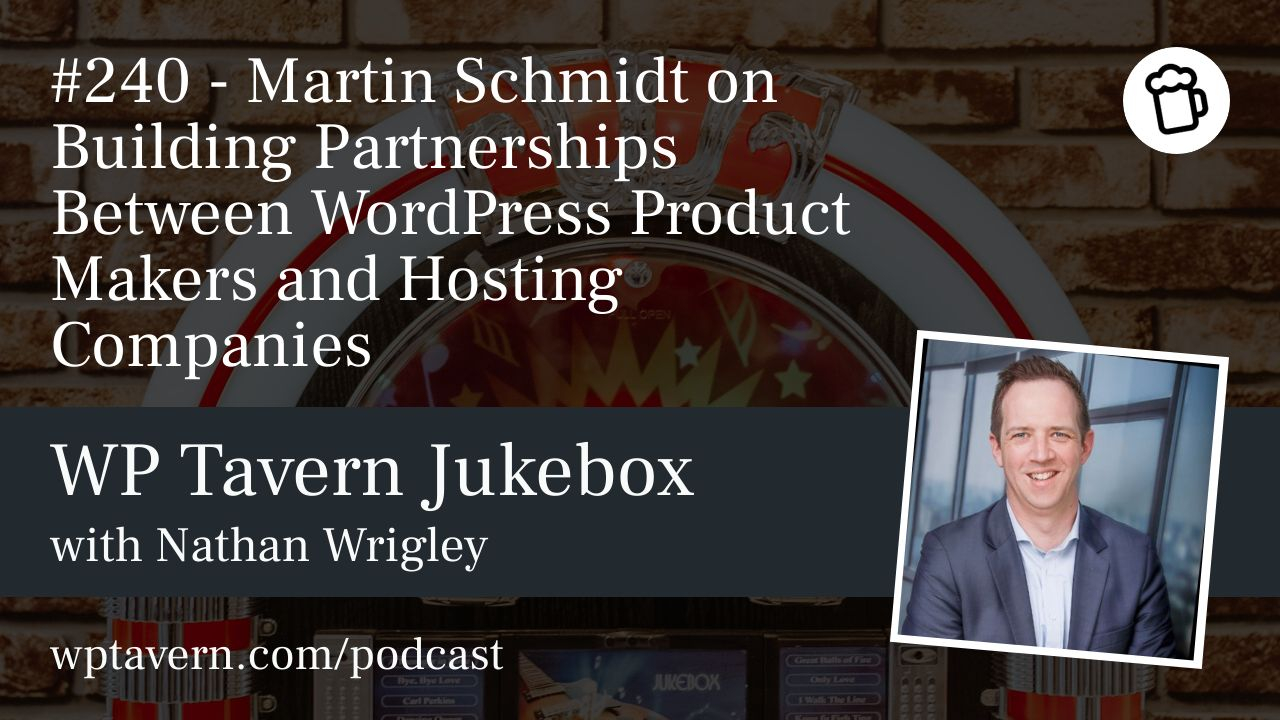
#240 – Martin Schmidt on Building Partnerships Between WordPress Product Makers and Hosting Companies

The conversation focused on Martin Schmidt’s expertise in connecting WordPress plugin companies with web hosting providers. We discussed was how plugin creators frequently lack marketing strategies after product development. We also explored why partnering with hosts gives access to large customer bases and effective marketing channels. Martin also had advice on starting with smaller hosts, pitching clear value propositions, and preparing for outreach.

October 28, 202630 min

#239 – Remkus de Vries on How Scanfully 2.0 Is Making WordPress Security and Performance Monitoring Simpler

Today the podcast is focused on Scanfully, a WordPress site health and performance monitoring tool, detailing its evolution to version 2.0. We talk about how the tool is making complex site data accessible and actionable for users of all skill levels, from freelancers to agencies and hosts. We explored new features, including a public API, improved dashboards, human-readable alerts, and an MCP for AI-powered queries. Upcoming add-ons like WooCommerce checkout and form monitoring also got a mention, with emphasis on proactive site management and the importance of community-driven skill development in the WordPress ecosystem.

October 21, 202635 min

#238 – Chris Huber on How Static Site Importer Makes Migrating Any Website to WordPress Easier Than Ever

Data migration is under discussion in this episode thanks to Chris Huber, who brings tales from Automattic’s front lines. We explored how Data Liberation and the Static Site Importer give WordPress users the power to 'liberate' their sites from other platforms, any platform. One concept discussed was transforming any static HTML or existing site into a fully editable WordPress block theme, quirks and all. Innovations, roadblocks with WooCommerce and events, and collaboration hopes all got featured, with Chris adding a touch of behind-the-scenes geekery to the path toward more open and flexible web content.

October 14, 202638 min

#237 – Robert Abela on WordPress Security and the Battle Against AI Threats

The conversation focused on insights from the 2026 WordPress Security Survey by Melapress, featuring guest Robert Abela. We talked about persistent concerns among WordPress users, with 78 percent of survey participants expressing security worries and nearly 68 percent having experienced at least one security incident in the last year. The discussion explored the gap between high concern and limited preventative action, like recovery plans and team training. We also addressed escalating threats, particularly with new AI tools, while many sites, especially smaller ones, remain underprepared. We round it up with a call for improved prevention, monitoring, and recovery strategies in the WordPress ecosystem.

October 7, 202640 min

#236 – Brian Coords on WordPress as the Source of Truth

Today, I'm joined by Brian Coords from Automattic, and the podcast is focused upon the intersection of WordPress block themes, AI, and agency workflows, using the concept that "the site is the source of truth." We talk about the value of leveraging WordPress' built-in systems, like patterns and content guidelines, to ensure consistency and guide AI in content and design creation. We also explored challenges around plugin functionality, WooCommerce block theme development, and the evolving role of AI in website building versus human contribution. Towards the ens we get into the tension between innovation, plugin developers’ livelihoods, and the enduring human desire for purposeful platform engagement.

September 30, 202633 min

#235 – Rob Pugh and Tony Arcangelini on Bringing Podcasting to Jetpack

The conversation focused on Jetpack’s new podcasting features for WordPress, discussing how creators can now easily publish, distribute, and manage podcasts directly from their sites. We talk about the integration with newsletters and social sharing, enabling creators to distribute content through a single publish action. We also explore the advantages of WordPress ownership versus proprietary platforms like Substack, and highlighted Pocket Casts integration, simple setup, stats, and planned import/export tools. Go listen.

September 23, 202638 min

#234 – K. Adam White on Migrating to Blocks With Artisanal Care and Enterprise Efficiency

Today I'm talking with K. Adam White from Human Made about large-scale content migrations to WordPress’ block editor, especially for enterprise clients. We discuss the use of patterns and bespoke tooling to transfer complex layouts from other CMS platforms, like Sitecore, while maintaining editorial flexibility and brand consistency. We also get into the growing power of patterns and core blocks, as well as the enhanced role of AI in auditing and transforming content. The discussion explored challenges of permissions, workflow limitations, and Human Made’s approach to guiding clients through technical and editorial transitions for successful, scalable WordPress adoption.

September 10, 202643 min

#233 – Chris Reynolds on Building Trust With Project Contracts for Reliable AI Development

The conversation focused on AI-assisted development in WordPress, exploring how large language models like Claude can be both powerful and unpredictable. We talked about the need for guardrails, structured project contracts and reviewer agents, to ensure outputs are reliable, secure, and accessible. We also explored the changing nature of developer work, the increasing playfulness and accessibility of technology, and the challenges of trusting AI-generated code. Several points were raised, including concerns about losing foundational skills, the future of developer roles, and the ongoing evolution of AI within the WordPress ecosystem. Go listen.

Is this your show?

Claim this listing to keep it up to date, reach guests who want to pitch you, and manage bookings with Guestify.

Claim this listing

More Technology podcasts