AI’s Climate Footprint: New Report Argues We’ve Been Dramatically Underestimating the Energy & Emissions Toll - Erald Kolasi | Rapid Response #31
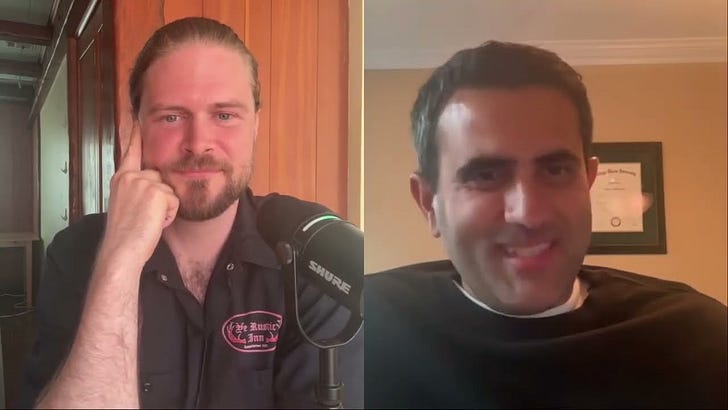
AI's actual energy & emissions footprint is a fiercely debated subject. Today's guest, Erald Kolasi, led a report that I coauthored that proposes new estimates...which are much worse than has been previously reported. Listen on... Support the show by checking out: ProtonVPN (gold-standard VPN—fast and safe. Click the link to get 55% off VPN Plus: $4.49/mo). ZBiotics (Decrease impact of hangovers. Code: JESSEDAMIANI for 10% off), MUD\WTR (43% off starter kits), 1Password (simplify your life and increase digital safety), Mission Farms CBD (healthy, effective CBD for relief, sleep, and wellbeing—25% off with email). Back in January I hosted Erald on Urgent Futures for the first time , and he offered a lucid, powerful argument for decarbonization, including actual proposals for how we get there, even in the face of the immense obstacles in the way. Later this spring, he reached out to me about a piece he’d been researching, generously inviting me to join him as a co-author. The fruits of that work now live in our recent report, “ The Global Energy and Emissions Footprint of AI Diffusion .” It’s the first—to our knowledge!—comprehensive lifecycle analysis of the AI industry’s climate footprint, focusing on energy and emissions but also getting into water, downstream consumption, and rebound effects. It’s a beast of a report so it’d be foolish to try to recap it all here, but the headline numbers are that we estimate the AI industry is producing 1.1% of all global energy demand & 1.2% of GHG emissions in 2026. We break down how we got there and explain our methodology in this conversation, so I hope it makes for an accessible invitation into the report. BIO: Erald Kolasi is a writer and independent researcher focusing on the nexus between energy, technology, economics, complex systems, and ecological dynamics. His first book, The Physics of Capitalism , came out from the Monthly Review Press in February 2025. He received his PhD in Physics from George Mason University in 2016. CREDITS: This podcast is produced & edited by Adam Labrie & me, Jesse Damiani. Adam Labrie also edited the video version, which is available on YouTube. Find more episodes of Urgent Futures at: youtube.com/@UrgentFutures . Get full access to Reality Studies at www.realitystudies.co/subscribe