Find partners
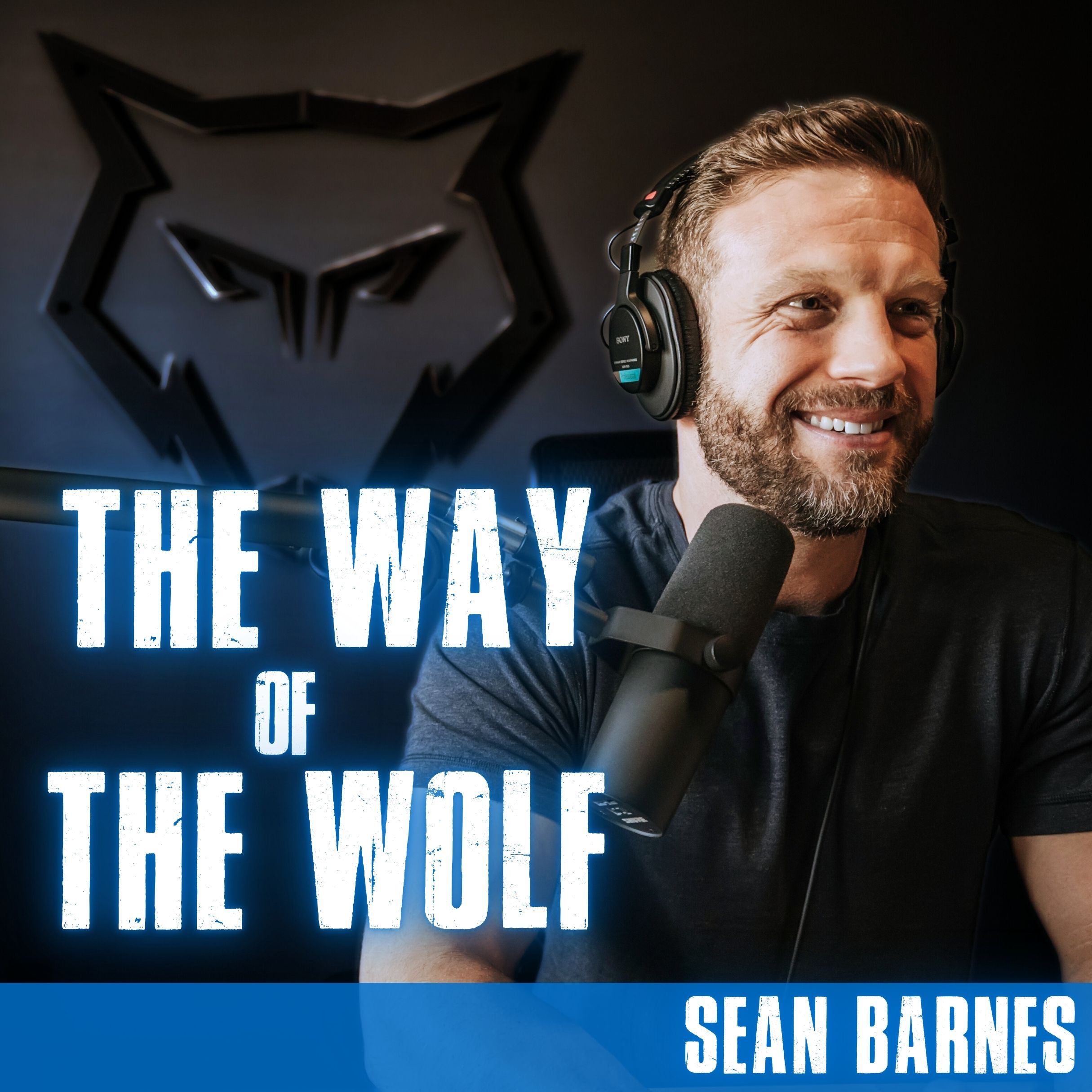
The Way of The Wolf by Wolf Executives

The Way of The Wolf by Wolf Executives

Hosted by Sean Barnes

Episodes

294

Latest episode

Aug 2026

Language

EN

About the show

As a strategic advisor to executives with experience navigating 48 acquisitions, Sean Barnes delivers the hard truths and practical strategies you need to lead, grow, and thrive in today’s complex business environme nt. Through The Way of The Wolf, Sean pulls back the curtain on the realities of senior leadership, entrepreneursh ip, and personal branding. Whether you are aiming for the C-suite, managing through a transition, or looking t o build an unstoppable team, this podcast provides the actionable insights required to become the best version of yourself. No fluff, no corporate platitude s. You will get the candid, high-impact guidance necessary to take ownership of your career and your business.

Listen to episodes

60 recent
August 18, 2026Episode 2967 min

295: Why Executives Need to Get on Stages

Sean Barnes follows up his conversation with JD Miller with a solo episode on the question underneath it: why should an executive want to be on stages at all? His answer starts with visibility. Attention is the number one currency, and when a search firm or a hiring executive goes looking for a candidate, they check LinkedIn first and Google second. An executive with no voice and no footprint creates doubt, and doubt is friction in a hiring process. Speaking on stages, sitting on panels, and joining fireside chats is how an executive shares what they have learned and shows what they can bring to an organization, without it turning into self-promotion. From there Sean makes the case that the skills transfer. Being able to walk into any room, read the person in front of you, and adapt on the fly is the same skill set that works in the boardroom and out in the field offices. He points to a pattern he saw in corporate America, where executives stay in the ivory tower with spreadsheets and PowerPoints and slowly lose touch with the actual employee population, usually not on purpose but because they never make the time. He closes on network and timing. His advice for any event is not to collect thirty contacts but to have three meaningful conversations. Done consistently, that builds optionality, and optionality is the real goal. The warning attached to it is direct: start while you still have the job. Event organizers want people in seats at companies with names sponsors care about, and once you are out of a role, the door gets harder to open. Key Moments 00:00 - Following up on the JD Miller episode 00:47 - Attention is the number one currency 01:20 - Where search firms actually look first 01:55 - What happens when you show up nowhere 02:30 - Skills that carry into the boardroom and the field 02:55 - The ivory tower problem 03:48 - Adapting to every personality in the room 04:45 - Three conversations, not thirty contacts 05:43 - Optionality and being spoiled for choice 06:42 - Why networking after the job is gone is too late Key Takeaways If you have no voice online, you create doubt. Search firms check LinkedIn, then Google. An executive who shows up nowhere makes the decision harder for the people deciding. The stage builds skills the boardroom needs. Reading a room and adapting on the fly is the same muscle that keeps an executive connected to the people actually running the business. Three real conversations beat thirty business cards. Consistent, small, genuine networking is what builds optionality, and optionality has to be built while you are still employed. Podcast Show Notes – Episode 295 | 08.18.2026 Episode Title: Why Executives Need to Get on Stages Host: Sean Barnes Wolf Executives, Houston, TX Website: https://www.wolfexecutives.com https://www.seanbarnes.com LinkedIn: https://www.linkedin.com/in/seanbarnes/ https://www.linkedin.com/company/wolfexecutives https://www.linkedin.com/company/thewayofthewolf/ LinkedIn Newsletter: https://www.linkedin.com/newsletters/7284600567593684993/ Twitter: https://x.com/seanbarnes https://x.com/wolfexecutives Instagram: https://www.instagram.com/the_seanbarnes https://www.instagram.com/wolfexecutives TikTok: https://www.tiktok.com/@the_seanbarnes Facebook: https://www.facebook.com/theseanbarnes

August 11, 2026Episode 29534 min

294: From Panels to Keynotes: The Real Path to Becoming a Speaker | JD Miller & Sean Barnes

Most people who want to speak on stage have no idea how the first step actually happens. JD Miller does. He is the CEO of the James Duane Group and SVP at CyberRisk Alliance, he runs events across the country, and he decides who gets a microphone and who does not. In this conversation, Sean Barnes and JD break down the real progression from nobody to keynote speaker. It starts with a phone and a tripod in your living room. It moves to a panel seat, then a fireside chat, then a short session, then the keynote. JD explains what he checks on LinkedIn before he books anyone, why he intentionally gives first-time speakers a slot, and why the ask should never come in the first conversation. They also get into why copying another speaker sets you up to fail, how one recorded conversation turns into a dozen assets, and why picking one platform beats being everywhere. Sean shares the six years he spoke for free and the mistake he made telling organizers he could talk about anything. JD shares the night he literally fell off the back of a stage and why it helped him. If you are an executive who wants a bigger voice and does not know where to start, this is the roadmap. Key Moments 0:09 - How Sean and JD first met, and why the connection stuck 1:05 - JD's path: church announcements, sports anchor, thousands of broadcasts, hundreds of podcasts 2:21 - Sean's story: extreme introvert to keynote speaker, and why people do not believe it 2:51 - You can be a public speaker no matter where you land on the introvert scale 3:36 - Toastmasters, improv, and practicing into a microphone with nobody listening 4:19 - Why short-form clips train you to land the plane 5:39 - The worst thing you can do is compare yourself to someone with 30 years in 6:33 - Sean on speaking free for almost six years to get the reps 8:20 - The mistake of telling an organizer you can talk about anything 9:07 - Do not be the Cheesecake Factory of topics. Keep it small and specific 9:57 - How to actually get on a panel: build the network first 11:07 - Why JD books first-time speakers on purpose, and where he places them 12:27 - Build the relationship before you make the ask 13:14 - The QR code badge trick that removes friction 14:07 - Getting comfortable being uncomfortable 15:59 - Stage skills carry straight into the boardroom 16:14 - The extrovert's hardest lesson: let silence breathe 17:03 - Eye contact as a signal, on a panel and in a meeting 18:18 - How JD opens a room and gets an audience leaning forward 20:16 - Do not copy your mentor. Borrow traits and make them yours 22:32 - Document everything and build social proof 23:41 - What JD checks before he agrees to book someone 24:20 - One piece of content is really 12 pieces of content 26:08 - Know where your audience lives and stop trying to be everywhere 27:50 - The 4-1-1 approach to posting 29:11 - Be patient, and find a mentor who has done it 30:17 - Failure stories, including the time JD fell off the stage 31:31 - When you fumble, keep moving and never apologize 32:43 - The full path, start to keynote, in one recap 33:13 - Where to find JD Key Takeaways Start smaller than you think you should. A phone on a tripod, a panel seat in the corner, four people in a room. Reps come before pay, and for Sean that meant roughly six years of speaking for free. Own one topic, not every topic. Telling an organizer you can speak on anything pushes the work onto them and cheapens your brand. A narrow, specific topic makes you easy to book. Build the relationship before the ask. Organizers check your LinkedIn for a voice and a track record before anything else. Show up, connect, create content, then ask next year. Podcast Show Notes – Episode 294 | 08.11.2026 Episode Title: From Panels to Keynotes: The Real Path to Becoming a Speaker | JD Miller & Sean Barnes Guest: JD Miller CEO, James Duane Group SVP, CyberRisk Alliance LinkedIn: https://www.linkedin.com/in/jdwaynemiller/ Website: https://www.jamesdwayne.com/ Host: Sean Barnes Wolf Executives, Houston, TX Website: https://www.wolfexecutives.com https://www.seanbarnes.com LinkedIn: https://www.linkedin.com/in/seanbarnes/ https://www.linkedin.com/company/wolfexecutives https://www.linkedin.com/company/thewayofthewolf/ LinkedIn Newsletter: https://www.linkedin.com/newsletters/7284600567593684993/ Twitter: https://x.com/seanbarnes https://x.com/wolfexecutives Instagram: https://www.instagram.com/the_seanbarnes https://www.instagram.com/wolfexecutives TikTok: https://www.tiktok.com/@the_seanbarnes Facebook: https://www.facebook.com/theseanbarnes

August 4, 2026Episode 2948 min

293: Stop Being Afraid: Why the Conversation You Keep Avoiding Is Costing You

Sean Barnes recorded this one from Pittsburgh, Pennsylvania, the day after delivering a keynote on building a powerful personal brand as an executive. What stood out to him was the room itself: a crowd of people who spent most of their careers as introverts, heads down, doing excellent technical work on projects, data centers, and major initiatives, and now finding themselves stuck. One attendee, a vice president of technology services, spent most of the day circling the room before finally working up the nerve to approach. When he did, Sean asked what finally prompted him. The answer was that his wife had pushed him to do it. That conversation turned into a real one about his LinkedIn profile, his decade in technical roles, and his goal of moving into a sales engineer type role. From there Sean unpacks the bigger pattern. Doing the work gets you to a certain point, then it stops. He explains why you cannot see your own ceiling from inside it, why a circle of excellence matters, and what he learned when the network he had supported for years did not show up for him after he started his business. He closes with a simple challenge: when you have the thought to go talk to someone, go do it, because the waiting is where all the anxiety lives. Key Moments 00:00 - Pittsburgh, and the keynote on building a powerful personal brand as an executive 00:15 - Why the room locks in: a crowd of lifelong introverts who were the best at what they did 00:32 - Meeting a vice president of technology services who knew he was meant for more 01:16 - The question Sean asked him, and the answer about his wife pushing him to go talk 01:55 - A decade in technical roles and the goal of moving into a sales engineer type role 02:17 - Pulling up his LinkedIn live: not bad, not great, but a lot to work with 02:59 - The threshold: doing the work only takes you so far 03:26 - What got you here will not get you there 03:51 - You cannot read the label of a bottle from inside the bottle 04:14 - Building a circle of excellence with mentors, friends, and coaches 04:40 - Sean's own hard lesson: the network he built did not become the network that supported him 05:26 - How the journey filters out the riffraff 06:13 - The signal test: do you leave an interaction energized or drained 06:38 - What would have happened if he never walked up 07:21 - The tip: as soon as you have the thought, go make it happen 07:59 - You will get there and realize there was nothing to be afraid of Key Takeaways There is a ceiling on doing the work. Being excellent at your craft moves you up to a point, then it stops working. Past that threshold the question changes from how do I do this better to what other skills do I need to learn. You cannot see your own label from inside the bottle. This is why the circle around you matters. Mentors, friends, and coaches who have already lived what you are walking into can see what you cannot see about yourself, and they can point you in the right direction. The waiting costs more than the conversation. The vice president spent an entire day circling before he walked up. The longer you delay, the more anxiety you build, and then you have the conversation and realize there was never anything to be afraid of. Podcast Show Notes – Episode 293 | 08.03.2026 Episode Title: Stop Being Afraid: Why the Conversation You Keep Avoiding Is Costing You Host: Sean Barnes Wolf Executives, Houston, TX Website: https://www.wolfexecutives.com https://www.seanbarnes.com LinkedIn: https://www.linkedin.com/in/seanbarnes/ https://www.linkedin.com/company/wolfexecutives https://www.linkedin.com/company/thewayofthewolf/ LinkedIn Newsletter: https://www.linkedin.com/newsletters/7284600567593684993/ Twitter: https://x.com/seanbarnes https://x.com/wolfexecutives Instagram: https://www.instagram.com/the_seanbarnes https://www.instagram.com/wolfexecutives TikTok: https://www.tiktok.com/@the_seanbarnes Facebook: https://www.facebook.com/theseanbarnes

July 28, 2026Episode 2938 min

292: Executive Presence Starts Before You Speak

Recorded on the road in San Francisco between speaking engagements, Sean Barnes breaks down what executive presence actually is and why it gets misread as something you are born with. He walks through the three pieces that build it: how you show up, how you communicate, and whether you genuinely care about the person in front of you. He explains why people size you up in a split second before you say a word, why clear communication signals competence, and why giving more value than you take is the most underrated career move there is. He closes with a homework assignment for anyone who wants to start building presence this week. Key Moments 00:00 - On the road in San Francisco between speaking engagements 00:26 - Why executive presence keeps coming up in post stage conversations 00:42 - The question introverts always ask him 01:11 - Pillar one: how you show up, starting with posture 01:39 - People start making judgments before you say a word 02:10 - Why being clean cut and put together builds trust 02:42 - Pillar two: how you communicate and why clarity matters 03:15 - What fumbling your words signals to the room 03:26 - These skills stack on top of each other 03:40 - Pillar three: genuinely caring about people 04:08 - What real listening unlocks in a conversation 04:40 - Articulating someone's pain better than they can 05:03 - Give more value than you take from every interaction 05:51 - Slowing down and investing in people who may never repay it 06:19 - Why goodwill compounds over time 06:41 - Becoming the first name that comes to mind 06:57 - How the three pieces combine into presence 07:31 - More opportunities means more ability to impact others 07:49 - Homework: be intentional before you walk into the room Key Takeaways Presence is decided before you speak. Posture, eye level, and how put together you are all get read within seconds of entering a room. Clarity is credibility. If you cannot string together a cohesive thought, people will not trust you to lead one. Caring is the multiplier. Listening deeply and giving more than you take builds goodwill that compounds long after the conversation ends. Podcast Show Notes – Episode 292 | 07.28.2026 Episode Title: Executive Presence Starts Before You Speak Host: Sean Barnes Wolf Executives, Houston, TX Website: https://www.wolfexecutives.com https://www.seanbarnes.com LinkedIn: https://www.linkedin.com/in/seanbarnes/ https://www.linkedin.com/company/wolfexecutives https://www.linkedin.com/company/thewayofthewolf/ LinkedIn Newsletter: https://www.linkedin.com/newsletters/7284600567593684993/ Twitter: https://x.com/seanbarnes https://x.com/wolfexecutives Instagram: https://www.instagram.com/the_seanbarnes https://www.instagram.com/wolfexecutives TikTok: https://www.tiktok.com/@the_seanbarnes Facebook: https://www.facebook.com/theseanbarnes

July 21, 2026Episode 2926 min

291: When High Performers Clash: How Leaders Handle Team Conflict

Episode summary introduction: What do you do when two of your best people cannot stand each other? In this episode, Sean Barnes tackles one of the most common and most avoided challenges in leadership: high performers who crush it individually but clash every time they have to work together. Drawing from his own experience managing two top performers during the isolation and stress of the pandemic, Sean walks through a practical mediation process, meeting with each person individually to understand their frustrations, then bringing them together face to face to clear the air. He explains why these conflicts usually come down to information hoarding, ego, or miscommunication, and how a leader's role is to support and guide rather than fix. But Sean doesn't stop at the feel-good resolution. He gets honest about the hard reality: sometimes people cannot let it go, and if a top performer is toxic enough to drag the whole team down, the right move is to remove them. The productivity lift that follows might surprise you. Key Moments 00:00 – The reality of high performers who constantly butt heads, and Sean's own experience with two team members who could not get along 00:54 – Why the pandemic and remote work made the conflict worse, and why it's not a leader's job to fix people, but to make sure they can work together 01:24 – Step one of the mediation process: sit down with each person individually, face to face when possible, and let them talk through their frustrations 02:21 – Bringing both people together for the uncomfortable conversation, and why these conflicts often trace back to hoarded information and ego 03:20 – How to mediate the back and forth until the air is clear, and the leader's role in teaching more effective communication 04:15 – The hard truth: sometimes it doesn't work, and the question every leader has to ask about whether a toxic top performer belongs on the team 05:11 – What happens to team productivity when you remove a toxic person, and why leadership means contending with challenges like this Key Takeaways Understand before you mediate. Meet with each person one on one first. You cannot guide a resolution between two people until you have context on why each of them is frustrated. Clear the air face to face. Most conflict between high performers comes from hoarded information, ego, or unspoken frustration. Your job as a leader is to get it all out in the open and help them communicate, not to fix them. A toxic top performer costs more than they produce. If someone drags the whole team down, removing them often creates an immediate lift in everyone else's productivity because the team stops spending energy on the friction. Podcast Show Notes – Episode 291 | 07.21.2026 Episode Title: When High Performers Clash: How Leaders Handle Team Conflict Host: Sean Barnes Wolf Executives, Houston, TX Website: https://www.wolfexecutives.com https://www.seanbarnes.com LinkedIn: https://www.linkedin.com/in/seanbarnes/ https://www.linkedin.com/company/wolfexecutives https://www.linkedin.com/company/thewayofthewolf/ LinkedIn Newsletter: https://www.linkedin.com/newsletters/7284600567593684993/ Twitter: https://x.com/seanbarnes https://x.com/wolfexecutives Instagram: https://www.instagram.com/the_seanbarnes https://www.instagram.com/wolfexecutives TikTok: https://www.tiktok.com/@the_seanbarnes Facebook: https://www.facebook.com/theseanbarnes

July 14, 2026Episode 29111 min

290: I Started a Business as an Executive. Here's What Happened

Sean Barnes spent years ascending the corporate ranks as an executive. Then he started his own business, and this episode is the unfiltered story of what happened next. Because he has shared that journey publicly, wins and losses included, more and more people come to him ready to escape toxic company cultures and chase their big idea. In this episode, Sean lays out the hard truths you need to wrap your head around before going all in on entrepreneurship. He covers why you have to get comfortable hearing no, why your corporate title means nothing once you step out on your own, what it really takes to acquire customers, and the painful shift you will see in your friendships when you move from peer to service provider. This is not a pep talk. It is an honest look at the loneliness, the fear-driven behavior of the people around you, and the version of yourself that this journey will forge if you are truly ready for it. Key Moments 00:00 From corporate ranks to going all in on his own business 00:57 Get comfortable hearing no, your idea alone is not a business 01:53 Your C-level title means nothing in entrepreneurship 02:52 Why most startups fail and why you think you are different 03:51 When friends clap for you but never buy from you 04:49 Everybody wants the view, nobody wants the climb 05:45 Understanding CAC and the real cost of getting in front of customers 06:45 Spreadsheet knowledge versus actually spending the money 07:40 Sean's early years speaking on stages before ever getting paid 08:37 The friends who create distance and the real ones who show up 10:29 The lonely journey that forges a version of you that never existed before Key Takeaways Your idea does not matter until someone pays for it. Get out of your own head and into the minds of your customers. Corporate titles do not transfer. Entrepreneurship demands you master lead generation, sales, marketing, and branding from scratch. Expect your circle to change. Some friends will pull away when you become the service provider, and the few who support you anyway are the real ones. Podcast Show Notes – Episode 290 | 07.14.2026 Episode Title: I Started a Business as an Executive. Here's What Happened Host: Sean Barnes Website: https://www.wolfexecutives.com https://www.seanbarnes.com LinkedIn: https://www.linkedin.com/in/seanbarnes/ https://www.linkedin.com/company/wolfexecutives https://www.linkedin.com/company/thewayofthewolf/ LinkedIn Newsletter: https://www.linkedin.com/newsletters/7284600567593684993/ Twitter: https://x.com/seanbarnes https://x.com/wolfexecutives Instagram: https://www.instagram.com/the_seanbarnes https://www.instagram.com/wolfexecutives TikTok: https://www.tiktok.com/@the_seanbarnes Facebook: https://www.facebook.com/theseanbarnes

July 7, 2026Episode 2908 min

289: 5 Things Every Senior Executive Must Understand to Retain Top Talent

Senior executives are leaving companies at a pace we haven't seen in years, and toxic workplace environments are only part of the story. In this episode, Sean Barnes breaks down the five things every senior leader must understand about the people on their team to attract and retain the best talent: identity, opportunity, purpose, inclusion, and reward. Sean explains why blocking executives from building their personal brand pushes them out the door, how to create growth opportunities when promotions run dry at the top, and why helping leaders find purpose keeps them engaged for the long haul. He also covers the delicate balance of including domain-focused executives in bigger conversations and how reward priorities shift as people move through different seasons of life. If you lead a leadership team, this episode is your playbook for understanding what each person actually needs and building an unstoppable team. Key Moments 00:00 - The turning of the guard: why senior executives are shuffling 00:27 - The five things: identity, opportunity, purpose, inclusion, and reward 00:55 - Identity: why letting executives build a personal brand keeps them loyal 01:54 - Opportunity: stretching leaders with new domains when promotions run out 02:23 - Purpose: helping leaders find a vision worth chasing 03:17 - Inclusion: pulling domain experts into bigger conversations 04:28 - Reward: understanding what matters in each season of life 06:17 - Why priorities shift as people move through life 07:12 - Welcome to leadership: pouring into each person to build an unstoppable team Key Takeaways Personal brands are retention tools, not threats. When an executive's identity aligns with your company's mission, letting them build it keeps them around. Promotions dry up at the top, so growth has to come from stretch. Give senior leaders big initiatives outside their comfort zone to keep them challenged and engaged. What motivates people shifts with their season of life. Great leaders learn what each team member needs right now, whether that's compensation, flexibility, or purpose, and deliver it. Podcast Show Notes – Episode 289 | 07.07.2026 Episode Title: 5 Things Every Senior Executive Must Understand to Retain Top Talent Host: Sean Barnes Website: https://www.wolfexecutives.com https://www.seanbarnes.com LinkedIn: https://www.linkedin.com/in/seanbarnes/ https://www.linkedin.com/company/wolfexecutives https://www.linkedin.com/company/thewayofthewolf/ LinkedIn Newsletter: https://www.linkedin.com/newsletters/7284600567593684993/ Twitter: https://x.com/seanbarnes https://x.com/wolfexecutives Instagram: https://www.instagram.com/the_seanbarnes https://www.instagram.com/wolfexecutives TikTok: https://www.tiktok.com/@the_seanbarnes Facebook: https://www.facebook.com/theseanbarnes

June 30, 2026Episode 2897 min

288: First 90 Days in a VP or C-Level Role: The Mistakes to Avoid and the Moves That Work

You finally landed the new role, the VP or senior executive title you have been working toward, and the clock starts on your first ninety days. In this episode, Sean Barnes breaks down the most common mistake new leaders make: rushing in to prove their value and fix everything at once. Instead, he lays out a calmer, more durable approach. Start by sitting down one on one with every person on your team and asking what they are seeing and where they are stuck. Then step outside your team to meet business unit leaders and visit the locations you now support, because the real picture lives in the business, not in the spreadsheets back at the corporate office. Sean explains how clarity builds gradually as you take notes and talk to more people, the way an image sharpens when you focus a camera lens. From there he covers how to prioritize what matters, why stacking small early wins builds the trust and political capital you will need for bigger changes, and how to push back when the board wants everything fixed overnight. The throughline is simple: slow down, listen, absorb, and prioritize before you act. Key Moments 00:00:00 - The mistake new leaders make: trying to fix everything at once 00:00:53 - Start with one on one conversations with your team 00:01:51 - Get out of the ivory tower and into the business 00:02:46 - Clarity builds gradually, like focusing a camera lens 00:03:45 - Sorting the big initiatives from the quick fixes 00:04:40 - Small wins build political capital 00:05:37 - Handling board pressure to move fast 00:06:35 - Slow down, listen, absorb, prioritize Key Takeaways Don't come in swinging. The instinct to prove yourself by fixing everything in week one does more damage than good. Listen before you lead. One on one conversations with your team, plus getting out to the actual business, is how the real priorities come into focus. Bank small wins first. Early wins build the trust and goodwill you will need when the bigger, less popular changes arrive. Podcast Show Notes – Episode 288 | 06.30.2026 Episode Title: First 90 Days in a VP or C-Level Role: The Mistakes to Avoid and the Moves That Work Host: Sean Barnes Website: https://www.wolfexecutives.com https://www.seanbarnes.com LinkedIn: https://www.linkedin.com/in/seanbarnes/ https://www.linkedin.com/company/wolfexecutives https://www.linkedin.com/company/thewayofthewolf/ LinkedIn Newsletter: https://www.linkedin.com/newsletters/7284600567593684993/ Twitter: https://x.com/seanbarnes https://x.com/wolfexecutives Instagram: https://www.instagram.com/the_seanbarnes https://www.instagram.com/wolfexecutives TikTok: https://www.tiktok.com/@the_seanbarnes Facebook: https://www.facebook.com/theseanbarnes

June 23, 2026Episode 28813 min

287: Stuck, Accelerating, or Starting Over: When an Executive Coach Actually Helps

When is the right time to hire an executive coach, and do you even need one? After getting this exact question following a recent keynote, Sean Barnes breaks down how he actually thinks about coaching. His take runs a little contrarian. Instead of locking into long multi-year agreements, he believes coaching should happen in sprints, with a clear hump to get over and a clear finish line. Sean walks through the three seasons when a coach is worth it: when you're stuck and can't figure out why, when you want to accelerate and compress your timeline, and when you're stepping into something brand new where being good at your last role guarantees nothing. He's just as honest about when you don't need one. Then he gets practical on how to find the right fit, what social proof to look for, the red flags to watch out for, and why you should walk in with a defined outcome before you ever sign on. He closes with three questions to ask yourself before hiring anyone. Key Moments 0:22 - The question that kicked this off: do you even need an executive coach, and when? 0:44 - The exact listener question, asked after a recent keynote 1:12 - Sean's story: from the introverted IT guy to leading HR and hiring his first coach 2:48 - Why his view is contrarian: coaching should happen in sprints, not multi-year contracts 3:44 - The 17-year coaching story and the line between coaching and therapy 4:46 - Window one: you're stuck 6:30 - Window two: you want to accelerate 8:03 - Window three: a step change into something brand new 9:05 - Real examples from Sean's career: HR, ESG, safety, entrepreneurship, and sales 11:20 - When you do not need a coach 13:05 - How to actually find the right coach, and the post-pandemic flood of new ones 15:04 - The signals to look for: social proof, reviews, and the right questions 15:58 - Why a clear, defined outcome matters before you start 17:10 - The three questions to leave with Key Takeaways Coaching works best in sprints, not endless contracts. Hire someone to get you over a specific hump, then move on. If it stretches on for years with no end point, it has probably turned into something other than coaching. There are three seasons when a coach earns it: when you're stuck, when you want to accelerate, and when you're stepping into something brand new. If you can't name which one you're in, you may not need one right now. Vet hard before you commit. Look for real results and social proof, notice whether they ask questions that make you think, and walk in with a clear outcome already mapped out. No defined outcome is a red flag. Podcast Show Notes - Episode 287 | 06.23.2026 Episode Title: Stuck, Accelerating, or Starting Over: When an Executive Coach Actually Helps Host: Sean Barnes Website: https://www.wolfexecutives.com https://www.seanbarnes.com LinkedIn: https://www.linkedin.com/in/seanbarnes/ https://www.linkedin.com/company/wolfexecutives https://www.linkedin.com/company/thewayofthewolf/ LinkedIn Newsletter: https://www.linkedin.com/newsletters/7284600567593684993/ Twitter: https://x.com/seanbarnes https://x.com/wolfexecutives Instagram: https://www.instagram.com/the_seanbarnes https://www.instagram.com/wolfexecutives TikTok: https://www.tiktok.com/@the_seanbarnes Facebook: https://www.facebook.com/theseanbarnes

June 16, 2026Episode 2879 min

286: Executive Presence for Leaders: Communication, Composure, and Certainty

Episode summary introduction: In this episode of The Sean Barnes Podcast, Sean Barnes breaks down what executive presence actually means, starting with why it's some of the most common and least helpful feedback leaders get on their way up. He argues that the suit, the tie, and a clean cut are just the baseline. Real executive presence is built on three things: clear communication that adapts to any room, the composure to stay calm when everything is on fire, and the certainty that comes from a track record of results. Sean shares how he learned to articulate his message to different audiences, from the boardroom to a wireline shop in the Permian, and why the leader who says less often owns the room. He closes with a self-assessment for leaders who want to be remembered in every room they walk out of. Key Moments 00:00 The vague feedback every rising leader hears, and what executive presence actually means 00:53 Why the nice suit and tie are only the foundation 01:47 Communication skills: cutting filler words and articulating your message clearly 02:41 Adapting your message to every room and navigating up and down the chain of command 03:39 Staying calm and collected when the business is on fire 04:38 Saying less: say the one thing that matters, then stop 05:27 Certainty is the product: leading from confidence 06:24 What confidence really is, and why affirmations in the mirror didn't work 07:23 Operating from fear versus giving the work time, plus the value of a coach or mentor 08:23 A self-assessment, and how to study the leaders who command the room Key Takeaways The basics are just the baseline. How you show up matters, but communication, composure, and certainty are what take you to the next level. Say less and stay calm. The leader who talks the least, and keeps the room steady in a crisis, is the one people remember. Over explaining reads as chasing validation. Confidence is earned, not affirmed. It comes from a stack of real results built over time and across different domains, not from pep talks in the mirror. Podcast Show Notes – Episode 286 | 06.16.2026 Episode Title: Executive Presence for Leaders: Communication, Composure, and Certainty Host: Sean Barnes Website: https://www.wolfexecutives.com https://www.seanbarnes.com LinkedIn: https://www.linkedin.com/in/seanbarnes/ https://www.linkedin.com/company/wolfexecutives https://www.linkedin.com/company/thewayofthewolf/ LinkedIn Newsletter: https://www.linkedin.com/newsletters/7284600567593684993/ Twitter: https://x.com/seanbarnes https://x.com/wolfexecutives Instagram: https://www.instagram.com/the_seanbarnes https://www.instagram.com/wolfexecutives TikTok: https://www.tiktok.com/@the_seanbarnes Facebook: https://www.facebook.com/theseanbarnes

Is this your show?

Claim this listing to keep it up to date, reach guests who want to pitch you, and manage bookings with Guestify.

Claim this listing

More Business podcasts