Working Together: A Decade of Takeaways and Learning
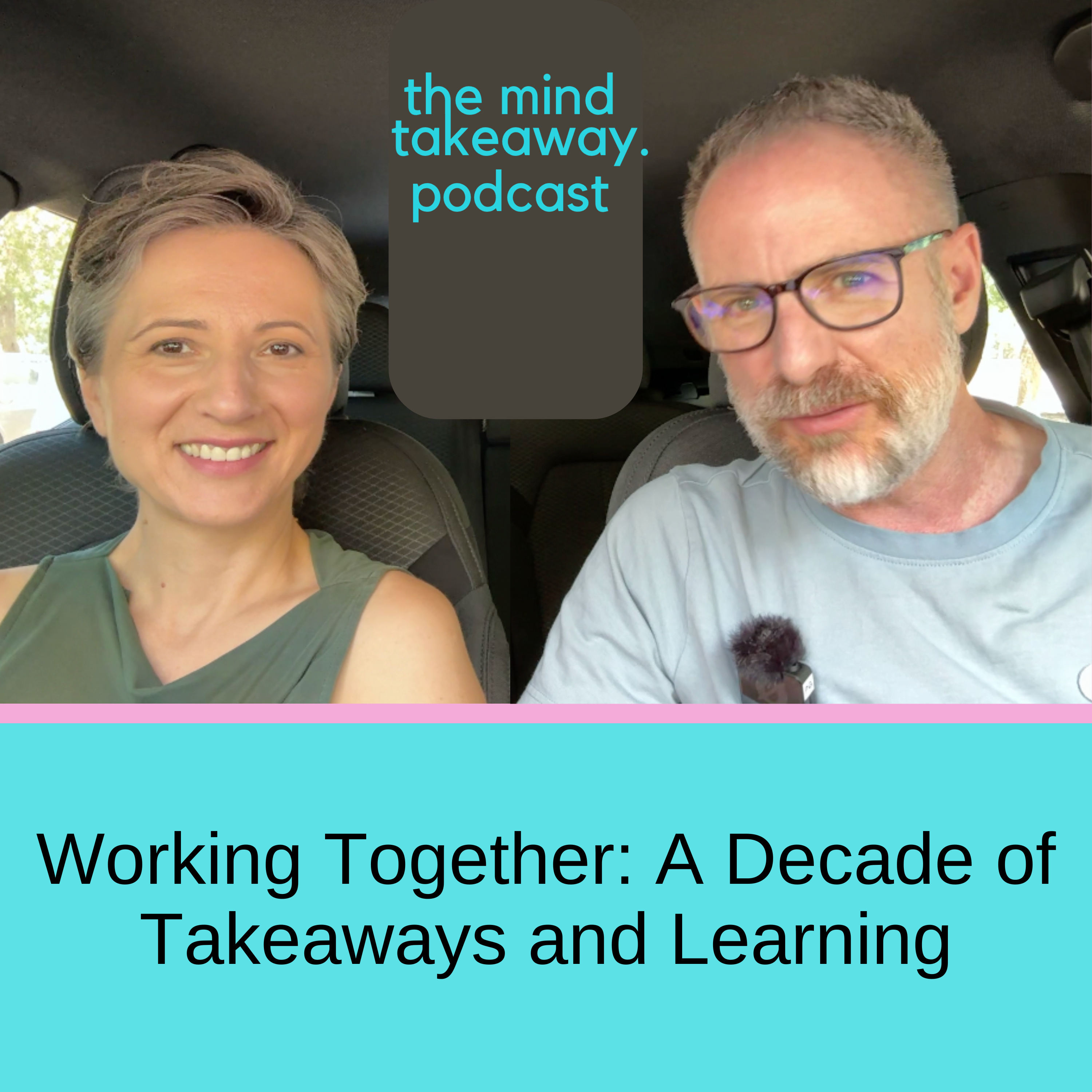
Show NotesIn this episode of The Mind Takeaway Podcast, we share the lessons learned from a decade of partnership, both as life and business partners. As we reflect on our journey through marriage and co-founding two businesses, we share insights that are invaluable for anyone navigating relationships in a professional context.We explore the impact of listening to understand, emphasising the importance of emptying our minds to hear one another. This practice not only enhances communication but also fosters a safe environment where emotions can be expressed openly. We discuss the challenges of maintaining openness and honesty, particularly in high-stress situations, and how vulnerability can strengthen trust between partners.We highlight the importance of not holding grudges and of letting go of past conflicts. By creating space for each other to express emotions without judgment, we build a foundation of psychological safety that is essential for both personal and professional growth.Additionally, we acknowledge that no one can excel at everything. Recognising our individual strengths and limitations has been crucial in our partnership, allowing us to divide responsibilities effectively and avoid the pitfalls of ego-driven conflicts. We share how embracing these truths has led to a healthier dynamic in our relationship and business.Join us as we reflect on the complexities of working together and the lessons we've drawn from our journey. TakeawaysThe power of listening to understand and its impact on communication.The importance of openness and honesty in maintaining trust.We often hear from our own lived experience, which comes with biases and preconceptions.Give your permission to push each other out of your comfort zones. Strategies for letting go of grudges and creating a safe space for emotional expression.Recognising individual strengths and limitations to foster collaboration.The value of vulnerability in strengthening relationships.