Dubai property ROI in 2026: Do the numbers actually work? With Tariq Jarrar | Dubai Real Estate Podcast
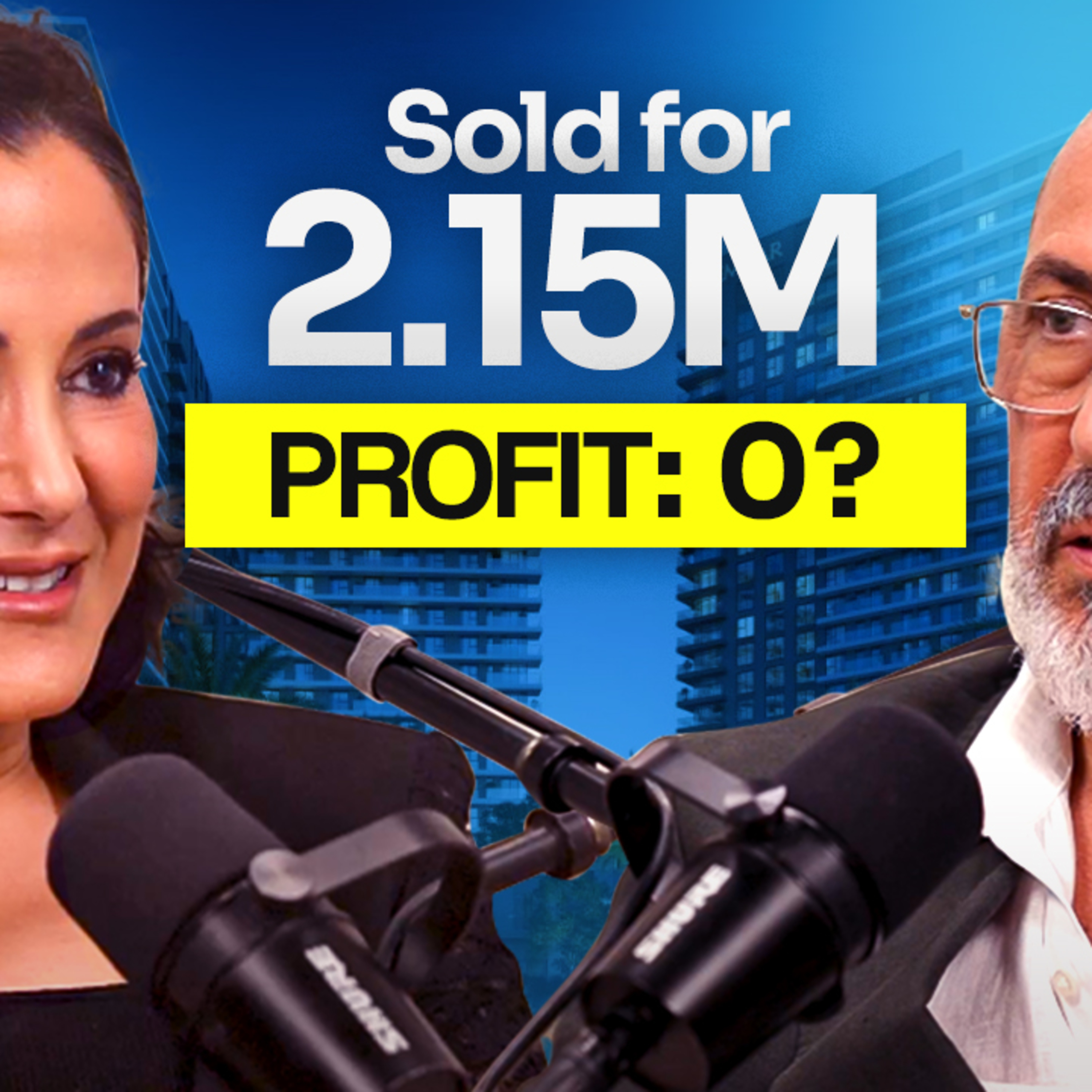
A beautiful property, a top developer and a great location can still be a bad investment if the numbers don't work. So how do you work out your real Dubai property ROI before you buy? Tariq Jarrar of Devmark explains why the figure most people quote as ROI is usually just gross rental yield. Once you subtract service charges, maintenance, furnishing, vacancy and financing, your net yield could land closer to 4 or 5%. That's still higher than most top global markets, but it's the number you should plan around. In the final part of this four-part series, GG and Tariq break down the numbers overseas investors should check before buying in the UAE. They walk through holding costs, why a 40% capital appreciation projection means little without an exit strategy, and a simple example: buy at AED 2 million, sell at AED 2.15 million, spend AED 150,000 on upkeep, and you've only broken even. Getting your Dubai property ROI right starts with what goes out of your pocket as well as what comes in. For off-plan buyers, Tariq explains why the best time to exit is usually after handover, why you should budget to hold until at least handover rather than the earliest date the SPA allows an assignment, and why you should confirm a post-handover payment plan can transfer to the next buyer. GG also covers why American investors still owe US tax on rental income and gains, and why that belongs in any honest Dubai property ROI calculation. In this episode: - Rental yield vs ROI, and why the difference matters - Service charges, maintenance and other costs that cut your net yield - How to test a capital appreciation projection - Why the best off-plan exit is usually after handover - Checking that a post-handover payment plan transfers to your buyer - Why US investors must factor in US tax 00:00 Episode preview 00:47 Can a great property still be a bad investment? 01:52 Net yield: the number most investors get wrong 03:43 Service charges and costs that cut your yield 05:29 Factoring in mortgage and payment plan costs 06:35 How to test a capital appreciation projection 08:37 Why you need expert help in a selection market 10:03 US taxes for American investors in Dubai 11:52 Off-plan SPA terms and post-handover plans 13:20 Why the sweet spot is after handover Listening on Spotify? Hit follow and leave a rating. It helps more investors find the show. Want to invest in Dubai but don't know where to start? Book a free call: https://wa.me/16193397978 Dubai Investor's Guide (Free Download): https://ggbenitezinternational.com/dubai-investment-guide Watch on YouTube: https://youtu.be/wm_6pL_hrbU?si=4sWkxfzyPIBhQYv9 Ghada "GG" Benitez, California Licensed REALTOR® (DRE #01487964), Dubai RERA Licensed Broker (BRN #83445), CIPS®, and host of The Dubai Connect® Podcast Website - https://ggbenitezinternational.com Instagram - https://www.instagram.com/ggbenitezinternational LinkedIn - https://www.linkedin.com/in/ggbenitez Email - GG@GGBenitezInternational.com FAQ How do you calculate ROI on a Dubai property? Start with the cash you actually put in, then factor in rental income, all ownership costs, any mortgage and your expected sale price. Rental yield (annual rent divided by price) is only one part of ROI. What is the net rental yield in Dubai? According to Tariq Jarrar of Devmark, net yield after all costs can land around 4 to 5%, depending on the property. Service charges alone typically take 15% to 25% of gross rent, depending on the area. How much are service charges in Dubai? Service charges typically range from about AED 8 to 35 per square foot a year, depending on the area and building. Check the exact rate per square foot before you buy. When is the best time to sell an off-plan property in Dubai? Tariq says the sweet spot is usually right around or after handover, when buyers who want to live in the property, rent it or finance it can come in. Budget to hold until at least handover rather than counting on an early assignment.