Find partners
The Connected Leadership Podcast

The Connected Leadership Podcast

Hosted by Evergreen Podcasts

BusinessInterviews guestsExplicit

Episodes

247

Latest episode

Jun 2026

Language

EN

About the show

Speaker and author on professional relationships, Andy Lopata, explores great connections with experts and high achievers worldwide.

Listen to episodes

60 recent
June 15, 202621 min

A Hand Up, Not a Hand Out with Nigel Kershaw OBE

When The Big Issue launched in 1991, it didn't just introduce a new publication; it fundamentally changed the face of homelessness. By offering a "hand up, not a hand out," it turned vulnerable individuals into micro-entrepreneurs and challenged the traditional charity model. In this inspiring episode from the archive, Andy Lopata speaks with Nigel Kershaw, Chairman of The Big Issue Group, about the incredible 30-year journey of this iconic social enterprise. Nigel shares the origin story—sparked by an encounter on the streets of New York—and the initial pushback they faced from both the homeless community and established charities. Discover how The Big Issue built a powerful, interdependent relationship with its vendors, the critical pivot they made overnight during the pandemic lockdown, and how a "mad idea" to start a social merchant bank led to managing £300 million in impact funds. This is a masterclass in leading with purpose, scaling impact, and proving that business solutions can solve social crises. What you will learn in this episode: The Origin Story: How a chance encounter with a "two-time loser from upstate New York" inspired the creation of one of the world's most successful social enterprises. The Business of Prevention: Why The Big Issue was strictly structured as a business, not a charity, and the initial resistance they faced from both charities and homeless individuals. The Interdependent Relationship: How the dynamic between The Big Issue and its vendors differs entirely from the traditional "giver and receiver" charity model. Actionable Insights: Build Interdependent Relationships: Move away from purely transactional or paternalistic relationships with your stakeholders. The Big Issue succeeds because the business needs the vendors to sell, and the vendors need the business for stock. Create structures where your success is directly tied to the success of your partners. Incubate Radical Ideas Separately: When you have a disruptive or highly innovative idea, don't force it onto a core team that is already busy managing day-to-day operations. Like The Big Issue did with their investment arm, incubate these ideas outside the main structure to allow them space to grow without facing immediate resistance or resource constraints. Use Crises to Force Digital Transformation: When the pandemic wiped out their street sales overnight, The Big Issue didn't just ask for donations; they accelerated a planned digital pivot, introducing cashless sales and digital wallets. Use major disruptions as a catalyst to push through necessary innovations that might otherwise take years to implement. SELECTED LINKS FROM THE EPISODE Connect with Andy Lopata: Website | Instagram | LinkedIn | X/Twitter | YouTube Connect with Nigel Kershaw OBE: Website |LinkedIn | The Financial Times Guide to Mentoring Episode 173 Featuring Nigel Kershaw OBE

June 8, 202620 min

How to Lead When the Rules Keep Changing with Nikki Bush

When the pandemic hit, the instruction was simple: "Go home." But returning to a hybrid model? That's a complex, messy experiment full of grey areas. In this episode from the archive, Andy Lopata chats to human potential expert Nikki Bush, dialing in from Johannesburg. They explore why the return to hybrid work is causing so much stress for both leaders and teams, and why standardising rules across an entire organisation often leads to disaster. Nikki shares practical strategies for navigating this new autonomy, emphasising the need for employees to act as "intrapreneurs." Discover why the number one hybrid trap is "meeting-itis," how to ensure your virtual one-on-ones aren't just tick-box exercises, and the profound difference a leader can make by truly seeing the essence of their team members beyond their job descriptions. If you're struggling to balance flexibility with productivity, this episode offers a roadmap for connection. What you will learn in this episode The Autonomy Shift: Why hybrid work requires employees to stop acting like traditional staff and start thinking like "intrapreneurs" who are solely responsible for their output. The Illusion of Choice: Why giving employees too much choice in a hybrid model actually increases stress, and how to find the right balance of structure. The "Meeting-itis" Trap: Why over-scheduling meetings is the biggest mistake hybrid leaders make, and how it actively prevents real work from getting done. Beyond the Job Description: How to uncover the hidden "essence" of your team members. The Power of Intentional Listening: Why the success of your one-on-ones depends entirely on your intent, and how to prove you are listening with your "whole being." Actionable Insights Decentralise Hybrid Mandates: Do not try to mandate a single hybrid schedule (e.g., "everyone is in on Tuesdays") for an entire organisation. Empower individual team leaders to create their own bespoke hybrid mandates based on the specific operational needs and cross-departmental requirements of their group. Visibly Protect "Sacred Time": When conducting a one-on-one (especially virtually), explicitly state that you are turning off your devices to be fully present. If you must leave your phone on for an emergency, set that expectation at the very beginning of the meeting. This verbal boundary demonstrates profound respect. Conduct an "Essence Audit": Look past your team's job titles. Identify their innate strengths—who is the nurturer? Who brings levity during a crisis? Actively share these observations with them. Reflecting these strengths back to your team not only builds confidence but allows you to deploy them more effectively when unforeseen challenges arise. SELECTED LINKS FROM THE EPISODE Connect with Andy Lopata: Website | Instagram | LinkedIn | X/Twitter | YouTube Connect with Nikki Bush: Website |Instagram | The Financial Times Guide to Mentoring Episode 172 Featuring Nikki Bush

June 1, 202647 min

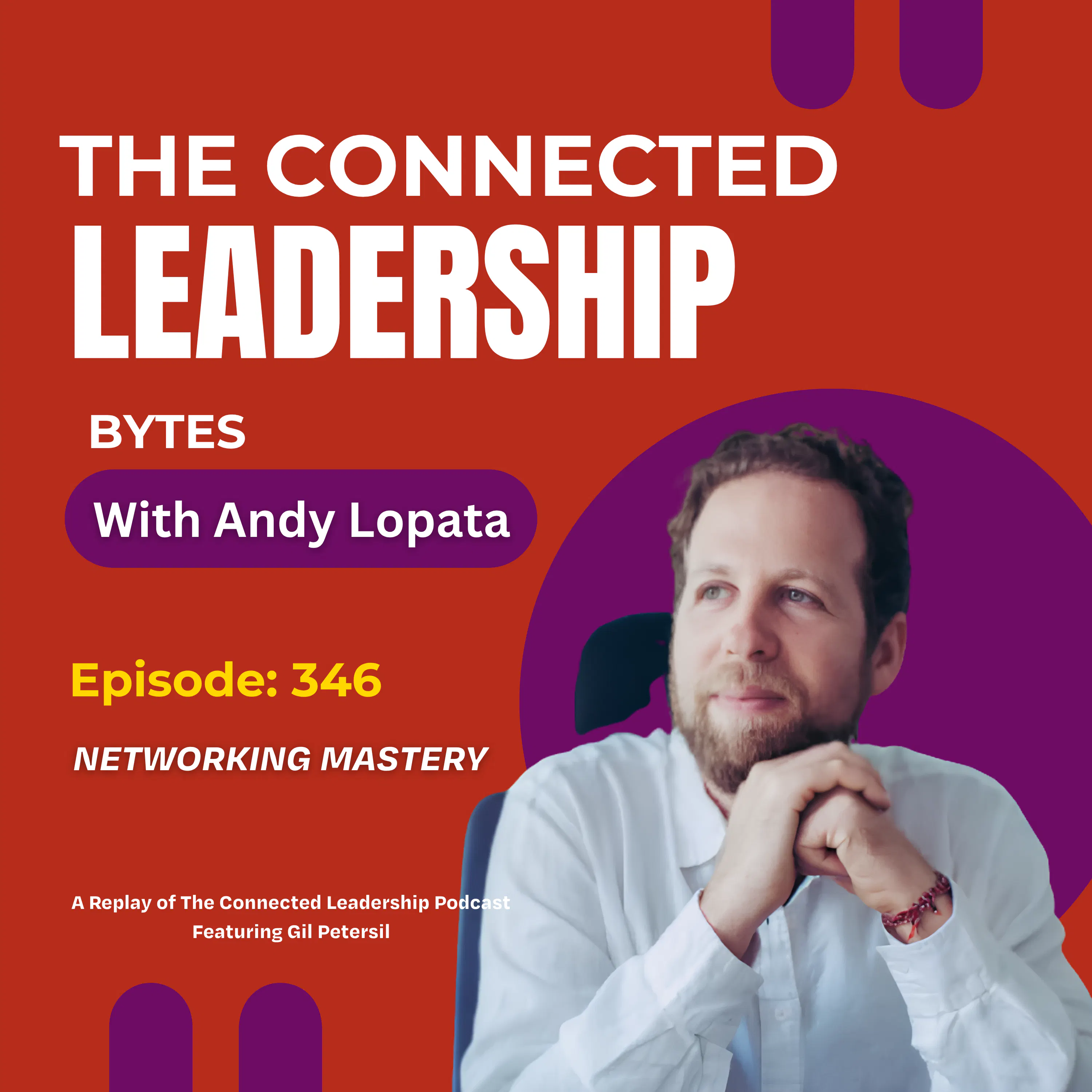
Mastering Your Emotional Responses with Vicky O'Farrell

Have you ever let a bad commute ruin a crucial meeting? Or sent a hasty, frustrated reply to a message you misunderstood? In this highly relatable episode, Andy Lopata sits down with Vicky O'Farrell, known as the "Queen of Behaviours," to unpack how the minor inconveniences of our day can hijack our brains, alter our moods, and ultimately sabotage our professional relationships. Andy and Vicky dive deep into the psychology of our daily triggers—from the "limbic" fight-or-flight response of getting cut off in traffic, to the toxic nature of instant-reply culture on WhatsApp and social media. Vicky shares a powerful personal story of how her own traffic-induced bad mood infected an entire construction site, highlighting the contagious nature of our emotions. Together, they explore practical tools to reset your emotional temperature and how pausing to consider another person's perspective can save your most valuable connections. About Our Guest:Vicky O'Farrell is an expert in human behavior and communication, widely known as the "Queen of Behaviours." With 25 years of corporate experience, from charming Sales rep to Boardroom boss, Vicky founded Queen of Behaviours in 2013 after her own behaviour had a tiny impact on her corporate trajectory. Splitting her time between delivering high-level corporate workshops in London and helping run her husband’s construction business, Vicky has a unique, boots-on-the-ground understanding of how to adapt communication styles, read the room, and manage emotional energy across vastly different workplace cultures. What we discussed in this episode: The Traffic Jam Trigger: Why getting cut off in traffic immediately triggers our "chimp" limbic system, and how the stories we tell ourselves about why the other person did it dictate our mood for the rest of the day. The PAUSE Model: Vicky introduces the concept of PAUSE—starting with "P" for Perspective—and how assuming a positive intent (e.g., they are rushing to the hospital) can instantly lower your dangerous cortisol levels. Code-Switching and Authenticity: How to adapt your communication style and energy when moving between entirely different environments (like a corporate boardroom vs. a construction site) without losing your authentic self. The 0 to 10 Energy Scale: Why striving to be a "10 out of 10" every day is actually a mistake, and why finding your grounded "5" is often the best way to match your audience's emotional needs. The Doorway Reset: Practical tools—like curating a specific Spotify playlist, checking your "mirror," and Box Breathing (4 in, 4 hold, 4 out)—to reset your mood before you walk into a room. Resources Mentioned in this Episode: Paul McGee’s Book: S.U.M.O (Shut Up, Move On)  Breathing Technique: Box Breathing (Inhale for 4 seconds, hold for 4 seconds, exhale for 4 seconds). Download the full episode to learn how to master your mood and protect your professional relationships! SELECTED LINKS FROM THE EPISODE Connect with Andy Lopata: Website | Instagram | LinkedIn | X/Twitter | YouTube Connect with Vicky O’Farrell: YouTube |LinkedIn |Facebook The Financial Times Guide to Mentoring Box Breathing Relaxation Technique
May 26, 202622 min

The Secret to Leading Under Pressure with Martin Laschkolnig

Inflation, recession, global conflict, and post-pandemic exhaustion. Leaders today are operating under unprecedented levels of pressure, and many are finding that their own—and their team's—"fuses are getting shorter and shorter." In this archive episode of  Connected Leadership Bytes, Andy Lopata sits down with international speaker and serenity expert Martin Laschkolnig to discuss how leaders can maintain their composure when surrounded by crisis. Drawing on decades of business experience, Buddhist philosophy, and energy psychology, Martin explains why trying to "fix" a traumatised team member is the worst thing a leader can do, and why serenity is a muscle that must be trained before the crisis hits. If you want to stop reacting on autopilot and start leading with profound inner peace, this episode provides the practical tools you need to widen the space between event and reaction. 5 Key Takeaways: The Crisis Intervention Rule of 3: Discover the three essential steps leaders must take when a team member is in a crisis (and why "offering a solution" isn't one of them). The Limits of the "Fixer": Why jumping straight to "fix-it mode" can alienate your team, and why people need to feel "seen in their misery" before they can accept a solution. The Monkey Mind vs. The Sphere of Influence: How the "monkey mind's" desire to control everything causes burnout, and how to reclaim your power by focusing only on what you can actually influence. The "NATO" Mindset: How adopting the "Not Attached to the Outcome" philosophy can instantly reduce leadership stress in target-driven corporate environments. The Separation of Self and Problem: The profound psychological shift of realising "I have a problem, but I am not the problem," and why self-compassion is crucial for crisis management.  3 Actionable Insights Stop Giving Verbal Instructions in a Crisis: When an employee is overwhelmed or traumatised, always provide the next steps (e.g., "Go see HR") in writing or via a simple checklist to ensure they actually get the support they need. Defuse the Stress Hormones Daily: Do not wait for the weekend or a crisis to relax. Build a daily "micro-routine", whether it's five minutes of conscious breathing, digging in the garden, or taking a walk. Consistent, small steps build the foundation of resilience you will need when a storm hits. Widen the Space Between Event and Reaction: When you feel a strong emotion (like fear or anger) rising, do not react on autopilot. Step away. Take a few deep breaths. Create space to evaluate whether acting on that emotion will benefit you, or if it is better to let it pass. Your reaction determines the outcome; make sure it is a conscious choice. SELECTED LINKS FROM THE EPISODE Connect with Andy Lopata: Website | Instagram | LinkedIn | X/Twitter | YouTube Connect with Martin Laschkolnig: Website |LinkedIn | The Financial Times Guide to Mentoring Episode 171 Featuring Martin Laschkolnig

May 18, 202624 min

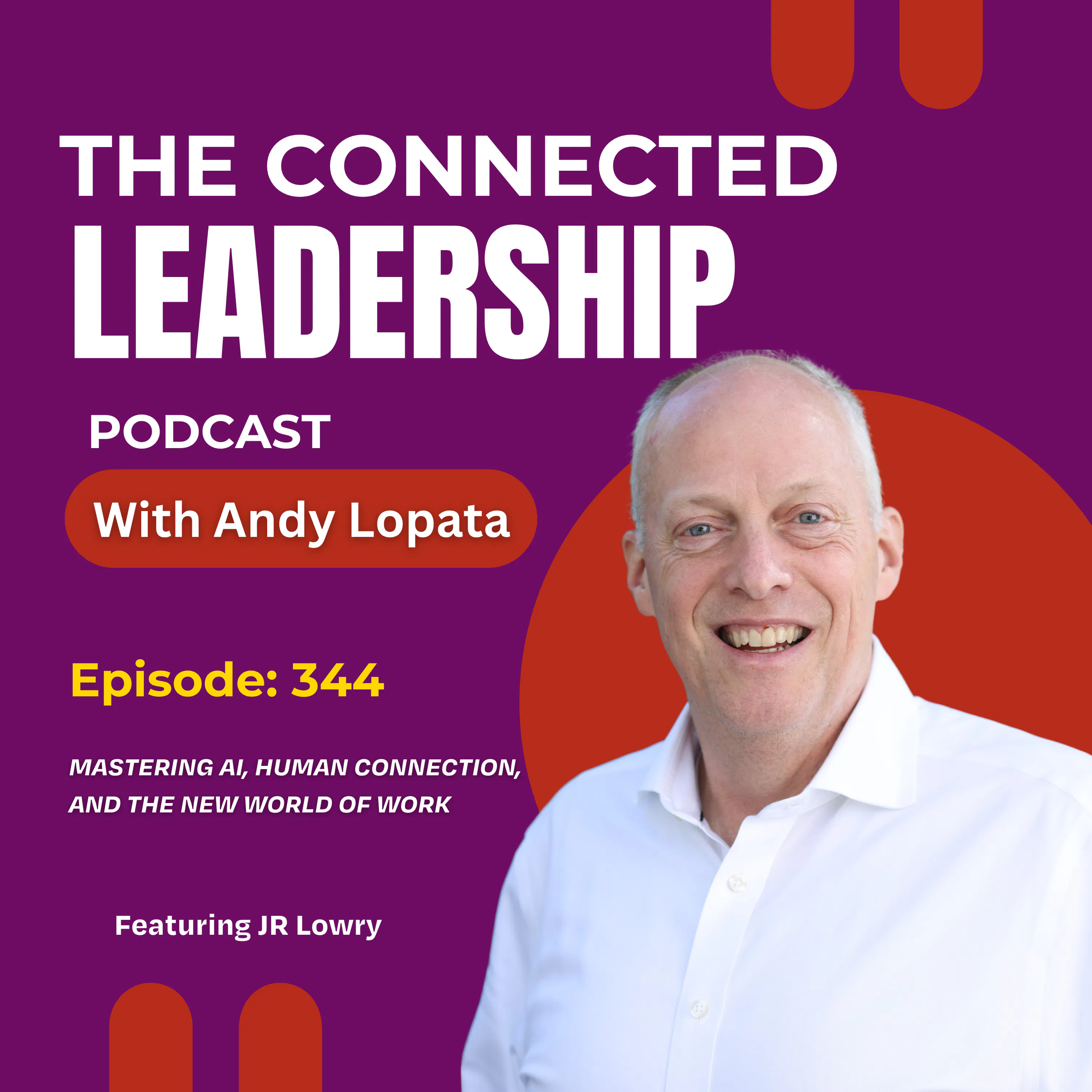
Connecting With Authenticity with Roxanne Derhodge

Connecting With Authenticity With Roxanne Derhodge We hear the word "authenticity" constantly in leadership circles, but what does it actually mean beyond just "removing the mask"? In this thought-provoking episode from the archive, Andy Lopata explores a radically different definition of authenticity with psychotherapist and author Roxanne Derhodge. Roxanne reveals that true authenticity doesn’t start with how you interact with others; it starts with how well you know yourself when no one else is looking. She argues that the ability to handle conflict, disagree agreeably, and navigate "hot button" topics without losing your cool is actually the highest form of authentic leadership. Discover why being authentic isn't an excuse for oversharing, how to strike the crucial balance between professional decorum and human connection and why the most powerful leadership test is how you treat people when nobody is watching. What You Will Learn From This Episode  The Pillow Test: The ultimate test of authenticity isn't how you behave on a stage, but whether you are "good on the inside" when you lay your head on the pillow at night. The Hidden Source of Conflict: Why your visceral reaction to a difficult colleague often has more to do with your own unresolved internal triggers than with their actual behavior. The "Verbal Diarrhea" Trap: Why bringing your "whole self" to work does not mean oversharing, and how to maintain the vital filter of professional appropriateness. The Consistency Check: How to spot an inauthentic leader by watching for a disparity between their "networking persona" and their true social behavior. The Power of Small Disclosures: How sharing small, tactical "bits and bytes" of your personal life can destratify a team and make you a more approachable leader during times of crisis.  Actionable Insights Audit Your Inner Triggers: Before you can authentically connect with someone who holds an opposing view, you must understand your own reactions. The next time a conversation triggers a fight-or-flight response, calm yourself so you can listen to understand, not just to respond. Share the "Micro-Personal": You don't have to share every failure or crisis to be vulnerable. By sharing small, appropriate glimpses of your life outside of work—a story about a hobby or a weekend challenge with a child, reminds your team that you are human, making you more approachable when real business problems arise. The "Off-Record" Balance: To be an authentic leader, you must balance holding your team accountable with being a safe harbor. Ensure you hold their feet to the fire for performance metrics, but intentionally create a separate, off-the-record space where they can connect with you as a person when they need support. SELECTED LINKS FROM THE EPISODE Connect with Andy Lopata: Website | Instagram | LinkedIn | X/Twitter | YouTube Connect with Roxanne Derhodge : Website |LinkedIn | The Financial Times Guide to Mentoring Episode 170 Featuring Roxanne Derhodge
May 11, 202622 min

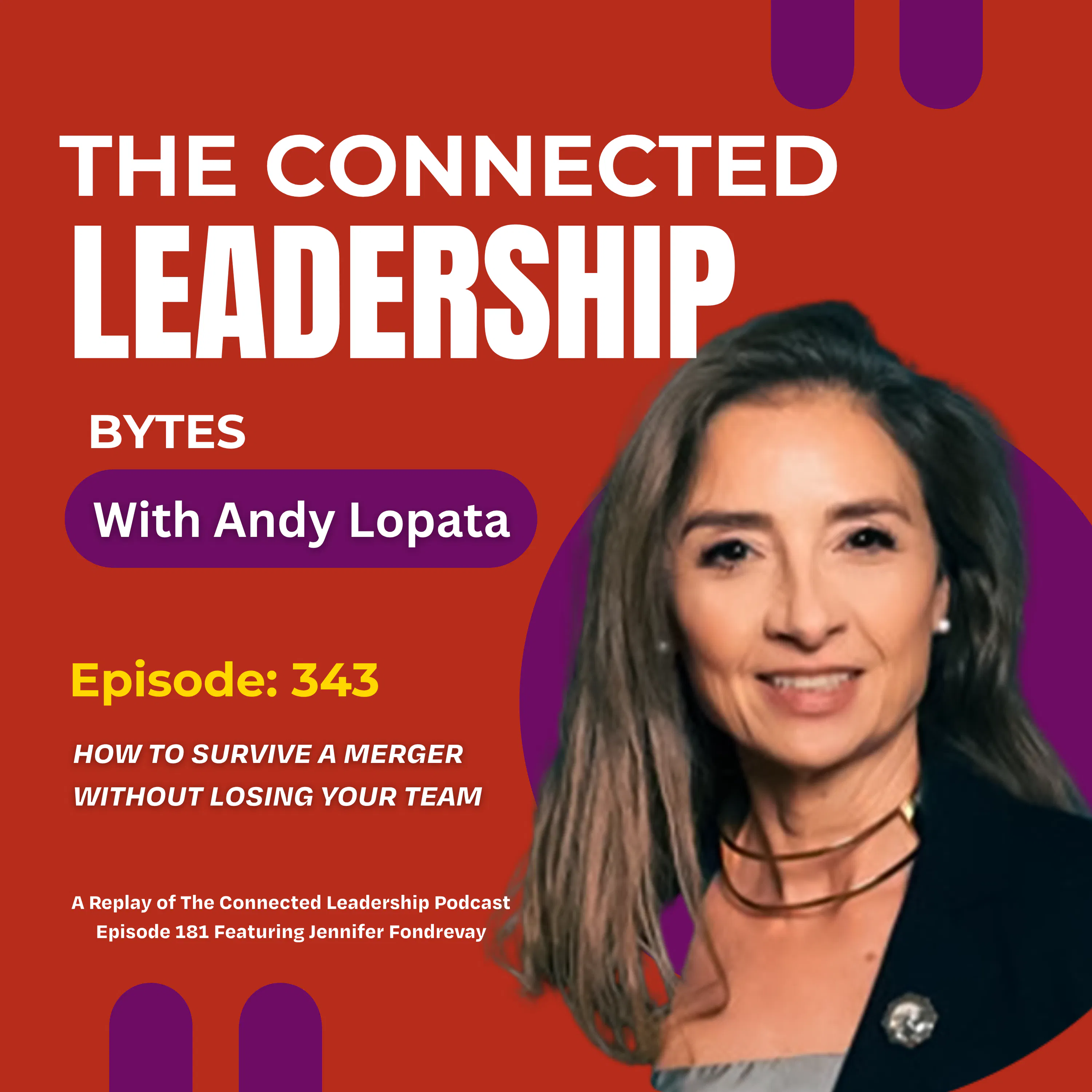
Are You Running on Empty? Navigating the Burnout Trap Dr. Amy Bradley and Dr. Katherine Semler

Does your daily schedule look like a solid wall of back-to-back video calls? Do you find yourself constantly saying, "I just have to get through this week"? If so, you might be driving straight toward burnout. In this vital archive episode of The Connected Leadership Bytes, Andy Lopata sits down with leadership experts Dr. Amy Bradley and Dr. Katherine Semler to explore the hidden mechanics of exhaustion. Both women share their personal "wake-up calls"—from the realisation of spending nine consecutive days trapped on Zoom to a jarring moment of clarity standing outside in the freezing cold. This conversation moves beyond the typical advice of "taking a break." Amy and Katherine explain why the most passionate, high-achieving perfectionists are actually the most at risk. They break down the toxic extremes of workplace culture—those that stigmatise stress and those that glorify it—and reveal why a leader's empathy is the ultimate firewall against employee burnout. If you want to protect your team (and yourself) from running on empty, this episode is essential listening. What You Will Learn From This Episode The Passion Paradox: Why being deeply passionate about your work and unable to say "no" to interesting projects is a fast track to exhaustion. The Isolation of the "Eggshell" Approach: Why being too careful with your language around struggling colleagues can accidentally isolate them further. The End of the Buffer Zone: How the shift to virtual meetings destroyed the natural "commute cushion" between tasks, creating relentless cognitive strain. Actionable Insights Stop Asking "How Are You?": Ditch the throwaway greeting. Instead, use specific, questions like, "How are you coping with [Specific Project]?" or "Is there anything I can do to lighten your load today?" This proves you are genuinely listening and opens the door for real answers. Audit Your Diary for White Space: Immediately evaluate your calendar. If you have back-to-back calls booked for hours on end, break the pattern. Force 5-to-10-minute buffers into your schedule to step away from your desk, get fresh air, and reset your brain. SELECTED LINKS FROM THE EPISODE Connect with Andy Lopata: Website | Instagram | LinkedIn | X/Twitter | YouTube Connect with Dr Amy Bradley: Website |LinkedIn | Connect with Dr Katherine Semler: Website |LinkedIn | The Financial Times Guide to Mentoring Episode 169 Featuring Dr Amy Bradley and Dr Katherine Semler
May 4, 202632 min

The Power of In-Person Connection with Gary Gamp

In a business world dominated by back-to-back screen time, have we forgotten the profound impact of physical presence? In this thought-provoking episode, Andy Lopata talks to seasoned change leader and executive coach Gary Gamp to explore why getting out from behind the screen—and out of the formal boardroom—can dramatically alter the trajectory of your professional relationships. Andy and Gary debate the nuances of virtual vs. physical trust-building, exploring everything from dating app dynamics to the tragic loss of organic "small talk" in the Zoom era. They discuss the psychology of changing your physical environment  and how to balance the massive time pressures of modern leadership with the undeniable ROI of breaking bread together. Whether it's a walk around a lake, a coffee date, or a "Netwalk," this episode will challenge you to rethink your calendar and reclaim the power of presence. About Our Guest:Gary Gamp is a change leader, an in-demand executive coach, and the co-host of the excellent Company Doctor podcast (where Andy himself has been a recurring guest!). Gary specialises in helping leaders navigate complex business transformations and believes strongly in the power of authentic, human-to-human connection to drive business results. What we discussed in this episode: Are your hyper-efficient virtual meetings actually killing your relationships? Discover the crucial "transitional small talk" we've lost in the era of Zoom, and why the question "Where are you going next?" matters more than you think. Could avoiding direct eye contact make you a better communicator? Unpack the fascinating "car windshield" psychological theory and learn why walking side-by-side often unlocks much deeper honesty than staring at a screen. Who is "Mr. Gamp" and why does he disappear outside the office? Find out why taking your colleagues or clients out of their formal corporate environment completely shifts the power dynamic. Do you know how to "code" your professional network? Learn Gary's brilliant system for strategically deciding whether a contact gets a coffee, a breakfast, a lunch, or a dinner invitation to maximize both time and relationship value. What exactly is a "Netwalk" and why should you try one this week? Explore this innovative new trend that is replacing stuffy hotel lobby networking with fresh air, community brainstorming, and authentic connection. Resources Mentioned in this Episode: Podcast: The Company Doctor Podcast (Hosted by Gary Gamp and George Clode) Colleagues Mentioned: Dr. Ruth Gotian, Ben Brabin (Community Builder / Netwalks), Jeremy Nicholas. SELECTED LINKS FROM THE EPISODE Connect with Andy Lopata: Website | Instagram | LinkedIn | X/Twitter | YouTube Connect with Gary Gamp: Website |LinkedIn | The Financial Times Guide to Mentoring
April 27, 202623 min

From Full-Time to Fulfilled: The Secret to Jumping Ship with Matt Crabtree

Are you tired of the corporate grind but terrified to leave the "security" of a full-time salary? You aren’t alone. In this high-impact archive episode of Connected Leadership Bytes, Andy Lopata sits down with Matt Crabtree—the man who meets CEOs and shows them how to successfully jump ship. Matt shares the raw, honest truth about his transition from a senior role at Barclays to building a multi-million-pound consultancy. Forget what you think you know about "entrepreneurial risk." Matt argues that having 18 clients is actually safer than having one boss who can make you redundant on a whim. We examine the "unemployable" mindset, why you don't need a massive network to start, and the exact "If I did, would you?" conversation that validates your business idea before you even resign. If you’ve ever dreamed of being your own boss but felt held back by fear, this is the blueprint you need to move from full-time to fulfilled. Stop being a "minister without portfolio" and start building a legacy on your own terms. What You Will Learn From This Episode The "If I Did, Would You?" Script: The specific conversation you must have with 20 people to determine if your idea is a goldmine or a "lunatic" move. The "Non-Job" Catalyst: How a six-month stint as a "minister without portfolio" at a major bank became the ultimate laboratory for self-employment. The "Unemployable" Badge of Honor: Why making yourself impossible to hire by anyone else is actually the ultimate career liberation. Scaffolding vs. Sabotage: Why internal corporate mentors often have an "axe to grind" and where to find the unvarnished truth instead. Actionable Insights Conduct the "Sunday Paper" Test: Pay attention to which section of the news you read first. If you aren't naturally obsessed with the business pages and organisational drama, consultancy isn't for you. You must be a "geek for business" to thrive outside the corporate structure. Inventory Your "Hardcore Seven": You don't need a gigantic network to start. Identify the seven "founder customers" or core contacts who would vouch for your reputation. Focus on the quality of these relationships and the "ripple effect" of their referrals rather than trying to meet thousands of strangers. Establish a Financial and Relational Runway: Don't leap without a "war chest." Ensure you have a financial cushion (6–12 months of expenses) to avoid the "smell of desperation." Combine this with an 18-month pre-launch plan to ensure your first invoice is ready to be sent before your final day in the office. SELECTED LINKS FROM THE EPISODE Connect with Andy Lopata: Website | Instagram | LinkedIn | X/Twitter | YouTube Connect with Matt Crabtree: Website |LinkedIn | The Financial Times Guide to Mentoring Episode 142 Featuring Matt Crabtree
April 20, 202623 min

Happiness Makes Money: The Real Secret to Employee Engagement with Scott Friedman & Paul ter Wal

Is your leadership style costing you a fortune? In this high-energy episode from the archive, Andy Lopata revisits a global conversation with employee engagement specialists Scott Friedman and Paul ter Wal. They challenge the outdated "command and control" hierarchy, replacing it with a radical yet profitable philosophy: Happiness makes money. Engagement isn't just a corporate program or a ping-pong table in the breakroom—it is a two-way street built on a foundation of absolute trust. You’ll hear Scott share a powerful technique for setting the intention from day one by asking new hires to agree that this will be the “best job they’ve ever had.” Meanwhile, Paul breaks down why leaders should stop standing on top of their teams and start standing behind them. From the "I Test" of inclusive language, to the scientific reason you should never lead more than 20 people if you actually want to listen, this episode is a masterclass in modern leadership. Discover how to turn "quiet quitting" into high-performance engagement by shifting your mindset from controlling behavior to facilitating success. What You Will Learn in this episode: The "Best Job Ever" Contract: What is the specific agreement you should make with every new hire before they even start? The 20-Person Rule: Why does science say a leader's effectiveness drops off a cliff when managing a team larger than 20? Hiring for Purpose: Why is the new generation of talent running away from high salaries and toward this one specific cultural trait? The "I Test" Reveal: How can a simple word count of your latest speech or email prove your leadership style is alienating your team? Leading from Behind: What is the one question a leader should ask every day to guarantee the best results from their professionals? Actionable Insights: Shift from Controller to Facilitator: Stop telling your team how to behave and start asking, "What do you need from me to be the best?" This simple shift in perspective moves the leader from a "checker of boxes" to a supporter of professionals. Define Your "Non-Negotiables": Don't let your core values be "lip service" buried on a website. Identify 5–10 written ground rules for behavior and accountability, and model them daily. If the leadership doesn't model the values, the team will never live them. Schedule "Unagenda'd" Listening: Multitasking is a myth. To build trust, you must sit down, drink a cup of coffee, and listen without an agenda. In a hybrid or remote world, this means creating intentional spaces—like "open cafes"—where people can connect as humans, not just as employees. SELECTED LINKS FROM THE EPISODE Connect with Andy Lopata: Website | Instagram | LinkedIn | X/Twitter | YouTube Connect with Scott Friedman: Website |LinkedIn | Connect with Paul ter Wal: Website The Financial Times Guide to Mentoring Episode 166 Featuring Scott Friedman & Paul Ter Wal
April 13, 202642 min

Are You Working With "Idiots"... Or Are YOU The Problem? with Zena Everett

We all have that one co-worker. The one who microwaves smoked mackerel in the breakroom, doesn’t pull their weight on group projects, or simply drives you up the wall. It’s easy to look around the office (or the Zoom screen) and think, "I am surrounded by idiots." But before you vent to your work bestie... what if they aren't the problem? What if the real issue is the environment? Or worse... what if the problem is you? This week on The Connected Leadership Podcast, Andy Lopata welcomes back international leadership coach, in-demand speaker, and returning guest Zena Everett. Zena is the author of Mind Flip, the award-winning The Crazy Busy Cure, and her brand-new, hilariously relatable survival guide, Badly Behaved People: How to Work with Idiots. Originally a recruitment entrepreneur, she has an MSc in Career Management and Coaching, alongside postgraduate qualifications in psychological coaching and leadership from MIT. She has coached on the Executive MBA Programme at Oxford University’s Saïd Business School and is a member of the Associate Faculty at Henley Business School. Today, she runs a global coaching practice dedicated to replacing bad behavior and crazy busyness with productive, thriving, and profitable team relationships. Bringing her signature blend of evidence-based insights and highly entertaining truths to the table, Zena helps Andy unpack his own workplace behavior from his early career. Together, they dismantle everything we think we know about "bad behavior" at work. From the rise of the "accidental manager" to the silent damage of crazy-busy work cultures, this episode is a masterclass in turning workplace frustration into friction-free collaboration. Whether you manage a global remote team, you’re navigating the tricky waters of Gen Z vs. older generations, or you just want to know how to politely tell someone to stop playing their TikToks out loud on the train—this episode is for you. What we discussed in this episode: Are you trying so hard not to be a toxic boss that you’ve accidentally become a "Mama Bear" manager? Discover why overly nurturing leadership is actually setting your team up for failure—and the one boundary you need to set tomorrow morning. There is a specific, old-school workplace dynamic that dictates whether a Gen Z employee quits after 2 years or stays for 5.  Remote work killed the watercooler, but did it also kill your team’s best ideas? Find out how hybrid work is quietly breeding transactional relationships, and the brilliant, non-digital strategy one executive uses to get the magic back. Learn why we've lost our social awareness, and the exact script to use to confront micro-aggressions without making things awkward. Learn the brutal—but necessary—questions you must ask yourself to find out if your lack of communication is secretly breeding the exact bad behavior you hate.   SELECTED LINKS FROM THE EPISODE Connect with Andy Lopata: Website | Instagram | LinkedIn | X/Twitter | YouTube Connect with Zena Everett: Website |LinkedIn | The Financial Times Guide to Mentoring Badly Behaved People: How to deal with idiots at work

Is this your show?

Claim this listing to keep it up to date, reach guests who want to pitch you, and manage bookings with Guestify.

Claim this listing

More Business podcasts